What are Chola copper plates that Netherlands returned to PM Modi? FULL LIST of other artefacts brought back to India since 2014

The Netherlands has returned the historic 11th-century Chola Copper Plates to India after over 300 years at Leiden University. The artefacts, linked to Rajaraja Chola I and Rajendra Chola I, highlight the grandeur of Chola civilisation and Tamil heritage.
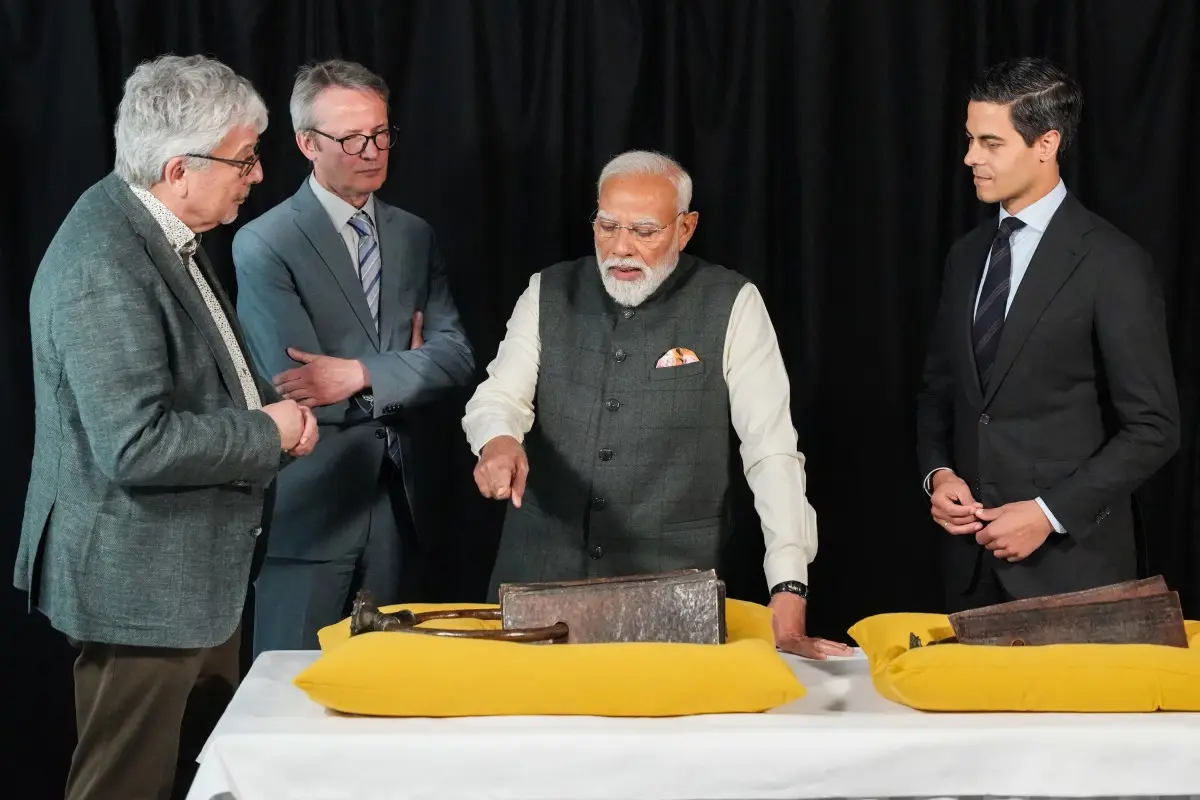
Netherlands returns 11th-century Chola Copper Plates, PM Modi reacts
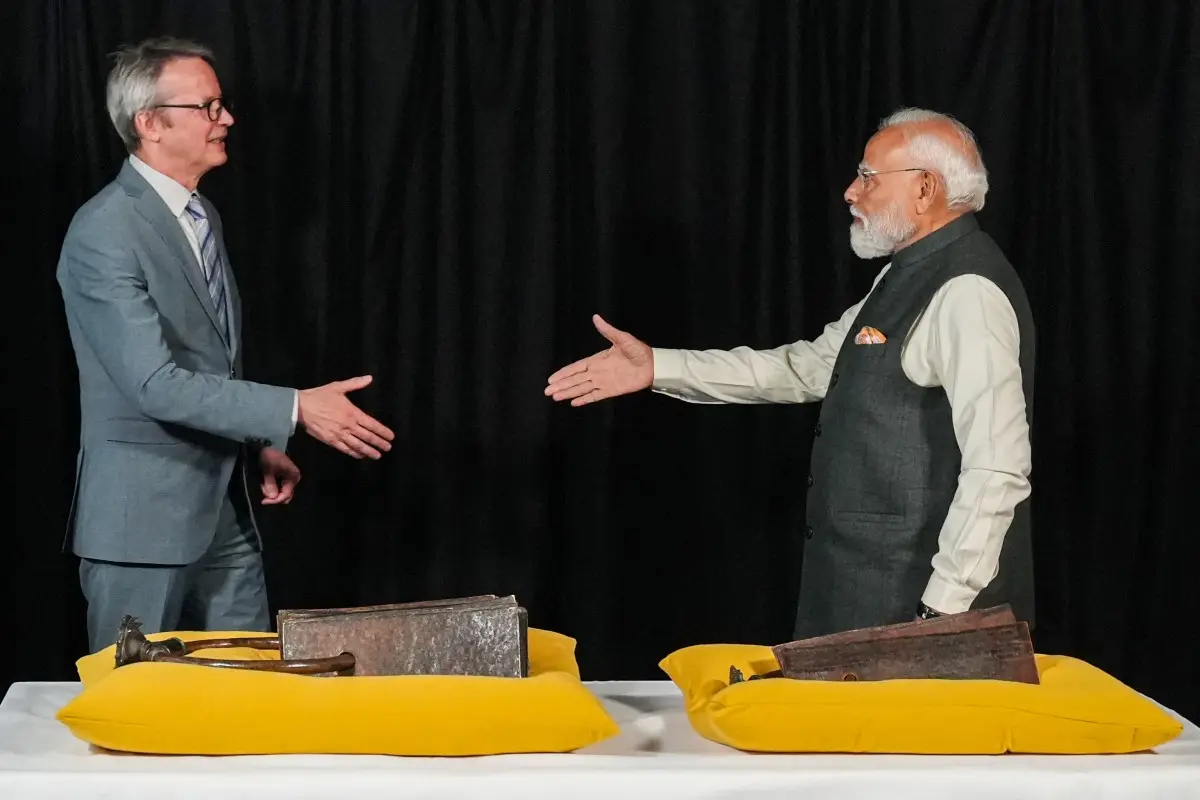
India has gotten back the historic 11th century 'Chola Plates' from Netherlands at a formal ceremony in the presence of PM Narendra Modi and PM Rob Jetten on Saturday (May 16). Taking to X, PM Modi said that it is a "joyous moment for every Indian." (Here's the post)
How did the artefact go to Netherlands from India?
The 11th-century Chola dynasty artefacts found its way into Leiden University in Netherlands around 1700 CE, by Florentius Camper. He was in India as a Christian missionary when the city of Nagapattinam in present day Tamil Nadu was under Dutch control. There is no clarity on the legality of how Camper was able to obtain the 21 plates. But, it was eventually found in the Asian section of Leiden University
What are the Chola plates?
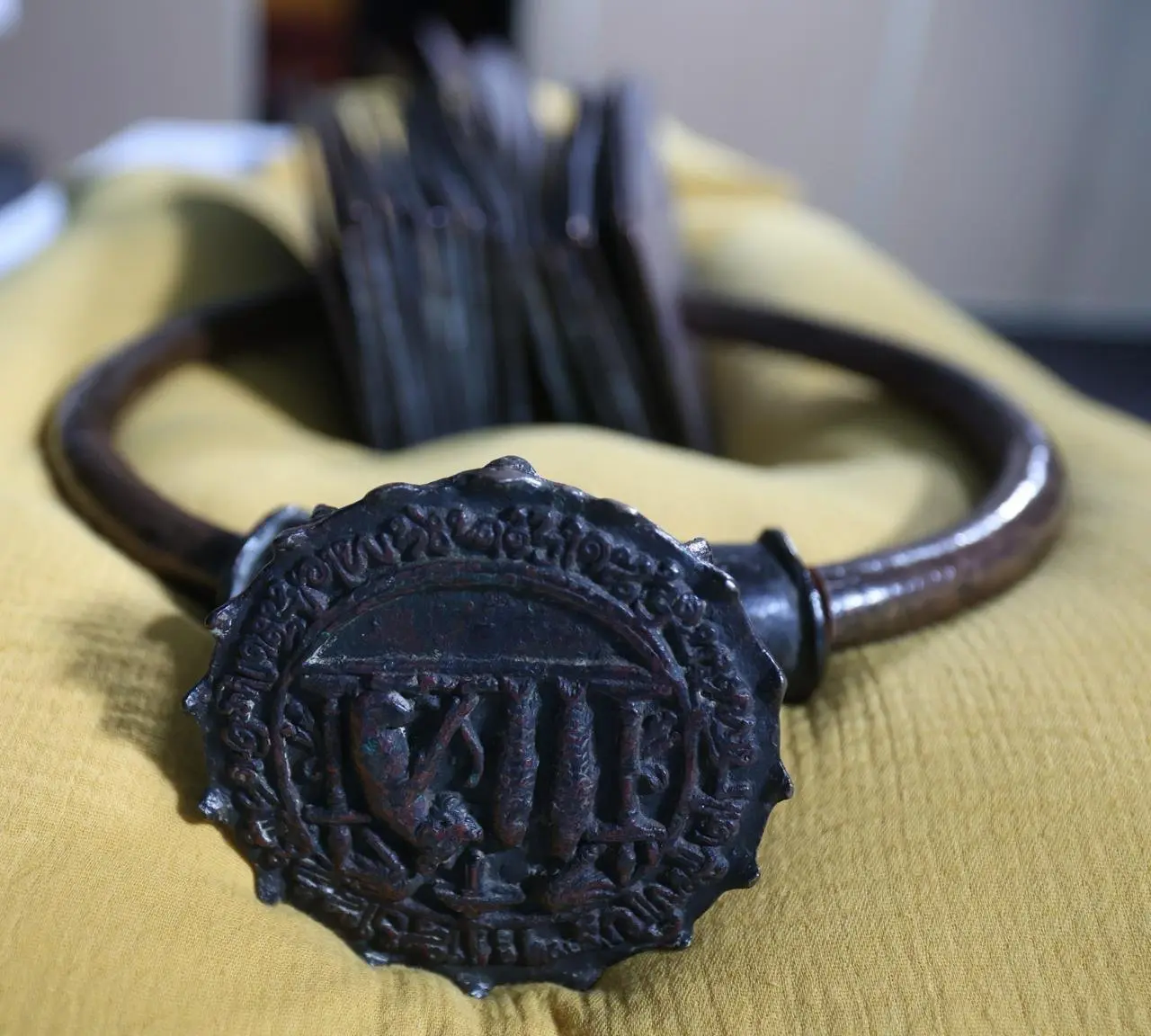
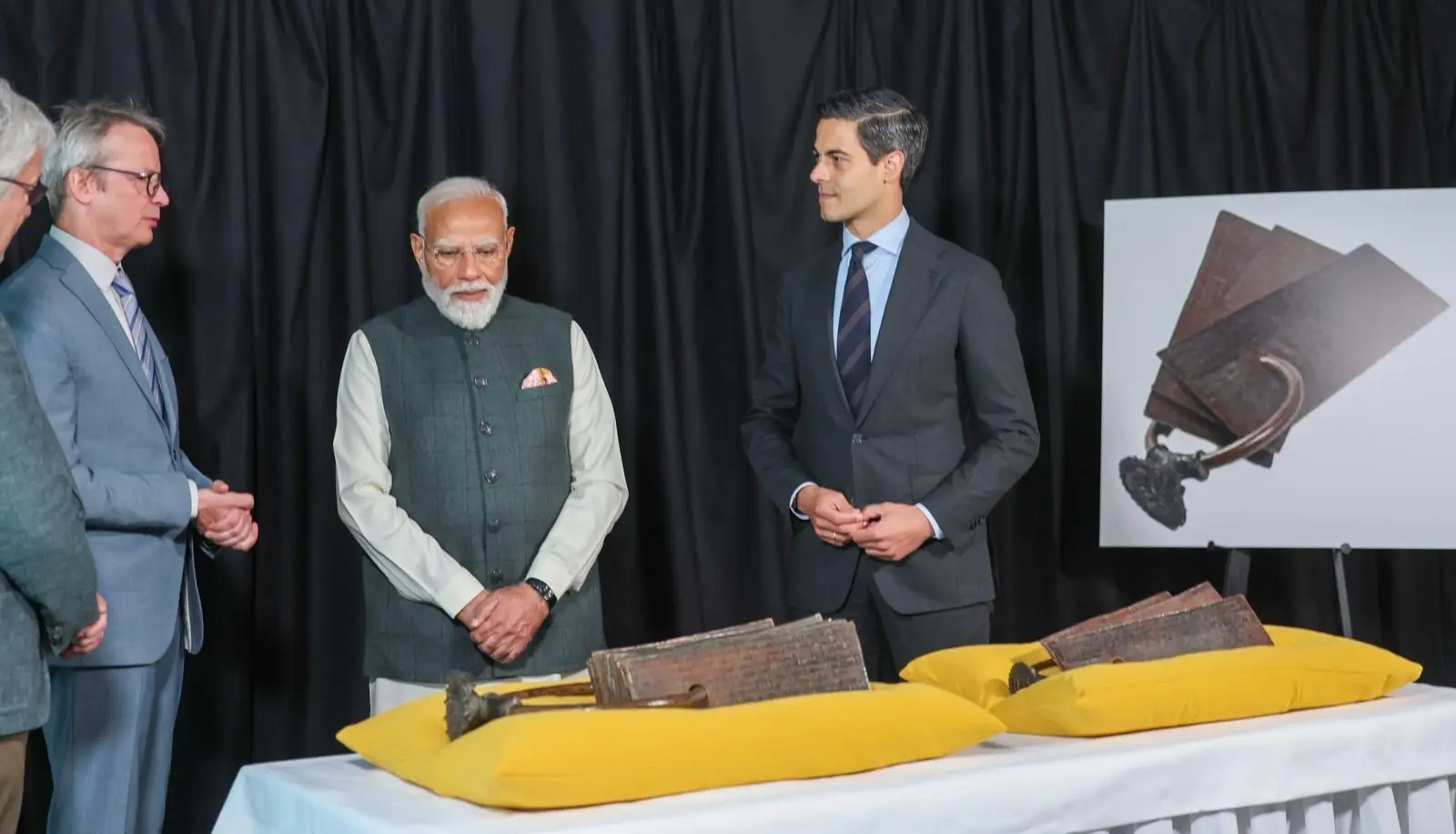
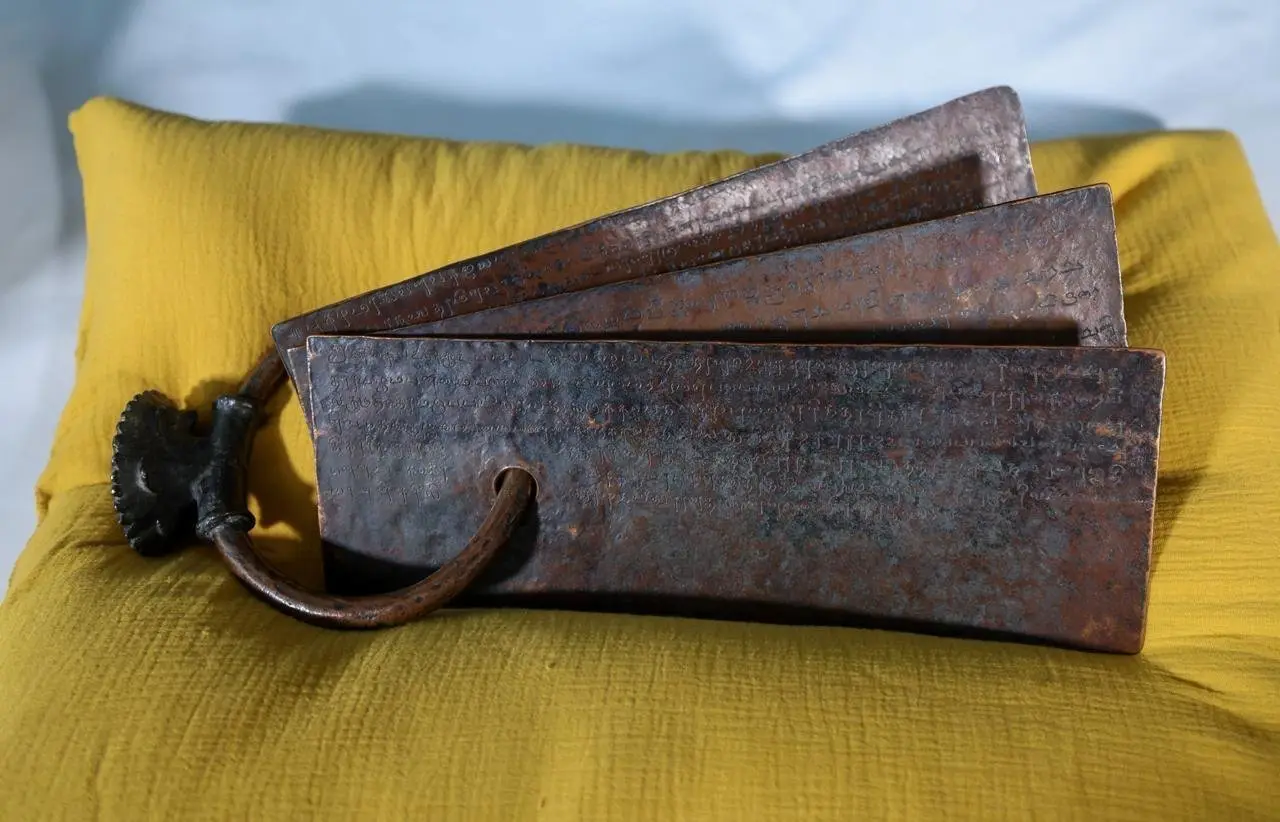
The Chola Plates are a set of 21 copper plates from the 11th century belonging to the Chola dynasty. Weighing around 30 kg, the plates are bound together by a bronze ring bearing the royal seal of Rajendra Chola I. The inscriptions, written in both Sanskrit and Tamil, date back to the reigns of Rajaraja Chola I and his son Rajendra Chola I. The plates cover the genealogy of the Chola dynasty beginning with praises of the Hindu god Vishnu, thus establishing the legitimacy of the ruling family from Thanjavur.
What is its significance?
The Sanskrit inscription traces the Chola genealogy. The Tamil part records Rajaraja’s grant of revenue from villages near Anaimangalam to support a Buddhist vihara (monastery) in the bustling port of Nagapattinam, built by the Malay king of Srivijaya. Chola plates were referenced in Kalki Krishnamurthy’s historical novel, ‘Ponniyin Selvan.’ The Chola Plates provide rare primary evidence of the golden age of the Chola Empire, which once controlled much of South India and Sri Lanka while also leading powerful naval expeditions across Southeast Asia. They highlight the Cholas’ administrative sophistication, maritime influence, and support for religion, literature, and the arts. The plates also reflect the dynasty’s enduring cultural legacy, seen in iconic monuments such as Brihadeeswara Temple. Inscribed on durable copper at the initiative of Rajendra Chola I to preserve his father’s royal order, the records remain an important symbol of Tamil heritage and civilisation.
India's push for artefacts?
Though the effort for repatriation of the plates began in 2012, in Oct 2023, India formally requested the inclusion of the 21 copper plates in the agenda of the 24th session of the Intergovernmental Committee for Promoting the Return of Cultural Properties to its Countries of Origin or its Restitution in Case of Illicit Appropriation (ICPRCP). The ICPRCP found validity in India’s claim and in November 2023, urged the Netherlands to begin the process of returning the plates. The process backed by UNESCO (United Nations Educational, Scientific and Cultural Organisation) led to an agreement between India and the Netherlands, with the plates set to be returned during Modi’s visit to the country.
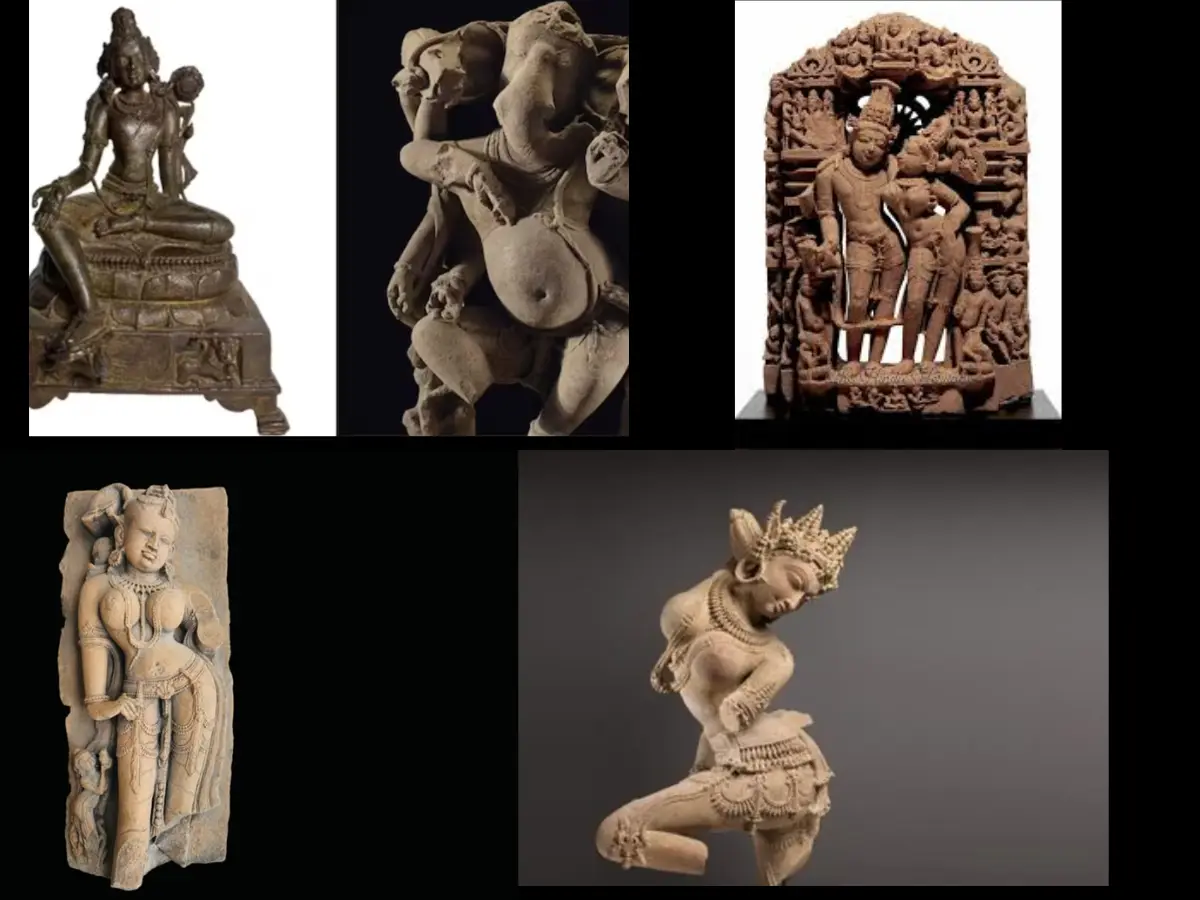
Major Artefacts Returned to India since 2014
Over the last 12 years, more than 1,400 trafficked antiquities have been returned to India from the United States alone, alongside major recoveries from countries including Australia, Canada, and the Netherlands.
2014: The “Parrot Lady” sculpture was repatriated from Canada.
2021: The idol of Goddess Annapurna was returned from Canada and reinstalled in Uttar Pradesh.
The “Nandikesa” bronze figurine was repatriated from the United States.
2022: Australia returned 29 historic antiquities, including Shiva and Shakti sculptures, sandstone carvings, bronze idols, and paintings dating from the 9th to 19th centuries.
2024: The United States returned 297 antiquities to India in one of the largest single-batch restitutions.
2025–2026: The United States systematically handed back 657 stolen artefacts, valued at nearly $14 million, across multiple phases.
May 2026: The Smithsonian Institution repatriated three important temple bronzes from Tamil Nadu:
-A 10th-century Chola-era Shiva Nataraja bronze
-A 12th-century Somaskanda bronze depicting Shiva and Uma
-A 16th-century Saint Sundarar with Paravai bronze
)
)
)
)
)