What are CH-53 helicopters? Why does US Navy rely on them to transport supplies to aircraft carriers in Middle East?

In the volatile maritime environments, especially when the US carriers are deployed in the Red Sea, the Gulf of Aden and the Persian Gulf, these helicopters are one the only assets capable of sustaining a Carrier Strike Group’s logistical needs.
Introduction
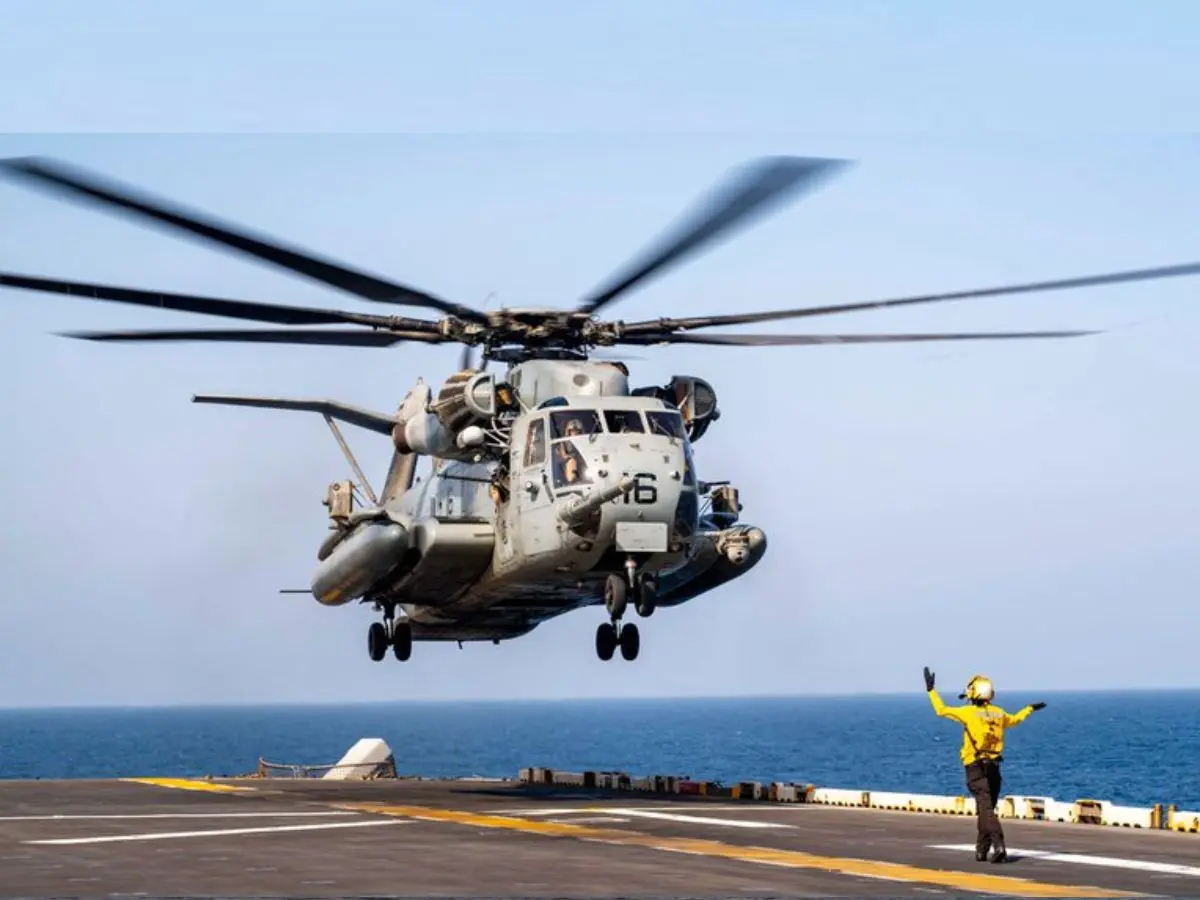
The CH-53 helicopter family, developed by Sikorsky, forms the US military’s heavy-lift rotary-wing capability. The platform is built for demanding maritime environments and remains central to expeditionary logistics at sea. On Saturday, US Central Command (CENTCOM) posted on X: “A CH-53 heavy-lift transport helicopter during takeoff from aboard the ship USS Tripoli (LHA 7). In the volatile maritime environments, especially when the US carriers are deployed in the Red Sea, the Gulf of Aden, and the Persian Gulf, these helicopters are one the only assets capable of sustaining a Carrier Strike Group’s logistical needs.
Heavy-lift backbone of US naval aviation
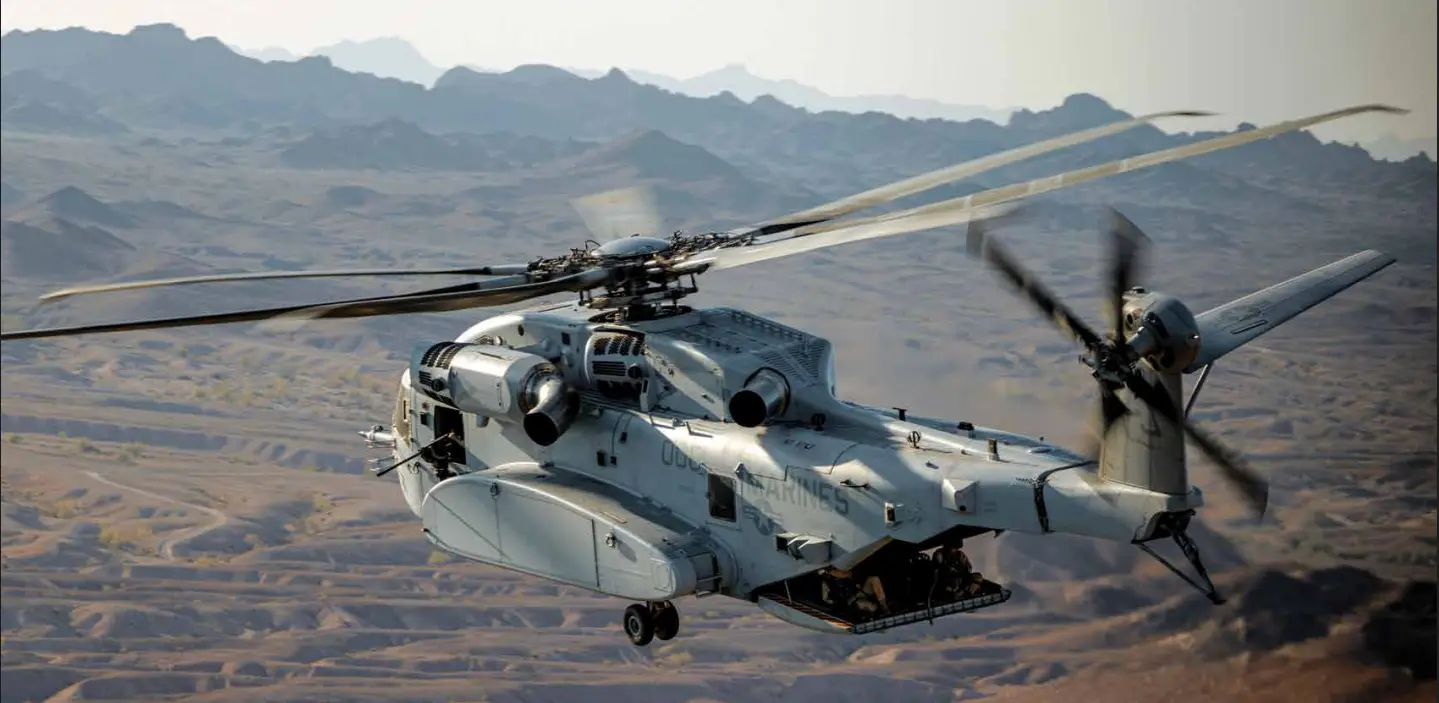
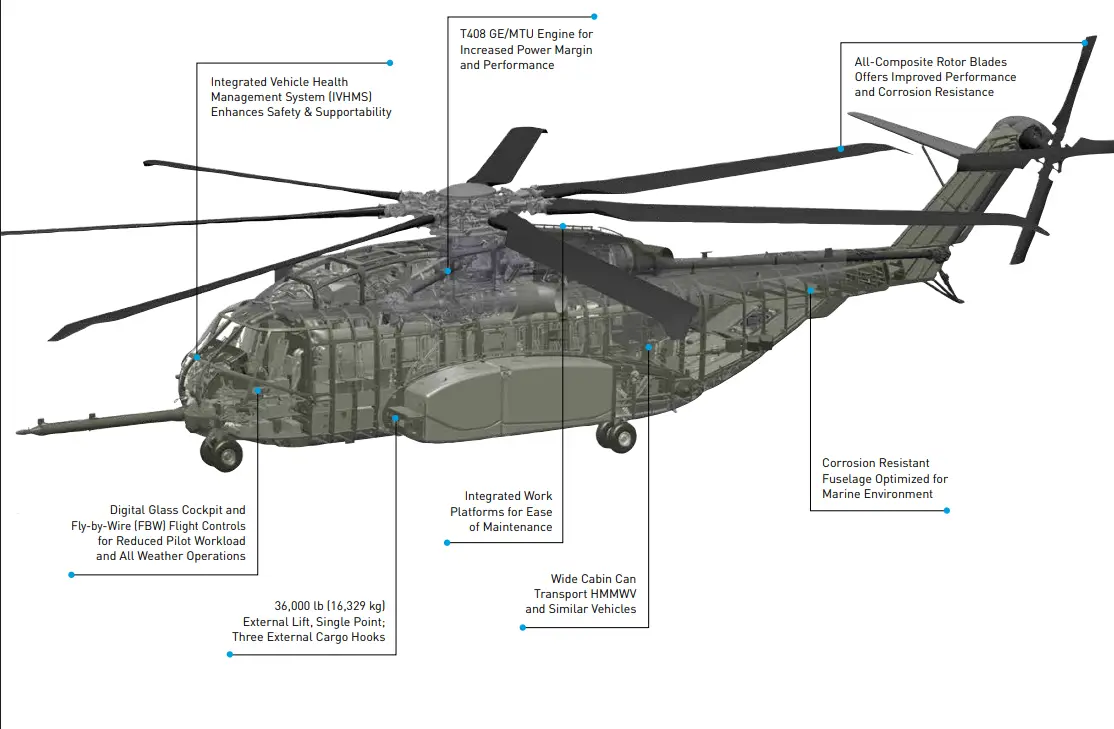
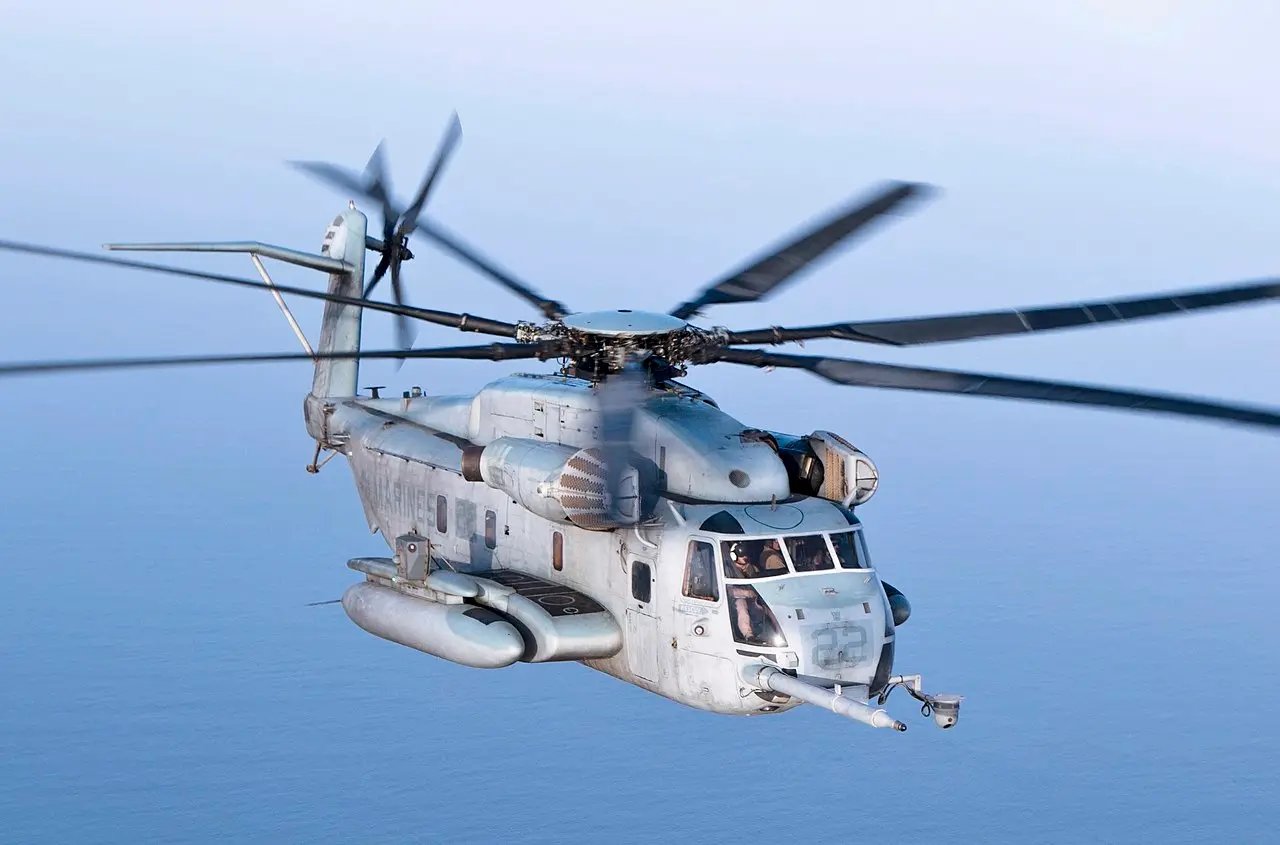
The CH-53 helicopter has an airlift capacity of 36,000 pounds (16,329 kg) and is capable of transporting vehicles and supplies.” The post underscores the aircraft’s role in real-time naval logistics, operating directly from amphibious assault ships and supporting carrier strike group sustainment. Operated primarily by the US Marine Corps and supported in naval operations, variants such as the CH-53E Super Stallion and the newer CH-53K King Stallion are designed to move large volumes of cargo, vehicles, and personnel between ships and shore.
Designed for ship-to-ship and ship-to-shore logistics
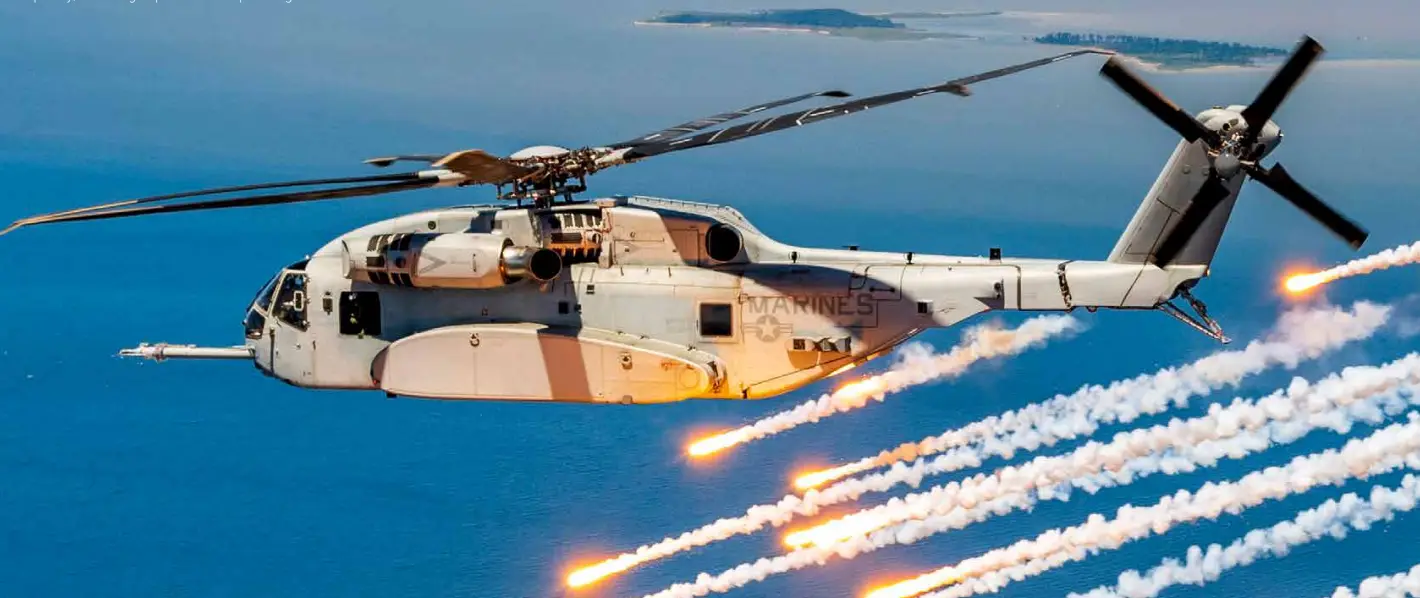
A key feature of the CH-53 platform is its compatibility with naval operations. It is built to operate from warships and aircraft carriers, enabling vertical replenishment missions that deliver supplies without port access. The US Navy has noted that the helicopter is capable of supporting “vertical delivery and recovery” operations, including the transport of damaged aircraft and essential equipment at sea.
Role in aircraft carrier resupply operations
In carrier strike groups, CH-53 helicopters are used for “vertical replenishment” (VERTREP), ferrying ammunition, spare parts, food, and critical equipment directly to aircraft carriers. This capability is particularly important in the Middle East, where carriers often operate far from secure or accessible ports. The aircraft’s ability to carry heavy loads over operational distances allows continuous sustainment of naval operations at sea.
Why the US Navy relies on CH-53 helicopters
The US Navy and Marine Corps rely on CH-53 helicopters because they combine heavy payload capacity with shipboard operability. Unlike smaller utility helicopters, they can transport outsized cargo, including vehicles and aircraft components, while operating from moving ships in challenging maritime conditions like the current Iran tensions and the Strait of Hormuz blockade. This makes them essential for sustaining aircraft carriers that remain deployed for extended periods without returning to port.
Operational flexibility in high-tension regions
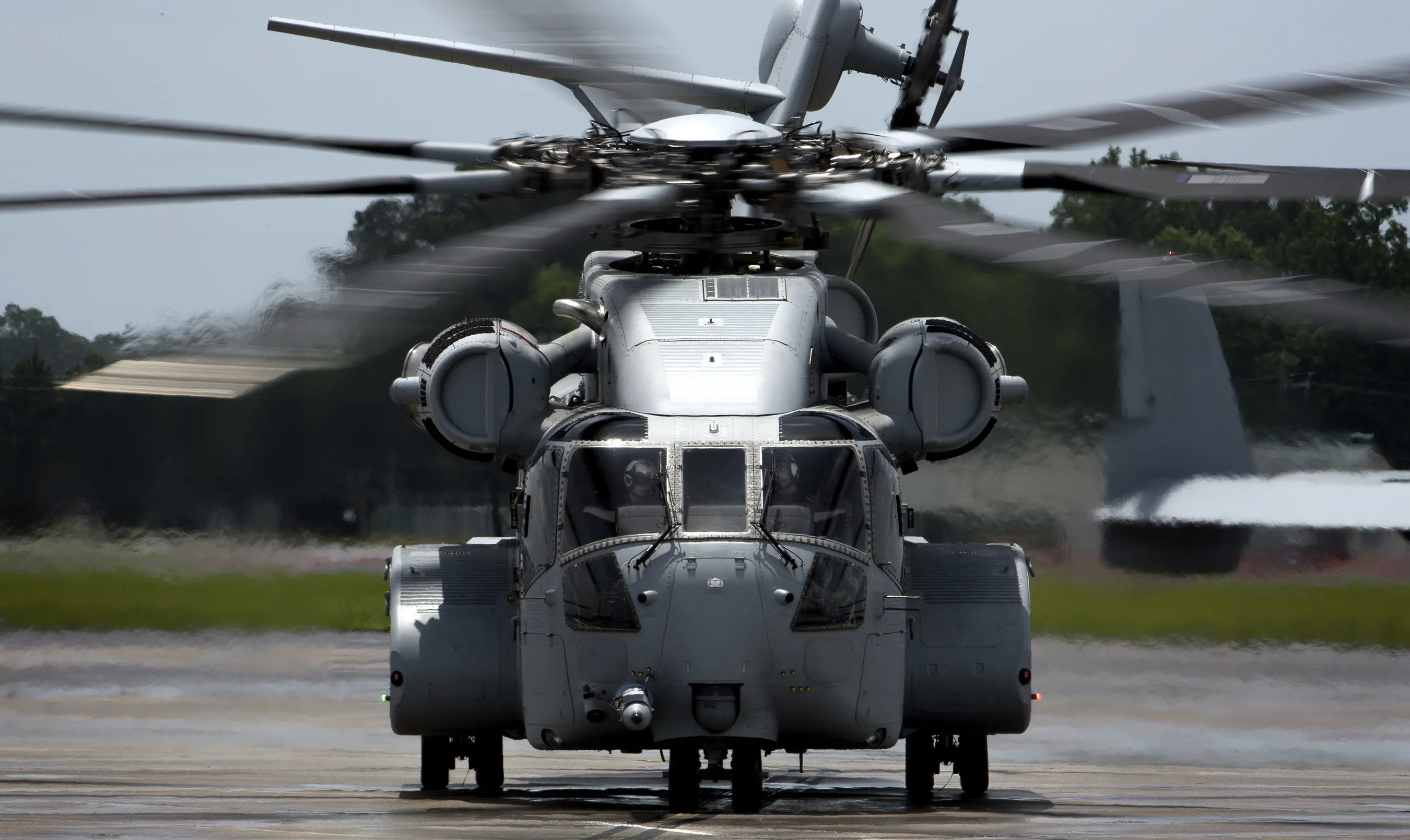
In regions such as the Middle East, where carrier groups may remain on station for prolonged missions, CH-53 helicopters provide logistical independence. Their ability to operate day and night, in adverse weather, ensures uninterrupted supply chains to naval strike groups operating in sensitive maritime corridors.
Evolution of a heavy-lift platform
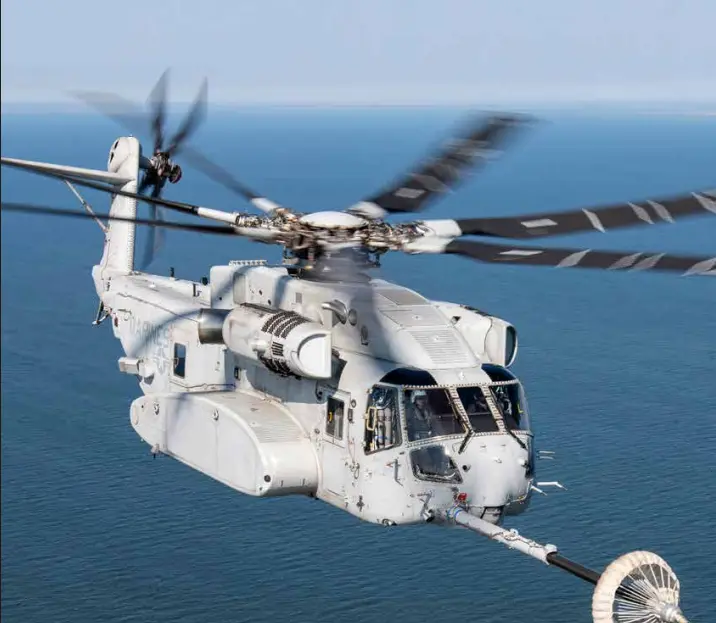
The CH-53 family has evolved over decades, from the CH-53E Super Stallion to the modern CH-53K King Stallion, with improved lift capacity, avionics, and safety systems. The platform remains central to US expeditionary logistics and naval aviation strategy.
)
)
)
)
)