What are aviator sunglasses, and why are they important for flying fighter jets?

Developed in 1936 by American optical firm Bausch & Lomb, aviators were created specifically to meet the needs of military pilots who, for the first time in aviation history, were flying faster and higher than ever before.
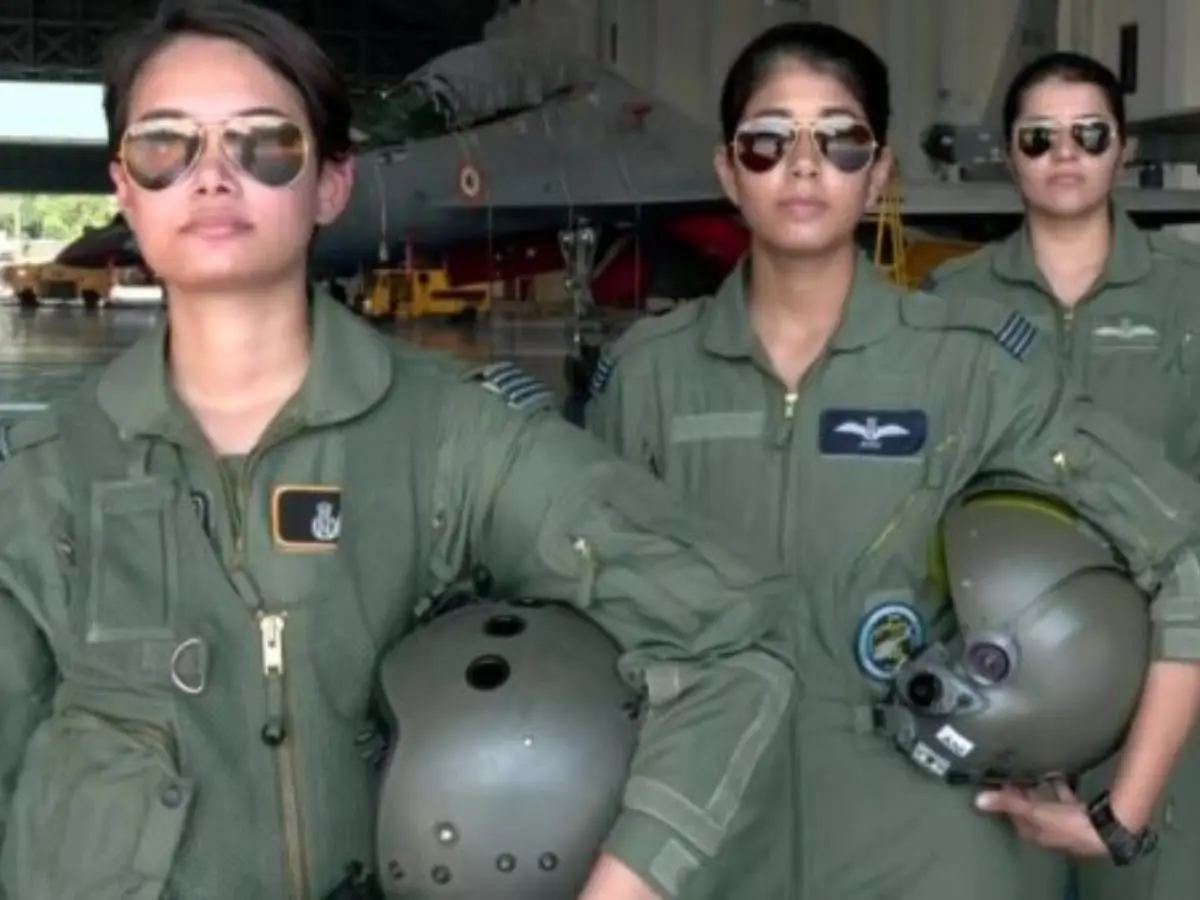
Origin and design
Aviator sunglasses are widely recognised today as a timeless style statement, worn by celebrities, motorists and holidaymakers alike. Yet few people realise that their original design had little to do with fashion and everything to do with survival and operational performance in the cockpit. Developed in 1936 by American optical firm Bausch & Lomb, aviators were created specifically to meet the needs of military pilots who, for the first time in aviation history, were flying faster and higher than ever before. The design features large, teardrop-shaped lenses, thin metal frames, and a double bridge. This shape helps cover the entire field of vision, blocking sunlight from multiple angles.
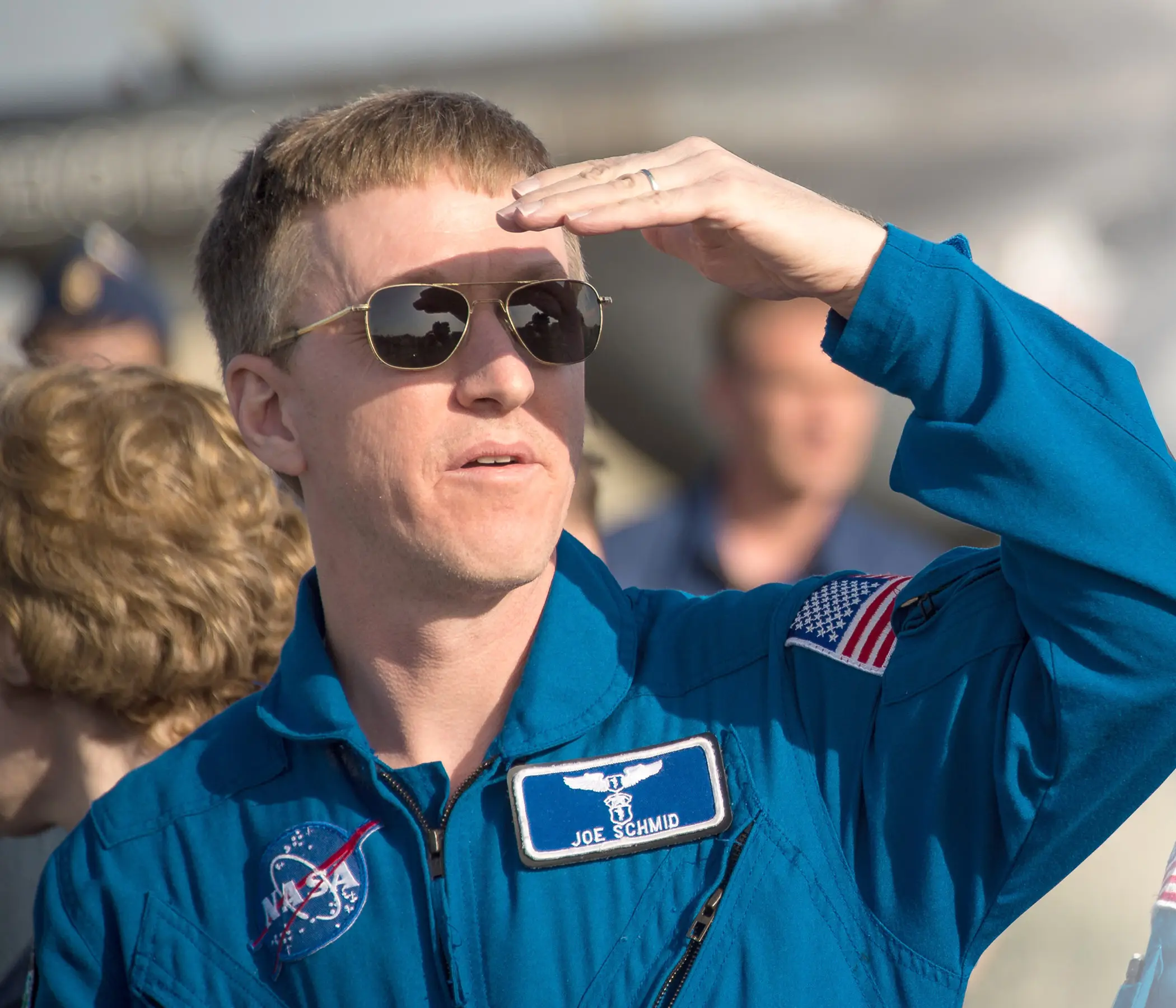
Glare and altitude challenges
At high altitude, fighter pilots face intense glare above cloud level and reflection from cockpit instruments and canopy glass. At such altitudes, well above the cloud layer, sunlight becomes an operational hazard rather than a simple inconvenience. Aviators were engineered to reduce this glare, allowing pilots to scan the horizon and read instruments without squinting.
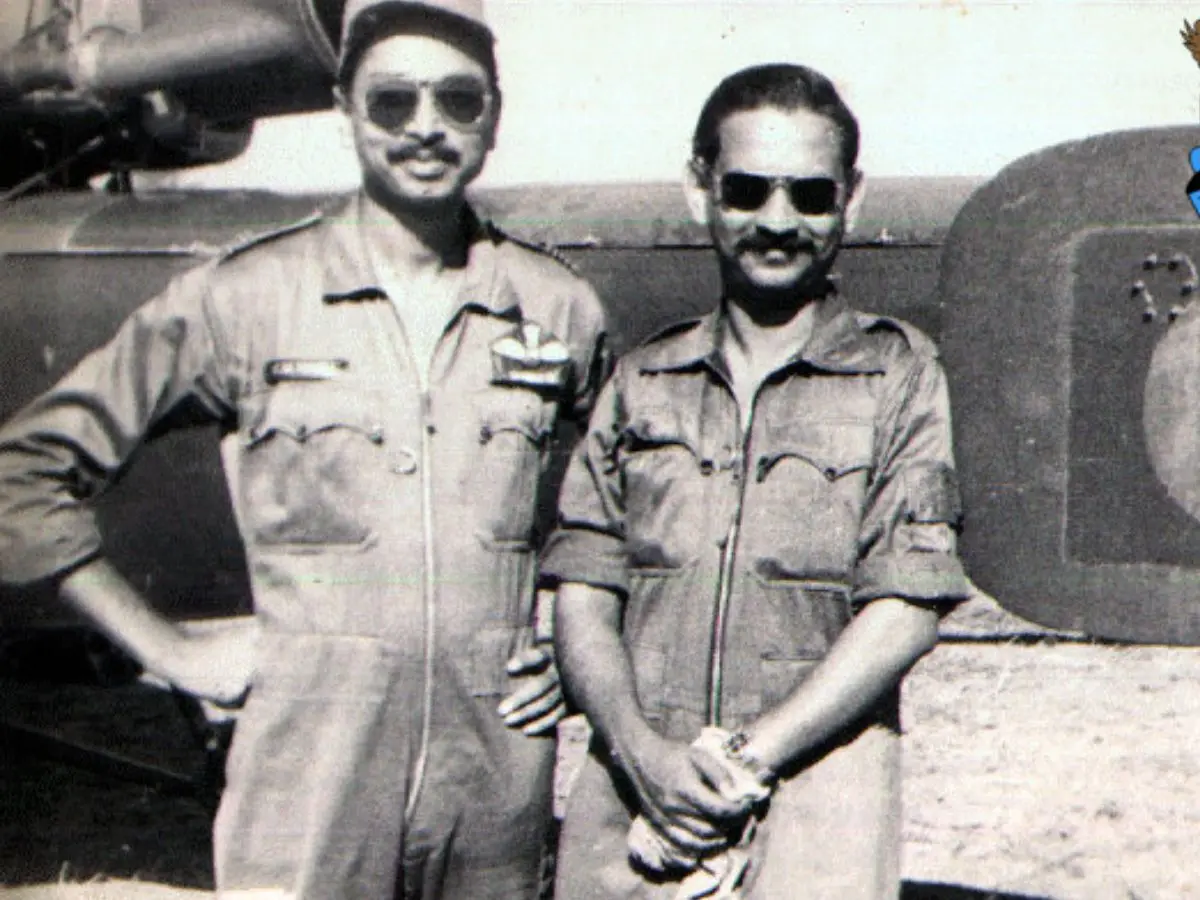
UV protection for eye health
Sunlight exposure increases by roughly 10–12 per cent per 1,000 metres of altitude. Fighter pilots flying above 12,000 metres are exposed to significantly higher ultraviolet radiation. Aviator lenses typically include UV-blocking coatings to protect against long-term eye damage.
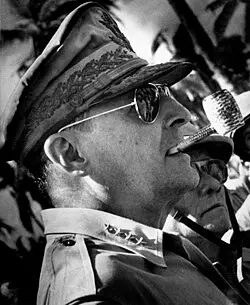
Evolution in military use
Initially adopted by the US Army Air Corps, aviator sunglasses soon became standard for pilots worldwide. During the Second World War, they were part of flight gear issued to bomber and fighter crews. Over time, impact-resistant lenses and mirrored finishes were introduced to enhance safety and visibility.
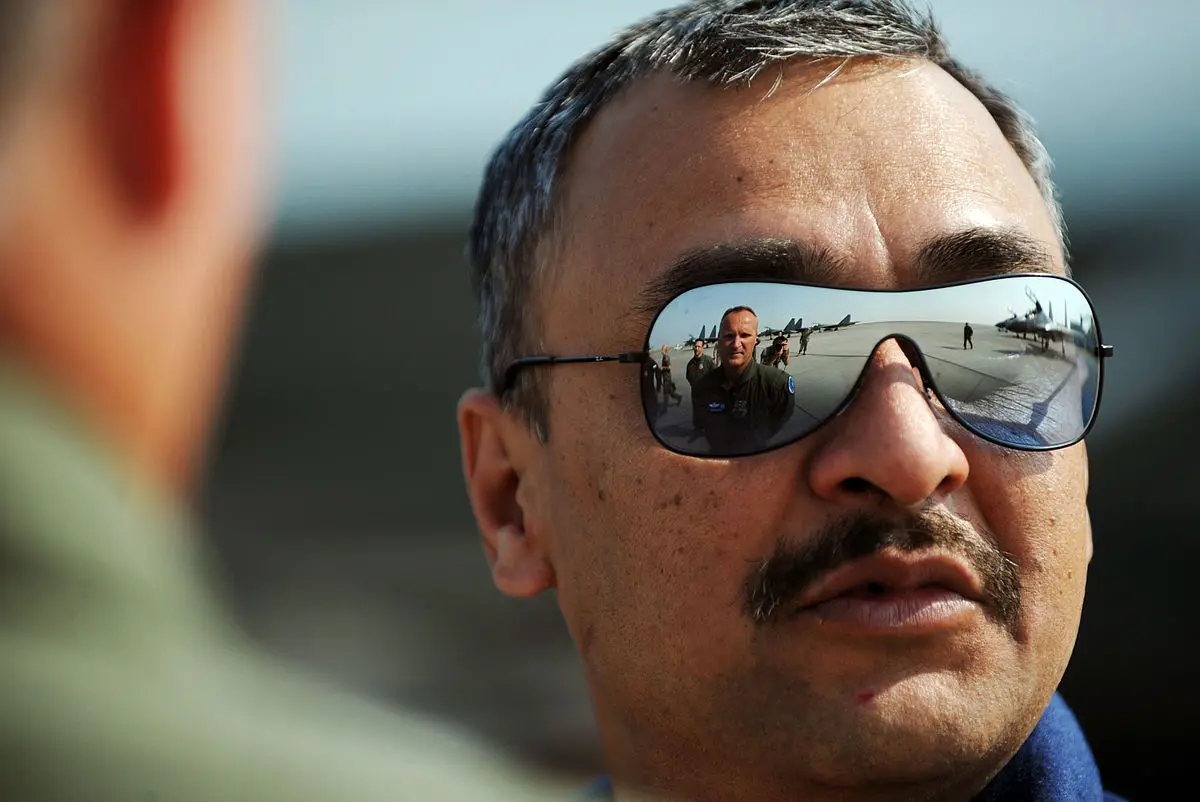
Beyond style – a functional tool
While aviators became popular fashion items after the war, for military pilots they remain functional equipment. Clear, undistorted vision at speed and altitude is essential for identifying threats, navigating, and flying safely in changing light conditions.
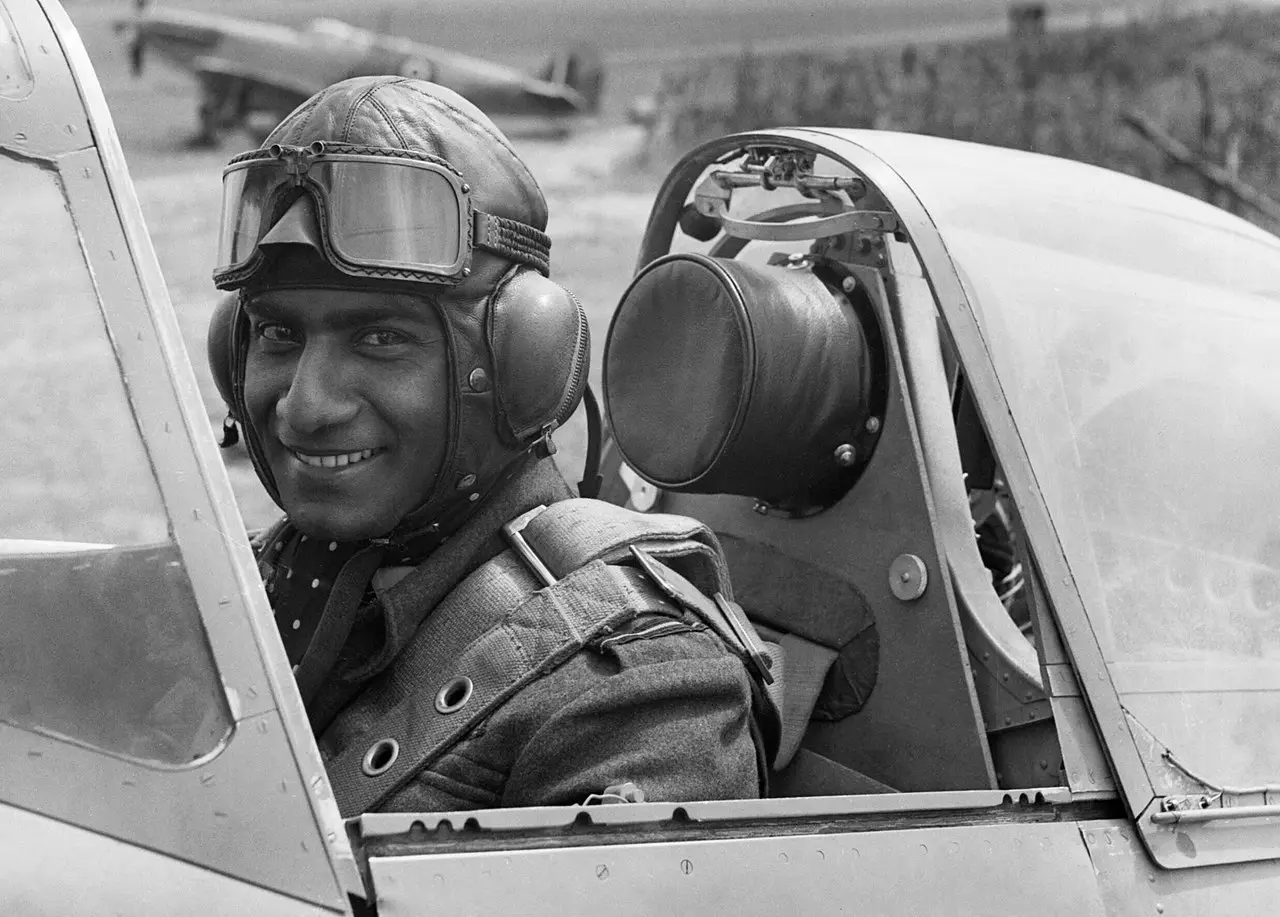
Arrival in India
Aviator sunglasses first appeared in India shortly after the Second World War, when surplus American and British military gear, including flight goggles and sunglasses—found its way into local markets. They gained wider recognition in the 1970s and 1980s through Indian Air Force pilots and later became a popular civilian fashion accessory, helped by their frequent appearance in Bollywood films.

Why they still matter
Despite advances in helmet-mounted displays and tinted visors, aviator sunglasses continue to be part of standard pilot kits. They provide an additional, passive layer of eye protection that is simple, durable and effective. For fighter pilots, they are as much a practical necessity as they are an enduring symbol of aviation history.
)
)
)
)
)