What are anti-radiation missiles and how do they work? Top five radar killers and where India ranks

Used in Suppression of Enemy Air Defences (SEAD) missions, they enable friendly aircraft to operate with reduced risk from surface-to-air missiles and tracking systems.
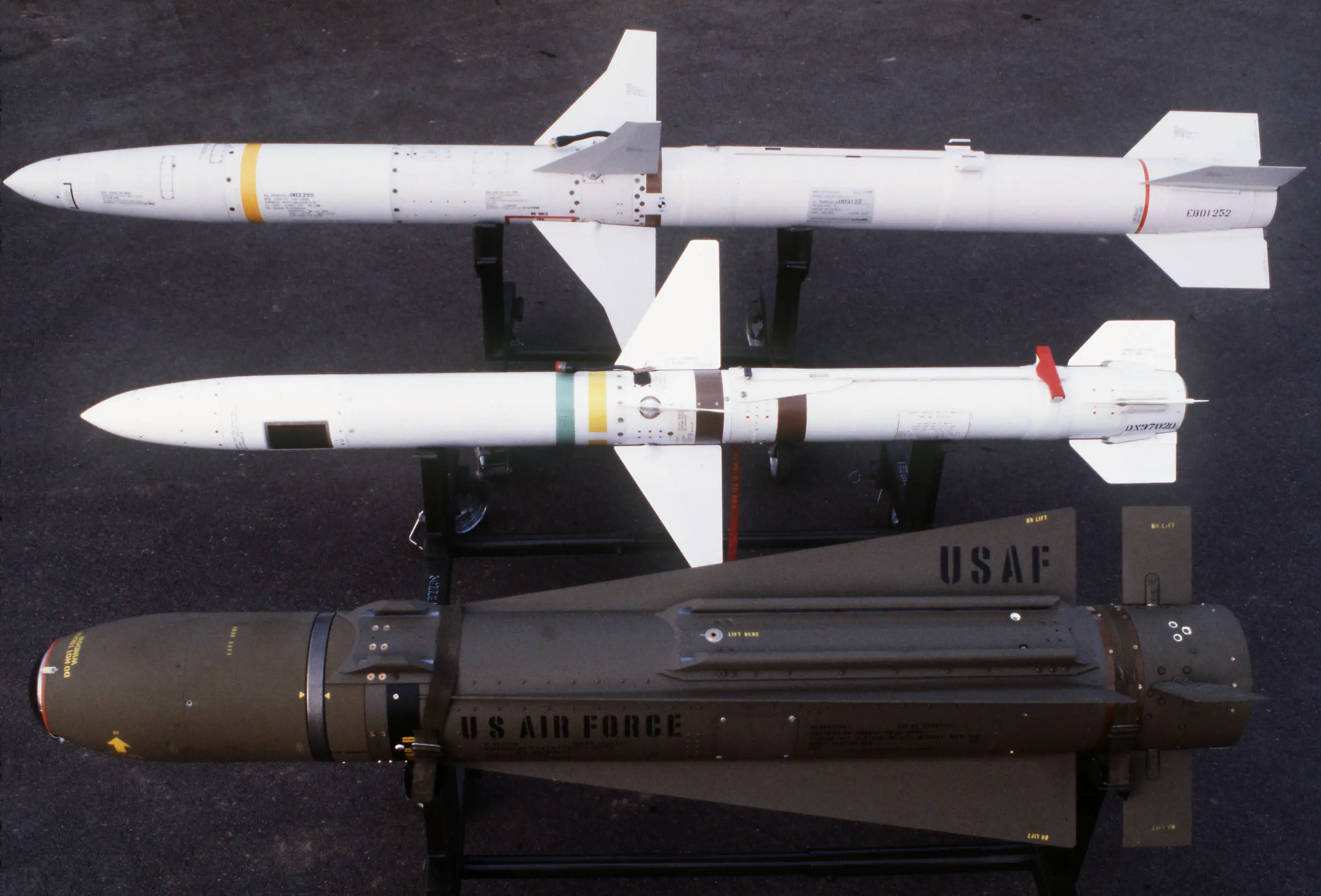
Why anti-radiation missiles matter
Anti-radiation missiles (ARMs) are specialised weapons designed to suppress enemy air defences by seeking out and destroying radar and radio-frequency emitters. Used in Suppression of Enemy Air Defences (SEAD) missions, they enable friendly aircraft to operate with reduced risk from surface-to-air missiles and tracking systems. Their key purpose is to blind the enemy, knocking out its radar network to ensure air superiority early in a conflict.
How they find and fix a target
ARMs use passive seekers that detect electromagnetic emissions from radar sources. Once launched, the missile homes in on these emissions. If the radar is switched off to evade detection, advanced ARMs can still strike using inertial navigation or GPS guidance, often remembering the last known location. Some also feature two-way datalinks, allowing mid-course updates or retargeting. This technology ensures accuracy even in complex or electronically contested environments.
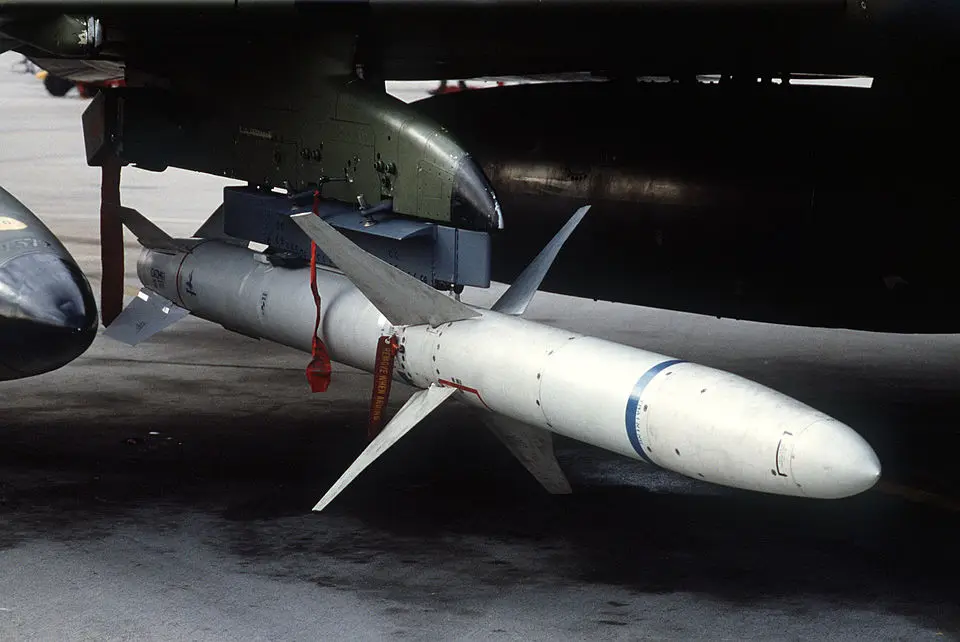
AGM-88 HARM / AARGM (United States)
The AGM-88 series from the United States remains the global benchmark for anti-radiation capability. The upgraded AGM-88E AARGM version includes GPS/INS guidance, millimetre-wave radar, and improved counter-shutdown features that allow it to destroy radars even after they cease transmitting. Deployed on platforms like the F-16 and F/A-18, it remains central to NATO’s SEAD doctrine and is widely regarded as the most combat-proven system of its kind.
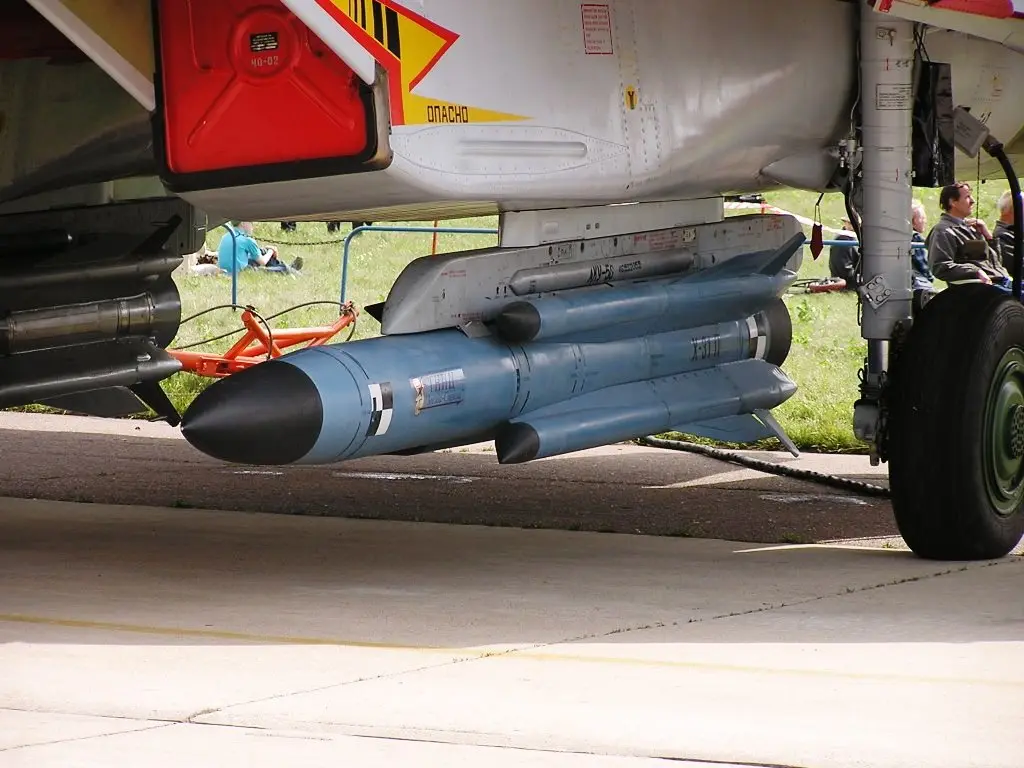
Kh-31P (Russia)
Russia’s Kh-31P, also known by its NATO designation AS-17 Krypton, is a supersonic missile with a range of roughly 110 kilometres. Powered by a ramjet engine, it sustains high speed throughout flight, making interception difficult. The Kh-31P can engage multiple radar frequencies and is compatible with aircraft such as the Su-30MKI, a platform also operated by India. It remains one of the fastest operational anti-radiation missiles in service.
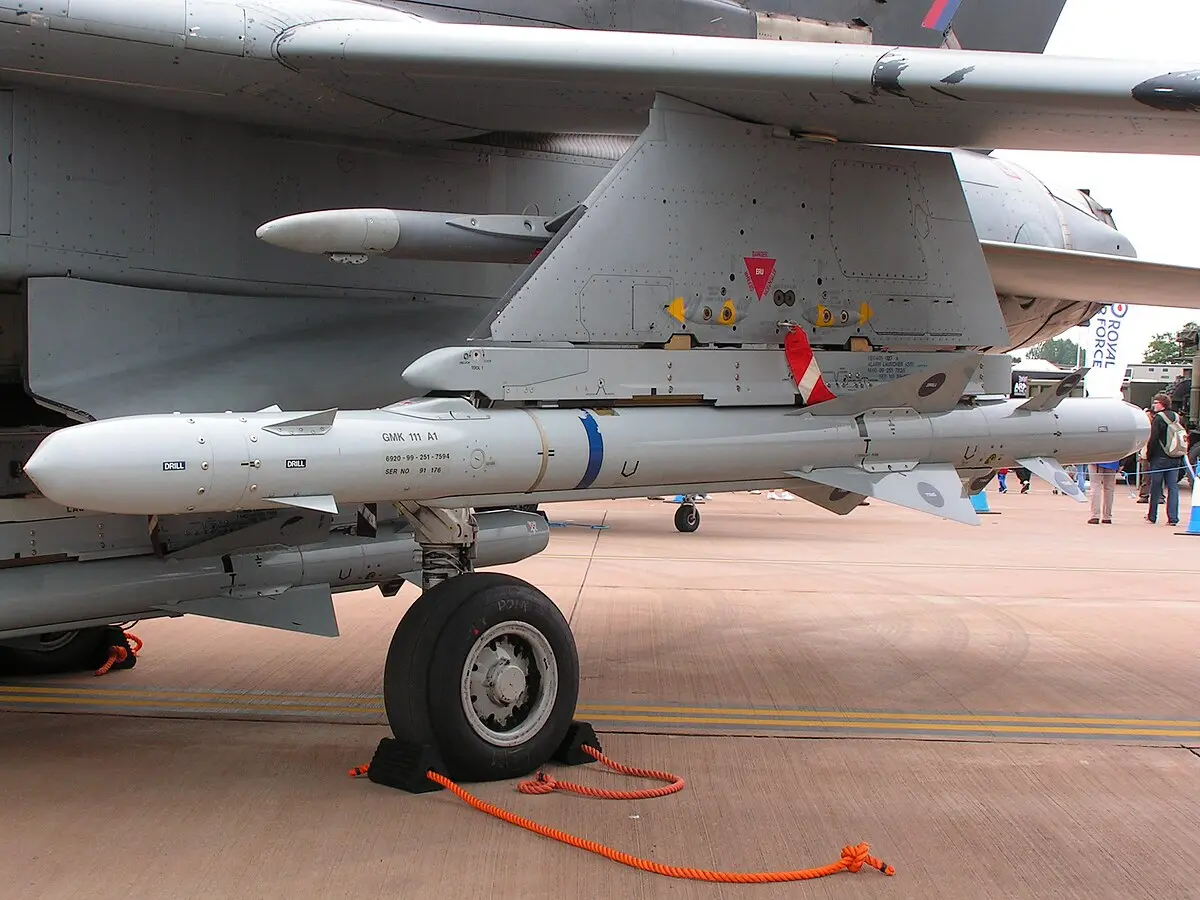
ALARM and ARMAT (UK/France)
The British ALARM missile introduced an innovative 'loiter' mode. If the target radar switched off, the missile could deploy a parachute and wait for the radar to reactivate before diving to strike. France’s ARMAT, designed for Mirage and Jaguar aircraft, was a heavier missile with a powerful warhead intended for fixed radar and surface-to-air missile sites. Though now retired, both designs shaped the evolution of modern anti-radiation weapons.
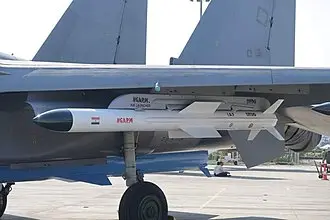
India’s indigenous answer: Rudram-1
India has developed its own anti-radiation missile, the Rudram-1, under the DRDO’s Next-Generation Anti-Radiation Missile (NGARM) programme. Test-fired in 2020, Rudram-1 has a range of 150–200 kilometres and is designed for use from the Su-30MKI. It can detect and engage a wide range of radar frequencies and operates effectively in dense electronic warfare conditions. Future variants, Rudram-2 and Rudram-3, are expected to extend range and integrate with more aircraft types, marking a major leap in India’s indigenous SEAD capability.
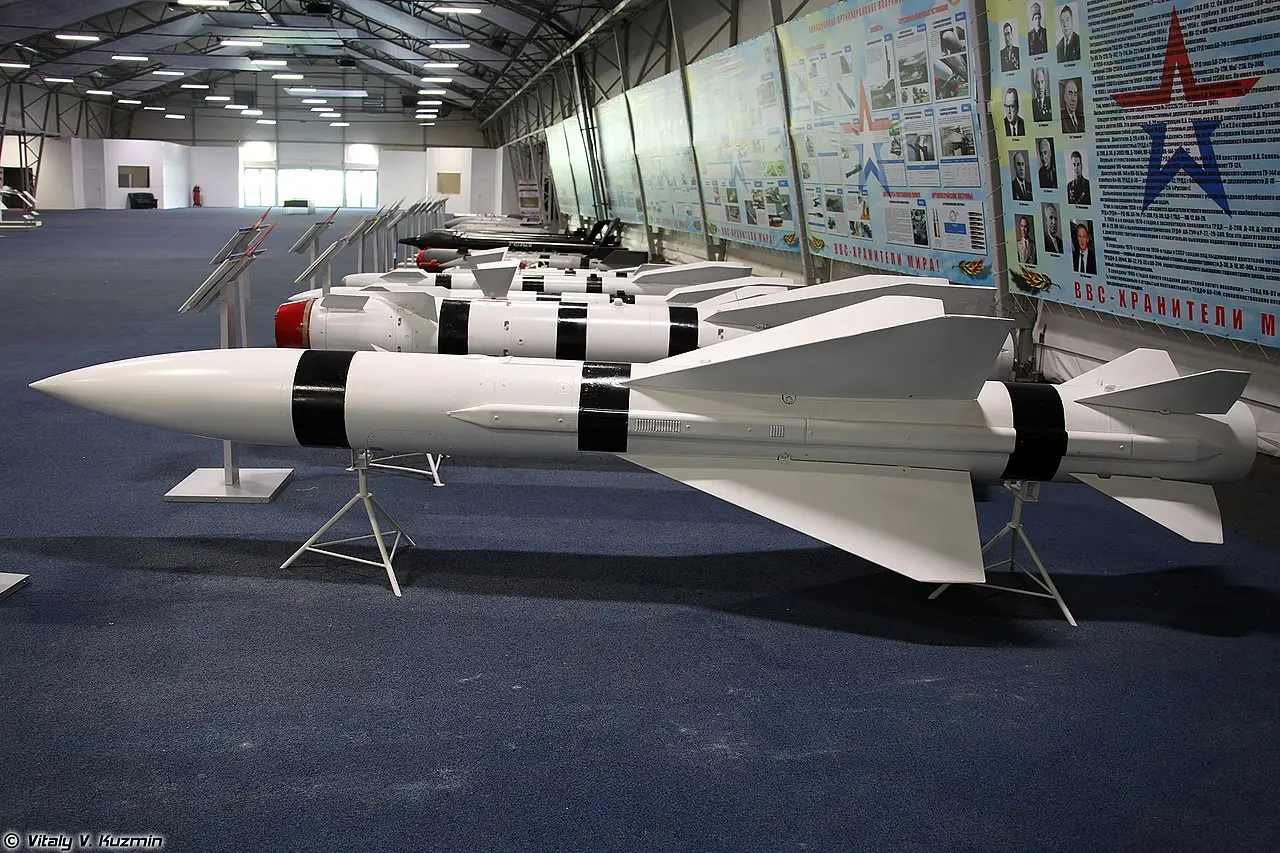
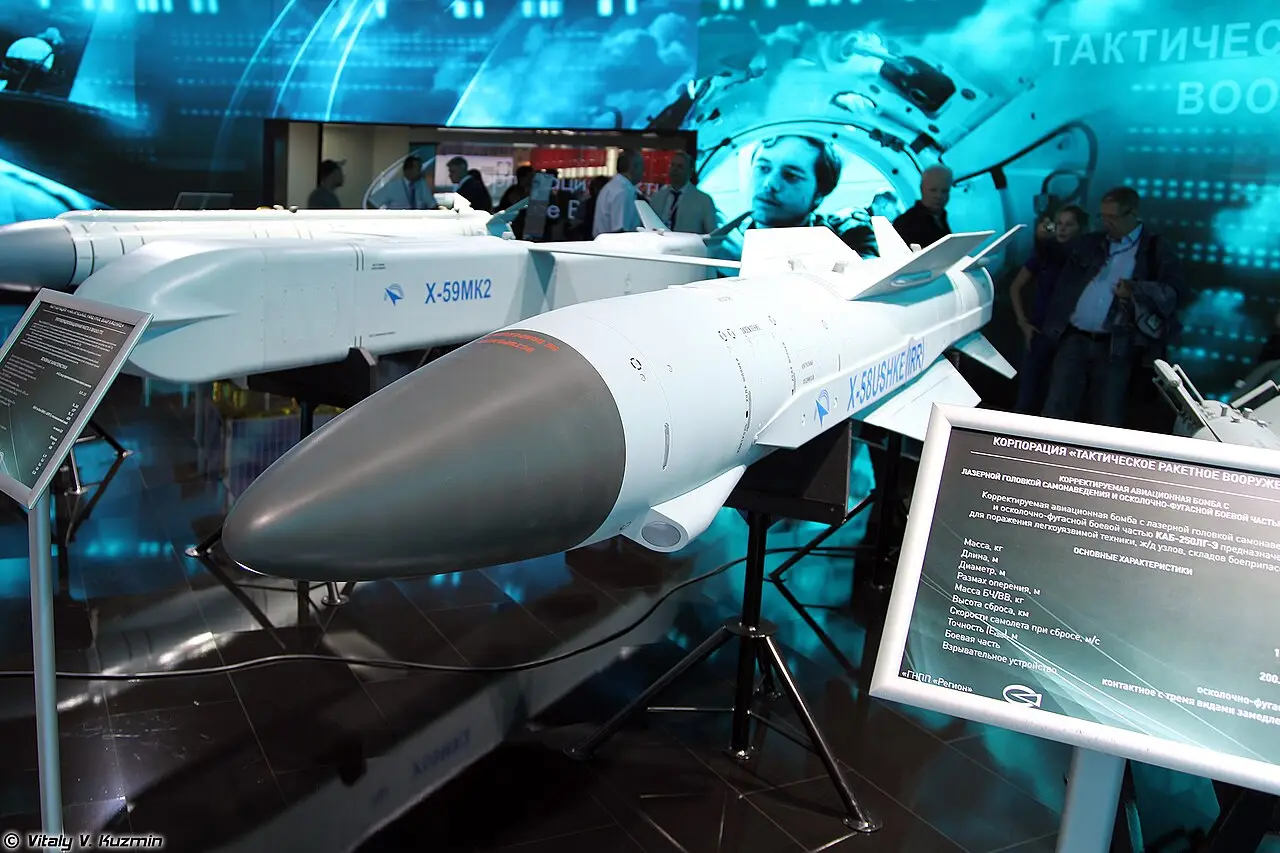
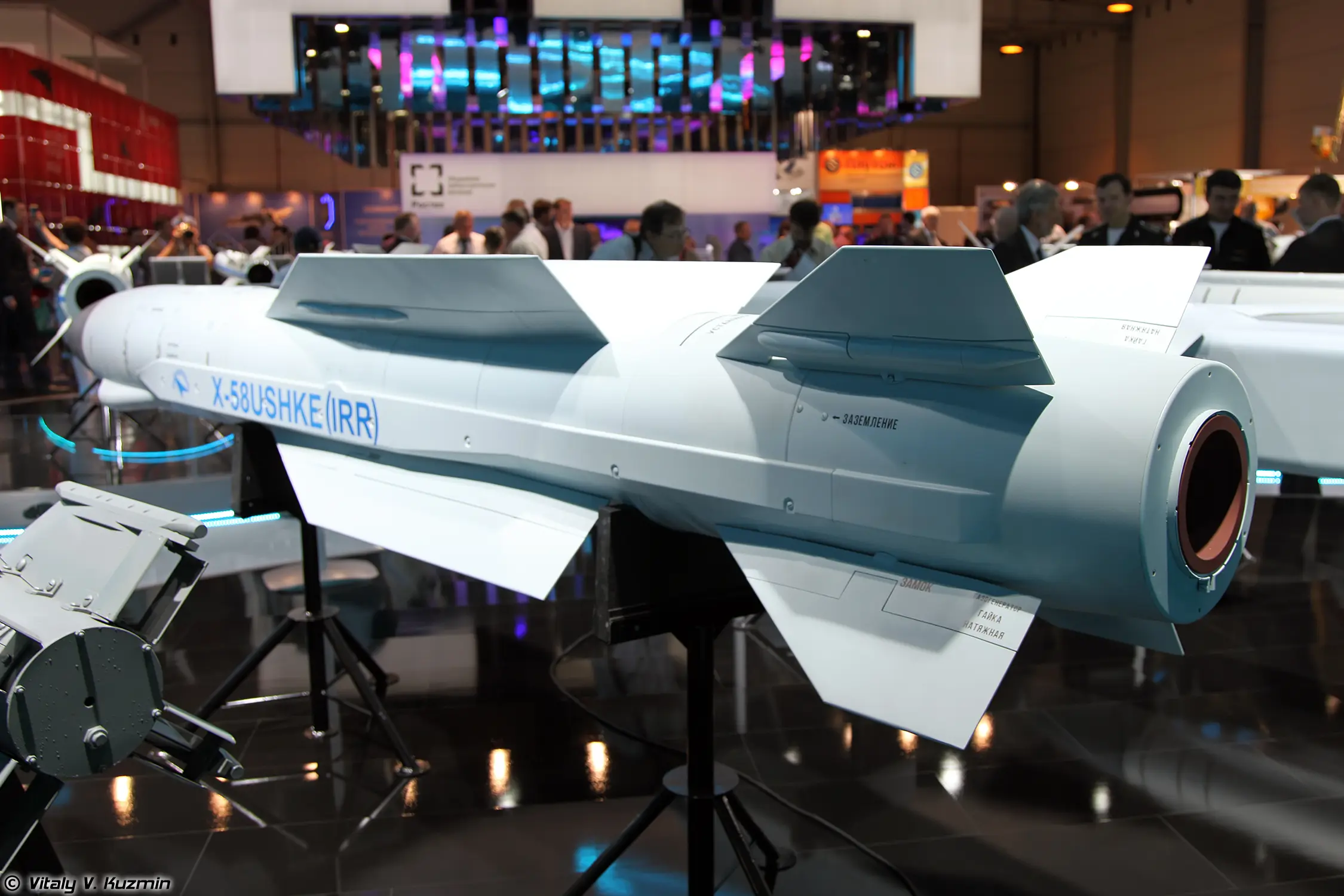
Russia's Kh-58UShKE
The Kh-58UShKE is a modern Russian air-launched anti-radiation missile designed to target enemy radar systems. An advanced variant of the earlier Kh-58, it offers extended range, up to 245 km, and can engage a wide spectrum of radar frequencies. Equipped with an improved guidance system and compatible with aircraft like the Su-30, Su-34, and Su-57, the missile provides Russia with a potent Suppression of Enemy Air Defences (SEAD) capability.
Strategic implications
Anti-radiation missiles play a decisive role in air warfare, neutralising enemy sensors and clearing the way for strike missions. India’s progress with Rudram-1 places it among a select group of nations, including the US, Russia, and the UK, that possess indigenous ARM technology.
)
)
)
)
)