What air-to-air missiles can and cannot do in modern warfare

Air-to-air missiles can engage targets beyond 100 km but face constraints from weather, terrain, datalink reliability, and electronic countermeasures. Effective engagement occurs much closer than advertised maximum ranges.
Maximum Range Is Not Effective Range
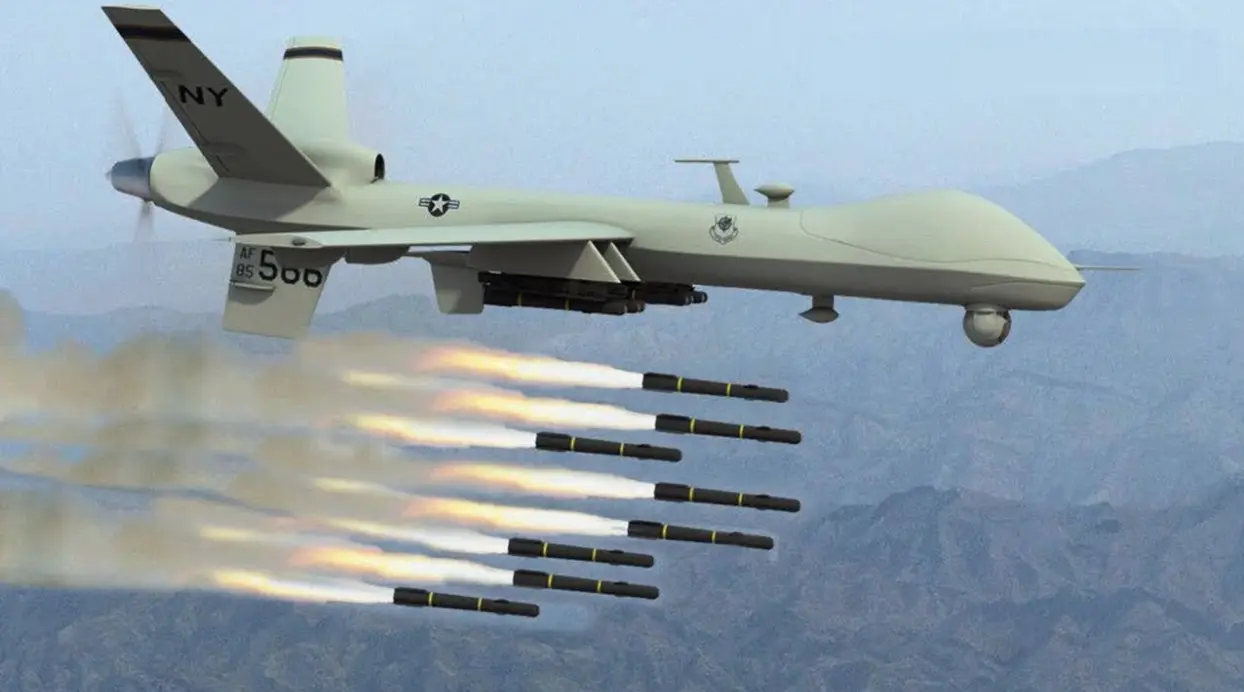
Beyond-visual-range missiles advertised with ranges exceeding 100 kilometres rarely achieve kills at those distances. Effective engagement typically occurs within the no-escape zone, which represents approximately one-third of maximum range, where missile probability of kill becomes reliable.
Missiles Cannot Engage Ground Targets
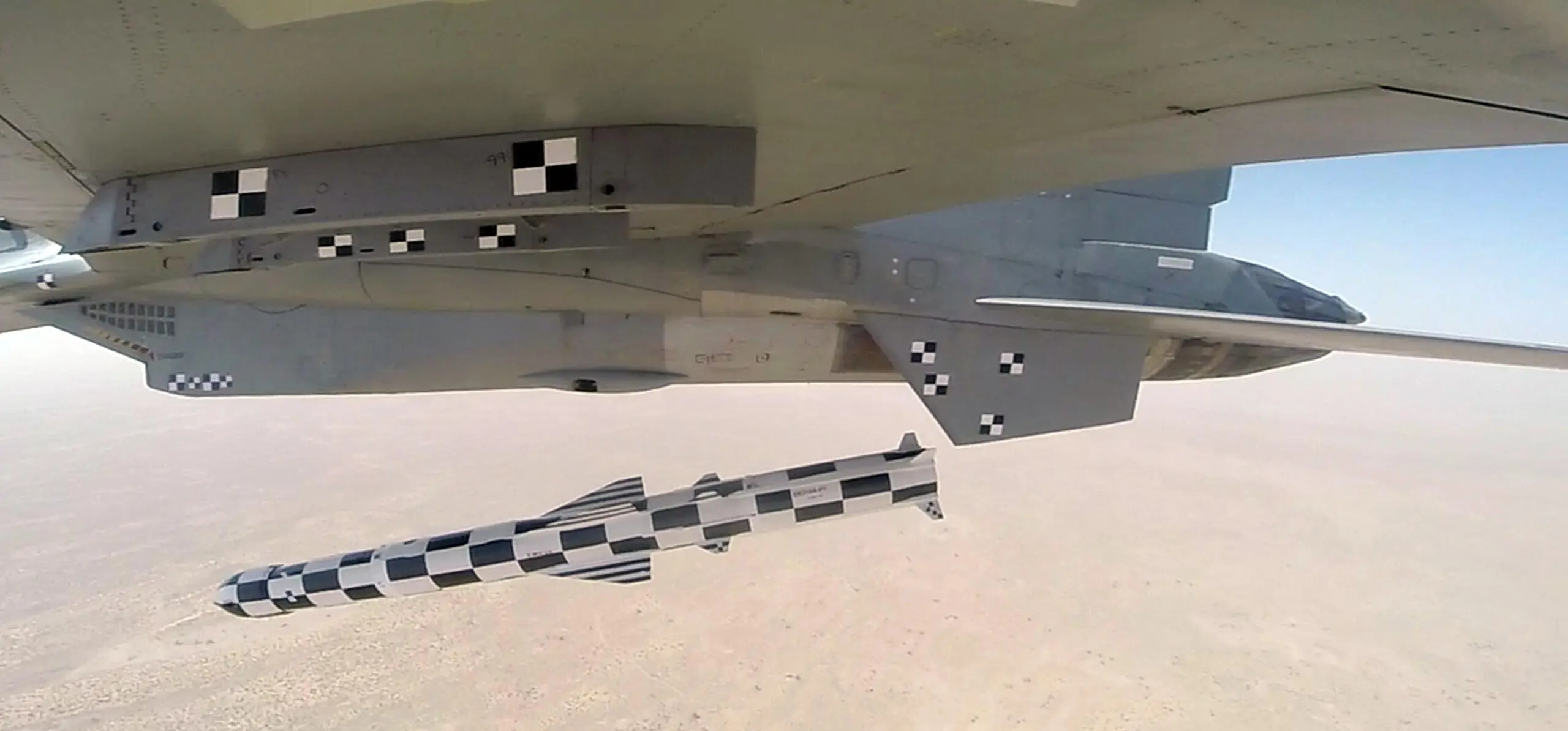
Air-to-air missiles are designed exclusively to engage airborne targets. These weapons systems cannot destroy ground installations, vehicles, ships, or structures. Separate air-to-ground munitions exist for such missions, using different guidance and warhead technologies.
Weather Significantly Reduces Missile Effectiveness
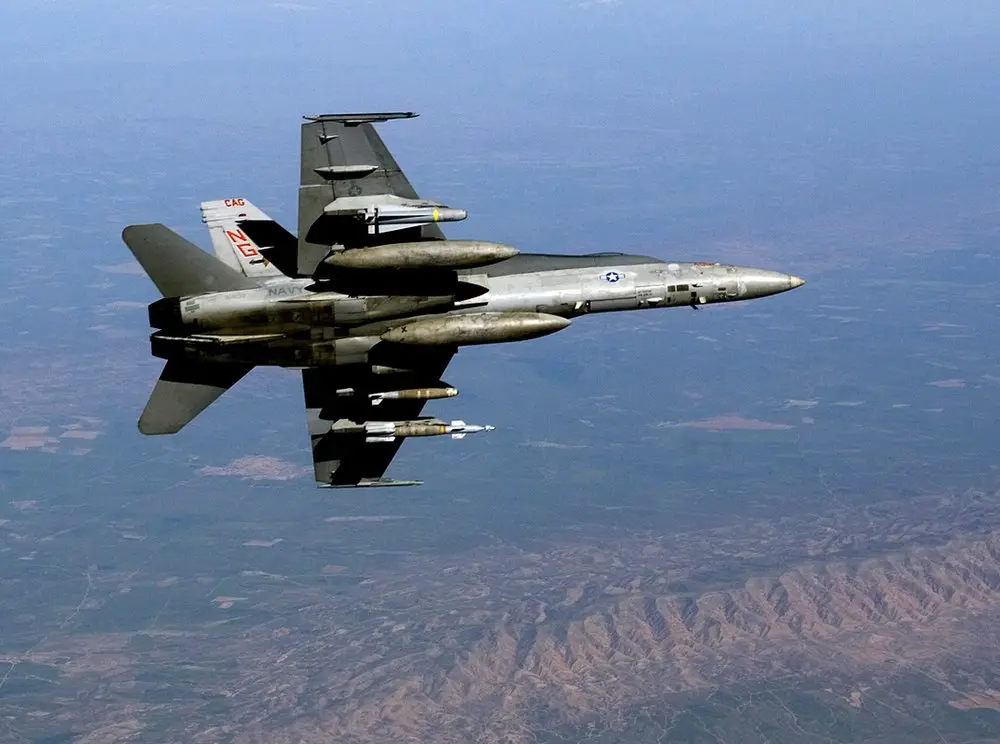
Infrared-seeking missiles perform poorly during cloud cover, rain, and fog because engine heat signatures become obscured. Radar-guided missiles struggle with severe weather that degrades electromagnetic propagation. Cloud ceilings and visibility limit all missile guidance modes substantially.
Seeker Field-of-View Creates Blind Zones
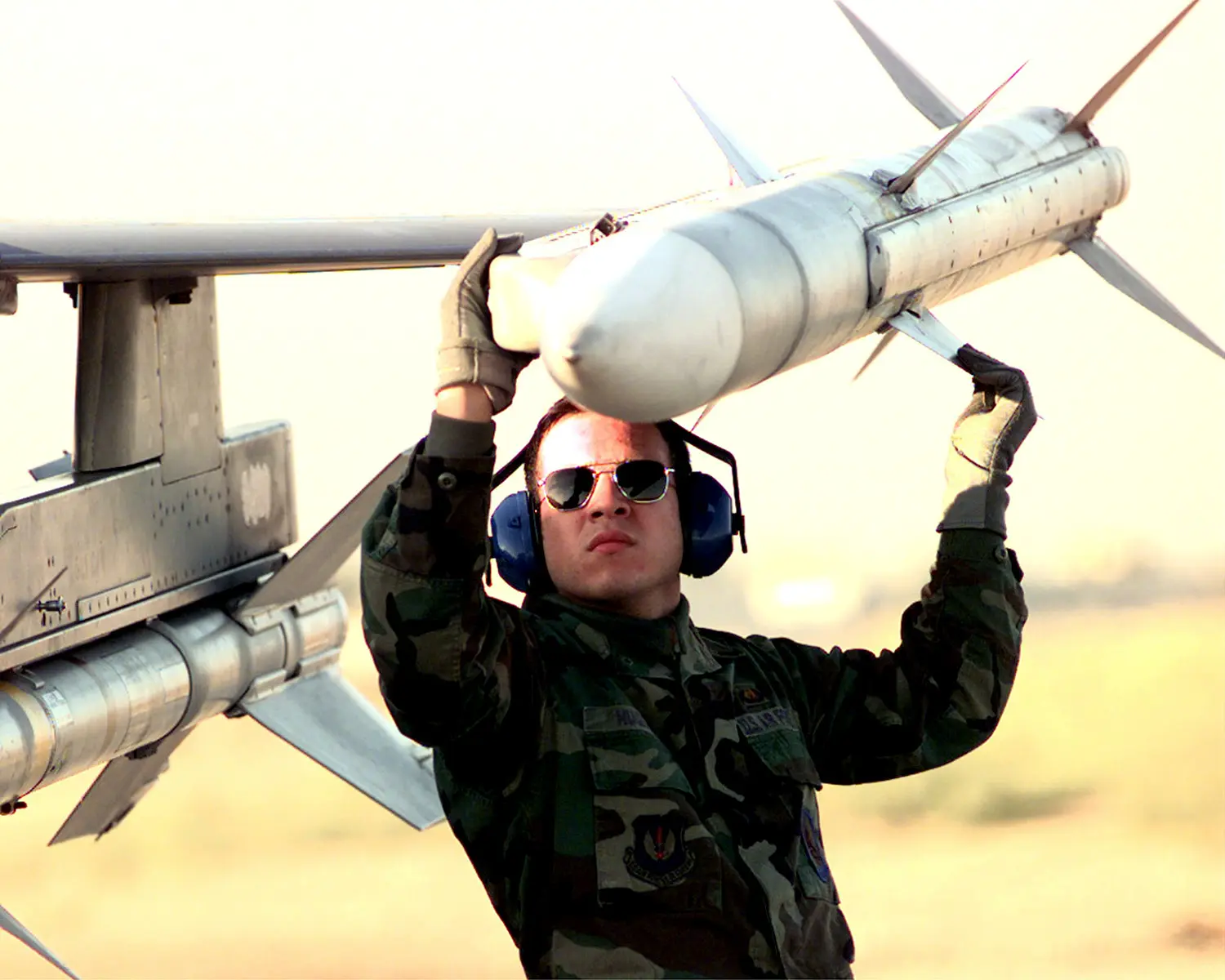
Missile seekers possess limited fields of view. Targets manoeuvring outside this viewing cone cause the seeker to lose lock. Strapdown seekers become vulnerable when pilots fly aggressively, creating look angles that exceed the missile's gimbal limits during terminal guidance phases.
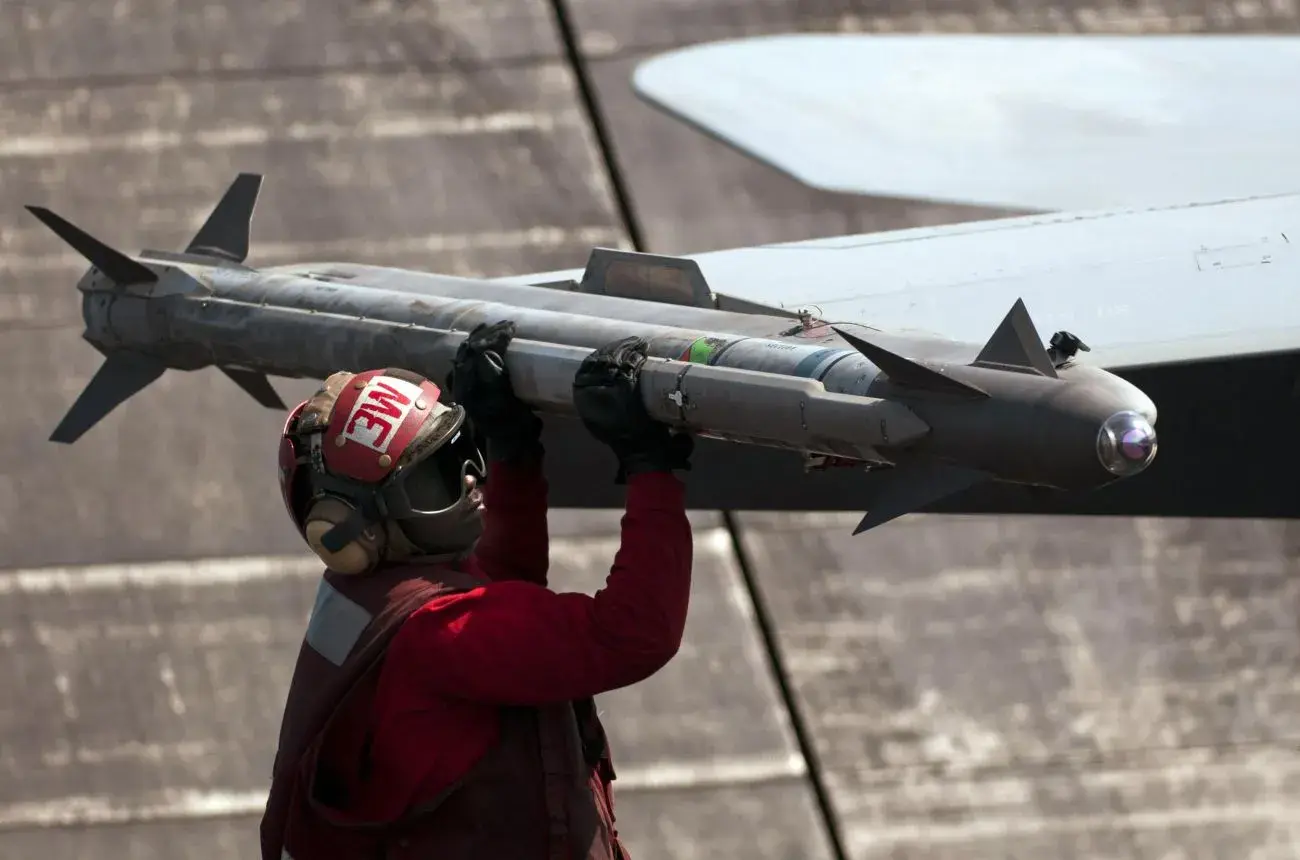
Low Altitude Degrades Radar Performance
At low levels, ground clutter overwhelming radar returns. Radar-guided missiles lose effectiveness near terrain because electromagnetic reflections from mountains, buildings, and vegetation interfere with target detection. Pilots at extremely low altitudes gain significant protection from radar-guided threats.
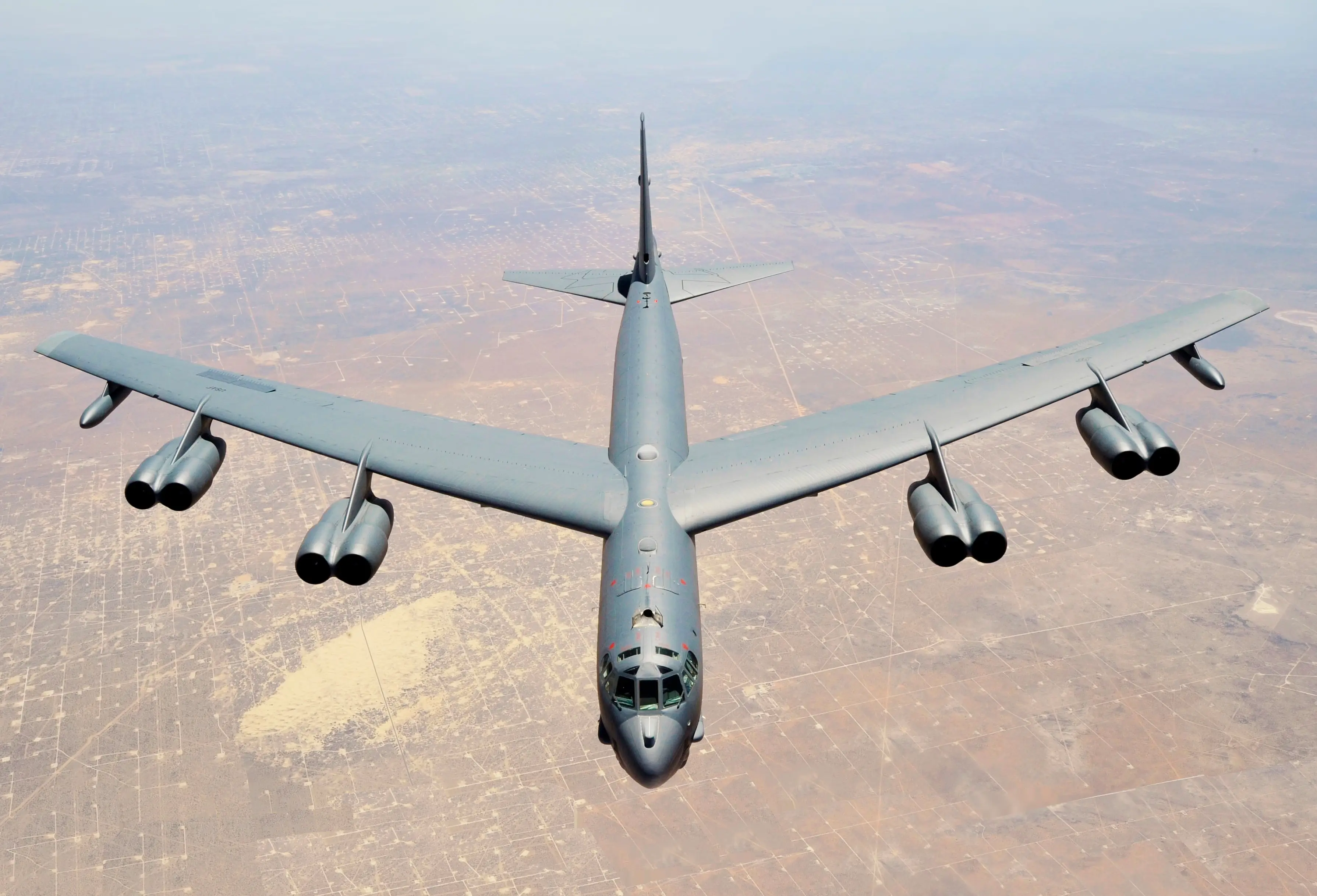
Datalink Dependency Creates Vulnerability
Modern beyond-visual-range missiles rely on continuous datalink updates before their seekers acquire targets. If network connections are jammed, degraded, or interrupted, missiles cannot update their flight paths to intercept manoeuvring targets. Loss of datalink reduces missile accuracy dramatically.
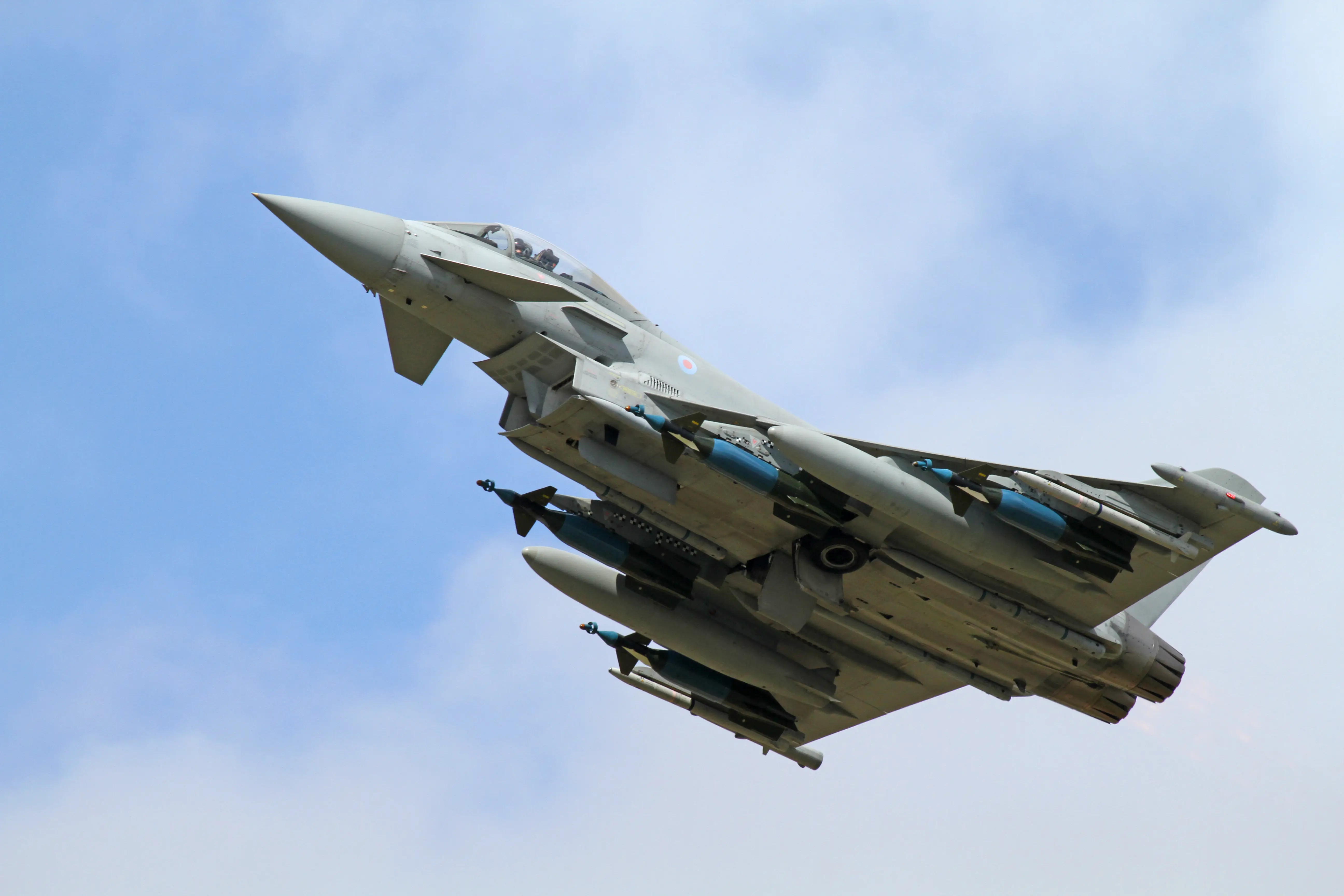
Missiles Cannot Guarantee Kills Against Trained Pilots
Historical data from Vietnam showed air-to-air missile kill probability rates of only 12.8 per cent despite thousands of shots fired. Modern pilots using evasive manoeuvres, chaff, and flares further reduce hit probability. No missile guarantees a kill against a manoeuvring target.
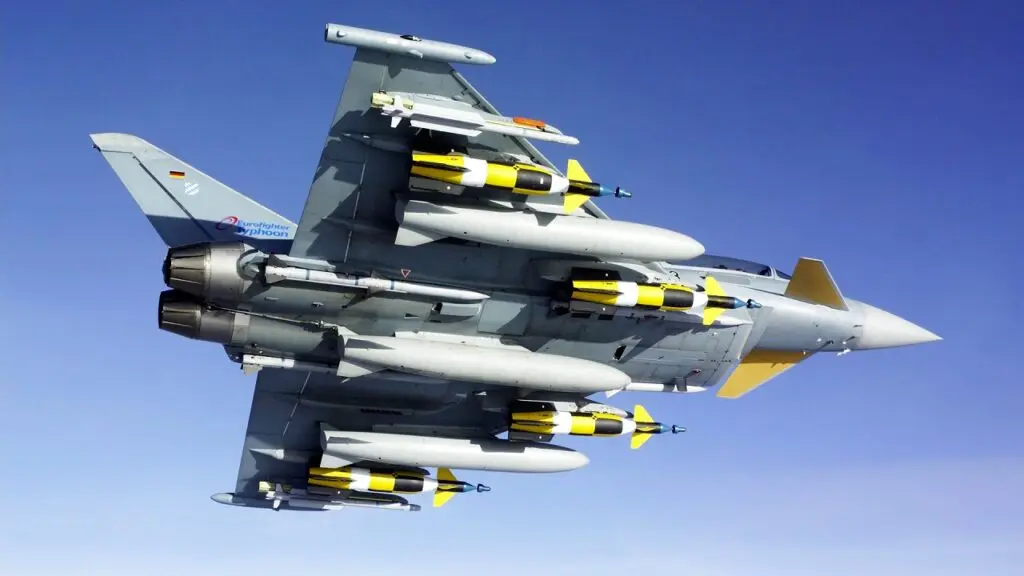
High Altitude Limits Missile Performance
Above 25,000 feet, missiles experience reduced manoeuvrability due to thin atmosphere affecting control surface effectiveness. Rocket motors also perform poorly at extreme altitudes where oxygen density decreases. Aircraft operating at high altitudes gain defensive advantages against certain missile threats.
Missiles Require Pre-Launch Information Accuracy
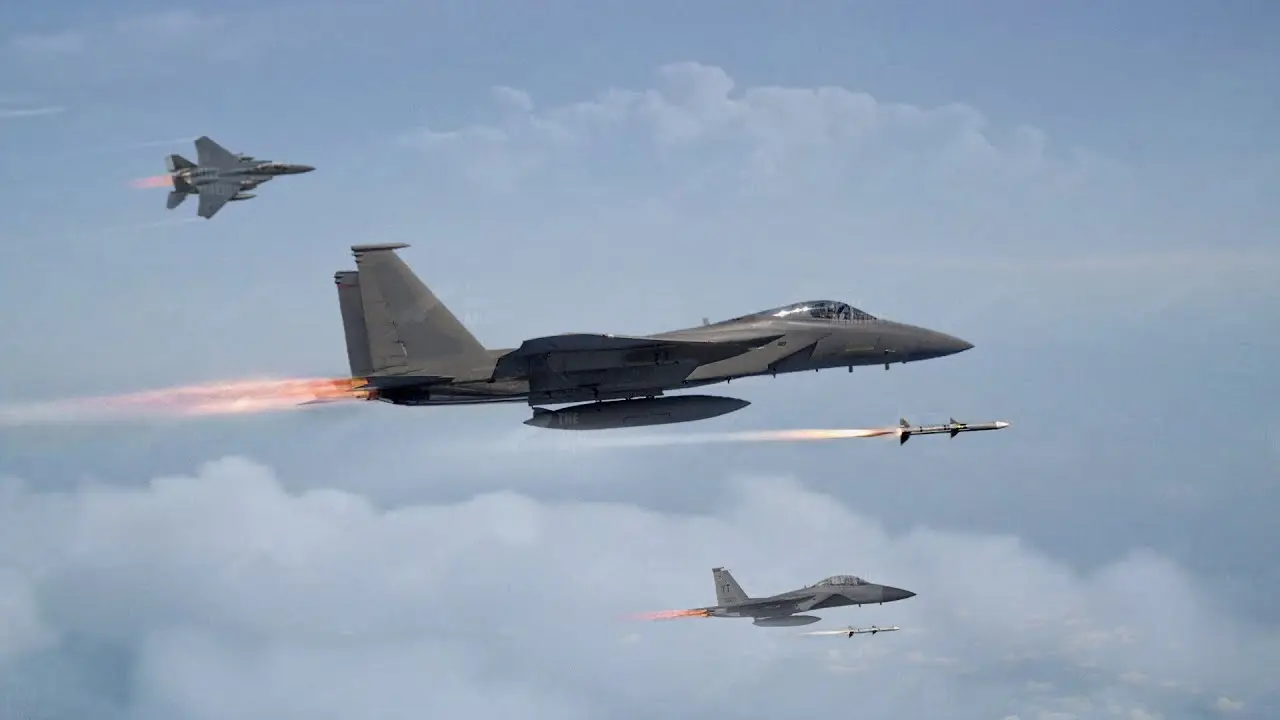
Missiles depend on accurate target position data before launch. If pre-launch information is incorrect or outdated, missiles may miss even within their no-escape zones. Rapidly manoeuvring targets make pre-launch targeting data uncertain within seconds.
Electronic Warfare Systems Reduce Kill Probability
Modern aircraft carry jamming pods, chaff dispensers, and flare systems that confuse missile guidance. These electronic countermeasures significantly degrade missile effectiveness, requiring pilots to launch multiple missiles or operate within closer ranges to ensure hits.
)
)
)
)
)