What 3I/ATLAS’s post-Sun activity tells us about its icy core

3I/ATLAS’s bright post-Sun activity shows a solid, icy core releasing gases like carbon dioxide and cyanide. Jets of dust and gas reveal complex chemistry and uneven ice distribution, helping scientists update comet models.
Renewed Activity After Sun Passage
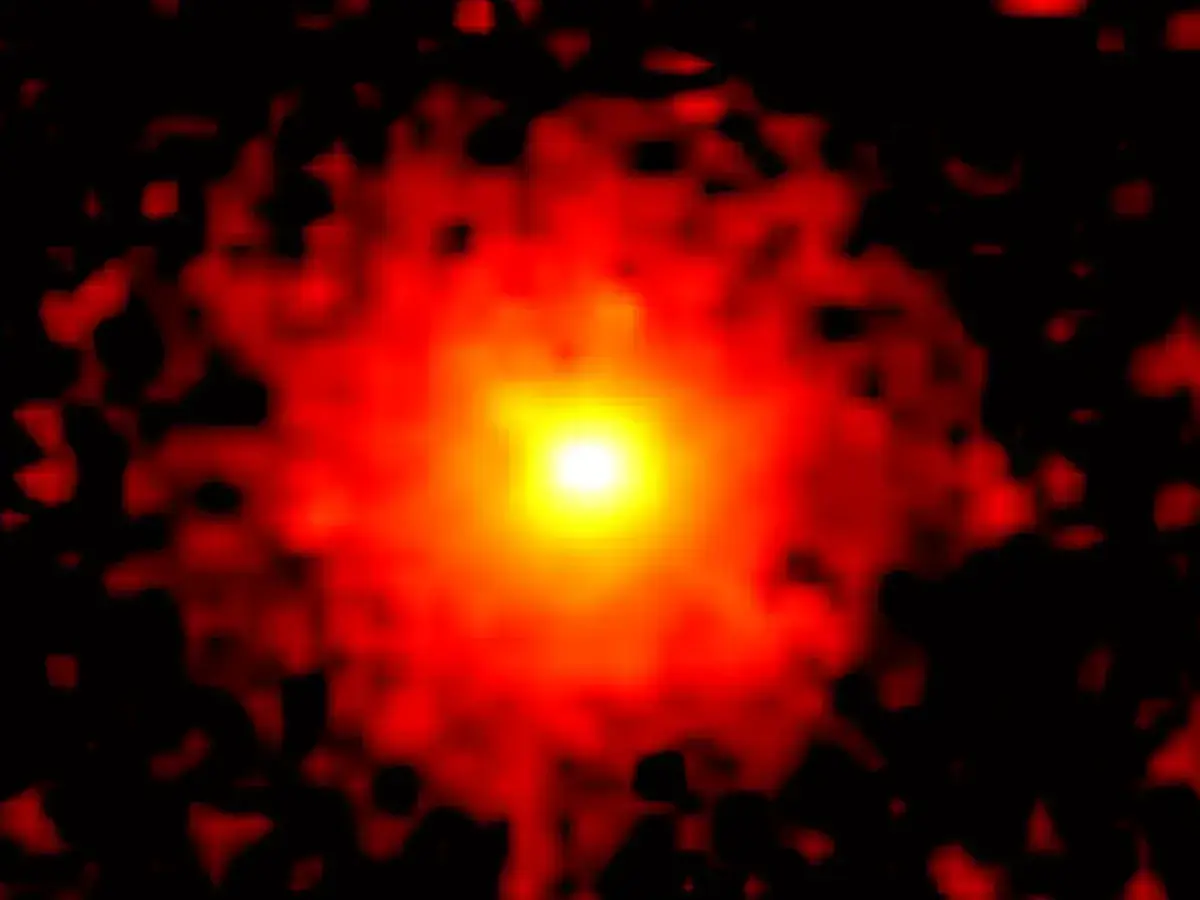
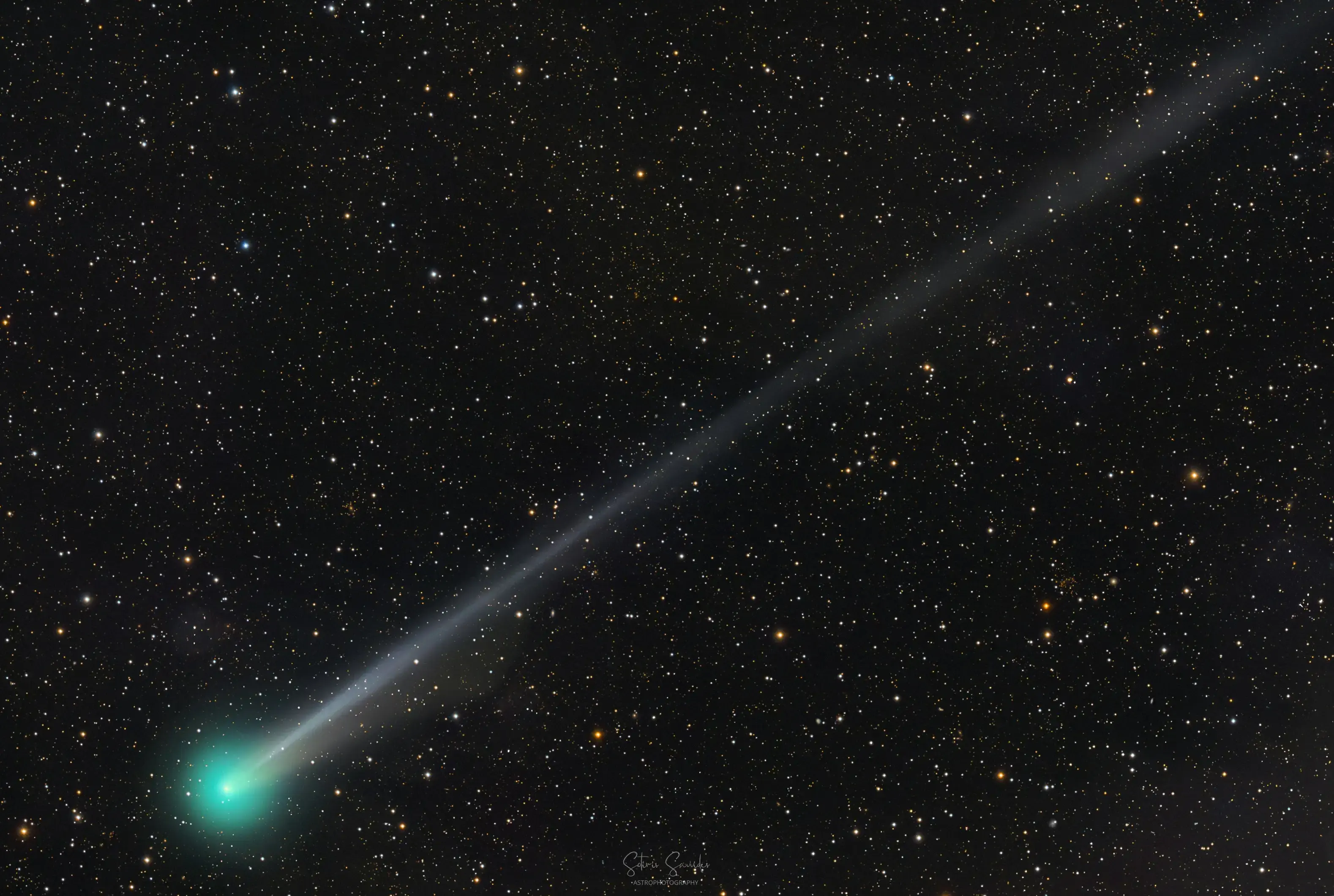
After passing its closest point to the Sun on October 30, 2025, 3I/ATLAS became active again. The warming caused frozen gases on its surface to sublimate - turn directly from ice to gas - forming a bright coma and tails. This confirms the presence of volatile ice
Size and Shape of the Icy Core
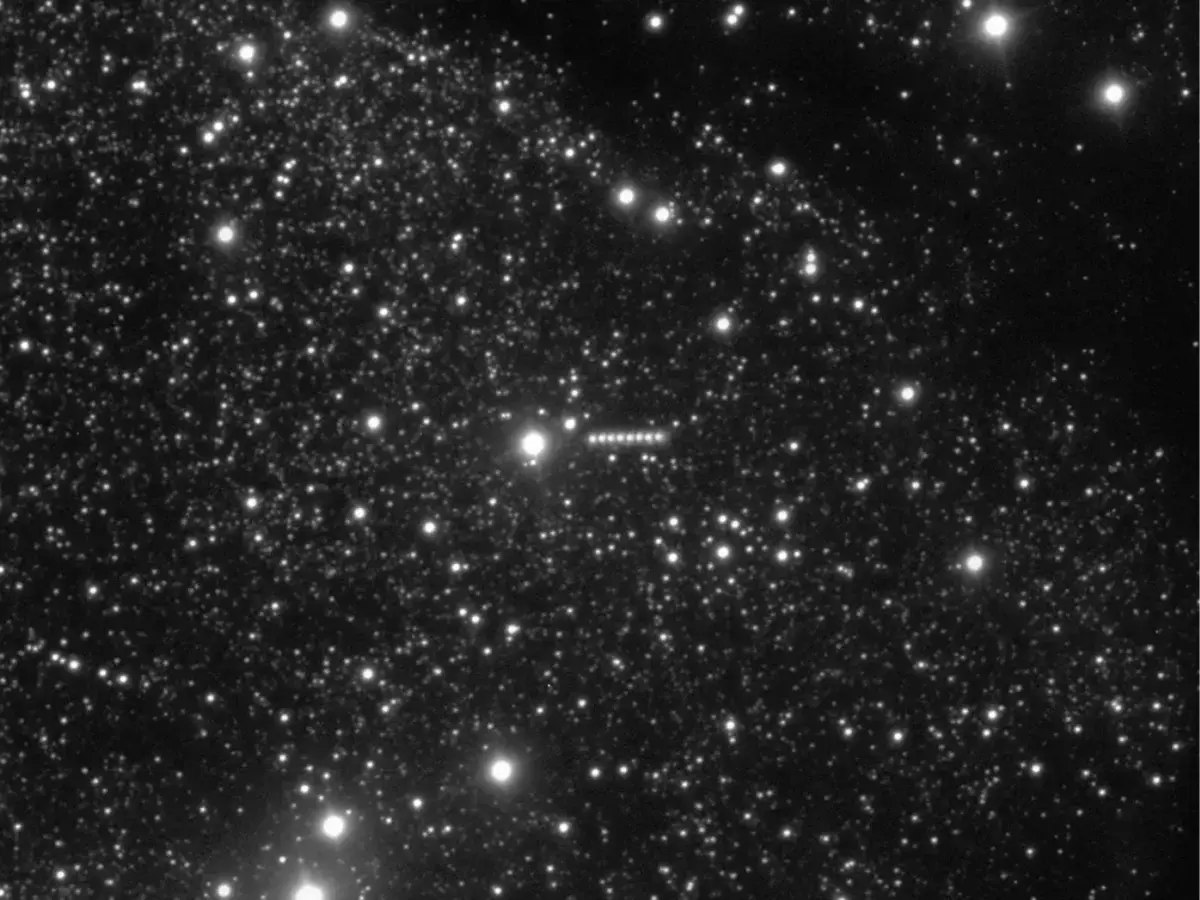
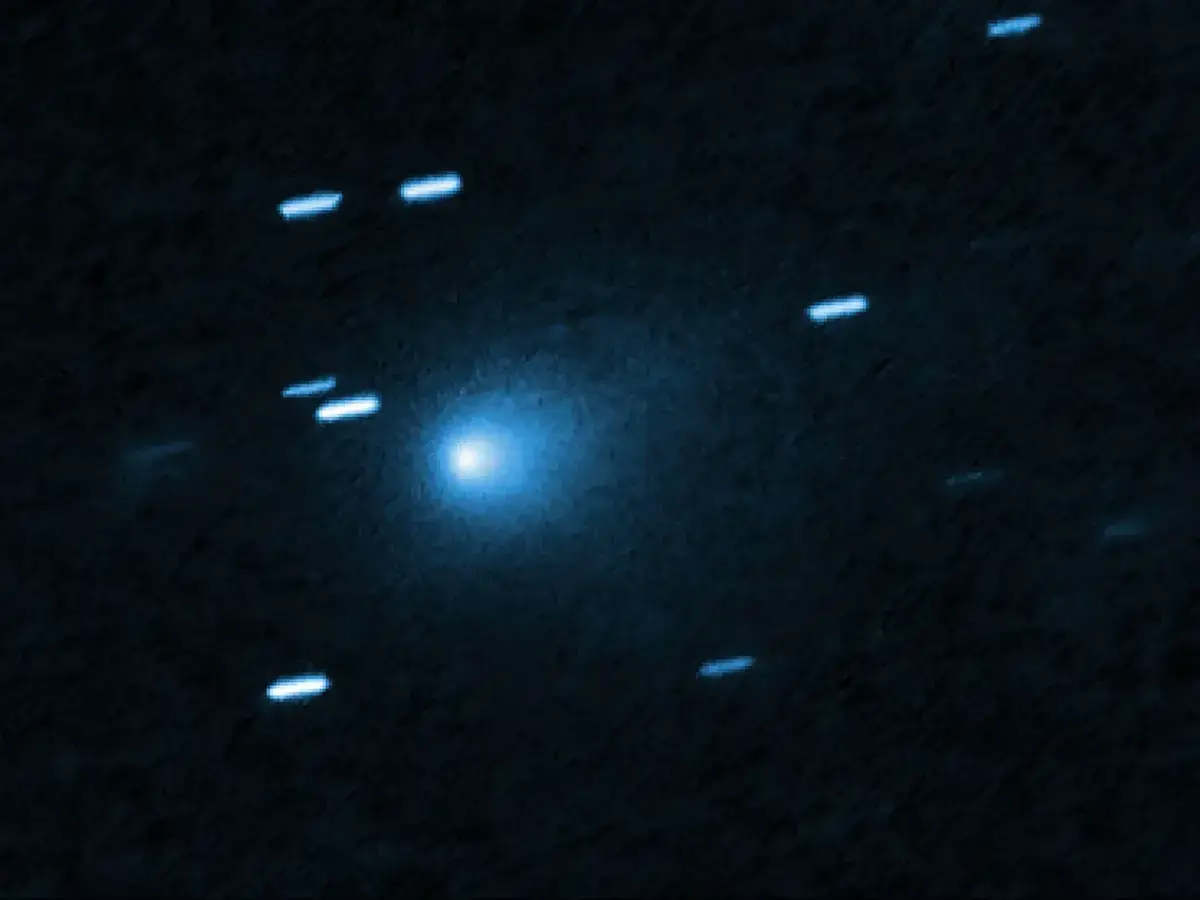
Hubble Space Telescope observations set the comet’s nucleus size between 440 meters and 5.6 kilometres. Despite this size range, the nucleus’s activity level implies a solid icy core capable of sustaining jets of gas and dust over long distances.
Composition Shows Complex Chemistry
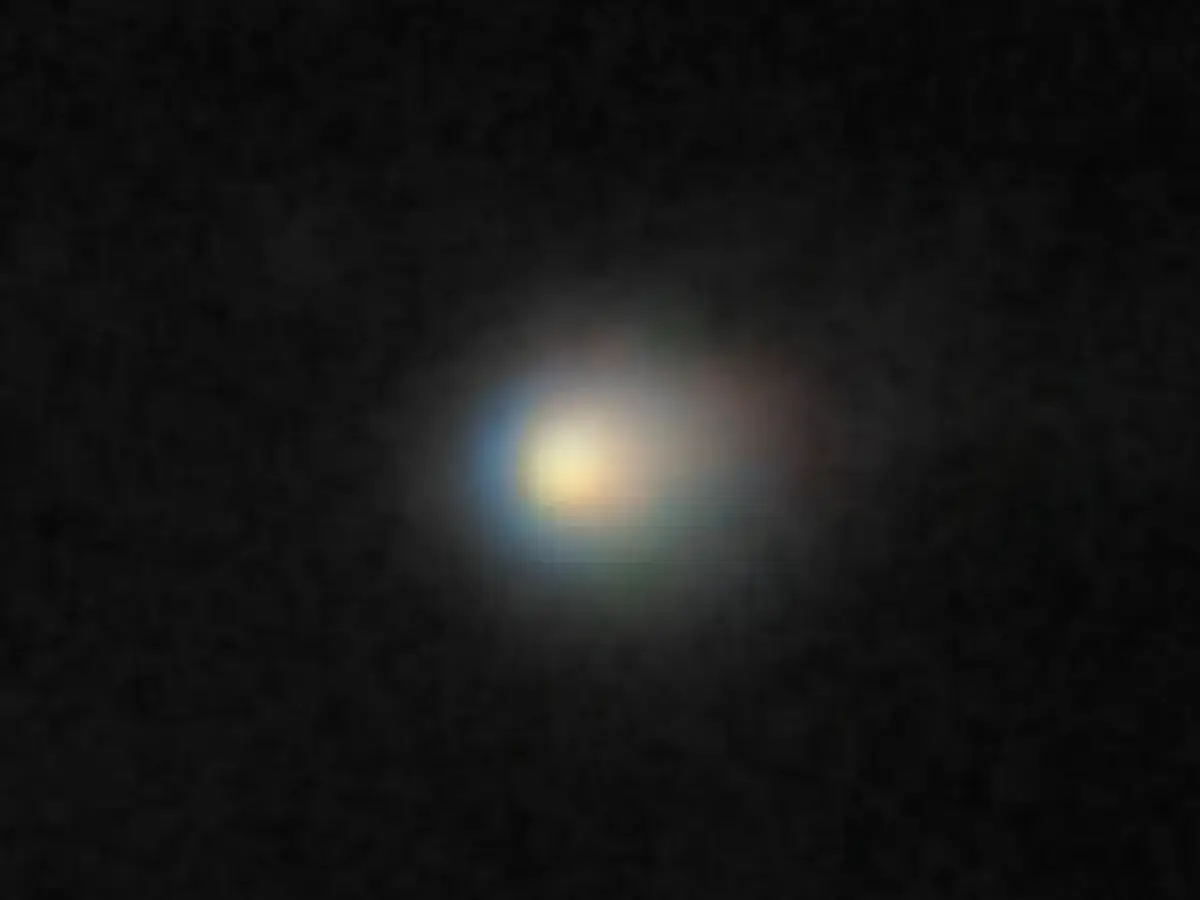
The comet’s brightening is due to the release of gases like carbon dioxide and cyanide, along with some water vapour. This mix is a hallmark of a complex icy core that contains materials likely formed in another star system.
Dust and Gas Jets Reveal Core Dynamics
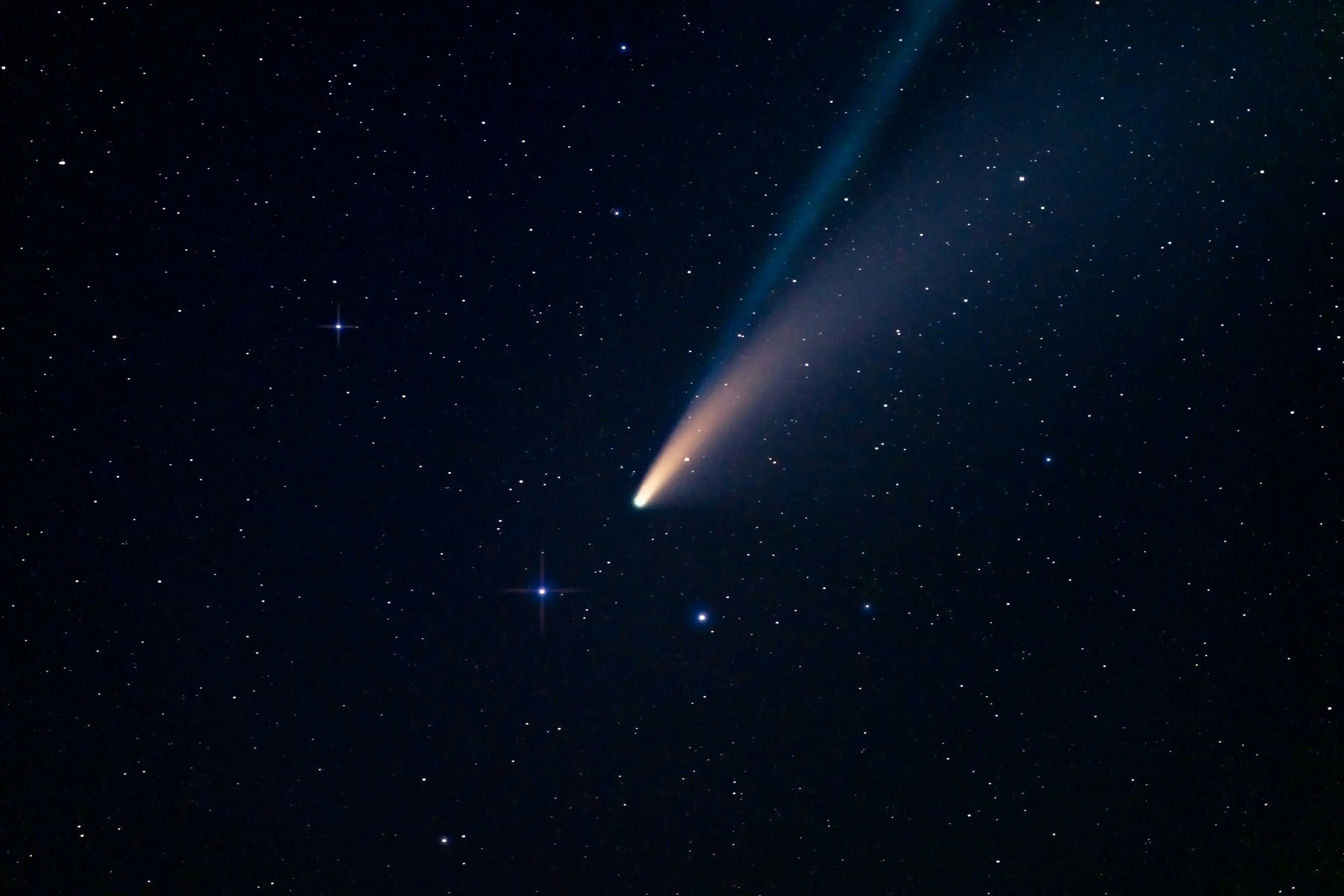
Jets of dust and gas appear as the core heats up. These jets push material into space, forming visible tails. Their persistence indicates the core’s ice is distributed unevenly and continues to sublime as 3I/ATLAS moves away from the Sun.
Icy Core Activity Helps Understand Longevity
The sustained outgassing after the solar encounter suggests the core still has enough ice to power jets far from the Sun. This gives clues about how long such interstellar comets can remain active during their solar passage.
What Post-Sun Data Means for Comet Models
This behaviour supports existing models where comet nuclei are dirty iceballs. The data from 3I/ATLAS refines understanding of comet composition, their response to solar heating, and their physical structure.
Future Observations to Expand Knowledge
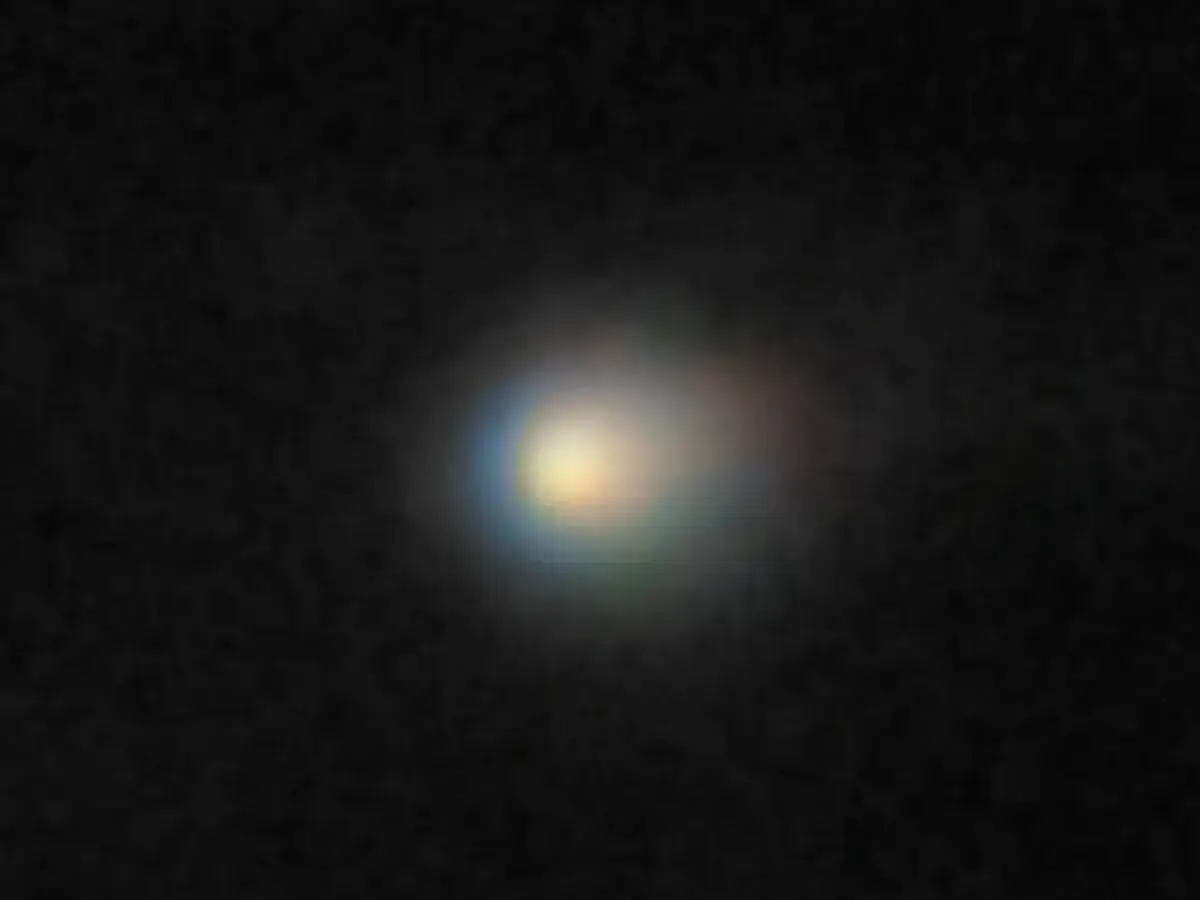
3I/ATLAS will be observable again from Earth starting December 2025, allowing more data collection with advanced telescopes. This will help confirm the initial findings and reveal more about the comet’s icy core nature.
)
)
)
)
)