What 3I/ATLAS could reveal about interstellar travel possibilities?

3I/ATLAS offers crucial insights into natural interstellar movement, material survival, and cosmic conditions. Its study guides future spacecraft design, propulsion methods, and navigation techniques essential for long-distance travel beyond our Solar System.
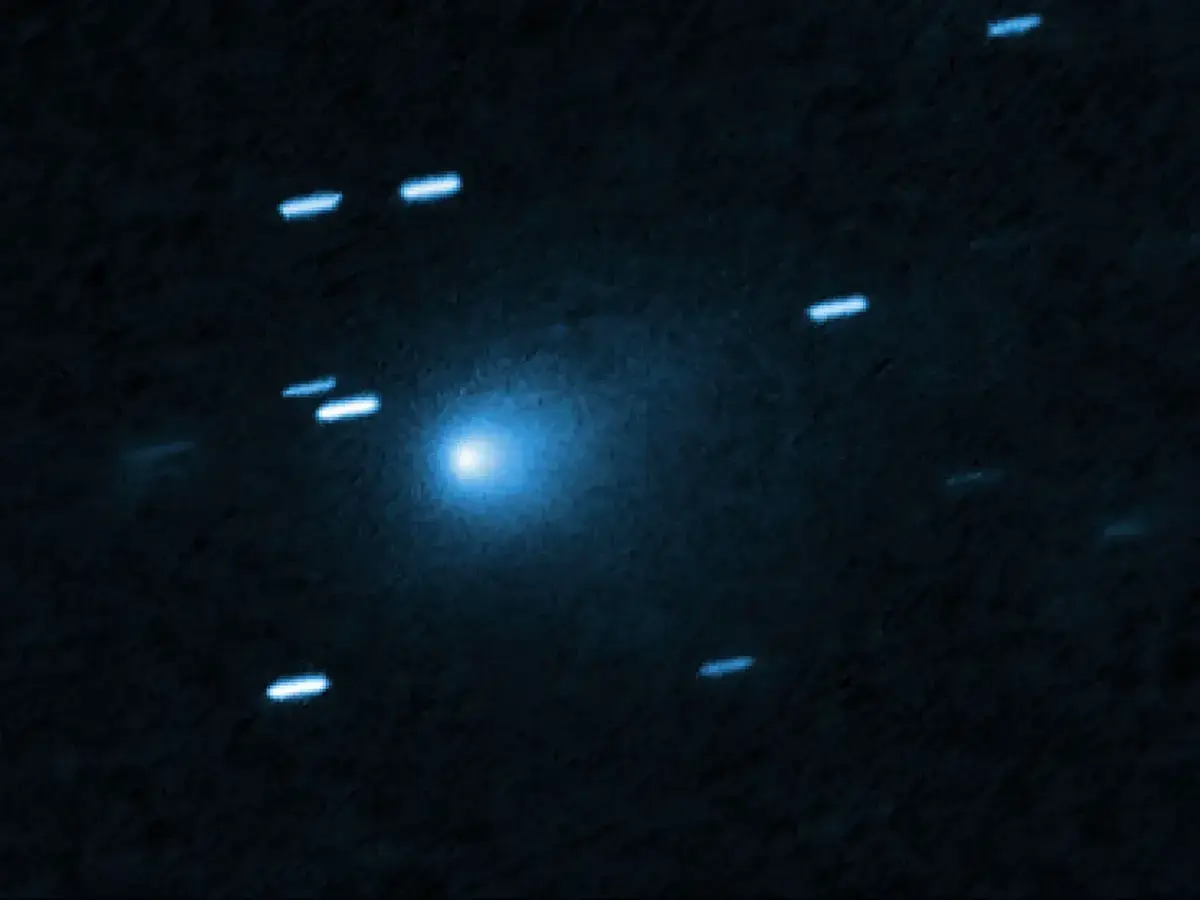
Natural Model for Interstellar Movement
3I/ATLAS shows how objects move naturally between star systems, giving clues on gravitational assists and momentum gained from passing through different cosmic environments. This helps imagine how spacecraft might cross vast distances without using excessive fuel.
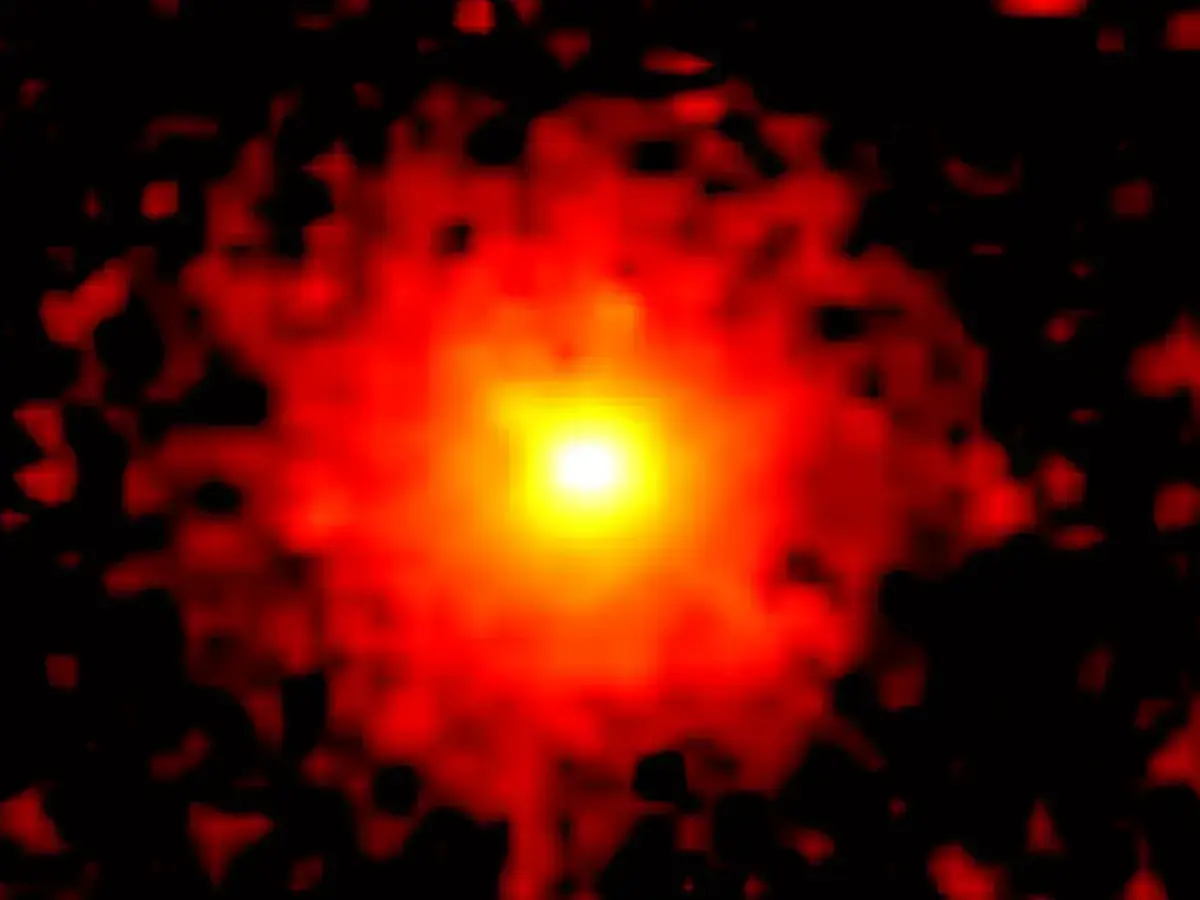
Composition Insights for Spacecraft Materials
Studying 3I/ATLAS’s unusual chemical makeup, rich in carbon dioxide and containing cyanide and water vapour, offers data on what materials spacecraft might encounter or use in deep space for propulsion or life support.
Understanding Extreme Space Conditions
Observing 3I/ATLAS’s reaction to intense solar radiation reveals how materials behave in extreme conditions. This aids designing robust technologies and habitats for future long-duration interstellar missions.
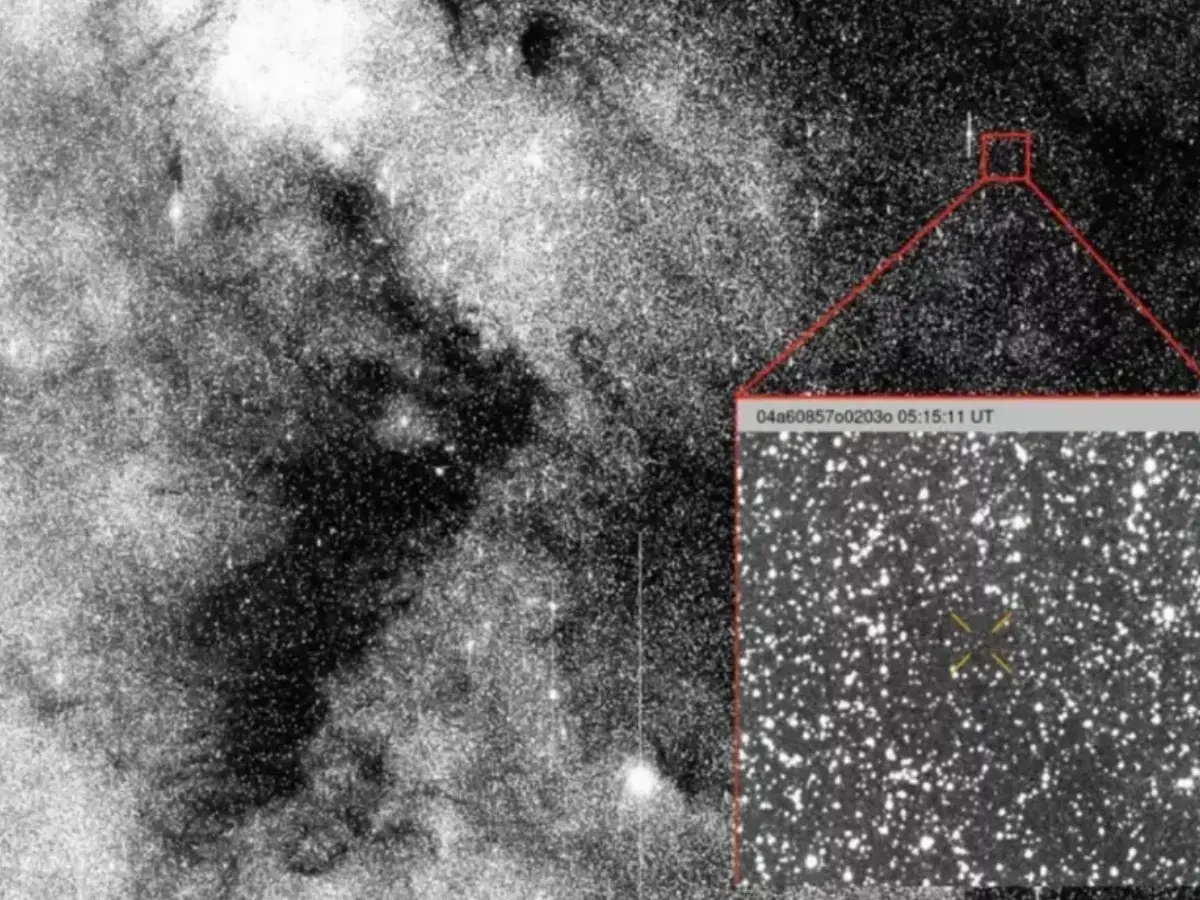
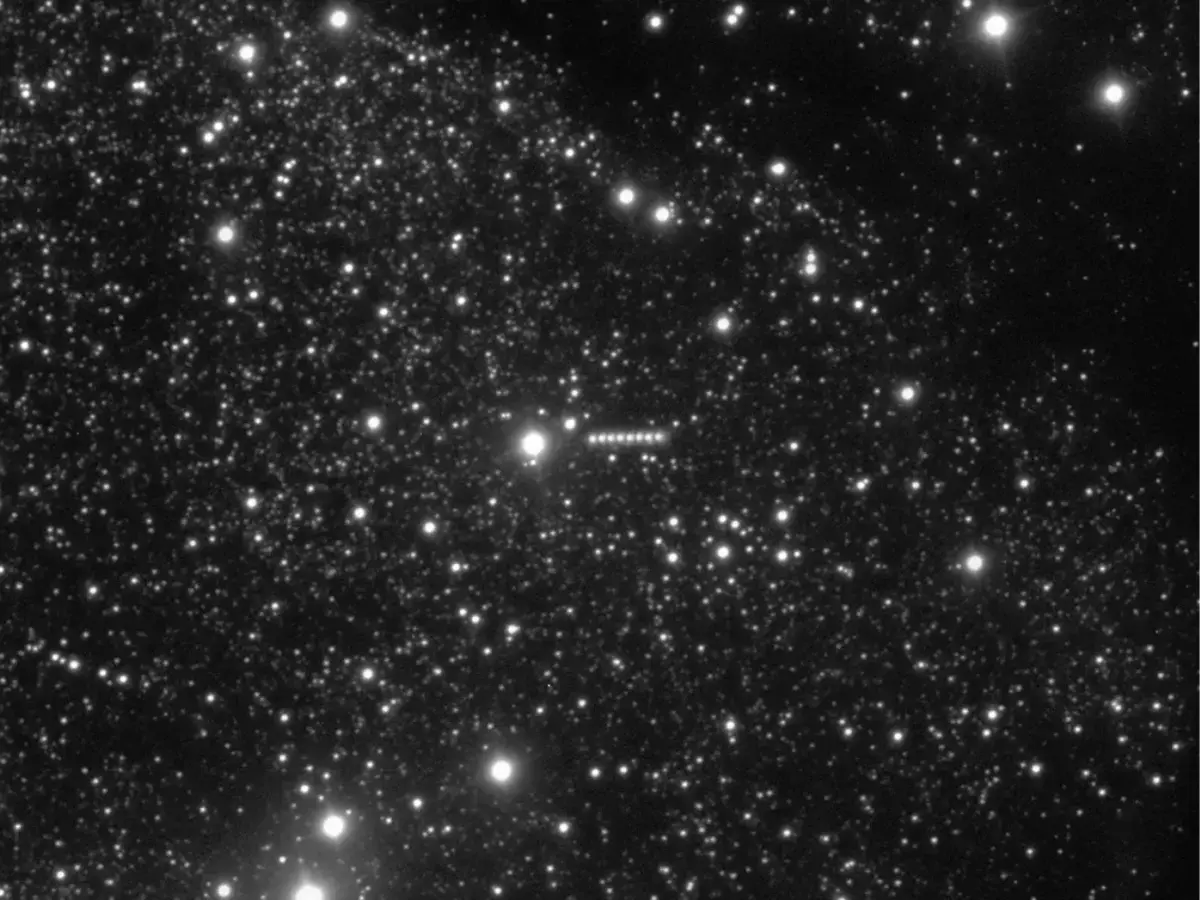
Navigational Challenges and Path Prediction
The highly eccentric and hyperbolic orbit challenges navigation models, showing the complexity of plotting courses for fast-moving objects entering and leaving solar systems. Learning from 3I/ATLAS improves trajectory planning for future probes.
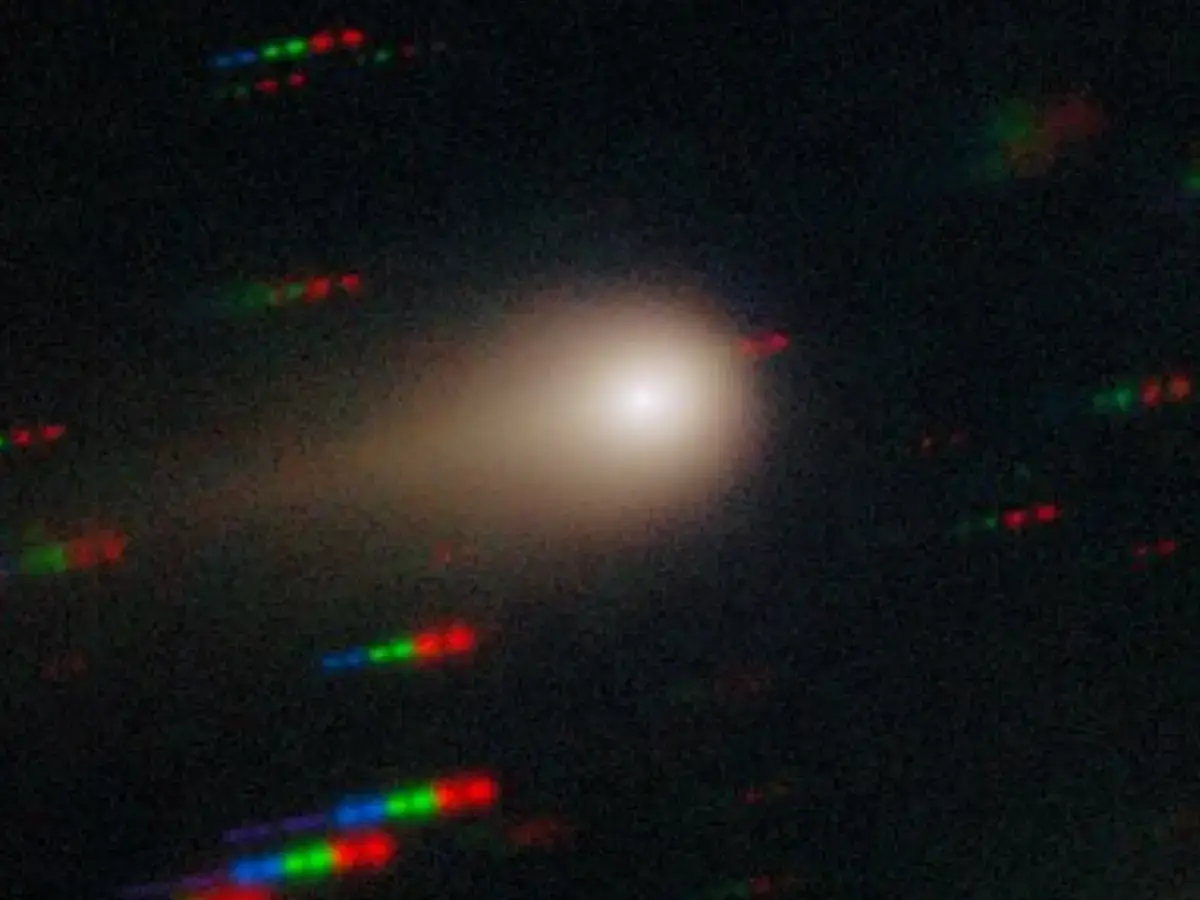
Insights into Cosmic Dust and Gas Interaction
The comet’s dust jets and gas emissions demonstrate the interaction of solid and gas particles in deep space. Understanding these phenomena aids in protecting spacecraft from dust damage and optimising onboard sensors.
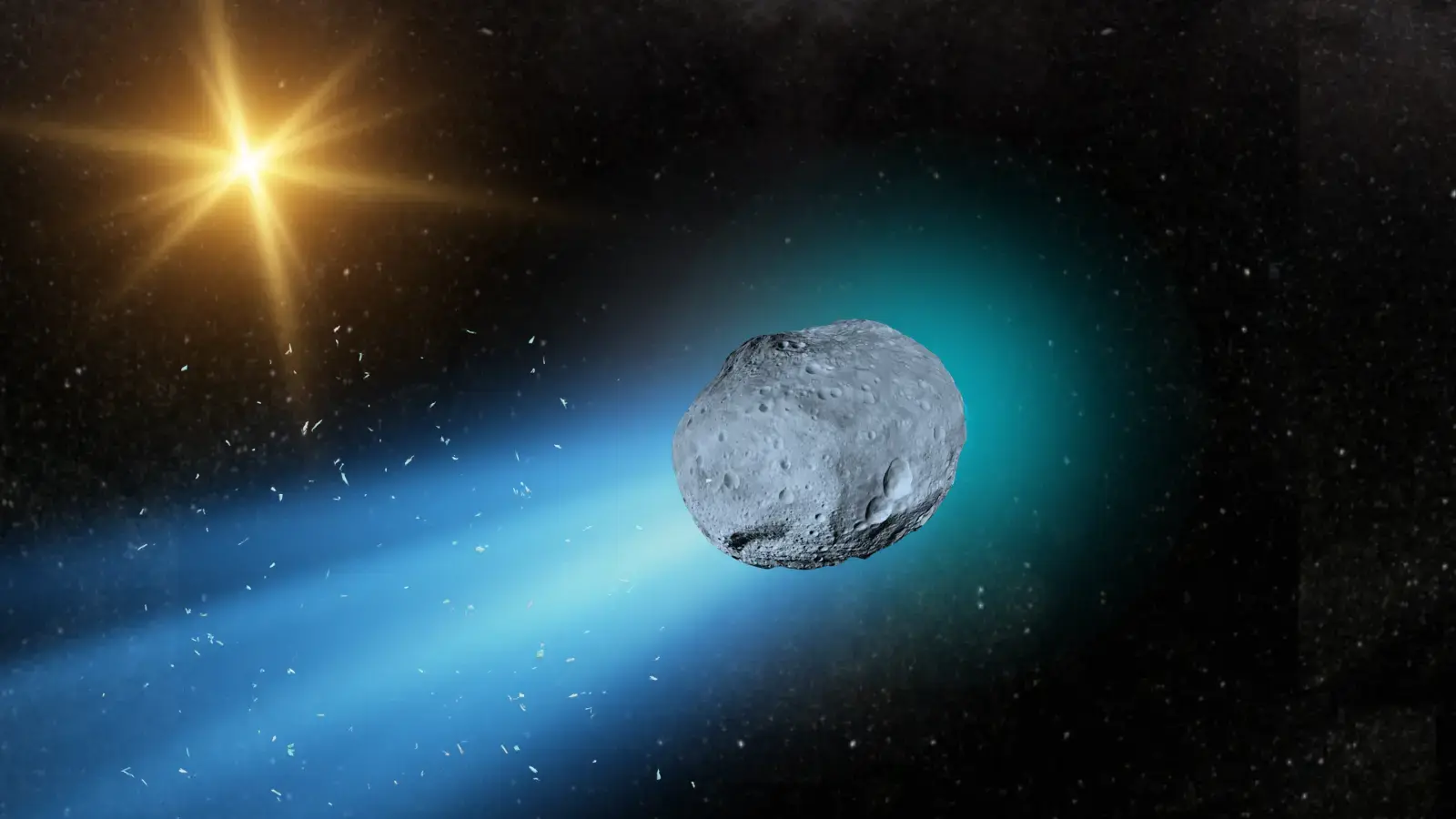
Proof of Material Transfer Across the Galaxy
3I/ATLAS proves that matter can travel between star systems naturally. This supports theories that organic materials or even simple life-building blocks could spread via interstellar objects, with implications for astrobiology and future human travel.
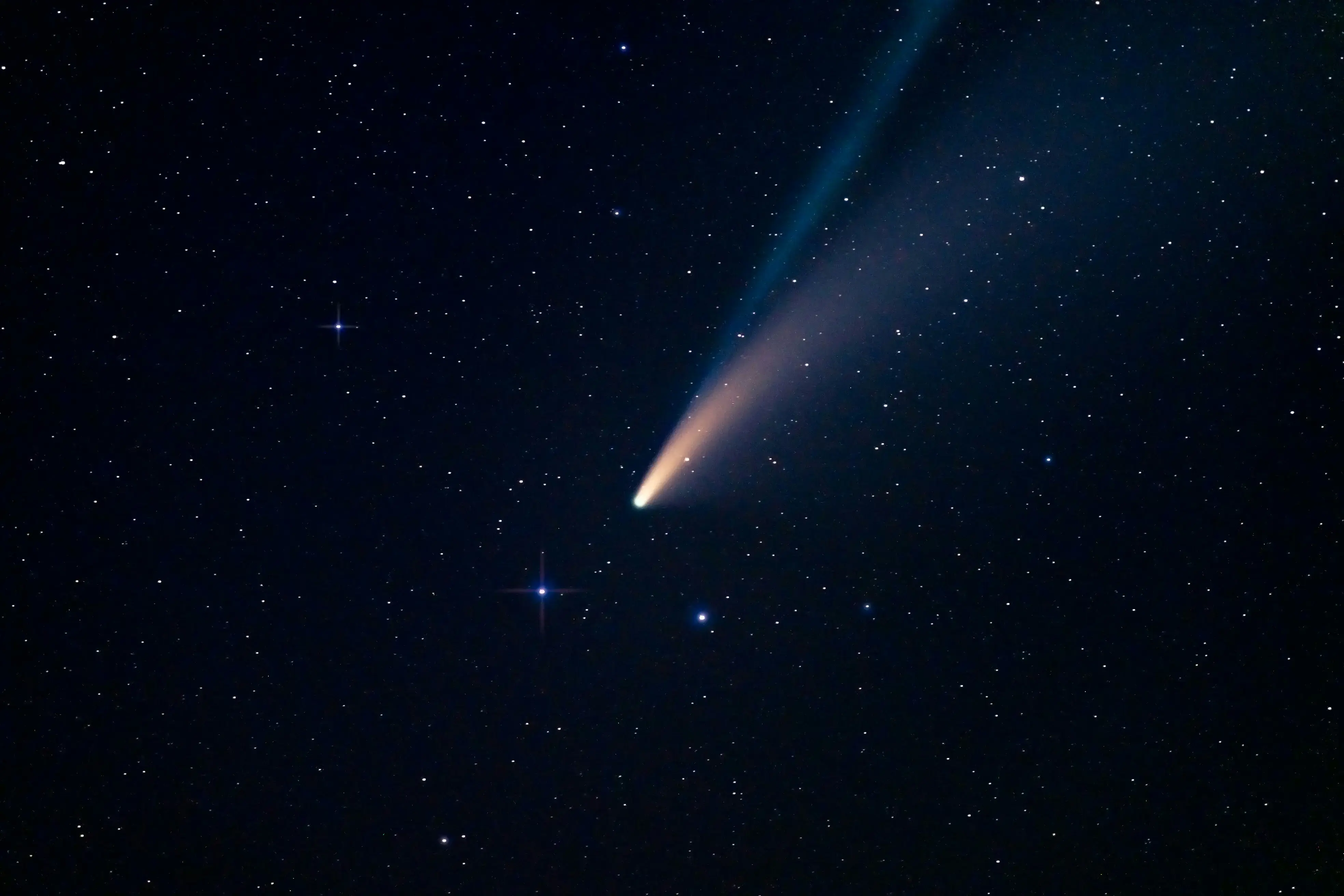
What Lies Ahead?
3I/ATLAS will soon leave the Solar System, heading into deep space again. Scientists continue to analyse data to unlock more secrets of interstellar travel. This could one day help humanity journey beyond our Sun’s borders.
)
)
)
)
)