West Bengal election results 2026: BJP on track to form first-ever government since Independence; Why this win could be historic

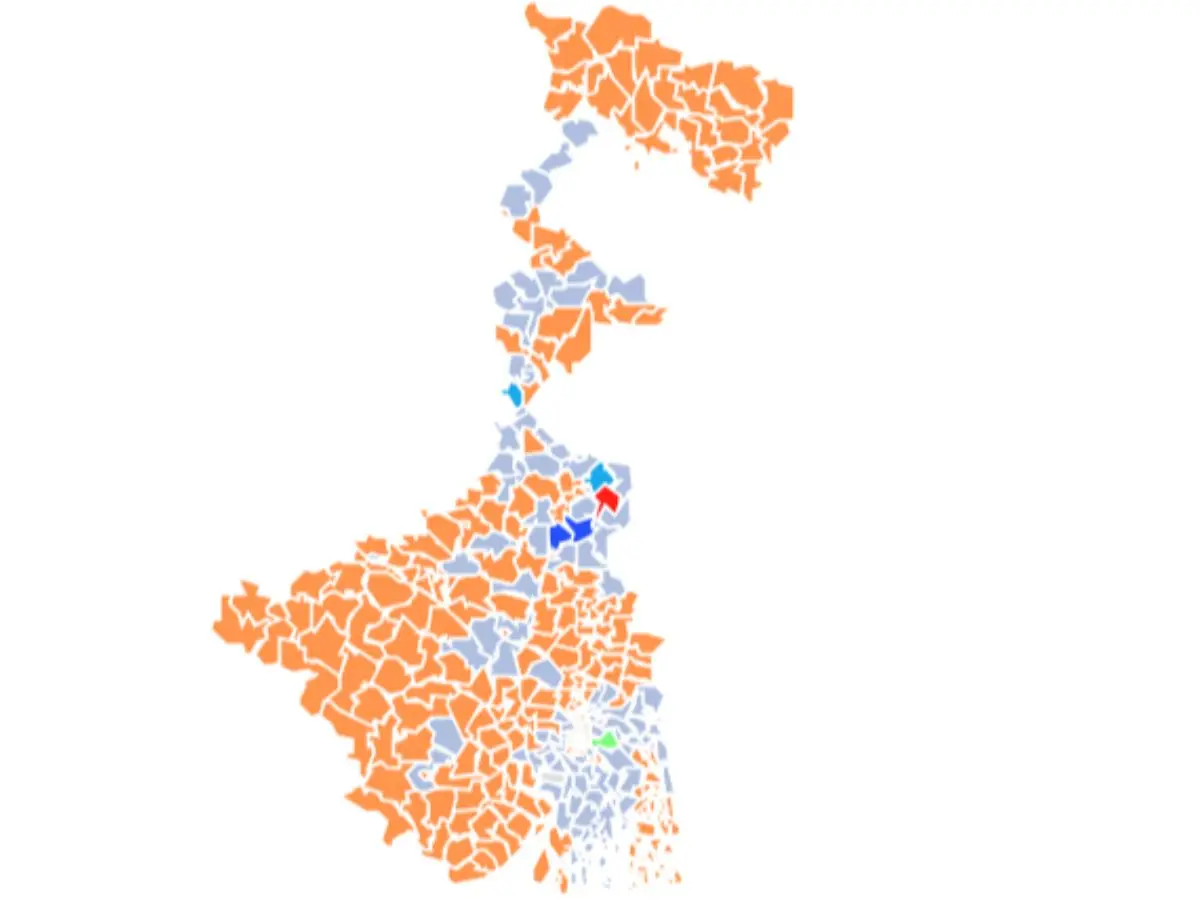
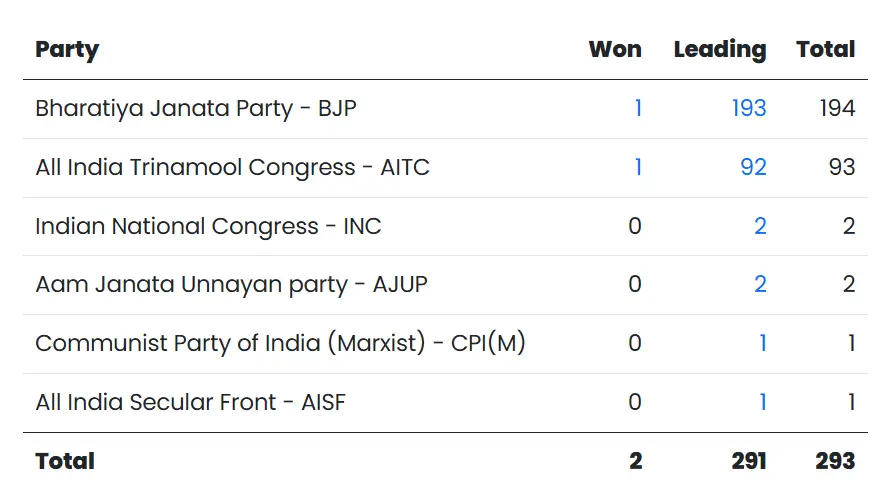
According to Election Commission data, the BJP is leading in 193 seats and has secured one, while the All India Trinamool Congress is leading in 91 seats with one win. The Congress and CPI(M) are trailing with marginal leads.
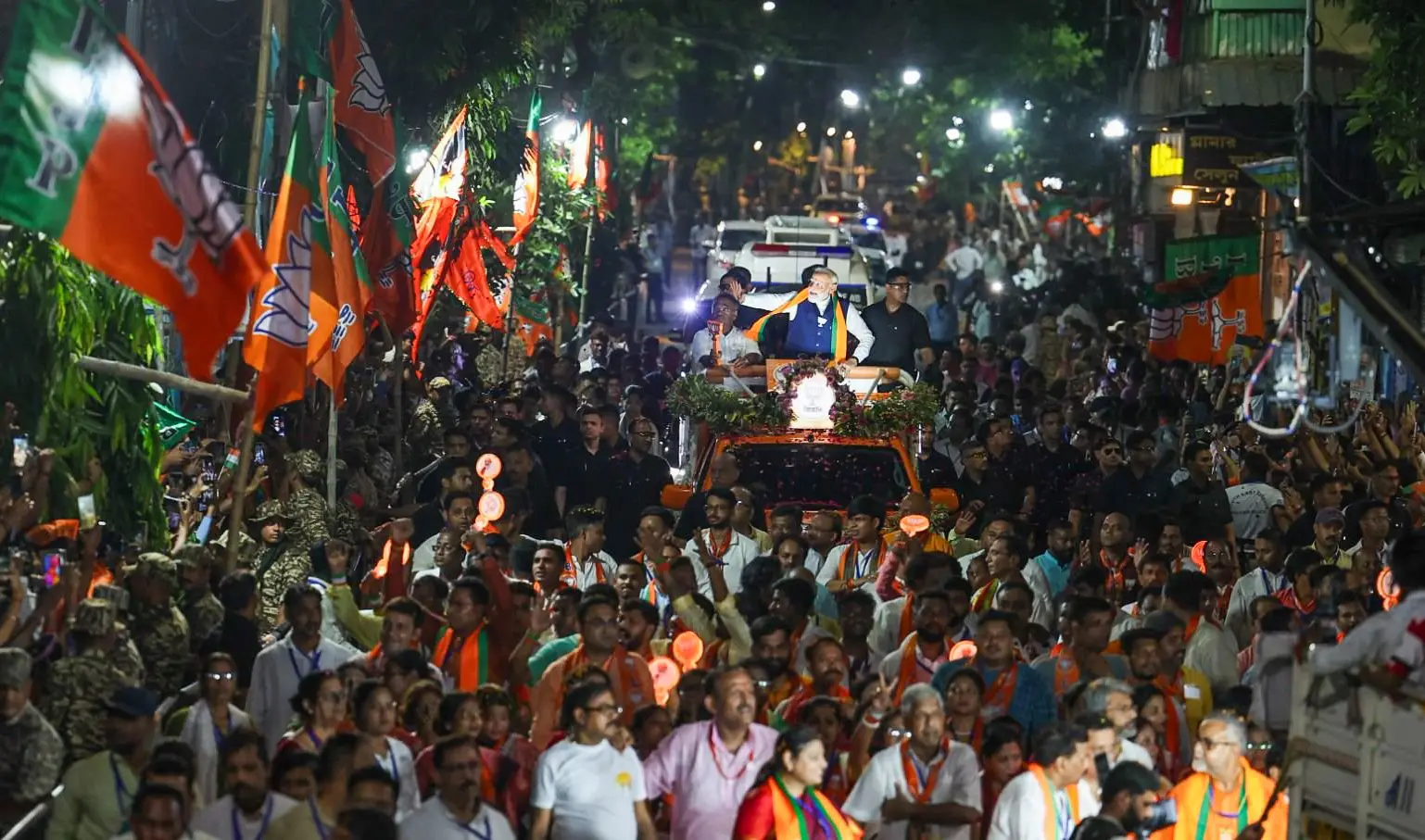
A decisive shift in early trends
West Bengal’s 2026 Assembly election has entered a critical phase, with early trends indicating a strong surge for the Bharatiya Janata Party. To form a government in the 294-member West Bengal Assembly, a party or alliance must secure a simple majority of 148 seats, often referred to as the magic figure. According to Election Commission data, the BJP is leading in 194 seats and has secured four, while the All India Trinamool Congress is leading in 88 seats with one win. The Congress and CPI(M) are trailing with marginal leads. If sustained, this would mark a significant departure from the state’s established political pattern.
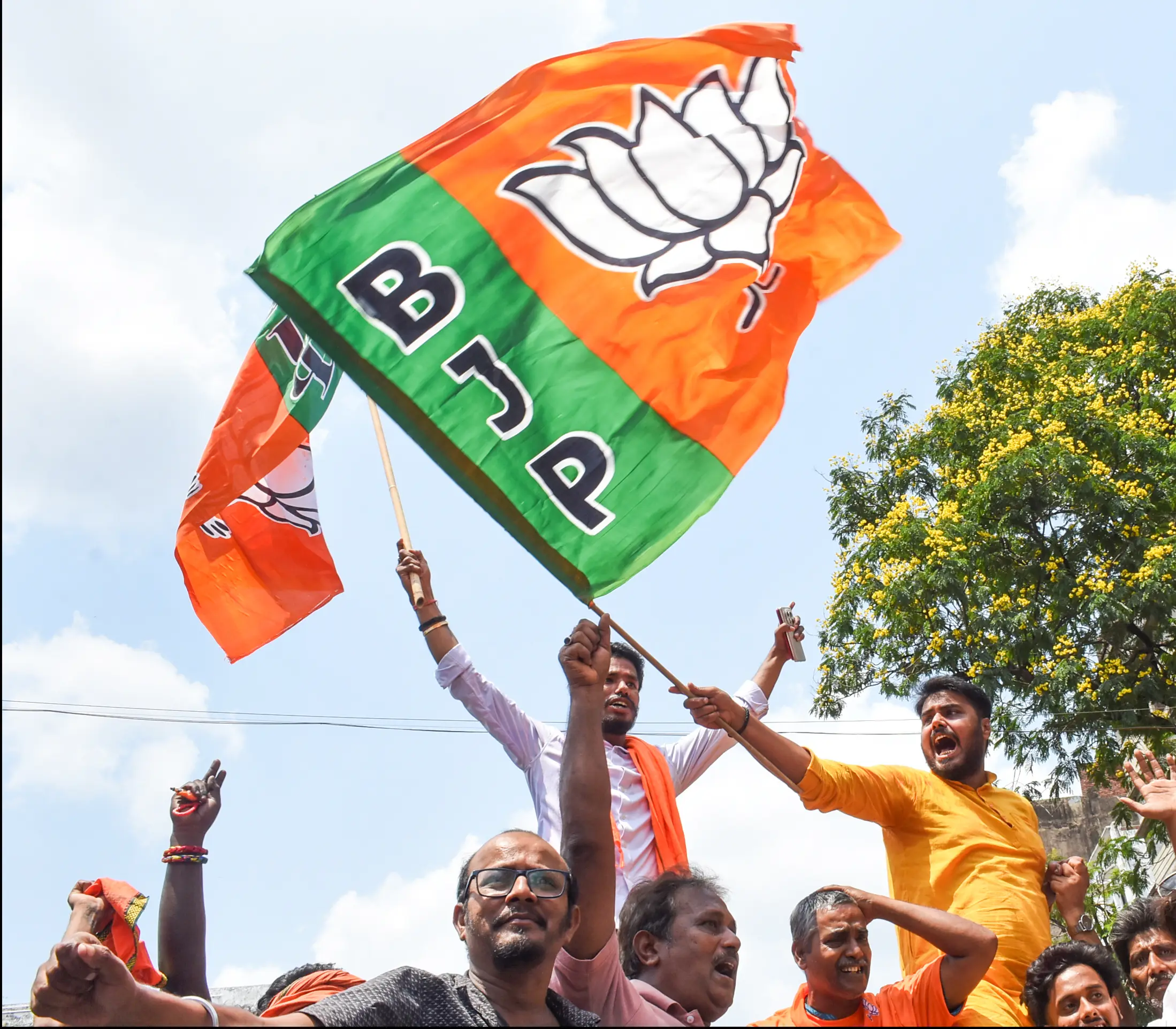
First victory since Independence
The potential formation of a BJP government in West Bengal represents a watershed moment in the state's political history, marking the first time since Independence in 1947 that a right-leaning, national party has secured the mandate to govern the state. For nearly eight decades, West Bengal’s political identity was defined by its resistance to ‘Delhi-centric’ politics, moving from the long-standing hegemony of the Congress to thirty-four years of Marxist rule under the Left Front, followed by fifteen years of regional populist governance under the Trinamool Congress.
The consolidation of a record-breaking turnout
The 2026 elections recorded a historic voter turnout of 92.47 per cent, the highest in the state’s electoral history. This massive participation, surpassing the landmark 2011 election that ended 34 years of Left rule, suggests a deep-seated desire for institutional change. As counting progressed on Monday, the BJP surged past the halfway mark, leading in 194 of the 294 assembly seats, leaving the incumbent TMC trailing significantly at 88 seats.
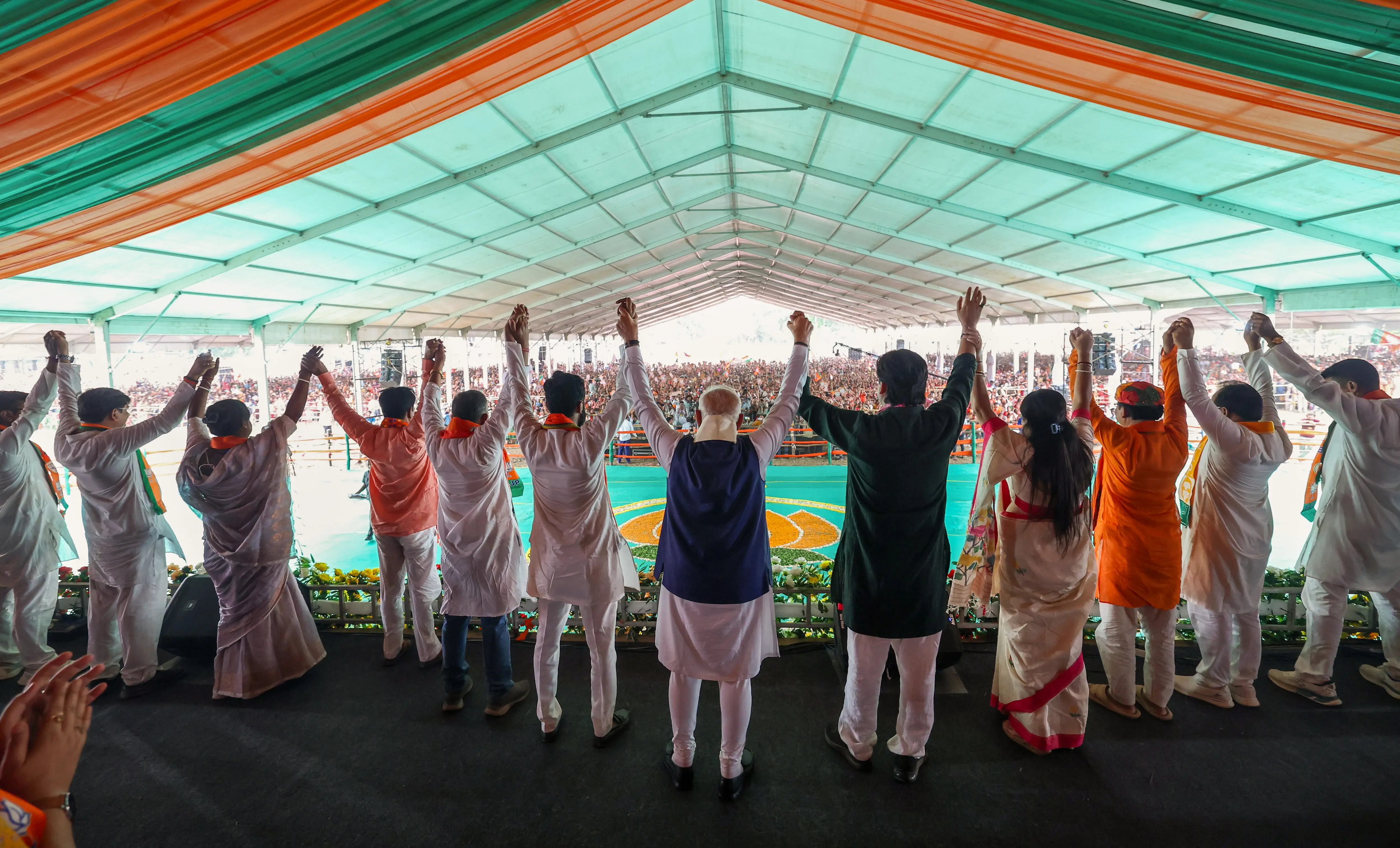
Electoral Roll Revision and Its Impact
One of the key factors behind the BJP’s surge appears to be the Special Intensive Revision (SIR) of electoral rolls conducted by the Election Commission of India. The exercise led to a sharp reduction in voter lists across 94 constituencies, particularly in districts such as Murshidabad, Malda and North 24 Parganas, areas traditionally considered strongholds of the All India Trinamool Congress. In Murshidabad alone, nearly 11 lakh names were reviewed, with around 4.5 lakh deleted due to duplication, migration or death. This recalibration appears to have altered voter dynamics significantly. The BJP’s consistent emphasis on removing “bogus voters” and ensuring electoral integrity seems to have found traction, especially in border regions, contributing to its improved performance.
A manifesto of radical economic promises
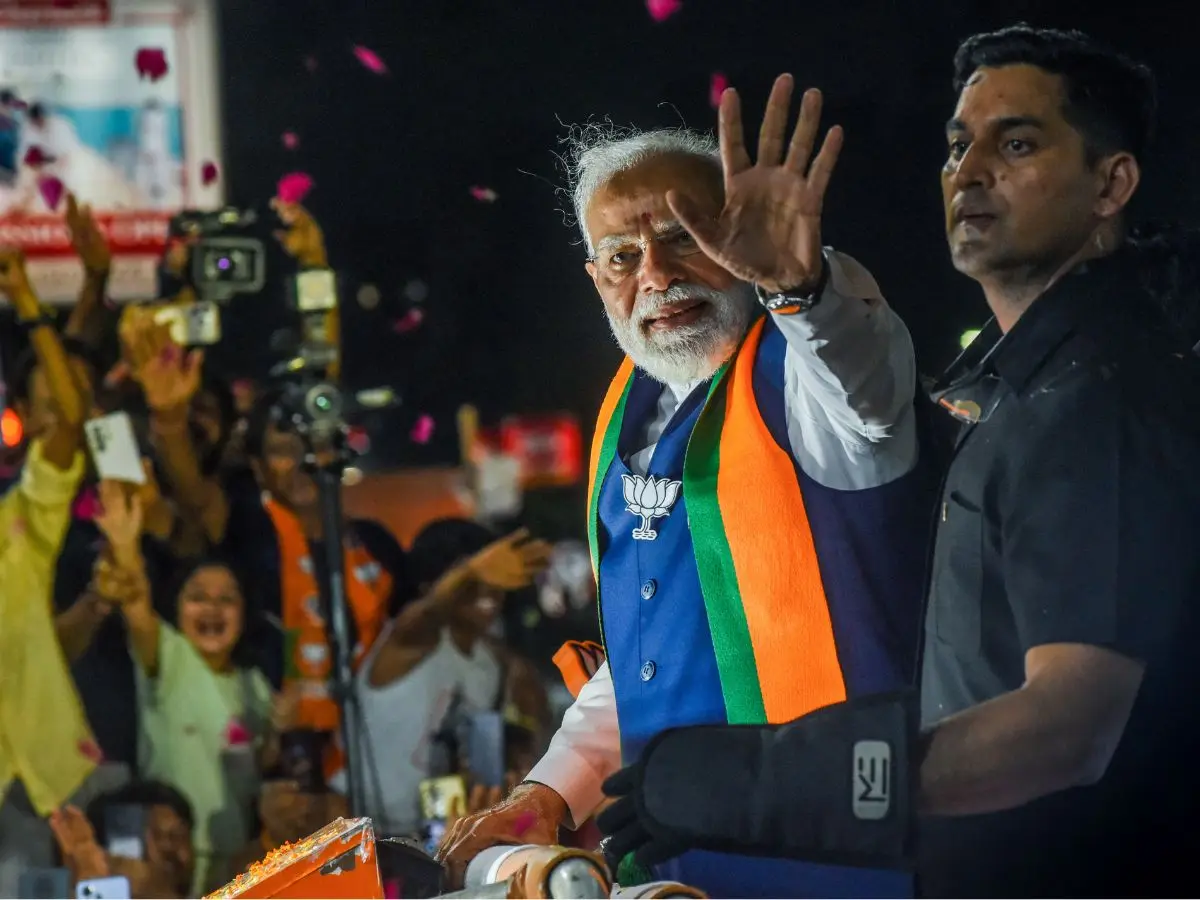
The BJP's ‘Sankalpa Patra’ manifesto offered a direct challenge to the TMC’s welfare model by promising to double existing cash benefits. Key pledges included providing Rs. 3,000 monthly to women—double the amount offered by the Lakshmir Bhandar scheme, and clearing all Dearness Allowance (DA) arrears for state employees within 45 days. The commitment to implement the Seventh Pay Commission and create one crore jobs over five years provided a compelling economic alternative for an aspirational electorate.
No declared chief ministerial face
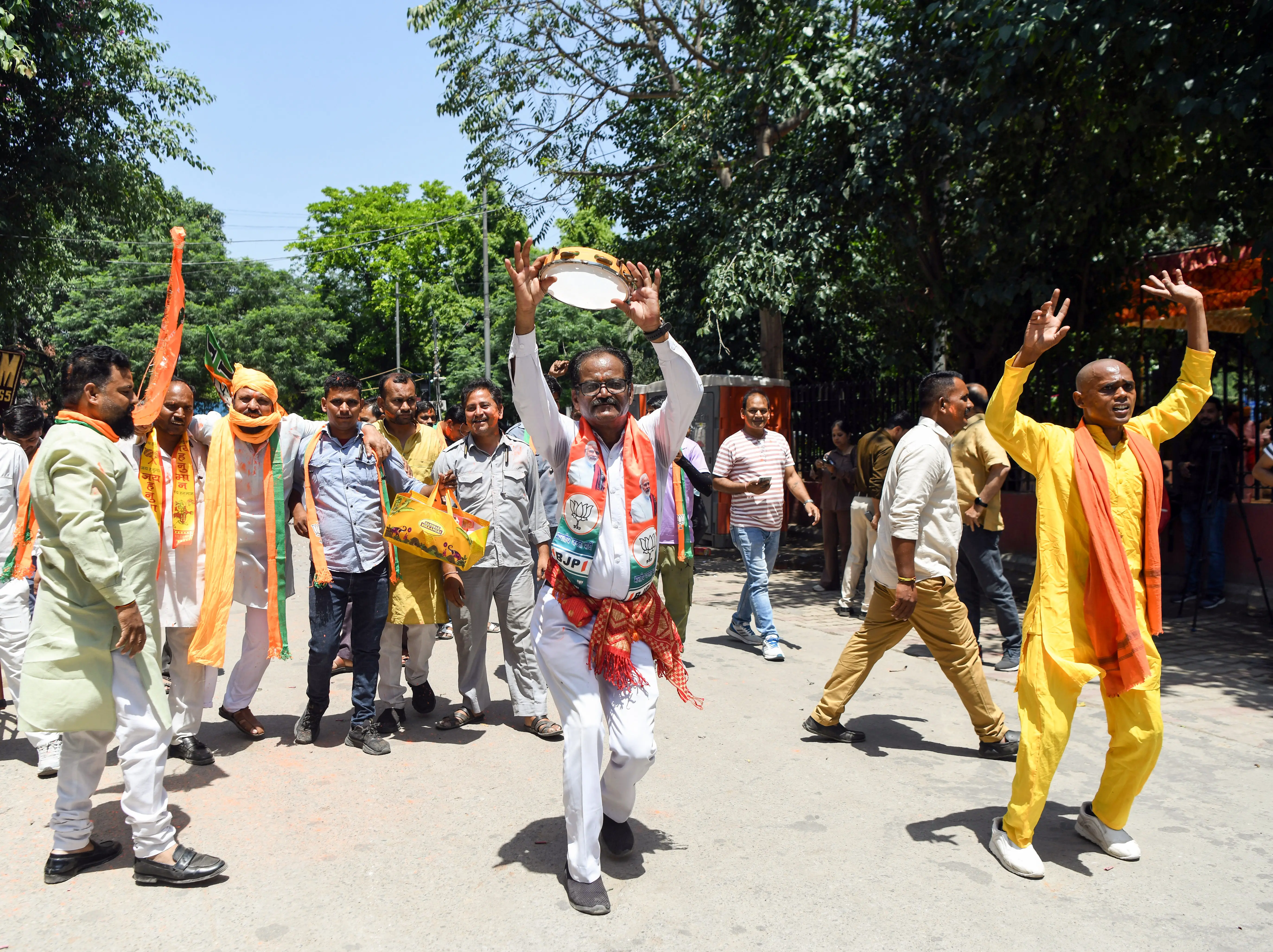
Consistent with its approach in other states, the BJP has not projected a chief ministerial candidate. However, with the party heading towards a majority, several leaders are being discussed internally based on organisational strength and electoral performance.
Security and scale of the exercise
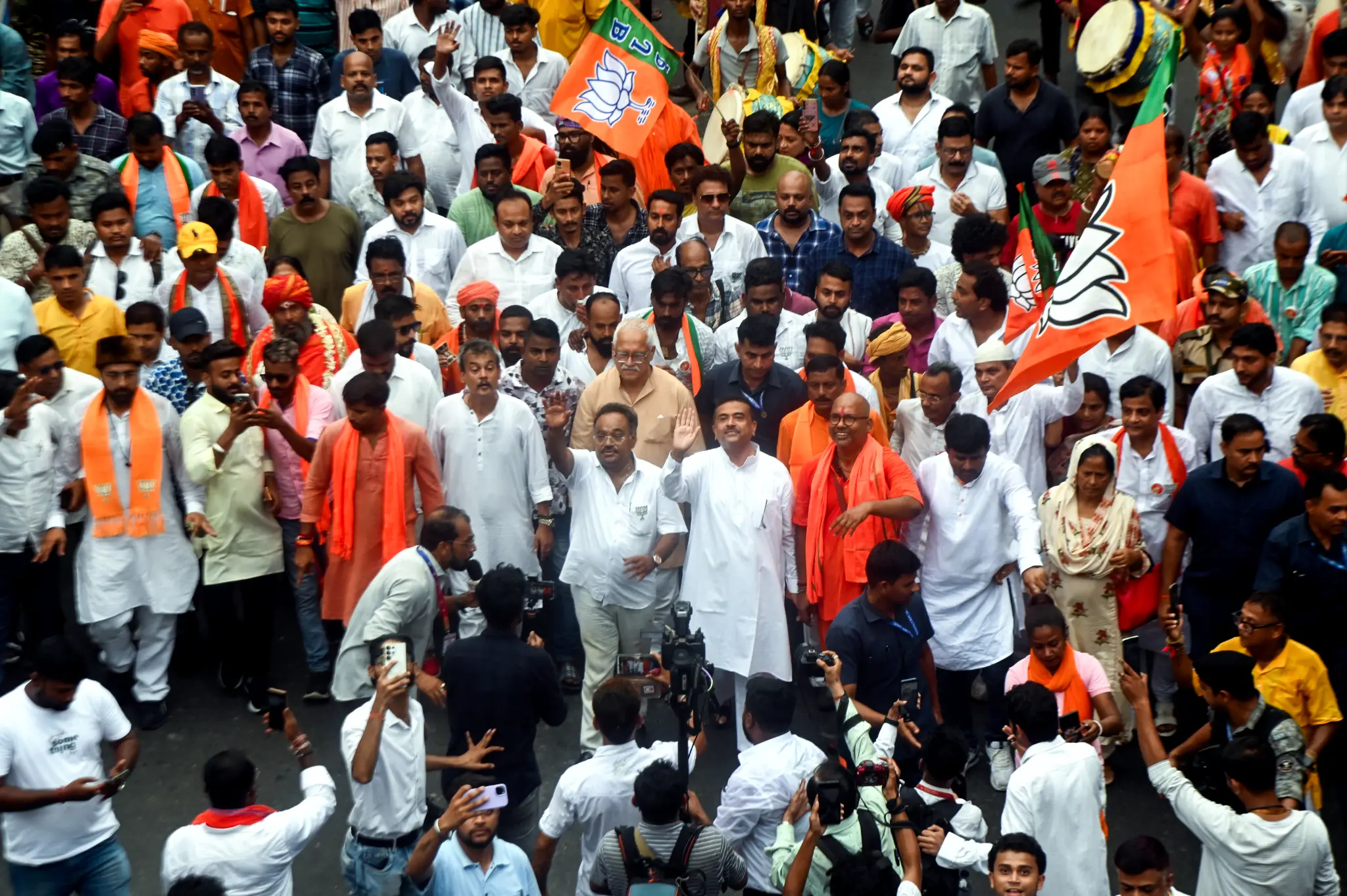
Counting is being conducted under tight security, with more than 2.5 lakh personnel from central forces and state police deployed. The scale of the election reflects its significance, with multiple stakeholders closely monitoring the process.
What happened last year?
In 2021, the All India Trinamool Congress won 215 seats, while the Bharatiya Janata Party made significant gains, securing 77 seats to emerge as the principal opposition. The Congress and the Left failed to win any seats. Chief Minister Mamata Banerjee lost in Nandigram to Suvendu Adhikari but later entered the Assembly through a bypoll from Bhabanipur.
)
)
)
)
)