Wedding minus the couple? 'fake wedding' parties are Gen Z’s hottest trend

These no-vows, all-vibes celebrations come with everything you’d expect, mandaps, dhols, sangeet dances, except an actual couple.
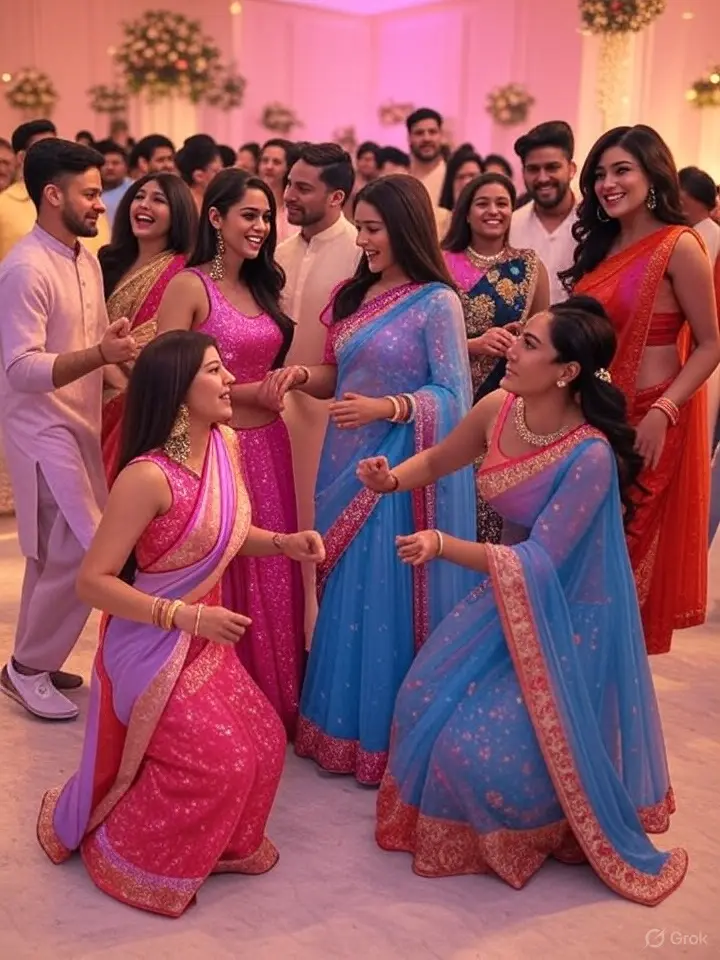
What’s Driving Delhi’s ‘Fake Shaadis’?
Gen Z in India is turning tradition on its head with a new party trend: fake weddings. These no-vows, all-vibes celebrations come with everything you’d expect, mandaps, dhols, sangeet dances, except an actual couple. Born out of a love for Indian wedding aesthetics and a desire to celebrate without pressure, this trend is exploding across cities like Delhi and Bengaluru, turning ordinary weekends into grand celebrations, just for the fun, not the marriage certificate.
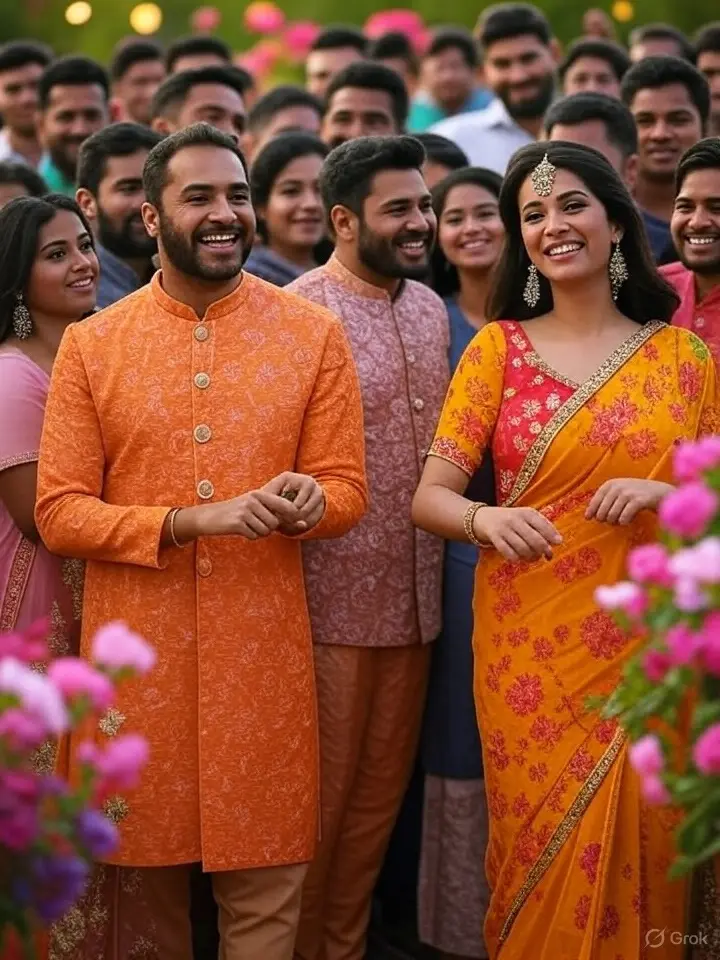
How Do These Parties Play Out?
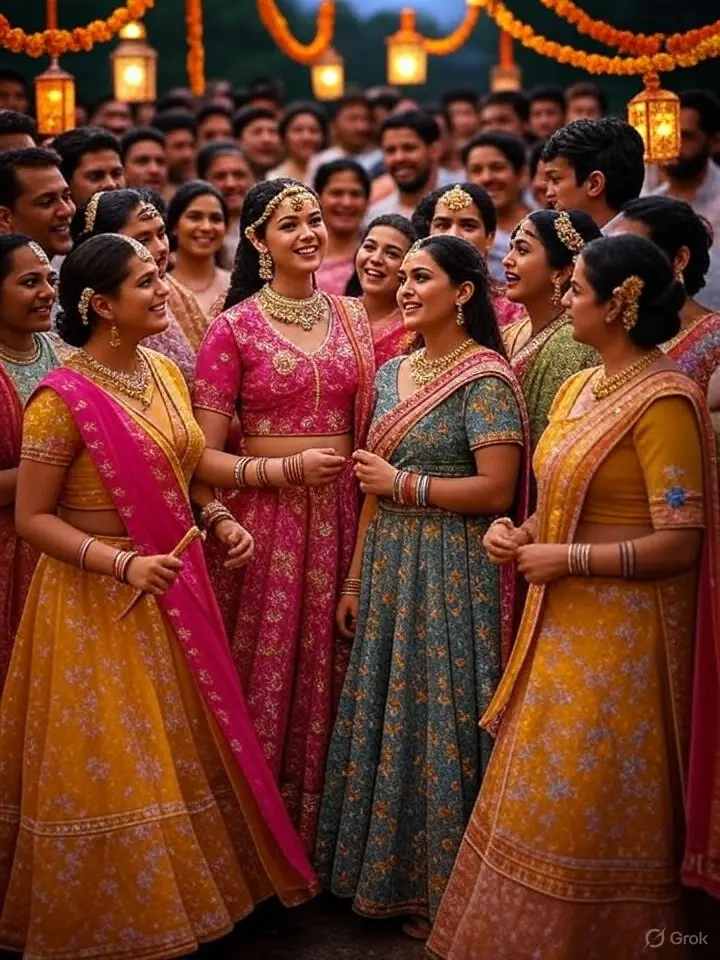
Expect baraat-style entrances, choreographed sangeet performances, flower throws, mock varmala ceremonies and a faux pandit. Guests don full ethnic attire, sip mocktails, pose for Instagram reels and dance through the night—just like a real wedding reception.
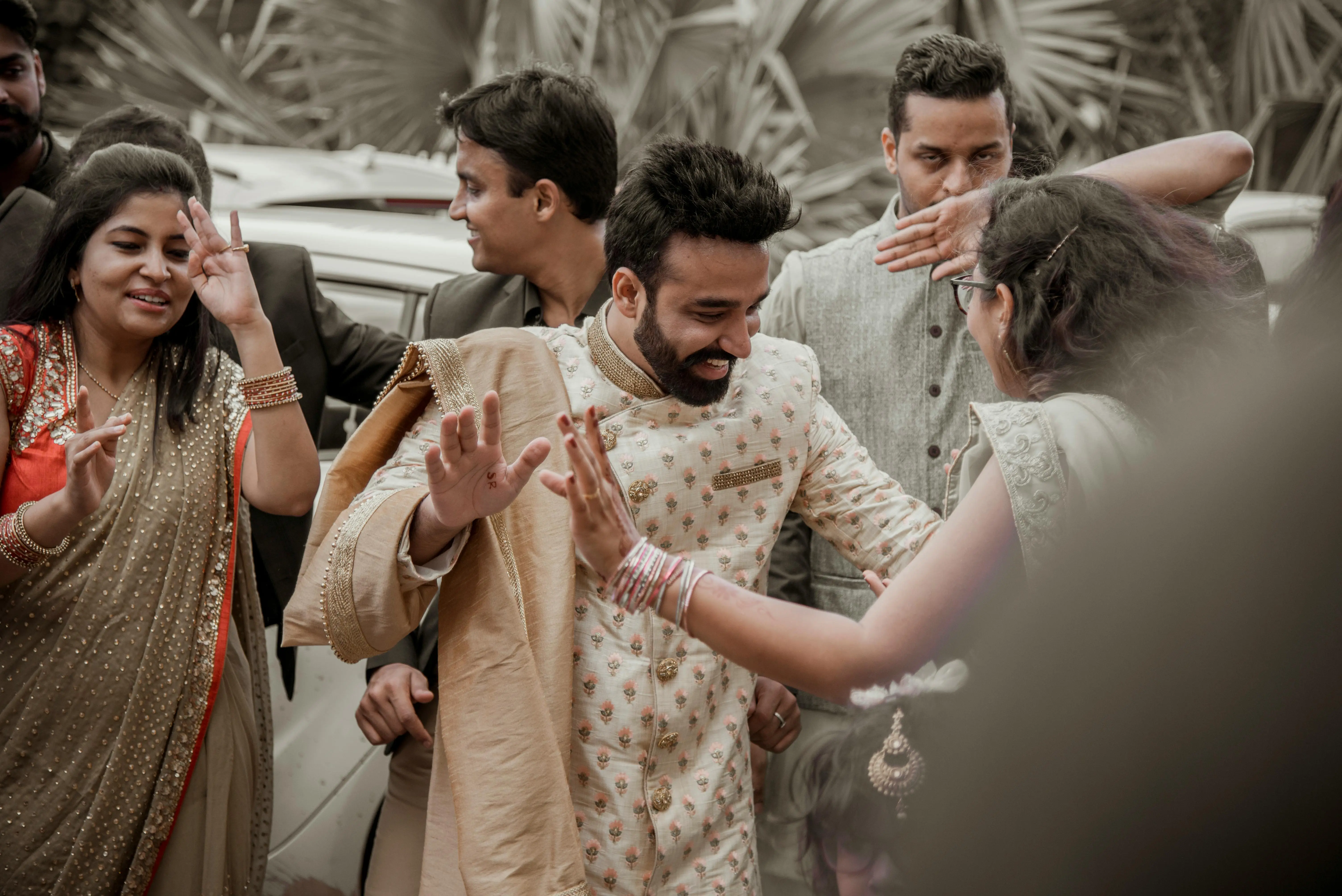
Why Gen Z Is All In?
For many, it’s nostalgia meets freedom. They grew up on Bollywood weddings and endless shaadi reels. Fake weddings offer upbeat cultural immersion—without nosy relatives, financial pressure or lifelong commitment expectations.
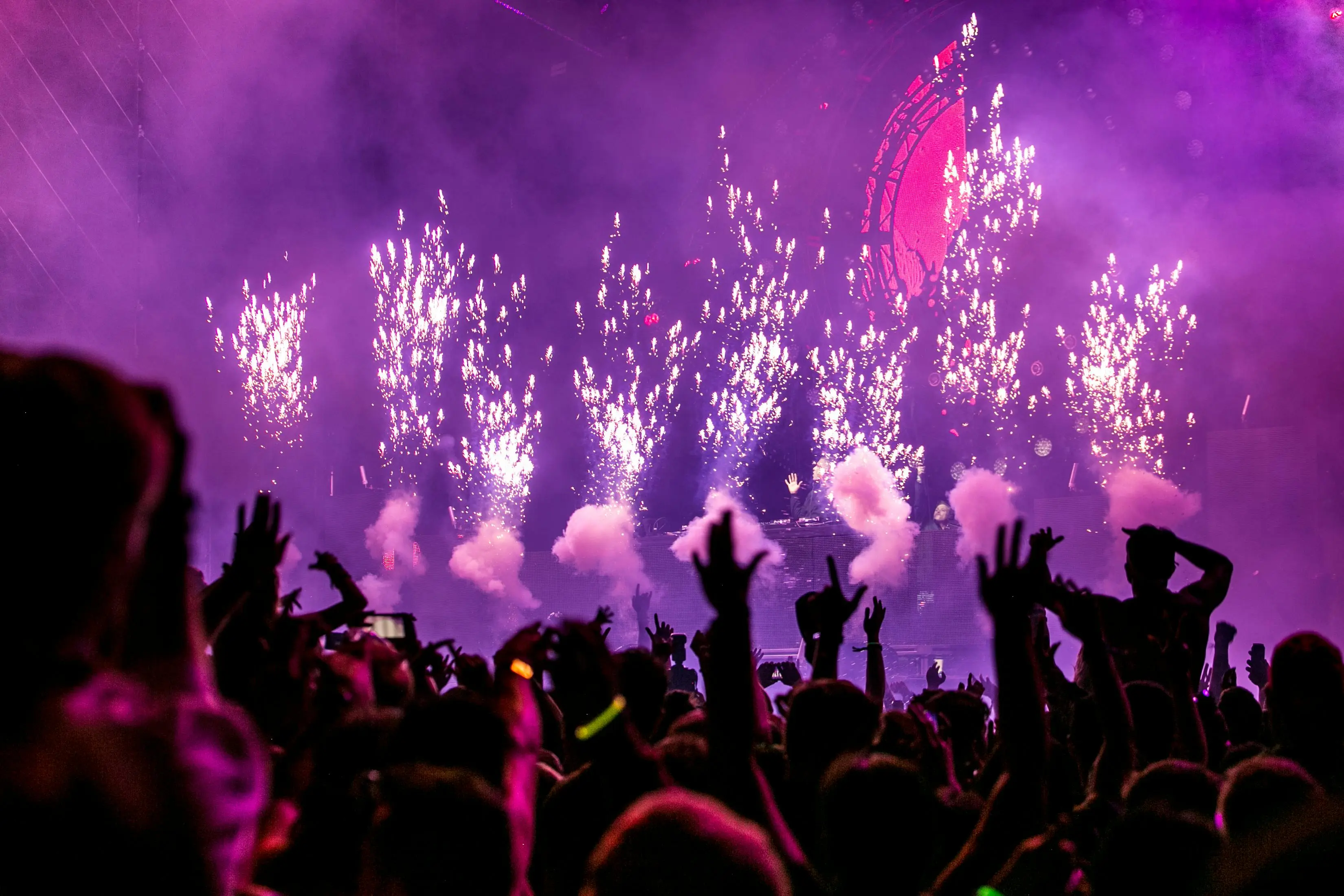
Perfect for Social Media Moments
These events are staged for maximum shareability: themed playlists, photobooths, mehndi corners, buffet chaat counters and hashtags like #NotActuallyMarried or #ShaadiForTheVibe. Some are ticketed public events; others unfold on college campuses and rooftop bars. This is also a go-to place for content creators.
Spreading Across Cities (and Even Abroad), But What Makes It Work
From Delhi rooftops to Pune farmhouses and Bangalore bars, the trend is sweeping urban India. Even colleges abroad, such as Cornell University, hosted multi-day “Mock Shaadi” events featuring haldi, mehndi and pheras, demonstrating a global appeal for this cultural remix.
Fake weddings strip away financial and emotional baggage while retaining cultural energy. They resonate with Gen Z’s preference for community, inclusivity and creativity. It’s celebration without strings, a carefully staged escape from routine monotony.

India's Wedding Industry
For context: India’s wedding industry is colossal. FY24 (April 01,2023 to March 31, 2024) Indians spent $681 billion on food and grocery, $84 billion on apparel and accessories, while the total spend on weddings for FY24 was $130 billion, says a report by Jefferies. Fake shaadis tap into that enormity, without the logistical burden. They reflect a shift: weddings are no longer just rites of passage but portable cultural moments Gen Z can own, stage, and enjoy on their own terms.
)
)
)
)
)