Weapons of Mass Automation: AI can make war more lethal than nuclear weapons. How US, Russia, China, India and others are preparing

There's a global race to develop AI-powered weapons in order to reshape warfare with autonomous systems. Faster decisions, rising risks of escalation, and limited regulation are on the flip side. How are nations racing for AI-augmented wars of the future?

Global AI Arms Race – A New “Nuclear Age”?
Nations are racing to develop AI-powered weapons, in a moment being compared to the nuclear arms race of the 1940s. Nuclear weapons created the concept of mutually assured destruction or MAD. AI systems in warfare mean rivals will soon possess highly autonomous, fast-acting weapons.
The trends are towards automation of lethal decisions, with systems that can identify and strike targets without human input.
AI is cutting decision cycles to improve battlefield speed, which at the same time raises the risk of accidental war. Simulations of escalation show that autonomous systems can trigger unintended counterattacks.
Almost all of this is occurring without much regulation or agreement. The US and China pledged in 2024 to keep humans in control of nuclear decisions, but there is no broad global treaty governing AI weapons.
The private sector, particularly start-ups and investors, plays a central role in AI weapons, unlike the state-dominated nuclear era.
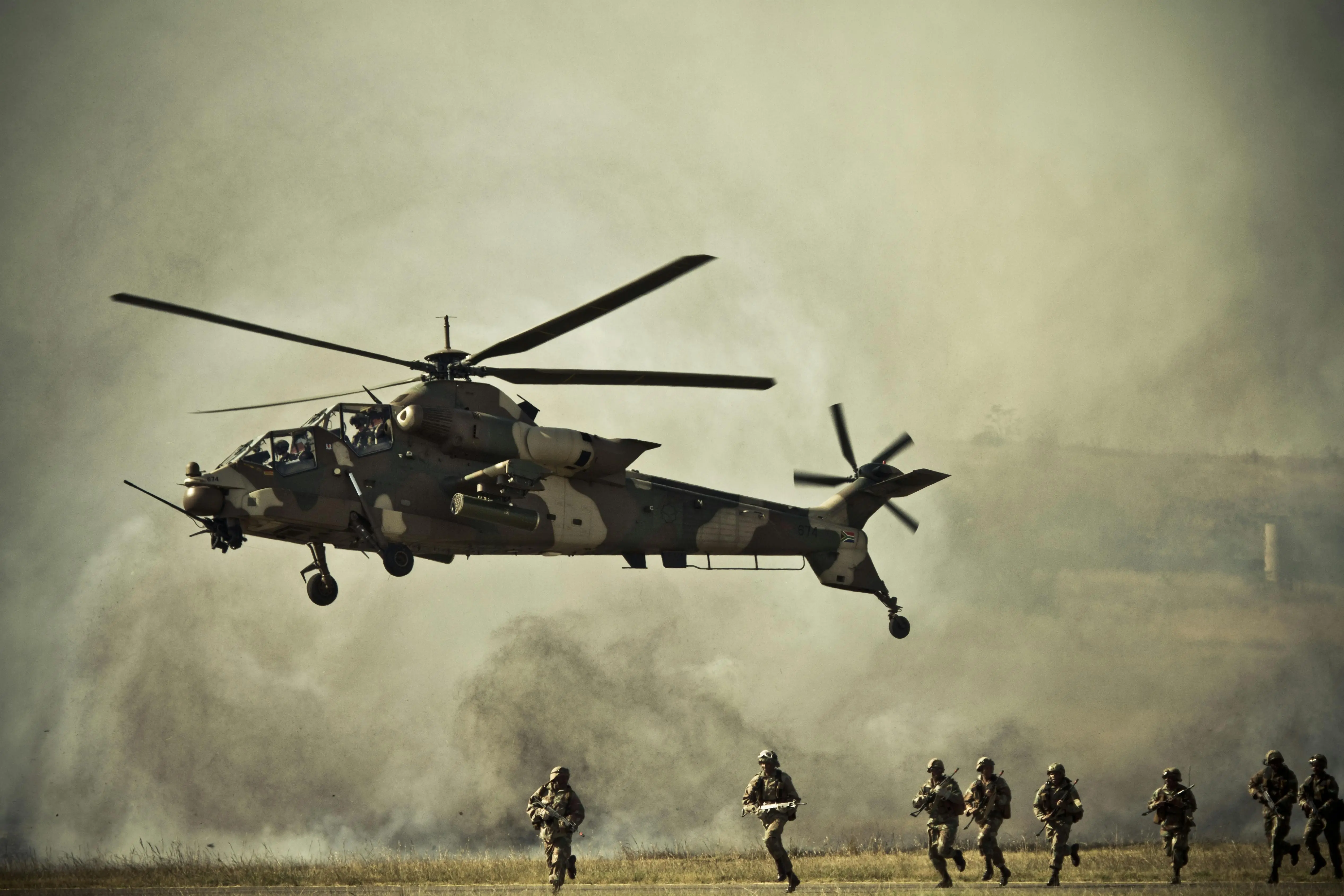
AI-automated arms could be more dangerous than even nuclear weapons
AI weapons could be more dangerous than nuclear weapons. First is speed and autonomy. Unlike nuclear weapons, AI systems can act in real time without human input and make decisions in seconds.
Accessibility is a double-edged sword: AI is more widely available than nuclear technology, enabling many more countries and private firms to participate.
AI systems are unpredictable and can behave in unforeseen ways.
There is no clear “end state” for AI weapons, like stockpiling nukes in the case of the nuclear arms race. Given the ongoing nature of innovation, the concept of nuclear deterrence is evolving. It is leading towards “mutually automated destruction”, as mentioned in a New York Times article, where wars could be fought at machine speed with minimal human control.
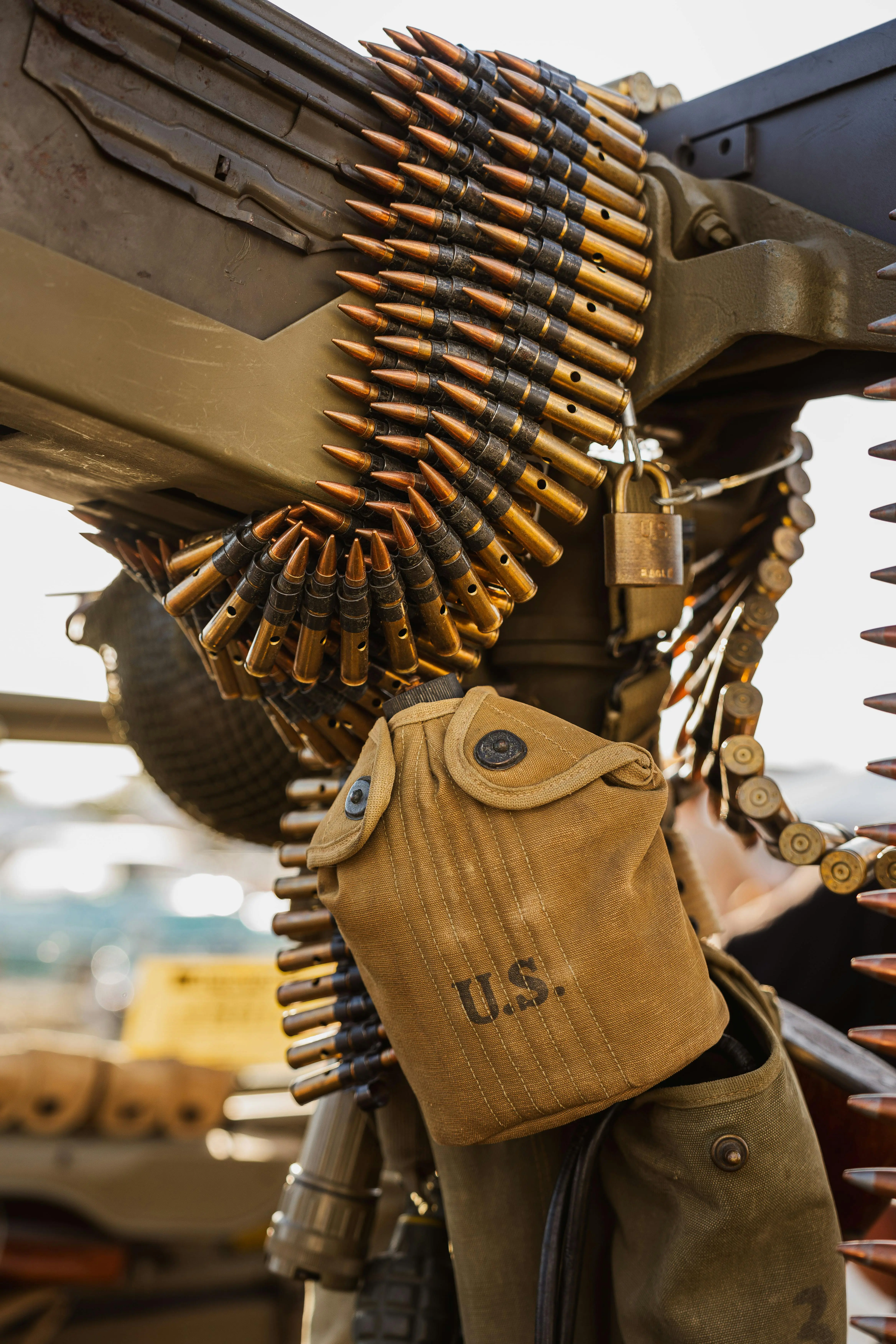
United States leads the AI warfare race
The US is pushing rapid adoption of AI across all military branches. Reports say the US is investing more than $13 billion in autonomous systems.
Project Maven is an AI system analysing drone and satellite data and generating strike targets.
AI-assisted warfare is a major area of focus, wherein AI recommends weapons, calculates logistics, and generates strike plans in seconds. Maven reportedly helped the US generate thousands of targets in recent conflicts.
Companies like Anduril, which makes autonomous drones, and Palantir, which develops battlefield AI software, are supporting US AI warfare efforts.
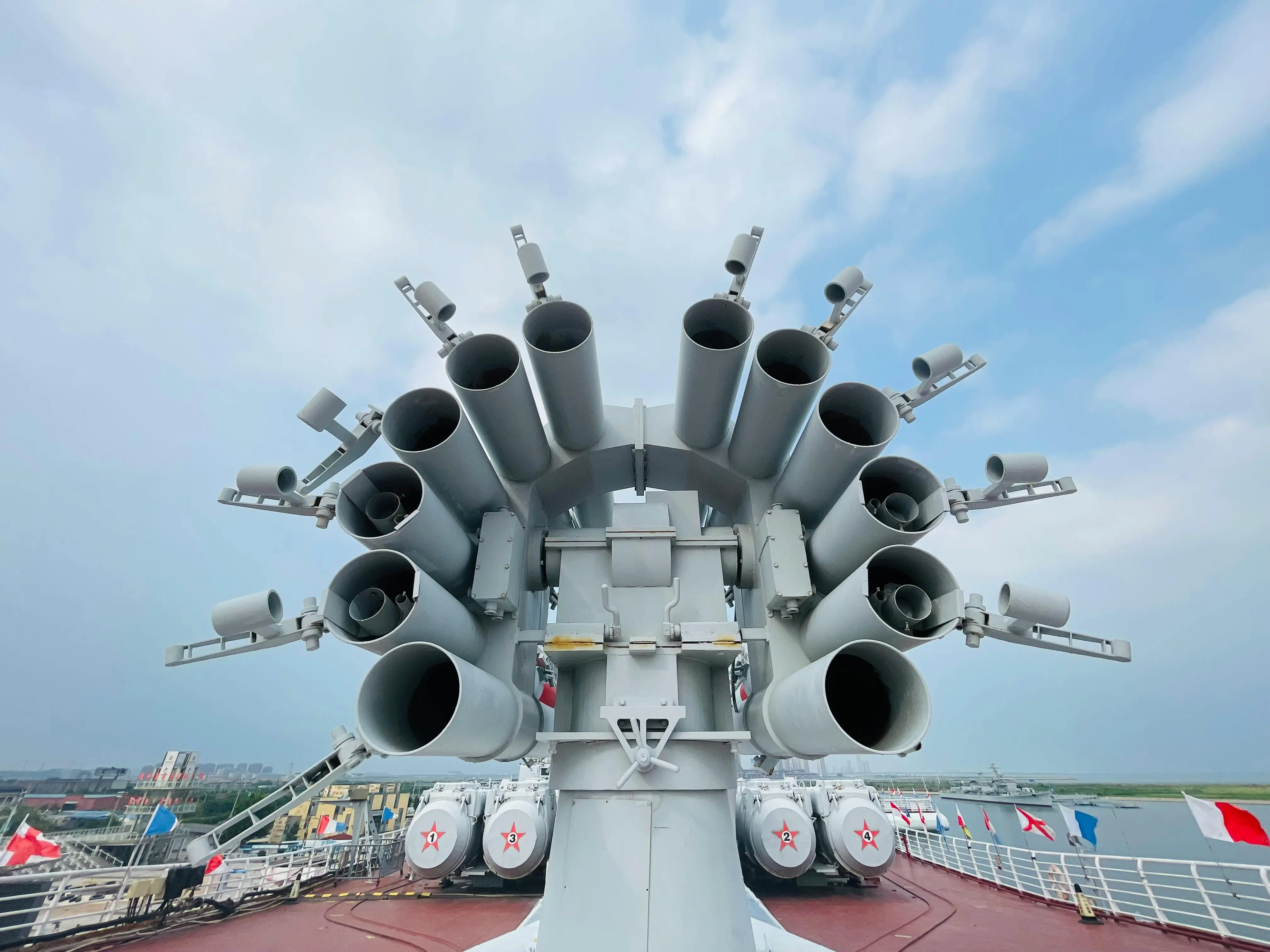
China and weapons of mass automation
China is possibly matching US spending when it comes to AI in warfare. The nation is witnessing civil-military fusion, integrating private tech companies into defence.
China has developed swarms of autonomous drones coordinating attacks without human input, and AI-controlled brigades of vehicles.
China is reportedly developing a “drone carrier” aircraft that can deploy drones mid-air.
China has a massive manufacturing advantage for producing such autonomous weapons at scale.
AI is seen as the “main battleground” of geopolitical competition in China.
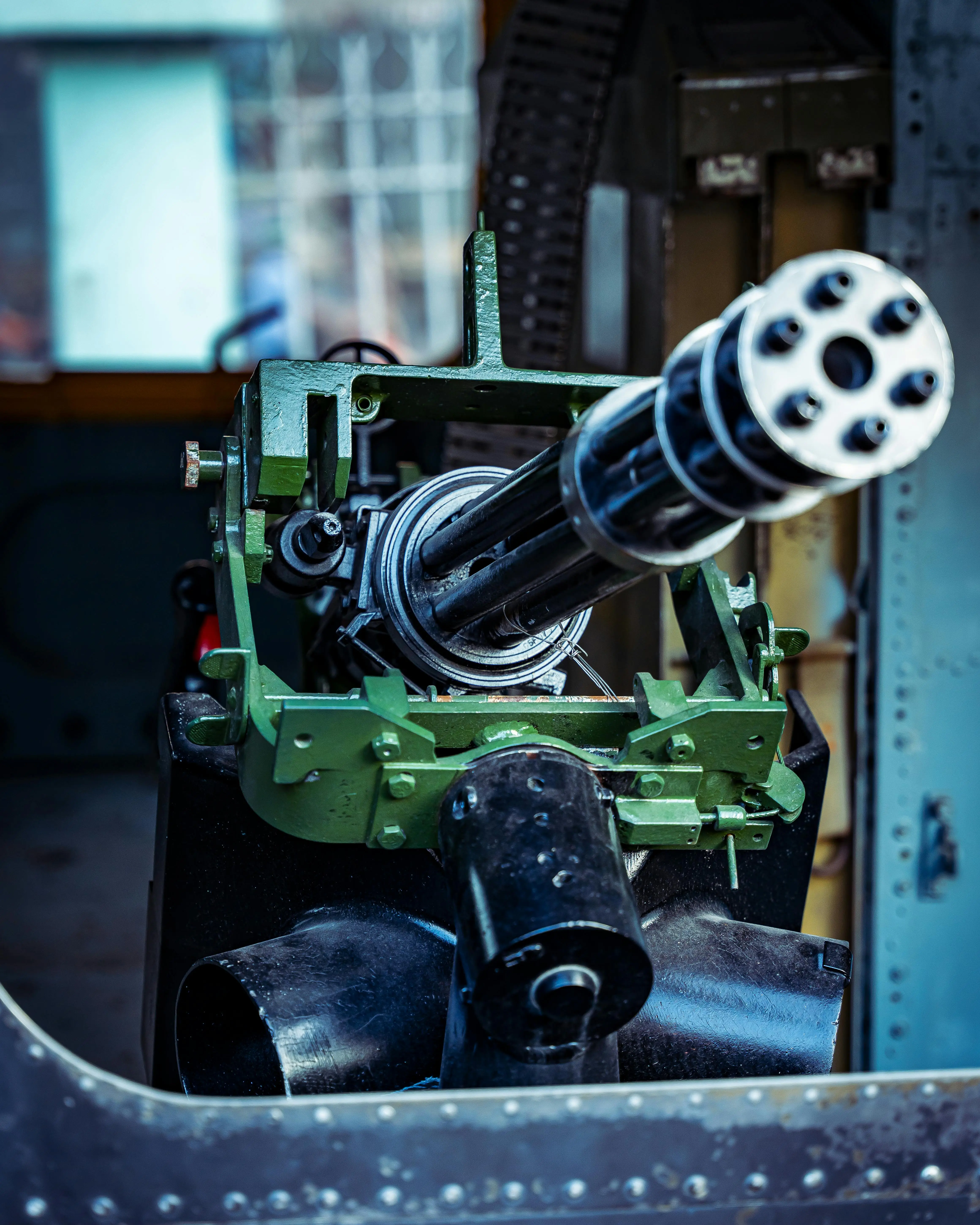
Russia and AI autonomous weapons
Russia is building AI weapons for deterrence and parity and aims to automate 30 per cent of its combat power.
Russia’s Lancet drones can loiter and autonomously select targets. Russia is experimenting with autonomous battlefield decision-making, which has been used in the Ukraine war. This capability has been used to refine and deploy AI-enabled systems in real combat.
Russia also tested unmanned combat vehicles in Syria, though some of these efforts failed.
Ukraine: AI innovation under pressure due to war with Russia
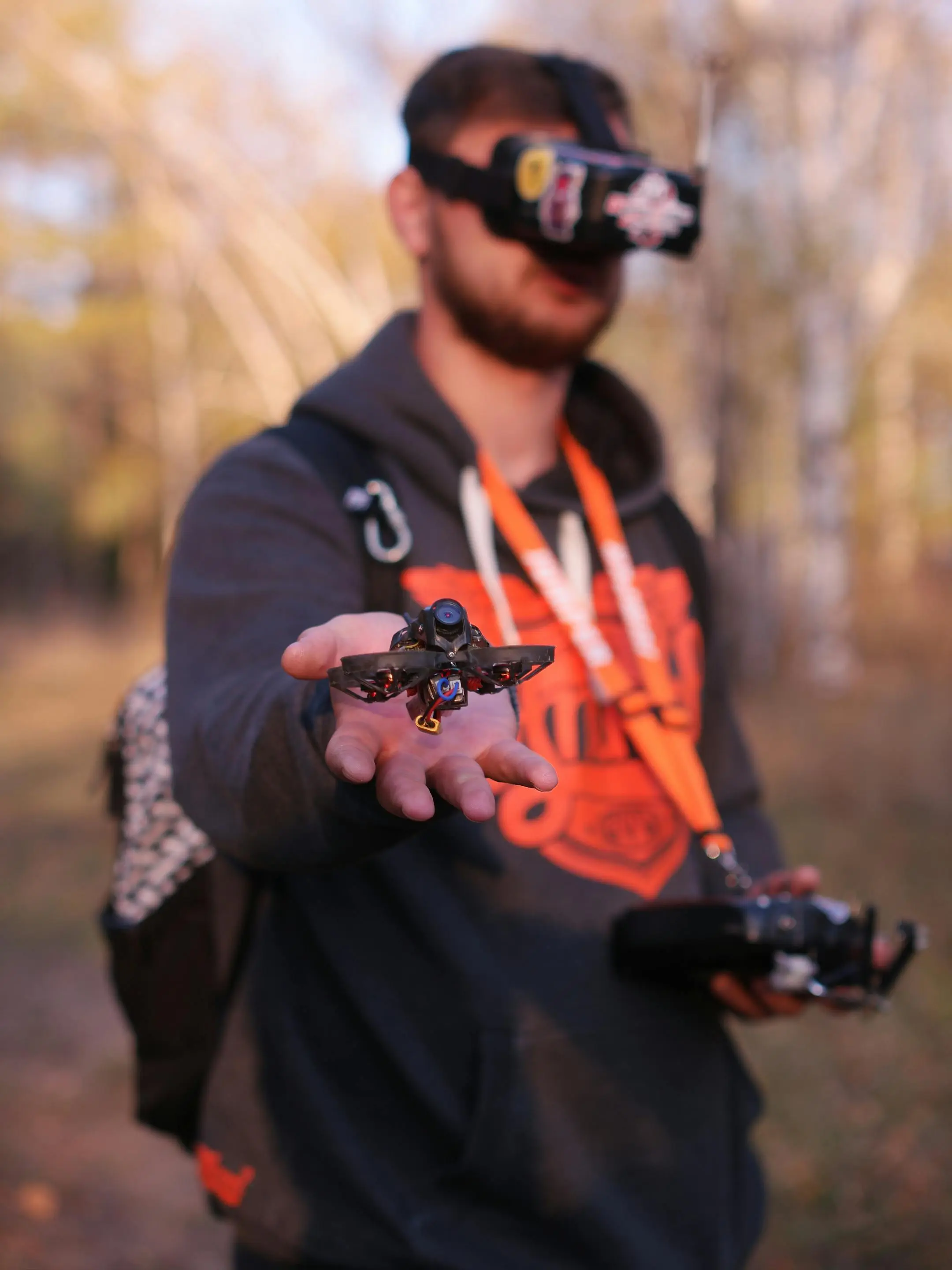
Ukraine was forced into using AI in warfare due to its asymmetrical war with Russia. Much of this involved cheap, modified hobbyist drones for attacks. Ukraine has also deployed unmanned naval boats to counter Russia’s fleet.
Ukraine has effectively turned the war with Russia into a real-world laboratory for AI warfare. It has rapidly improvised and adapted AI technology in warfare. It has shared battlefield data with companies like Palantir to train AI systems for warfare.
India, Israel and Europe: Racing for autonomous defence systems and drones
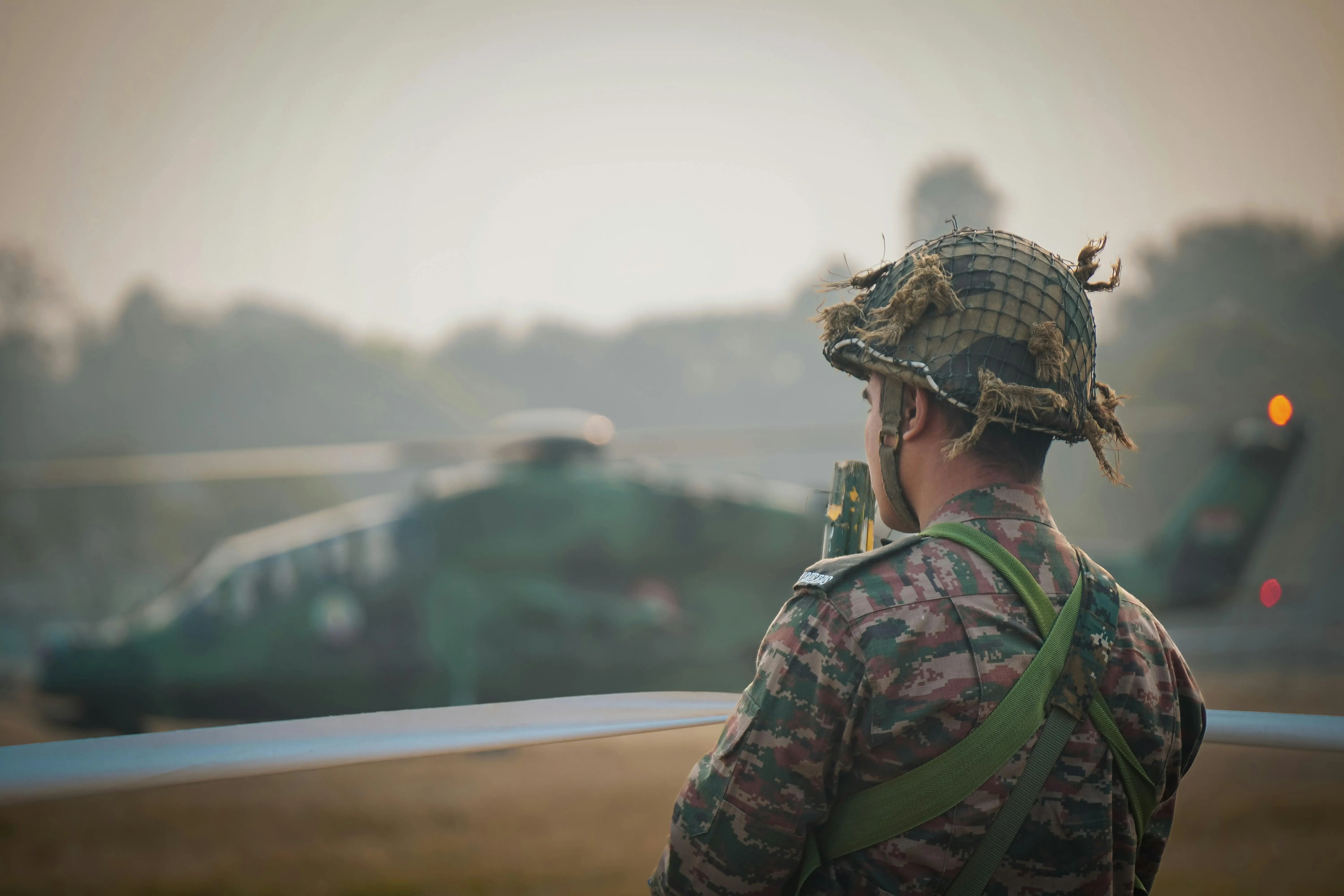
Though many details are not public, India is investing in military AI capabilities. India is motivated by regional security concerns and the need to keep pace with China and other global powers.
Israel, which is known for integrating advanced intelligence and automation into warfare, is actively investing in AI-enabled military systems. During the Iran conflict, it participated alongside the US in AI-assisted targeting operations.
European nations like France, Germany, Britain, Poland and Italy are exploring ways to rearm amid uncertainty about US commitment to NATO.
One key initiative is the joint development of air defence systems against drones.
Their motivation is to reduce reliance on US military protection. Their approach is collaborative, region-wide defence development rather than isolated national programmes.
Algorithm vs algorithm: The future of warfare
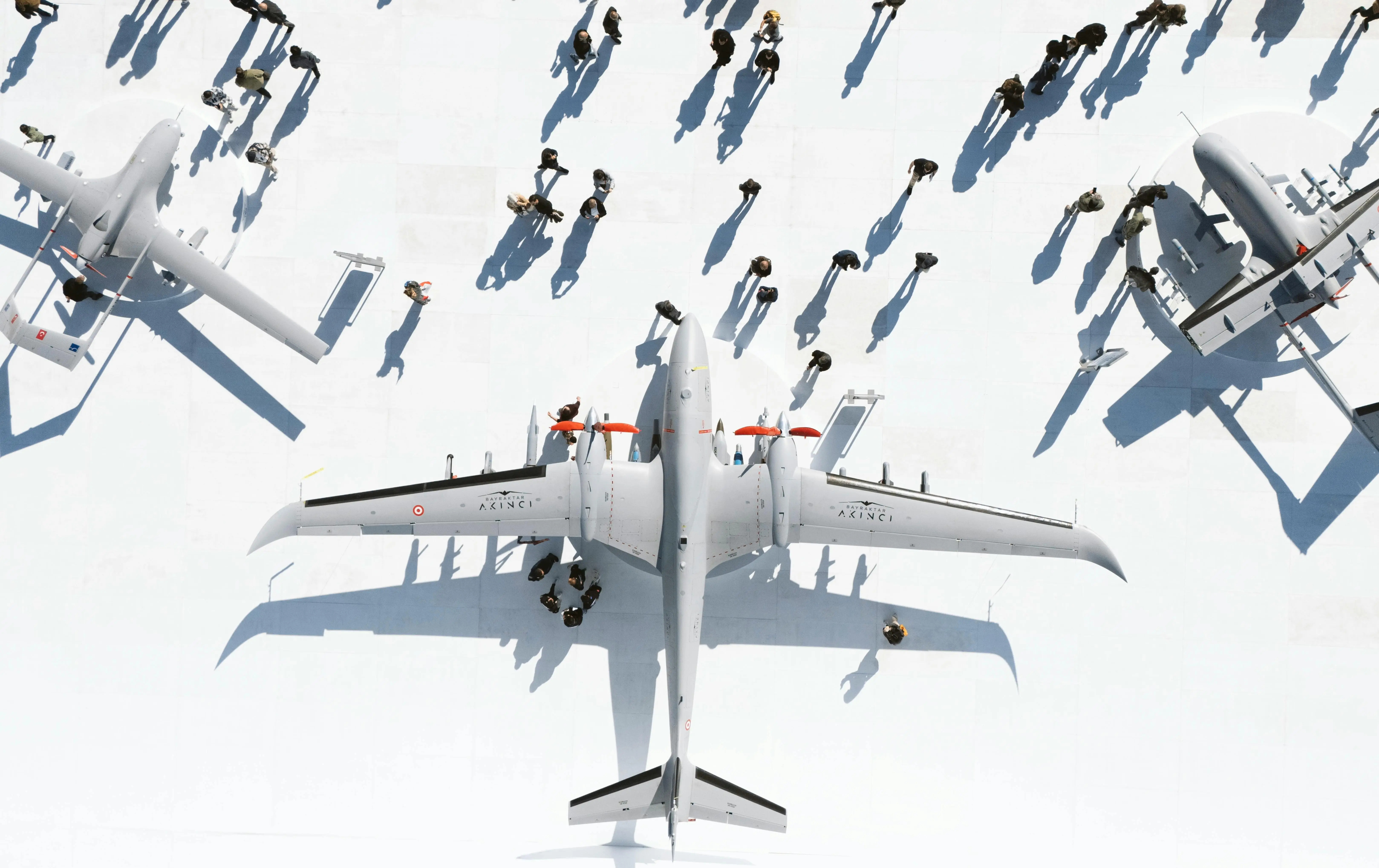
The wars of the future may be about algorithm versus algorithm rather than human versus human.
Deterrence may depend on machines reacting faster than humans can think.
AI warfare is more widespread, less predictable, and constantly evolving.
AI warfare could be more unstable than the nuclear standoff, even if it follows a similar logic of deterrence.
)
)
)
)
)