'Will finish what is left of Iran': Trump's sends chilling warning to Tehran after peace talks collapse

President Donald Trump issued his most menacing threat yet against Iran after 21 hours of marathon peace negotiations in Islamabad broke down without a deal, declaring US forces are prepared to ‘finish up the little that is left of Iran.’
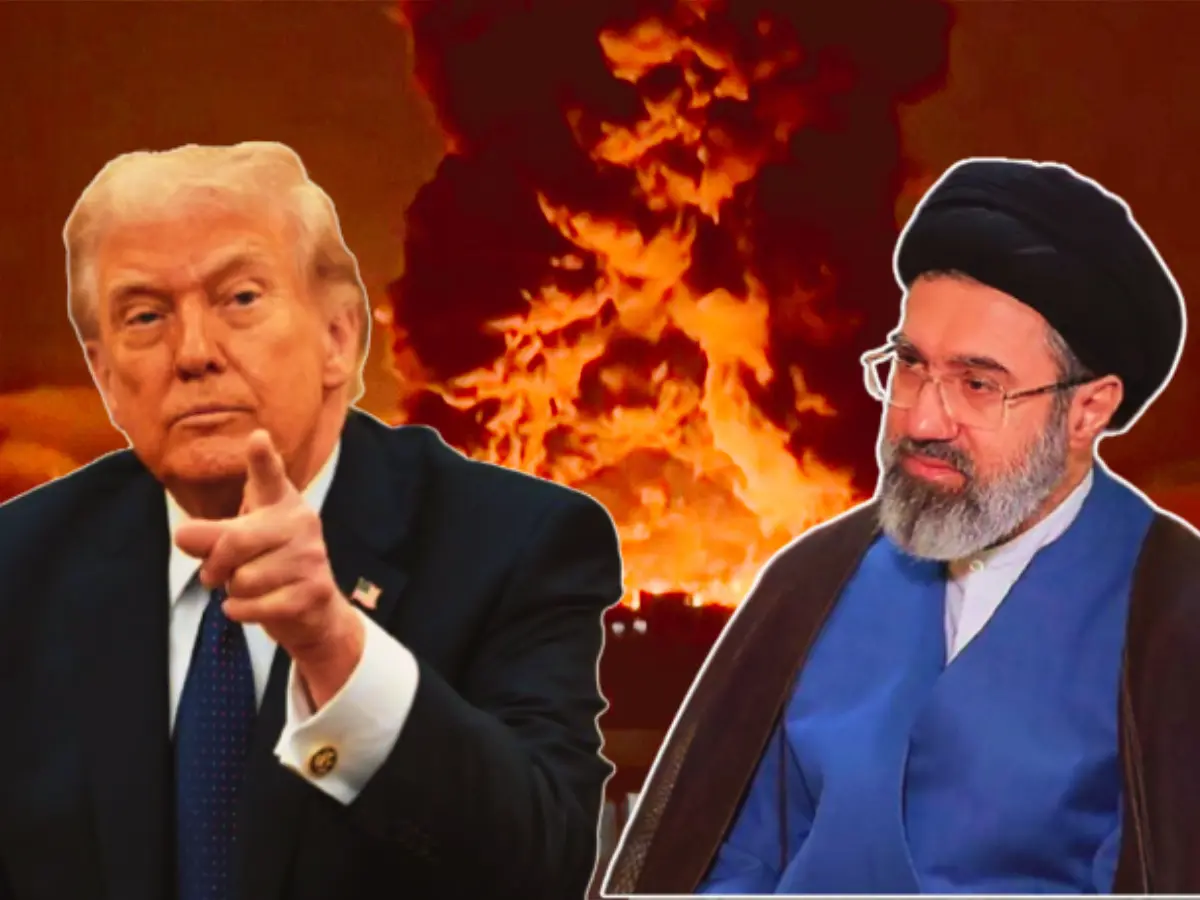
21 Hours, No Deal: Islamabad Peace Talks Collapse
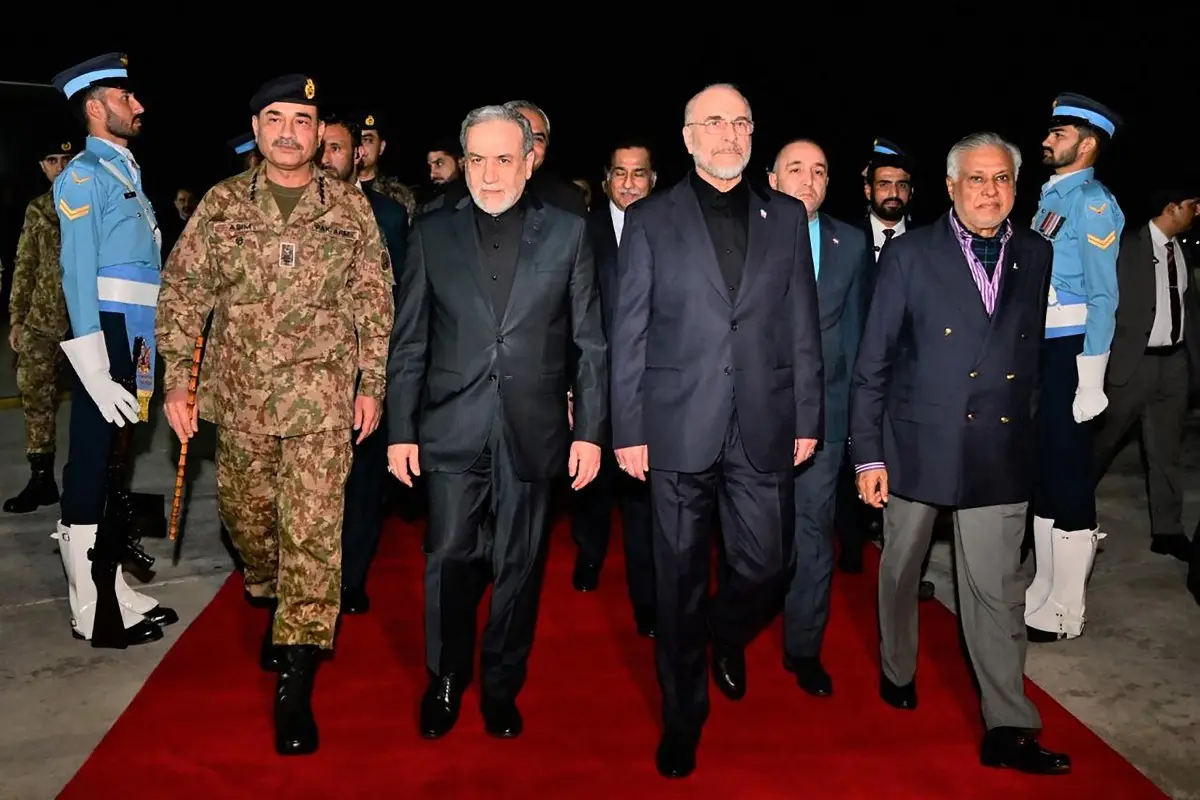
After over 21 hours of intensive face-to-face negotiations hosted in Islamabad, Pakistan, the US-Iran peace talks ended without any agreement on April 12, 2026 — the 44th day of the war. Vice President JD Vance, serving as Washington's chief negotiator, confirmed the breakdown and departed for Washington in the early hours without a breakthrough or clarity on next steps. The talks had raised cautious global hopes of halting the six-week conflict that began on February 28 with US and Israeli strikes on Iran that killed its Supreme Leader.
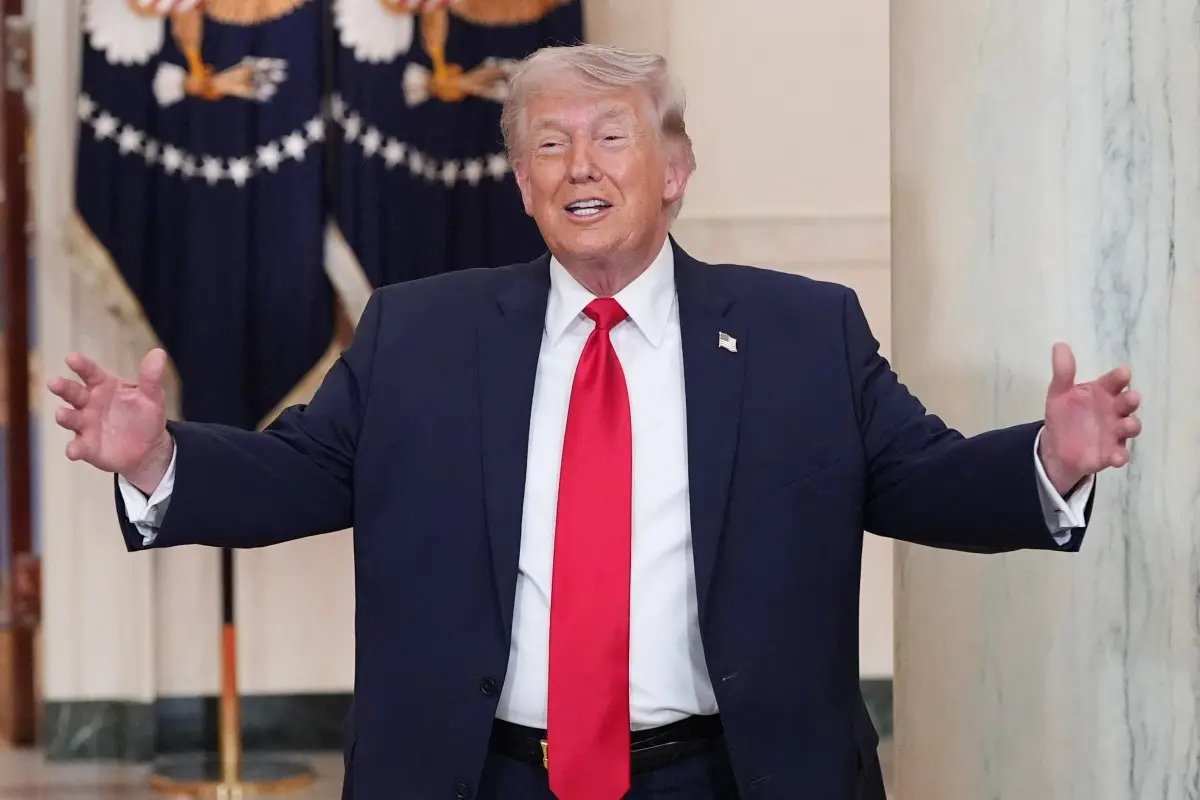
Trump: 'We Will Finish The Little That Is Left Of Iran'
In the immediate aftermath of the collapsed talks, President Trump unleashed one of his starkest military threats of the war, declaring that US forces are fully prepared to ‘finish up the little that is left of Iran.’ The statement, widely shared across global media, signalled Trump's willingness to escalate beyond the current operational tempo of the conflict and hinted that further strikes on Iranian territory, potentially including civilian infrastructure, could be imminent if Tehran did not move toward a deal on terms acceptable to Washington.

Nuclear Program: The Unbridgeable Divide That Killed The Talks
The core sticking point that derailed the Islamabad negotiations was Iran's nuclear programme. The US demanded a firm, verifiable commitment that Iran would permanently abandon efforts to develop a nuclear weapon, including the dismantling of all uranium enrichment facilities and the transfer of enriched material to the United States, even for civilian purposes. Iran had entered talks expecting a compromise on nuclear limits, not full capitulation. Tehran's refusal to accept total dismantlement left negotiators at an impasse that 21 hours of talks could not bridge.
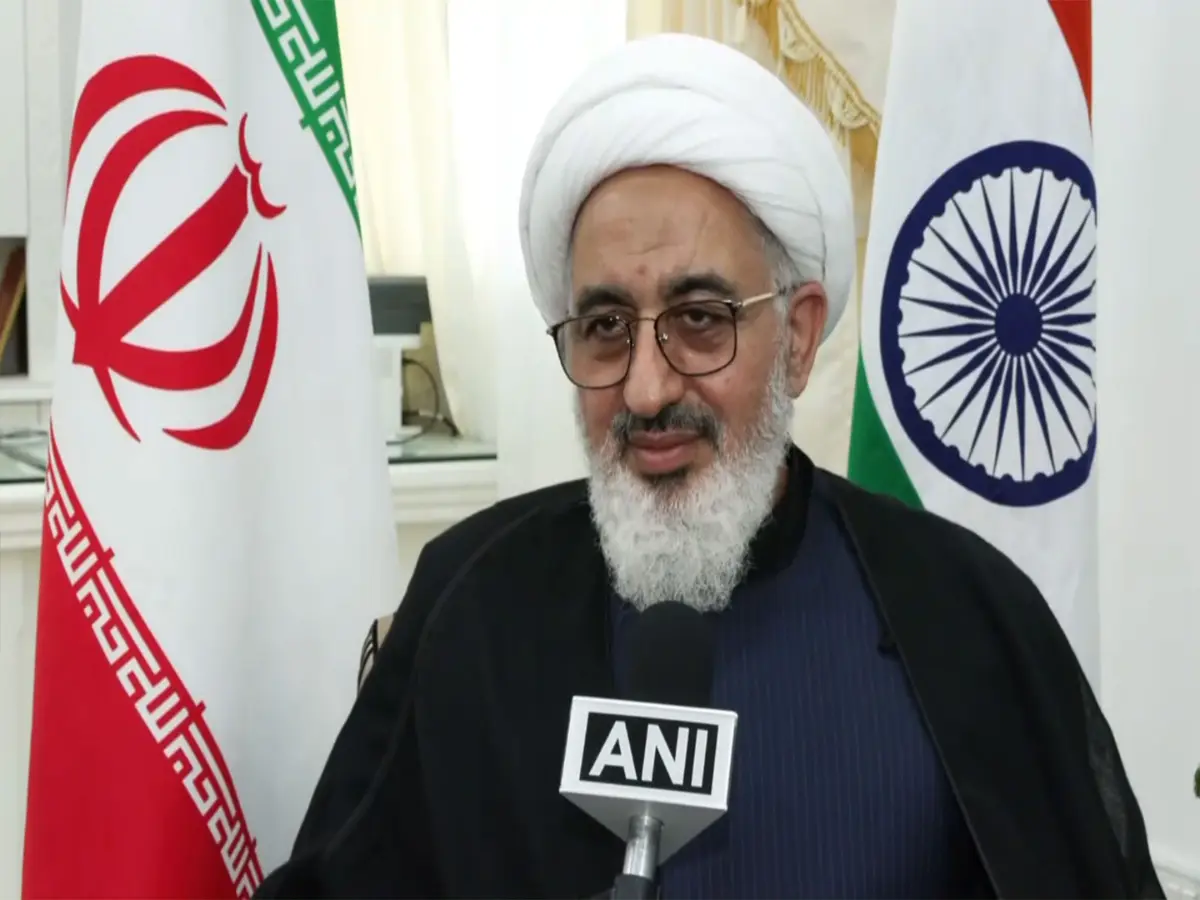
Vance Leaves A 'Final And Best Offer' On The Table
Before departing Islamabad, Vice President Vance stated that the US had delivered its ‘final and best offer’ to Iran, a proposal he described as ‘fair and acceptable to all parties.’ Vance left open the door to a future agreement, saying the offer remained on the table, but made clear that Washington would not return to the negotiating table without meaningful Iranian movement on the nuclear file. The framing of the offer as ‘final’ significantly narrows the diplomatic space for a negotiated settlement and raises the stakes of Iran's next move.
Trump Threatens Iranian Desalination Plants And Power Stations
In an interview with Fox News following the talks' collapse, Trump significantly escalated his rhetoric by suggesting Iranian civilian infrastructure could become military targets, stating: ‘I would hate to do it, but it’s their water, their desalination plans, their electric-generating plants, which are very easy to hit.' The comments alarmed international observers and humanitarian organisations, as attacks on water and power infrastructure would have catastrophic consequences for Iran's civilian population and could constitute violations of international humanitarian law.
Blockade Declared: 'Any Ship Entering Or Leaving Hormuz Will Be Stopped'
Within hours of the talks collapsing, Trump formally announced the naval blockade of the Strait of Hormuz, declaring: ‘Effective immediately, the United States Navy, the Finest in the World, will begin the process of BLOCKADING any and all Ships trying to enter, or leave, the Strait of Hormuz.’ Trump also warned that other nations would participate in the blockade, though he declined to specify which countries. CENTCOM later clarified that traffic between non-Iranian ports would be permitted to continue, narrowing the stated scope of enforcement.
Trump: Any Iranian Firing On US Ships Will Be 'Blown To Hell'
Alongside the blockade announcement, Trump issued a direct combat warning to Iranian military forces, posting: ‘Any Iranian who fires at us, or at peaceful vessels, will be BLOWN TO HELL!’ The language marked a significant rhetorical escalation and was seen as an attempt to deter Iran from using its naval assets or proxies to challenge the blockade. The Wall Street Journal separately reported that Trump and his advisers were actively considering the resumption of limited military strikes inside Iran to apply additional pressure on Tehran and break the diplomatic stalemate.
)
)
)
)
)