Was Oumuamua an alien spaceship? Harvard scientist hints it was no ordinary rock

Edited By Tarun Mishra
Published: Jun 07, 2025, 07:14 IST | Updated: Jun 07, 2025, 07:14 IST
When Oumuamua, the first known interstellar object to visit our solar system, zipped past Earth in 2017, it left scientists with more questions than answers. Here’s why a few scientists, including Harvard’s Avi Loeb, dared to suggest it might have been alien in origin.
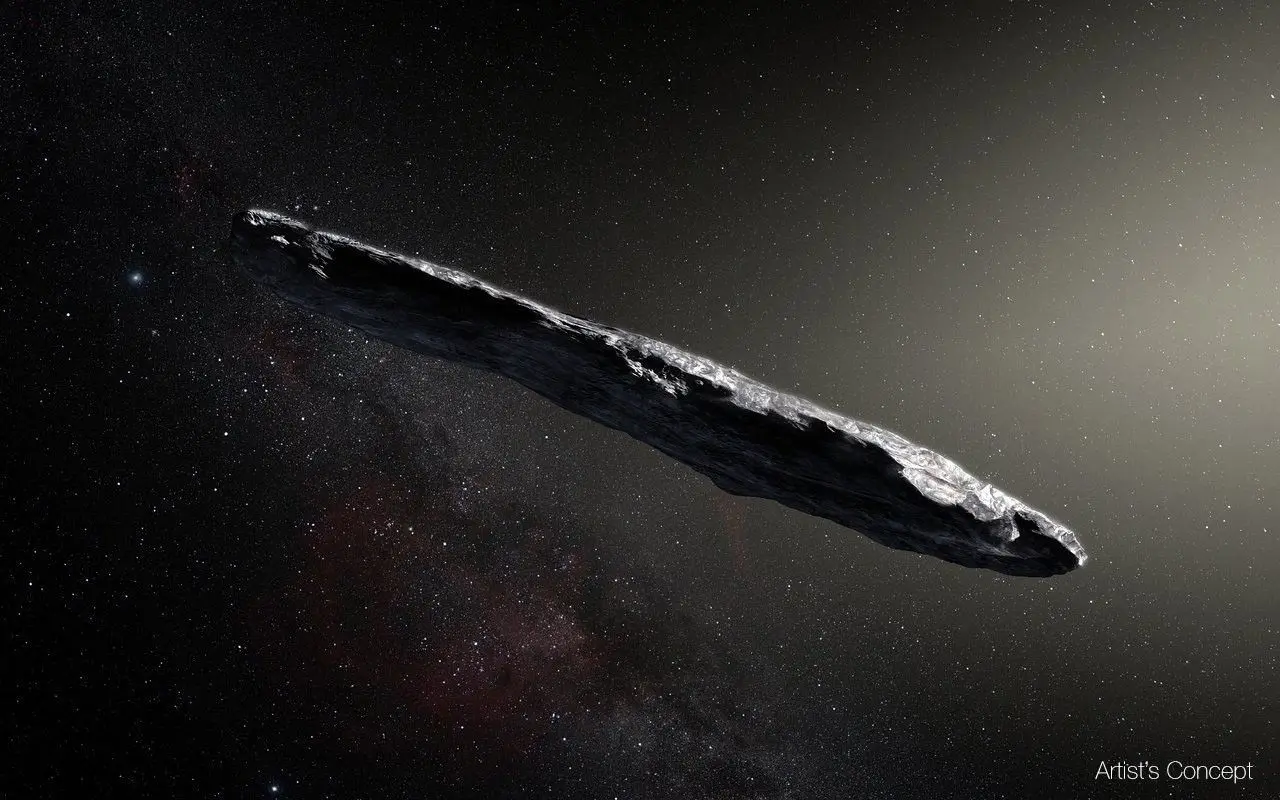
1 / 7
(Photograph: NASA)
It Came From Outside the Solar System
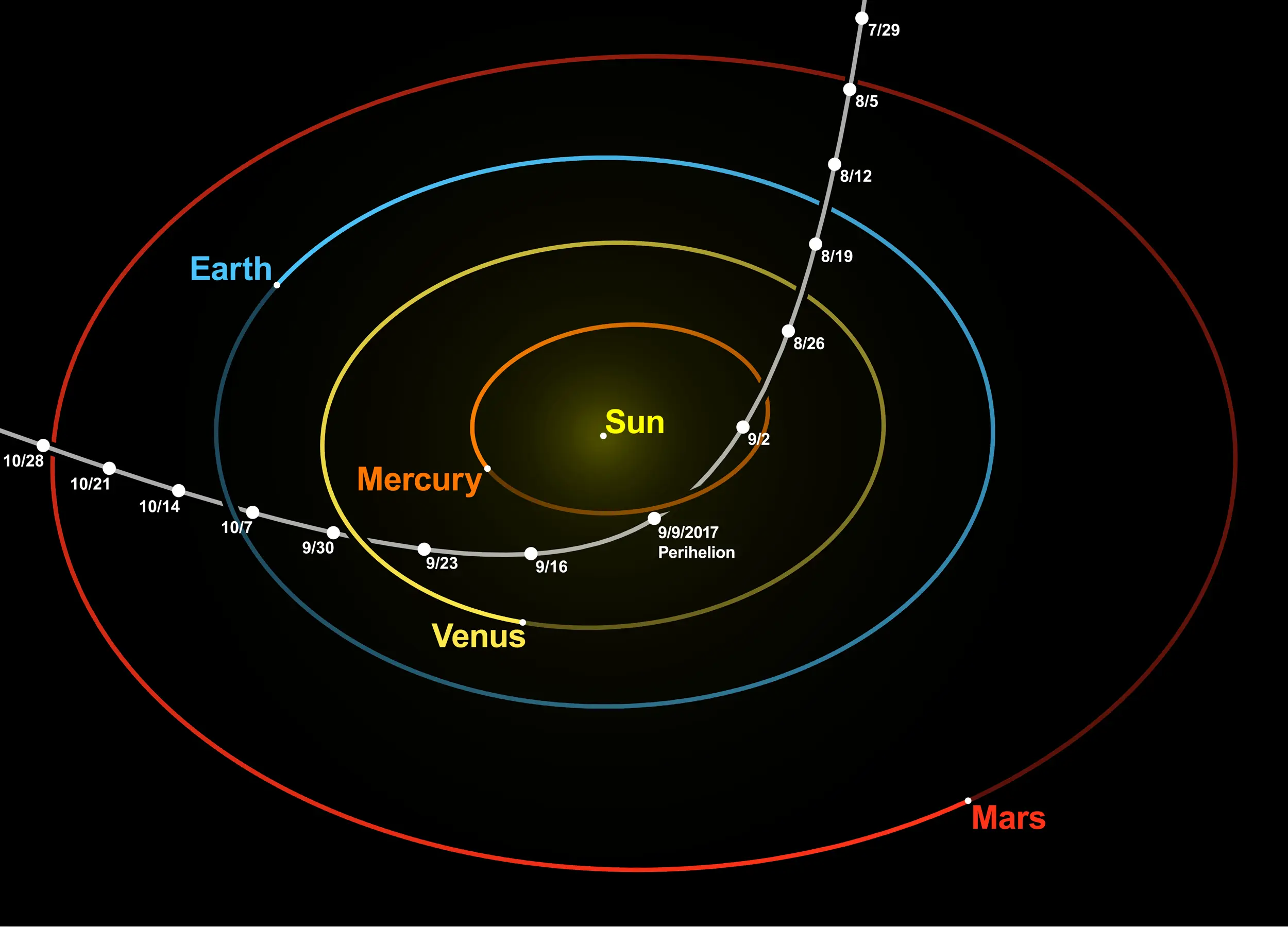
Oumuamua’s speed and trajectory revealed that it wasn’t orbiting the Sun — it was just passing through. It entered from interstellar space and then shot back out, never to return. This was the first time humanity observed such a visitor, making it instantly intriguing.
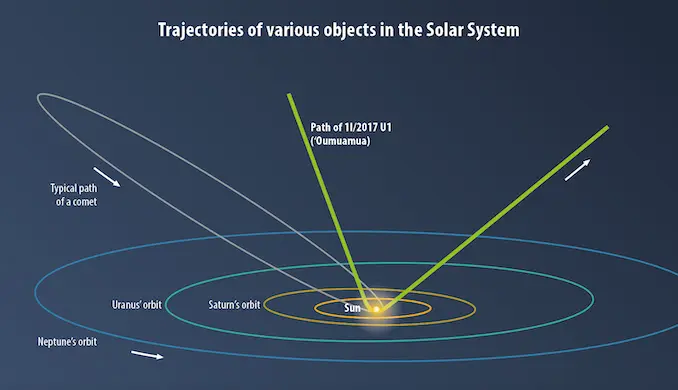
2 / 7
(Photograph: Astronomy Now)
Strange Shape and Spin
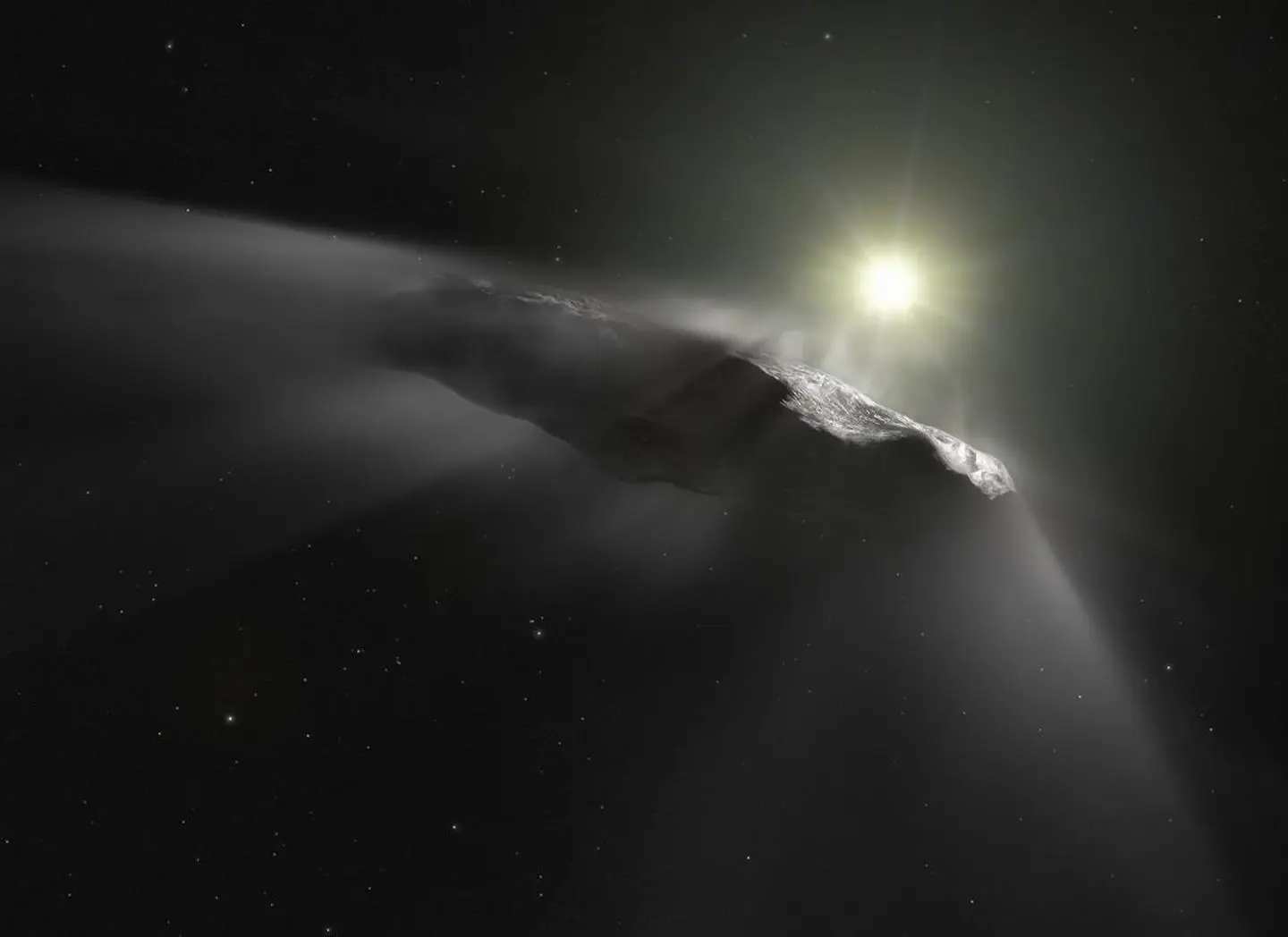
The object’s brightness varied dramatically, suggesting it had an unusual, elongated shape — possibly like a cigar or a pancake. It was also tumbling chaotically, not spinning like most asteroids. This odd geometry added to the mystery, as no known natural object had shown this combo.
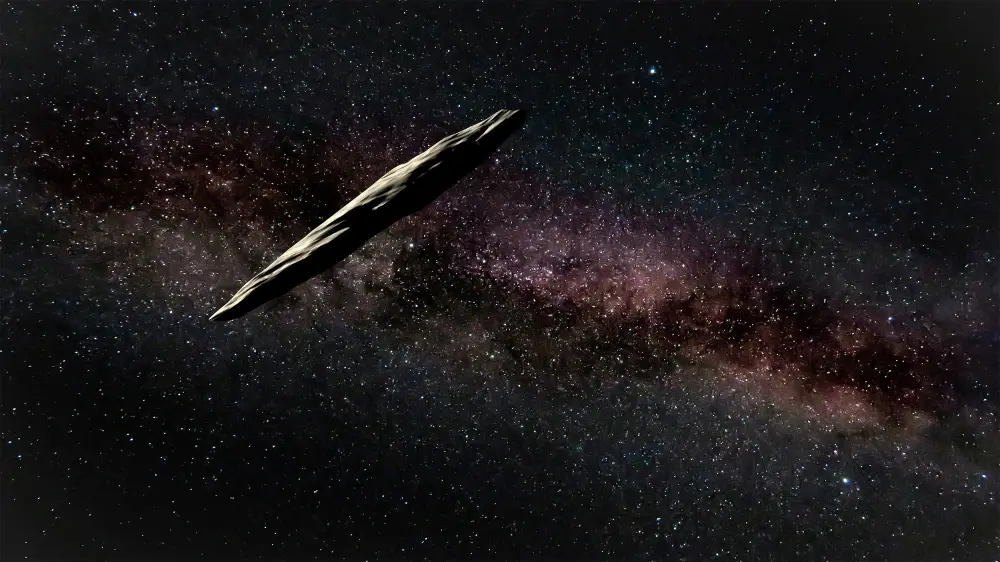
3 / 7
(Photograph: Gemini Observatory / AURA/NSF/Joy Pollard)
No Visible Comet Tail, But It Sped Up
As ‘Oumuamua passed near the Sun, it unexpectedly accelerated — as if something was pushing it. Normally, comets do this when ice turns into gas and jets out, but ‘Oumuamua showed no visible outgassing, tail, or dust cloud. This behaviour couldn’t be fully explained by standard physics.

4 / 7
(Photograph: Harvard File Photo)
Avi Loeb’s Hypothesis: Solar Sail?
Harvard astronomer Avi Loeb proposed that ‘Oumuamua might have been a light sail — a thin, flat object pushed by solar radiation, possibly sent by an alien civilisation as a probe. He acknowledged the theory was bold, but argued that if it walks like a duck and quacks like a duck, maybe it's... extraterrestrial.
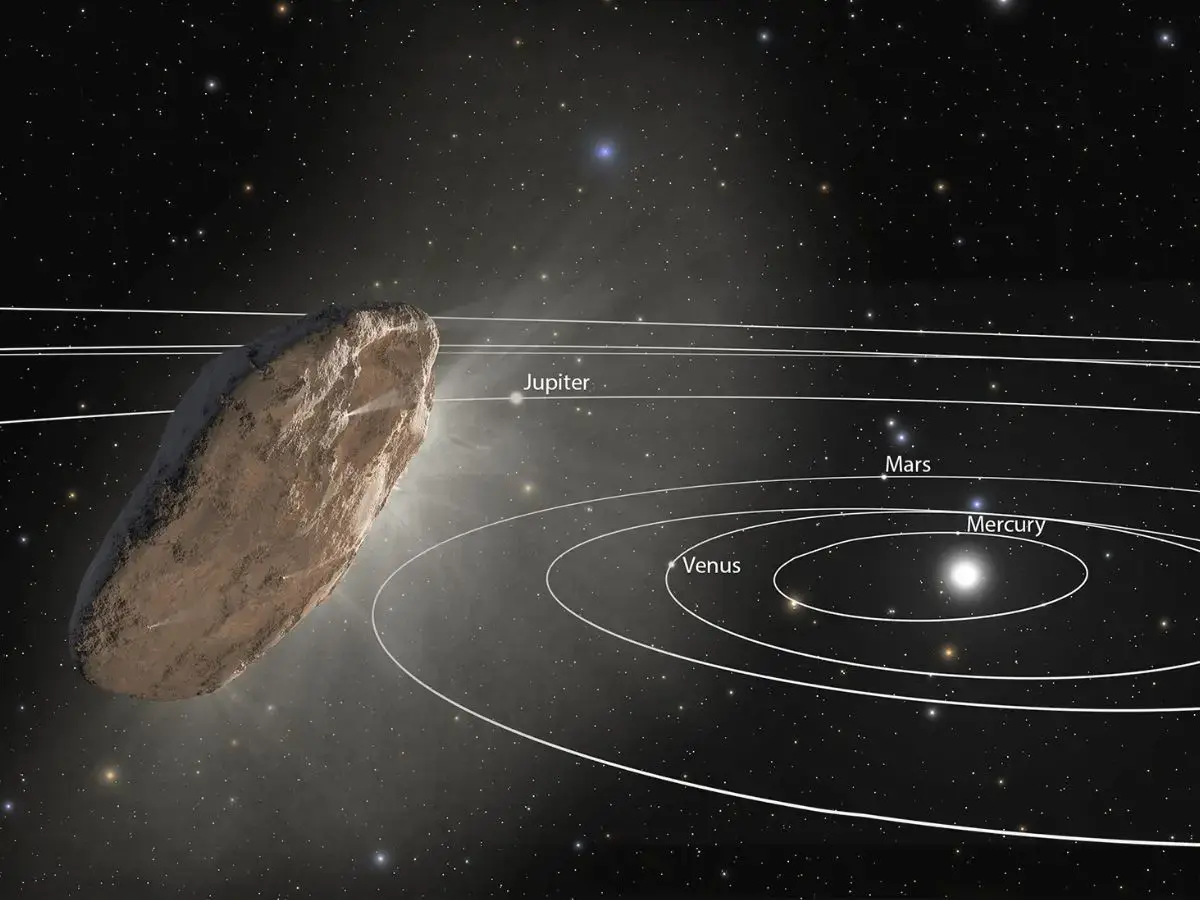
5 / 7
(Photograph: NASA)
Unexplained Trajectory
The way ‘Oumuamua curved through the solar system didn’t follow a typical gravitational arc. With no clear signs of gas emission or a traditional cometary tail, the deviation in its path remained unexplained by natural models.
6 / 7
(Photograph: SETI Institute)
No Signal — But Also, No Closure
Despite efforts, no radio signals or signs of technology were detected from ‘Oumuamua. However, it was already too far and too fast for close inspection by the time attention focused on it. That lack of data leaves the mystery wide open.
7 / 7
(Photograph: SETI Institute)
Bottom Line
Most scientists still lean toward a natural explanation — perhaps a strange kind of icy rock or fragment from a planet. But because 'Oumuamua doesn’t neatly fit into any known category, it remains one of the most intriguing, unsolved puzzles in astronomy. And for some, that small possibility of it being alien... is worth keeping on the table.
)
)
)
)
)