War clouds over Asia-Pacific? US bombers join Japanese jets after China-Russia drills - What's happening

Tensions in the Asia-Pacific are surging as Japan and the US stage a joint air exercise in response to coordinated China-Russia patrols and a radar-lock incident near Okinawa. It all started after one Taiwan remark by the Japanese PM
War soon in the Asia-Pacific region?
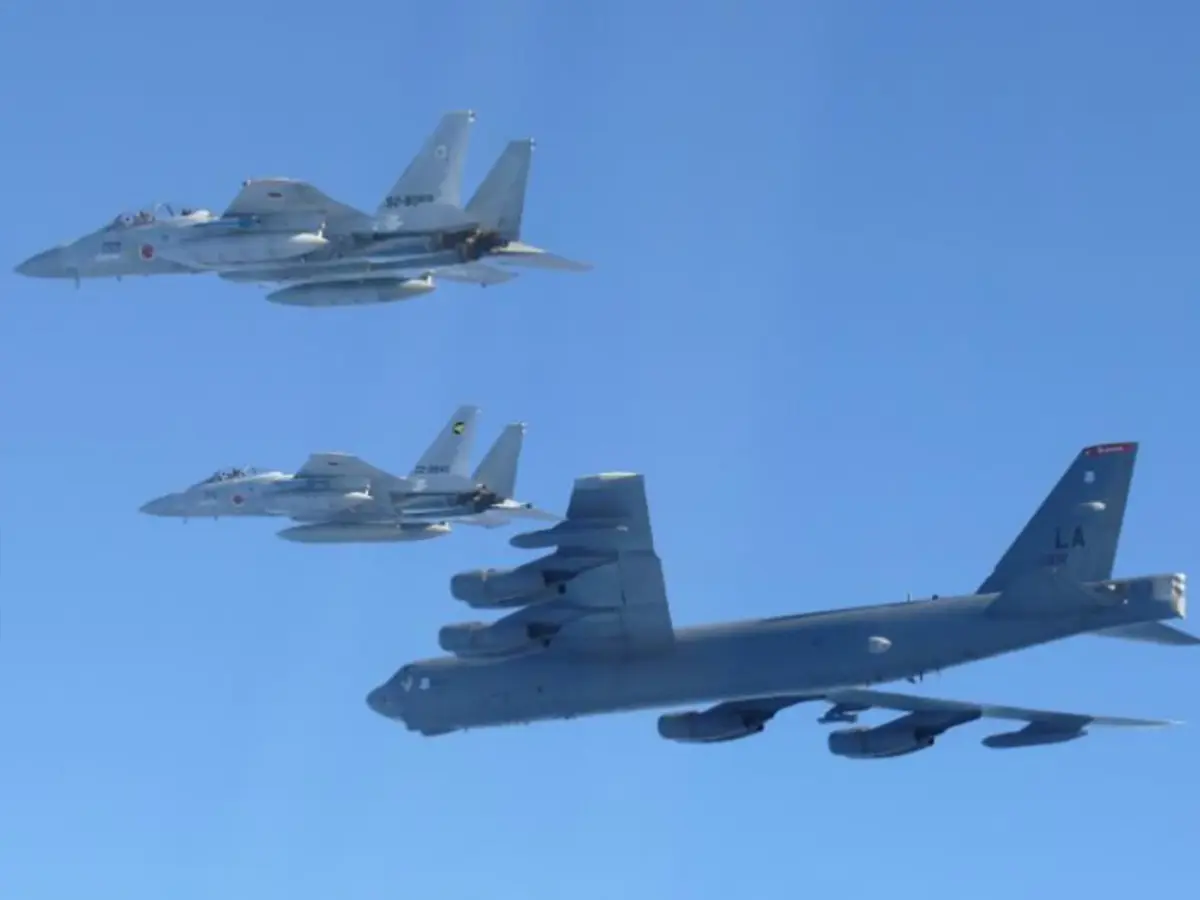
Amid escalating tensions, Japan and the United States held a joint air exercise for show of force, days after Chinese-Russian patrols in the region. The Japanese joint chiefs of staff said that the exercise was conducted in “an increasingly severe security environment surrounding our country.” It also came after the US warned China about its action in the region
Japan-US air exercise
Japan's chiefs of staff said that the air exercise shows "strong resolve of Japan and the United States not to allow any unilateral change of the status quo by force, as well as the readiness of the Self-Defense Forces and the US military."
US warning to China
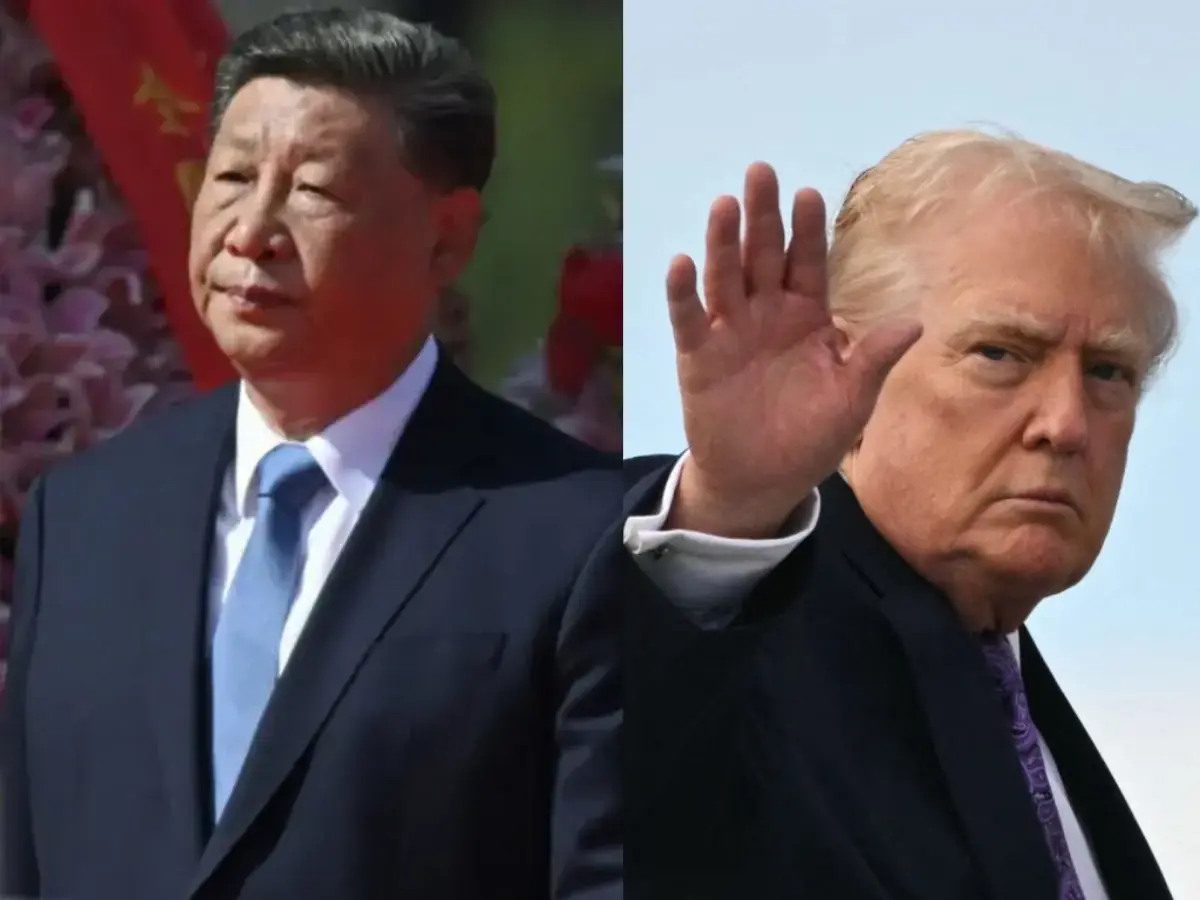
United States criticised China and said that China's actions are endangering the “regional peace.” Highlighting that the US-Japan alliance are stronger than ever, the US also said that it is closely monitoring the situation. "China's actions are not conducive to regional peace and stability," a State Department spokesperson said on Tuesday, referring to the radar incident. "The U.S.-Japan Alliance is stronger and more united than ever. Our commitment to our ally Japan is unwavering, and we are in close contact on this and other issues," it added.
China joined by Russian jets
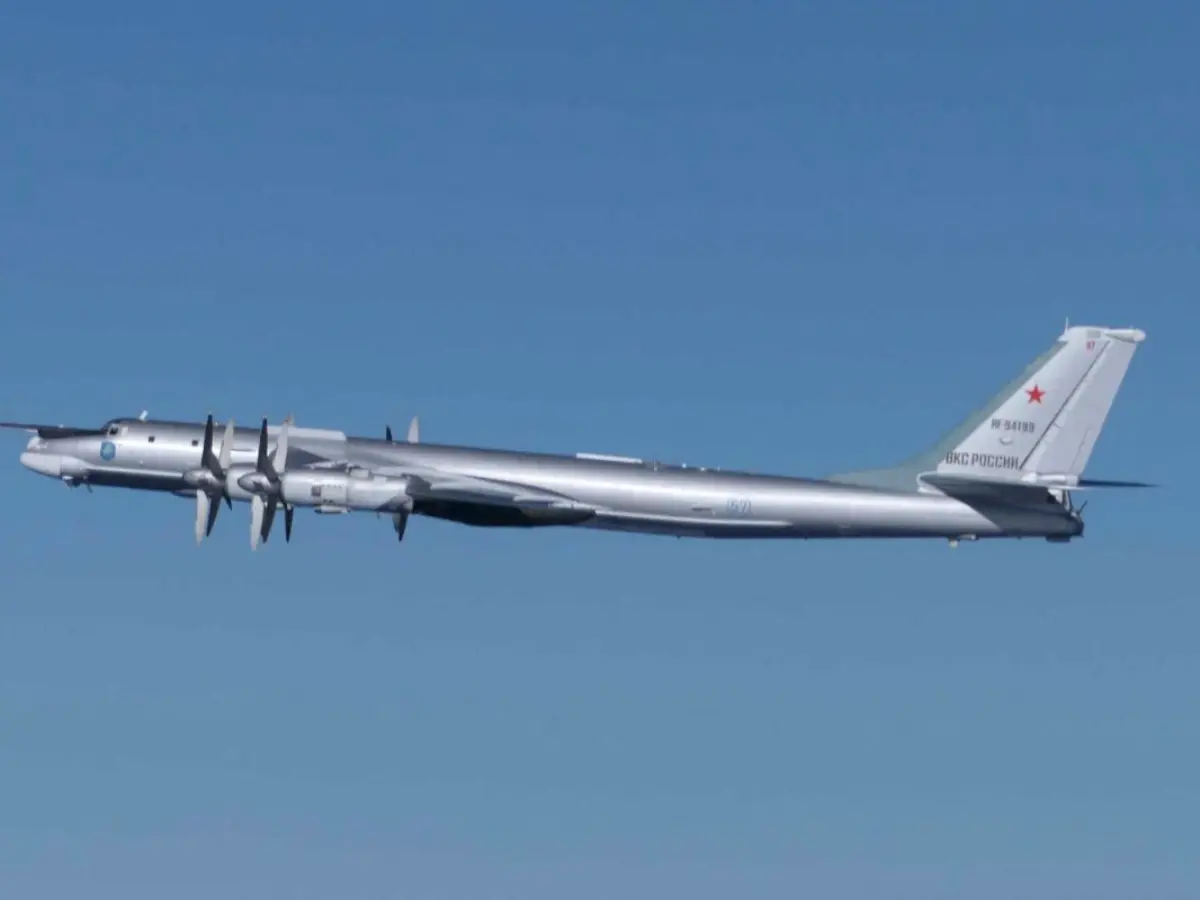
The Chinese military aircraft along with Russia conducted a coordinated air patrol close to South Korea and Japan. In response, Japan and South Korea scrambled their jets. Tokyo said that as many as seven Russian and two Chinese aircraft briefly entered South Korea’s Air Defence Identification Zone (KADIZ). Seoul lodged diplomatic protests
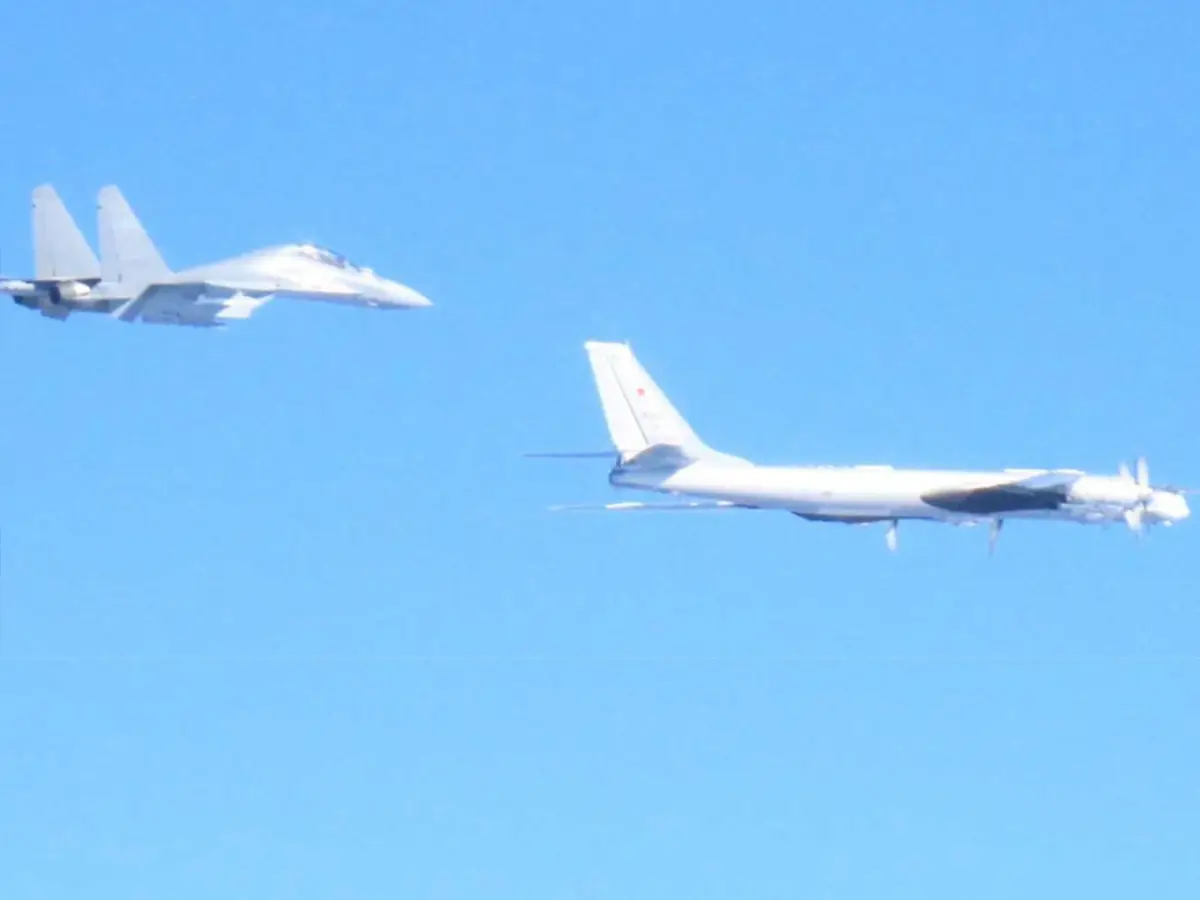
China, Russia vs Japan, US
The "tactical exercises" over the Japan Sea involved two US B52 bombers, three Japanese F-35 fighter jets and three Japanese F-15s. This was in response of Russia and China using two Russian Tu-95 nuclear-capable bombers and two Chinese H-6 bombers in air exercise near Japan. Earlier, J-15 jets from China's Liaoning aircraft carrier twice locked radar on Japanese aircraft in international waters near Okinawa
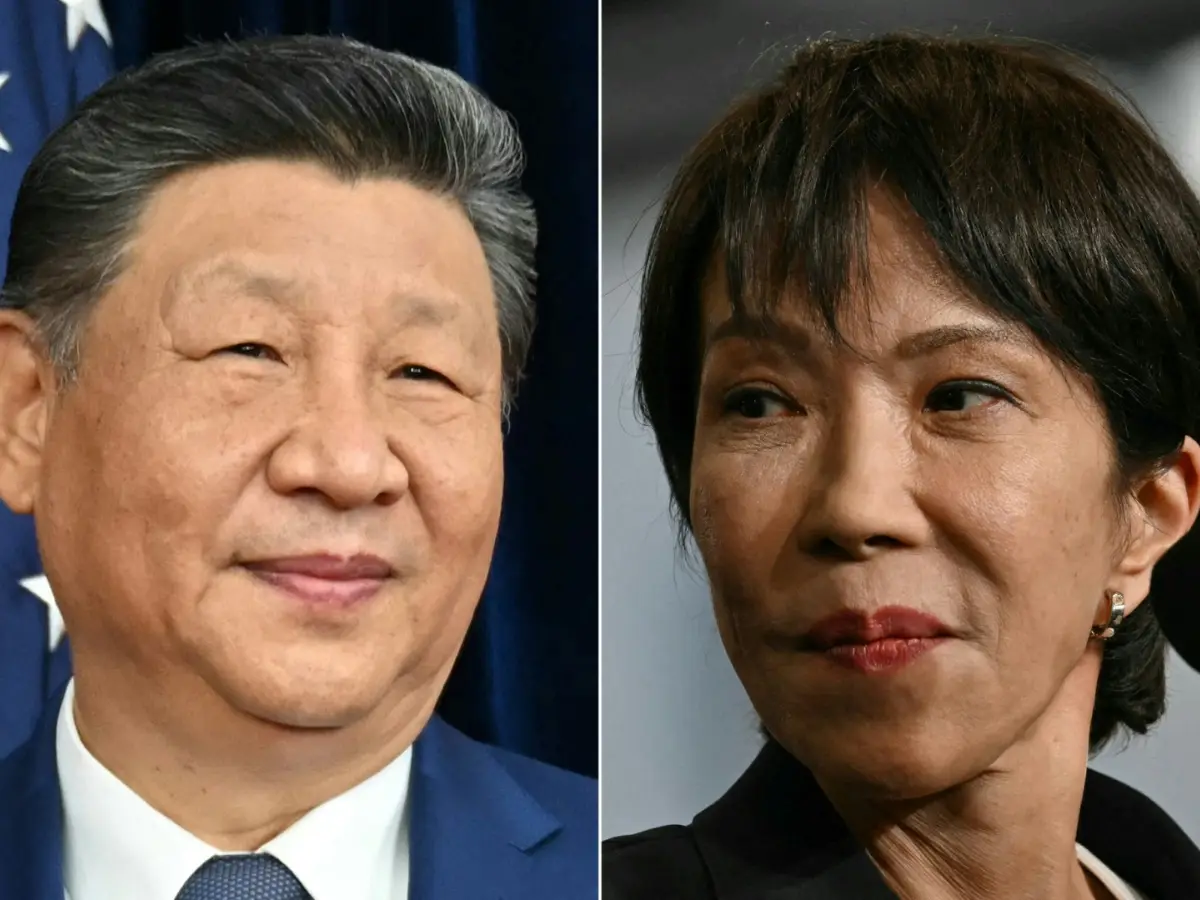
Japan and China tensions and Taiwan
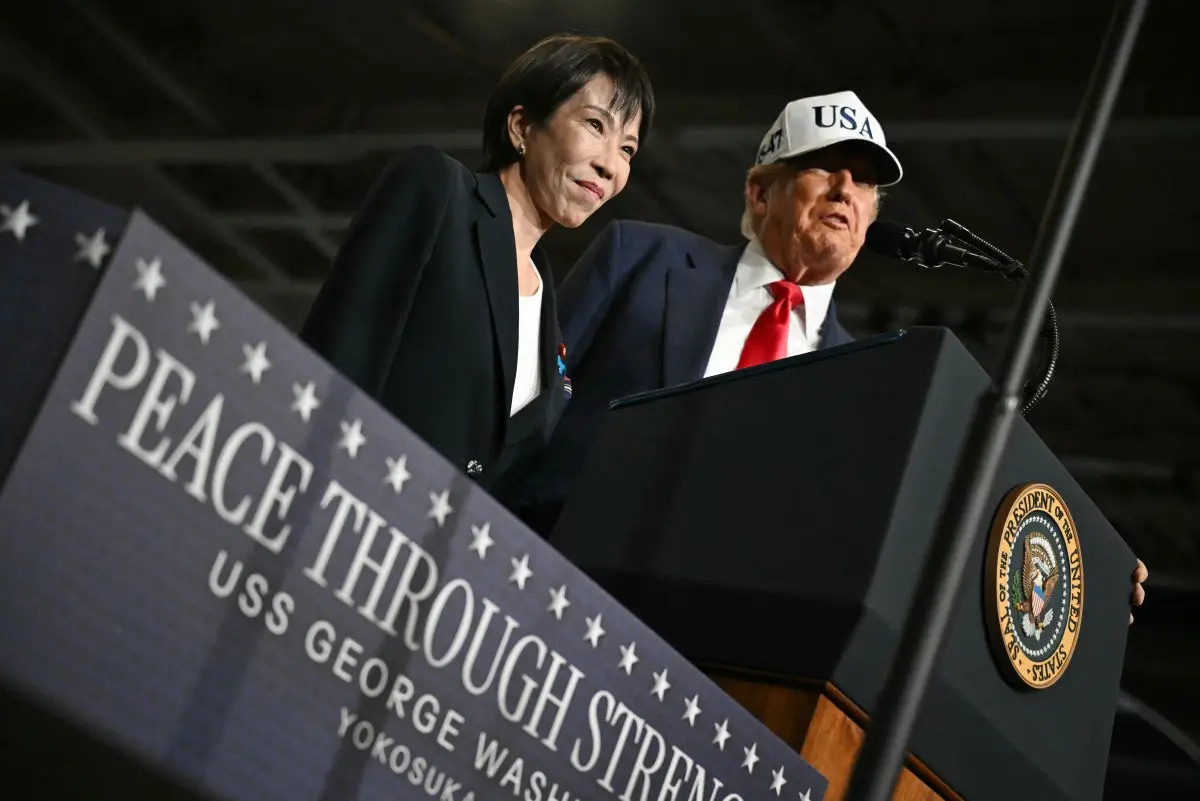
China and Japan are facing heightened diplomatic tensions after Japanese Prime Minister Sanae Takaichi made remarks on Taiwan. It all started from Japanese PM's Nov 14 remark in parliament. While giving example about “survival-threatening situations,” she mentioned that an attempt to bring Taiwan forcefully under the control of Beijing could constitute such a situation.
)
)
)
)
)