Artemis II is the farthest manned mission. Which is the most distant uncrewed mission in space right now?

Artemis II made history when it took astronauts to the farthest point in space humans had ever travelled. There are several probes floating in space that are billions of kilometres from Earth. Which is the farthest man-made object in the universe?
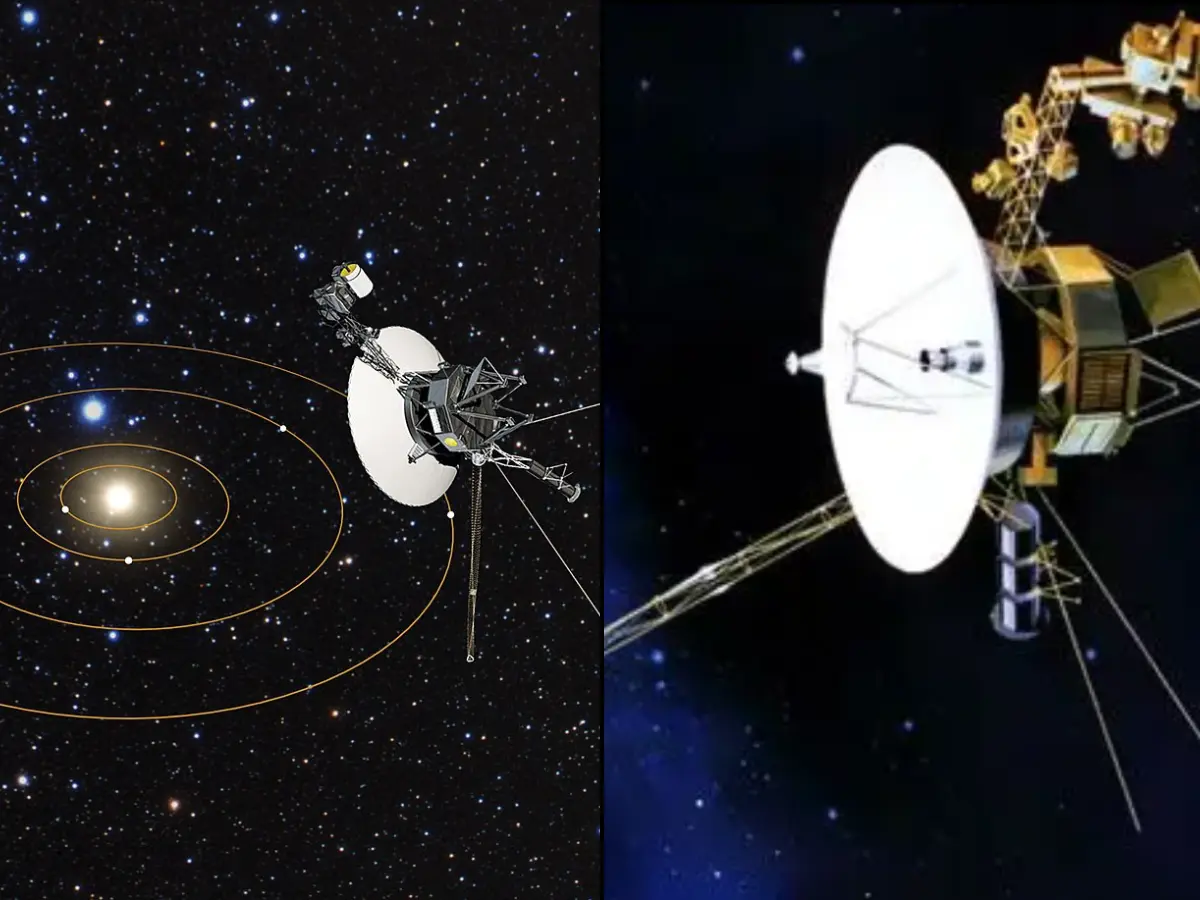
Farthest man-made object in space
Artemis II spacecraft flung so past the Moon that it took the astronauts on board to the farthest point in space humans had ever been. This is true for any manned capsule that ever left Earth’s orbit. But which uncrewed spacecraft is the most distant from Earth? Is it still out there, and if so, where? And is it still working?
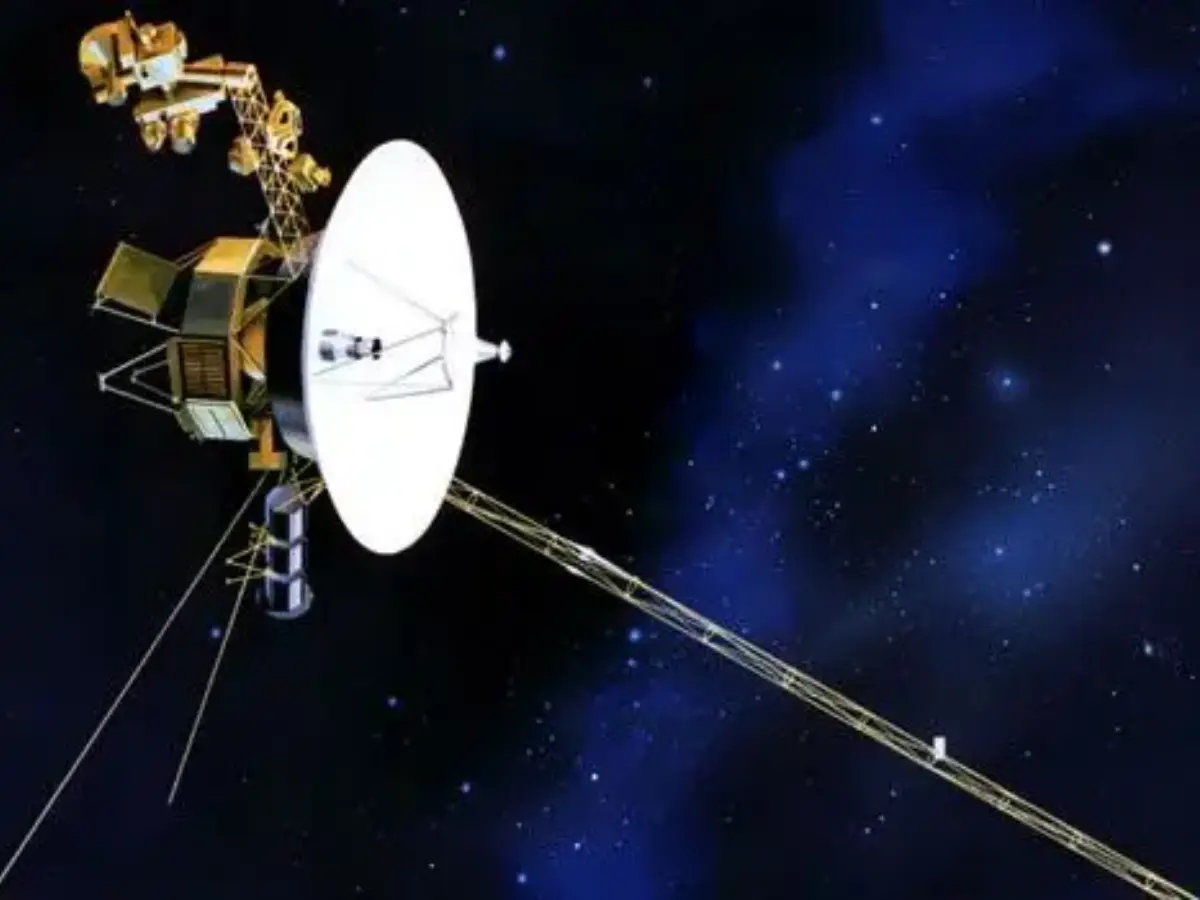
Voyager 1 and Voyager 2
There are not one but two spacecraft that are currently on a fascinating cosmic journey. Voyager 1 and Voyager 2 are the two missions that were launched decades ago and are still going strong. But the one that is farthest from Earth is Voyager 1. According to NASA, it was a staggering 24 billion km from Earth on April 1, 2026.
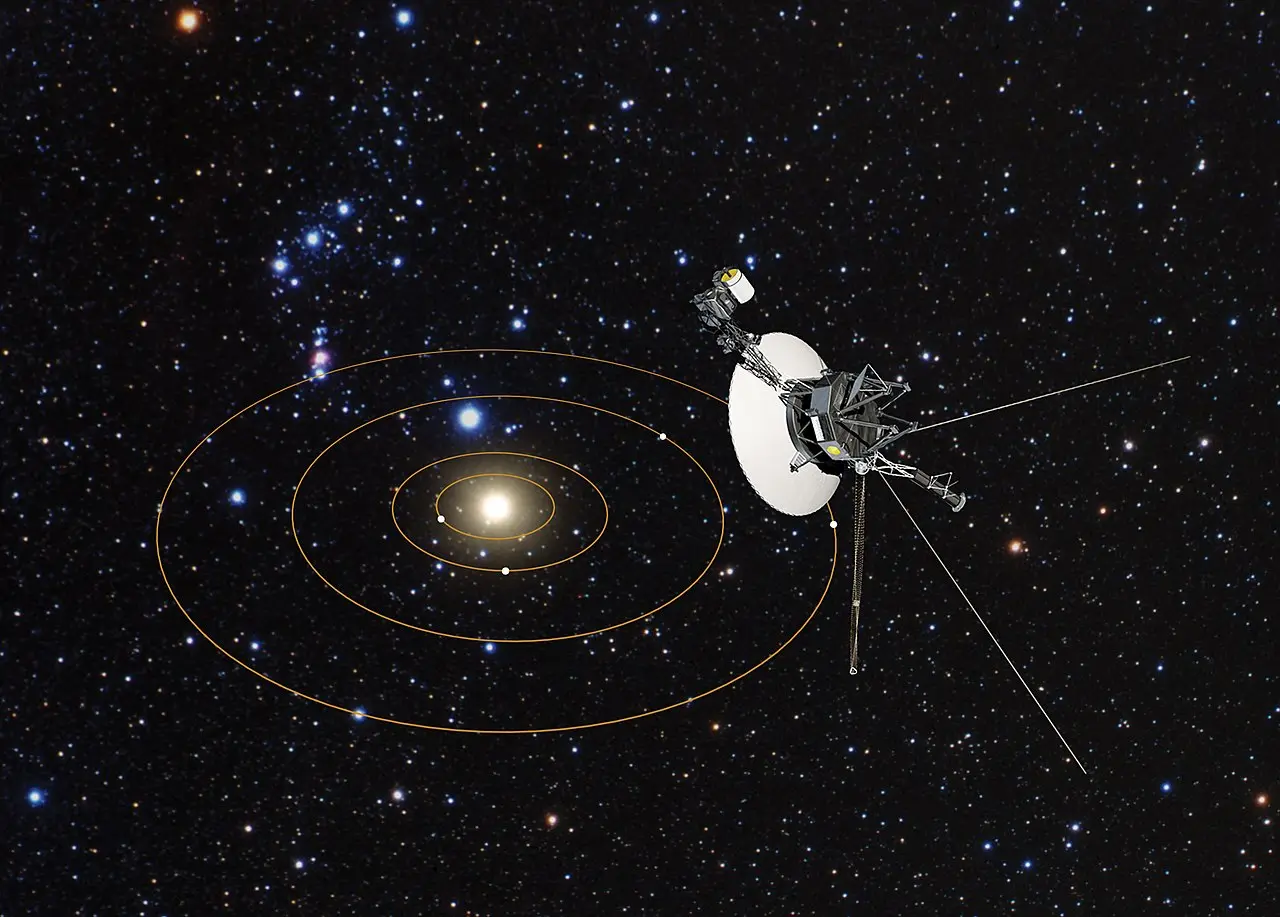
Voyager 1 went on a shorter route than Voyager 2
Voyager 1 (September 5, 1977) and Voyager 2 (August 20, 1977) were launched in an interval of 16 days in 1977. They have spent nearly 50 years scanning the universe. Even though Voyager 2 was the first to be launched, Voyager 1 surpassed it as it was sent on a shorter and faster trajectory and was supposed to carry out a flyby of Saturn's moon Titan. Both spacecraft flew by Jupiter and Saturn, while Voyager 2 also went to Uranus and Neptune.
Voyager 1 is fastest and farthest man-made object
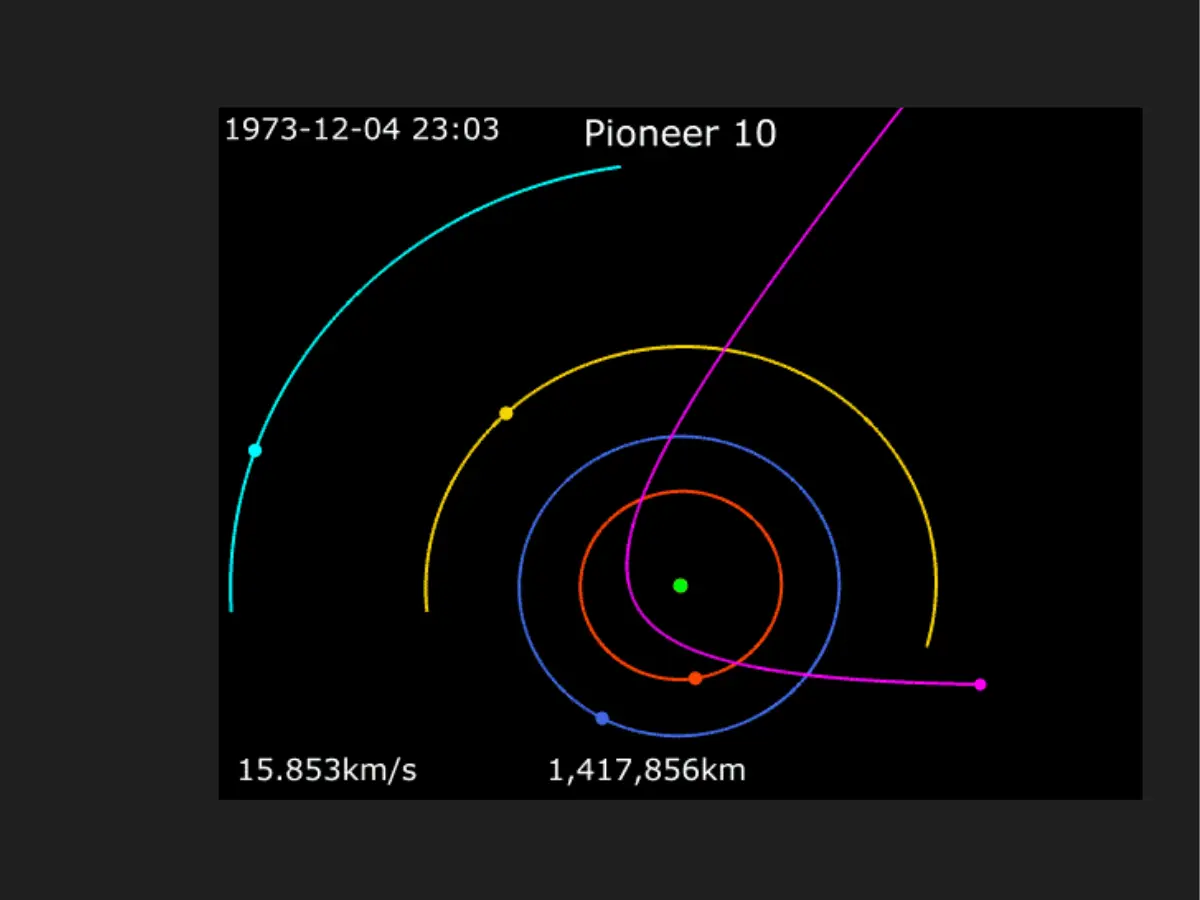
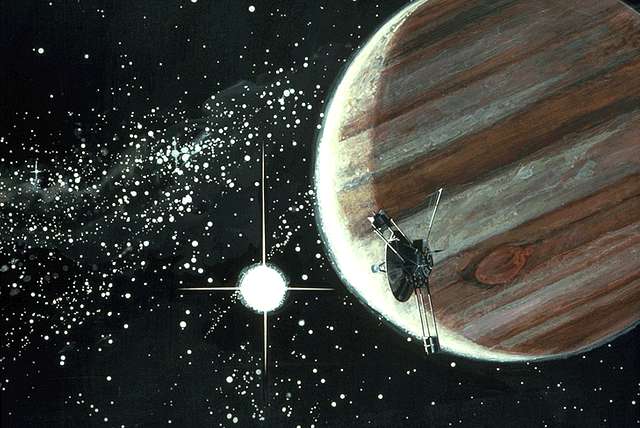
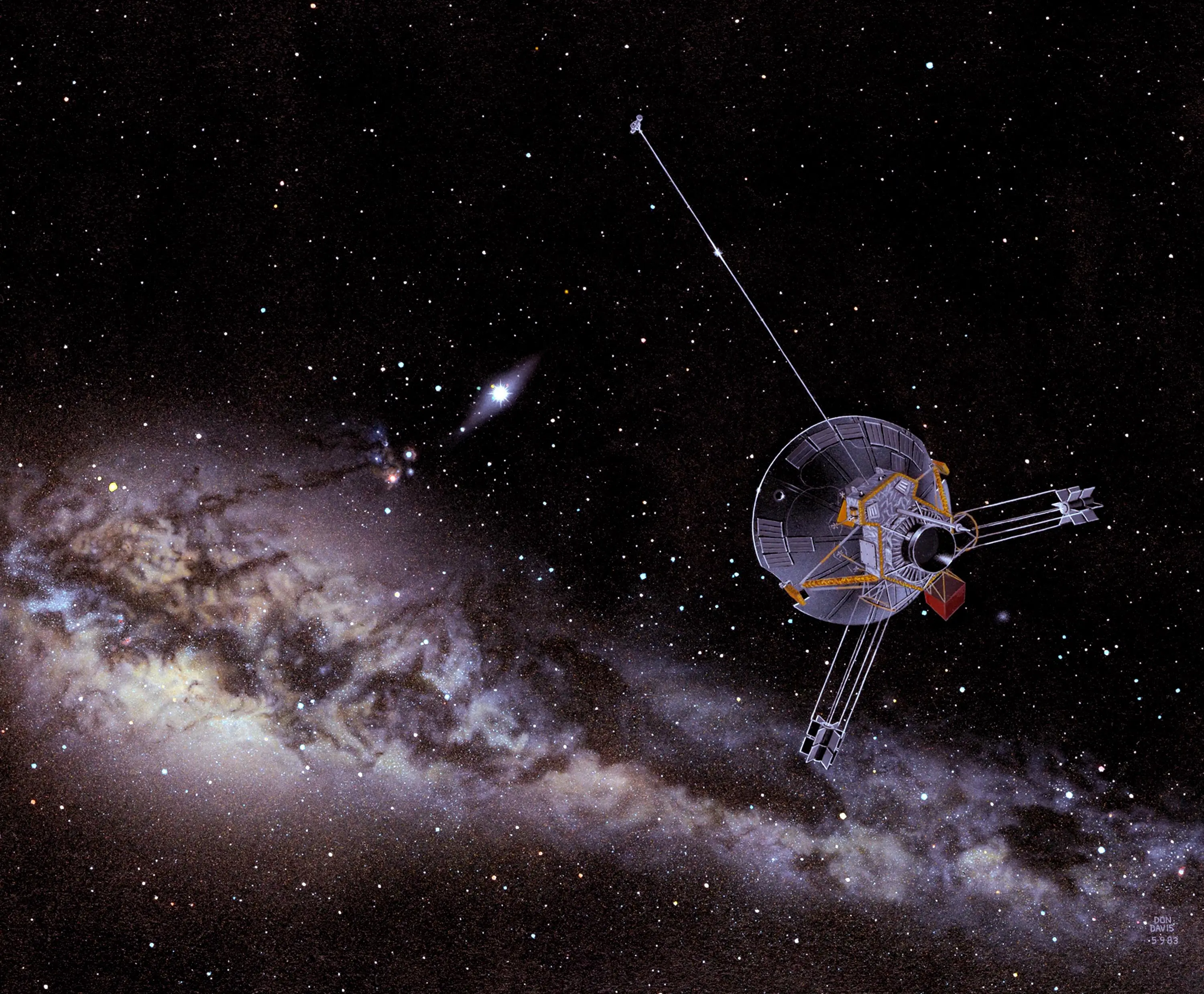
Voyager 1 overtook Voyager 2 on December 15, 1977. Today, it is the fastest and farthest man-made object moving through space. Even though there were at least two other spacecraft hurtling through space, the flybys of Jupiter and Saturn helped Voyager 1 gain speed and surpass the others. After Voyager 2 came deep-space probes Pioneer 10 and Pioneer 11, that were moving at a much slower speed.
Voyager 1, Pioneer 11, Pioneer 10
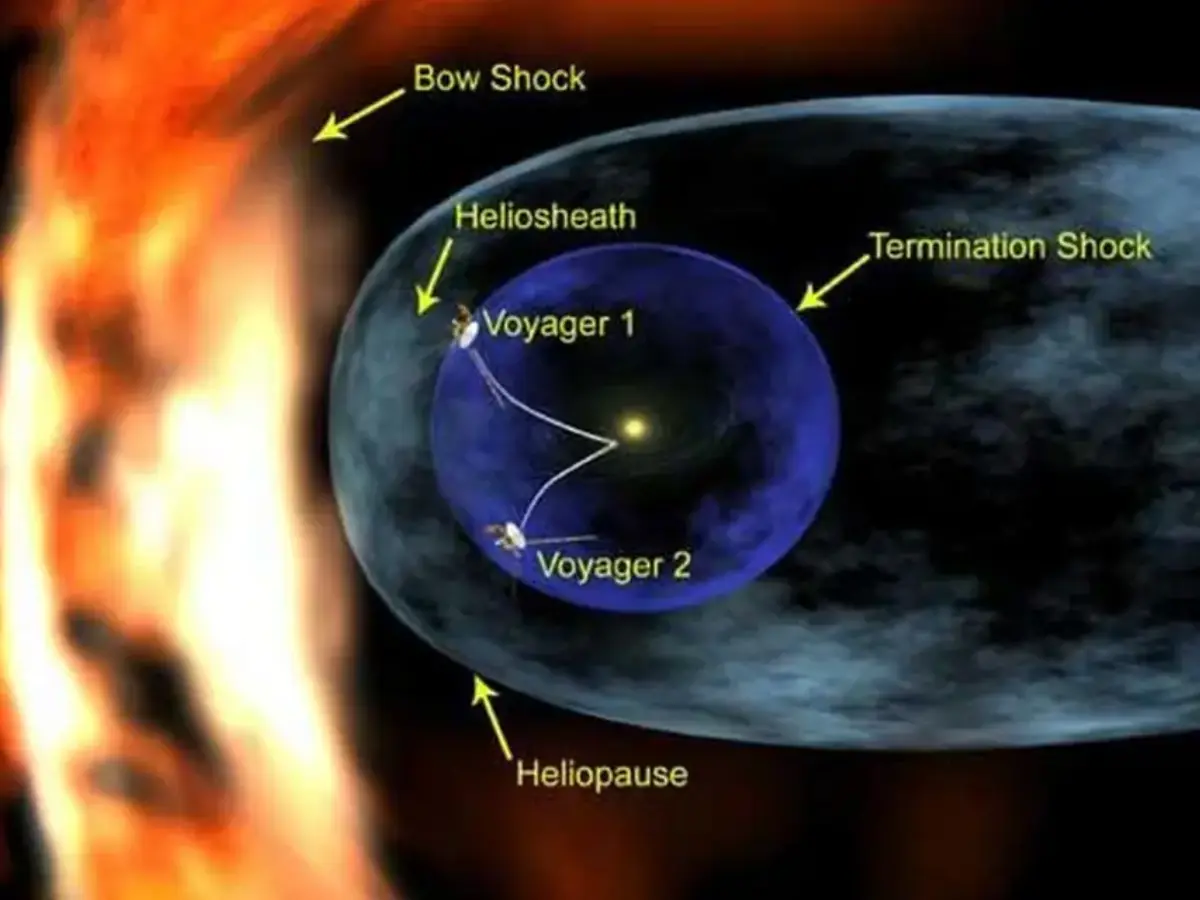
Voyager 1 passed Pioneer 11 in the late 1980s. Nearly 10 years later, on February 17, 1998, Voyager 1 overtook Pioneer 10 to become the most distant human-made object in existence. Voyager 1 crossed the heliopause and reached interstellar space in August 2012, and around six years later, Voyager 2 followed suit in November 2018.
Voyager 1 will soon reach reach 1-light-day
The next accomplishment for Voyager 1 will come in November 2026. It is expected to reach 1-light-day from Earth, or 25.9 billion km. A light-day is a unit of distance representing how far light travels in a vacuum in one 24-hour Earth day. At this distance, the probe is nearly four times further away than Pluto is at the most distant point in its orbit.
In 40,000 years, Voyager 1 and Voyager 2 will reach distant stars
In approximately 40,000 years, the Voyager probes will make their closest approaches to distant stars. Voyager 1 is headed toward the constellation Camelopardalis, where it will pass within 1.6 light-years of the star Gliese 445. Simultaneously, Voyager 2 will be drifting through the constellation Andromeda, coming within 1.7 light-years of the star Ross 248. This distance will still be tens of trillions of kilometres away from these stars.
)
)
)
)
)