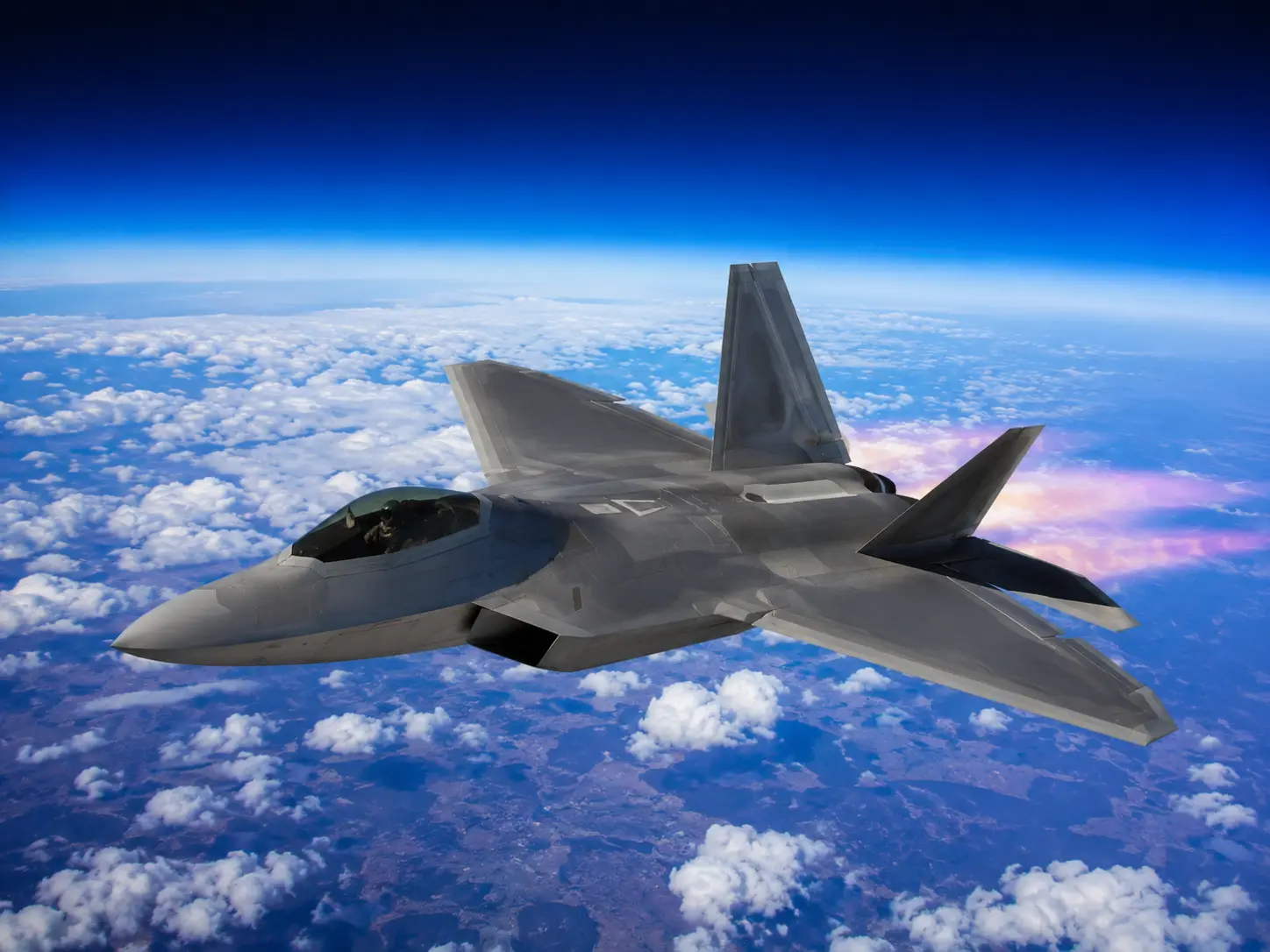
Vision advantage: How the F-22 fighter jet spots enemy aircraft from over 150 kilometres away

The F-22 Raptor uses its AN/APG-77 radar to spot enemy jets over 150 kilometres away. It tracks up to 100 targets simultaneously while keeping the US fighter completely invisible to enemy sensors.
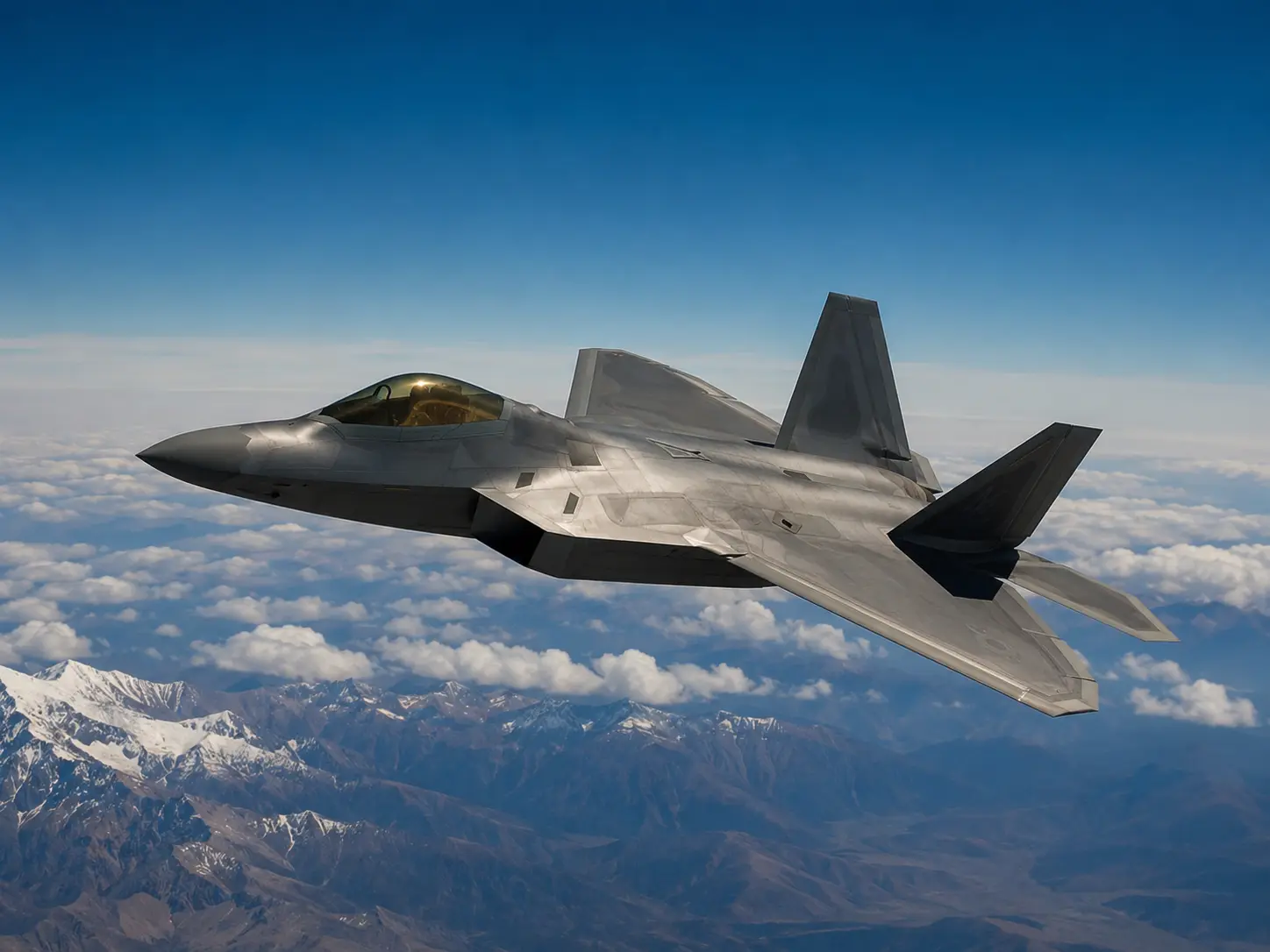
Spotting targets early
The F-22 Raptor relies on the AN/APG-77 radar to scan the skies. Built by Northrop Grumman and Raytheon, this system spots standard enemy fighter jets from more than 150 kilometres away. This long-range vision lets the US Air Force track threats long before hostile pilots realise they are being watched.
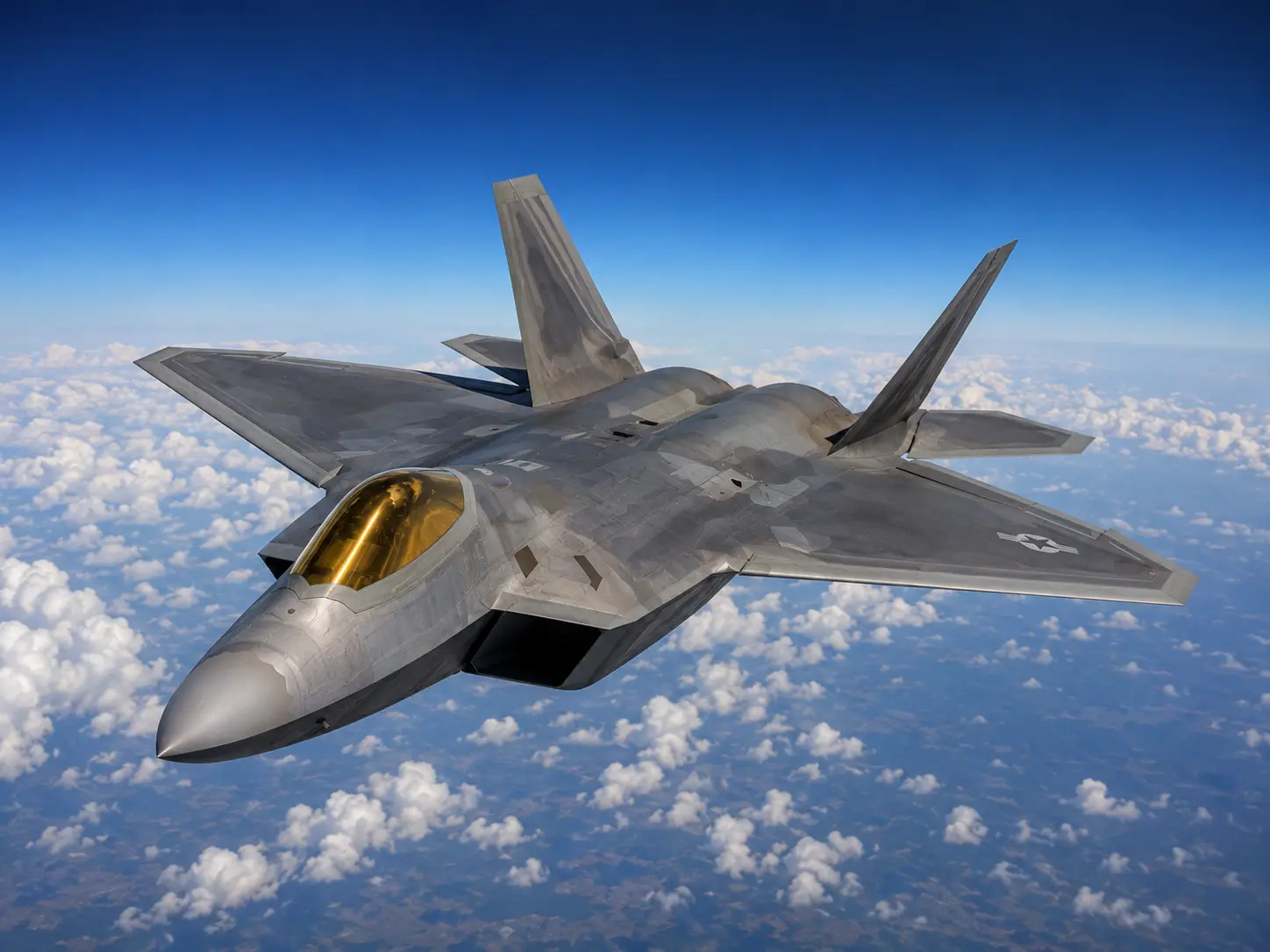
Fixed digital array
Traditional fighter radars physically rotate a dish to scan the horizon. The F-22 replaces this with a fixed array containing 1,956 solid-state transmit-receive modules. These tiny modules steer digital radio beams across the sky at the speed of light, scanning massive sectors of airspace instantly.
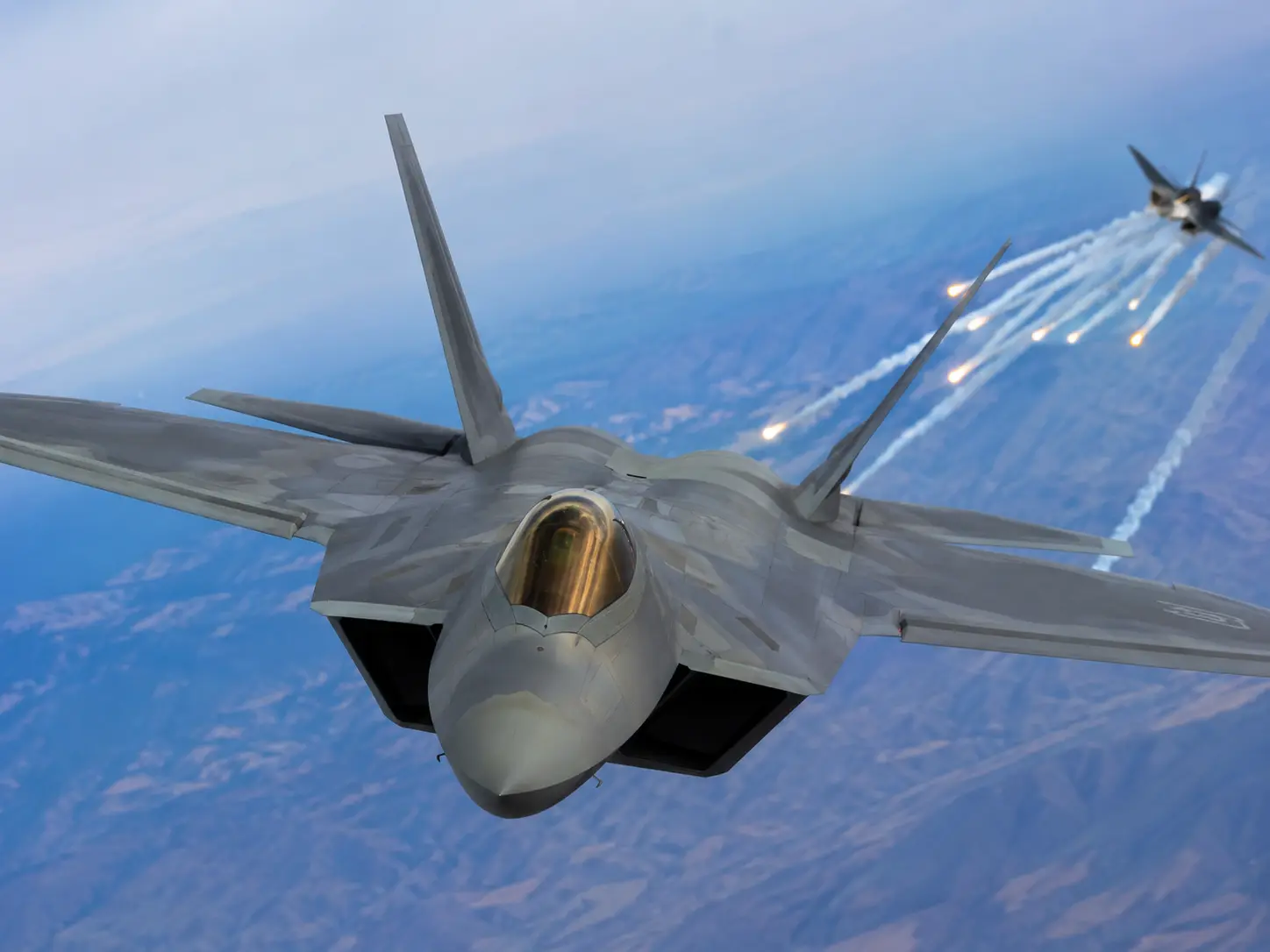
Invisible radar beams
Turning on a standard jet radar usually gives away a pilot's location to enemy sensors. The F-22 solves this by using Low Probability of Intercept technology. It emits narrow, low-energy pulses across rapidly changing frequencies, allowing the fighter to see hostile jets while remaining completely invisible to enemy radar detectors.
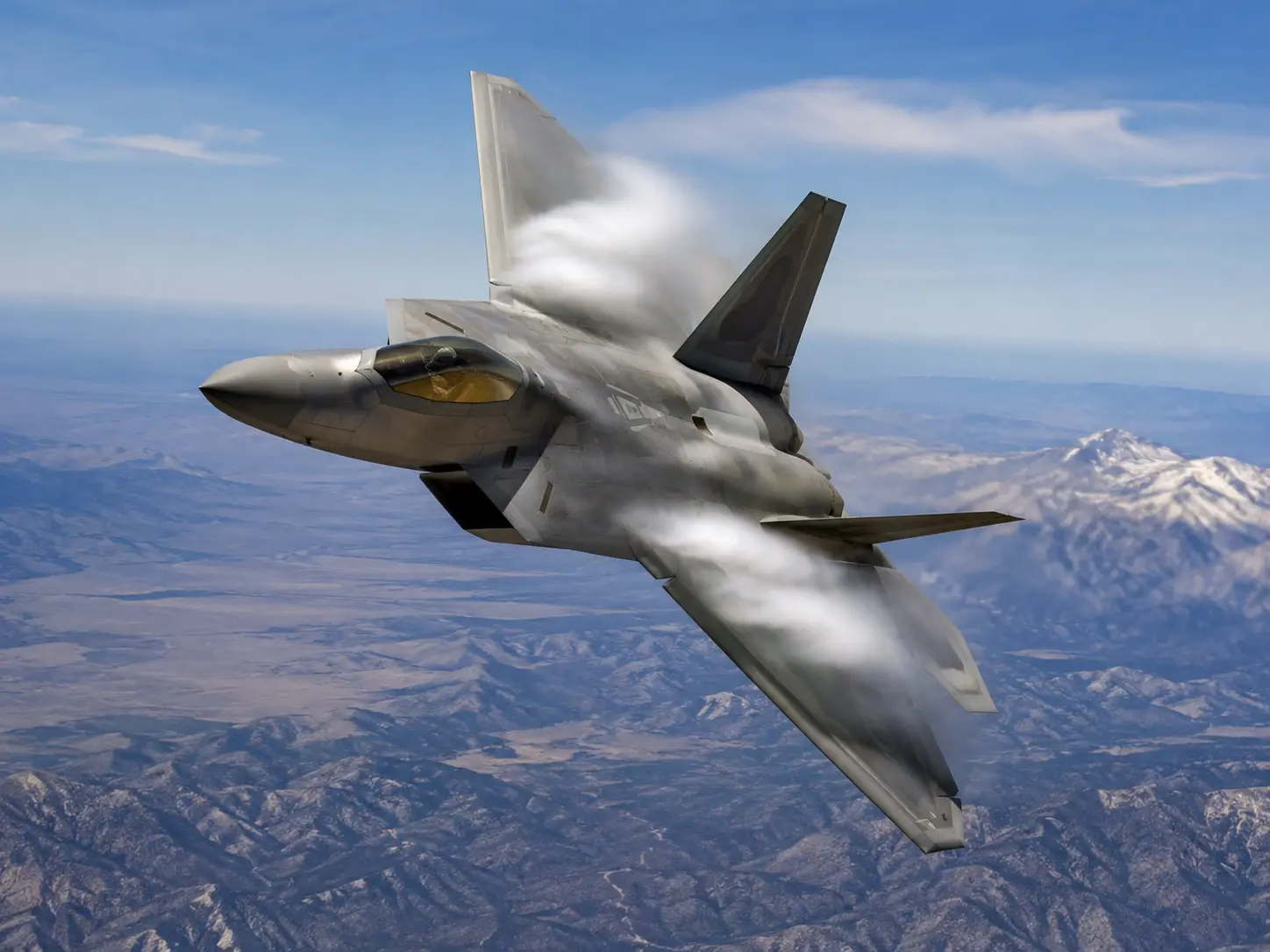
Tracking 100 targets
The aircraft combines radar data with its ALR-94 passive electronic sensors. Onboard mission processors fuse this raw information into a single, clean tactical map for the pilot. The system can simultaneously track up to 100 airborne targets, automatically calculating which enemy jets pose the greatest immediate threat.
First shot advantage
Spotting targets at 150 kilometres gives the F-22 a decisive first-shot advantage. Flying at a supercruise speed of Mach 1.8, the fighter closes the gap swiftly. The pilot can lock onto the target and launch long-range AIM-120 missiles well before the enemy jet gets close enough to fire back.
)
)
)
)
)