Venezuela’s oil and drug trade: How resources fuel regional crime networks

Venezuela’s oil collapse and sanctions have pushed the state towards drugs and illegal gold. Military-linked trafficking, guerrilla-controlled mines and corrupt oil deals now fund crime networks.
From Petro-State to Criminal Enclave
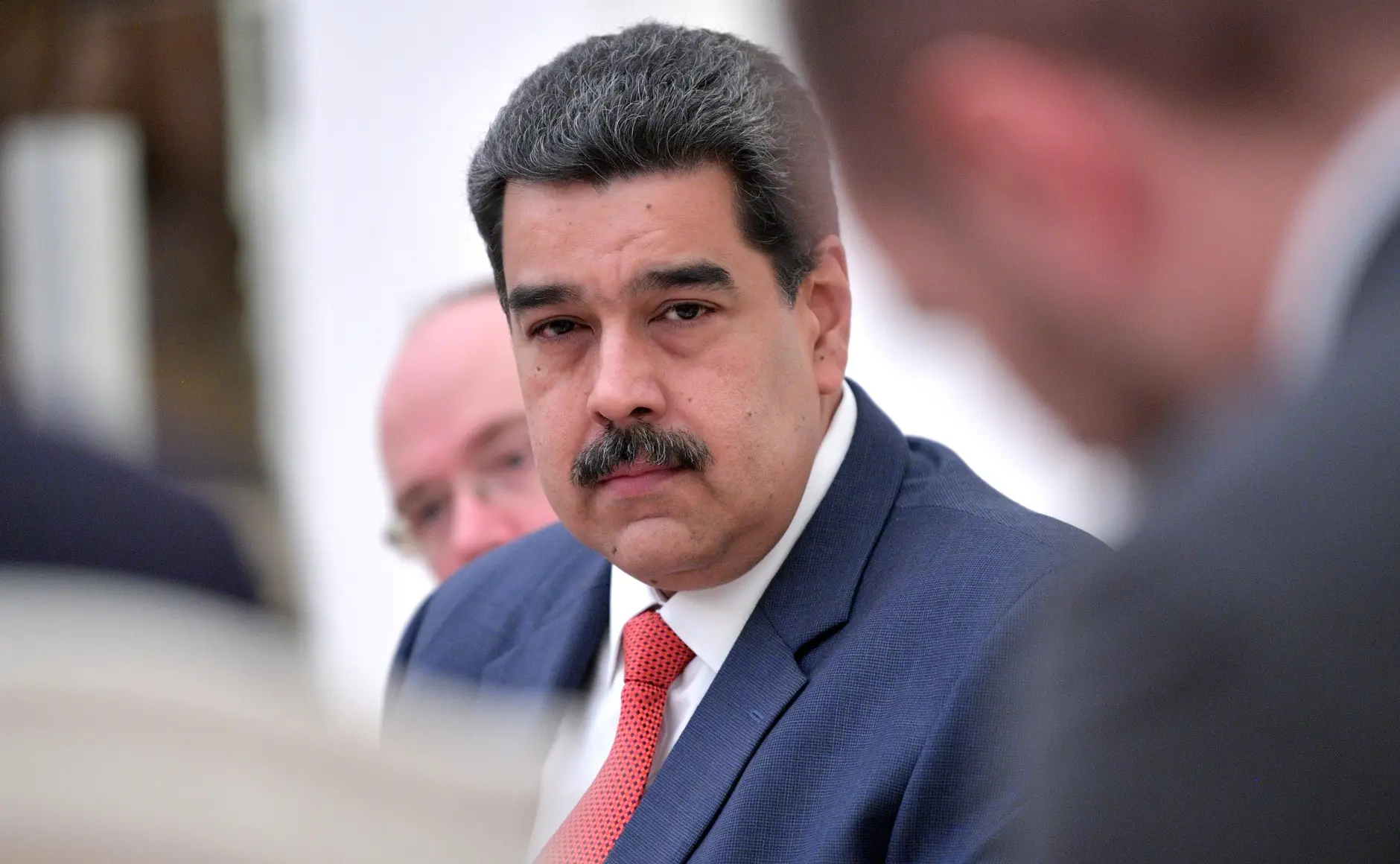
Oil collapse births a shadow economy: Following the 2014 crash in oil prices and subsequent sanctions, Venezuela’s state revenue plummeted, forcing the regime to pivot toward illicit income streams. According to Transparencia Venezuela, this economic vacuum was filled by state-condoned drug trafficking and illegal mining, effectively transforming the nation’s infrastructure into a tool for organised crime.
The ‘Cartel of the Suns’
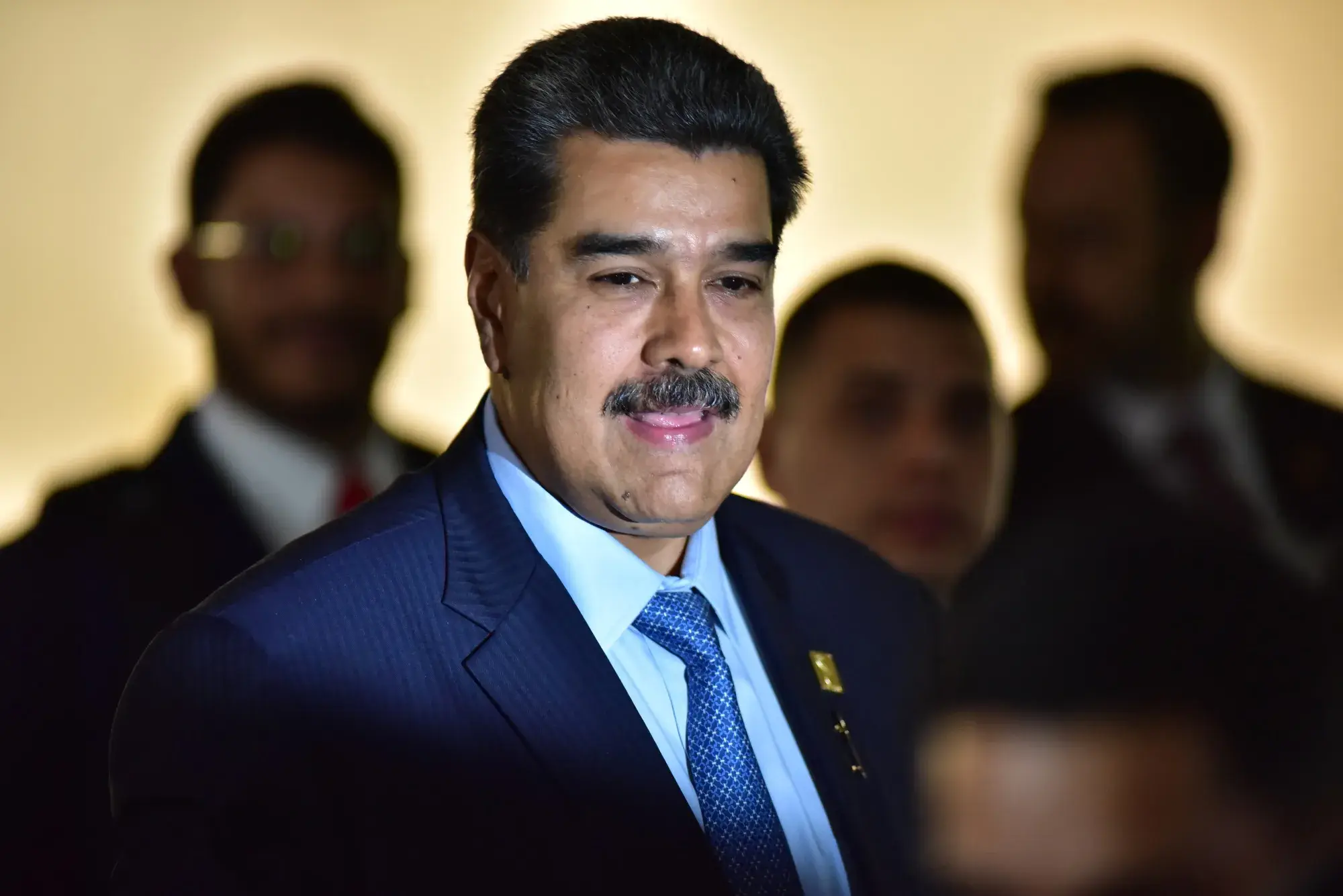
Military involvement in trafficking: The ‘Cartel of the Suns’ refers to high-ranking Venezuelan military officials who allegedly facilitate drug shipments using state resources. A 2025 US Department of Justice report claims these officials provide security for drug routes in exchange for bribes, turning the armed forces into a key logistical partner for cartels moving cocaine to the US and Europe.
Cocaine Hub
Transit routes surge by 56 per cent: Venezuela does not produce cocaine but serves as a critical transit zone for Colombian drugs. The UN Office on Drugs and Crime (UNODC) World Drug Report 2025 notes that cocaine flows through the country have risen significantly, with traffickers utilising remote airstrips and Venezuelan ports to dispatch shipments unchecked by local authorities.
The ‘Blood Gold’ of the Orinoco
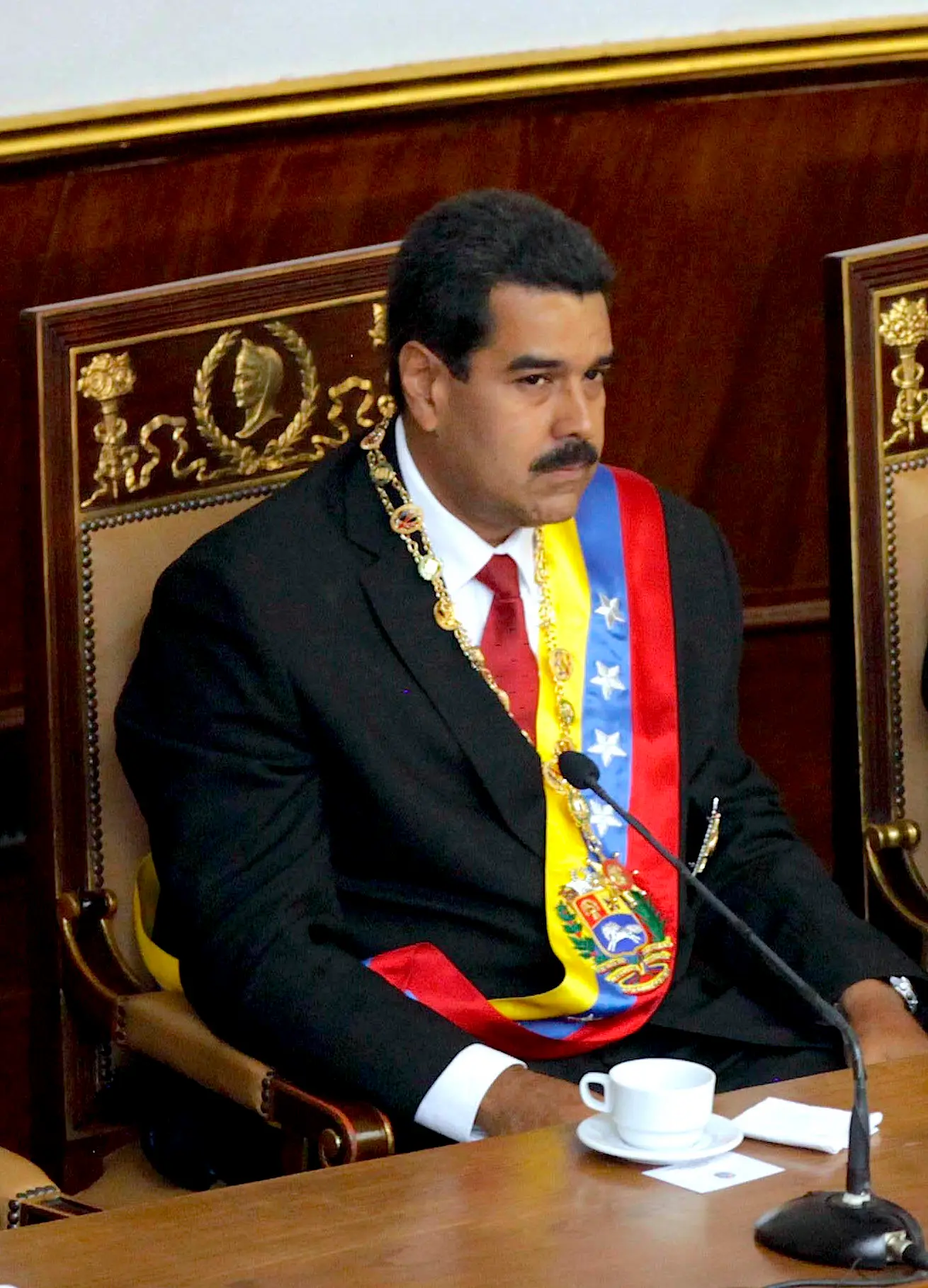
86 per cent of gold is illegal: To replace lost oil revenue, the government established the Orinoco Mining Arc, where InSight Crime reports that 86 per cent of extracted gold is illegal. This unregulated mining is often overseen by armed groups who smuggle the metal abroad, using the proceeds to finance operations that the formal state budget can no longer support.

ELN and FARC control the mines
ELN and FARC control the mines: The regime increasingly relies on Colombian guerrilla groups like the ELN and FARC dissidents to enforce control over mining areas. A UN Fact-Finding Mission report details how these non-state armed actors operate with tacit state approval, managing labour and security in the mines while funneling profits back to the Caracas elite.
Corruption at PDVSA
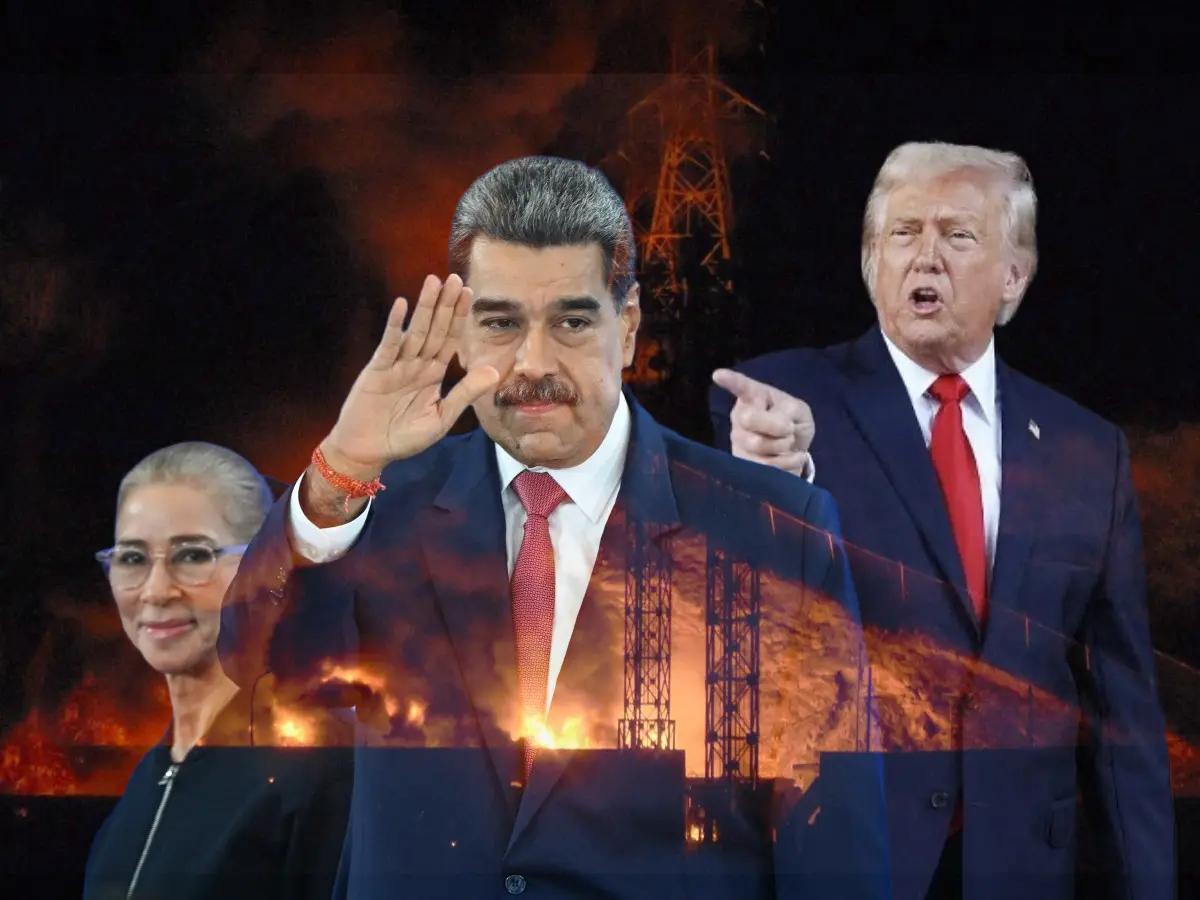
Laundering billions through oil The state oil company, PDVSA, has become a vehicle for laundering drug and gold money. Recent US indictments reveal that corrupt officials used the company’s complex financial structures to disguise billions in illicit proceeds as legitimate oil transactions, exploiting the opaque nature of the sanctions-hit energy sector.
Criminal Instability
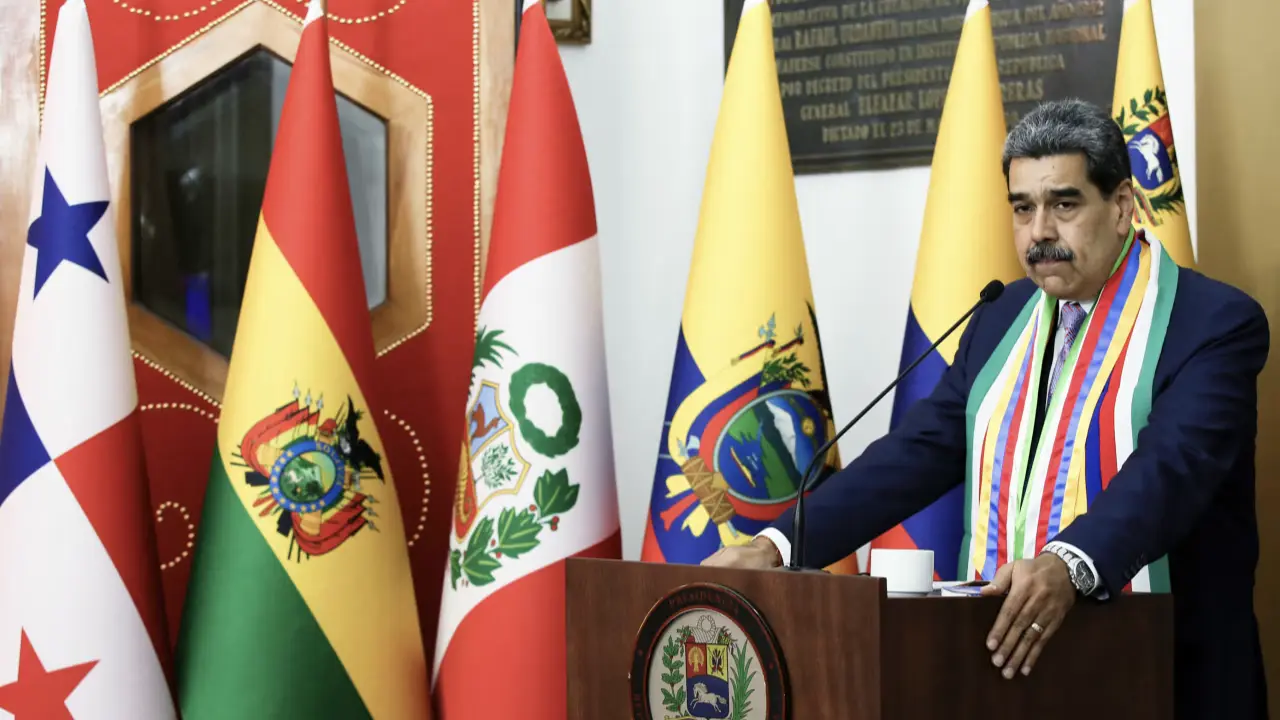
Tren de Aragua goes global The convergence of these illicit trades has empowered homegrown gangs like Tren de Aragua to expand across the Americas. By controlling local drug retail and human trafficking routes intertwined with the migration crisis, these networks have exported Venezuela’s model of criminal governance to neighbouring countries like Chile and Peru.
)

)
)
)