Venezuela President captured: What it means for global oil prices

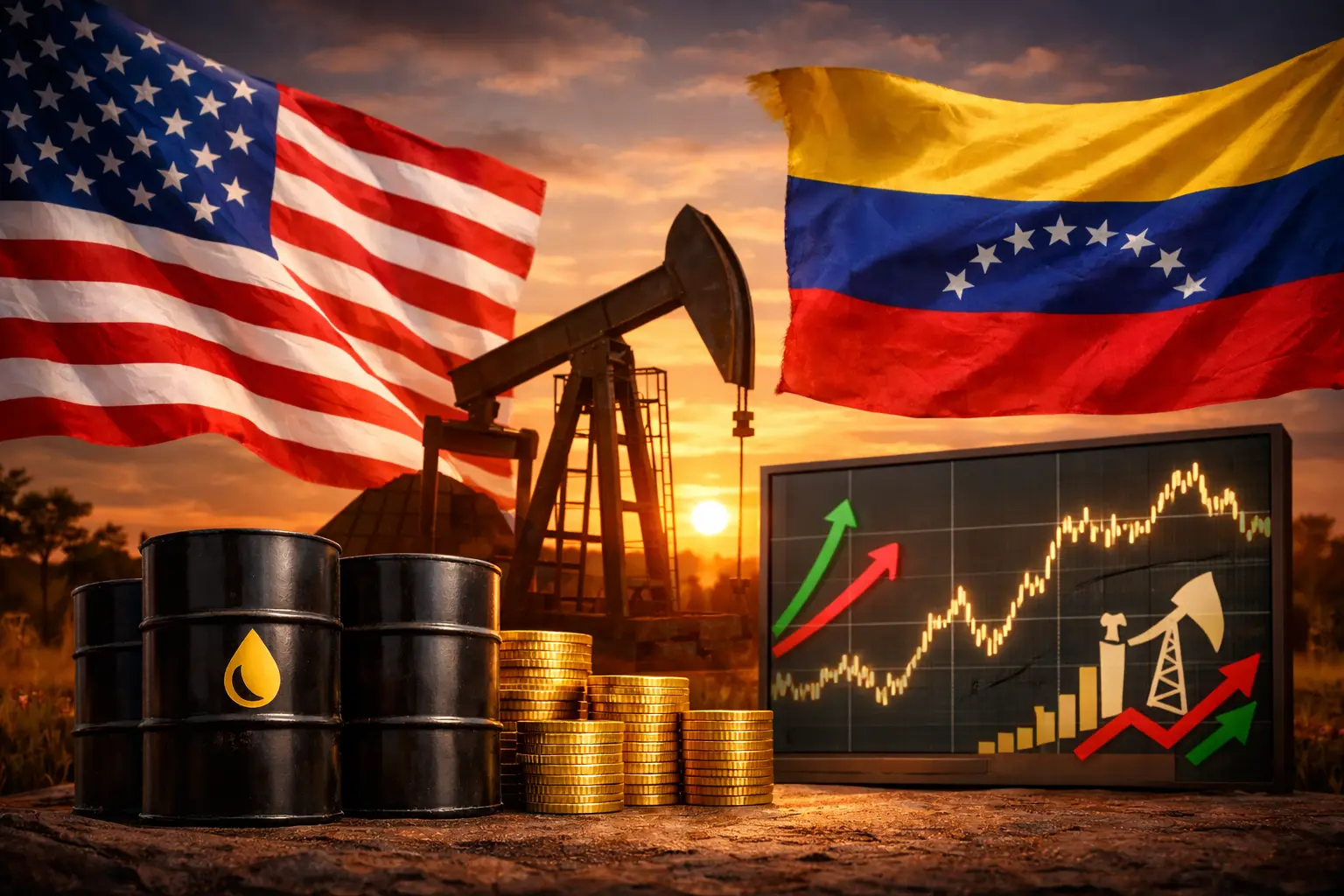
US forces have captured Venezuelan President Nicolás Maduro. This move has sparked fears of oil price volatility, though a global supply glut may limit the long-term impact on fuel costs.
Dramatic capture in Caracas
US special forces captured President Nicolás Maduro and his wife during swift military raids in the Venezuelan capital. The operation was conducted in conjunction with law enforcement to execute long-standing criminal warrants.

Venezuela President captured
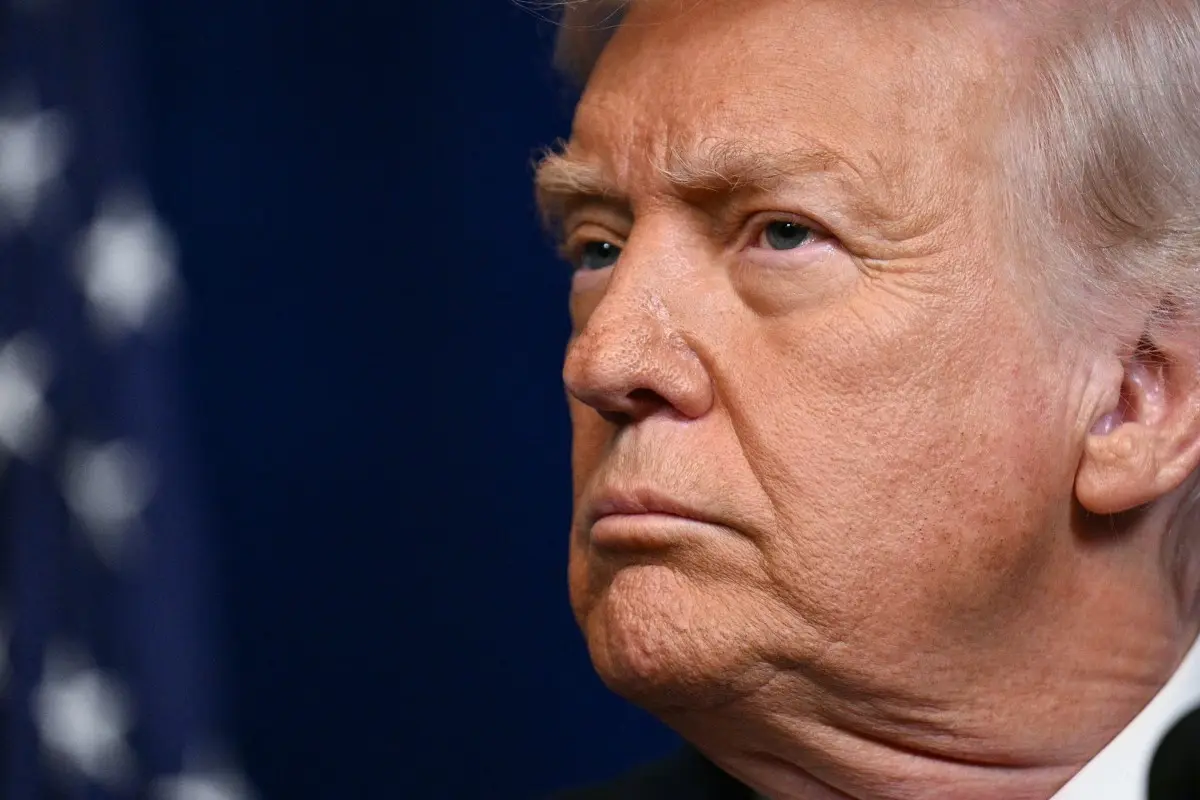
Venezuela President Nicolás Maduro has been captured and flown out of the country. US authorities previously offered a $50 million bounty for information leading to his arrest.
Impact on crude oil benchmarks
Market experts anticipate a gap-up opening for crude oil when trading resumes on Monday. Brent crude prices are expected to rise toward $65 per barrel due to heightened geopolitical risk.
World's largest oil reserves
Venezuela sits on approximately 303 billion barrels of proven oil, the largest reserves globally. Instability in such a resource-rich nation often leads to a "risk premium" being added to global prices.

Current production remains steady
State-run energy firm PDVSA reports that its oil infrastructure and refining units have not suffered damage. Key oil facilities are currently operating normally despite the military strikes in the capital.

Long-term supply boost
A pro-Western government could attract $100 billion in investment to fix decaying oil infrastructure. Analysts suggest production could eventually rise by 2 million barrels per day over several years.

Minimal impact on India
Experts believe the direct impact on India will be minimal as the country is not heavily dependent on Venezuelan crude. While Indian firms have investments in Venezuelan fields, global oversupply may offset any local shortages.

Market oversupply concerns
Despite the shock, oil prices fell 20 per cent in 2025 due to a global surplus of 3.8 million barrels per day. The existing global glut may prevent a sustained or permanent spike in fuel costs.
)
)
)
)
)