Venezuela: As leaders battle, people struggle for water & electricity

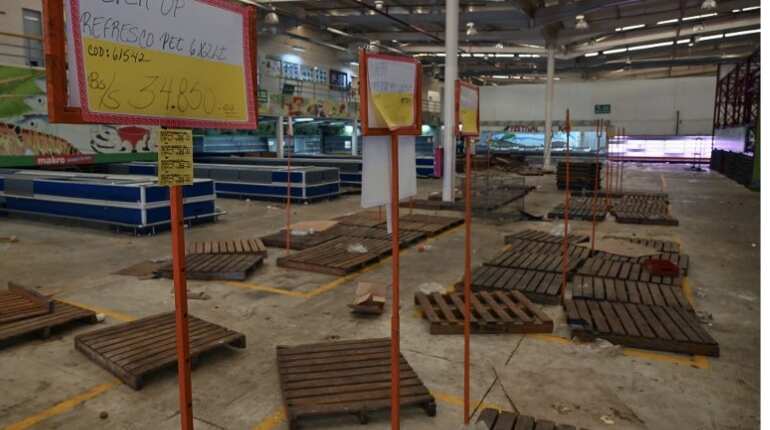
Over 500 shops looted during massive blackout
More than 500 shops were looted in Venezuela's western city of Maracaibo during a vast nationwide blackout that struck last week and lasted for days, a retailers' association said Wednesday.
The Consecomercio association called on beleaguered security forces to reimpose order in Maracaibo and its surrounds.
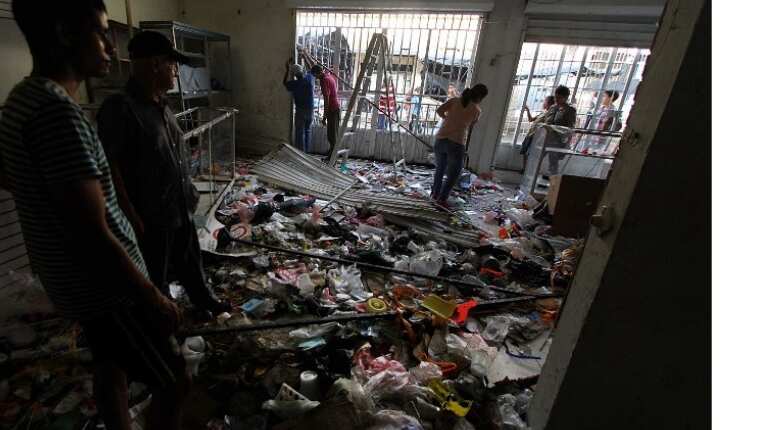
Blackout cost Venezuela $875 million
The head of Consecomercio, Felipe Capozzolo, urged authorities to act, stressing on Twitter that looting could undermine retailers' stockage and distribution of food and basic goods that have become increasingly scarce under Venezuela's economic crisis.
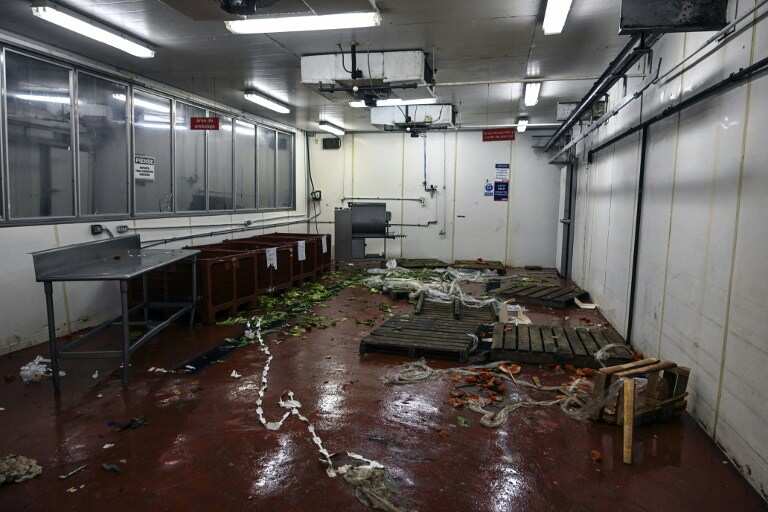
The blackout made matters worse by cutting power to refrigerators and freezers, ruining produce inside.
According to economic analysis firm Ecoanalitica, the blackout cost Venezuela $875 million.
Guaido blames Maduro
President Nicolas Maduro blamed it on 'sabotage' by the United States and the opposition.
Opposition leader and self-proclaimed interim president Juan Guaido -- who is backed by the US and 50 other countries -- told supporters corruption and mismanagement by Maduro's dictatorship was the root cause.
'Without water for a month'
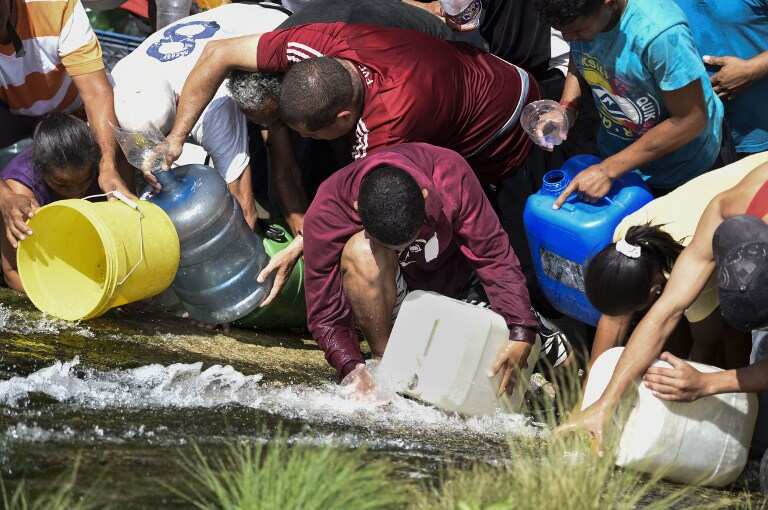
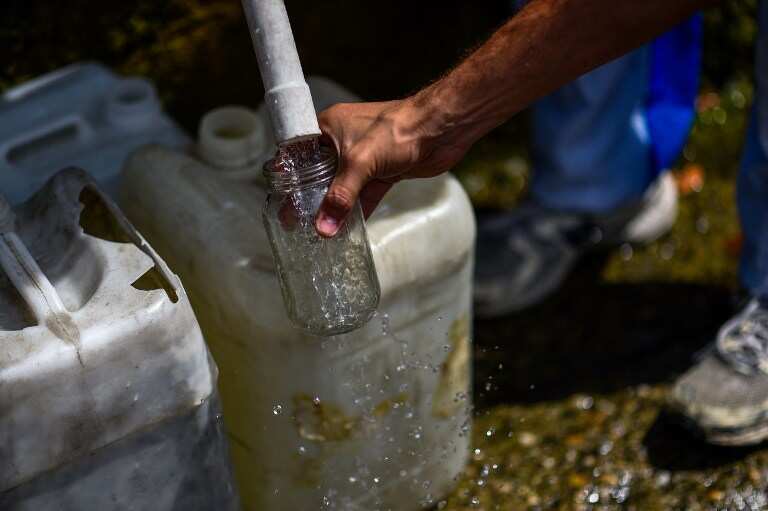
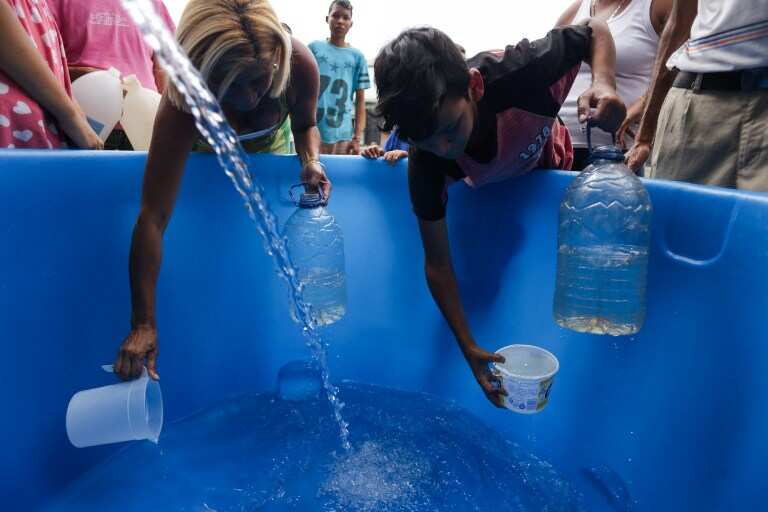
Venezuelans in the coastal state of Vargas said on March 13 they had been without water for a month and spend their days queuing at a water plant to fill up containers.
The lack of water has become one of the most excruciating side effects of the nationwide blackout that the government of President Nicolas Maduro has blamed on US-backed sabotage but his critics call the product of corruption and incompetence.
Many worry about spread of disease
In Caracas, Venezuelans from working-class neighbourhoods to upscale apartment towers are complaining of increasingly infrequent showers, unwashed dishes, and stinking toilets.
Many worry about the spread of disease. The lack of water compounds the inability to buy soap due to soaring prices or chronic shortages.
Maduro, facing an unprecedented political crisis
Maduro is facing an unprecedented political crisis and the United States, which backs Guaido, has levied crippling oil industry sanctions meant to starve the government of its sources of foreign revenue.
Water trucks, a common sight in Caracas, are increasingly struggling to fill up because state-run reservoirs are running low.
)
)
)
)
)