Velayat-e Faqih: How 85 million Iranians are trapped by a law written 47 years ago

In 2019, the Supreme Leader issued the "Second Phase of the Revolution" manifesto, promising a transition to a "young, revolutionary" management to secure the system for another 40 years. By 2026, this plan has visibly failed.
1. The Circle of Power: A Closed Loop
At the heart of the current crisis lies a constitutional mechanism that effectively locks the Iranian public out of their own governance. The Supreme Leader appoints the six clerical members of the Guardian Council directly. This Council then vets all candidates for the Assembly of Experts—the very body theoretically tasked with supervising and selecting the Supreme Leader. This circular system means that in 2026, the 88 clerics meant to hold the Leader accountable are, in practice, approved by his own appointees. As the rial hit 1.4 million against the dollar, this "closed loop" ensured there was no constitutional lever for the 85 million citizens to demand a change in leadership, leaving the street as their only option.
2. Article 57: The Absolute Veto
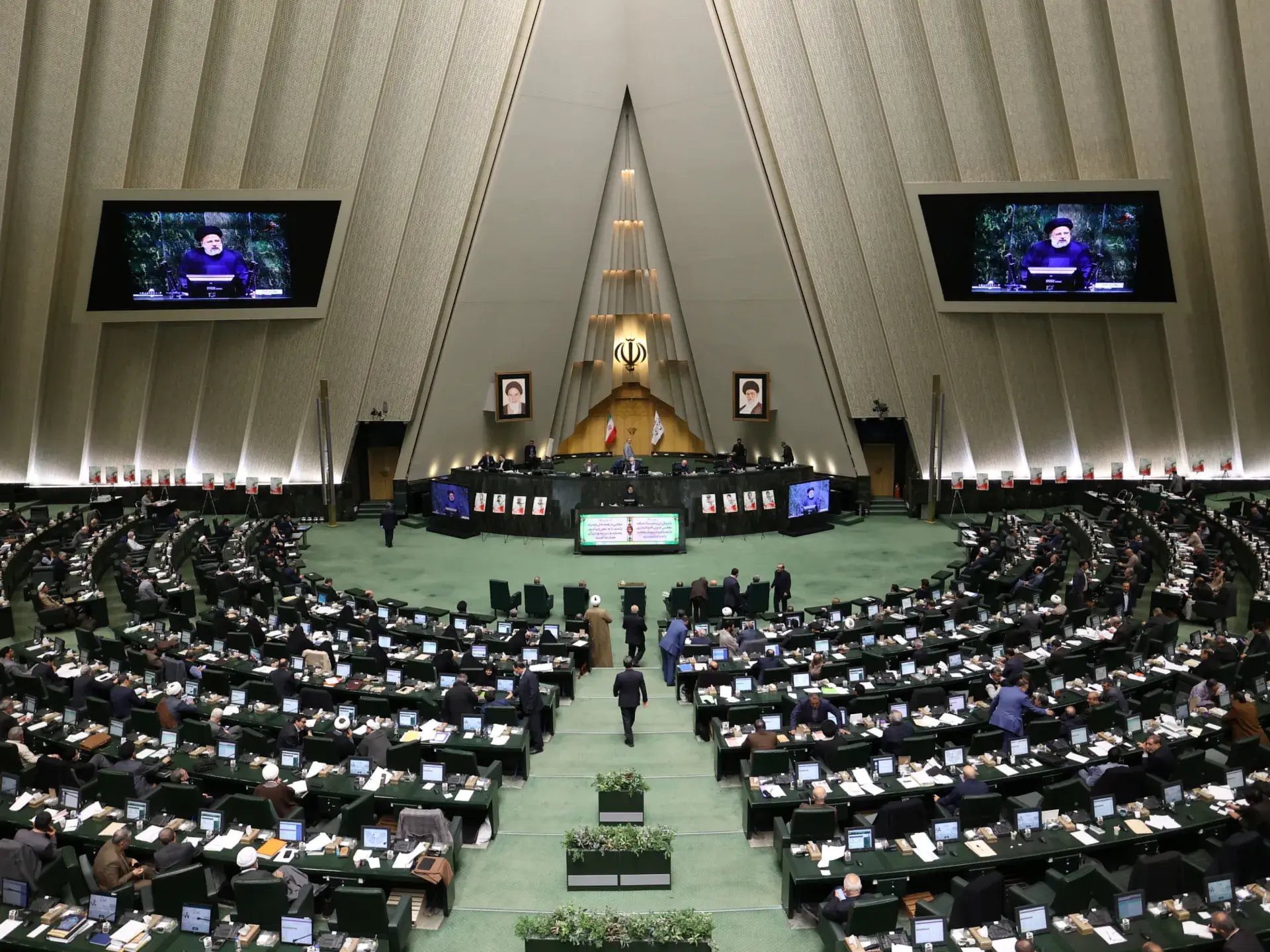
While the Iranian constitution outlines separation of powers, Article 57 renders them void by placing all branches under the "absolute authority" (Velayat-e Motlaqeh) of the Faqih. In late 2025, when the Majlis (parliament) attempted to pass emergency economic reforms to float the currency and secure foreign investment, the Supreme Leader’s office reportedly blocked the bill, citing "resistance economy" principles. This demonstrated to the public that their elected representatives were powerless against the single, unelected authority of the Jurist, who holds a veto over every strategic decision in the state.
3. Infantilisation of a Nation
The theological root of Velayat-e Faqih historically applied to the guardianship of those unable to manage their own affairs, such as orphans or the mentally infirm. The 1979 constitution expanded this to the entire citizenry. In 2026, this dynamic has reached a breaking point. A highly educated, digitally connected population of 85 million, facing a 21st-century economic collapse, is being treated legally as "minors" requiring the guidance of a cleric. The slogans heard in Tehran this January, such as "We are not orphans, we are Iran," directly reject this patronising legal status.
4. The Accountability Vacuum
Under the current law, the Supreme Leader is answerable only to God, yet his decisions determine the terrestrial price of bread, petrol, and medicine. During the "Bloody January" protests, critics noted that while the President was blamed for the inflation, he had no control over the military spending or foreign policy decisions that triggered the sanctions. The Velayat-e Faqih system creates a paradox where the official with the most power has the least earthly accountability, shielding the true decision-maker from the consequences of the 1.4 million rial exchange rate.
5. The Guardian Council’s Filter
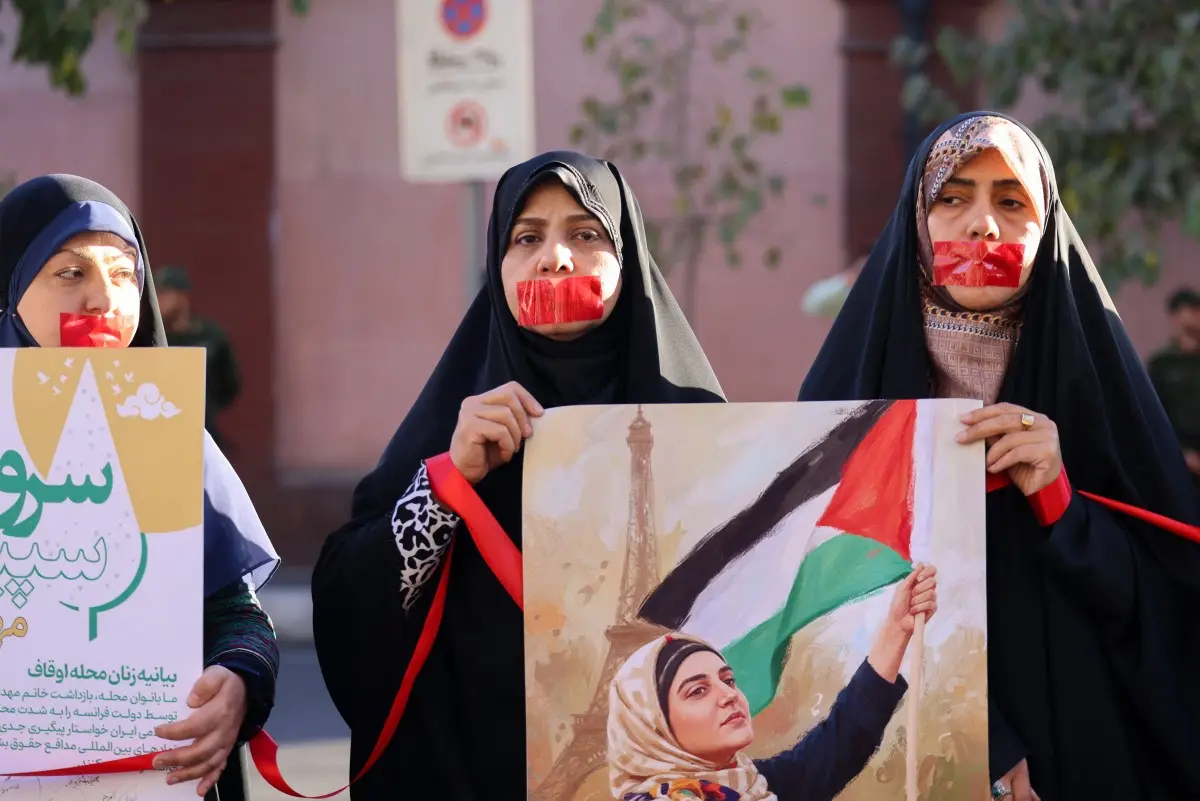
The 2026 uprising is partially a result of the systematic elimination of political alternatives over the last 47 years. The Guardian Council, acting as the "eye of the Leader," has disqualified nearly every moderate or reformist candidate from running for office since the early 2020s. By the time of the 2024 and 2025 elections, the ballot papers offered no real choice, only hardliners loyal to the Faqih. This removed the "safety valve" of reform, convincing the public that the system cannot be fixed from within, as the law itself prevents any dissenting voice from reaching power.
6. The Failure of the 'Second Phase'
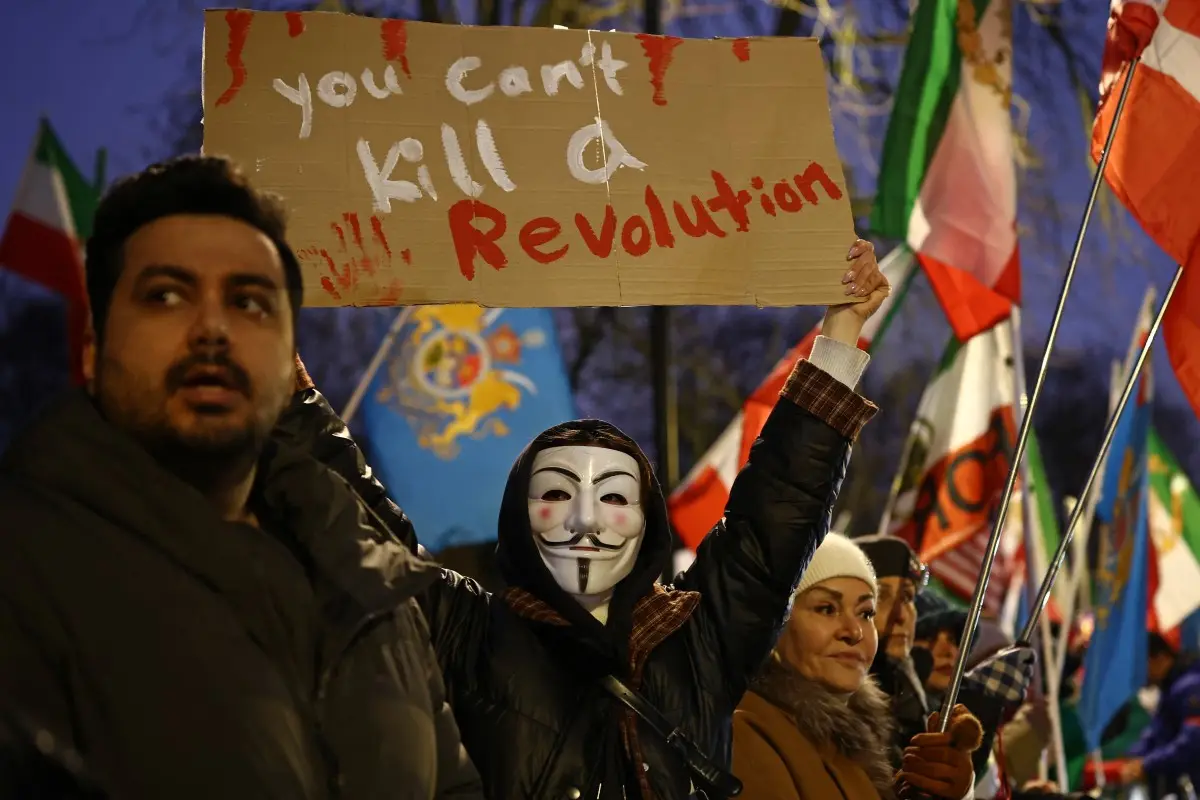
In 2019, the Supreme Leader issued the "Second Phase of the Revolution" manifesto, promising a transition to a "young, revolutionary" management to secure the system for another 40 years. By 2026, this plan has visibly failed. Instead of a youthful, efficient Islamic governance, the Velayat-e Faqih structure has solidified into a gerontocracy. The leadership’s refusal to compromise on strict social codes or foreign policy, despite the economic ruin, has framed the "Second Phase" not as a renewal, but as a rigid doubling down that the country can no longer afford.
7. The Succession Trap
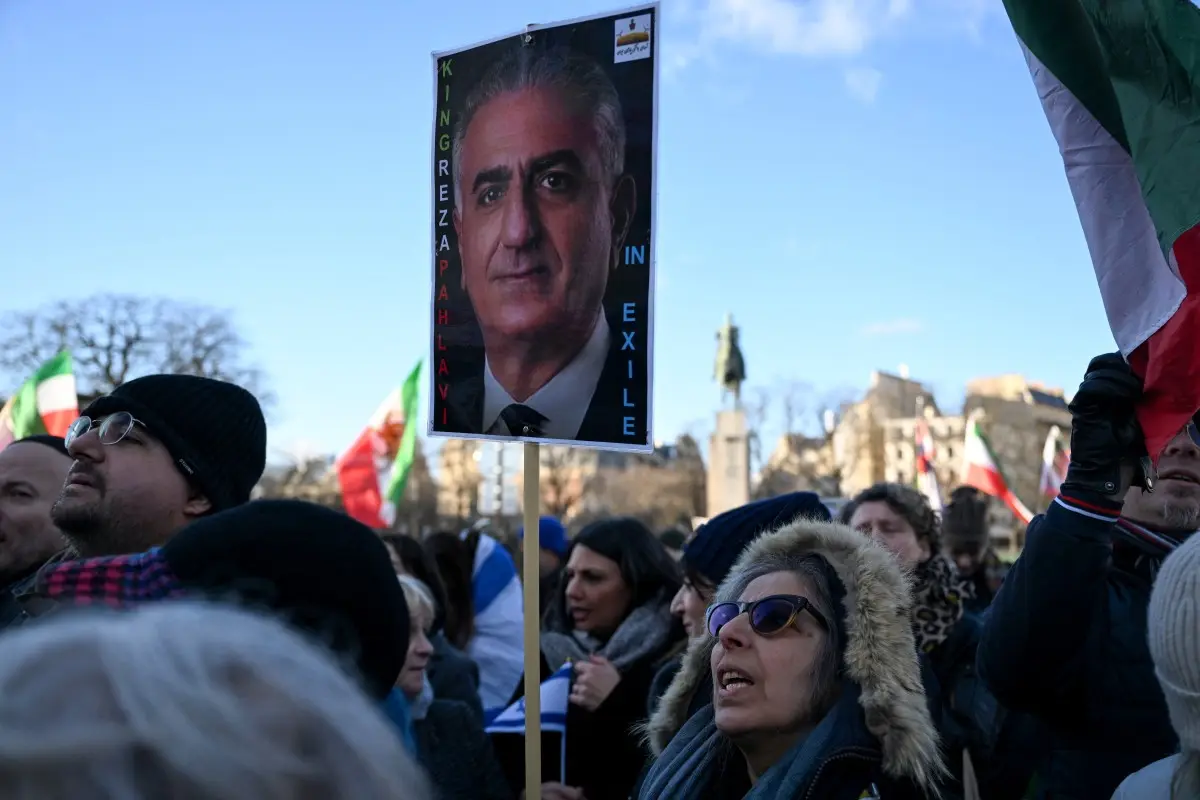
Perhaps the most dangerous aspect of this 47-year-old law is its rigidity regarding succession. With the Supreme Leader aged 86 in 2026, the system is brittle. The opaque nature of the Velayat-e Faqih selection process has fueled panic within the regime and the public alike. Rumours that the leadership might be passed hereditarily or to a deeply unpopular hardliner have accelerated the revolution. The law provides no transparent mechanism for a transition that satisfies the public will, making the death or incapacitation of the Leader a potential trigger for total state collapse rather than an orderly transfer of power.
)
)
)
)
)