USS Gerald R Ford vs USS Abraham Lincoln: Which is more powerful? US' largest aircraft carriers compared

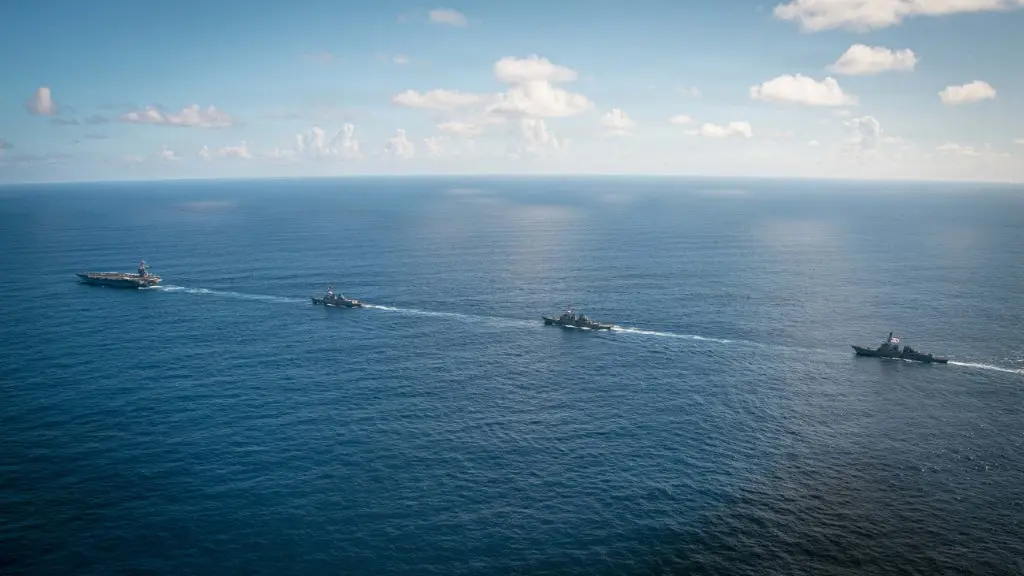
After the USS Abraham Lincoln, the US is sending USS Gerald R. Ford to the Middle East amid tensions with Iran, according to US media outlets. Citing US officials' sources, the New York Times also confirmed that ships will be sent to the Middle East from the Caribbean.
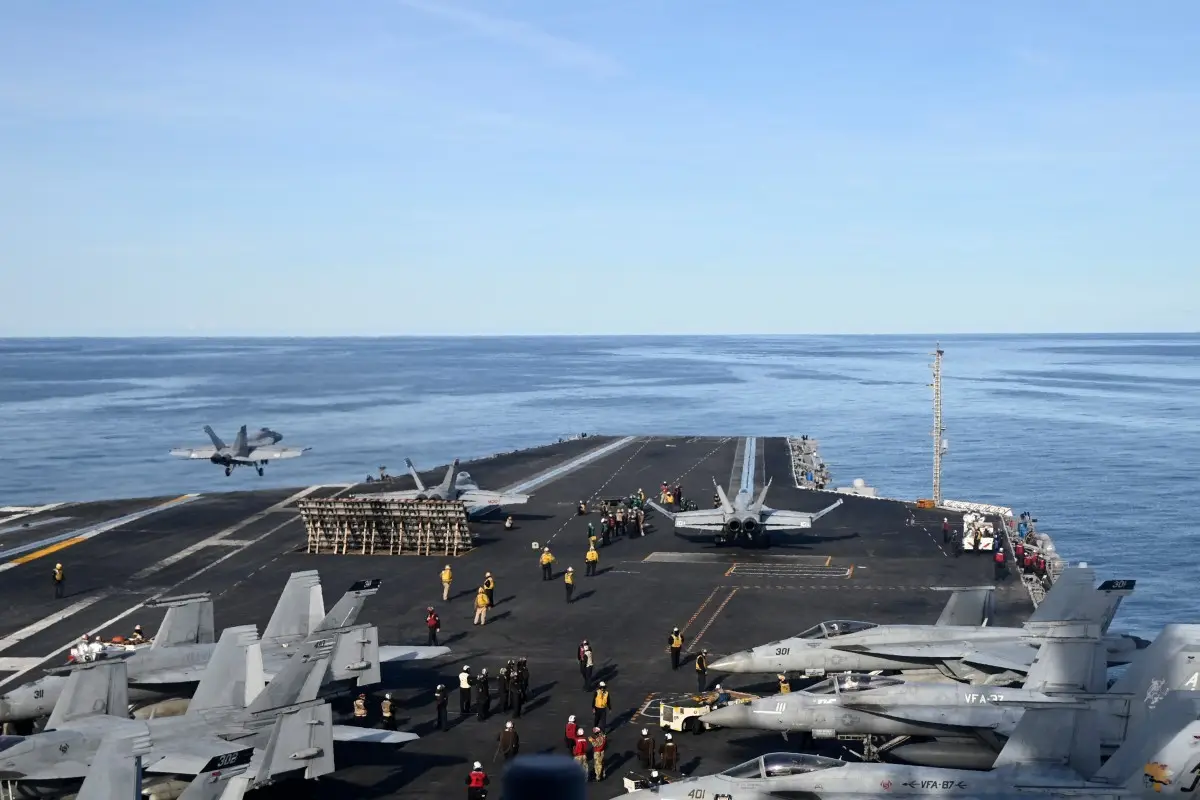
About USS Gerald R. Ford (CVN 78)
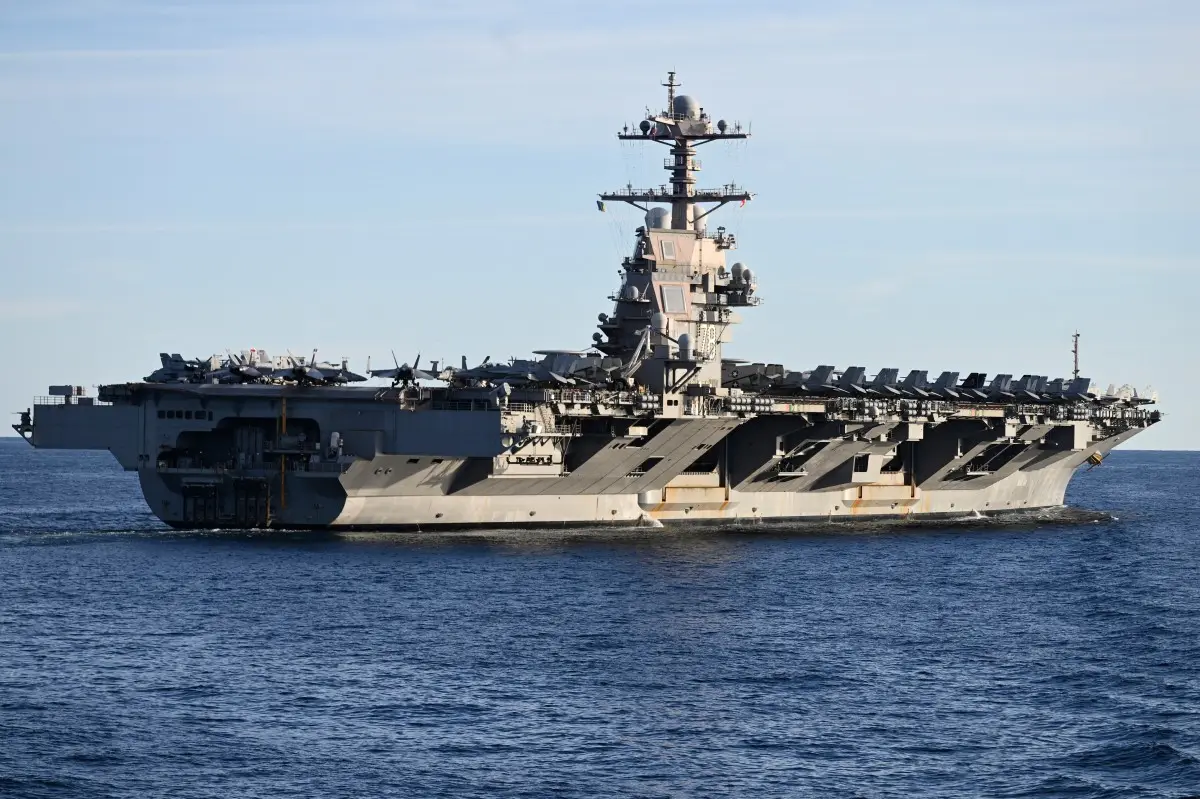
The USS Gerald R. Ford (CVN 78) is the newest and most advanced nuclear-powered aircraft carrier of the United States. It marks the largest warship in the world ever constructed. In terms of specifications, Ford represents the pinnacle of American naval engineering, designed with cutting-edge technology, electromagnetic launch systems, and advanced radar to project immense air power and maritime dominance globally.
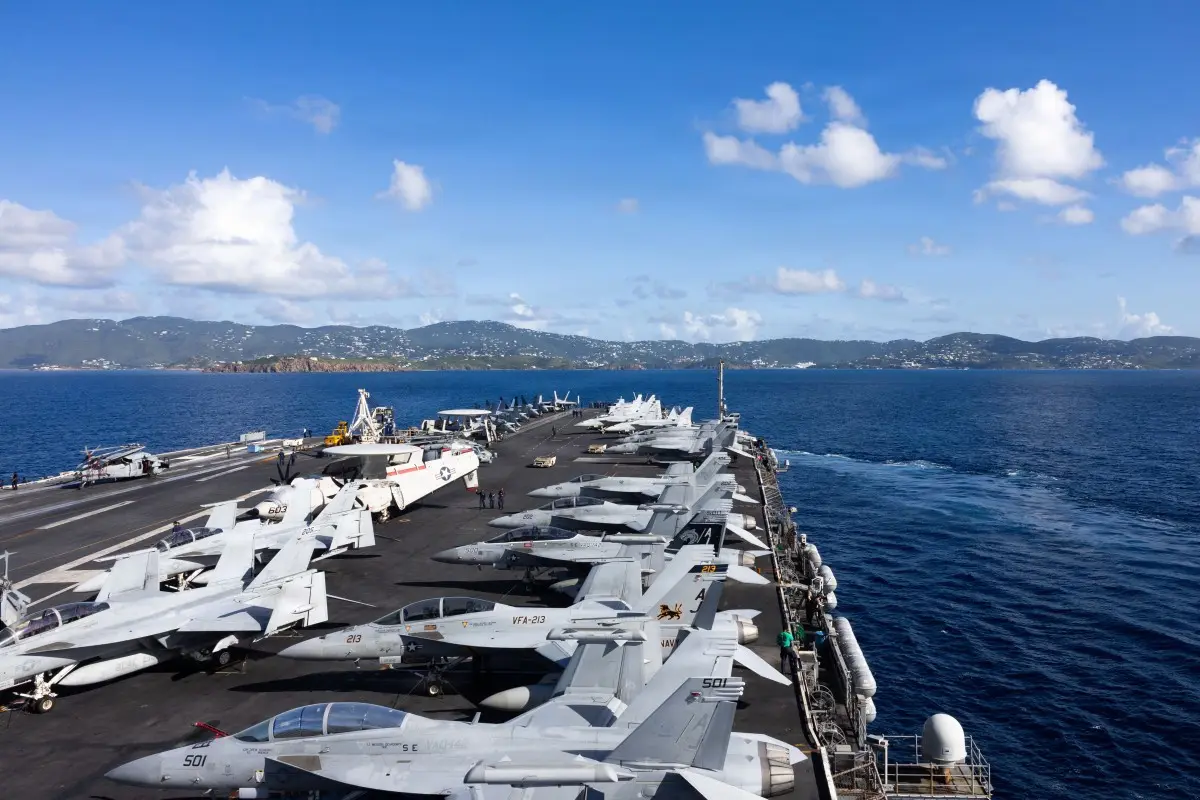
Displacement and Size
If compared with the USS Abraham Lincoln, then the USS Gerald R. Ford (CVN‑78) displaces nearly 100,000 long tons full load, slightly heavier than Abraham Lincoln’s (CVN‑72) 97,000 tons. Both measure 1,092 ft long and 252–256 ft wide flight decks, but Ford’s wider deck and higher freeboard improve aircraft ops in rough seas.
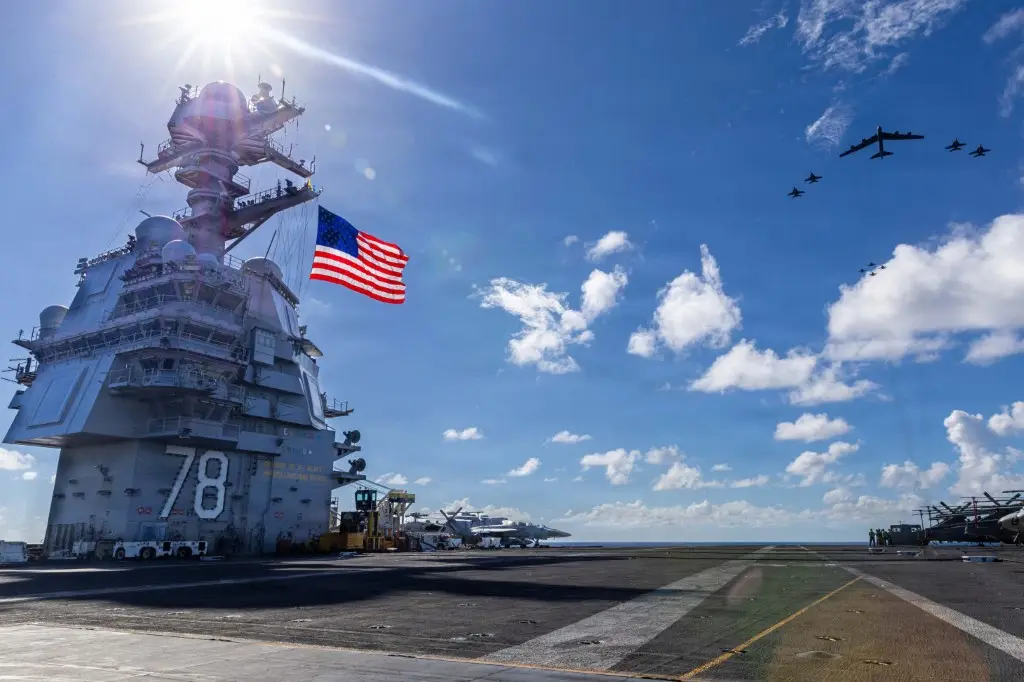
Propulsion Power
USS Gerald R. Ford's two A1B reactors generate 700 MW thermal (25 per cent more efficient), driving four shafts at 30+ knots unlimited range. Whereas USS Abraham Lincoln's two A4W reactors produce nearly 260,000 shp via steam turbines. Ford cuts crew by 25 per cent with electric drives.
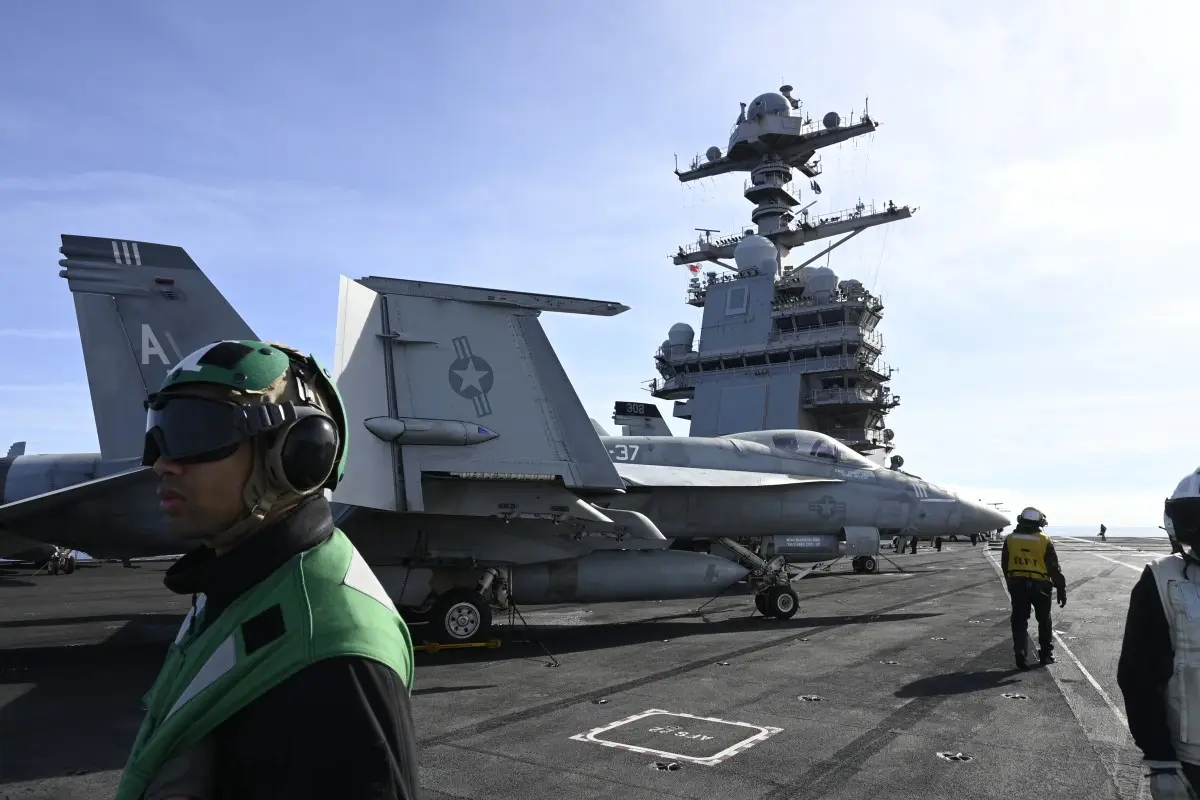
Launch Technology
Ford pioneers EMALS (electromagnetic catapults) launching heavier F‑35Cs (31 tons) precisely vs. Lincoln’s steam catapults (limited to ~30 tons). EMALS enables 160 sorties/day (33 per cent more) with less wear, boosting surge capacity to 270/day.
Aircraft Capacity
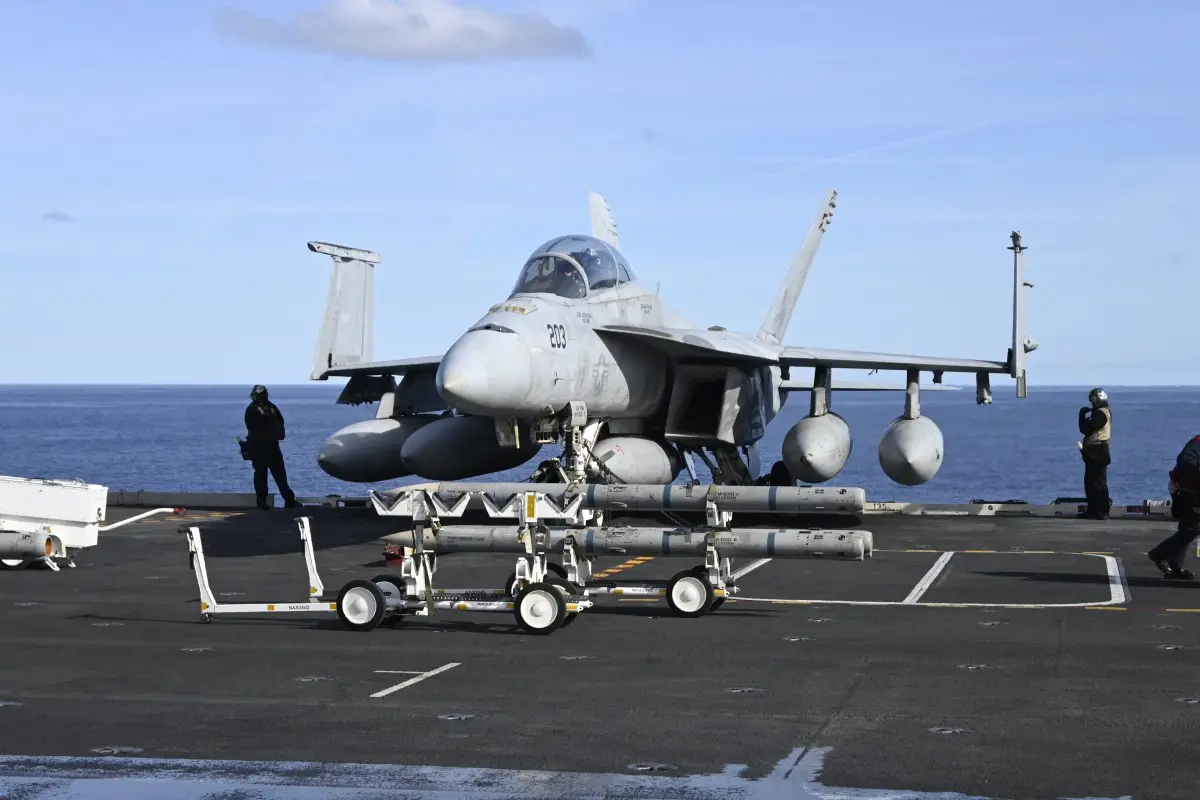
The best part of the USS Abraham Lincoln and the USS Gerald R. Ford is that both support 75–90 aircraft (F/A‑18, F‑35C, EA‑18G, E‑2D, MH‑60). Ford optimises with dual‑band radar and flexible hangars for UAVs/drones, while Lincoln relies on the proven Nimitz layout. Ford’s automation allows for more unmanned systems.
Radar and Sensors
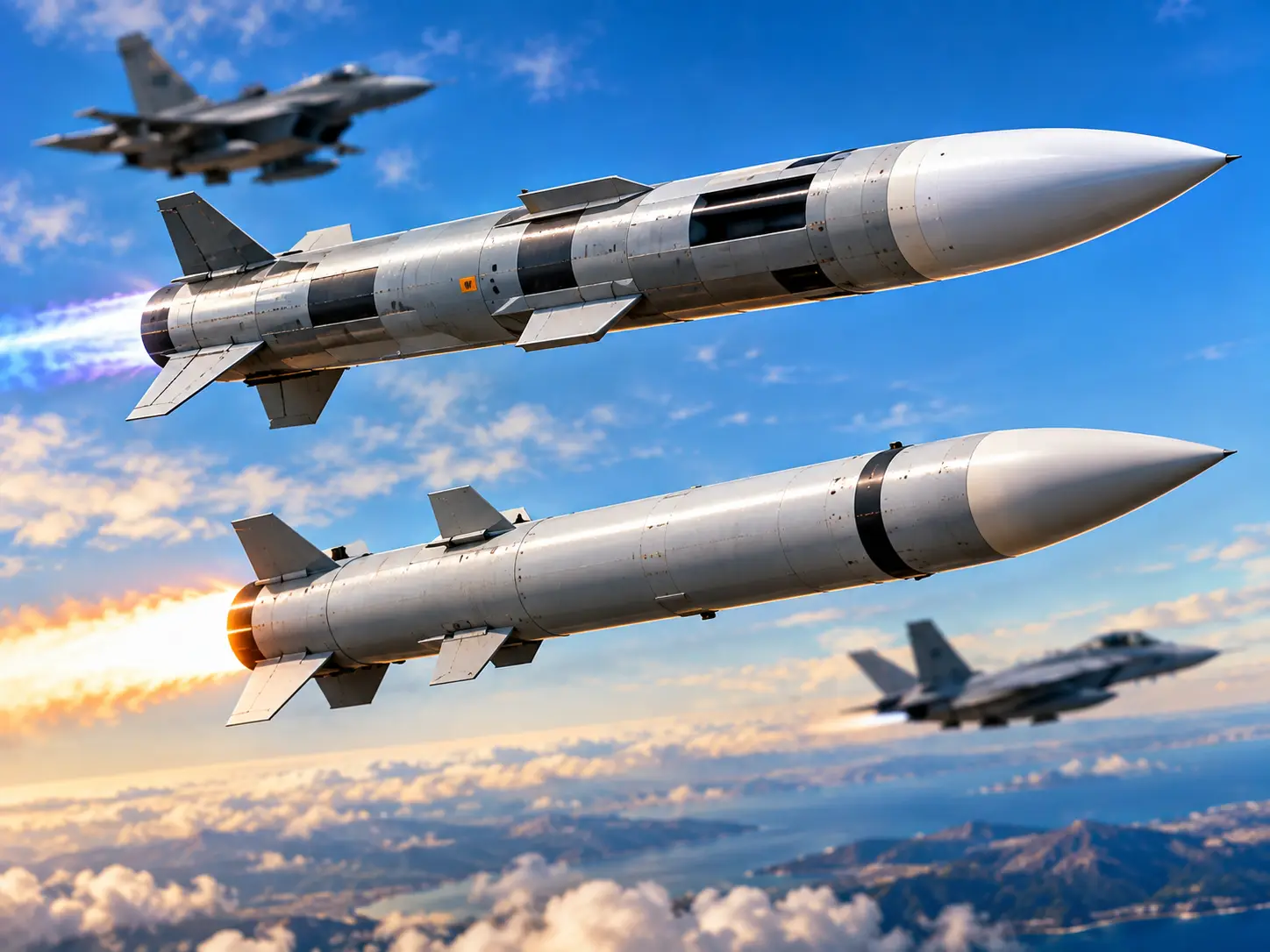
In terms of radar and sensor technology, Ford’s AN/SPY‑6(V)1 dual‑band radar detects stealth threats at 200+ nm with 30x sensitivity over Lincoln’s SPY‑1/SPY‑6 mix. Integrated SSDS Mk2 handles hypersonic/A2/AD threats better.
Crew and Automation
USS Gerald R. Ford, which contains nearly 4,539 crew (500 fewer than Lincoln’s 5,000+) uses automation for weapons elevators, damage control and admin. Reduced manpower lowers costs (approximately $4B lifecycle savings) and fatigue.
)
)
)
)
)