USS Gerald R. Ford’s 300+ day deployment nearing end: Which US warship holds the longest record?

The arrival of USS George HW Bush meant three US carriers were deployed in the Middle East, alongside USS Abraham Lincoln, for the first time since 2003, during a fragile ceasefire in the Iran war.
A record-setting mission concludes
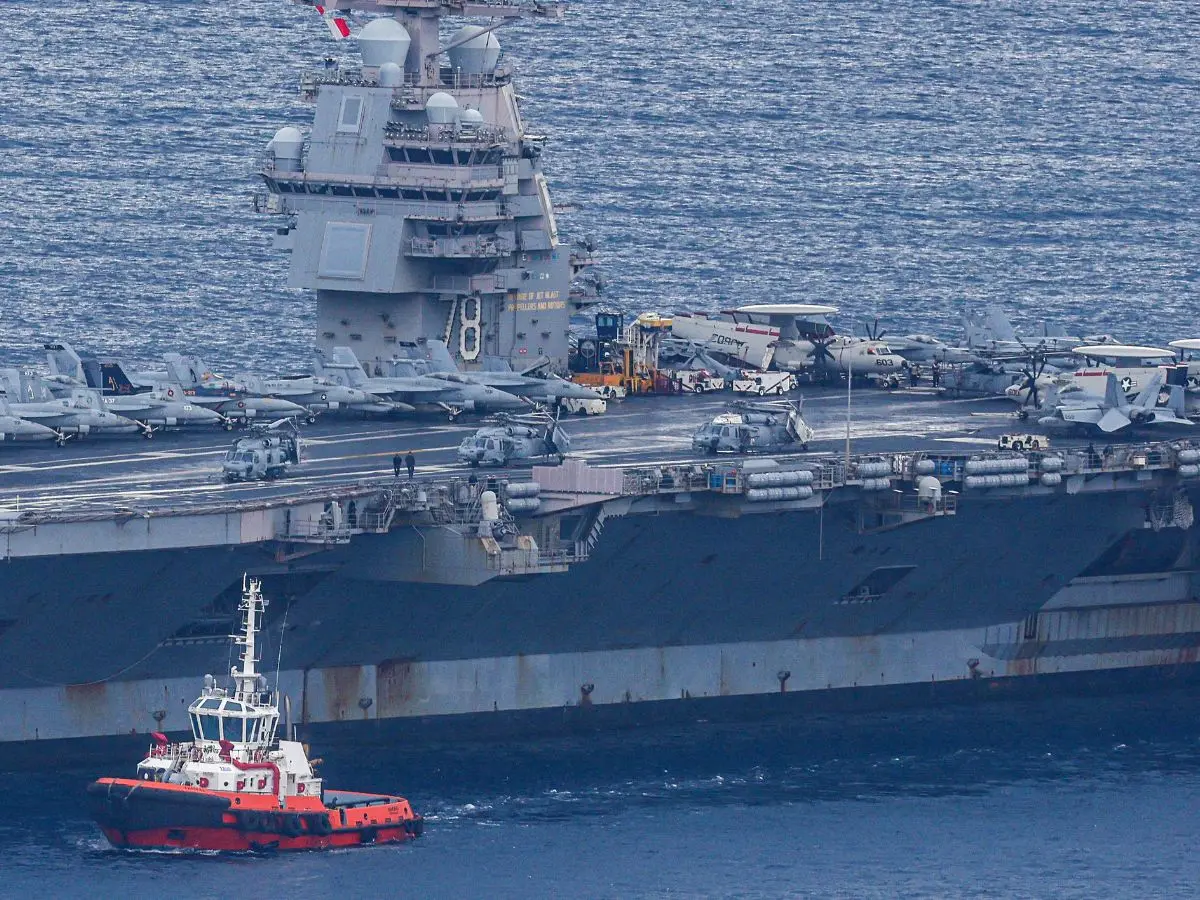
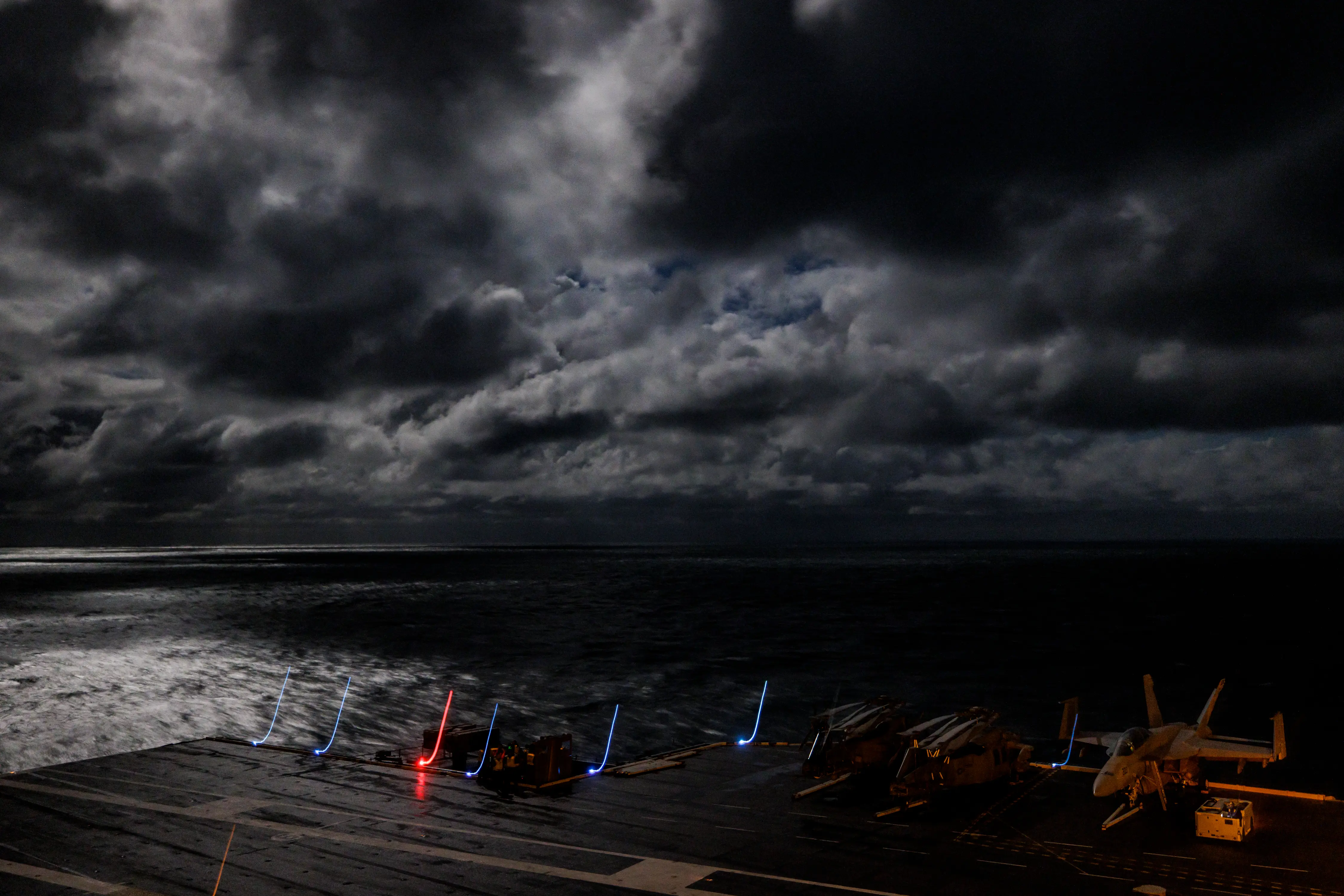
The USS Gerald R. Ford, the world’s largest nuclear-powered aircraft carrier, is set to return home after a deployment of more than 300 days. US officials said the vessel, which took part in operations in the Iran war and the capture of Venezuelan leader Nicolás Maduro, will leave the Middle East shortly and arrive in Virginia by mid-May.
Scale and capability of the carrier
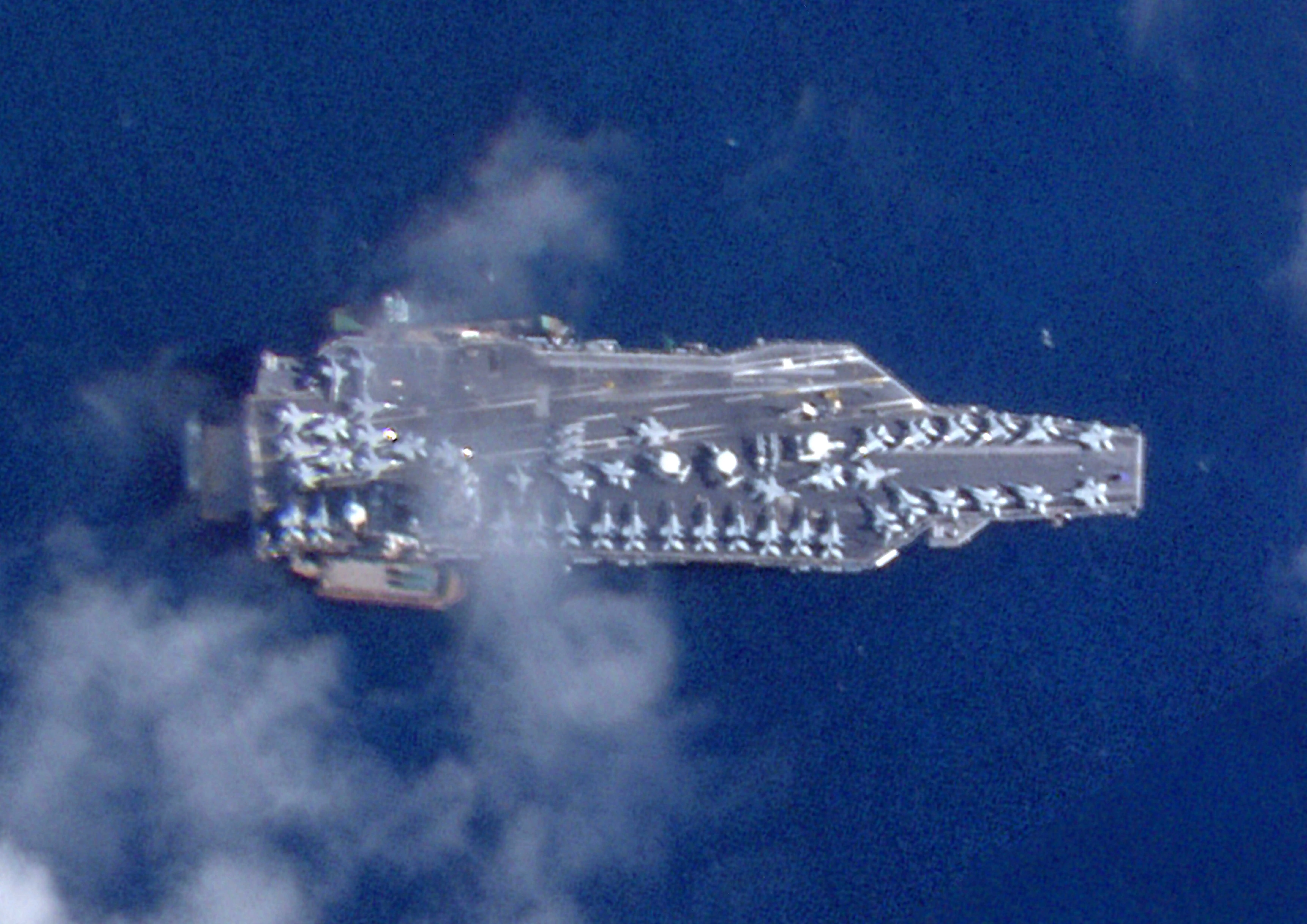
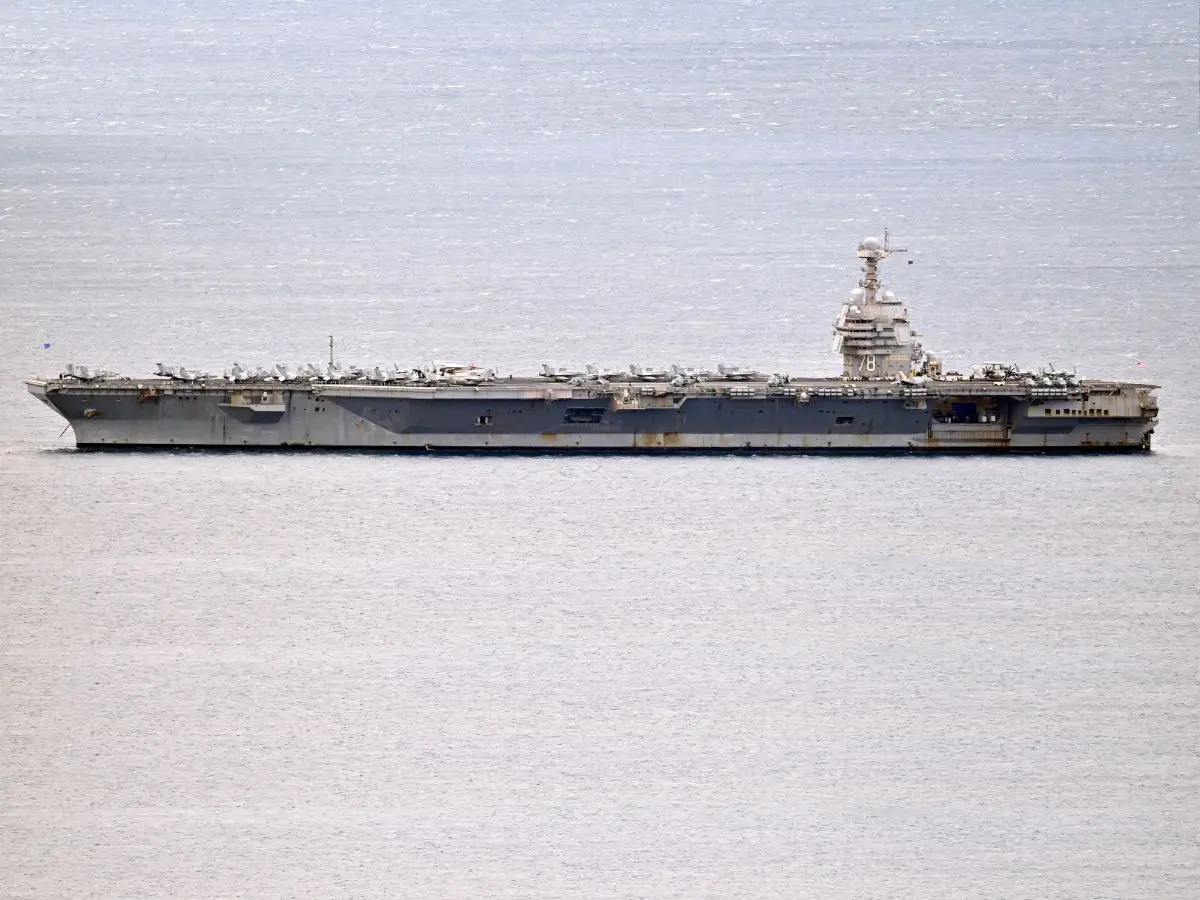
Weighing around 100,000 tonnes and stretching 1,106 feet, roughly the length of three football fields, the Ford is powered by two nuclear reactors. Its size and endurance allow it to sustain extended operations, underscoring its central role in recent US naval deployments.
A rare concentration of naval power
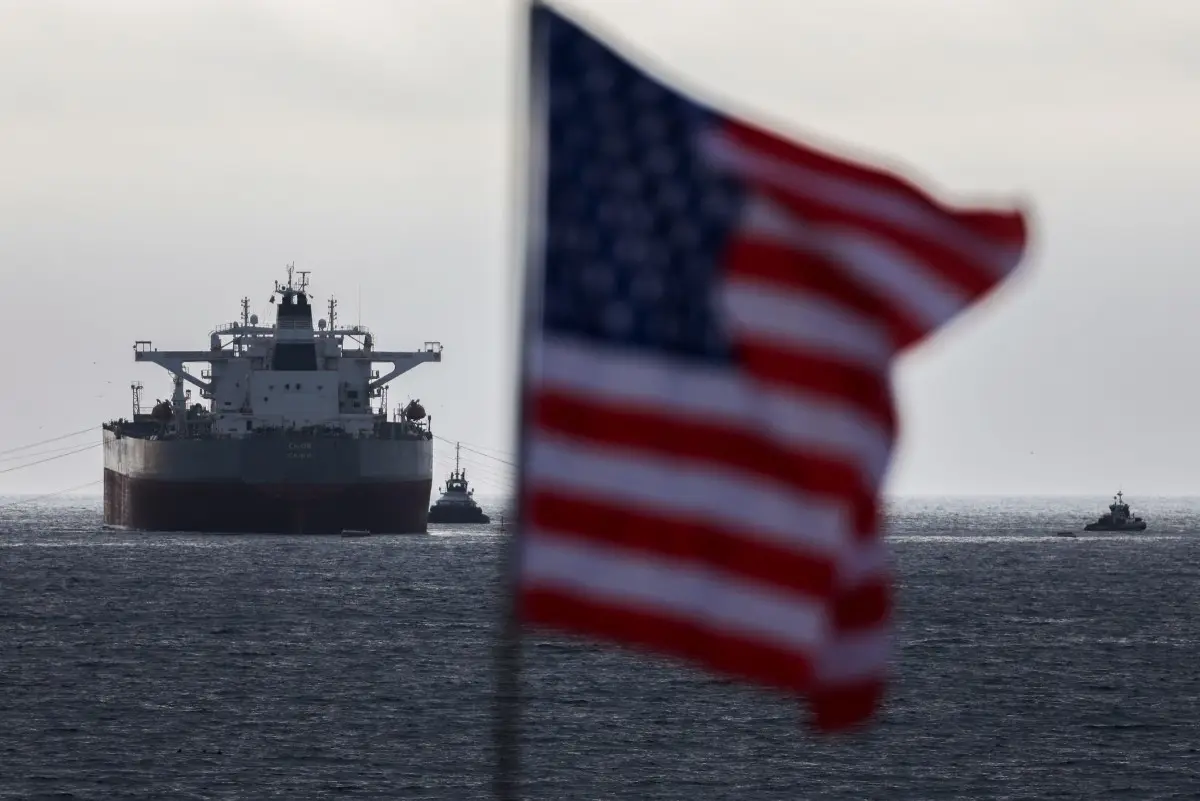
The Ford’s mission coincided with a significant US naval presence in the region. The arrival of USS George HW Bush meant three US carriers were deployed in the Middle East, alongside USS Abraham Lincoln, for the first time since 2003, during a fragile ceasefire in the Iran war.
Breaking modern deployment records
The carrier’s 295 days at sea surpassed the previous post-Vietnam benchmark of 294 days set by the Lincoln in 2020. The deployment, which began from Naval Station Norfolk in June, is now the longest for a US aircraft carrier in the past five decades.
How it compares historically
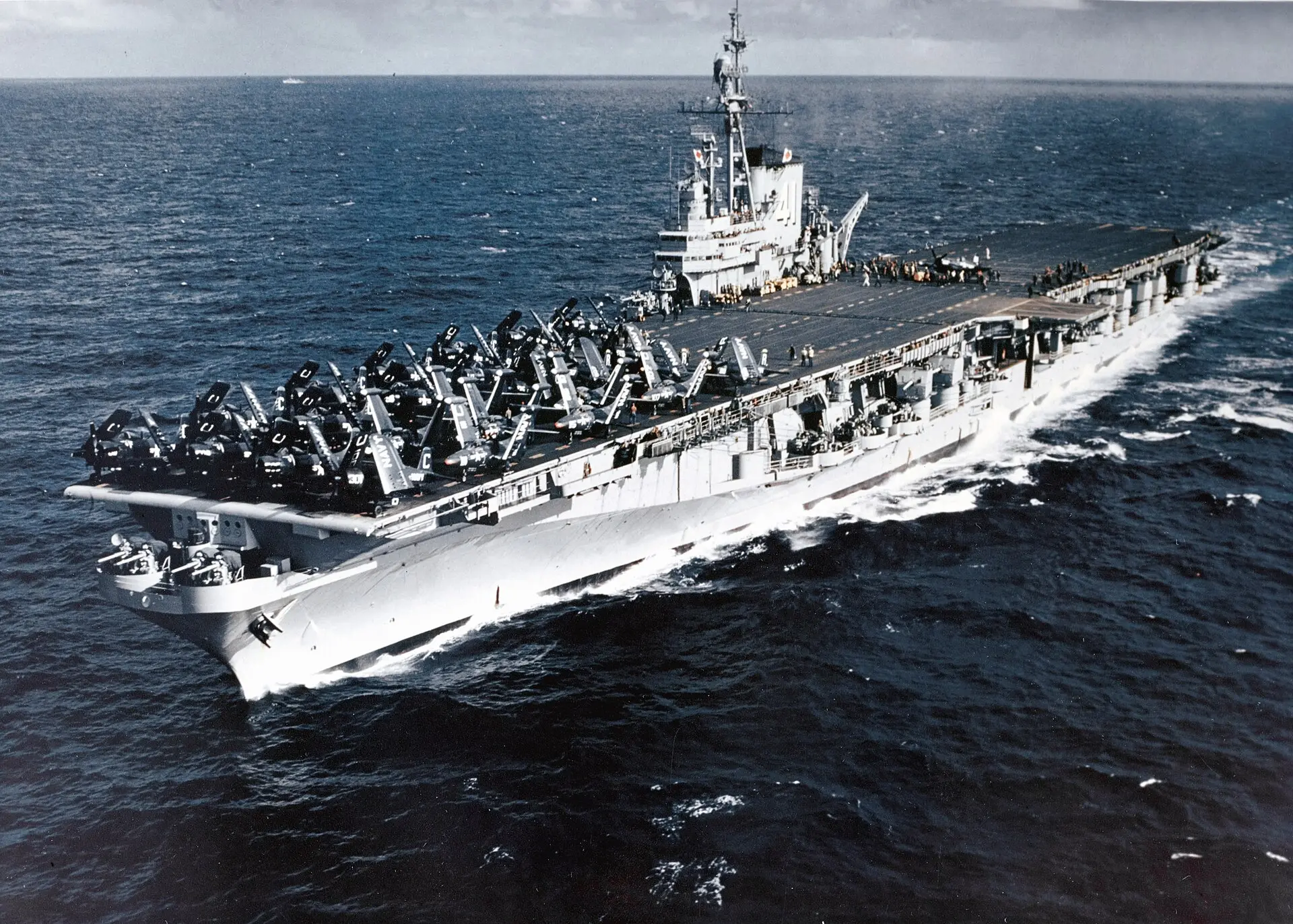
Despite its modern record, the Ford’s deployment falls short of the 332-day record set by USS Midway during 1972–73. Meanwhile, the crew of USS Nimitz spent 341 days away from home during 2020–21, though that included time ashore under COVID-19 restrictions.
The legacy of USS Midway
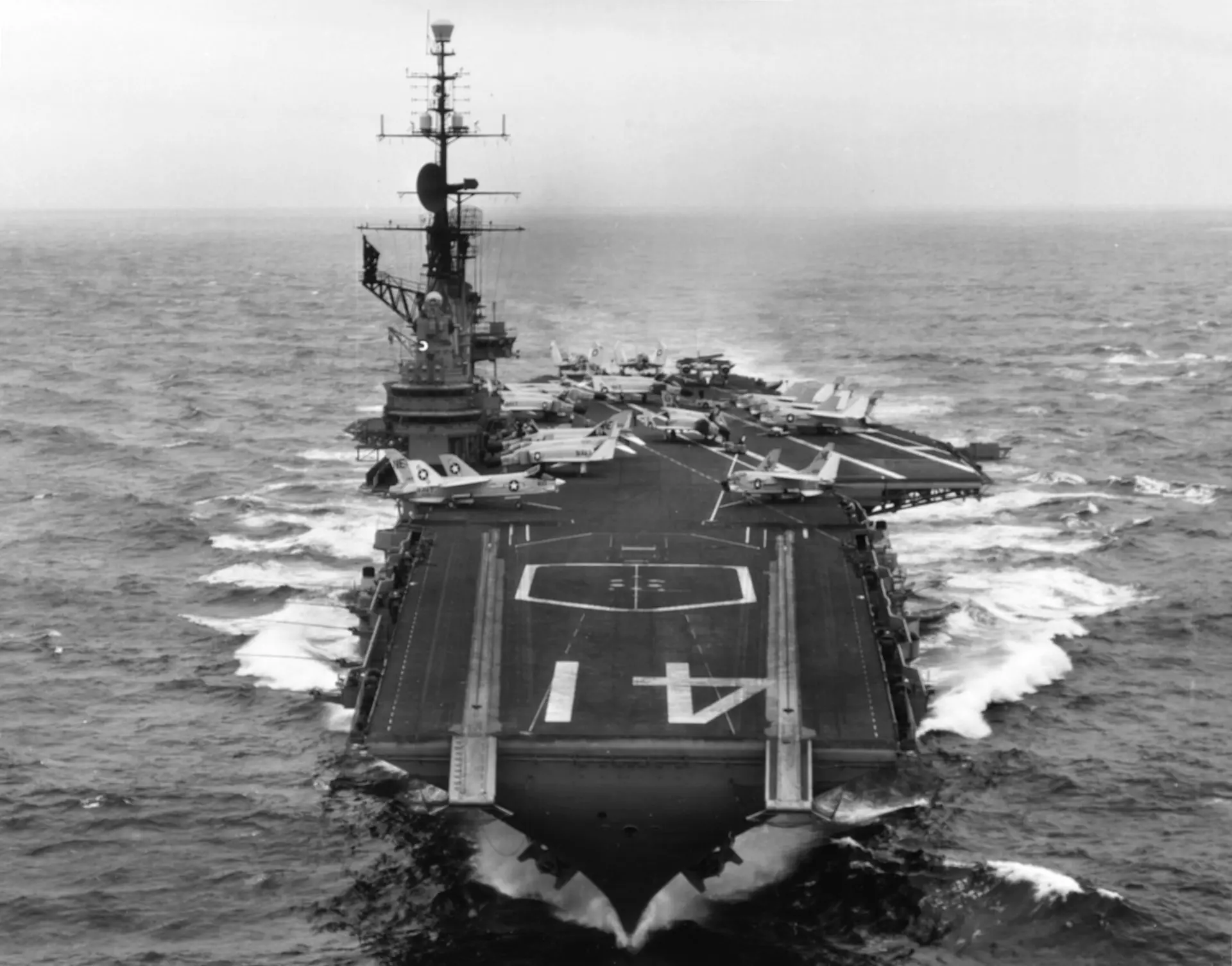
Commissioned in 1945, the Midway became one of the most influential carriers of the 20th century. Named after the Battle of Midway, it pioneered operations from sub-Arctic missions to early missile and nuclear capability trials, and later recorded the final MiG shootdown of the Vietnam War, cementing its place in naval history.
Innovation and influence beyond deployment
Beyond its record, the Midway helped shape modern naval warfare. It conducted early sub-Arctic operations, launched a captured V-2 rocket in 1947, and demonstrated carrier-based nuclear strike capability. These milestones marked key shifts in naval aviation and missile warfare, reinforcing its historical significance well beyond its deployment record.
)
)
)
)
)