USS Gerald R. Ford in Greece amid Iran-US tensions: How soon could it reach USS Abraham Lincoln in a potential strike posture?

Meanwhile, the next round of US–Iran nuclear talks is scheduled for Thursday, February 26, in Geneva, a date confirmed by the Omani foreign minister, with Oman serving as mediator in previous discussions between the two countries.
Arrival at Souda Bay
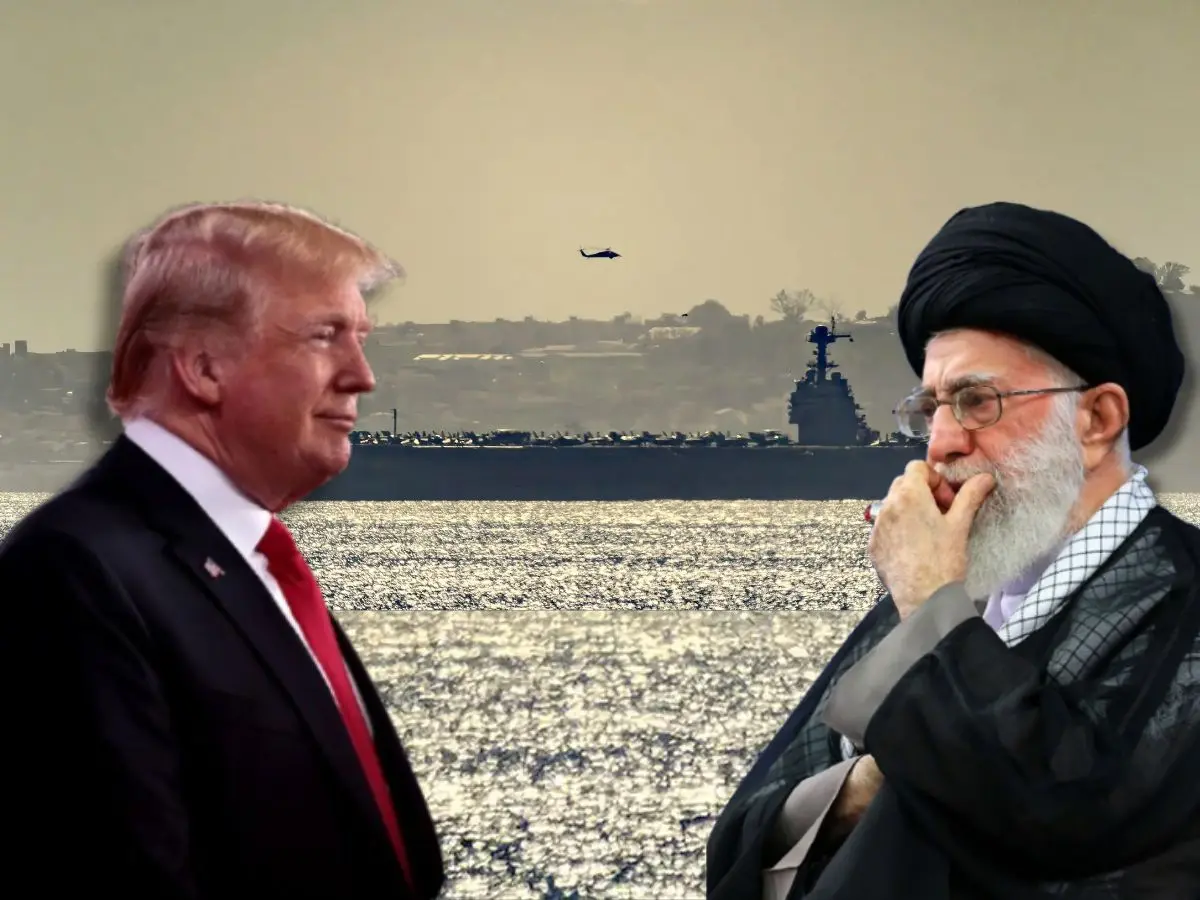
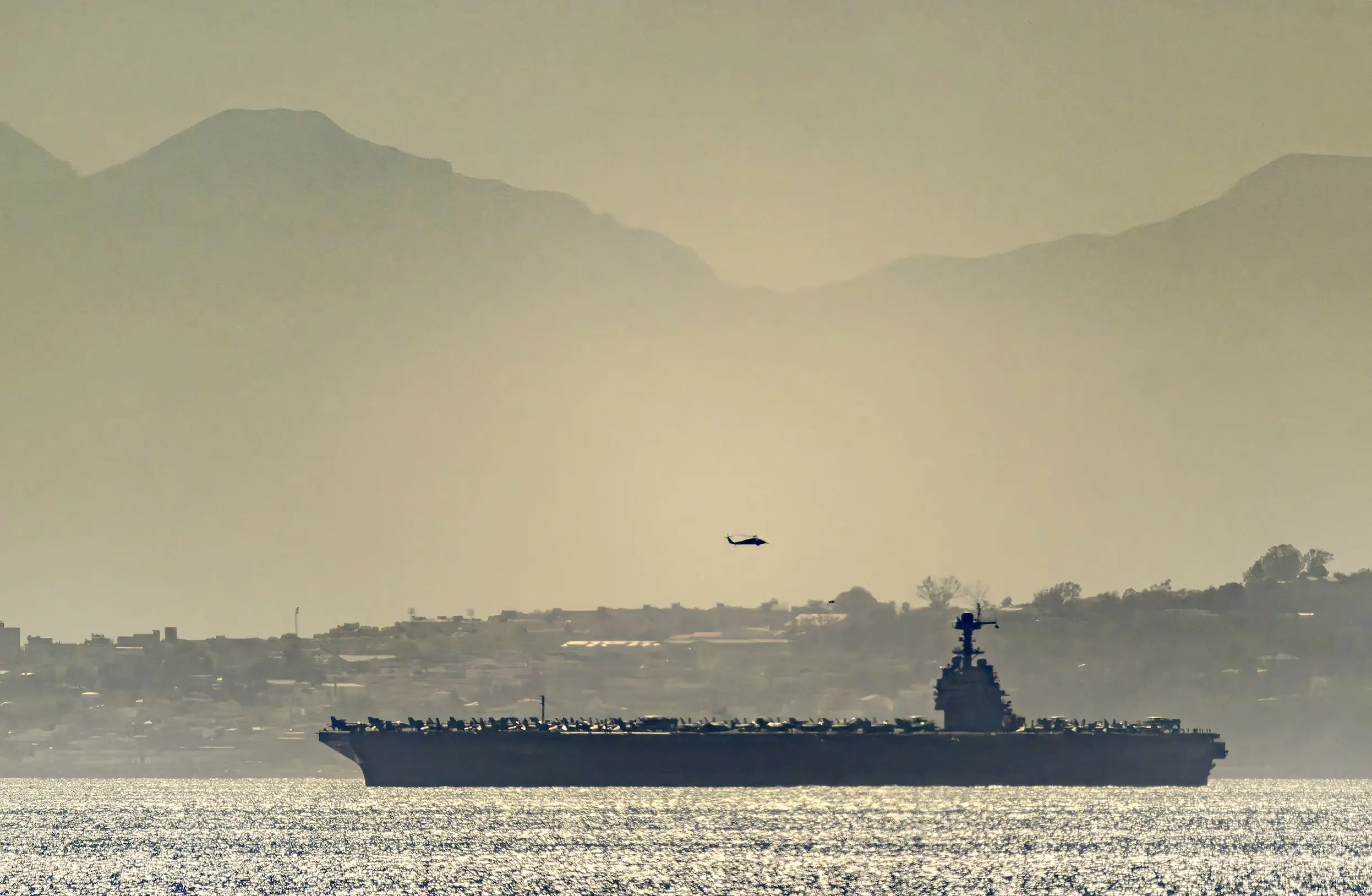
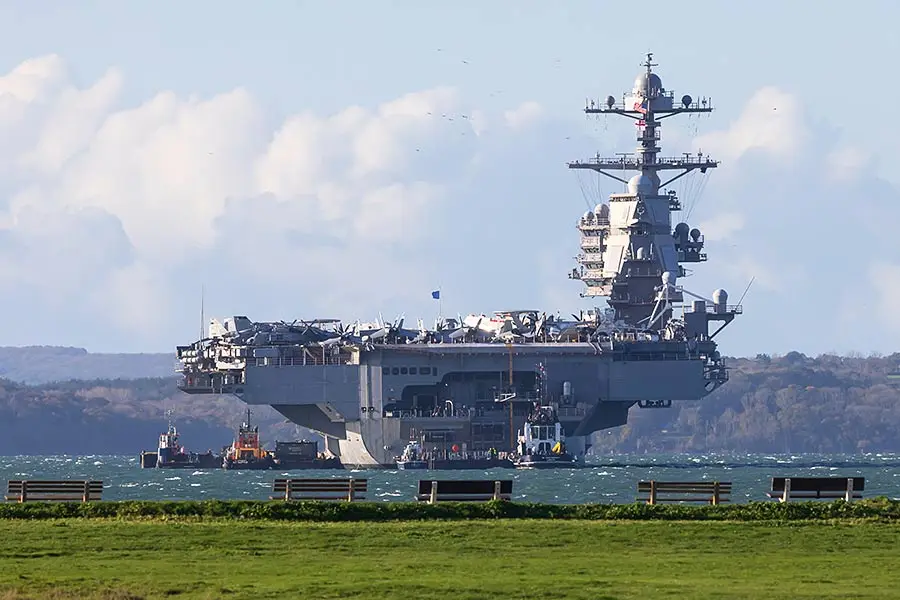
The US Navy’s largest aircraft carrier, the USS Gerald R. Ford (CVN‑78), has arrived at Souda Bay on the Greek island of Crete, according to Reuters imagery and footage showing the supercarrier docked at the deep‑water port on Monday, likely for refuelling and logistical support. The warship is en-route to join USS Abhraham Lincoln in the Middle East amid growing US-Iran tensions.
Strategic Context
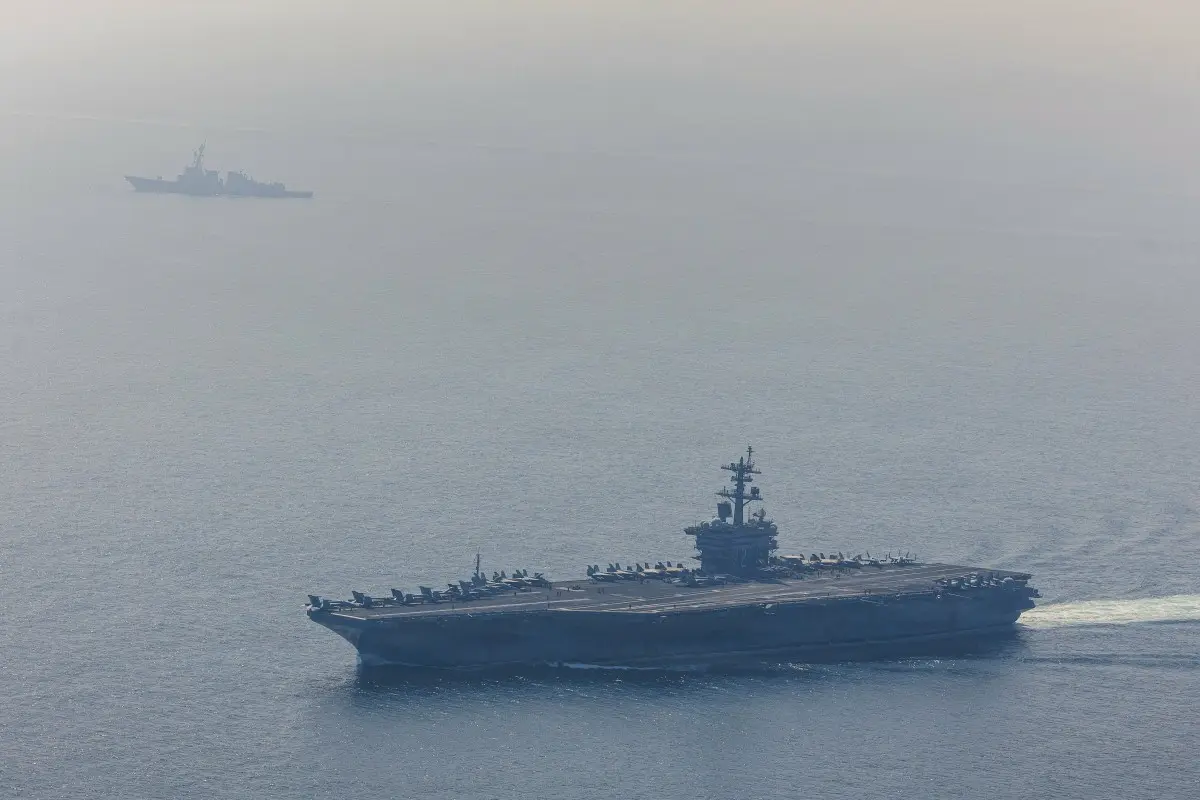
The deployment of the USS Gerald R. Ford comes amid rising military tensions between the United States and Iran, as Washington continues to amass forces in the Middle East. US President Donald Trump ordered the carrier strike group east earlier this month while considering potential military options regarding Tehran’s disputed nuclear programme. Meanwhile, the next round of US–Iran nuclear talks is scheduled for Thursday, February 26, in Geneva, a date confirmed by the Omani foreign minister, with Oman serving as mediator in previous discussions between the two countries.
Carrier Capabilities and Composition
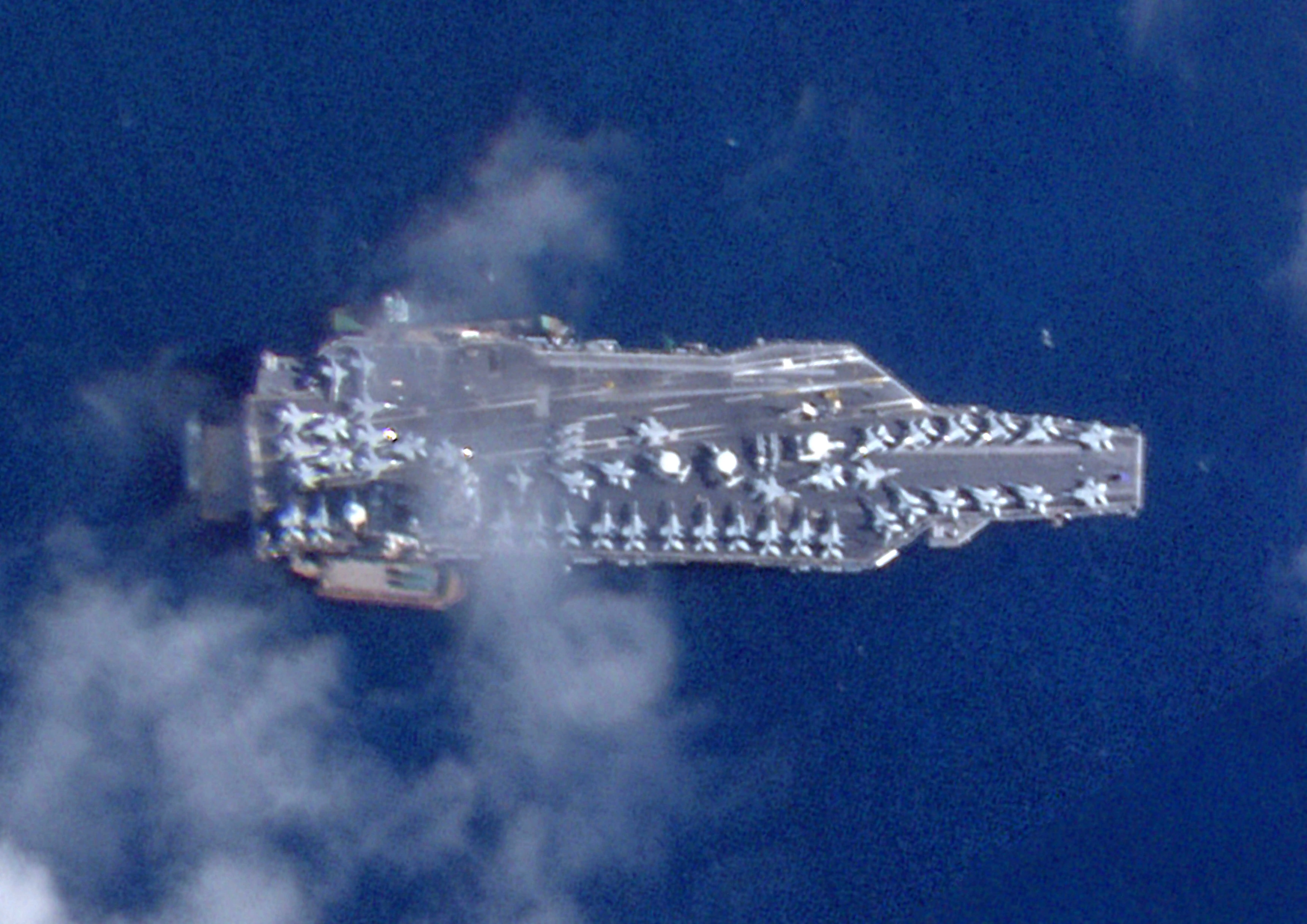
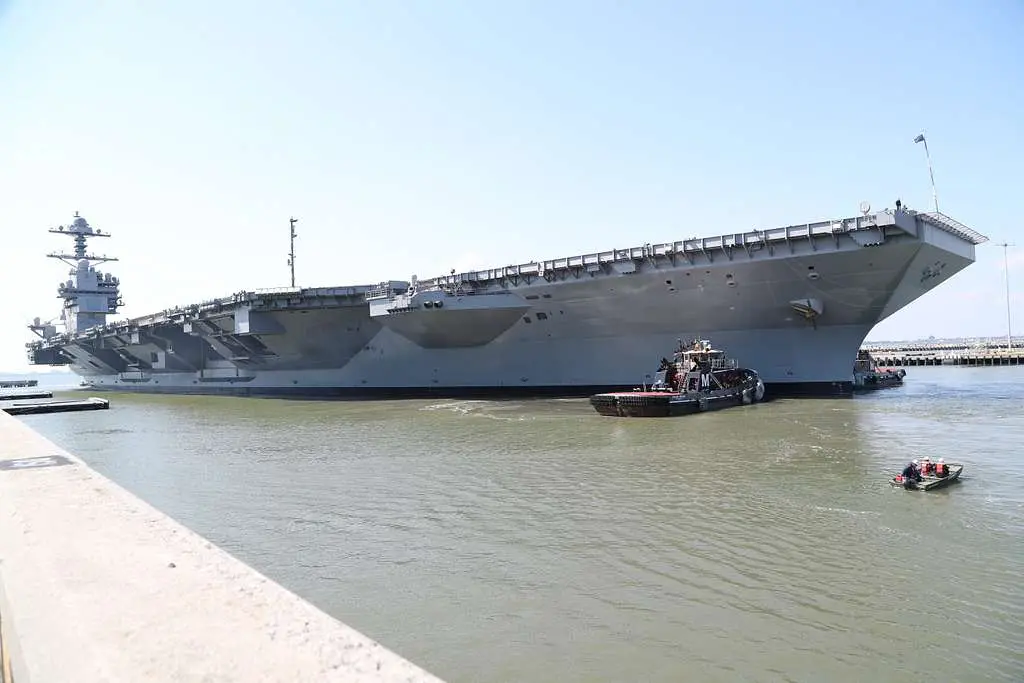
USS Gerald R. Ford is the world’s largest and most advanced aircraft carrier, equipped with an Electromagnetic Aircraft Launch System (EMALS) and able to support an embarked air wing of around 60–75 aircraft, including F/A‑18 Super Hornets, F‑35C Joint Strike Fighters, EA‑18G Growler electronic warfare jets, and E‑2D Hawkeye early warning aircraft.
Two‑Carrier Presence in the Region
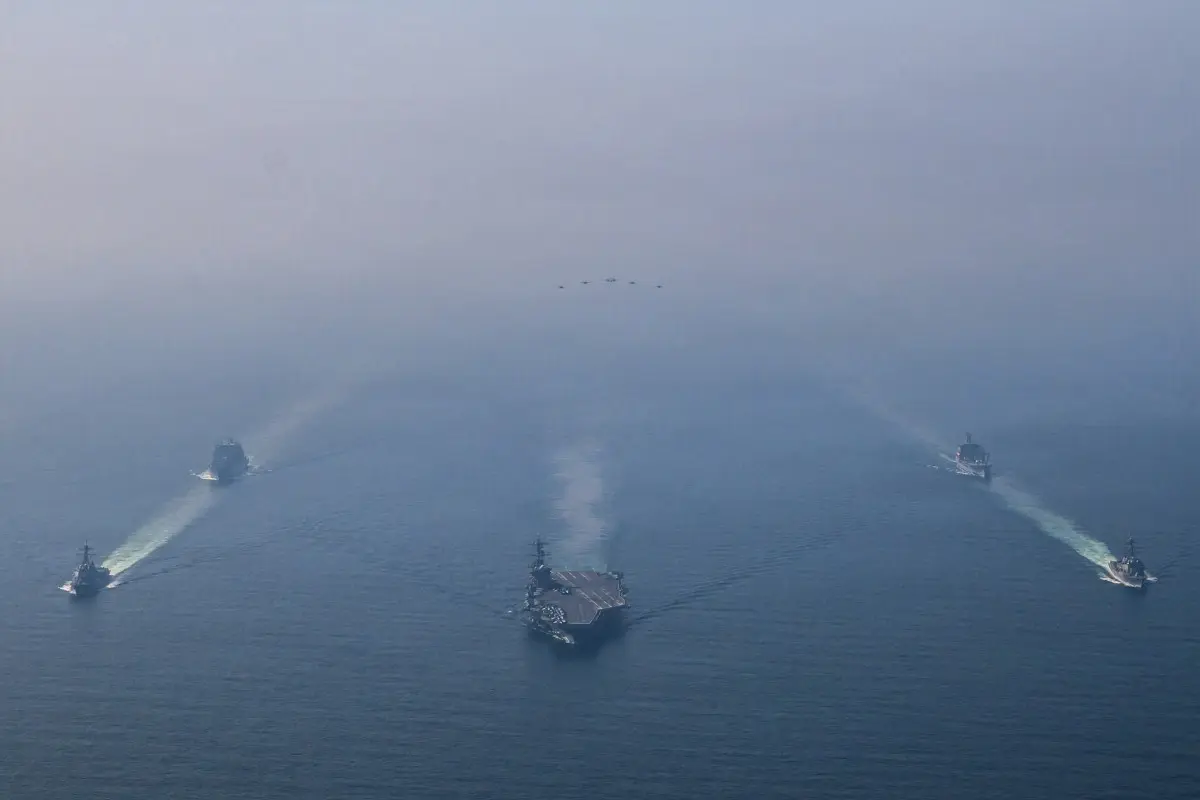
The USS Abraham Lincoln (CVN‑72) carrier strike group is already operating in the Arabian Sea and Gulf region, having been redeployed there in January amid escalating tensions with Iran. The convergence of two nuclear‑powered carriers in one theatre would create a significant American naval presence.
Transit Time Considerations
Although the US Navy has not made any official announcements, the USS Gerald R. Ford would typically transit from Souda Bay to the Gulf region via the eastern Mediterranean and the Suez Canal, covering roughly 1,650 nautical miles. At a sustained speed of 30 knots (34.5 mph), the journey would take just over two days, from the start of the transit. Faster or slower speeds could adjust the timeline, depending on operational requirements and mission priorities.
Regional Military Movements
Souda Bay is currently witnessing an increase in US fighter aircraft and support assets, including advanced F‑22 Raptors, F‑35s, and other aircraft. This build‑up forms part of a broader adjustment in American military posture in response to escalating tensions with Tehran. Aviation monitoring accounts report that around a dozen US Air Force F‑22 fighters recently transited through the United Kingdom en route to the Middle East, according to the reports by Greek Reporter.
Operational Implications
The presence of two carrier strike groups, backed by substantial air and support assets, signals an elevated US military posture. While diplomatic talks continue, including efforts to resolve Iran’s nuclear programme, the naval build‑up enhances both deterrence and operational flexibility should further escalation occur.
)
)
)
)
)