USS Abraham Lincoln or USS Gerald Ford: Which is more at Risk?

The USS Abraham Lincoln faces direct Iranian hypersonic missile threats in the Arabian Sea, while the USS Gerald Ford battles severe mechanical fatigue after 241 days deployed at sea.
2 Carriers in Crosshairs
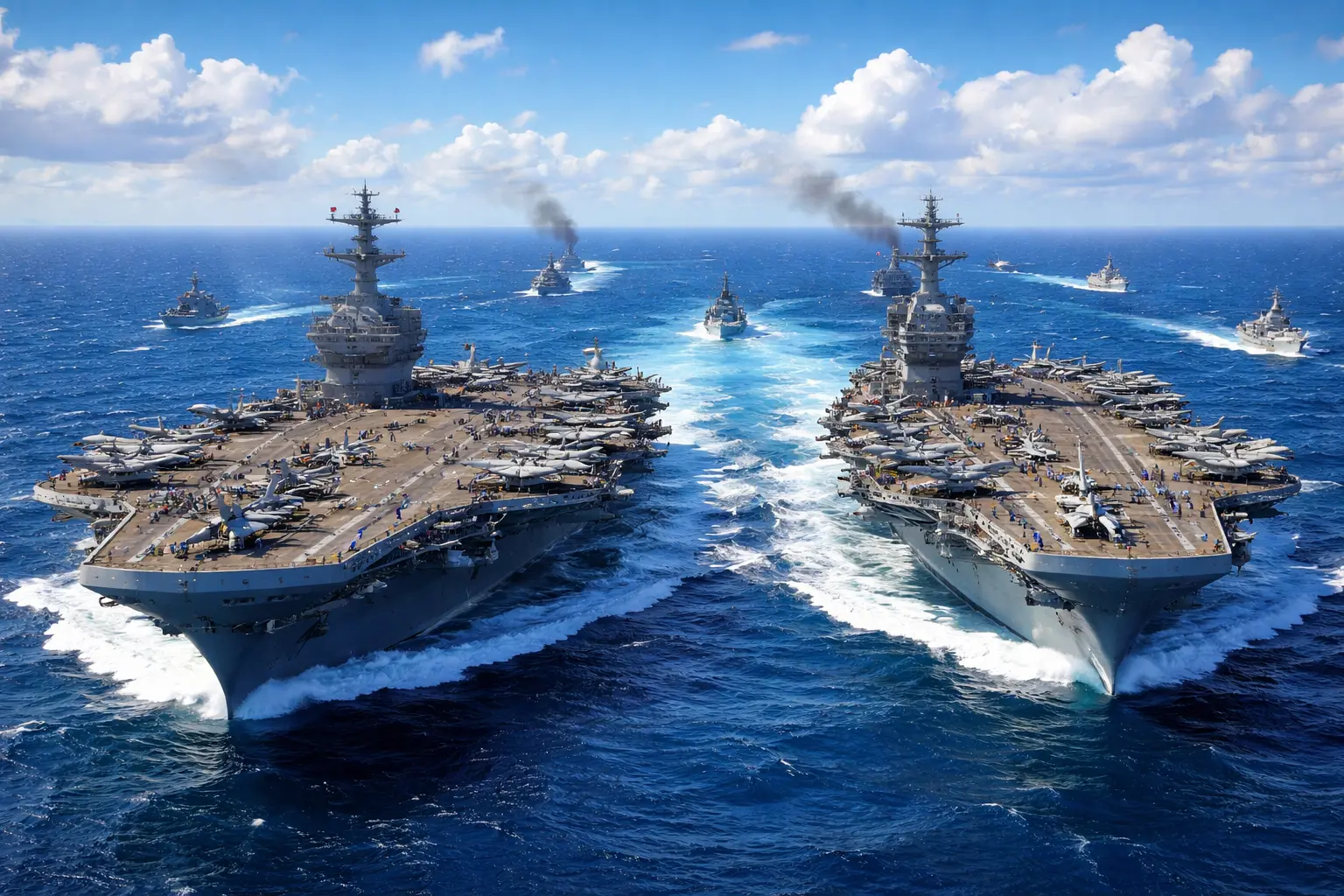
As tensions with Iran escalate, the US Navy has positioned two massive aircraft carriers in the Middle East. The USS Abraham Lincoln is operating in the Arabian Sea, while the USS Gerald R. Ford navigates the Mediterranean. Both face severe and distinct threats from Iranian forces.
5,000 Sailors at Risk
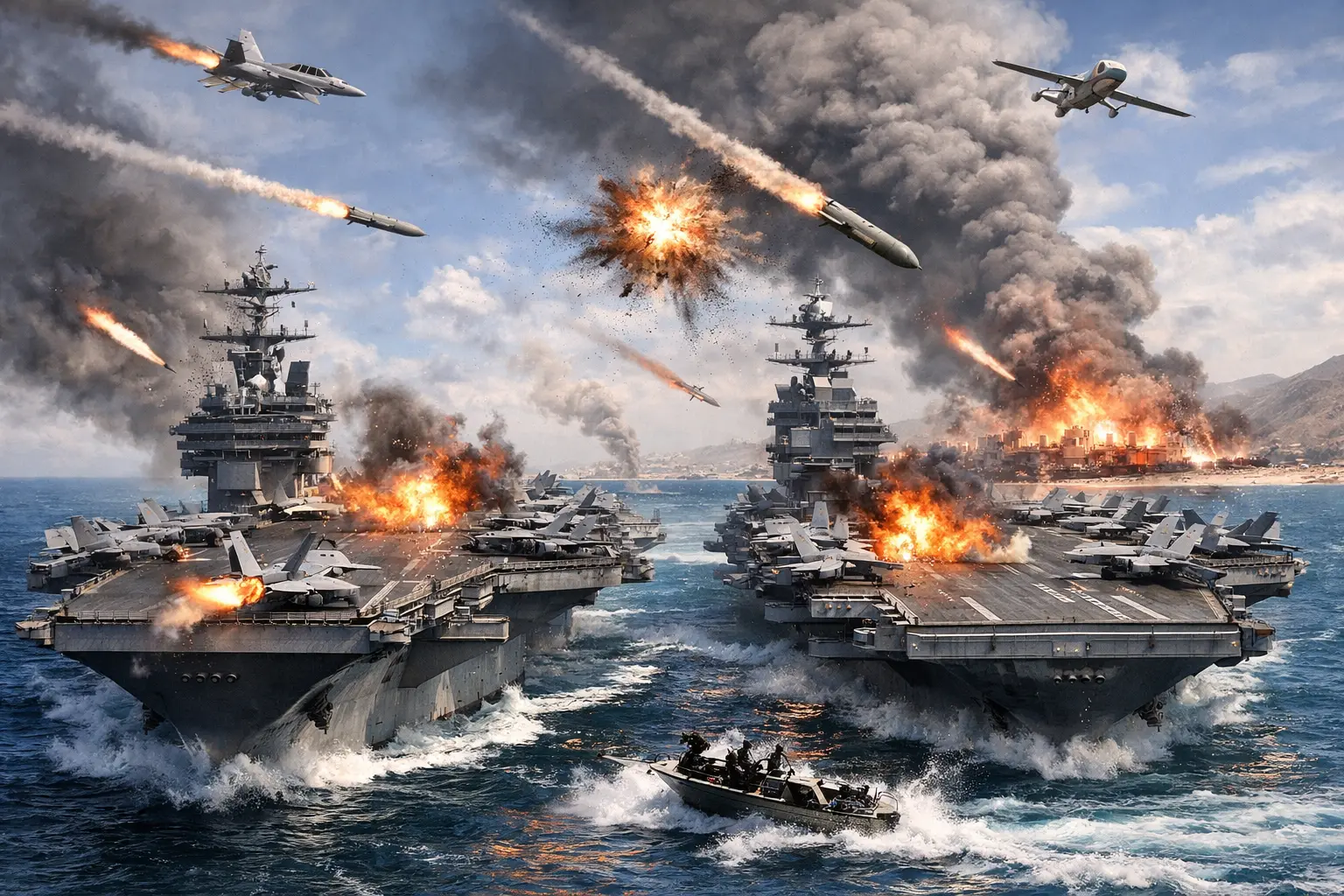
Stationed in the Arabian Sea, the USS Abraham Lincoln operates dangerously close to Iranian shores. This proximity places its 5,000 personnel at direct risk from Tehran's coastal defence systems. It must remain on constant alert against sudden maritime or aerial assaults.
Mach 5 Missile Danger
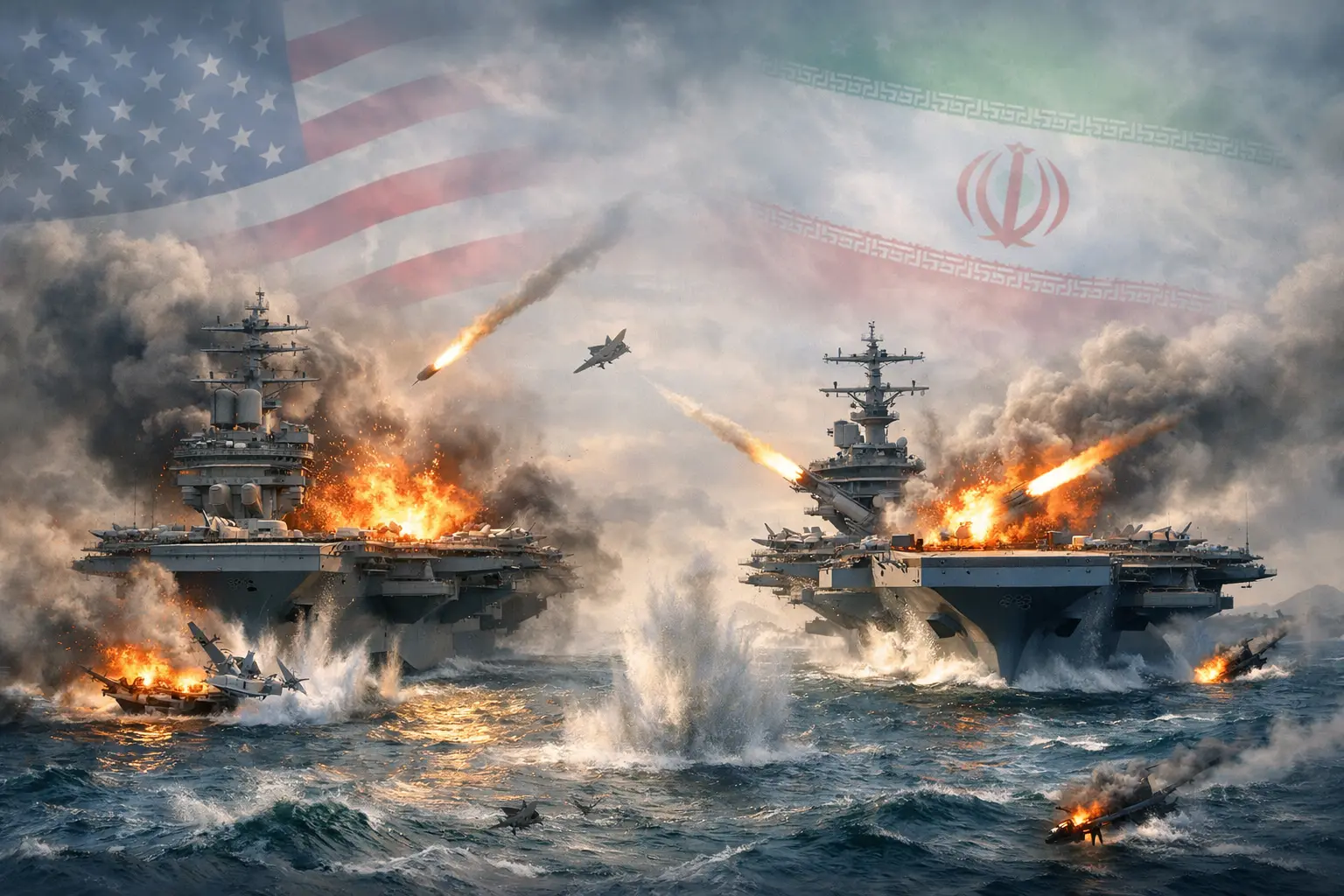
Iran has invested heavily in ballistic missiles, including the Fattah-2 hypersonic glide vehicle. These weapons travel above Mach 5, drastically reducing the response time for US naval defence systems. Tehran has explicitly threatened to use these missiles against the USS Abraham Lincoln.
100,000 Tonnes Targeted
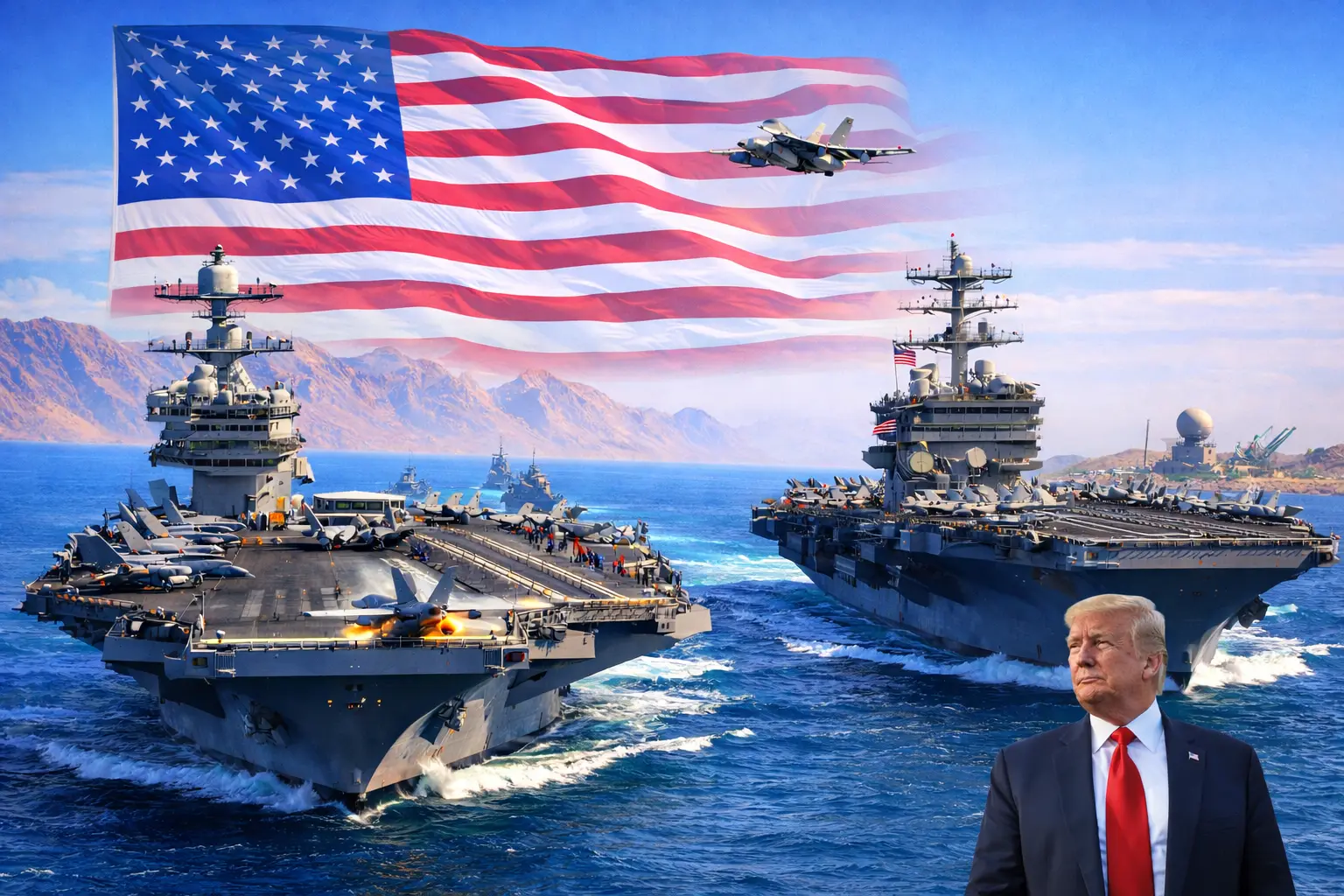
Both 100,000-tonne supercarriers are prime targets for Iran's unconventional swarm warfare strategy. The Islamic Revolutionary Guard Corps plans to overwhelm US defences using coordinated attacks with Shahed-139 drones. A successful drone swarm could cripple the carriers' flight decks.
241 Days at Sea
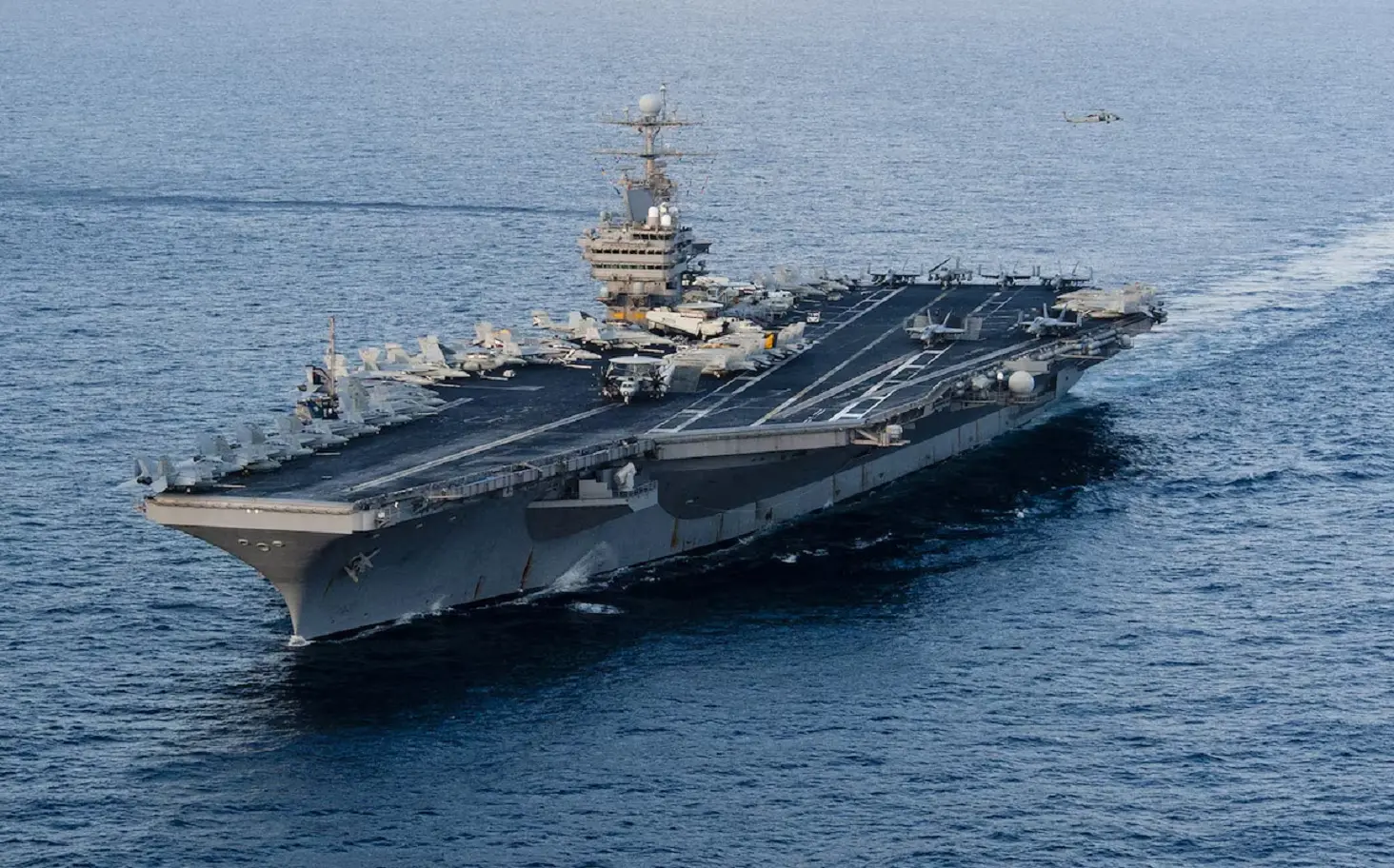
The USS Gerald R. Ford faces severe internal risks due to a massive operational strain. With a deployment exceeding 241 days, the warship is battling extreme crew fatigue and equipment degradation. The vessel was forced to skip scheduled maintenance to deter Iranian aggression.
2 Major System Glitches
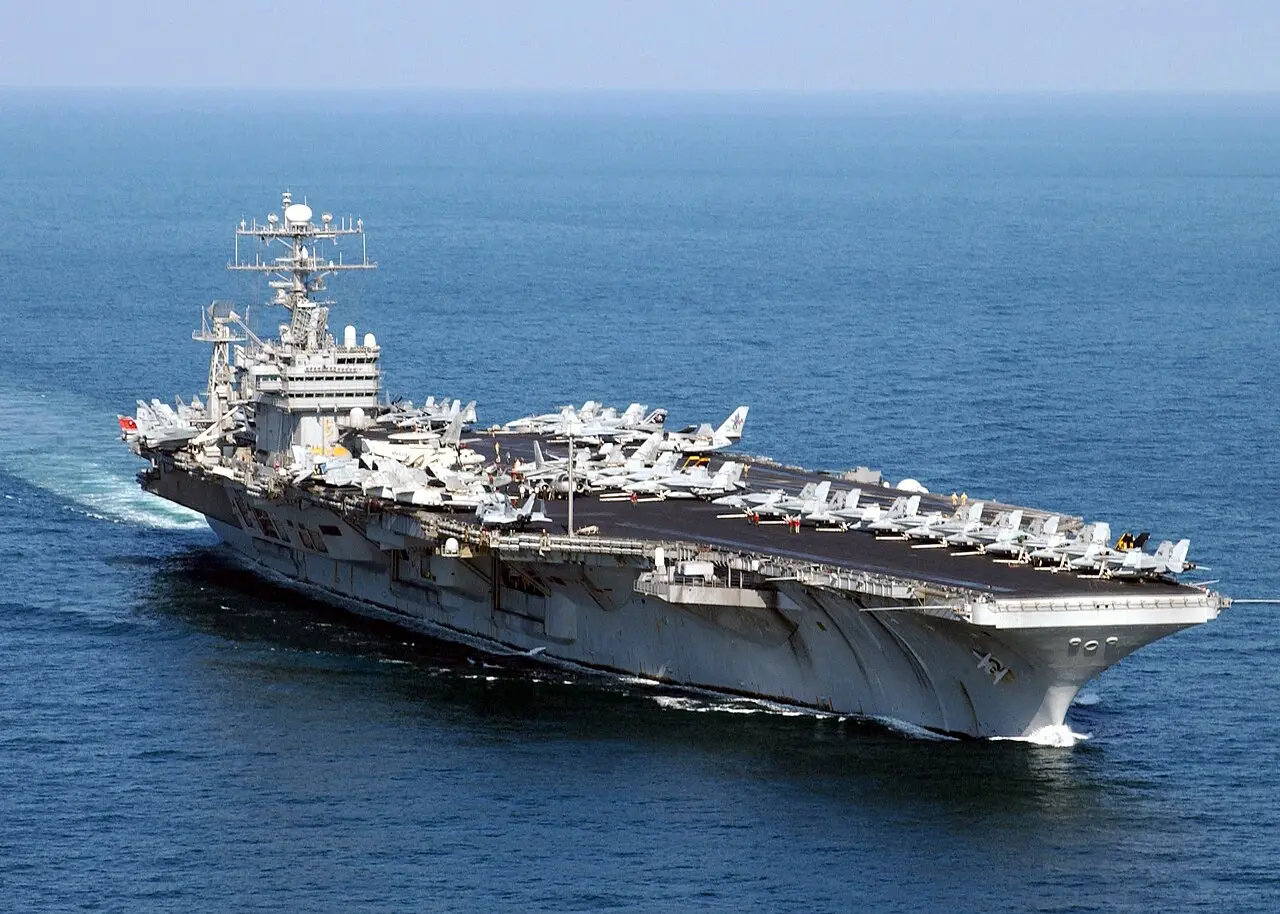
Extended time at sea has exposed the USS Gerald R. Ford to severe technical and pumping failures. Ongoing plumbing issues complicate daily operations and risk distracting technical teams during high-stakes combat readiness. These internal malfunctions make the ship vulnerable from the inside out.
3 Guided-Missile Escorts
To counter Iranian attacks, three guided-missile destroyers heavily escort the USS Abraham Lincoln. These Arleigh Burke-class ships are equipped with Tomahawk cruise missiles and the Aegis combat system. They form a crucial layered shield against ballistic and cruise missiles.
90 Plus Strike Aircraft
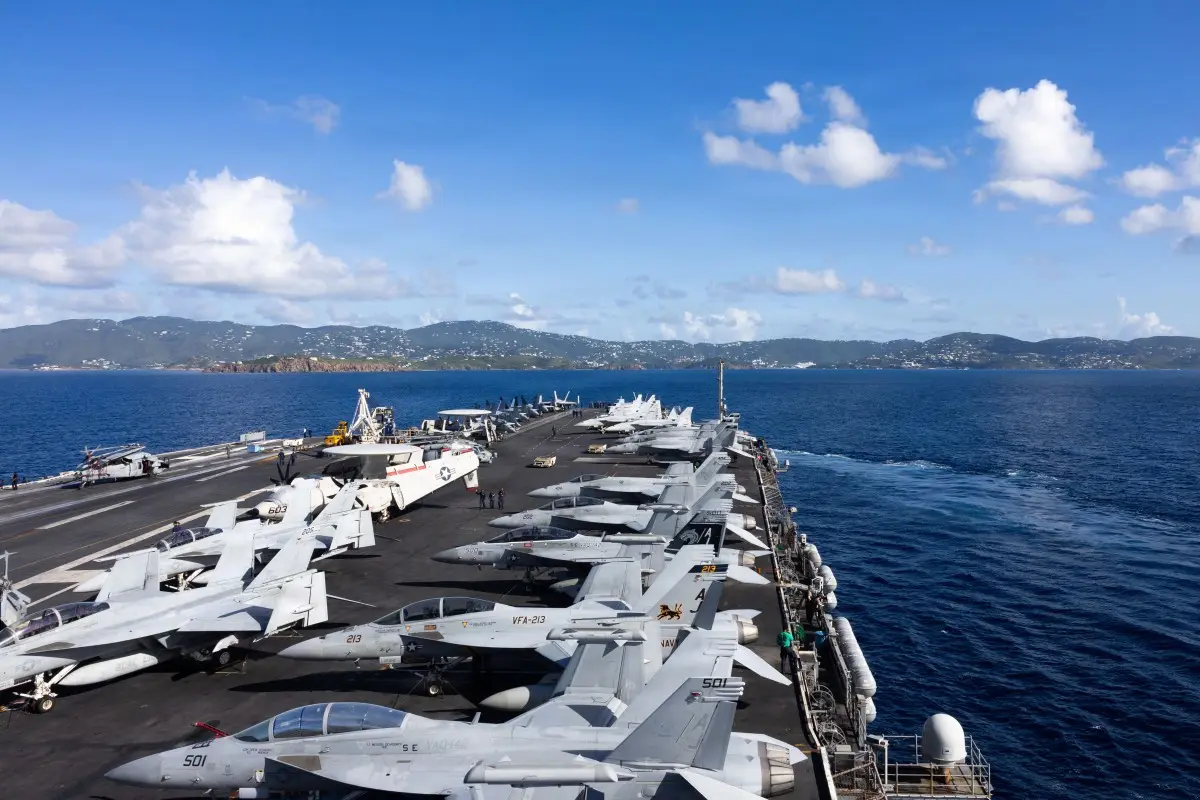
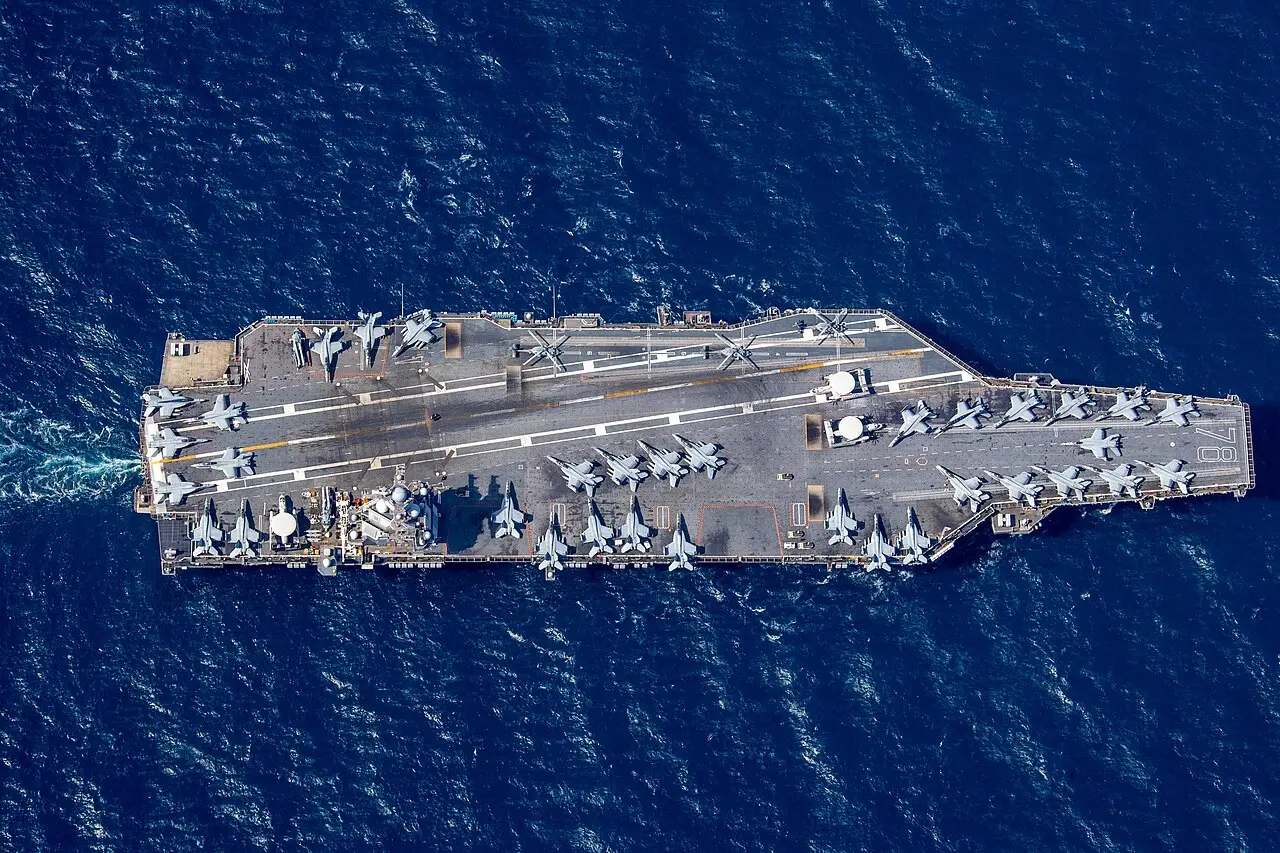
The carriers rely on over 90 advanced strike aircraft, including F-35C stealth fighters, to neutralise Iranian drones. In February 2026, a US F-35C successfully intercepted an Iranian Shahed drone roughly 500 miles off the coast. Launching these jets quickly is vital for carrier survival.
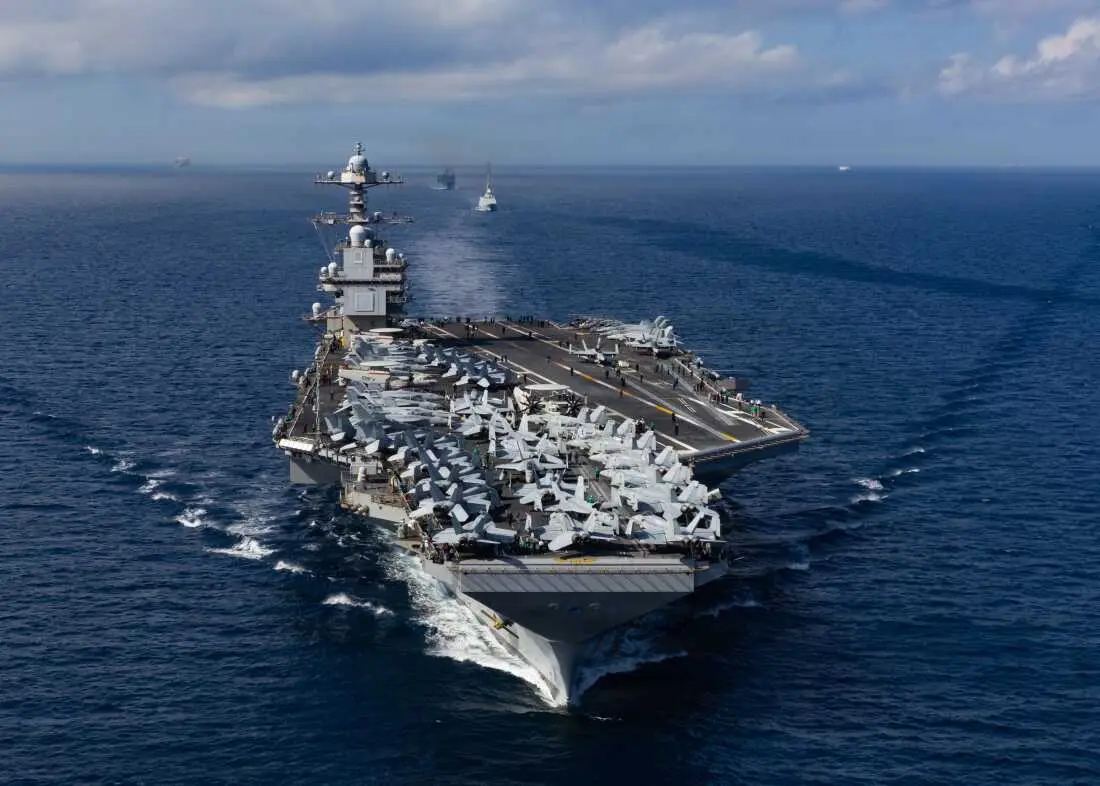
13 Billion Dollar Shield
Costing over $13.3 billion (Rs 1.1 trillion), the USS Gerald R. Ford acts as a defensive shield against Iranian attacks. This strategic placement puts the carrier directly in the path of potential Iranian retaliatory barrages. The ship's advanced radar must continuously track long-range incoming threats.
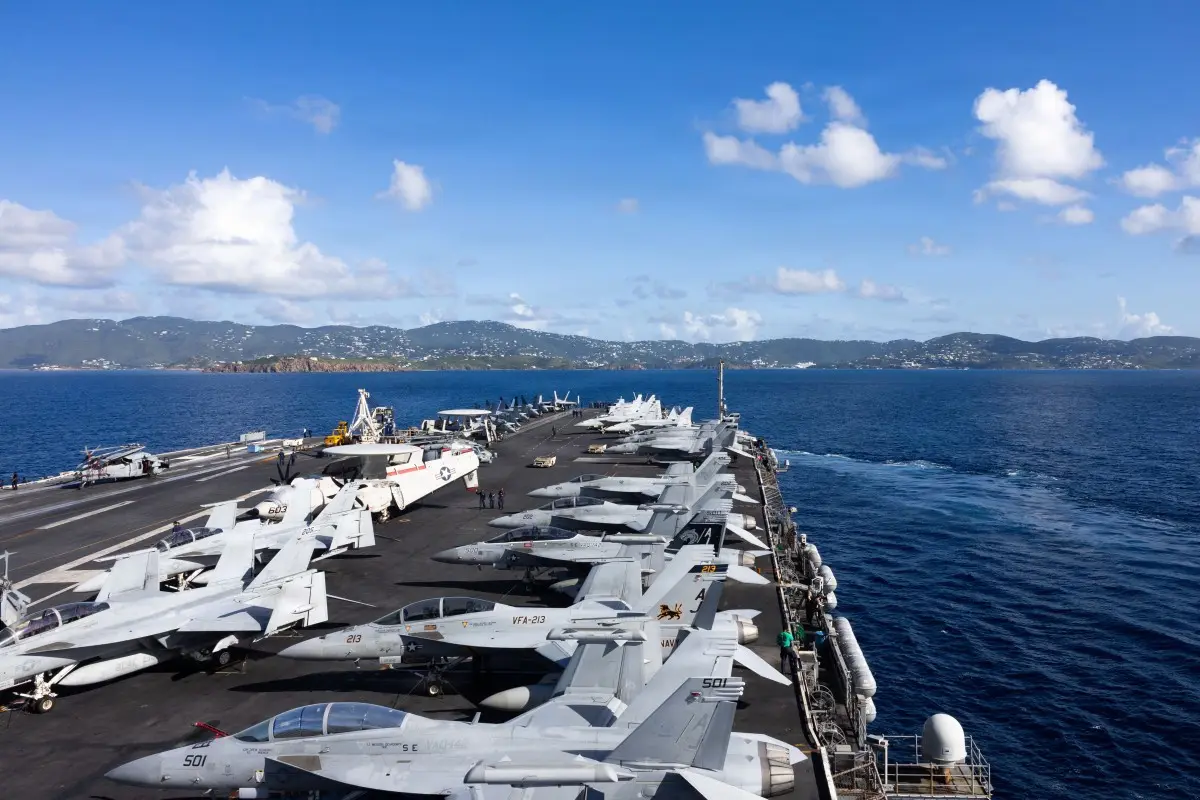
2 Unique Risk Profiles
The USS Abraham Lincoln faces acute geographical danger from Iranian hypersonic missiles in the Arabian Sea. Meanwhile, the USS Gerald R. Ford battles critical mechanical fatigue after months without maintenance. Both vessels remain highly vulnerable as the US-Iran conflict intensifies.
)
)
)
)
)