USS Abraham Lincoln can't attack Iran? Here's why UAE just banned US strikes from its territorial waters and soil

The UAE’s decision is rooted in a hard reality: Business vs. Bombs. Cities like Dubai and Abu Dhabi are global hubs for finance and tourism.
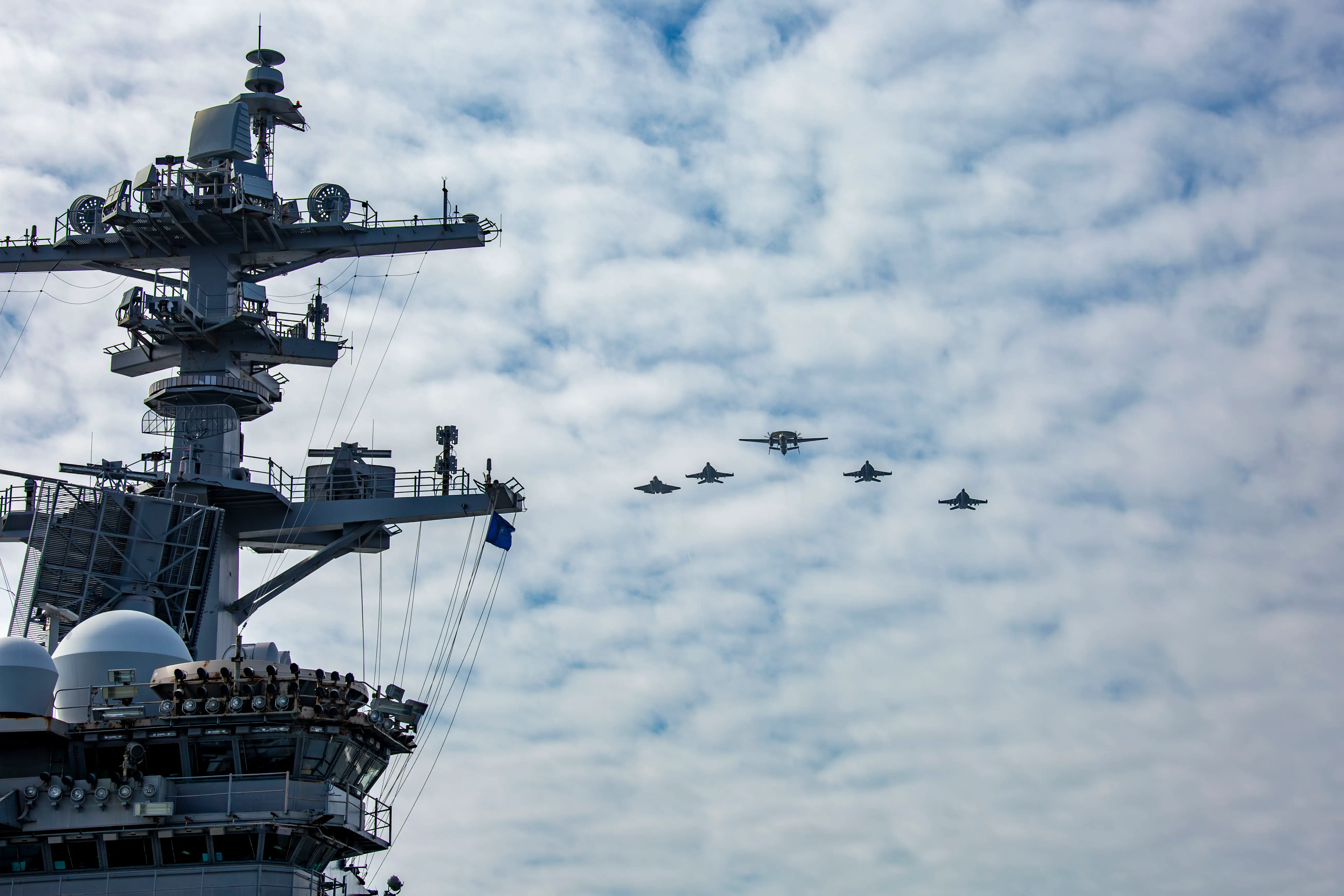
1. The Al Dhafra "Blackout"
For decades, the Al Dhafra Air Base in Abu Dhabi has served as a crown jewel for the U.S. Air Force, housing thousands of personnel and advanced jets. The UAE’s new ban means that the F-35s and refueling tankers stationed there are now grounded for any offensive mission against Iran. By removing this "land-based launchpad," the UAE has forced the US to look toward the sea, making the USS Abraham Lincoln the primary platform for any potential response.
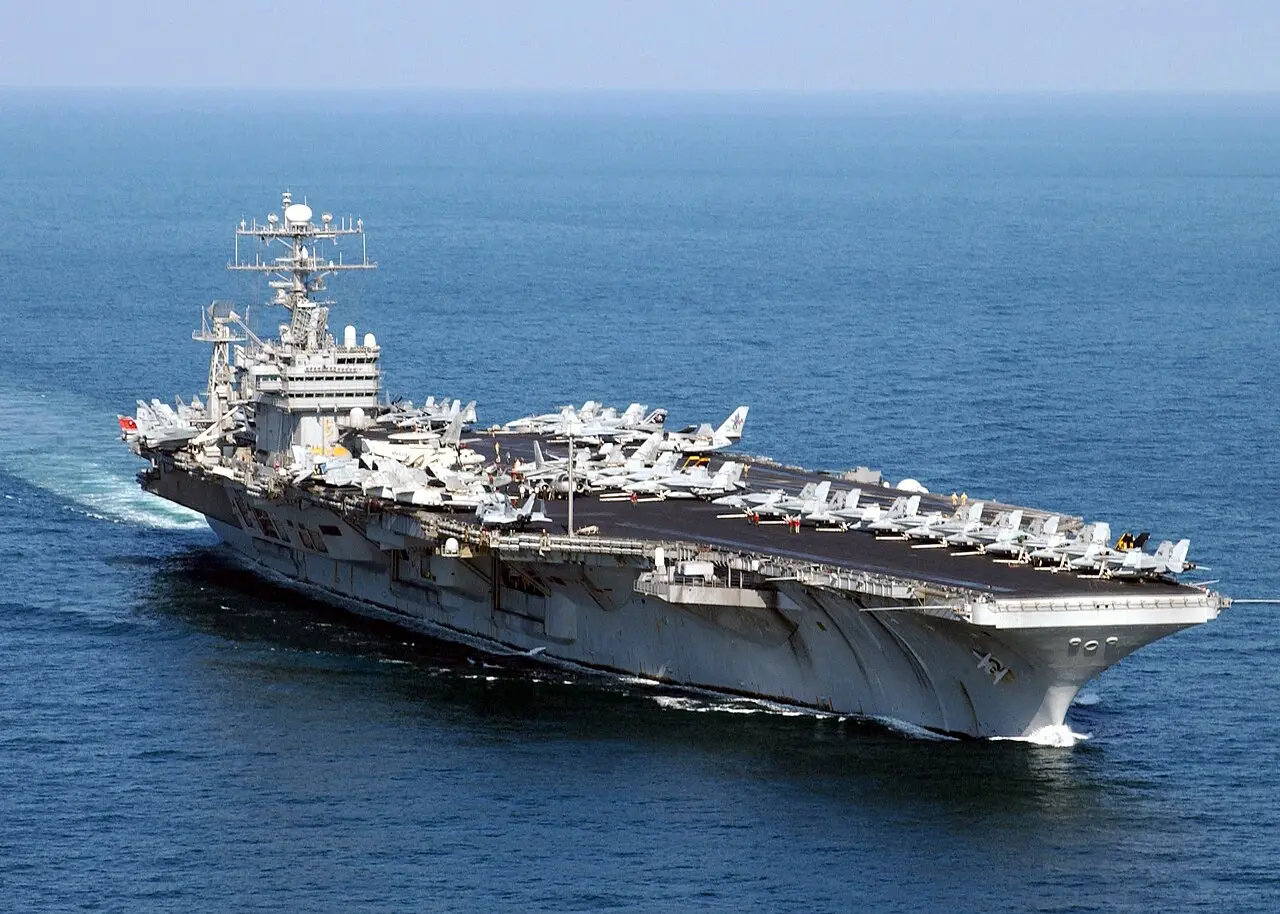
2. Sovereign Waters vs. International "Checkmate"
Under international law, the UAE has total control over its territorial waters (up to 12 nautical miles from its coast). By closing these waters, the UAE prevents U.S. destroyers and the Lincoln from taking "shortcuts" or positioning themselves in the most advantageous strike zones within the Persian Gulf. This forced relocation keeps the US "Armada" in international waters, further away from targets and more exposed to long-range detection.
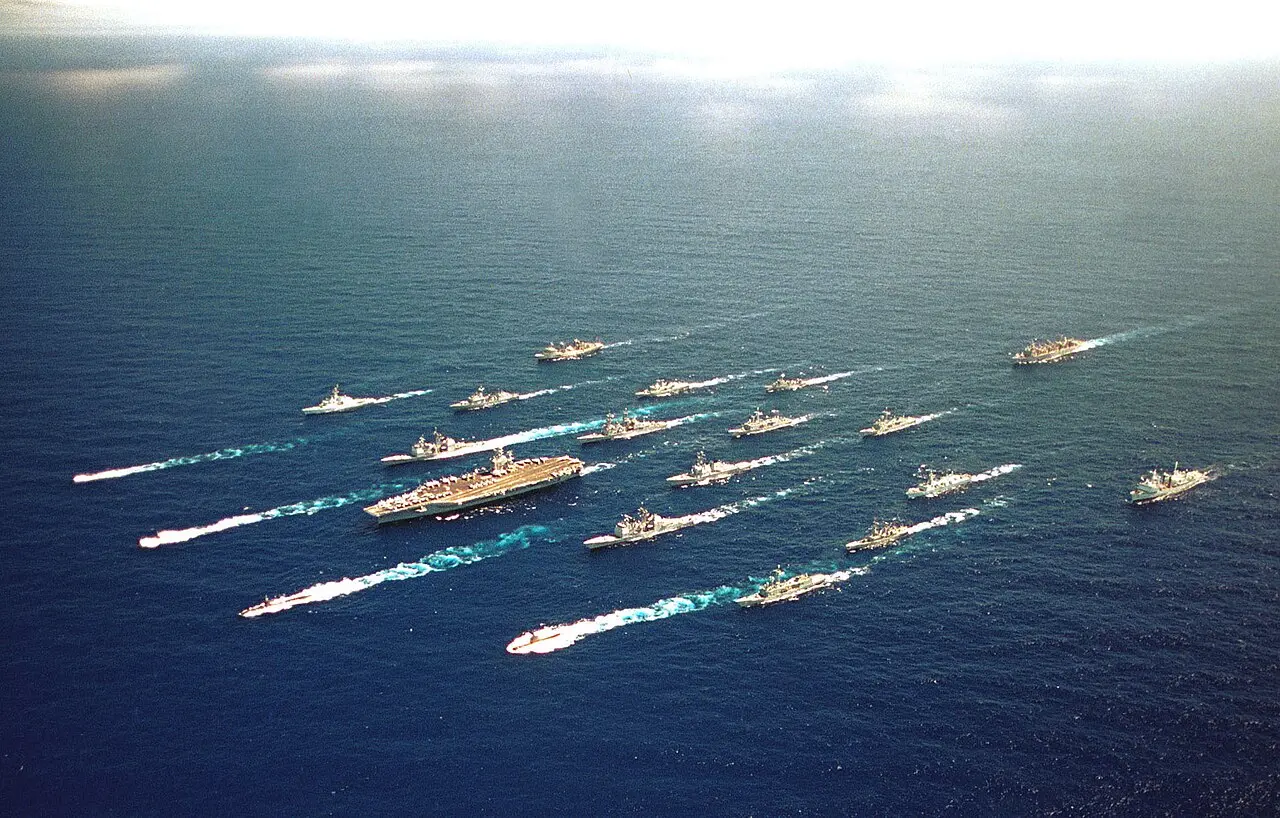
3. The Airspace "No-Go" Zone
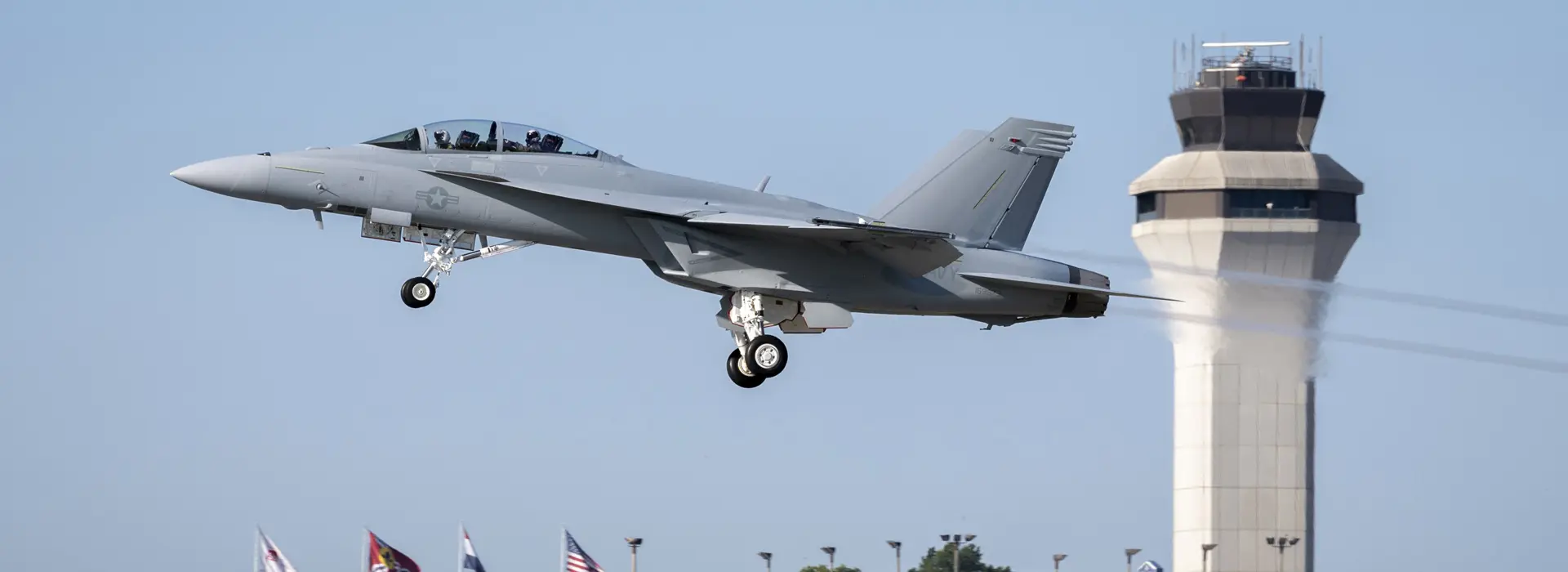
The ban on using UAE airspace is perhaps the most significant blow to US logistics. Modern air strikes require a complex "ballet" of electronic warfare planes, tankers, and bombers. Without the ability to fly over the UAE, US carrier-based jets from the Lincoln must take much longer, more fuel-intensive routes to reach Iranian territory, significantly reducing their "time on target" and increasing the risk of interception.
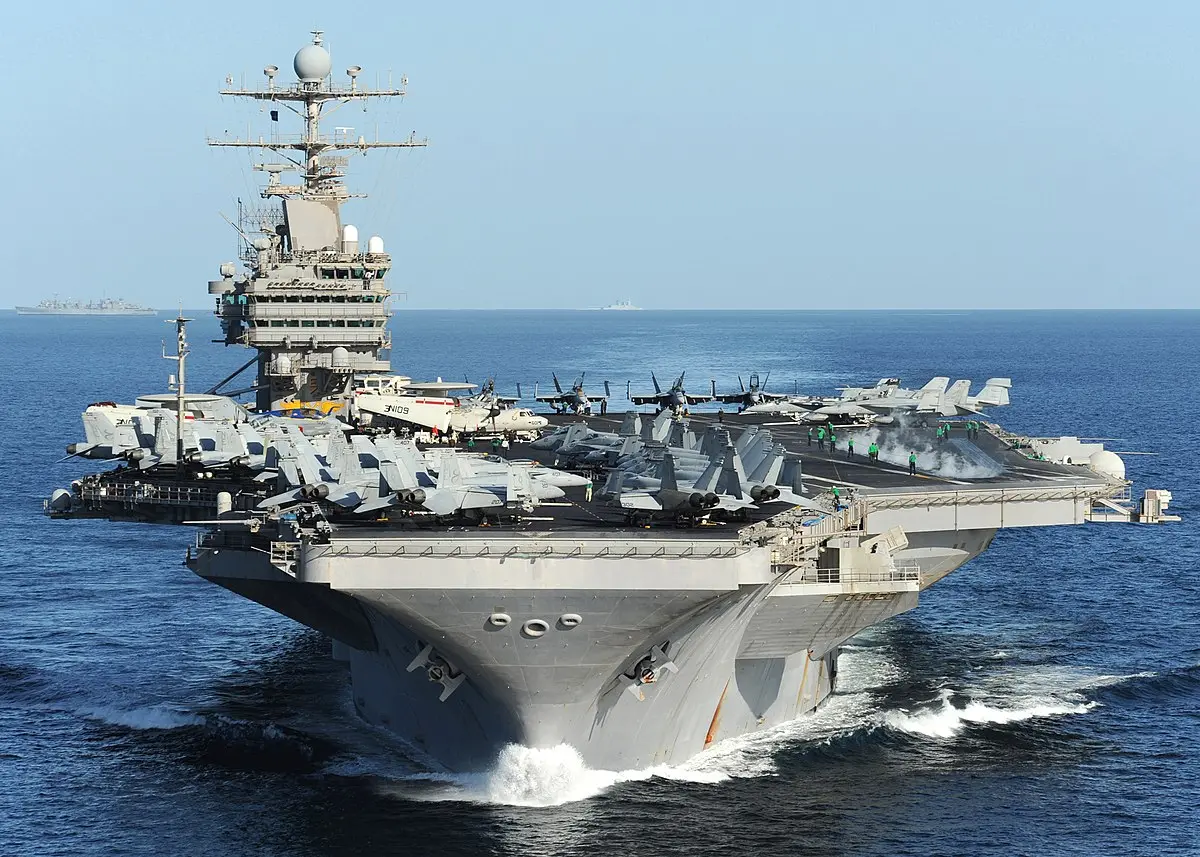
4. Protecting the "Golden Goose" (Economic Self-Preservation)
The UAE’s decision is rooted in a hard reality: Business vs. Bombs. Cities like Dubai and Abu Dhabi are global hubs for finance and tourism. UAE officials fear that if a strike is launched from their soil, Iran would retaliate by hitting Emirati oil infrastructure or luxury landmarks. By declaring neutrality, the UAE is attempting to shield its $500 billion economy from becoming a collateral battlefield.
5. The Rise of "Sovereign Mobility"
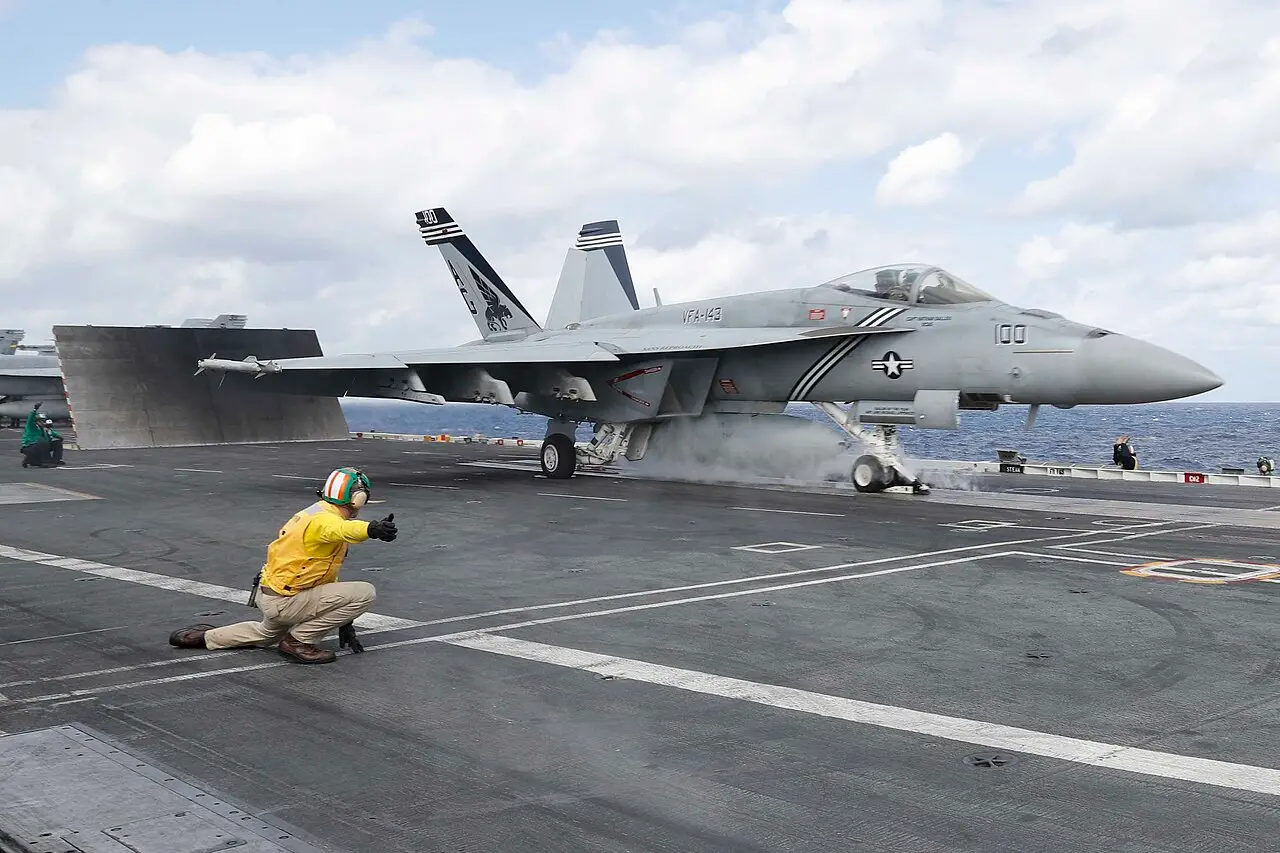
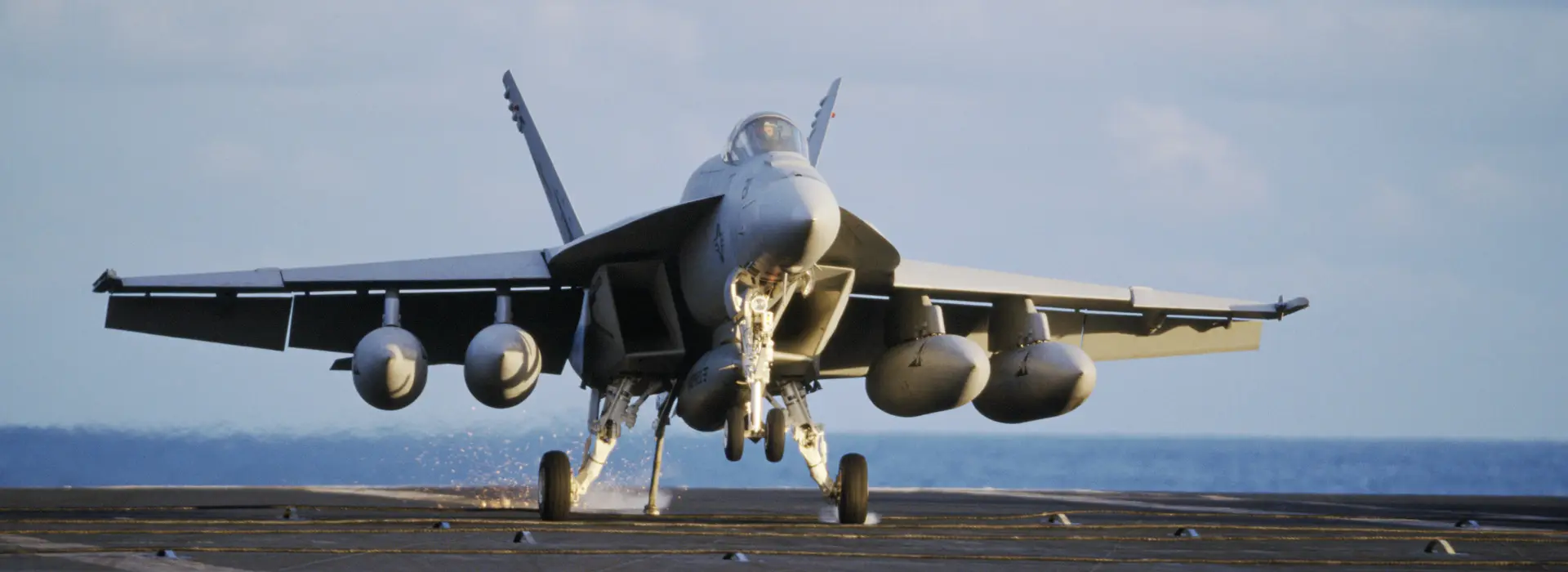
The UAE has restricted land-based operations, the USS Abraham Lincoln has become a "floating piece of American territory." Unlike a fixed airbase, a carrier strike group carries its own "airspace" and "waters" wherever it goes. The UAE’s ban proves why the US continues to invest billions in carriers, they are the only military tool that cannot be "evicted" by a host nation’s sudden change in foreign policy.
6. Regional Domino Effect
The UAE isn't alone. Reports indicate that Saudi Arabia, Oman, and Qatar have conveyed similar "neutrality" messages, fearing that a total war would shut down the Strait of Hormuz. This regional "cold shoulder" leaves the US with very few allies willing to host a kinetic war, turning the current standoff into a naval-centric operation rather than a multi-front regional coalition.
7. Diplomacy Through "Strategic Distance"
By publicly distancing itself, the UAE is positioning itself as a potential mediator. By refusing to let the US strike from Al Dhafra, Abu Dhabi is signaling to Tehran that it is not an "aggressor." This "Strategic Distance" allows the UAE to maintain its trade ties with Iran while keeping its security partnership with the US intact, essentially playing both sides to ensure regional stability.
)
)
)
)
)