US wanted to build 132 B-2 Bombers but could afford only 21! Here is why..

By the time the B-2 entered service in the early 1990s, the Cold War had ended. The collapse of the Soviet Union led US leaders to scale back the program, as the threat of global nuclear war appeared to diminish.
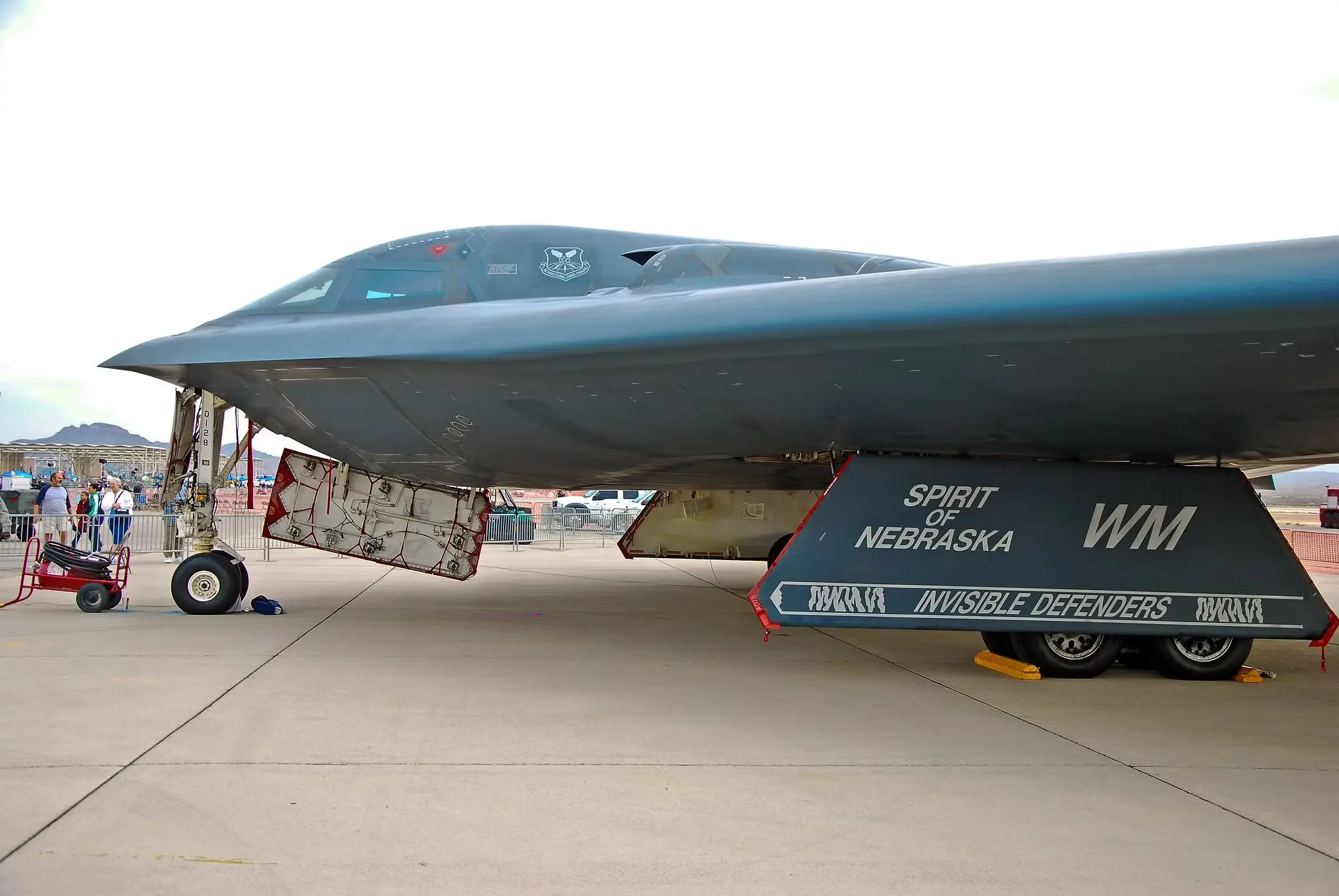
Original plan: 132 bombers
When first designed in the 1980s, the U.S. Air Force planned to buy 132 B-2 bombers to replace older aircraft. The bomber was meant to form the backbone of America’s nuclear strike force.
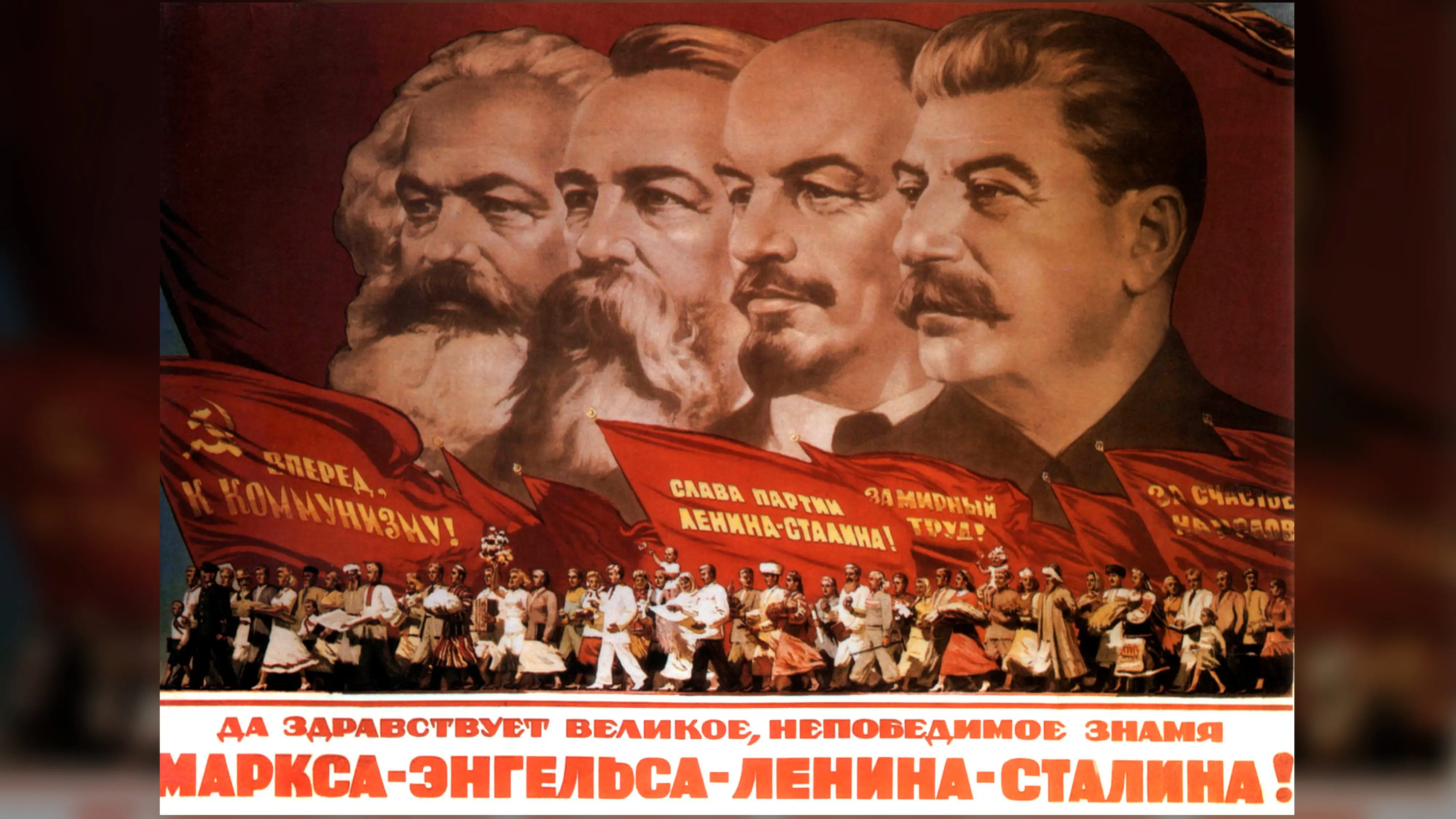
End of the Cold War
By the time the B-2 entered service in the early 1990s, the Cold War had ended. The collapse of the Soviet Union led US leaders to scale back the program, as the threat of global nuclear war appeared to diminish.
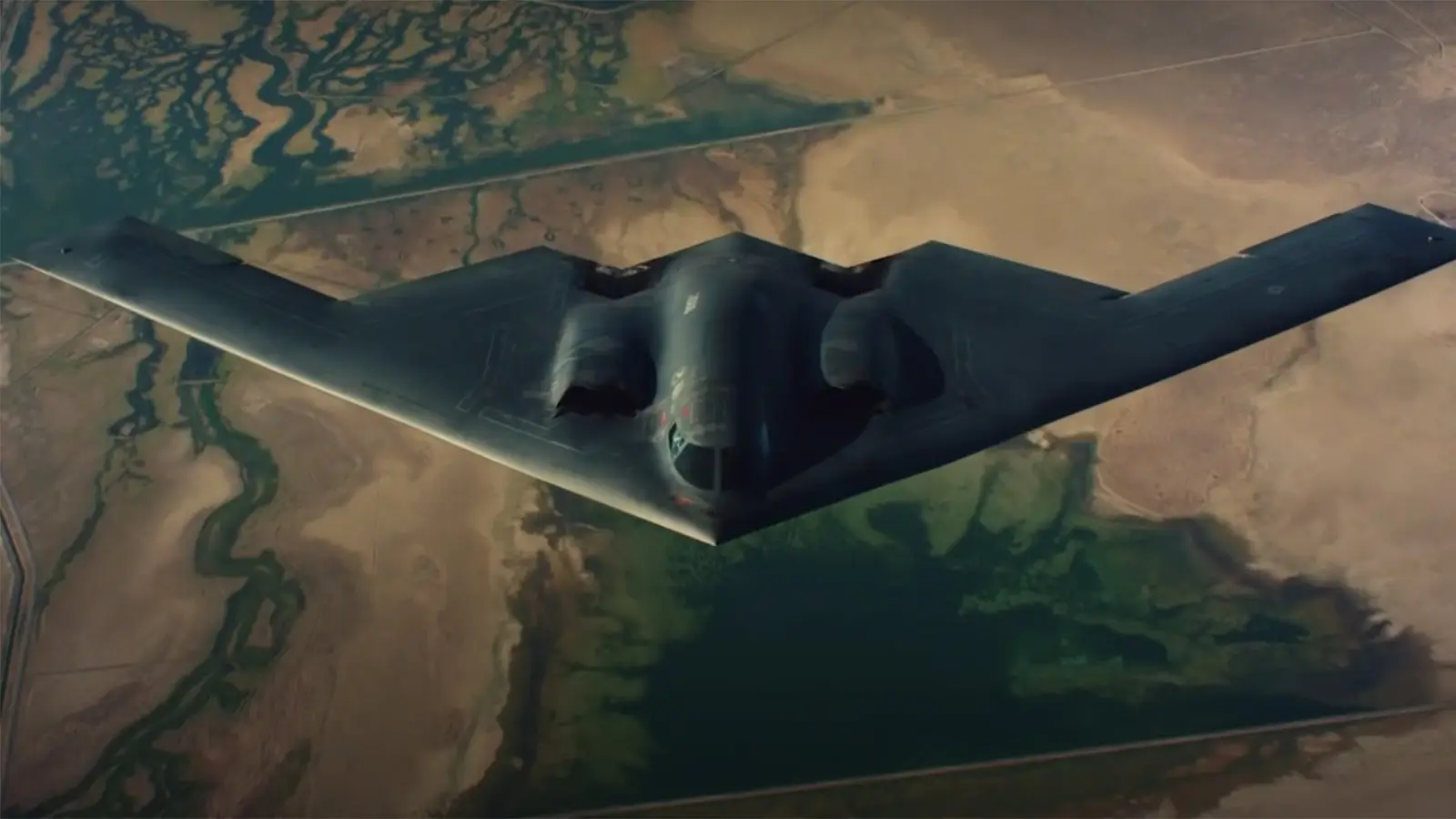
High cost per plane
Each B-2 costs an estimated $2 billion per aircraft, making it one of the most expensive planes ever built. The massive price tag meant that building 132 planes was no longer considered affordable or necessary.
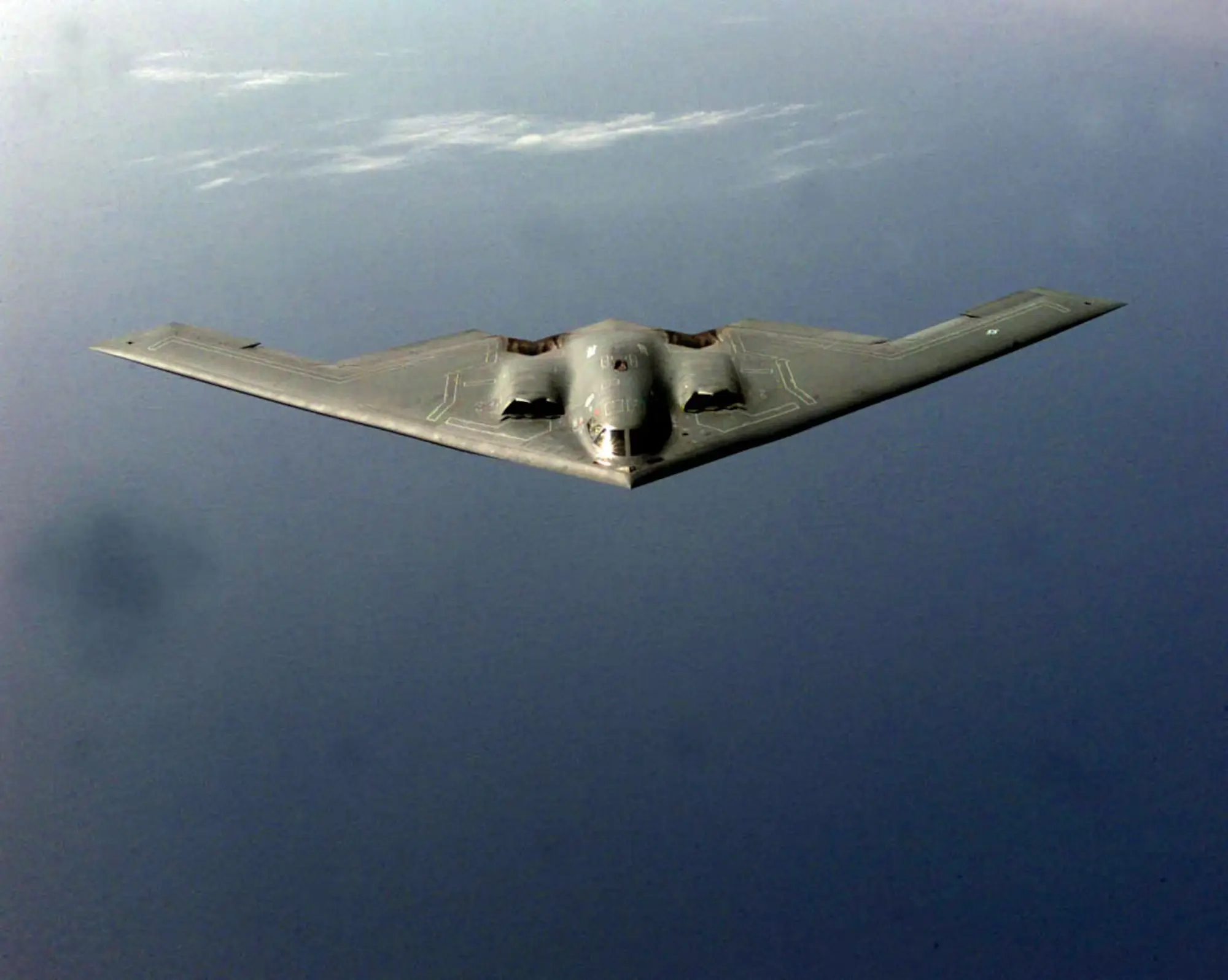
Budget cuts in the 1990s
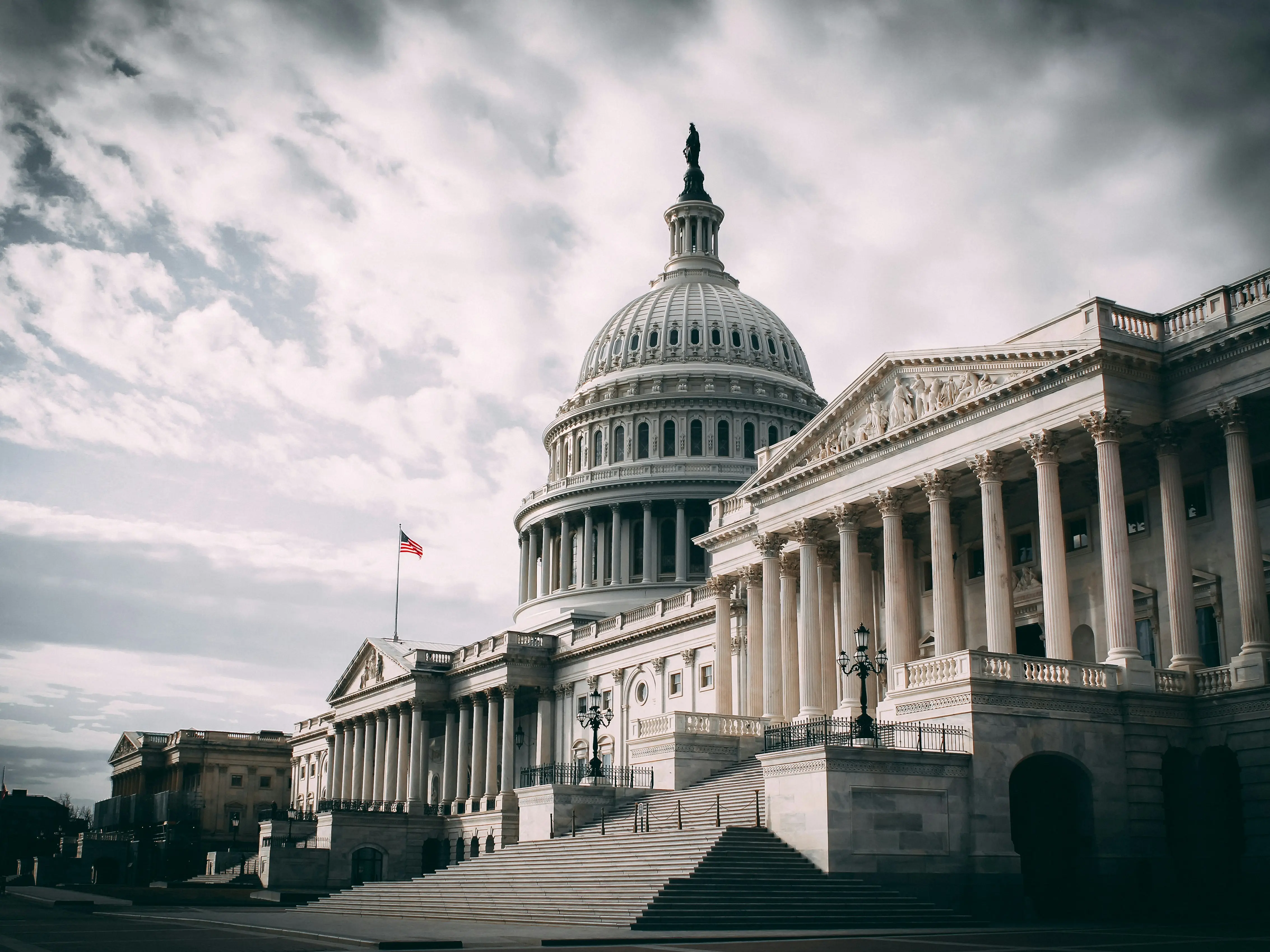
Post-Cold War defence budget cuts further reduced the buy. The US Congress capped the program at just 21 bombers, far fewer than originally envisioned.
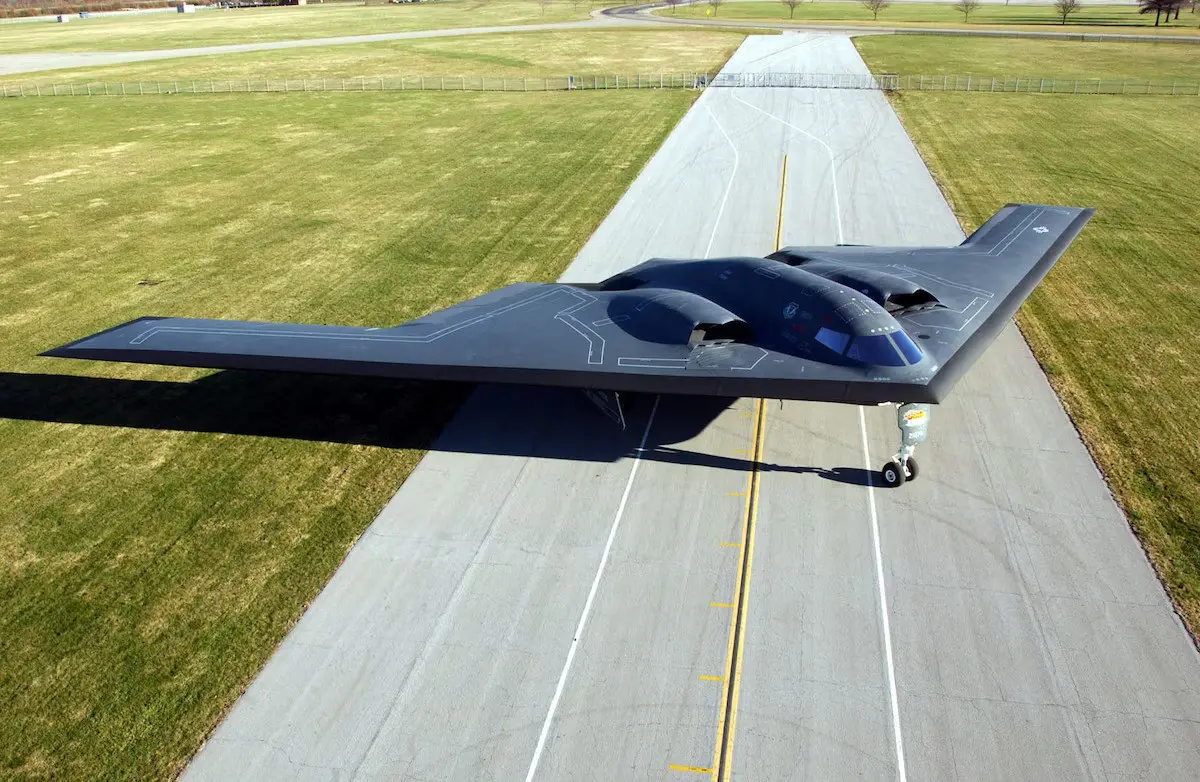
Stealth secrets were costly
Developing and producing the B-2’s stealth materials and curved airframe required cutting-edge, expensive techniques. The technology was so advanced that production took longer and cost more than expected.
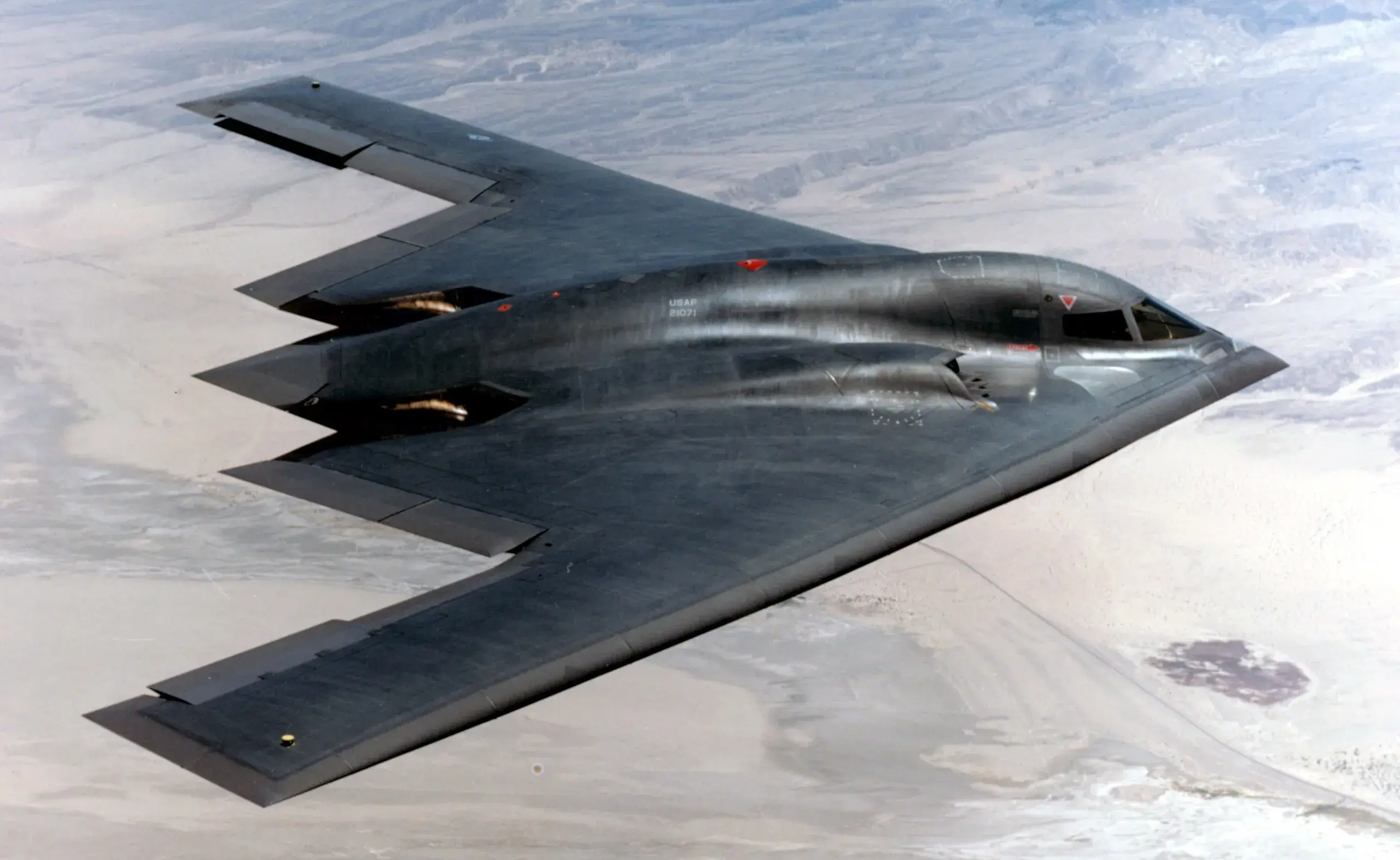
One aircraft lost
Of the 21 aircraft built, one was lost in a 2008 crash on Guam, reducing the active fleet to 20 bombers today.
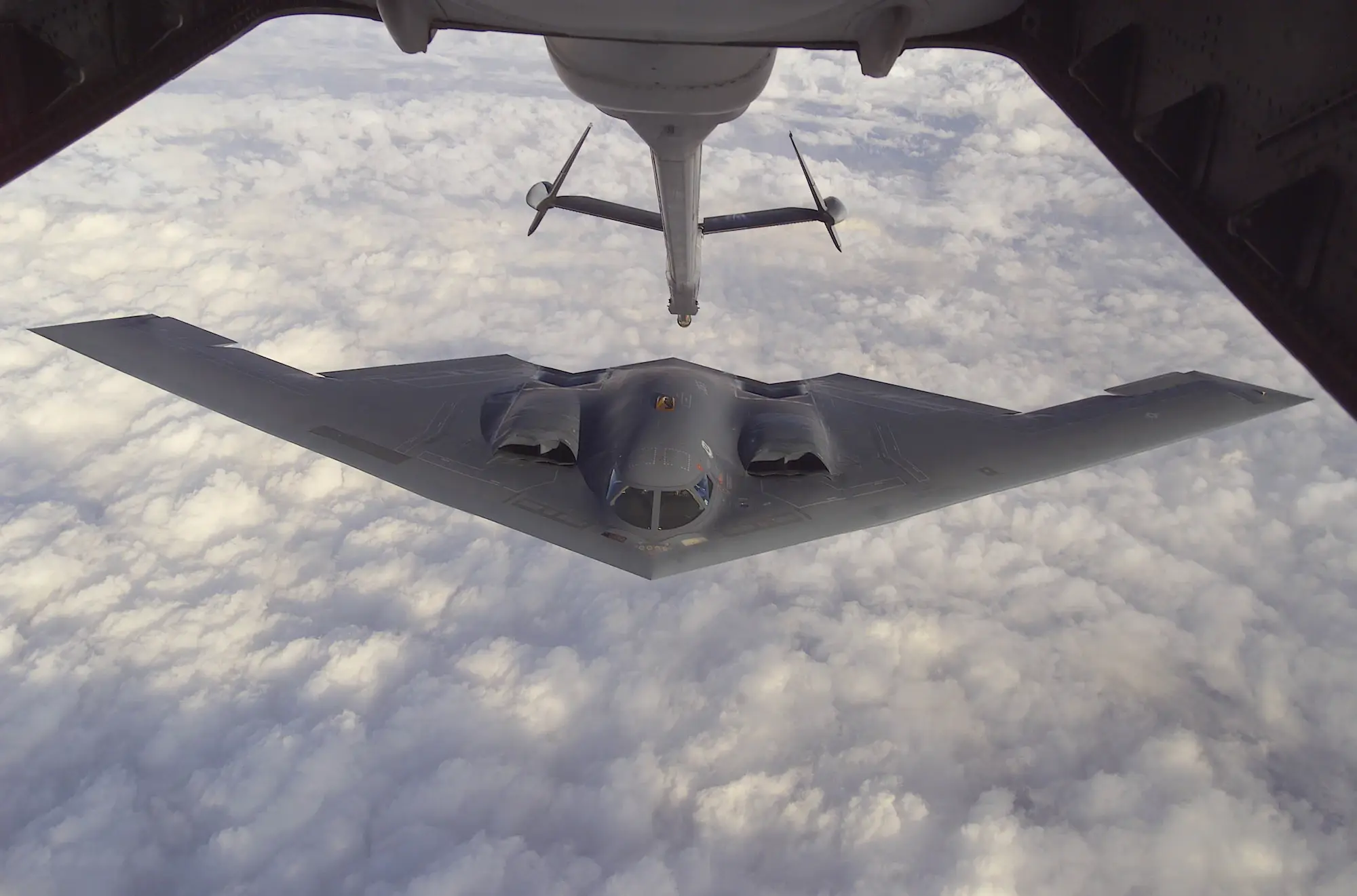
Modern upgrades keep them relevant
Despite the small number, the US has heavily invested in modernising the B-2 fleet with upgraded radars, avionics, and weapons. The bombers remain a key part of America’s strategic deterrent — and will eventually be joined by the newer B-21 Raider stealth bombers now in production.
)
)
)
)
)