Trump vs Maduro: Inside Venezuela’s two-decade strategy to prepare for a potential US attack

Venezuela has spent 20 years preparing for a US invasion using a 'People's War' doctrine. With 4.5 million militias and 280 battlefronts, the strategy aims to turn any conflict into a guerrilla trap.
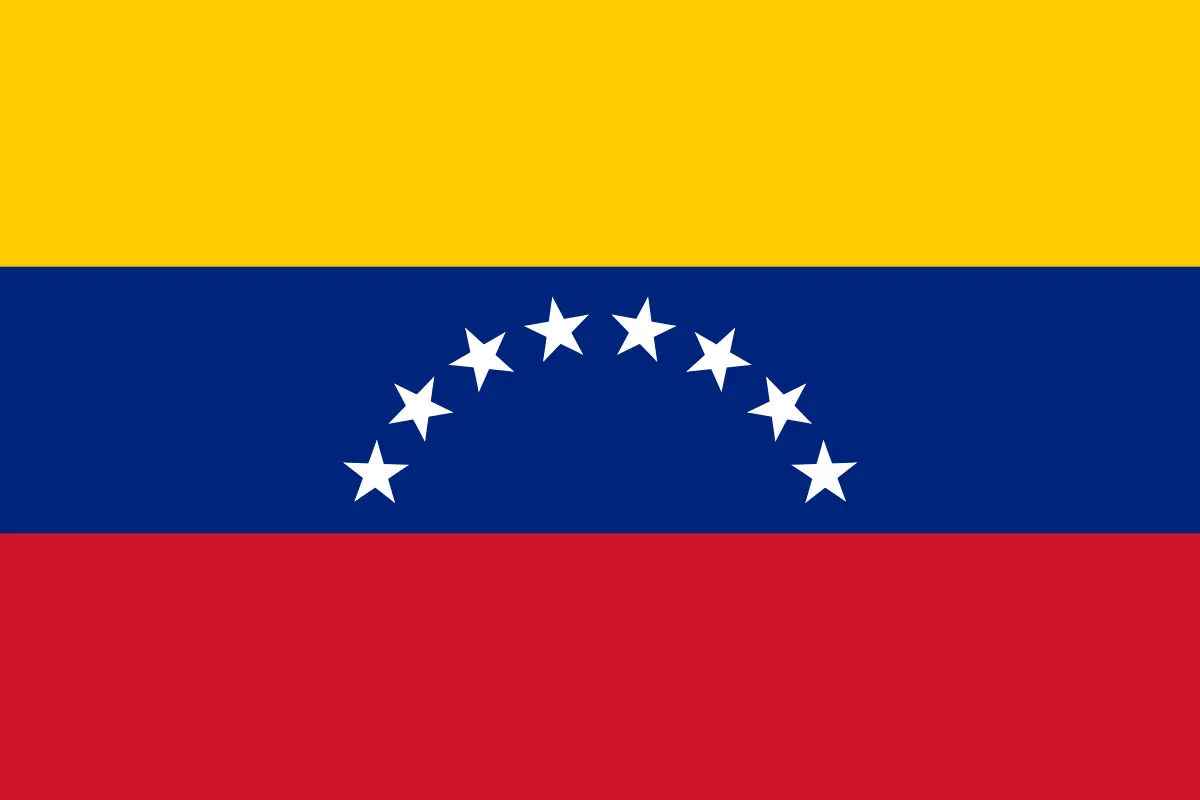
Two decades of war planning
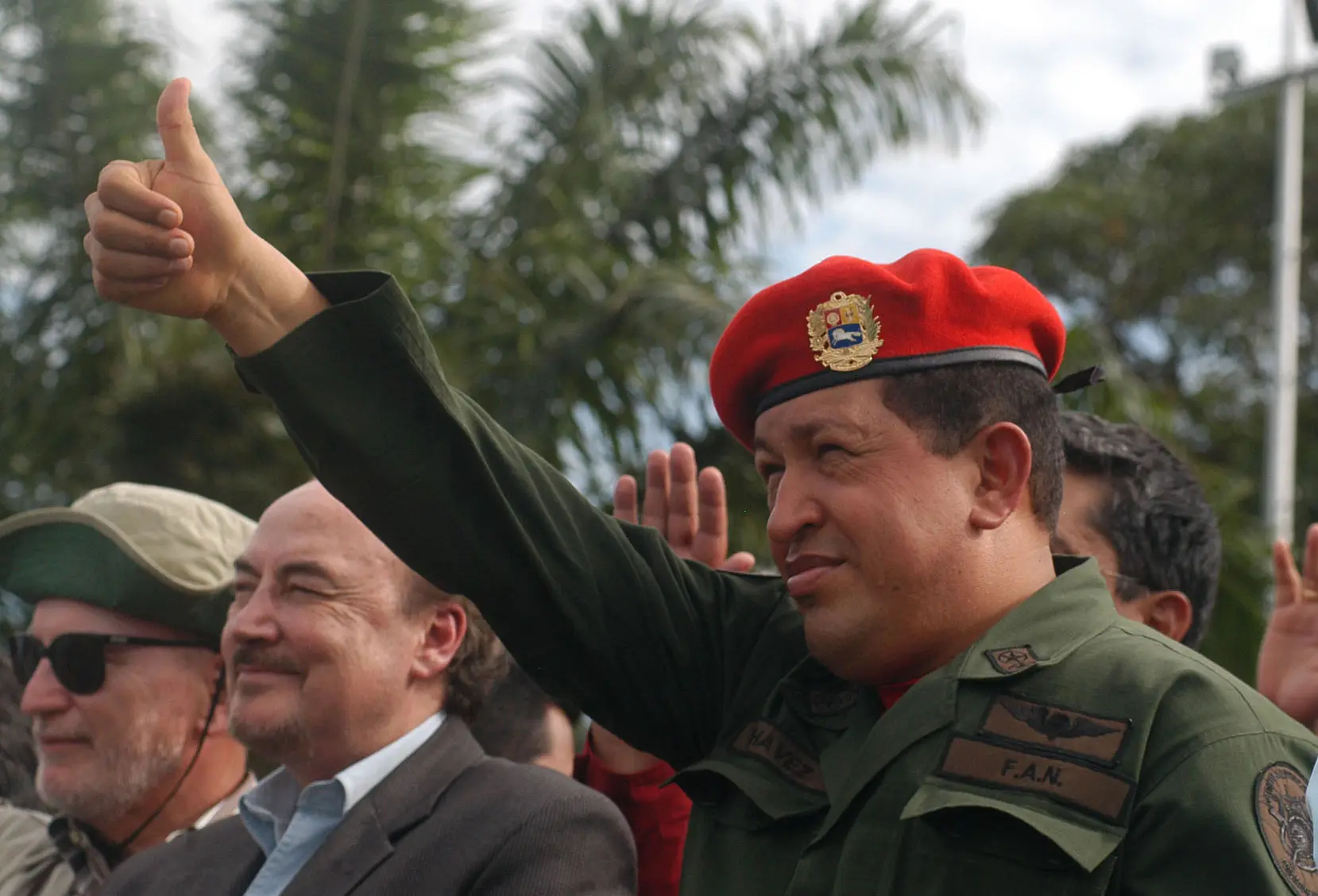
In an episode of The Conversation Weekly podcast, Pablo Uchoa, a PhD candidate who researches Venezuela’s military scenario planning, said the country’s preparations for a potential US confrontation date back more than two decades. According to Uchoa, Venezuela’s strategic thinking began to shift after the failed 2002 coup attempt against then-president Hugo Chávez, an event that deeply influenced Caracas’ view of external threats and regime survival.
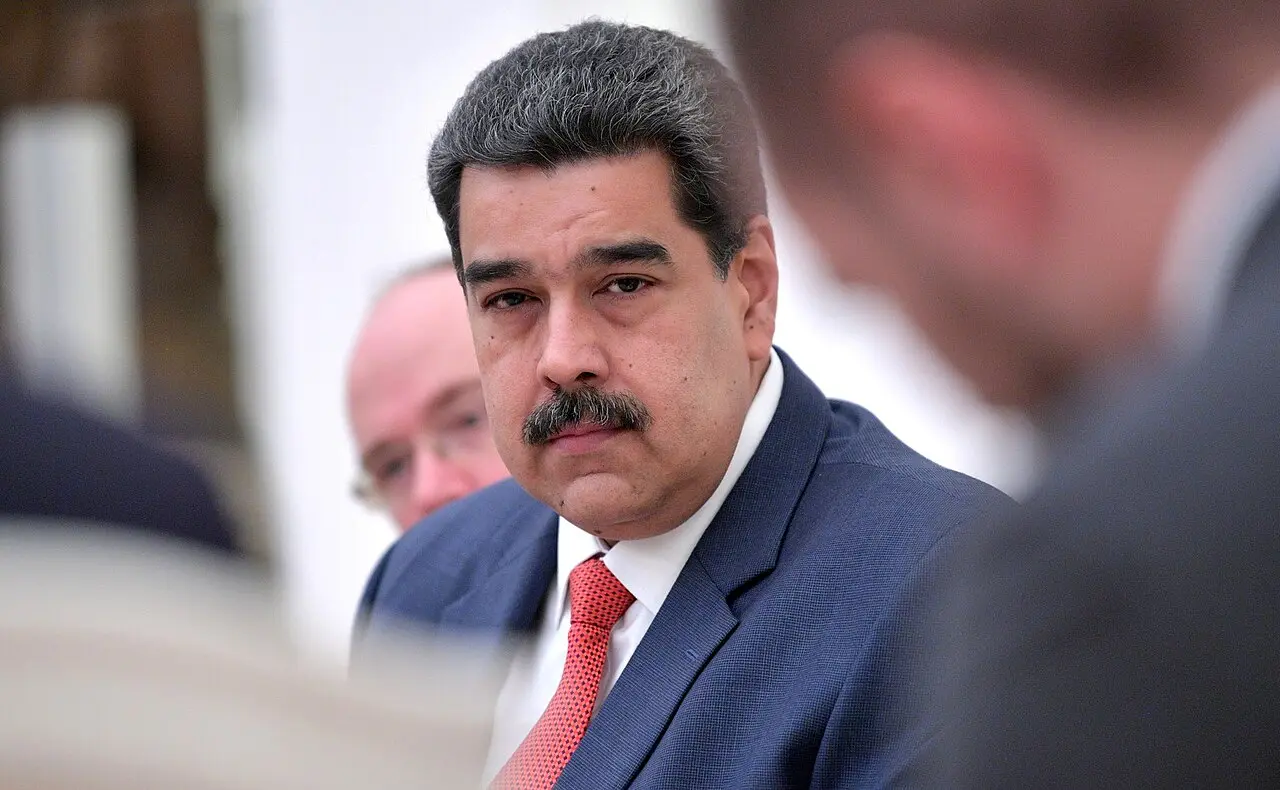
The 'War of All the People'
Uchoa said Chávez drew lessons from two conflicts in particular while reassessing Venezuela’s defence posture. The Vietnam War, he explained, demonstrated how a weaker force could resist a militarily superior power through prolonged, asymmetric warfare. Meanwhile, the US-led invasion of Iraq showed how quickly a conventional army and centralised state structure could collapse under overwhelming American military force. These examples, Uchoa said, helped shape Venezuela’s long-term approach to military planning, which has focused less on direct confrontation and more on deterrence, decentralisation, and endurance.
Mobilising 4.5 million militias
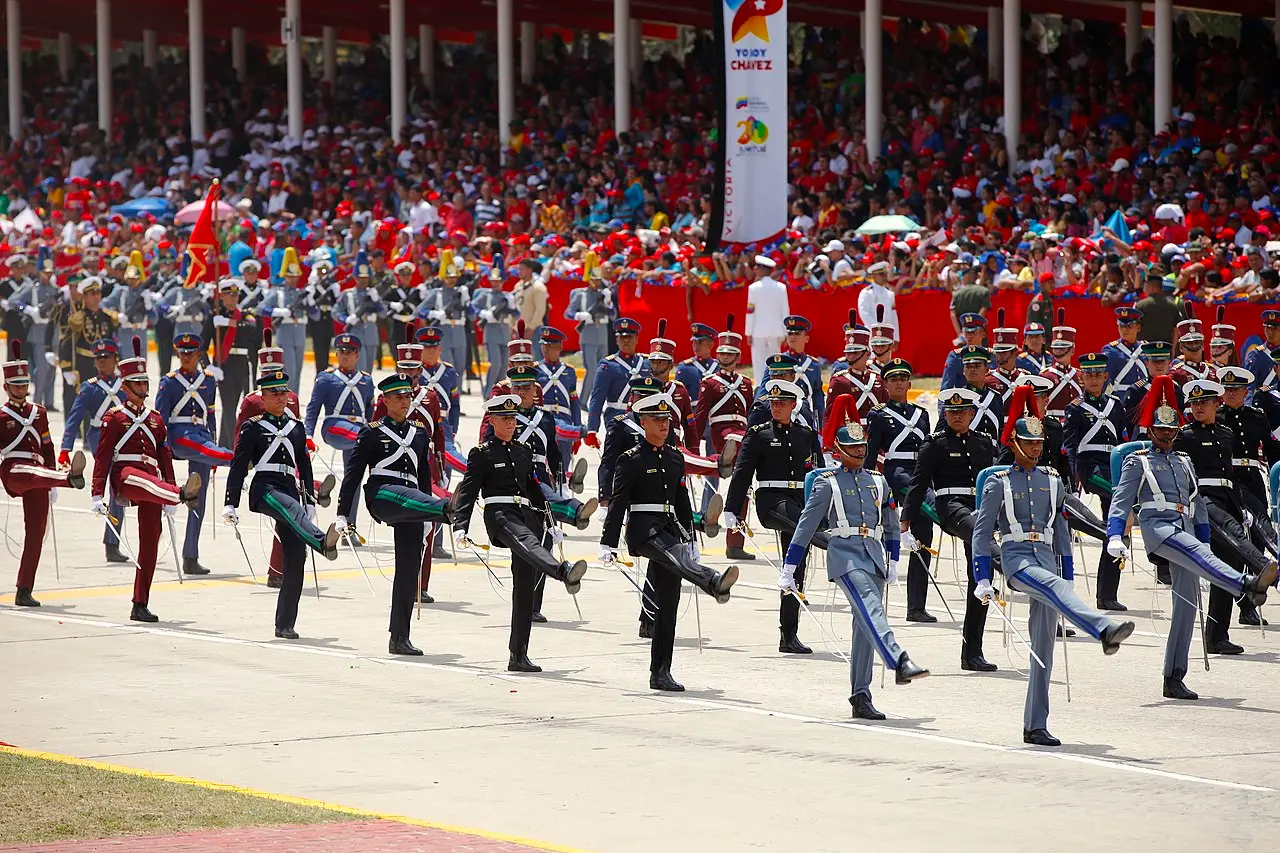
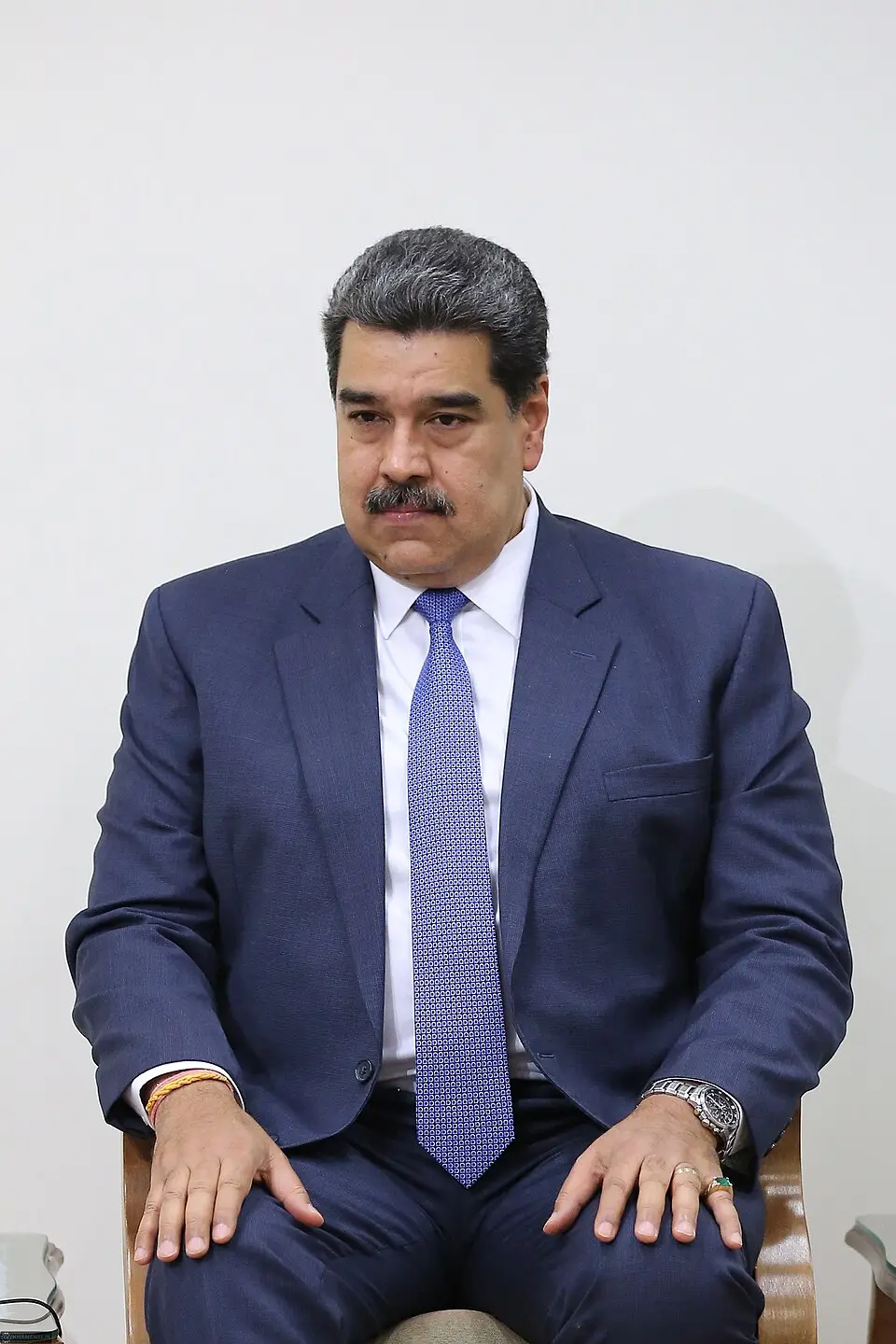
The official strategy, known as Guerra de Todo el Pueblo, focuses on asymmetric warfare. Instead of fighting large-scale battles, regular troops are trained to disperse into small units for hit-and-run attacks and sabotage. Venezuela's President Nicolas Maduro has currently activated millions of members of the National Bolivarian Militia to serve as a fifth branch of the military. These civilians are trained to provide surveillance and create the "second stage" of resistance during an invasion.
Setting the 'Asymmetric Trap'
The government has designated over 280 "battlefront" locations across the country for clandestine operations. These units are prepared for a "prolonged resistance" meant to drain the resources and morale of any invading force.
Urban warfare and 'colectivos'
In urban centres like Caracas, pro-government armed groups known as colectivos are integrated into the defence plan. They are tasked with using their knowledge of complex urban terrain to stall any foreign military advances.
Russian and Chinese hardware
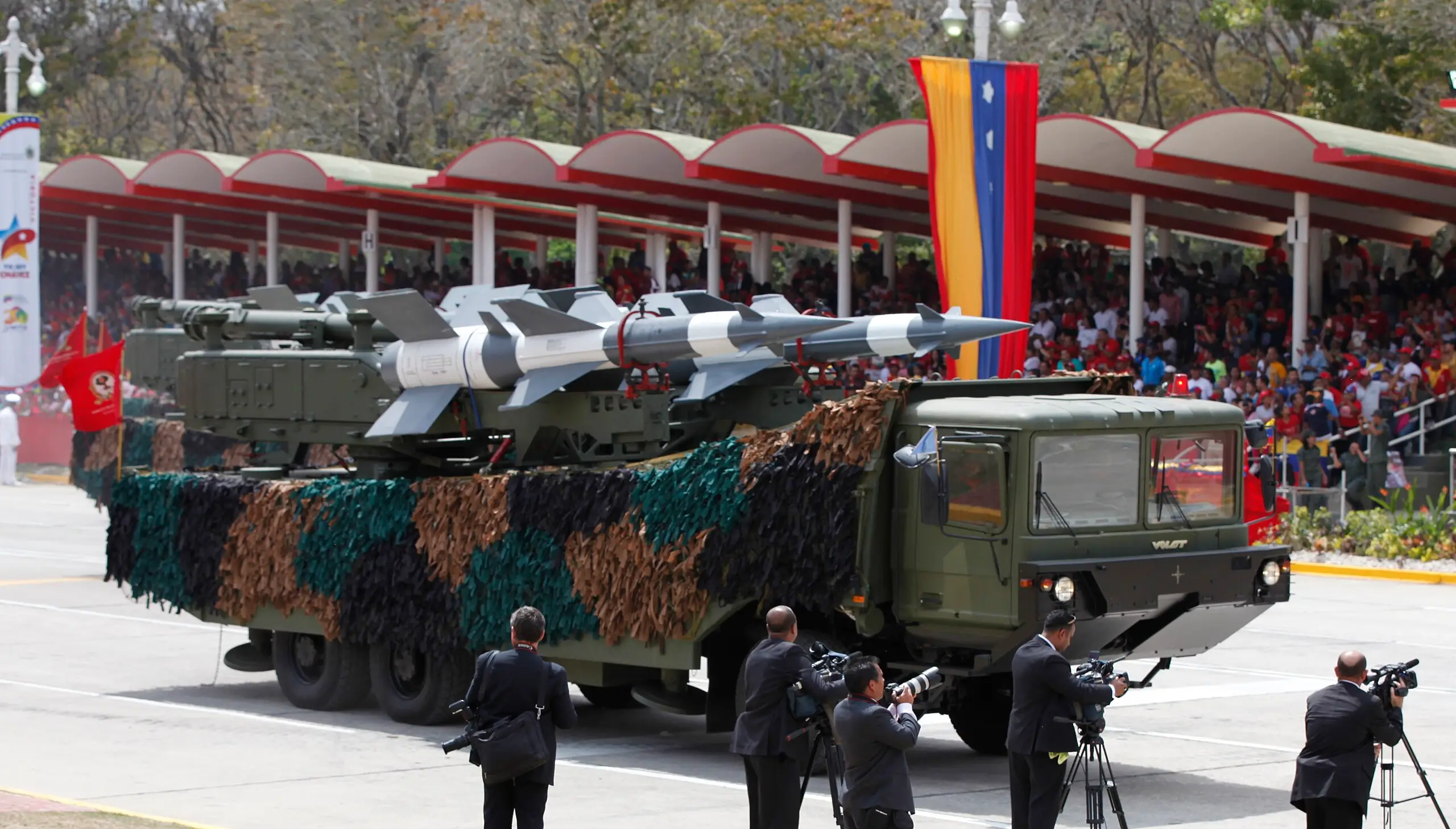
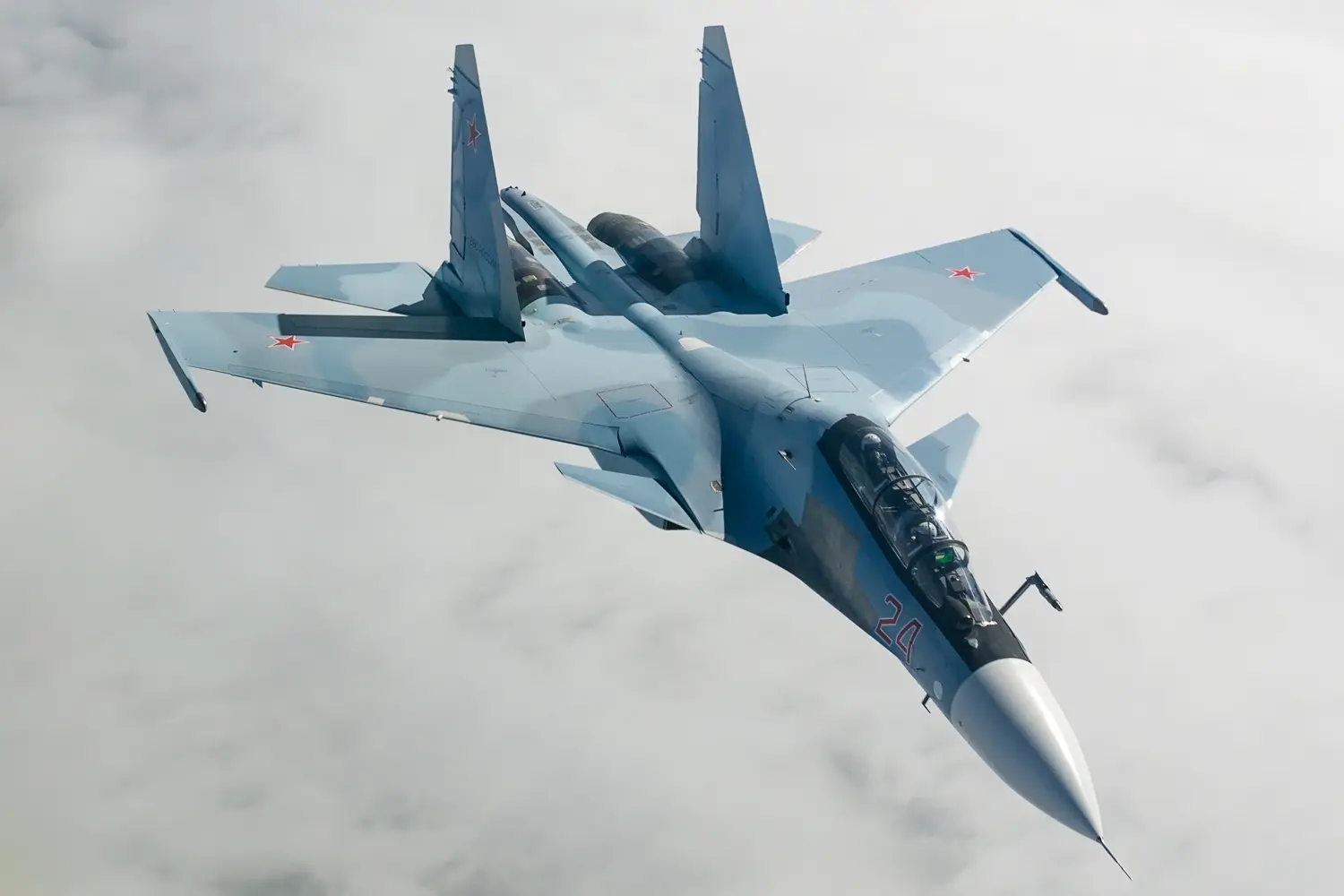
Over 20 years, Venezuela has invested heavily in Russian-made hardware, including Su-30 fighter jets and S-300 air defence systems. These assets are intended to deter US air and naval superiority during the initial stages of conflict.
Lessons from Other countries
Venezuelan war planning is heavily influenced by the insurgencies in other countries. The doctrine explicitly aims to prolong the conflict until the political and human costs force a foreign withdrawal from the country.
)
)
)
)
)