US vs Venezuela: How this could affect Canadian crude exports

The US takeover of Venezuela’s oil threatens Canada’s energy dominance. If Venezuelan supply returns, its lower shipping costs could crash Canadian oil prices. Experts say Canada must now urgently pivot to Asian markets via the Trans Mountain pipeline to survive.

The Heavy Oil Rivalry
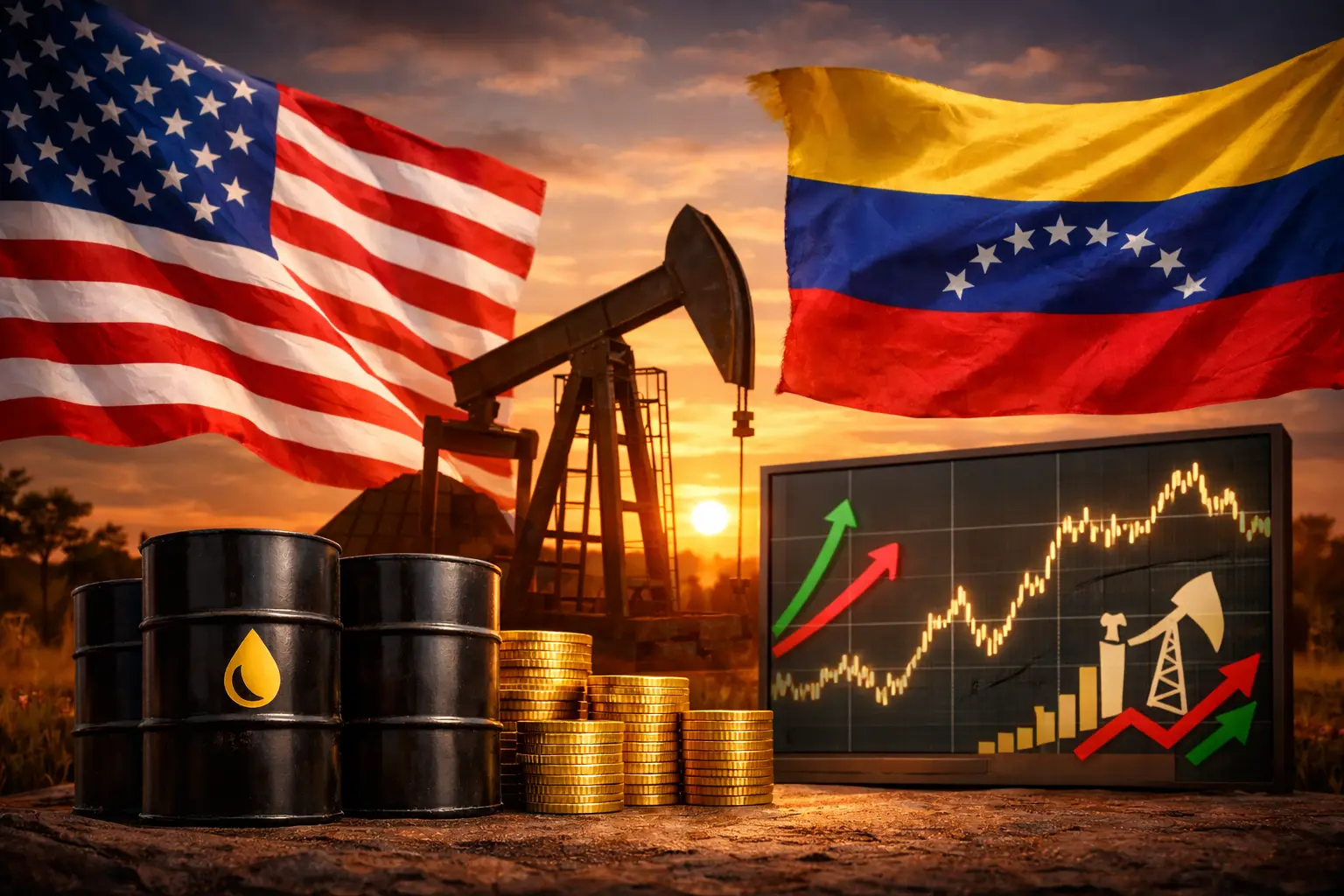
Canada and Venezuela are the world's leading producers of 'heavy sour' crude, a dense oil type that US Gulf Coast refineries are specifically built to process. According to The Globe and Mail, these two nations have historically competed for the same market share in Texas and Louisiana, where this specific grade of oil is in high demand.
Canada’s Market Monopoly
For years, severe US sanctions on the Maduro regime effectively removed Venezuelan oil from the equation. This allowed Canadian producers to dominate the market, exporting over 1.2 million barrels per day to the US Gulf Coast. Analysts note that Canada has enjoyed a 'sanctions shield', facing little competition for its heavy barrels.
Cheaper Alternative
Now if the US controls Venezuela's oil sector, sanctions could lift, bringing Venezuelan crude back online. This poses a direct threat to Canada because Venezuelan oil is cheaper to ship. It travels quickly by tanker across the Gulf, whereas Canadian oil must traverse thousands of kilometres via complex pipeline networks.

The Price Discount Risk
If US refiners gain access to abundant Venezuelan oil, they will have leverage to demand lower prices from Canadian suppliers. Energy analyst David Blackmon warns that this could widen the price discount for Western Canadian Select (WCS), forcing Canadian producers to sell their oil at a bargain to stay competitive.

Infrastructure Realities
Despite the panic, a sudden flood of Venezuelan oil is unlikely. RBC Capital Markets highlights that Venezuela’s oil infrastructure is ‘badly broken’ after years of neglect. Reviving production to pre-crisis levels will require tens of billions of dollars and years of repair, giving Canada a temporary buffer.

The Asian Lifeline
The operational Trans Mountain Expansion (TMX) pipeline is now Canada’s most vital economic shield. By allowing Canadian oil to reach the Pacific coast for export to Asia, the pipeline reduces reliance on the US market. Experts argue that diverting barrels to China and India is essential to offset the loss of US market share.

Collateral damage in the north
While the US operation targets political change in Caracas, Canada may become 'collateral damage' in the energy sector. As Washington secures its own supply of heavy oil from Venezuela, Canada’s 'strategic indispensability' to the US fades, forcing Ottawa to aggressively pursue new global buyers.
)
)
)
)
)