US vs Iran: Whose navy holds the edge if war breaks out? Naval power compared

After protests erupted in Iran over an economic crisis that has left over 500 dead, Donald Trump has publicly warned that the US could intervene militarily if Tehran continue to kill peaceful protesters. If war breaks out, here’s a look at which country holds the upper hand at sea.
Fleet size and scope
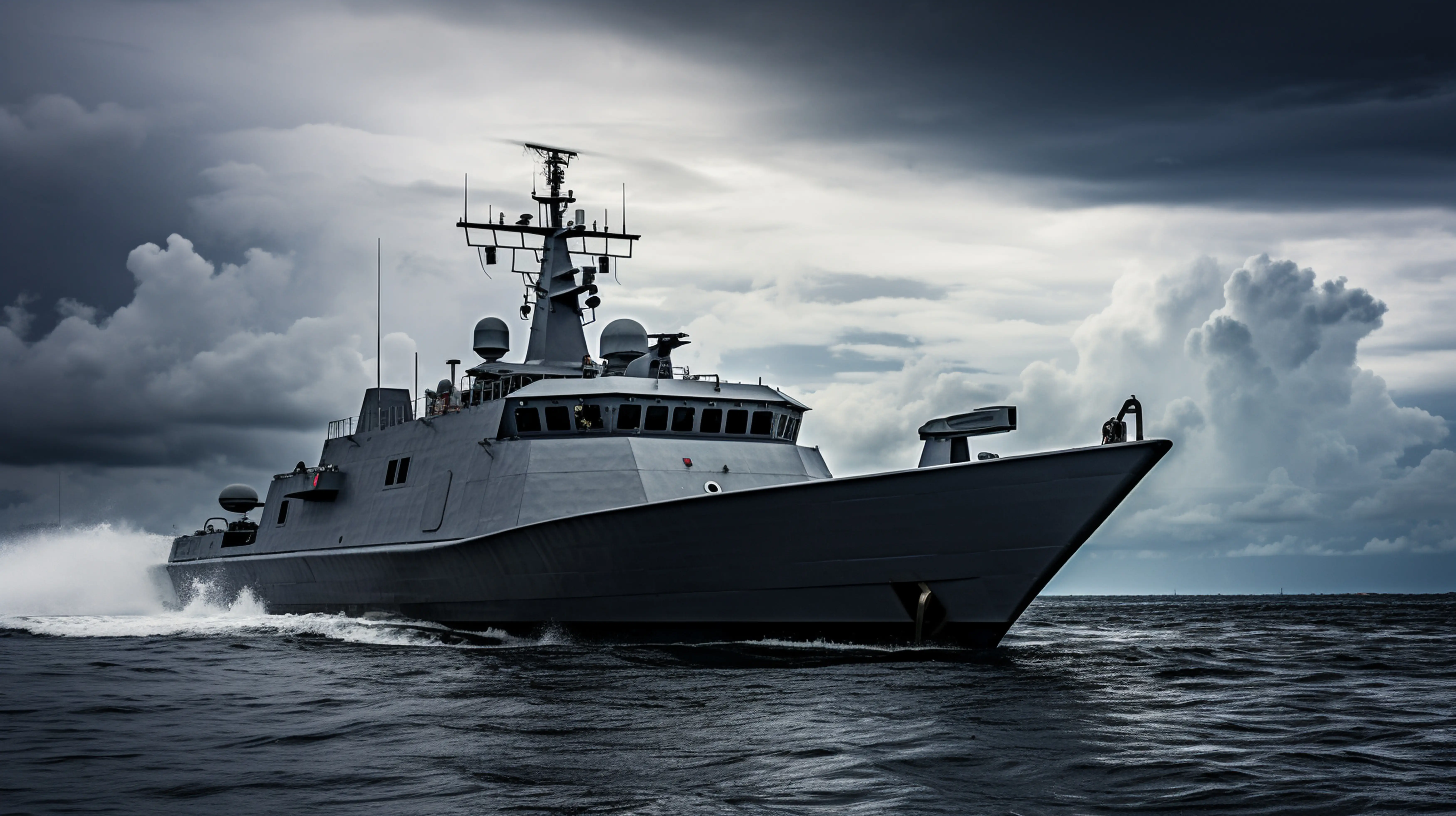
If fleet size is compared, the US Navy has at least 440 vessels while Iran has nearly 107 ships, including patrol boats and small combatants. The US fleet includes a wide range of ships, aircraft carriers, destroyers, cruisers, submarines, amphibious vessels and support ships, enabling global reach and sustained operations. The navy of Iran is geared primarily towards regional defence in the Persian Gulf, according to the report in the Military Compare.
Aircraft carriers and power projection
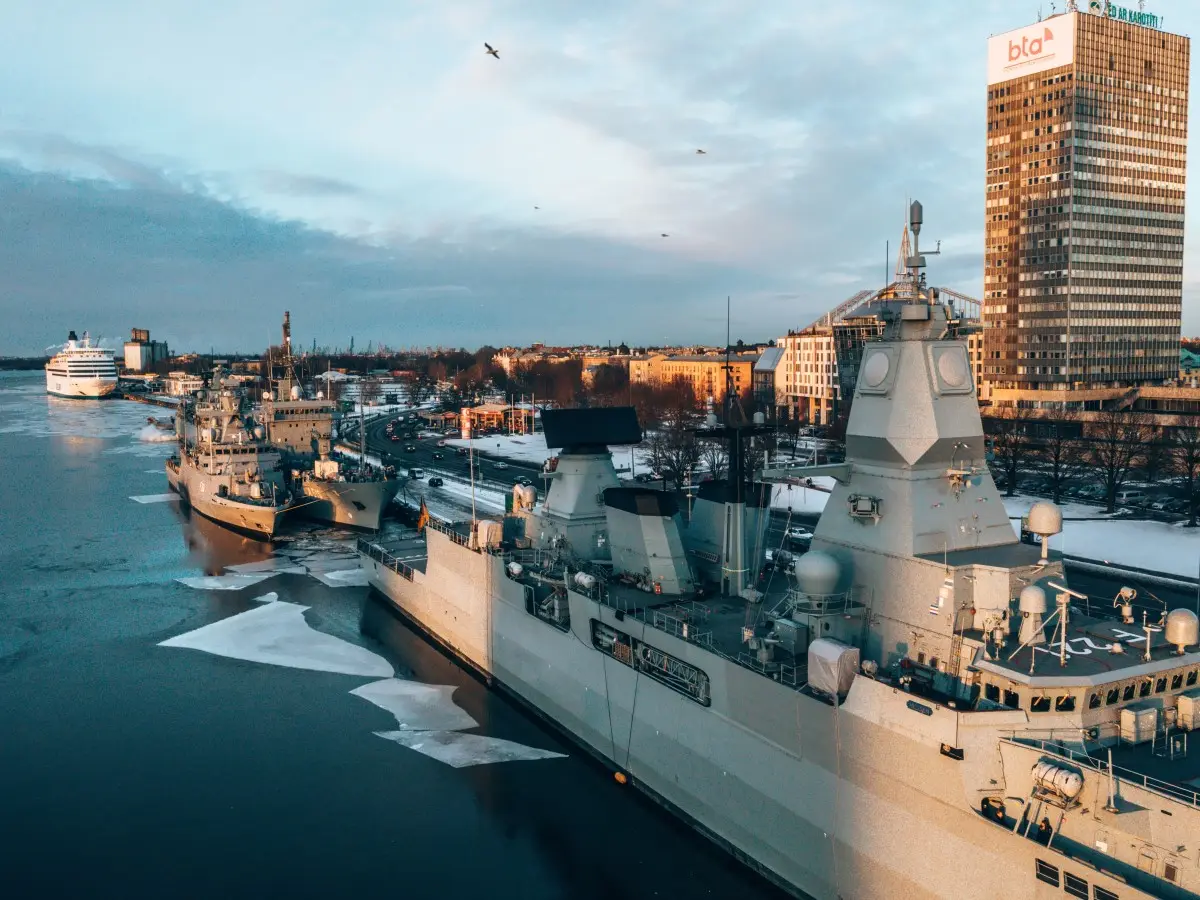
The US maintains 11 nuclear-powered aircraft carriers, floating airbases capable of launching fixed-wing aircraft for strike and air superiority missions anywhere in the world, but Iran operates no aircraft carriers. This limits its ability to project power beyond its immediate maritime neighbourhood.
Submarines and undersea strength
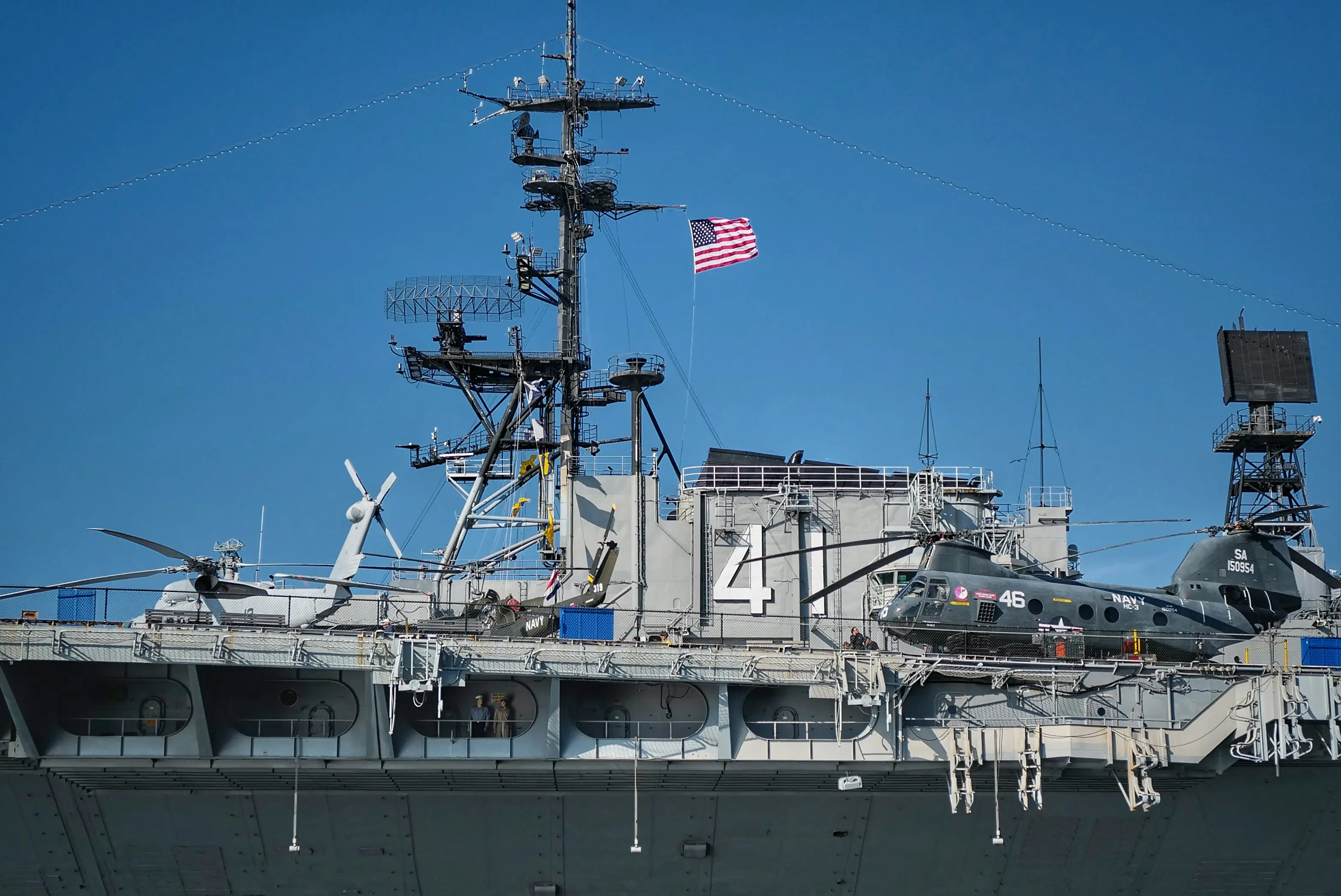
The US fields around 70 submarines, including advanced nuclear attack and ballistic missile types, giving it a significant advantage in stealth and strike capability below the surface. Whereas Iran has only 25 submarine fleet, which is smaller and generally consists of conventional diesel types suited for littoral operations rather than deep-water deterrence or sustained campaigns.
Surface combatants and regional doctrine
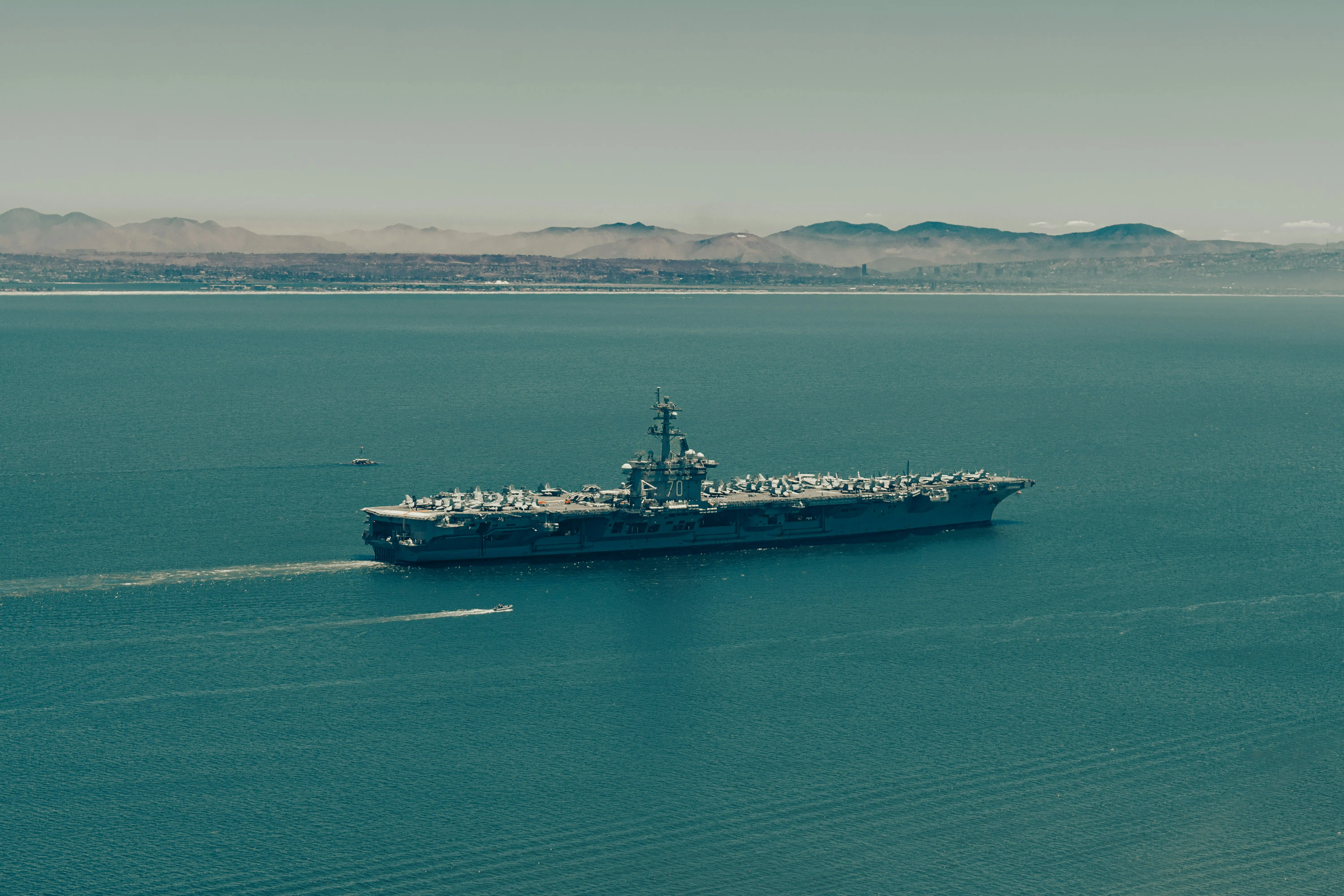
In addition, the US has a total of 81 destroyers, 26 Corvettes, which outnumber Iran’s. However, Iran has 21 Patrol Vessels, but the US has none yet; still, the American Navy has a large surface fleet that supports air defence, anti-submarine warfare and sustained power projection. In contrast, Iran emphasises fast attack craft, patrol boats and a limited number of corvettes and frigates designed for asymmetric defence strategies close to home.
Strategic roles and limitations
US naval power enables global presence, protection of sea lanes, and alliance operations across oceans. Iran’s naval forces focus on guarding the Persian Gulf and strategically vital choke points like the Strait of Hormuz, often using speed and missile threats as deterrence rather than open confrontation with a superpower navy. This asymmetry reflects differing military doctrines and resource priorities.
)
)
)
)
)