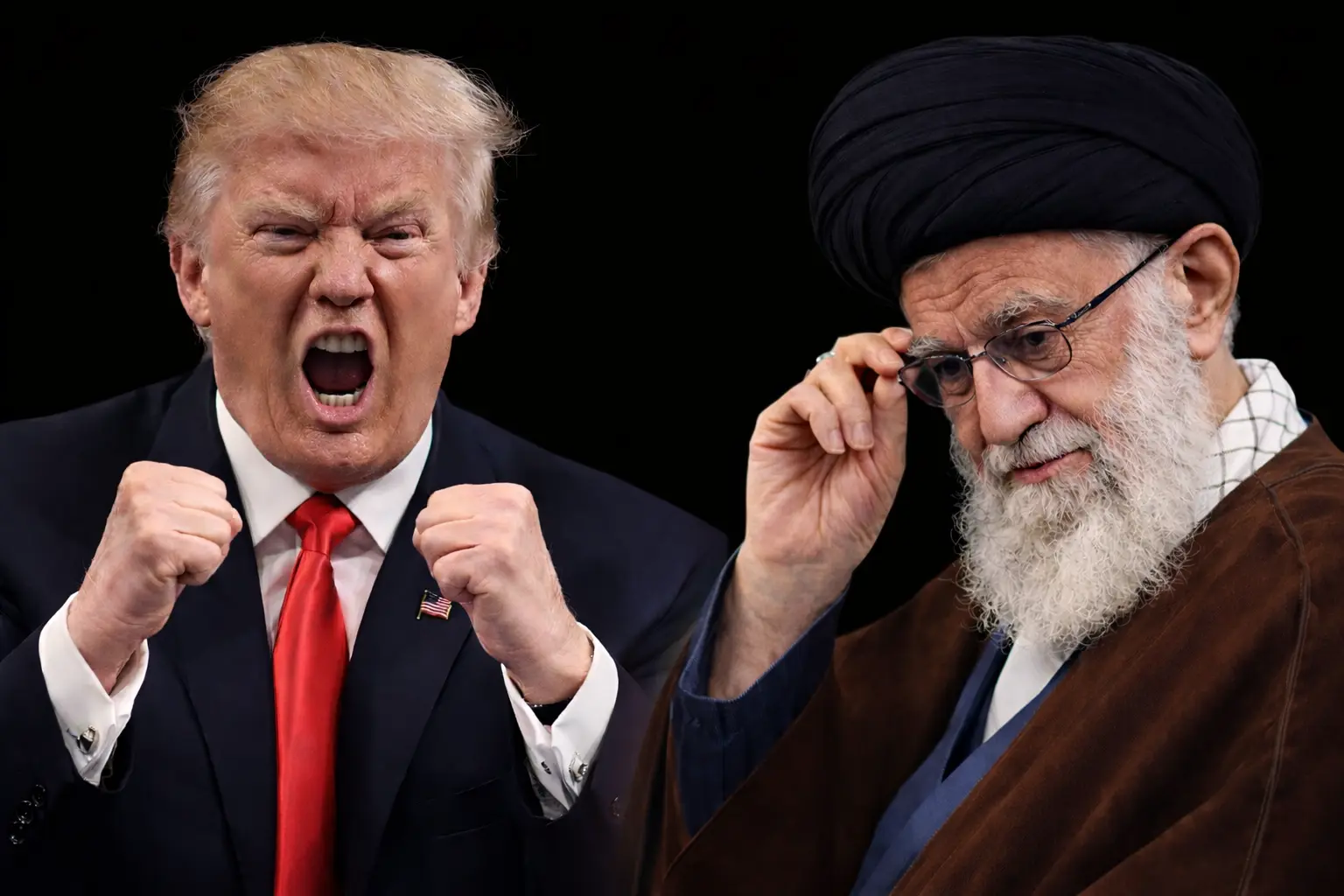
'US vs Iran': Is the US prepared for an attack on Iran?

The US is rapidly deploying aircraft carriers, F-15 fighters, and missile defences to the Middle East as tensions with Iran soar in 2026. With President Trump keeping all options open, the Pentagon has positioned massive firepower in Qatar and at sea, ready for a potential strike.
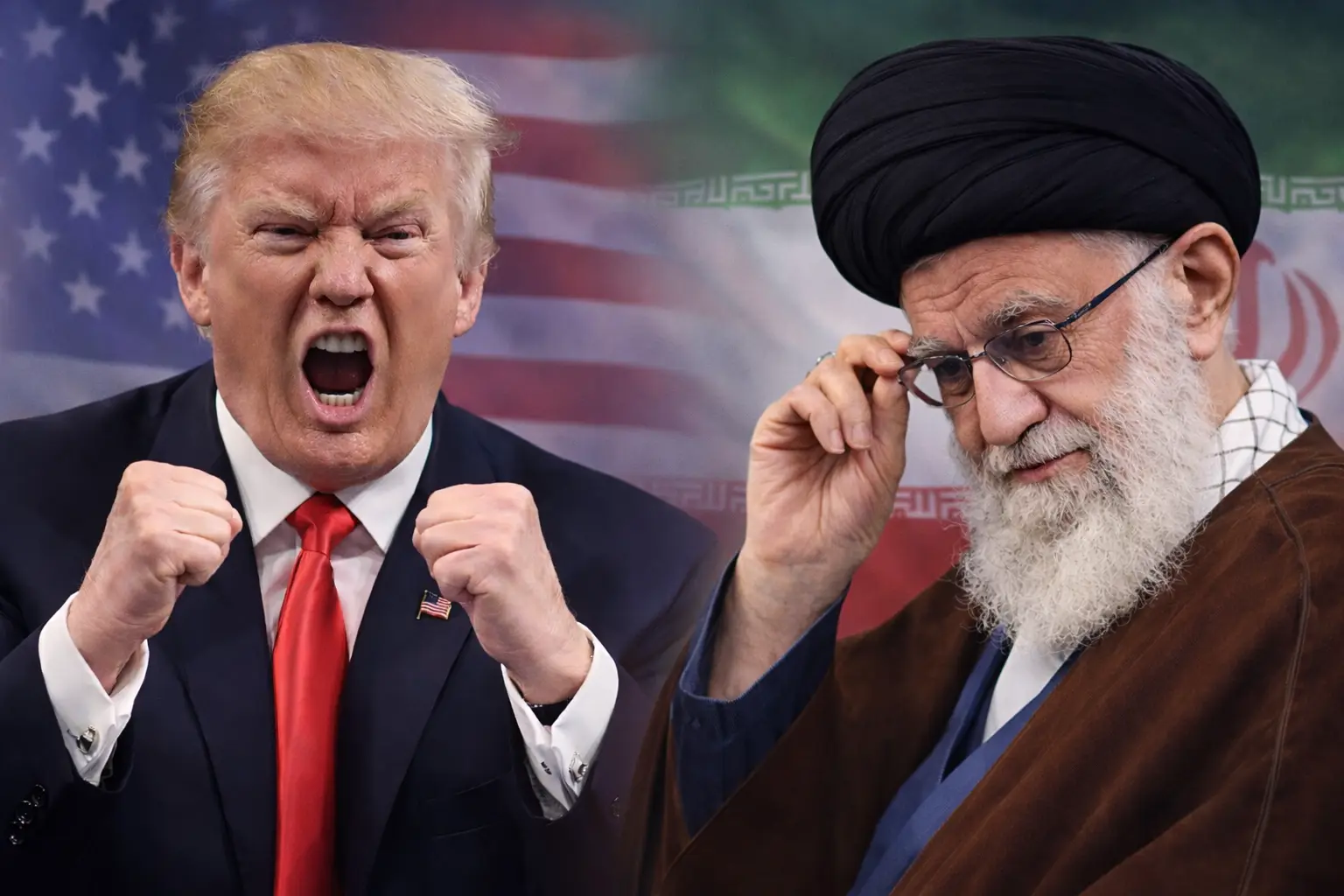
Trump orders 'Big Flotilla' Commander-in-Chief ready
President Donald Trump has authorised a significant surge of naval and air power to the region, describing the movement as a 'big flotilla'. While he has stated that he hopes to avoid another war, he made it clear that 'all options remain on the table' if Tehran escalates its nuclear activities or attacks US interests.
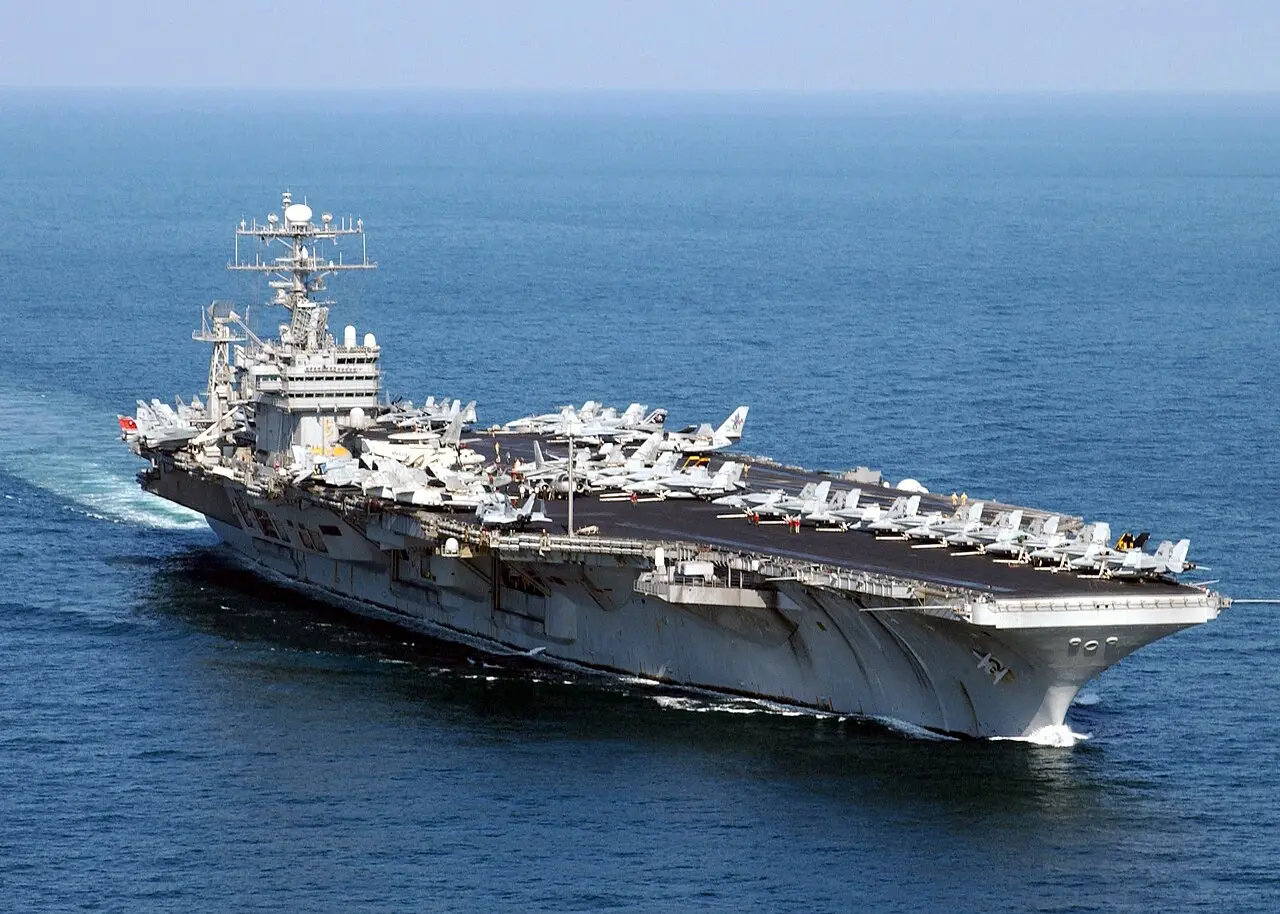
USS Abraham Lincoln Carrier strike group
The USS Abraham Lincoln Carrier Strike Group is steaming towards the Arabian Sea from the Indo-Pacific to project massive power. This floating airbase carries advanced F-35C Lightning II stealth fighters, which can penetrate Iranian airspace undetected to dismantle key radar and missile sites.
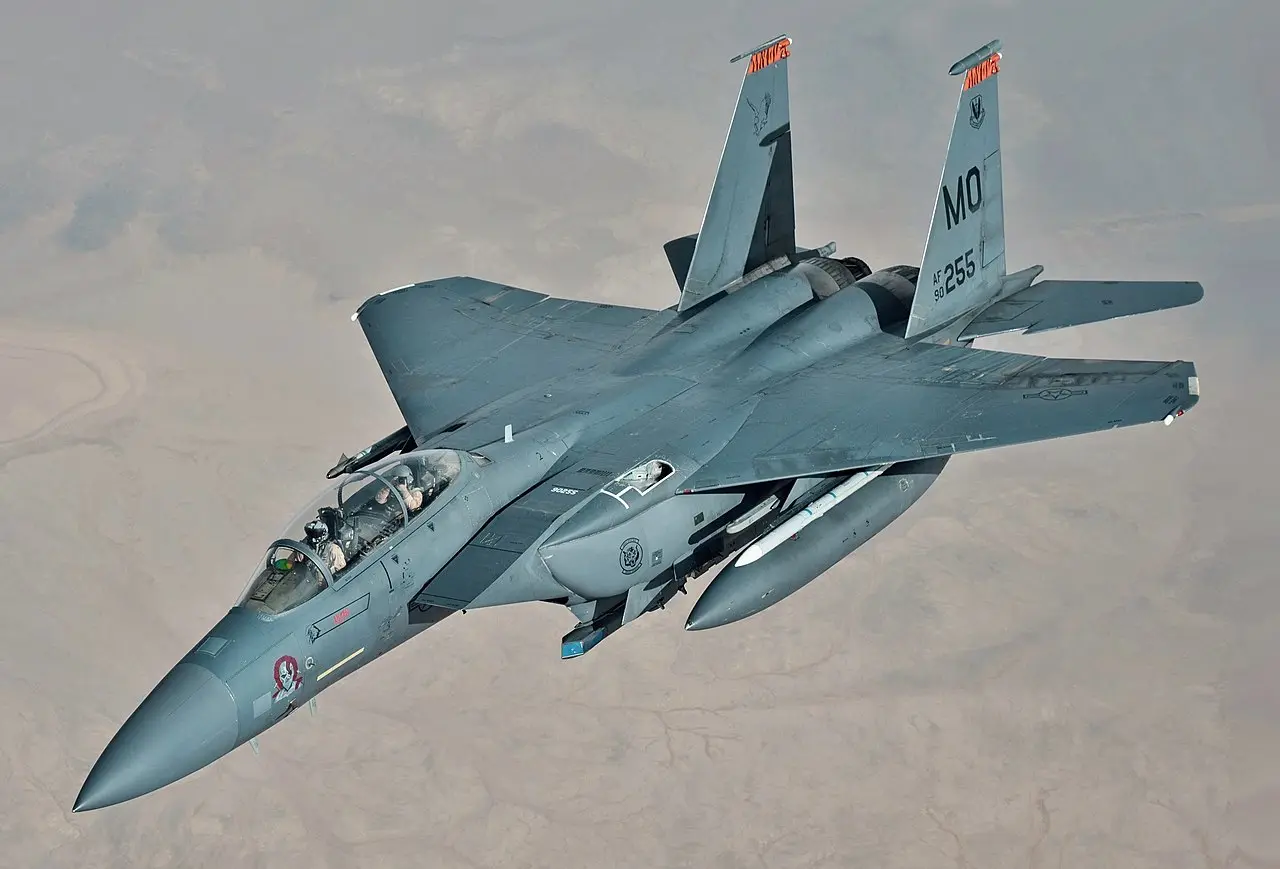
F-15E Strike Eagles Air superiority fighters
The US Air Force has redeployed a squadron of F-15E Strike Eagles from the UK to the Muwaffaq Salti Air Base in Jordan. These jets were pivotal during the clashes of June 2025 and are now positioned to conduct precision strikes on Iranian command centres and drone facilities at a moment's notice.
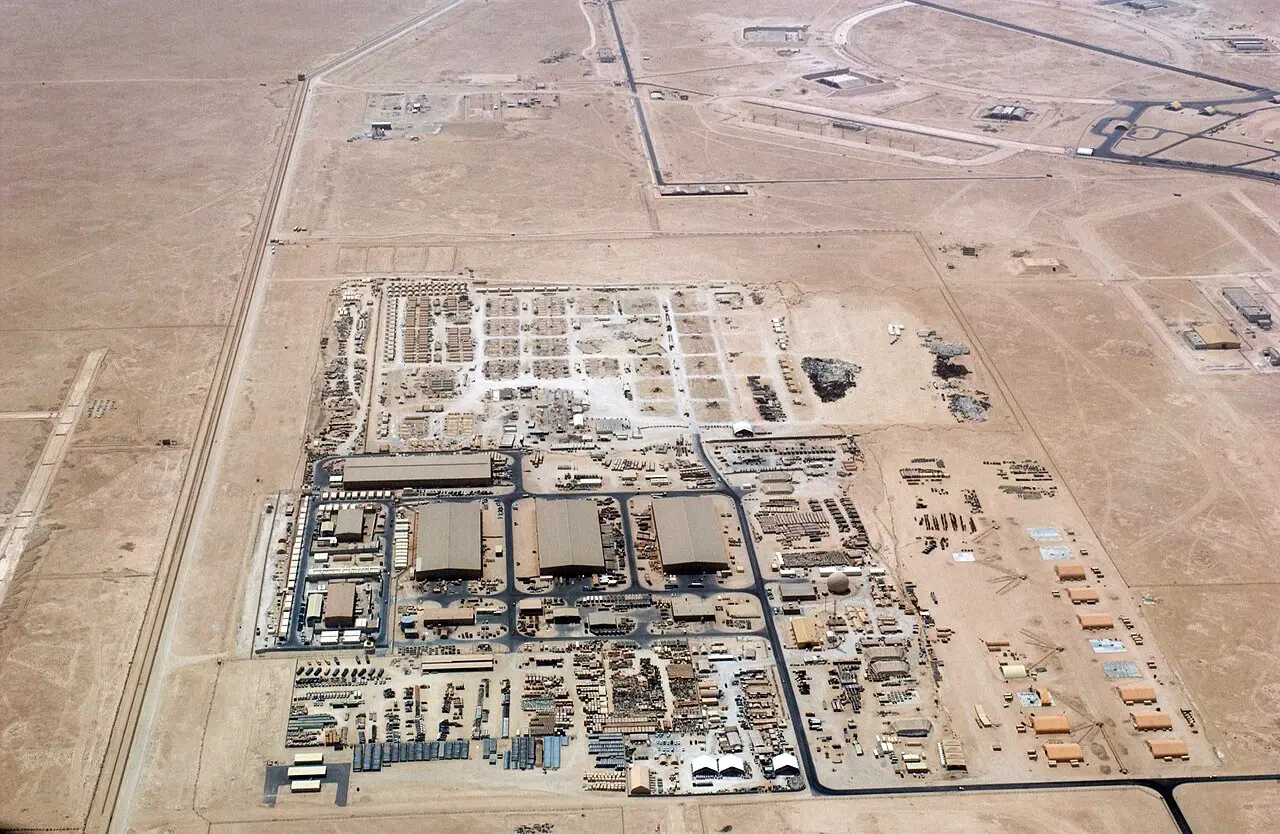
Al Udeid Air Base Qatar military hub
Al Udeid in Qatar remains the nerve centre for US Central Command, hosting over 10,000 American troops and B-52 strategic bombers. Recent reports indicate access to the base has been restricted for non-essential personnel, a classic pre-conflict move to secure the facility against potential retaliatory missile barrages.
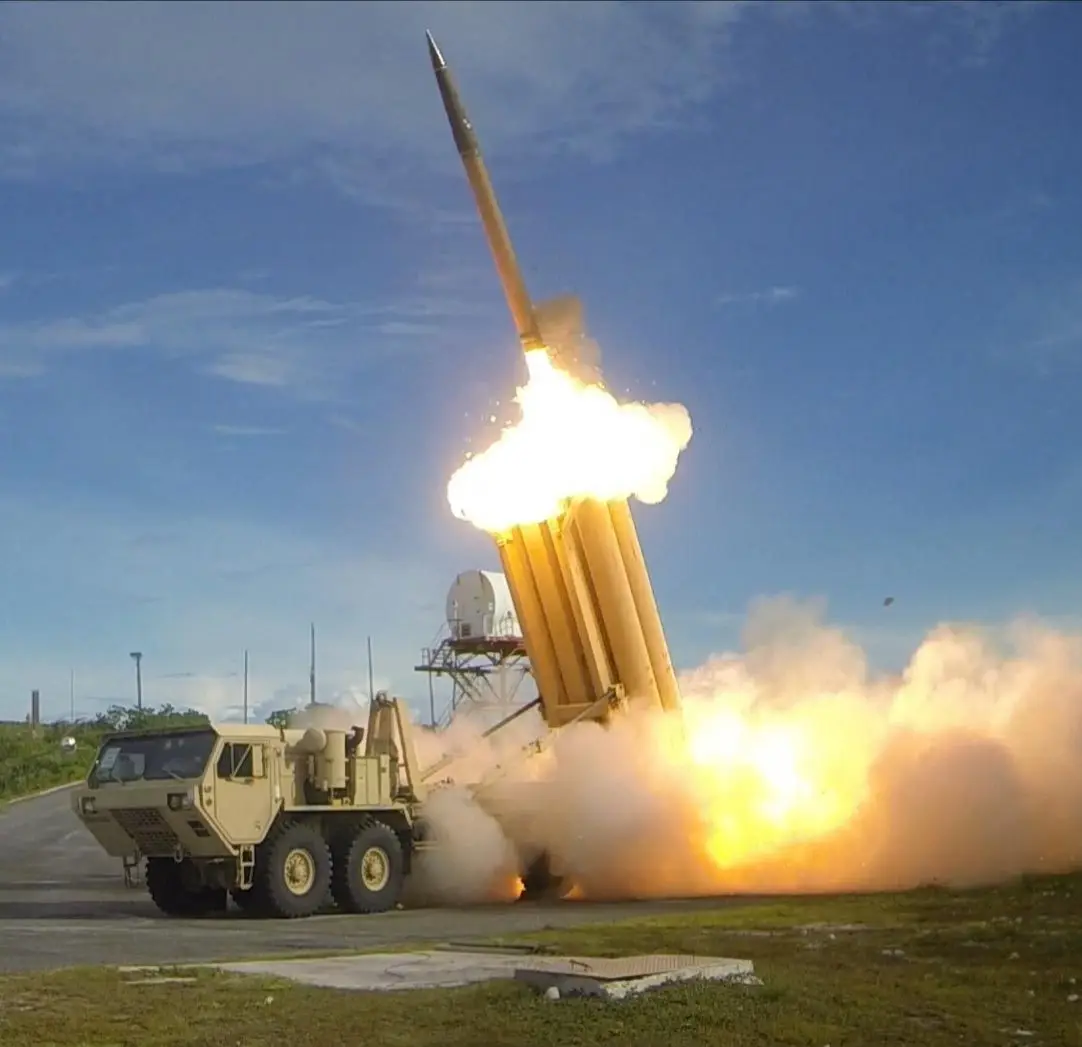
Missile defence shield Patriot and THAAD
To counter Iran's ballistic missile arsenal, the Pentagon is eyeing the deployment of additional THAAD and Patriot defence batteries to the Gulf. These systems are designed to intercept incoming projectiles high in the atmosphere, creating a protective dome over US bases and allied nations like Israel and Saudi Arabia.

Global strike bombers B-52 and B-2 reach
Beyond local bases, the US maintains the ability to launch devastating strikes directly from the continental United States or Diego Garcia. B-2 Spirit stealth bombers and B-52 Stratofortresses allow Washington to hit deeply buried Iranian bunkers without needing to rely solely on regional host nations for permission.
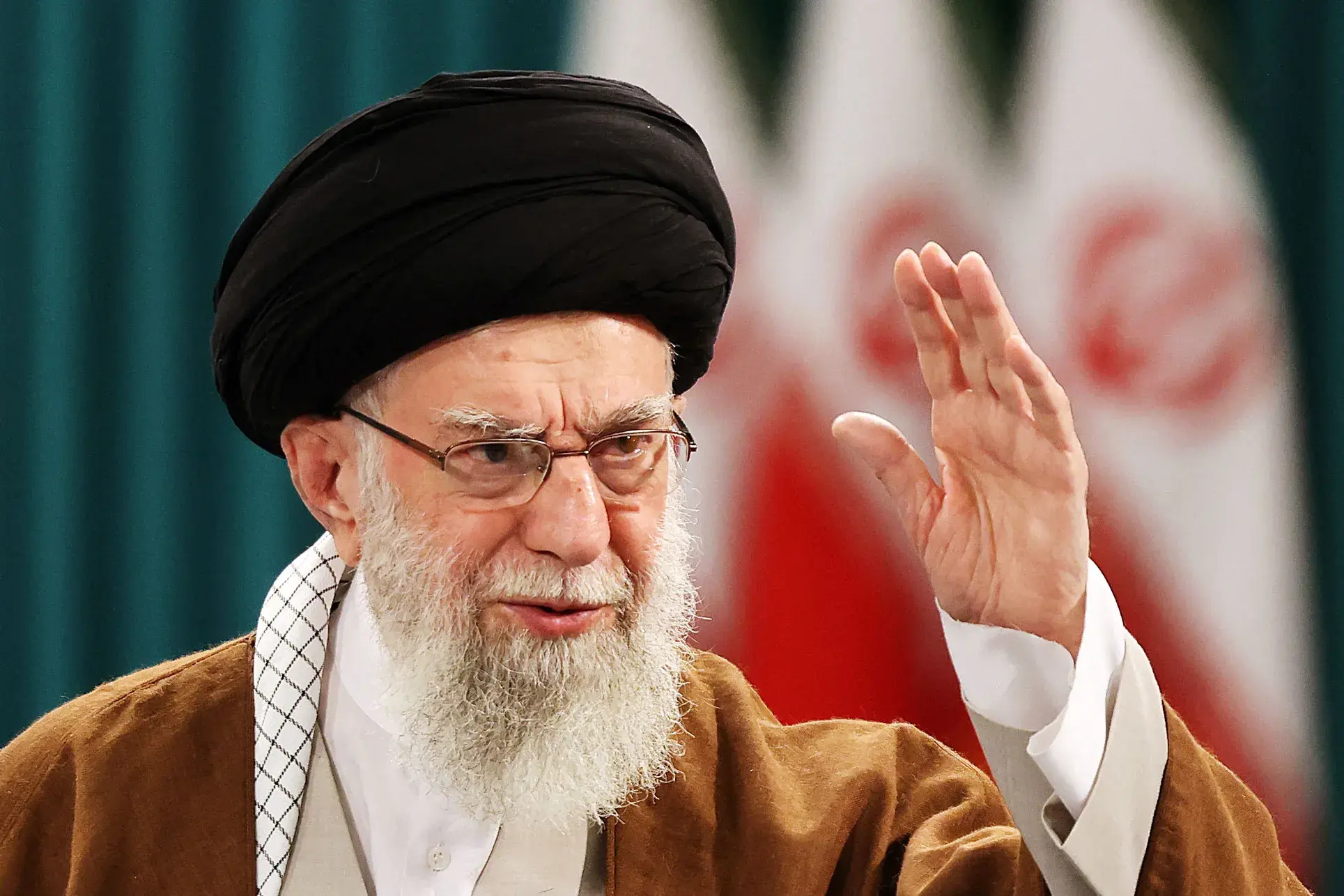
Iran issues warning Tehran threatens war
Iranian officials have warned that any US strike, however limited, will be treated as an act of 'all-out war' sparking immediate retaliation. The Islamic Revolutionary Guard Corps (IRGC) has taunted the US administration, claiming their missile cities are ready to target American assets across the entire Middle East.
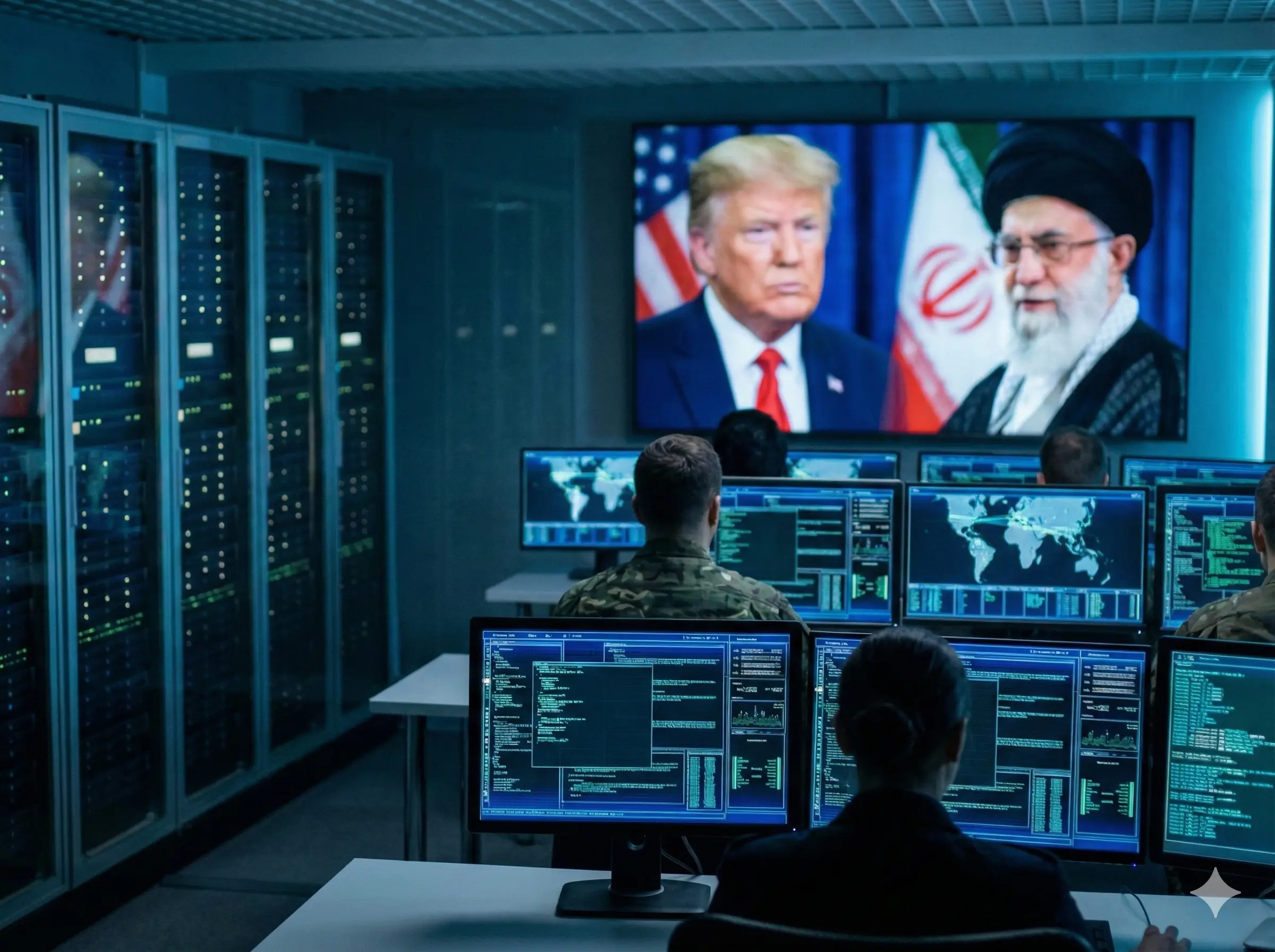
Battle-hardened forces Lessons from 2025
The US military is operating with fresh experience from the brief '12-Day War' against Iran in June 2025. Pilots and commanders have mapped Iranian air defences extensively, giving US forces a tactical advantage in knowing exactly where to strike to blind the enemy's sensors in the opening hours.
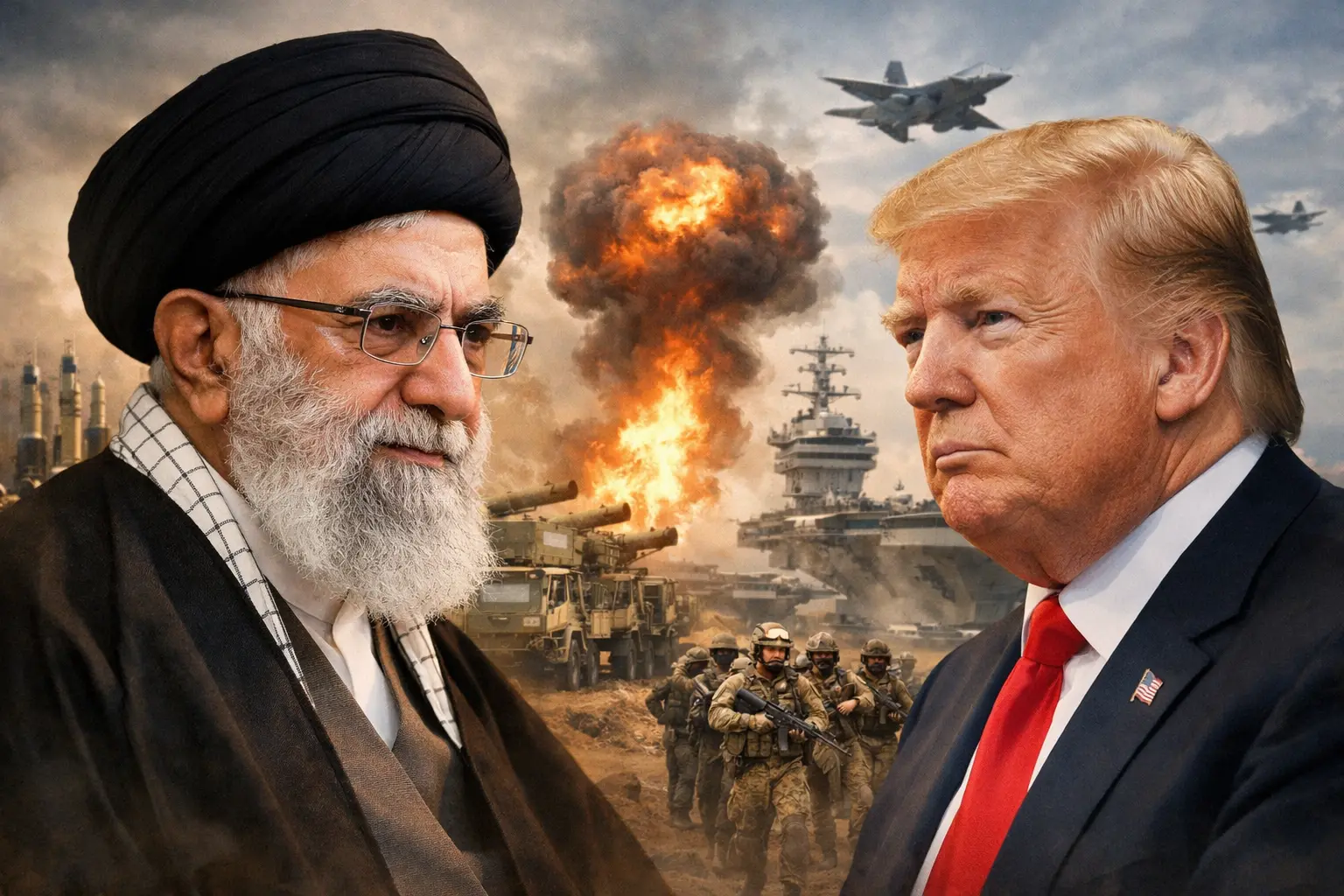
Sustainability concerns Stockpiles running low
Despite the overwhelming firepower, Pentagon analysts worry about the long-term sustainability of a full-scale conflict. Replenishing high-tech interceptors and precision missiles consumed during previous skirmishes takes time, meaning the US is optimised for a crushing, short-term punishment rather than a drawn-out occupation.
Evacuation protocols Safety measures active
The US has quietly ordered the evacuation of non-essential personnel from vulnerable zones, signaling genuine concern about escalation. This precautionary step is often the final logistical hurdle cleared before military action commences, ensuring civilians are out of harm's way before the first missile flies.
)
)
)
)
)