US vs EU: Where does European bloc stands in comparison to America | See in pics

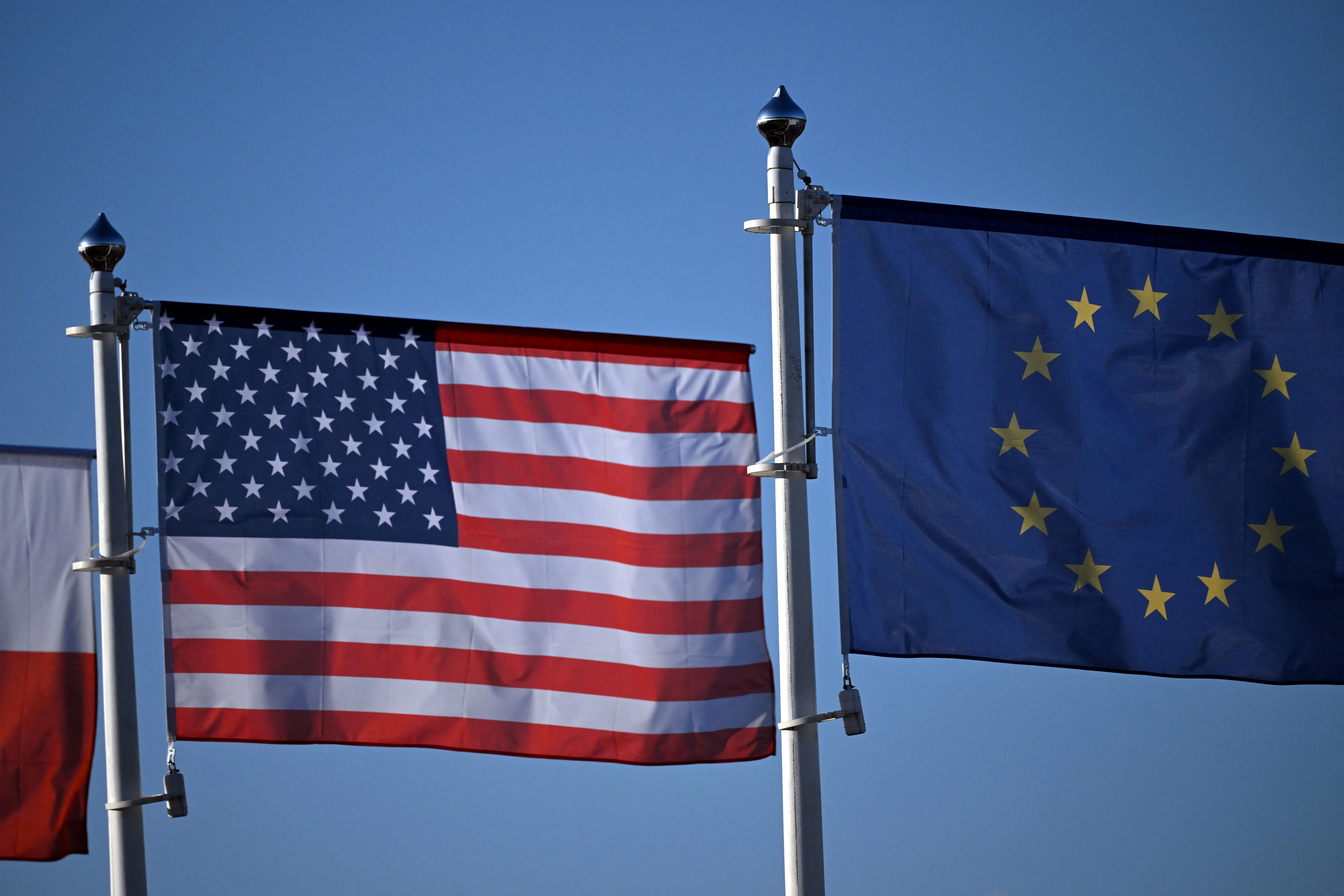
Tensions between United States and the European Union sharply escalated after President Trump announced 10 per cent tariffs on eight European countries over their opposition to his plan to acquire Greenland from Denmark.
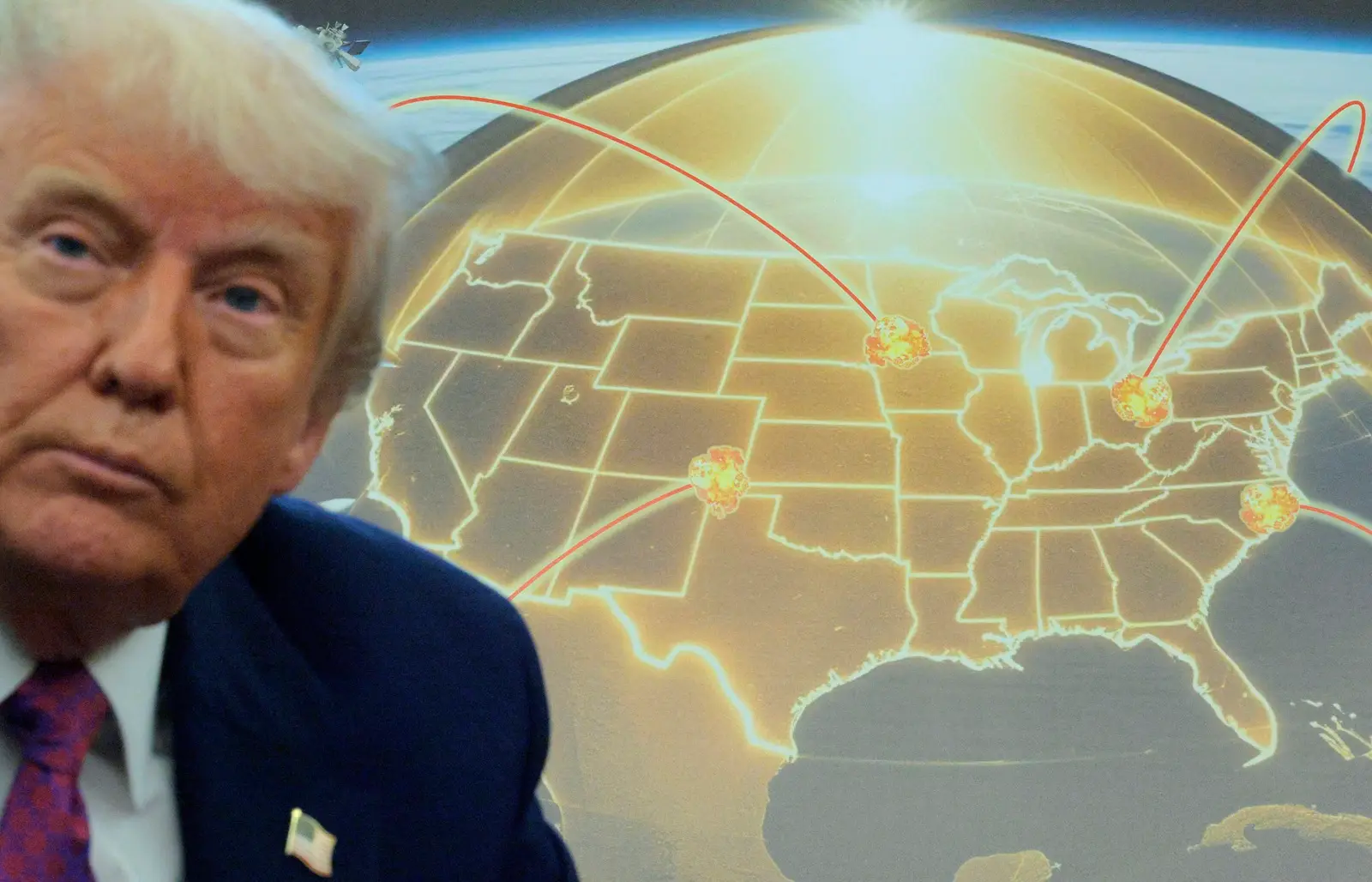
Geographic Size
The United States covers about 9.8 million sq km, making it one of the world’s largest countries. The European Union, taken together, spans roughly 4.2 million sq km. This gives the US a major advantage in territorial depth, resources, and strategic mobility.
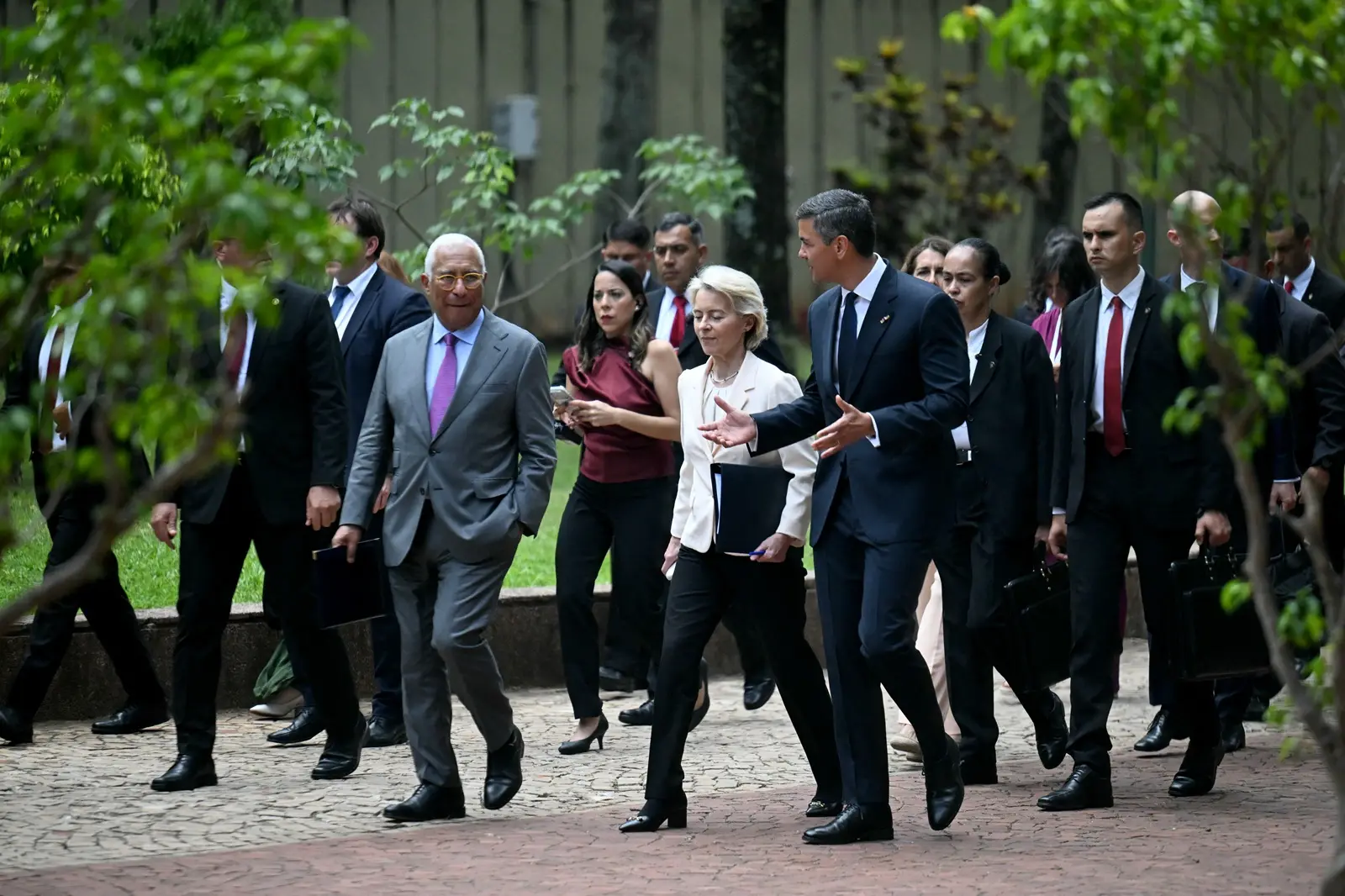
Population
The European Union has a population of around 448 million, significantly higher than the United States’ 335 million. However, the EU population is ageing faster, while the US benefits from relatively higher fertility and immigration, giving it longer-term demographic resilience.

Economy
The United States is the world’s largest economy, with a nominal GDP of about $27 trillion, compared with the EU’s $17 trillion. As a single integrated market, the US benefits from faster decision-making and capital mobility than the EU’s multi-state structure.

GDP per Capita
US GDP per capita stands at roughly $80,000, far higher than the EU average of around $38,000. This gap reflects stronger productivity growth, higher wages, and longer working hours in the US, despite some EU states matching or exceeding US living standards individually.
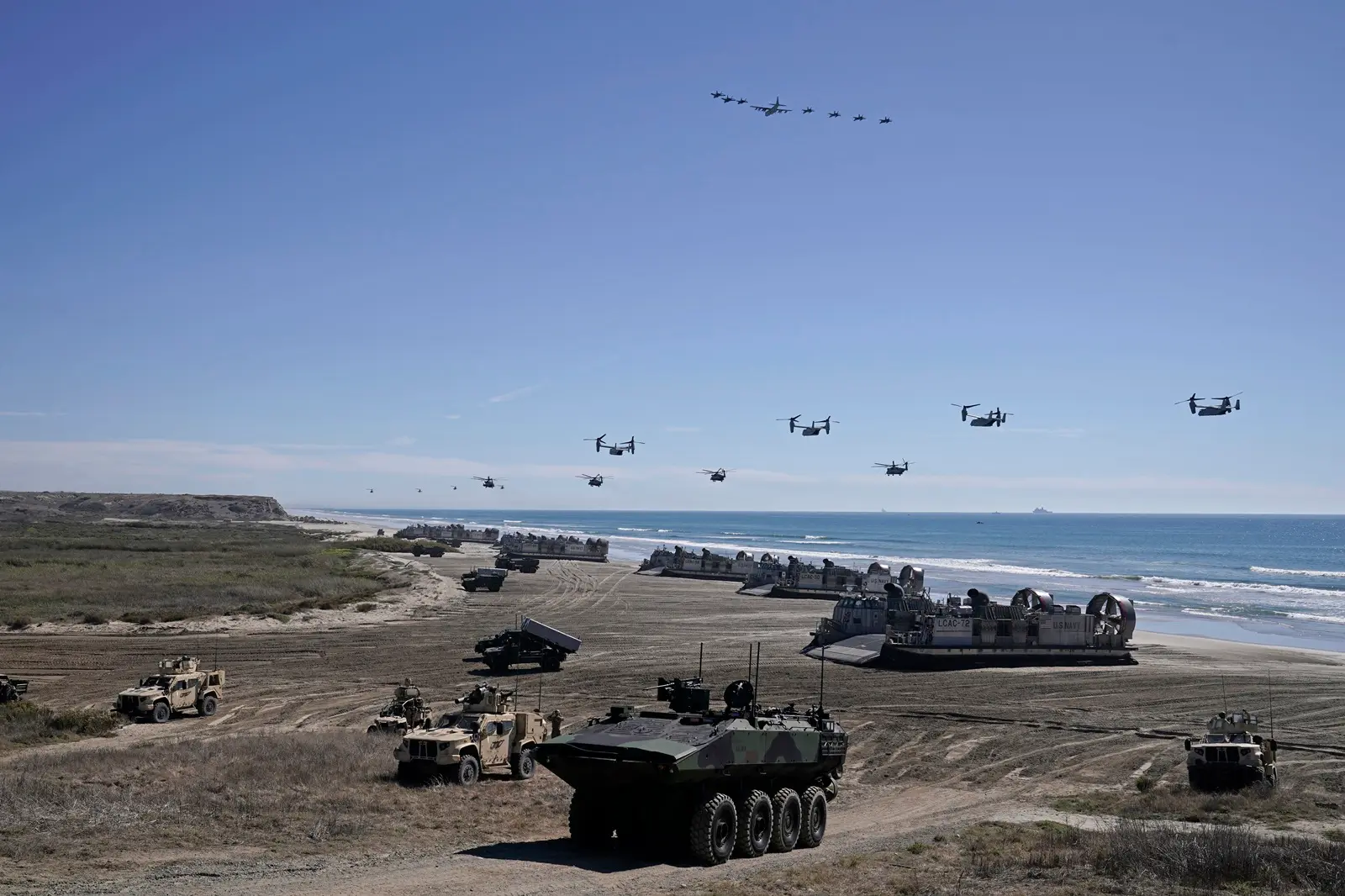
Military Spending
The United States spends over $850 billion annually on defence, with President Trump pledging to raise millitary budget to $1.5 trillion, more than the next several countries combined. EU member states together spend under $300 billion, and lack a unified military command, leaving Europe heavily dependent on NATO and US capabilities.
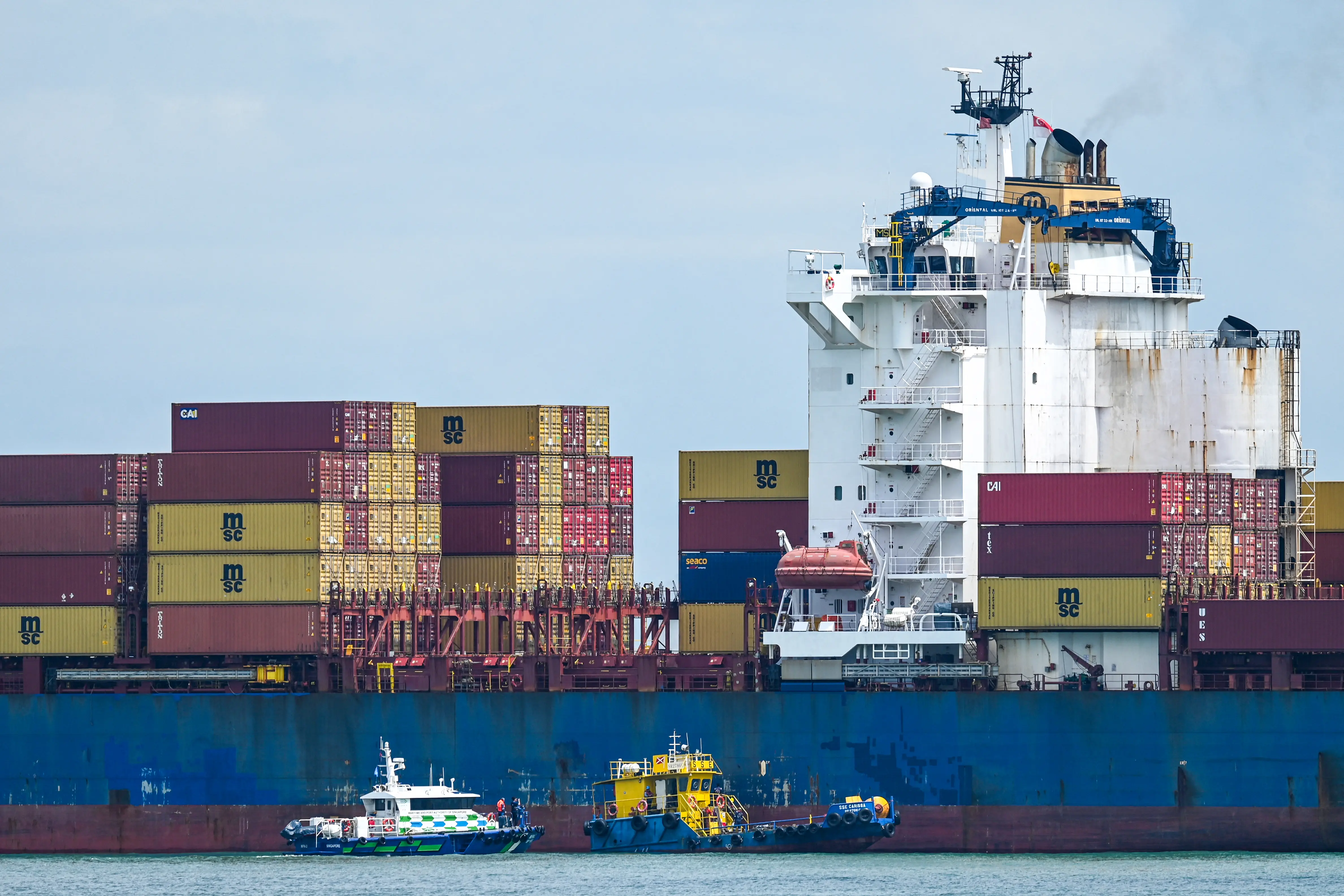
Trade Power
The European Union is the world’s largest trading bloc, accounting for about 15 per cent of global goods trade, driven by its single market of 27 countries. The United States remains the largest single-country trader, using tariffs and sanctions as key trade policy tools.
Military Structure and Power
The US operates a single, unified military with global force-projection capabilities, including aircraft carriers and overseas bases. The EU has no standing army, relying on national forces and NATO coordination, which limits rapid and independent military action.
)
)
)
)
)