US tweaks new Green Card rules after backlash: CHECK how it offers relief to Indians and other foreign workers

The US has softened newly announced green card restrictions after backlash from foreign workers, especially Indians on H-1B visas. USCIS introduced exceptions for applicants offering “economic benefit” or serving the “national interest,” allowing some to continue applying from within the US.
US tweaks new Green Card rules after backlash
The United States immigration authorities have tweaked the newly announced green card rules after the policy triggered concern among foreign professionals, particularly Indian workers living in the country on temporary visas. The US Citizenship and Immigration Services (USCIS) on Friday (May 23) introduced a major policy change that restricted foreign nationals on temporary visas from applying for permanent residency while remaining inside the United States and instead apply through a US embassy or consulate after returning to their home countries
What is the tweak?
The USCIS seems to have partially retracted the changes, inserting two exceptions: "economic benefit" and "national interest". While we work to operationalize this, people who present applications that provide an economic benefit or otherwise are in the national interest will likely be able to continue on their current path while others may be asked to apply abroad depending on individualized circumstances,” USCIS Spokesman Zach Kahler said in a statement, according to CBS News. The US administration did not specify what "economic benefit" and "national interest" mean
What is US Green Card?
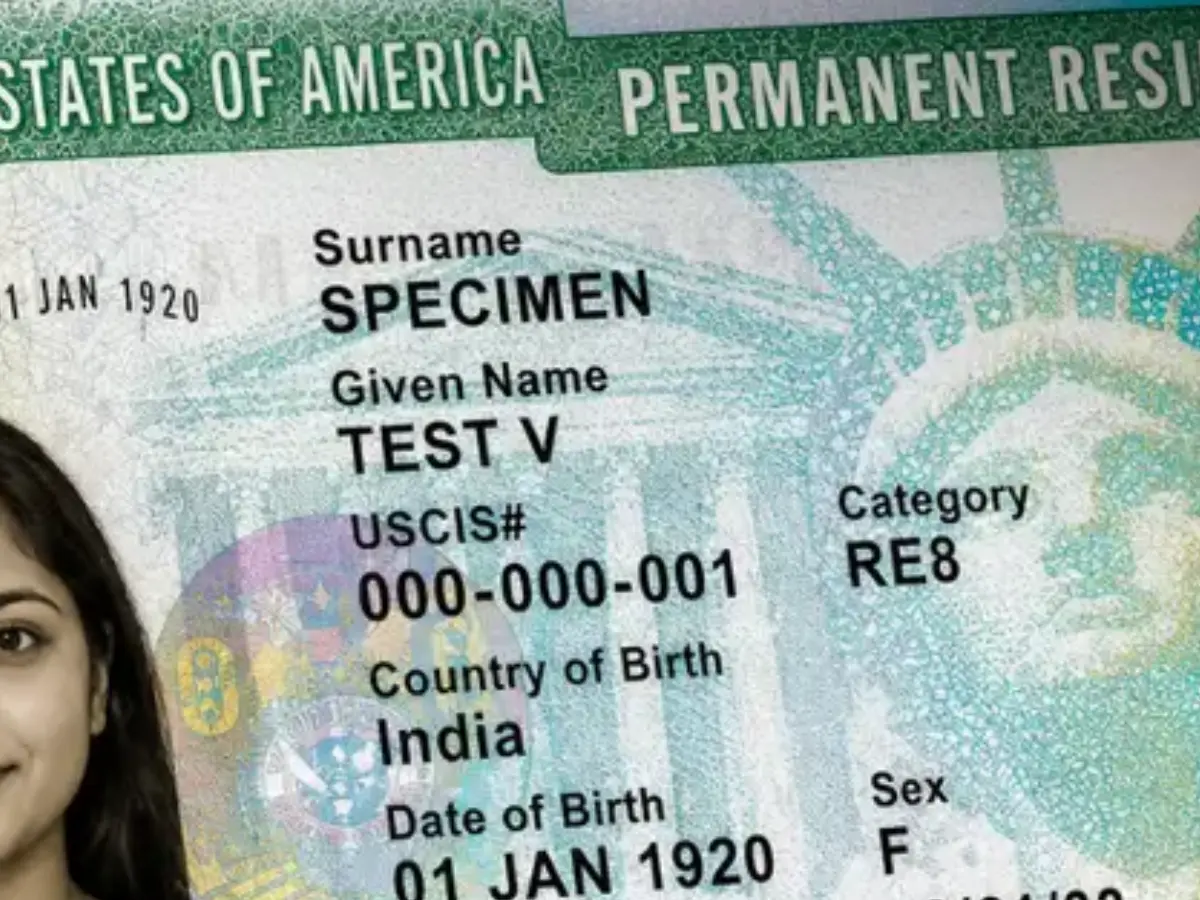
A US Green Card, officially called a Permanent Resident Card, is a document that allows foreign nationals to legally live and work in the United States on a permanent basis. Individuals who hold a Green Card are referred to as Lawful Permanent Residents (LPRs).
How the earlier order affected Indians?
The earlier USCIS policy triggered concern among Indian professionals in the US on H-1B visas, many of whom already face lengthy waits for employment-based green cards.
Under the previous system, applicants could stay in the US while waiting for visa backlogs to clear, particularly in the EB-2 and EB-3 categories, where Indians often face delays of 10 to 15 years.
However, the earlier USCIS memo instructed officials to treat Adjustment of Status as an “extraordinary” relief measure and prioritise consular processing, raising fears that many applicants could be forced to leave the US and complete their green card process from India.
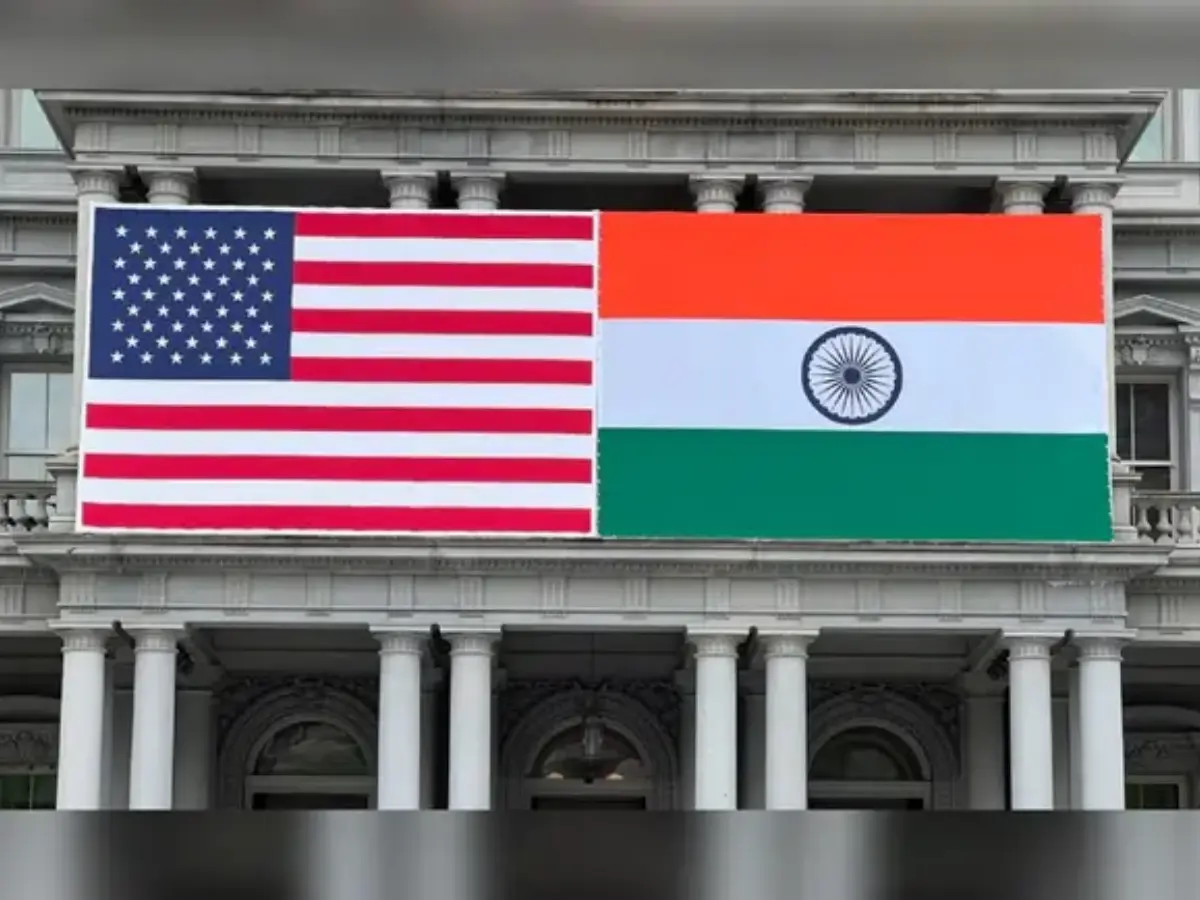
Why this matters for Indians?
Indian professionals on H-1B visas, especially under EB-2 and EB-3 categories, often face green card waiting periods of 10–15 years.
- During this period, many continue living and working in the US while waiting for visa backlogs to clear.
- The earlier version of the policy sparked fears that applicants could be forced to leave the US and return to India for consular processing.
- This created uncertainty for thousands of Indian workers and their families settled in the US.
- The updated USCIS clarification now suggests that some skilled workers, researchers, tech professionals and individuals considered important to US interests may still be allowed to remain in the country and continue the Adjustment of Status process.
)
)
)
)
)