US naval blockade of Iran: How many tankers passed through Strait of Hormuz on day one? This is what tracking data show

On Monday, the US military further clarified the scope of the operation, stating that the blockade zone extends eastwards into the Gulf of Oman and the Arabian Sea.
US defines scope of naval blockade across key maritime routes
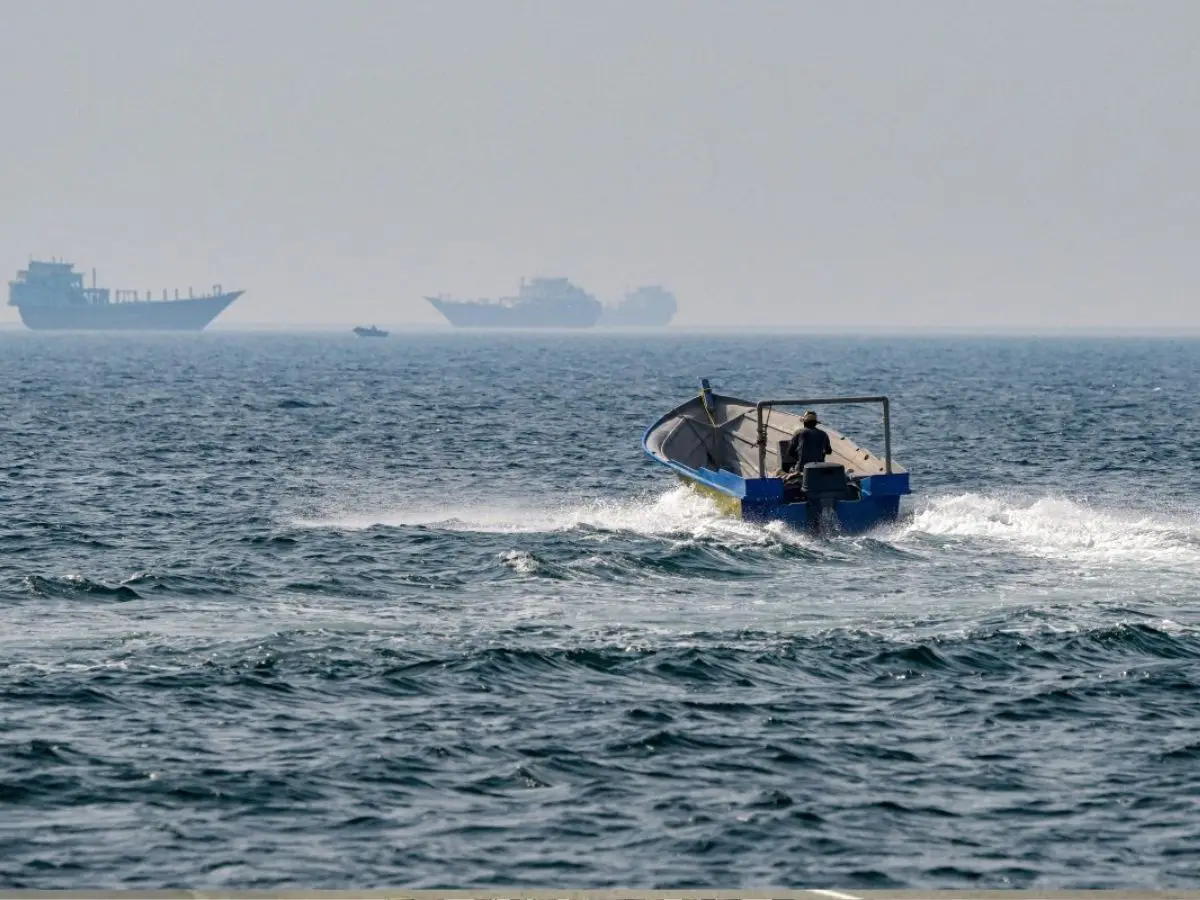
The United States began enforcing a naval blockade of Iranian ports on April 13, 2026, extending operations across the Strait of Hormuz, the Gulf of Oman, and the Arabian Sea. The directive targets vessels entering or leaving Iranian ports, with US forces warning of interception or seizure for non-compliance. Shipping advisories stated that neutral vessels bound for non-Iranian destinations would be allowed to continue passage under close monitoring. On Monday, the US military further clarified the scope of the operation, stating that the blockade zone extends eastwards into the Gulf of Oman and the Arabian Sea.
How many tankers crossed on the first full day
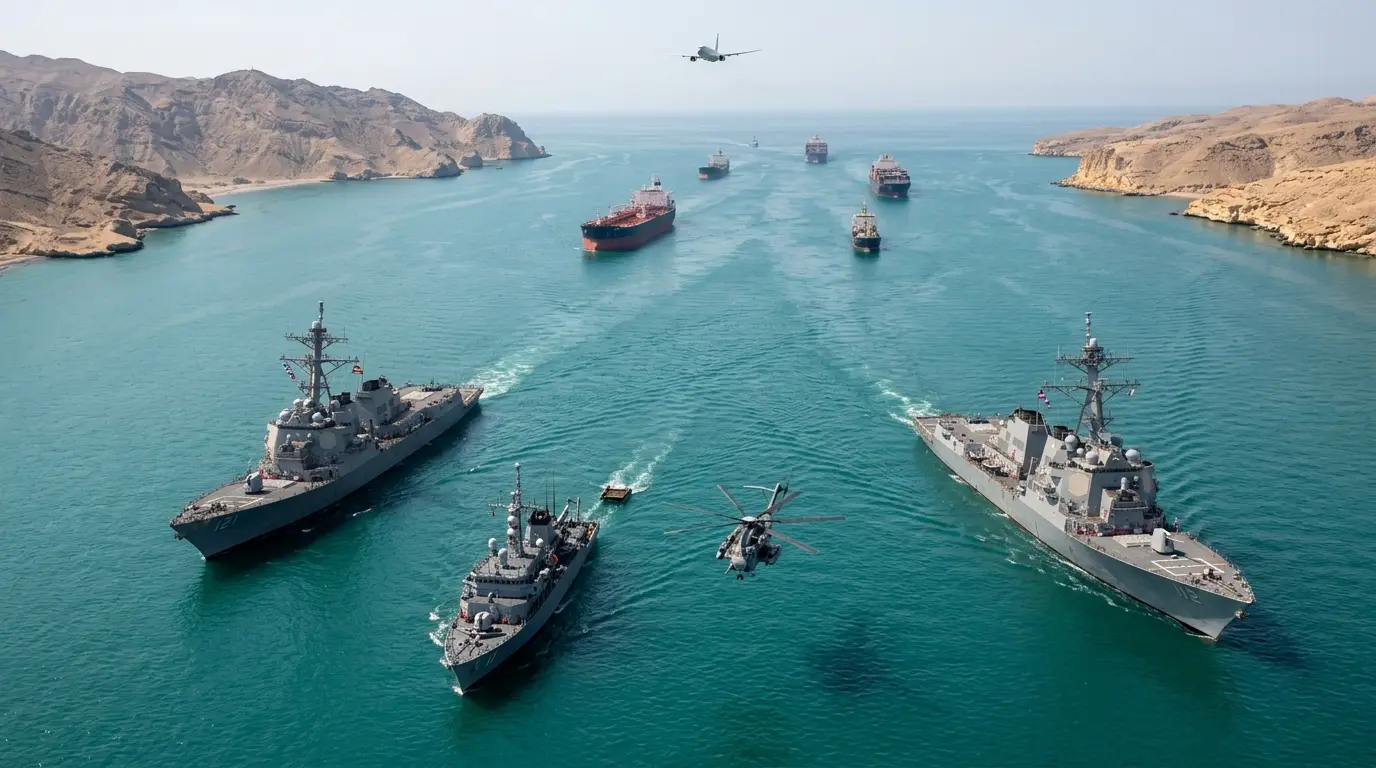
Shipping data published by Reuters indicated that at least three tankers passed through the Strait of Hormuz on the first full day of enforcement. These vessels included two US-sanctioned tankers and one additional commercial ship, all of which were not travelling to Iranian ports and therefore remained outside the direct scope of the blockade restrictions.
Complex maritime tracking
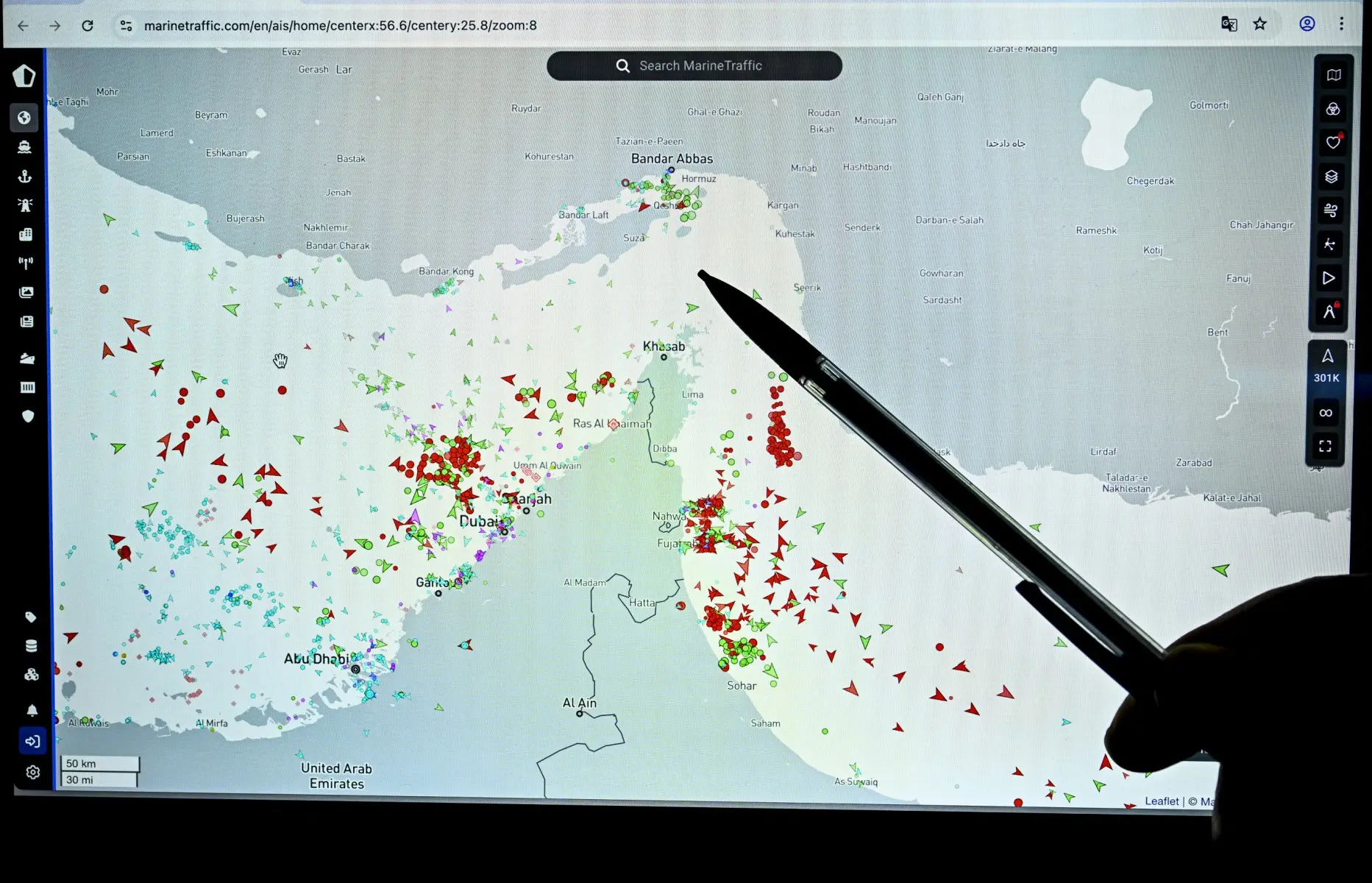
Among them was a Chinese-owned, US-sanctioned tanker that successfully transited the Strait of Hormuz. The vessel Rich Starry, a medium-range tanker, is carrying about 250,000 barrels of methanol, according to data. It loaded the cargo at its previous port of call, Hamriyah in the UAE, the data showed. Rich Starry is understood to be the first vessel to pass through the strait and exit the Gulf since the blockade began, according to LSEG and Kpler tracking data, according to Reuters. The Chinese-owned tanker is also reported to have a Chinese crew on board, the data showed.
No confirmed full shutdown of the strait
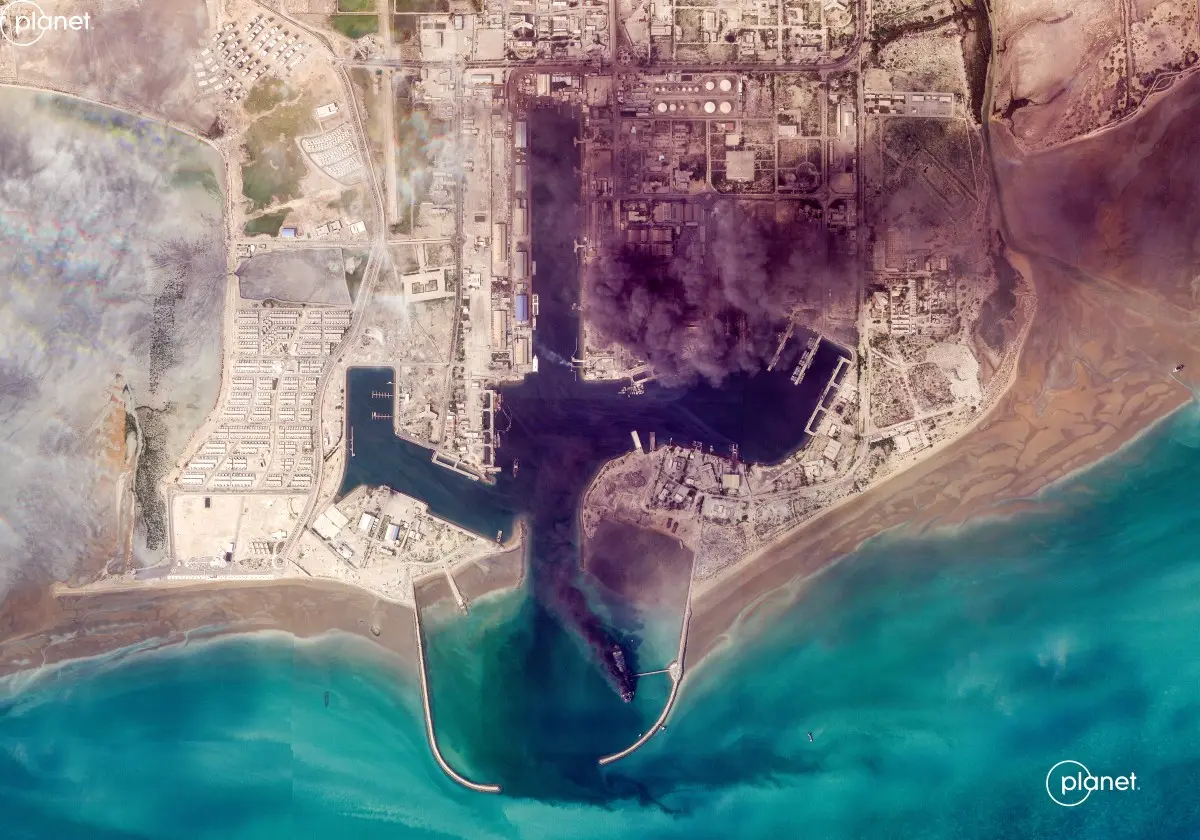
Despite heightened military presence, the Strait of Hormuz remained operational. Tracking data showed continued movement of merchant vessels, with some ships proceeding cautiously while others adjusted routes. The waterway—responsible for a significant share of global oil flows—was not closed to all traffic, only restricted for vessels linked to Iranian port activity.
Selective enforcement and shipping exemptions
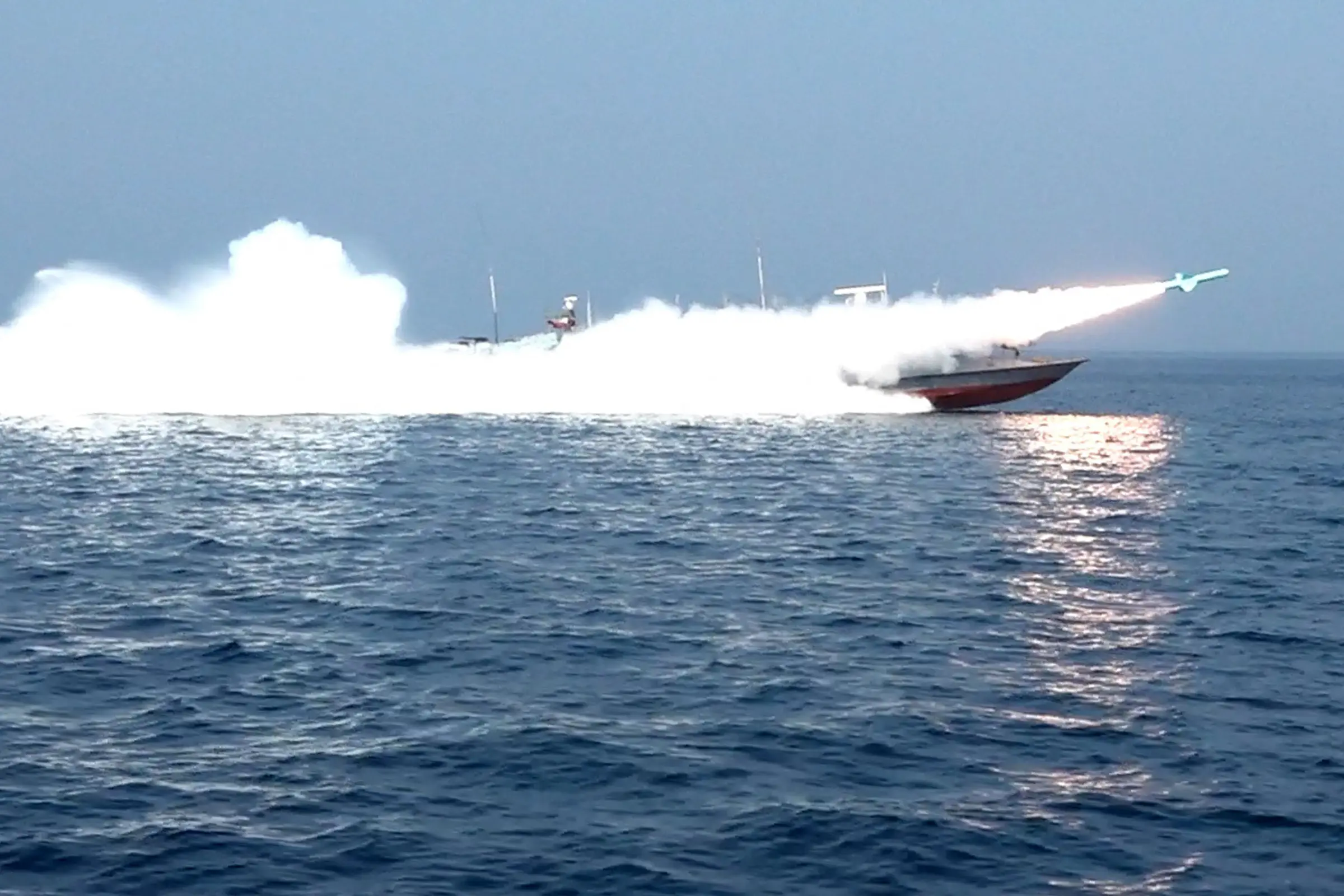
US Central Command clarified that vessels travelling to or from non-Iranian destinations would not be targeted. This created a dual-flow system: restricted movement for Iran-linked shipping and continued transit for neutral commercial traffic, maintaining partial functionality of the corridor.
No confirmed attacks or interceptions reported
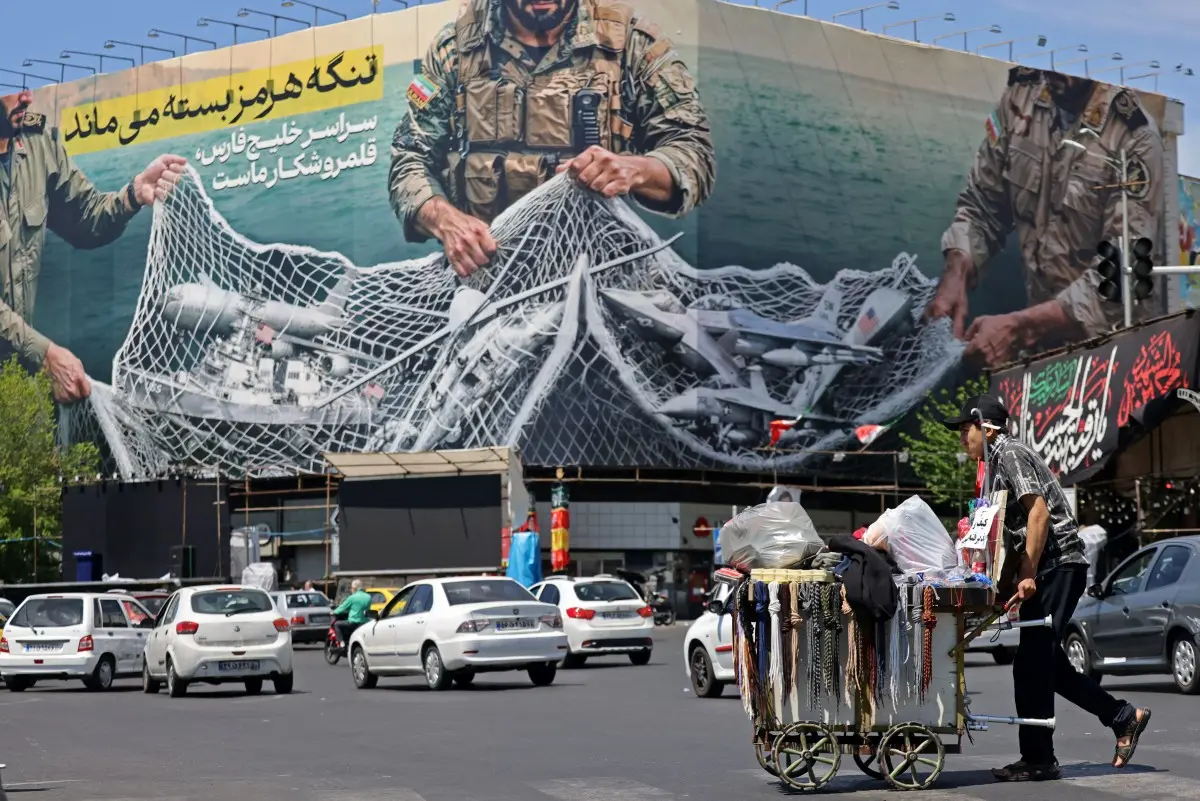
On the first day of enforcement, no confirmed attacks or seizures of commercial tankers were reported in the Strait of Hormuz. However, naval forces remained on high alert, with mine-clearing and surveillance operations underway in adjacent waters amid elevated regional risk.
Early movements as blockade came into force
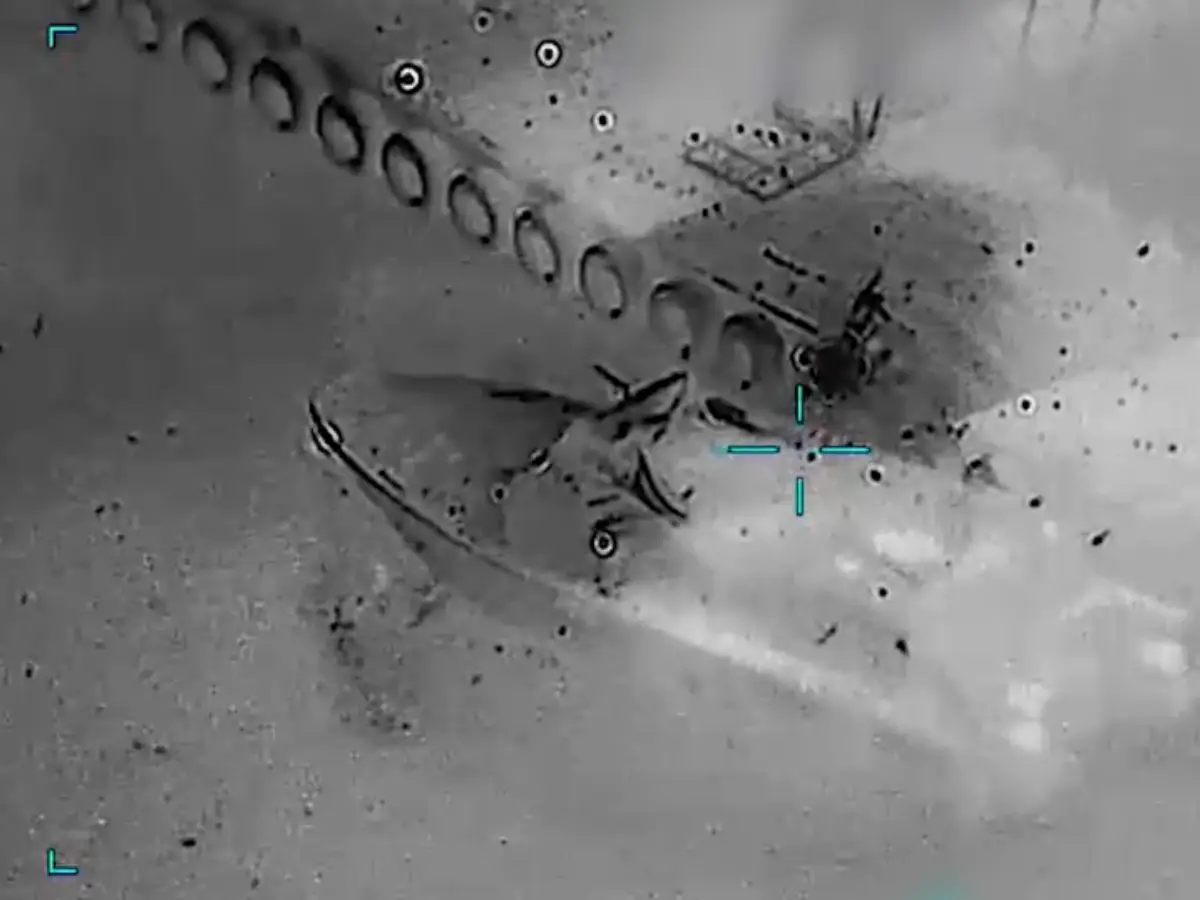
The US naval blockade began at 10 am EDT (1400 GMT) on Monday, according to shipping advisories. On Monday, marinetraffic data showed the tanker Rich Starry, sailing from Sharjah towards China, turned back minutes after approaching the Strait of Hormuz, alongside another vessel, Ostria, both carrying oil and chemicals. Meanwhile, two Iran-linked oil tankers exited the Gulf via the strait just before enforcement began, according to Kpler and LSEG. Tracking data also indicated two ships reversed course as the blockade came into effect, reflecting early disruption in traffic.
Strategic chokepoint under global scrutiny
The Strait of Hormuz, through which a significant portion of global oil trade passes, remains one of the world’s most sensitive maritime corridors. While enforcement actions have intensified geopolitical tension, shipping data confirms that vessel movement has not stopped entirely, but continues under strict monitoring and selective restrictions.
)
)

)
)