What is Decentralised Mosaic Defence doctrine? How it threatens the global economy?

After Ayatollah Ali Khamenei’s death in US-Israeli strikes, Iran invokes its Mosaic Defence doctrine, raising fears over oil routes, GCC security and global markets.
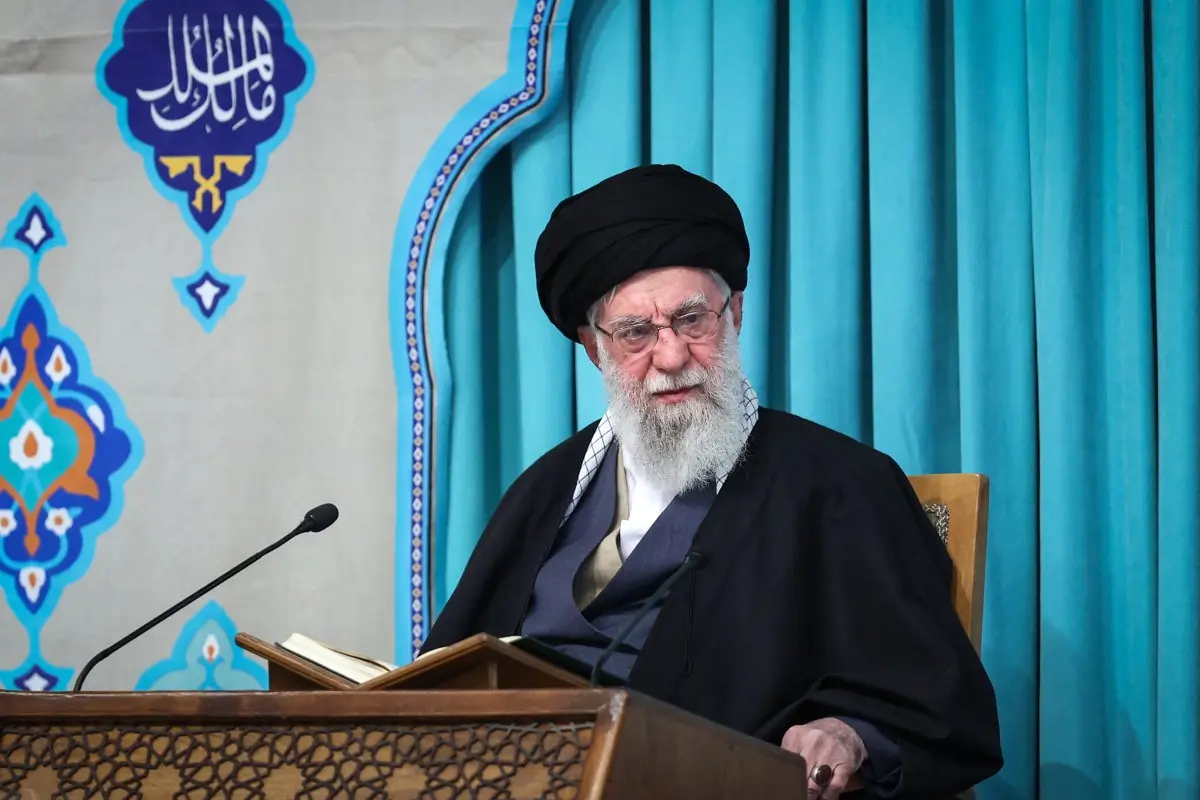
Decapitation of Ayatollah Ali Khamenei
In the opening days of the US-Israeli operation in Iran, the Islamic Republic witnessed the death of Ayatollah Ali Khamenei on March 1, along with 40 other leaders, including Khamenei’s security adviser, Ali Shamkhani, IRGC commander-in-chief Mohammad Pakpour, Aziz Nasirzadeh, Minister of Defence, Abdolrahim Mousavi, and Chief of Staff of the Armed Forces. The goal was to create a leadership vacuum in Iran, so that opposing forces could sweep in to fill the vacuum and install a regime that is compliant with the Western world.
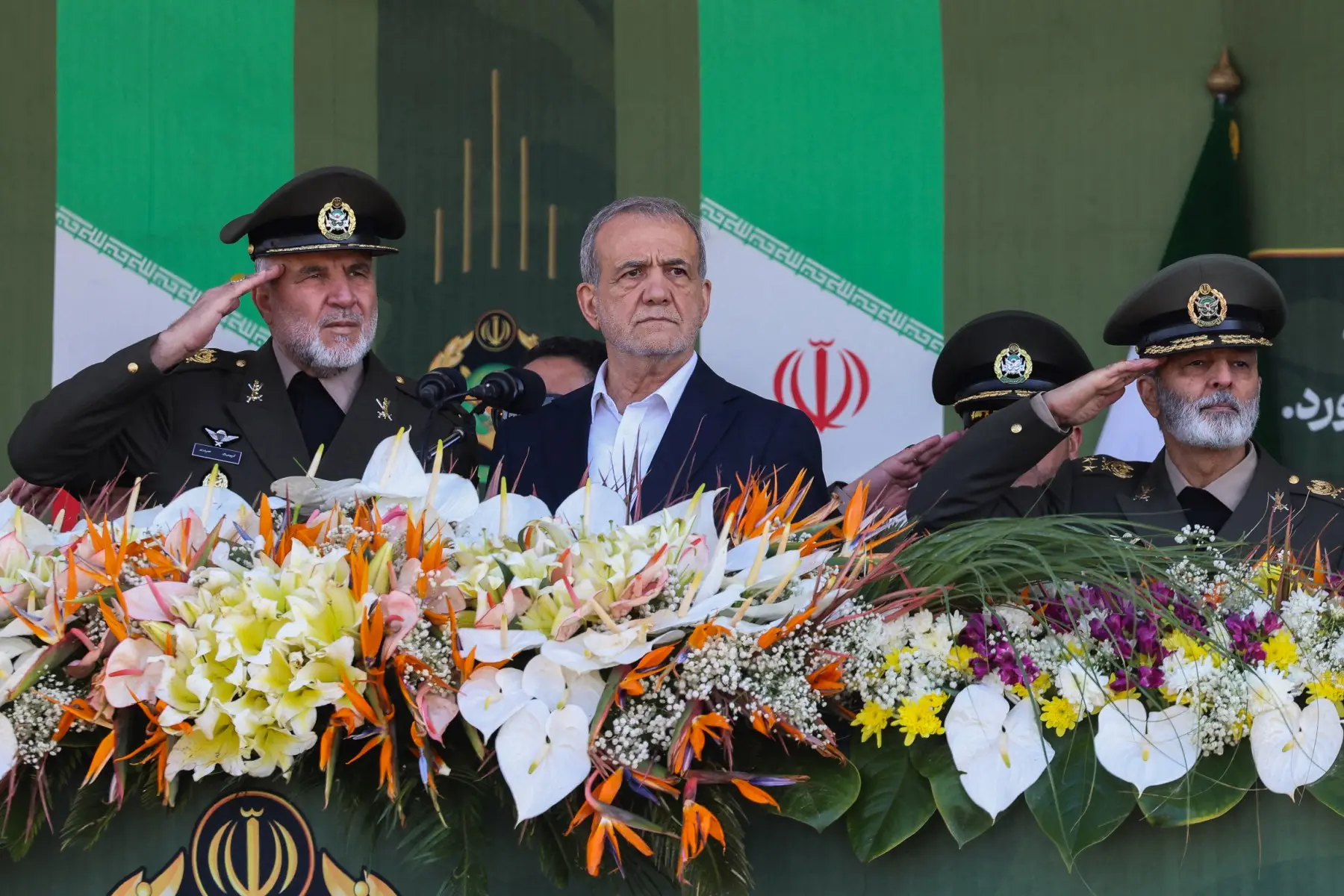
A war of attrition
It is a war of attrition for the United States and Iran, and Iran has been preparing for more than two decades for this conflict. In the eschatology of the Islamic religion, this is the war against the great Satan, and they have many practice runs. In June 2025, in the 12-day war, the Iranians were able to analyse the strike capacity of the Israeli and the US, and they had a lot of time, at least 8 months to prepare for the war. Iran has a pretty good grasp of the US war psychology through their proxies, the Houthis, the Hezbollah, the Hamas and the Shia militia.
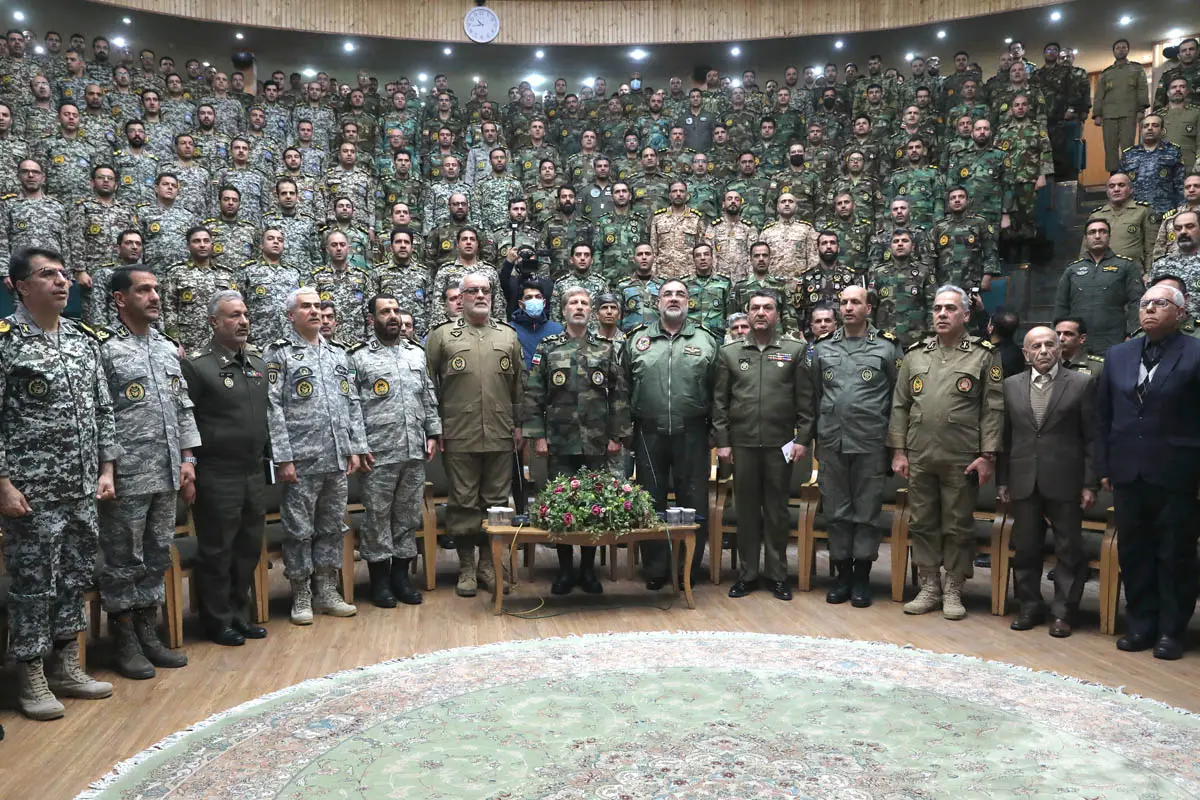
Hydra: Chop off one head, two more grow back
Iranian Foreign Minister Abbas Araghchi claimed that Tehran can withstand sustained US-Israeli military pressure, able to defend the regime despite a successful “decapitation” hit. He invokes the Iranian Decentralised Mosaic Defence doctrine. Araghchi claims that using this doctring Iran can choose when and how to end this war. The Islamic Republic is much more institutionalised with clear lines of succession and a large council of experts to appoint a new leader. The doctrine also puts the Iranian Revolutionary Guard Corps (IRGC) in charge of the autonomous military cells, which are fiercely loyal to the Islamic State and were set up to protect it. This also implies that IRGC will continue to function in autonomous small units in case of intergunnum. For Iran, it is a battle for survival, and for the US, it is a battle of domination.
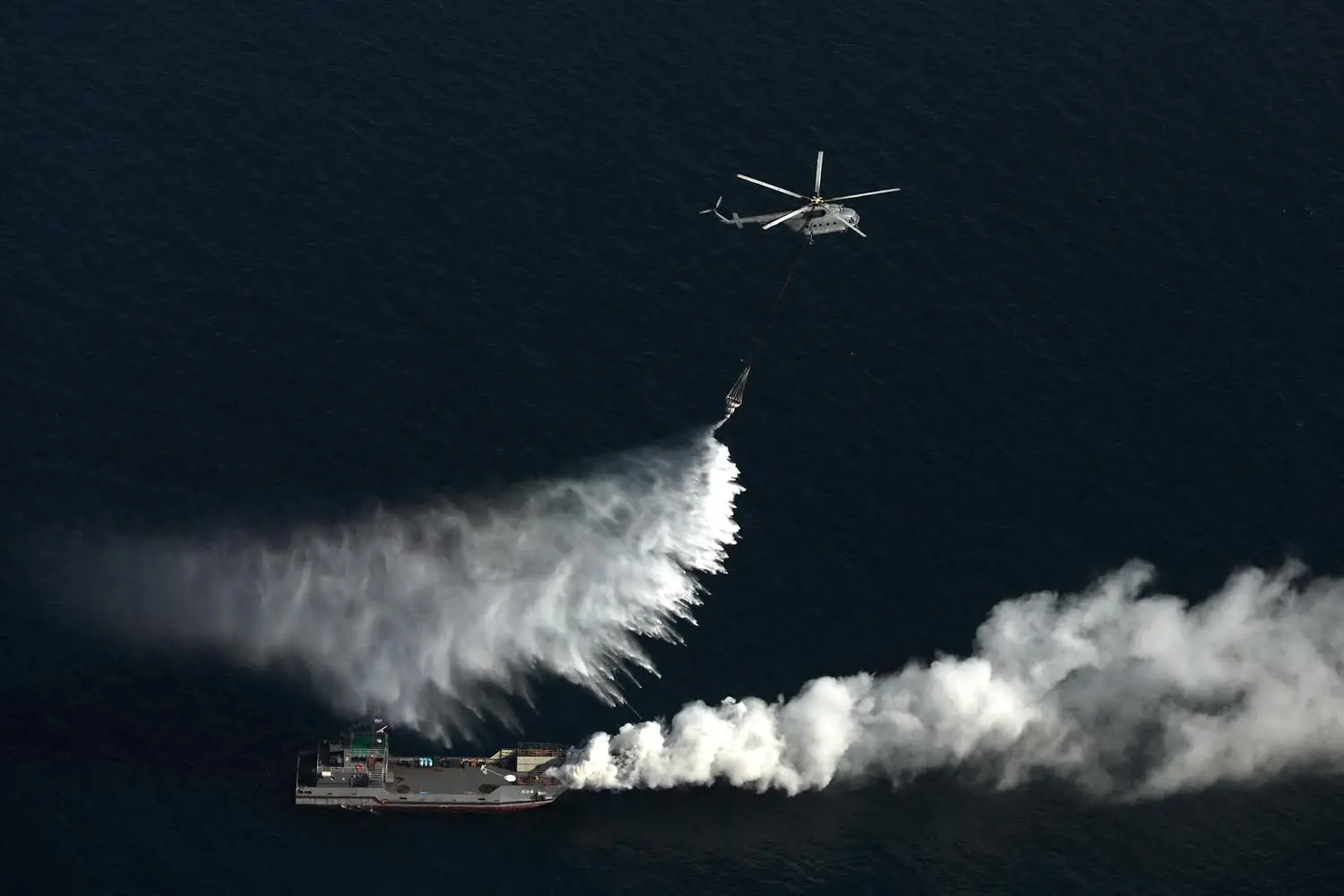
Targeting the Gulf Cooperation Council
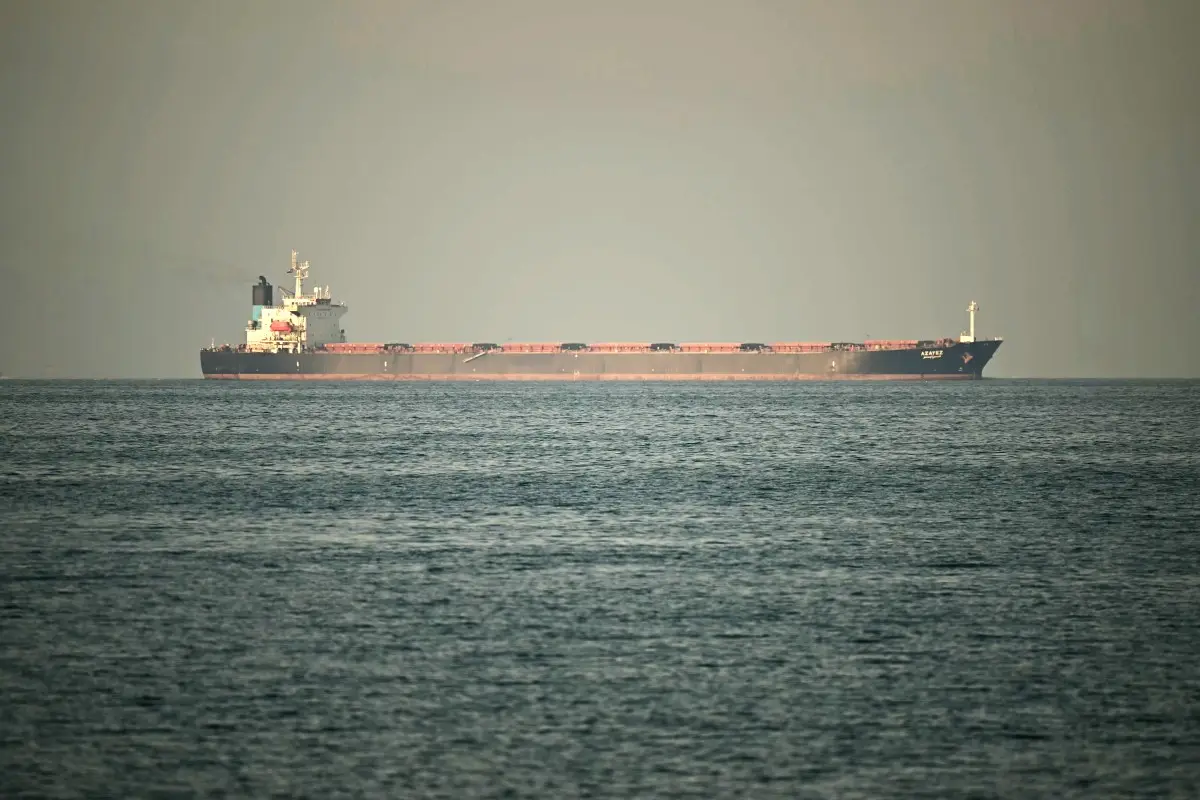
Iran is striking GCCs, their supply lines, critical energy infrastructure and eventually the water desalination plants, which are the lifeblood of these GCCs. They get almost 60-90 per cent of their water from these desalination plants, and almost 90 per cent of their food supply is imported through three primary maritime chokepoints: the Suez Canal, the Bab al-Mandab Strait, and the Strait of Hormuz. Iran is not fighting a war against the US-Israel partnership but waging a war against the entire global economy.
US economy dependence on GCCs
Iranians are threatening the existence of the Gulf Countries (Saudi Arabia, UAE, Qatar, Bahrain). Major investment commitments from Qatar, the UAE, and Saudi Arabia continue to support US industrial and infrastructure sectors. The Petrodollar system of invoicing oil in US dollars generates persistent global demand for the currency, allowing the US to borrow at cheap rates. These GCCs handle high-value roles in AI, R&D, and finance. Right now, the entire US economy is bubbling around the AI ecosystem and data centre, and they drive 60 per cent of the US economic growth. If GCCs fail to sell oil and reinvest in the US economy in a prolonged Iraq-like war scenario, the US financial market will become volatile and will be susceptible to sudden shocks.
)
)
)
)
)