US-Israel-Iran war: 7 key developments in 7 days of West Asia crisis

A week into the escalating West Asia crisis, a series of dramatic military actions, retaliations and political warnings have intensified tensions, raising fears that the conflict could expand into a wider regional war.
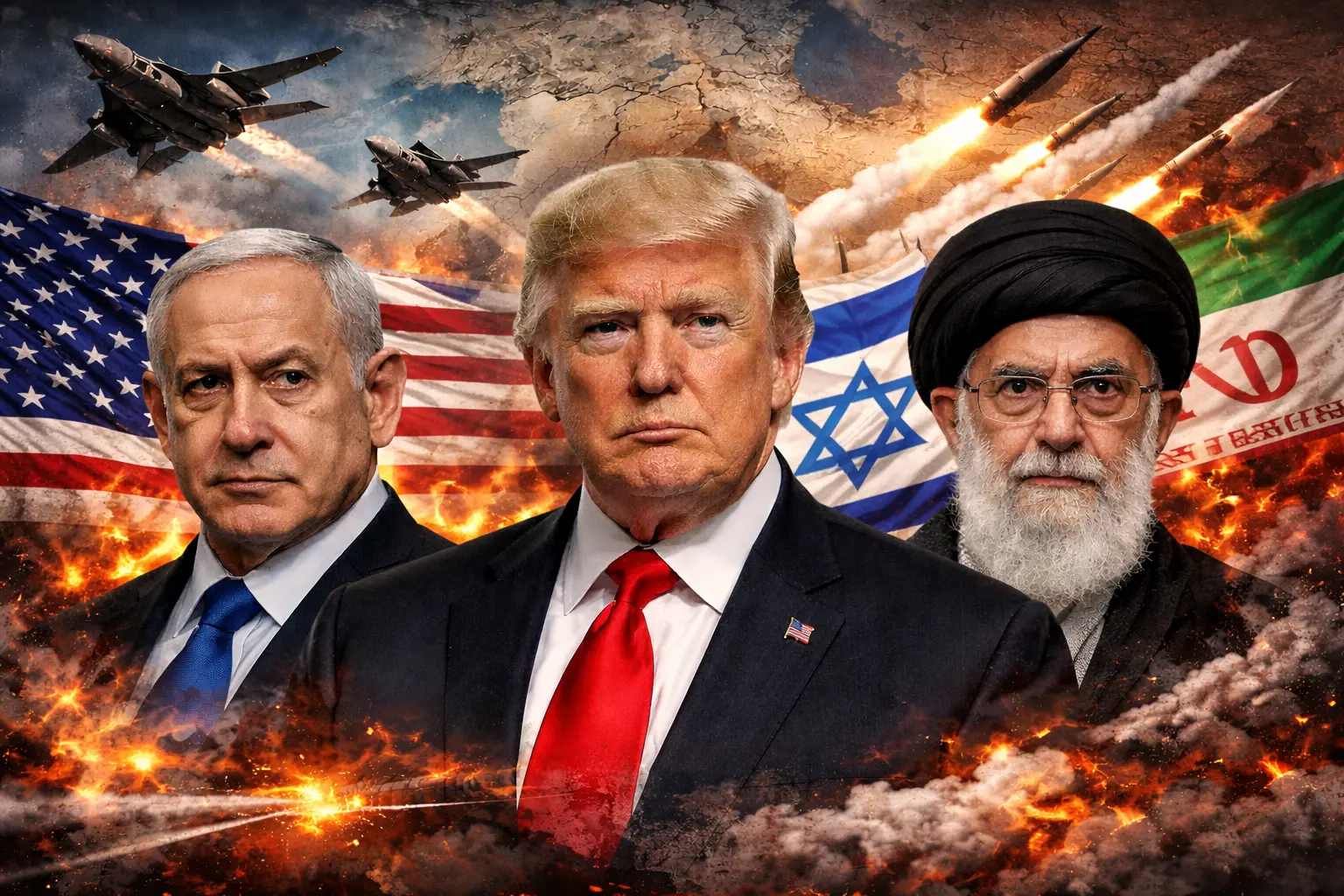
US-Israel-Iran war marks a week
Seven days ago, on February 28, the US and Israeli military launched strikes on Iran. While Washington named the military operation ‘Epic Fury’, Tel Aviv named the mission ‘Lion’s Roar’. The attacks came amid heightened tensions between Washington and Tehran and ongoing talks over Iran’s nuclear program.
Here are the seven most important developments that happened in the span of a week of war in West Asia:
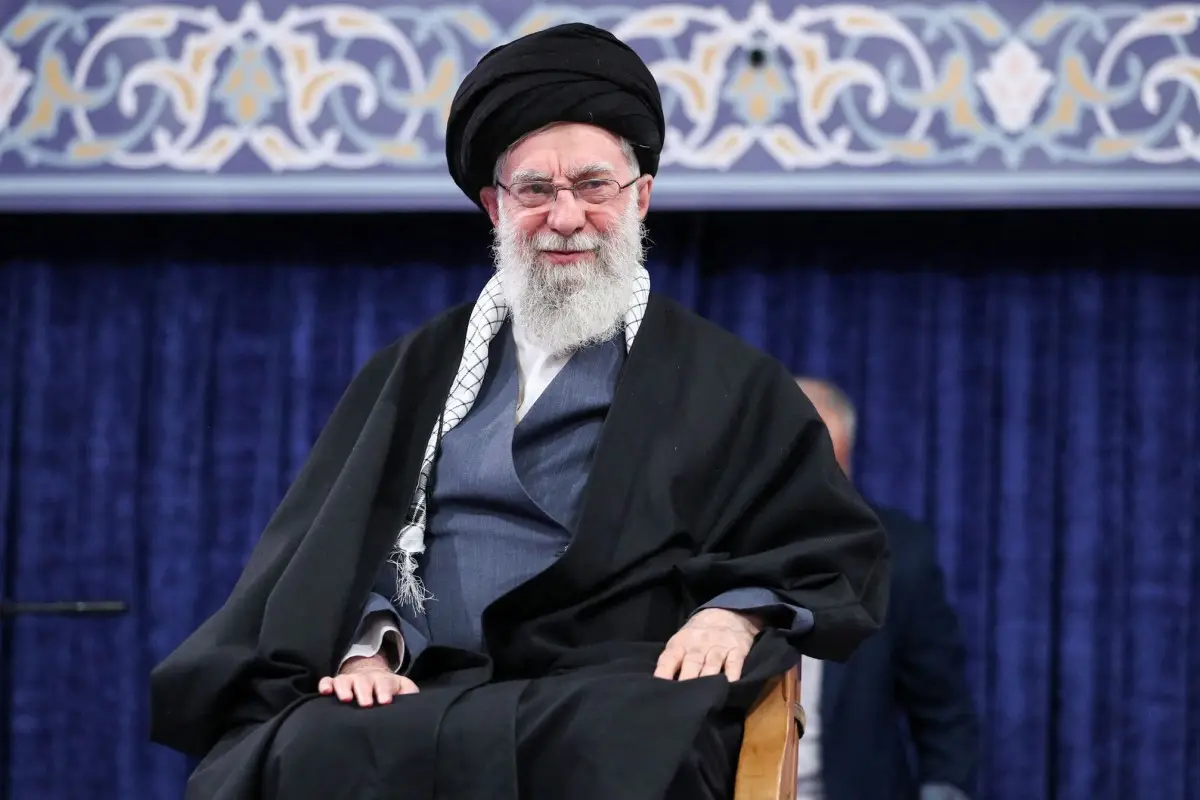
Khamenei killed
The US and Israeli strikes on Iran, killed its supreme leader Ali Khamenei and several other top Iranian officials. Khamenei’s death was confirmed on March 1, with Iran vowing strong revenge over the killing of its supreme leader and warning that US bases in the region would be treated as American territory. Gulf states have cautioned against further escalation, even as Washington and Tel Aviv signal that operations could continue for weeks.
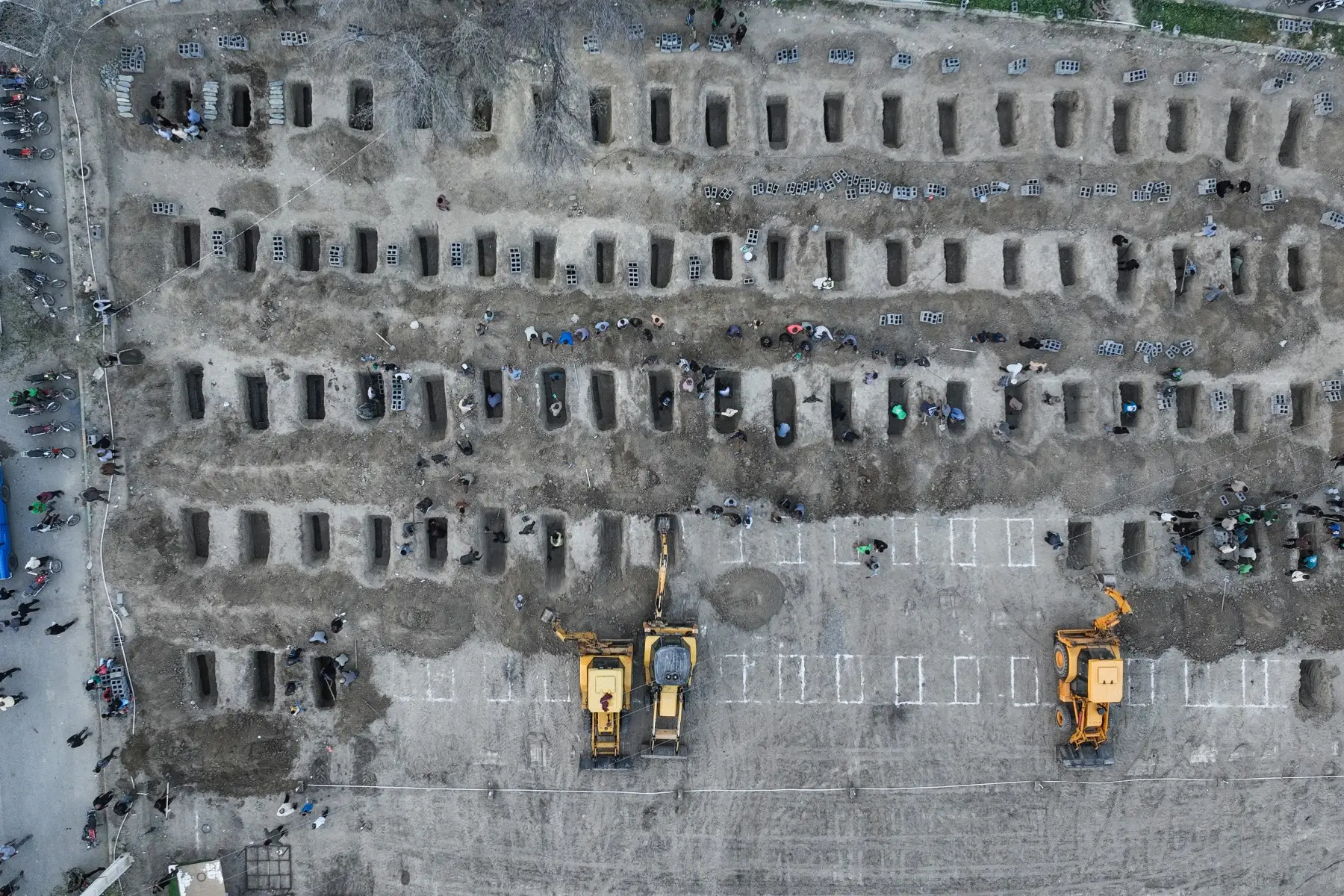
Iran school attack
Over 150 children were killed, while dozens of others were injured in a devastating attack on Shajareh Tayyebeh girls’ elementary school in Iran’s Minab. The White House claimed that the attack was carried out by Tehran, however, later reports suggested that US military investigators believe that American forces may have been responsible for the attack.
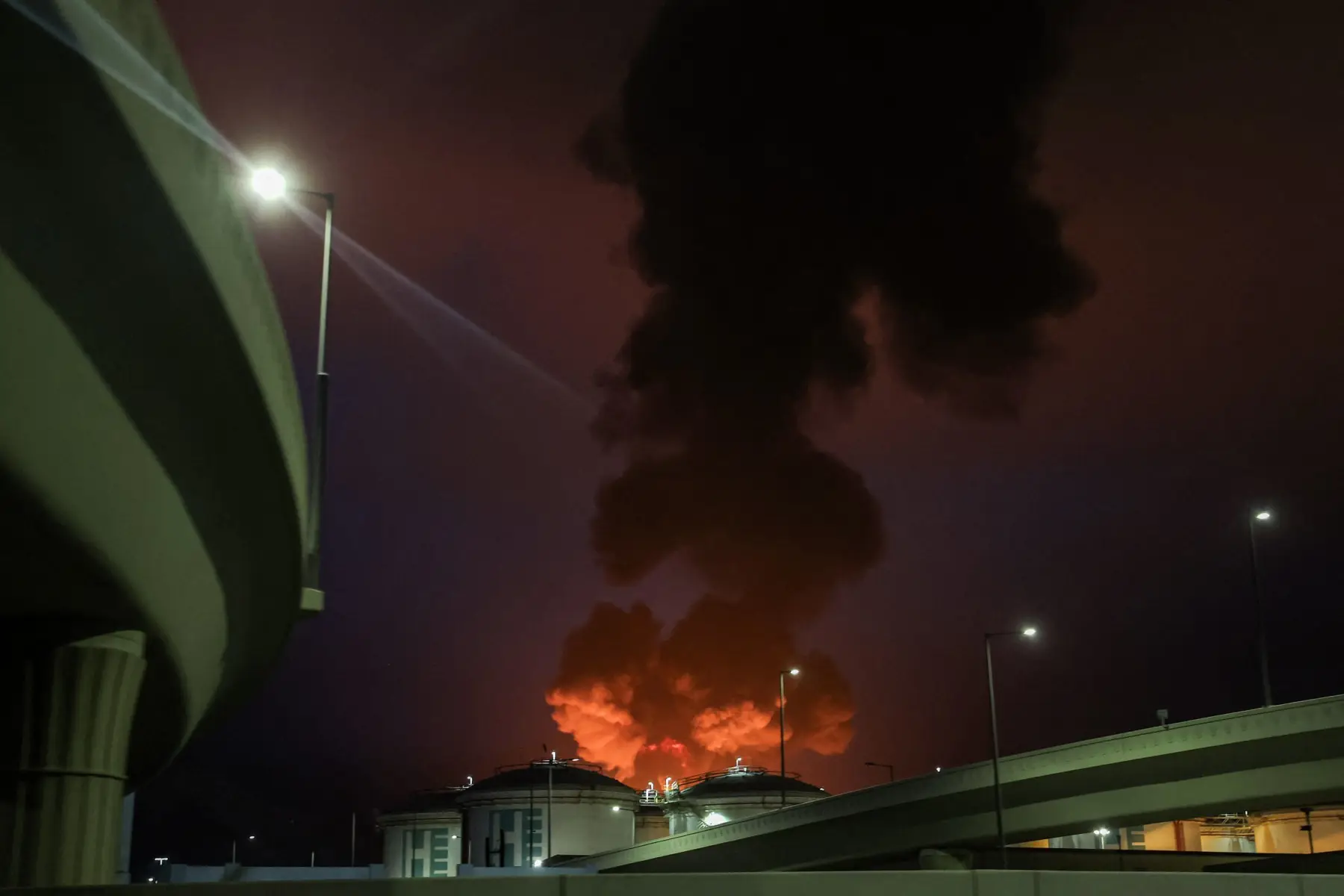
Iran targets US bases in West Asia
In retaliation for joint US-Israel strikes, Iran launched attacks on Israel and US military bases in the region, including in Bahrain, Kuwait, the UAE, Qatar, Saudi Arabia, Iraq and Jordan. Iran also attacked an airport in Azerbaijan, while Turkey said NATO defence systems intercepted missiles in its airspace, although officials said that the projectile had been “aimed at a base in Greek Cyprus but veered off course”.
Iran blocks Strait of Hormuz
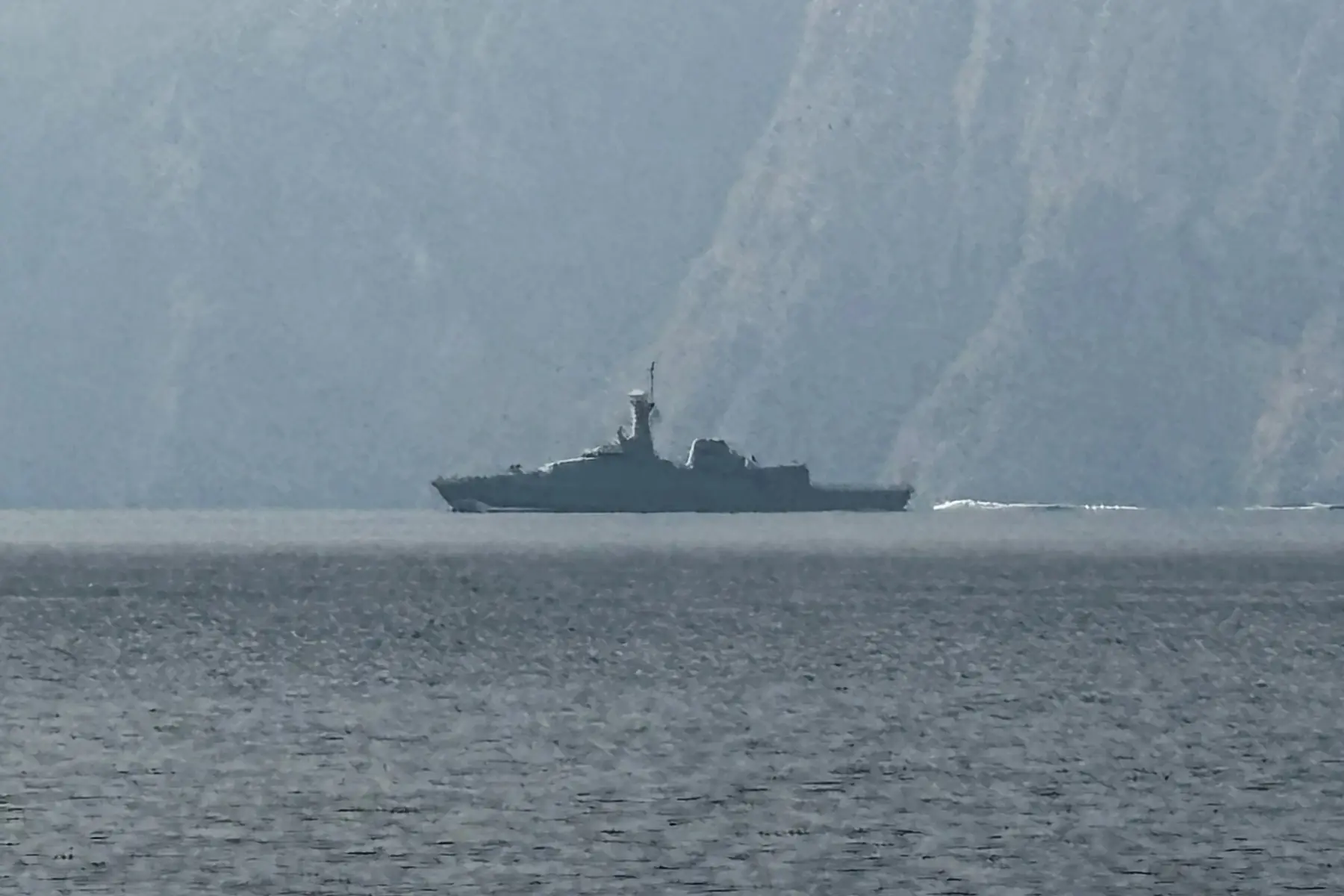
Iran has shut down the Strait of Hormuz and warned that any vessel attempting to pass could be targeted and set on fire, with several oil tankers being hit in recent days. However, the Islamic Revolutionary Guard Corps (IRGC) on Thursday (Mar 5) said that the passage is closed to vessels from the United States, Israel, Europe and their Western allies. The Strait of Hormuz is the only maritime outlet for ports located in the Persian Gulf. Its blockage has significantly affected global energy supply, triggering a sharp rise in oil prices.
US sinks Iranian ship in Indian Ocean
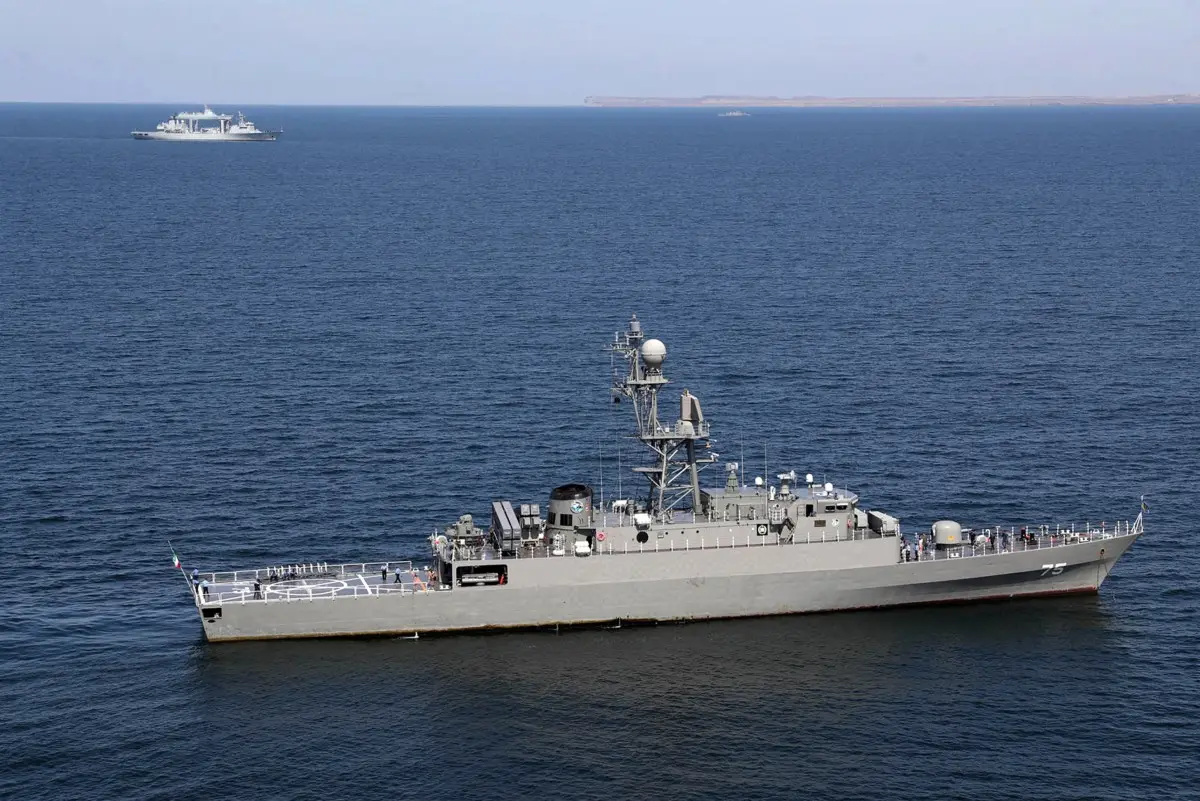
The US forces on March 4 targeted an Iranian naval frigate IRIS Dena, sinking it in the Indian Ocean. The vessel was en route back to Iran from India after participating in the multinational naval exercise Milan 2026 and the International Fleet Review. Iranian Foreign Minister Abbas Araghchi issued a sharp response following the incident, calling IRIS Dena “India's guest” and slamming the US for perpetrating an “atrocity at sea, 2,000 miles away from Iran's shores.”
Trump demands ‘unconditional surrender’
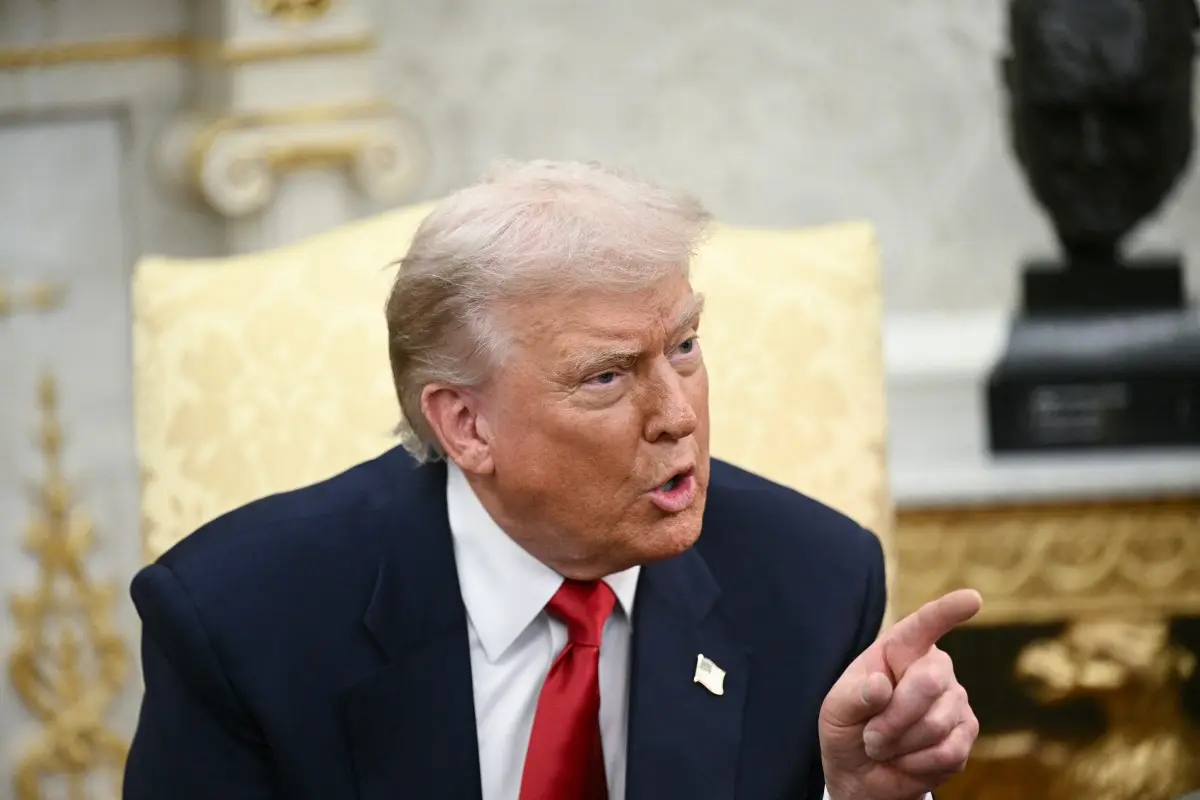
US President Donald Trump on Friday (March 6) issued a warning, saying there will be ‘no deal’ with Iran unless it agrees to ‘unconditional surrender’, hardening his stance as tensions escalate. In a post on his Truth Social platform, Trump wrote, “There will be no deal with Iran except UNCONDITIONAL SURRENDER! After that, and the selection of a GREAT & ACCEPTABLE Leader(s), we, and many of our wonderful and very brave allies and partners, will work tirelessly to bring Iran back from the brink of destruction, making it economically bigger, better, and stronger than ever before.”
Iran says won’t surrender, apologises to Gulf nations
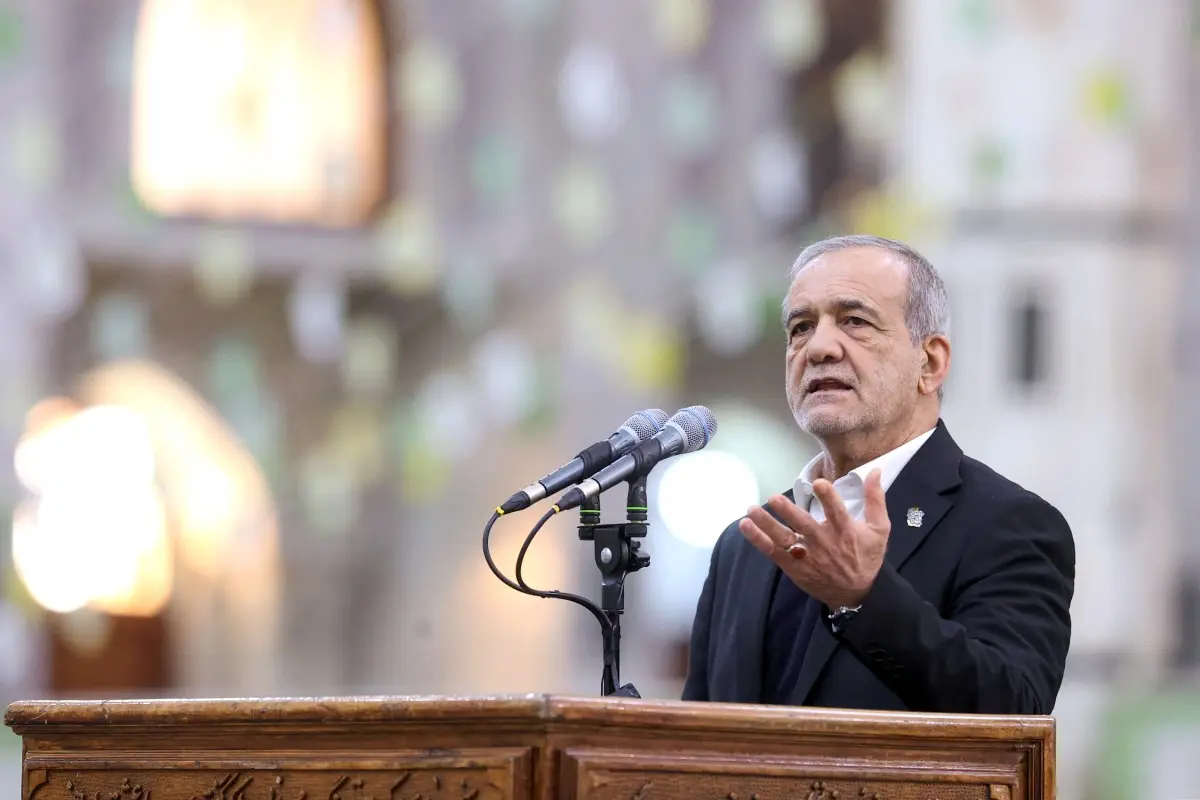
Iranian President Masoud Pezeshkian on Saturday (Mar 7) said that his country will not surrender to the United States and Israel. In a pre-recorded video message broadcast on state TV, Pezeshkian also apologised to Iran’s neighbours, saying that Tehran will not target them unless attacked by them.
Disclaimer: WION takes utmost care to accurately and responsibly report ongoing conflicts in West Asia involving Israel, Iran, the US, Gulf nations and non-state actors like Hezbollah, Hamas, Houthis, Islamic State, and others. Claims and counterclaims, disinformation and misinformation are being made online and offline. Given this context, WION cannot independently verify the authenticity of all statements, social media posts, photos and videos.
)
)

)
)