US-Iran war day 30: Kharg Island showdown, regional escalation and global market shock

US-Iran war enters day 30 with strikes across Iran, Lebanon and Gulf bases. Here’s a full breakdown of escalation, the Kharg Island battle and global impact
The military situation
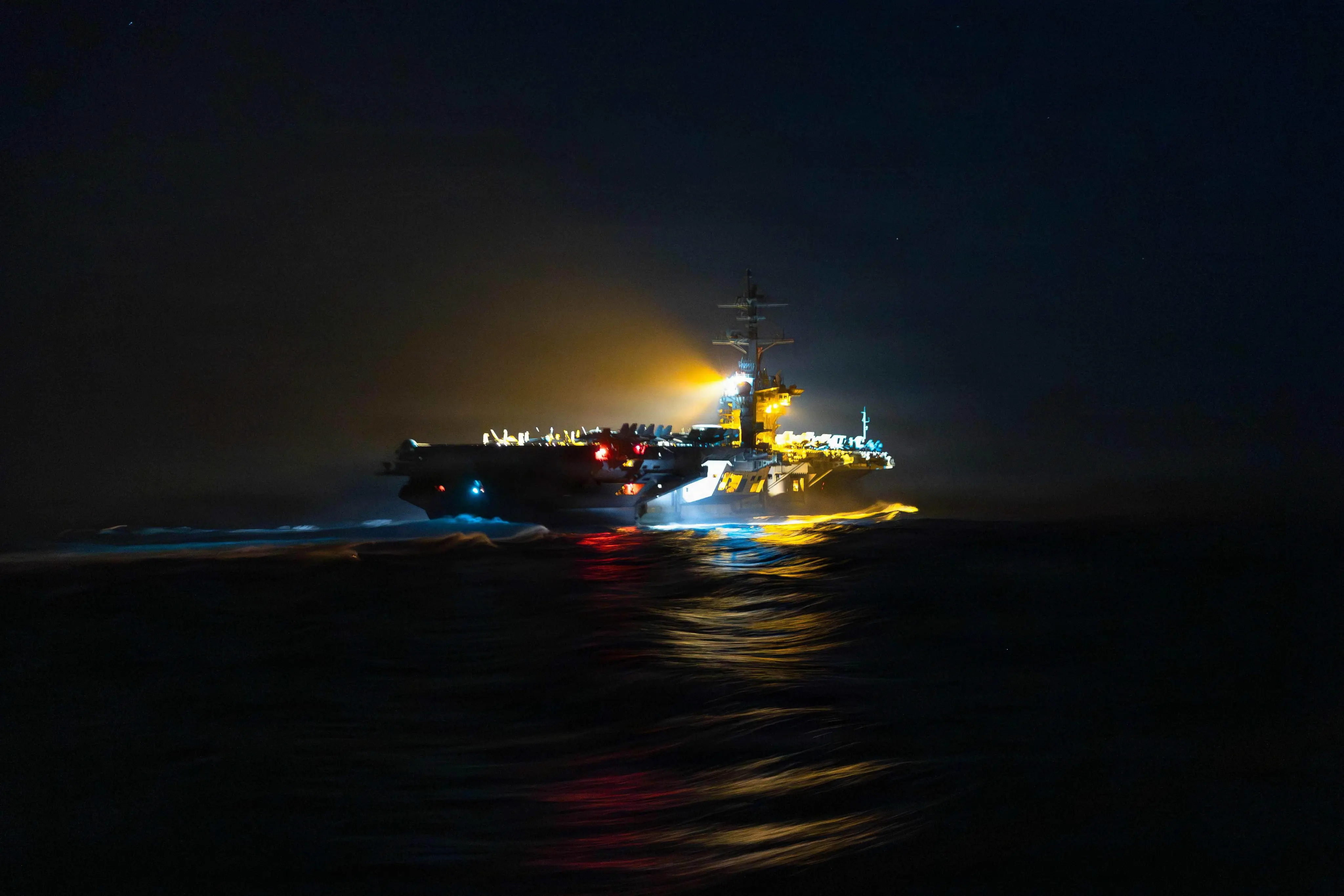
The US-Iran war has entered Day 30 on March 29. Israel continues its decisive strikes in Tehran. Iran claimed two people were killed and five were wounded in a village near Shaft city on March 29. Israel claimed it attacked military infrastructures and Iran claimed an attack in the Neot Hovav industrial zone in Israel. This caused a fire and a potential chemical leak. Iran expanded its operation of attack in Gulf military infrastructure between March 27-29, at Prince Sultan Air Base, Kuwait International Airport and aluminium smelter in Abu Dhabi. Israel expanded its operation in Lebanon, killing three journalists and nine paramedics as Hezbollah continued to target northern Israel. In Gaza, six Palestinians were killed in an Israeli strike. Houthis have joined the war as Israel fights on three fronts with Hezbollah in Lebanon, Houthis in Yemen and Iran. USS Tripoli has arrived in the West Asia theatre with 3500 Marines and sailors. USS Gerald Ford has docked in Split, Croatia, for repair and maintenance. Meanwhile, HMS Anson of the British Royal Navy is at a striking distance of Iran in the northern Arabian Sea.
The escalation matrix
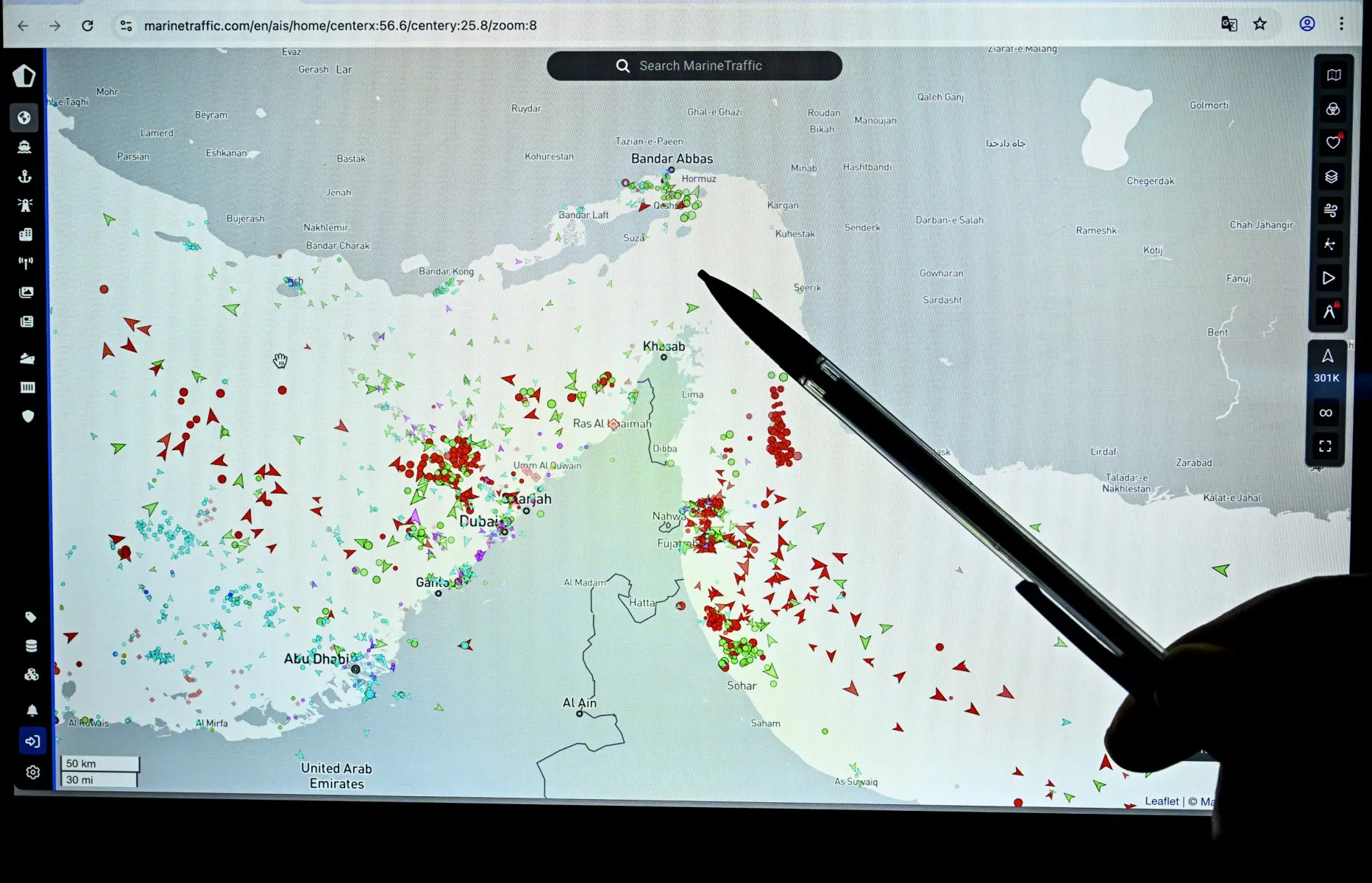
US-Israel targeted the Iranian leadership in a decapitation strike on February 28, killing the Supreme Leader Ayatollah Ali Khamenei and much of his family. IRGC Commander Mohammad Pakpour, and Defence Minister Amir Nasirzadeh were also confirmed dead. In response, Iran started to attack military infrastructure and the US bases in the Gulf countries. At least three tankers were struck in the Strait of Hormuz, including one of Oman that was set ablaze. The Hormuz was functionally closed on March 2 as traffic was down by 90 per cent. The US sunk IRIS Dena on the same day.
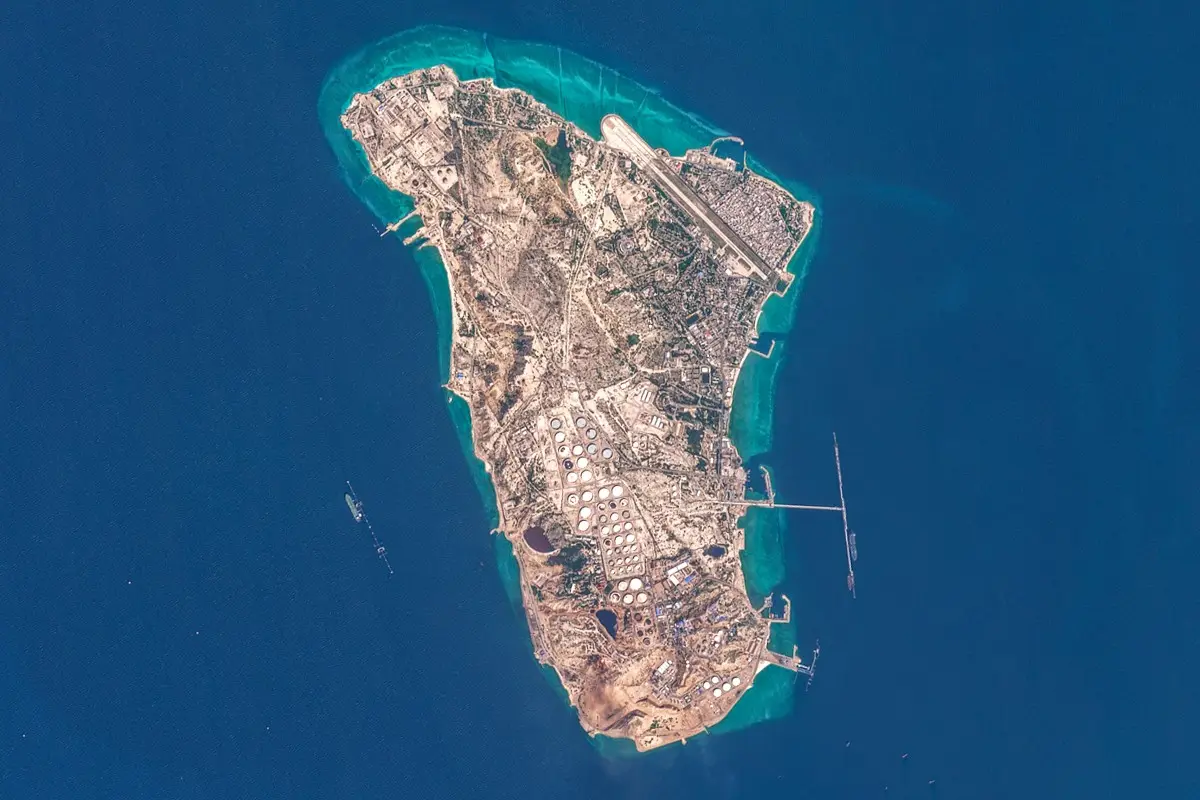
The first Iranian drone strikes at energy infrastructure were reported at Ras Laffan and Mesaieed Industrial City in Qatar, leading to a temporary halt in LNG production. On March 7, Israel first targeted fuel storage depots in Tehran and Karaj. Iran retaliated with material damage to the desalination plant in Bahrain on March 8, on the same day Mojtaba Khamenei was appointed as the new Supreme Leader of Iran. The US attacked the military infrastructure in Iran's Kharg Island on March 13. Then, Iranian senior figure Ali Larijani was killed on March 17. On March 18, Israel launched a massive air strike on the South Pars gas field, the world's largest natural gas field. Then Iran retaliated with an attack on the Ras Laffan LNG facilities. Then attack and counterattack continued targetting energy, water and military infrastructure. Trump announced a five-day truce and delivered a 15-point peace plan, as the US continued its military buildup. This led the Houthis to join the war. A tactical halt is there till April 6, which Iran declined. On the other hand, Isarel have captured at least 8 km from the border according to Lebanese Defence Minister Michel Menassa on March 28. According Israeli Defence Minister, it wants to occupy till the Litani River, 15 km from the border.
Now the possible escalation ladder- an assault at Kharg, Houthi flanking the US and an attack at another chokepoint, Bab-el-Mandab. The US captures Kharg and fights to hold on with attacks from Iran.
Damages
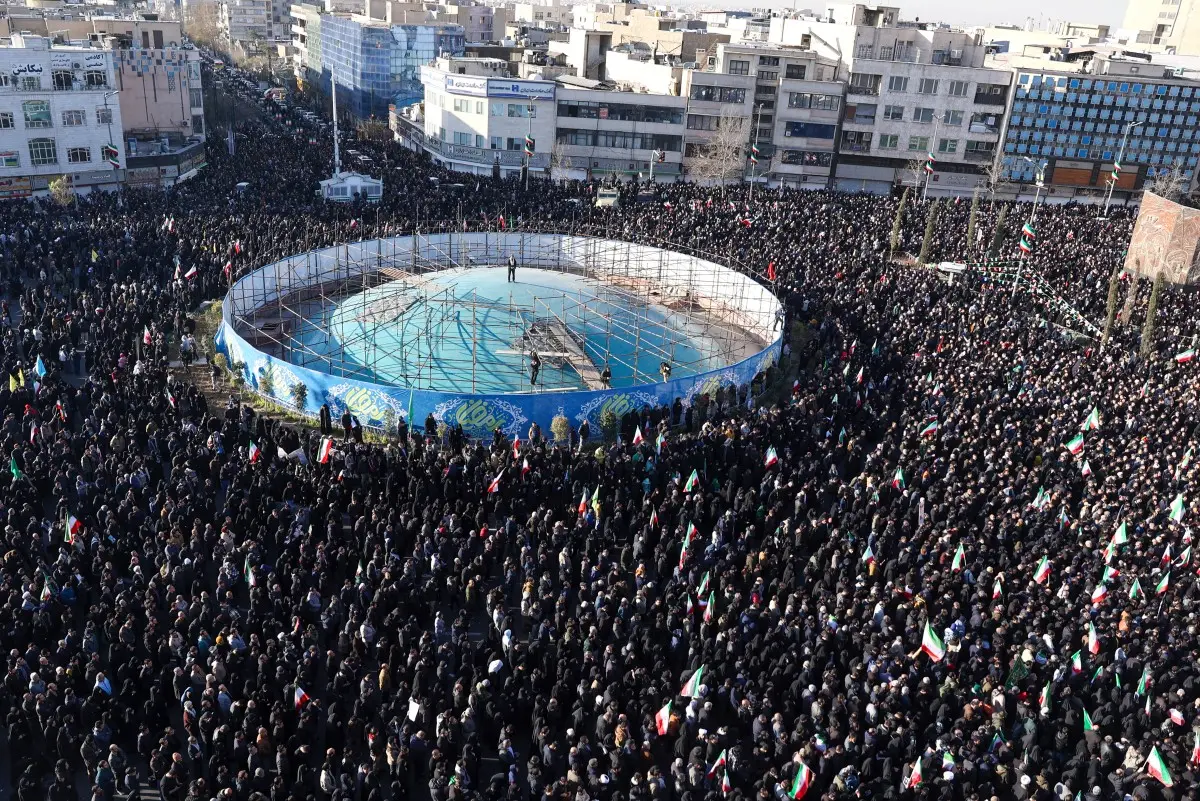
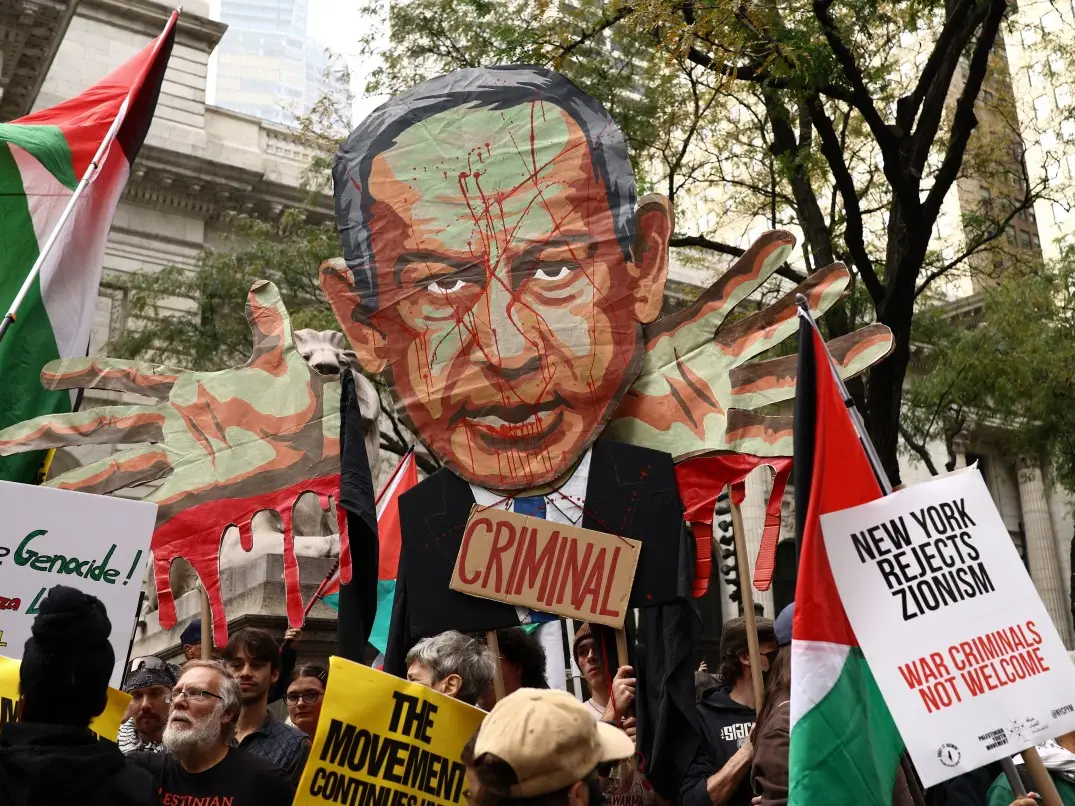
According to the US-based rights group HRANA 3,461 people have died in Iran till March 29, including 1,551 civilians and 236 children. In Lebanon, 1,189 fatalities from Israeli strikes, with 124 of those being children and 400 Hezbollah fighters have also died. Nearly 1.2 million people have been displaced in Lebanon. In Iraq, at least 100 people have died. In Israel, 19 people and 5 IDF soldiers have died. In the US, 13 service personnel have died, and 300 others were injured. While at least 25 deaths were reported across the Gulf. Protests were seen in the US and Israel, whereas Iran entered 30 days of internet blackout, with a large demonstrations in support of the regime was reported in Iran by state media.
Iran’s Red Crescent says more than 87,000 non-military units have been damaged. There was structural damage in Golestan Palace in Tehran, a UNESCO heritage site. Major damages were reported in the Pars gas field, the Isfahan nuclear plant, the Isfahan University of Technology, the gas administration building in Isfahan and a water reservoir in Khuzestan province. According to the US, 85 per cent of Iran's missile defence components were damaged, 700 ballistic missile storage sites and 17 warships were damaged. Exact damage in Israel is not reported; however, in urban areas like Tel Aviv, Haifa, Petah Tikva, and Kafr Qasim, civilian infrastructure was damaged. Ben Gurion Airport was struck, Neot Hovav, Haifa, reported damage in industrial facilities. Israel's military defence capacity is also exhausted, and is projected to run out by early-mid April.
The US has reported equipment losses, at least one E-3 Sentry (AWACS) surveillance plane, five refuelling KC-135 tankers, and 12 MQ-9 Reaper drones, along with roughly $800 million in damage to critical regional radar and air defence infrastructure. Damages were reported in the US embassy in Iraq, Dubai, Riyadh and Kuwait.
IDF has destroyed all major bridges over the Litani River. Border villages of Kfar Kila and Yaroun have been levelled. In Qatar, Ras Laffan, in Saudi Arabia, Prince Sultan Air Base, in Abu Dhabi, Emirates Global Aluminium (EGA) plant, in Kuwait, Kuwait International Airport and in Bahrain, Aluminium Bahrain (Alba) have suffered major damage.
Benchmark oil index Brent Crude stands at $112.6, more than 50 per cent increase since February 28. The Dow Jones, S&P 500, and Nasdaq are down between 7 and 8 per cent for the month, whereas gold lost 15 per cent of its value and approximately $11.5 trillion in value was lost in the global market.
Objectives
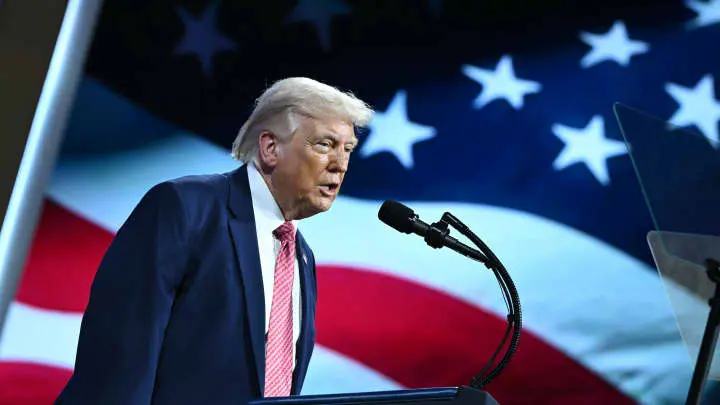
The US has not clearly articulated its objective; intially it was regime change and stopping nuclear enrichment of Iran. Now, multiple reports suggest that it is to capture the Kharg island and pressure Iran to open Strait of Hormuz. This is significant, as the US objective has changed from political domination to surviving economical strangulation of Iran. Iran has also submitted a bill to its parliament to leave the nuclear non-proliferation treaty. The Israeli objective seems clear, occupy till the Litani River in Lebanon and reduce Iranian offensive capability, whereas the Iranian objective is to use the economic chokepoints to drag the global economy and make the war painful for the US.
Strategic advantage
The US is the largest economy and has the world's largest military power; it maintains air and technical superiority. Iran maintains the war through unconventional weapons and proxy warfare. The US had previously managed to isolate Iran financially using sanctions from the global financial system. It has now managed to isolate Iran diplomatically in the region from all the Gulf Countries. The UAE is planning to seize Iranian financial assets, while Saudi Arabia is planning to join in militarily. On the other hand, Iran is turning the war to its advantage. Iran has been under various forms of international and US sanctions for approximately 47 years and has learned various tactics to adapt to them. Now, it is using its geography to punish the global economy by holding it hostage for the last 27 days. At the same time it has weaponised its own Economic lifeline. The destruction of Kharg will make Hormuz irrelevant, as the oil supply will already be devastated. Again if the US captures Kharg, it will tie down thousands of troops in a grinding campaign, while Iran controls the Strait and oil prices climb. An actual invasion could break the stalemate in unpredictable ways. The US is fighting the war in Iran's chosen arena; it's an inversion of power, the overwhelming force in the Kharg is irrelevant from the vantage point of the Zagros mountain range.
)
)
)
)
)