Who controls the Strait of Hormuz - Iran, US or International Law?

The Strait of Hormuz is controlled geographically by Iran and Oman, but international law guarantees transit passage, making it a shared chokepoint where influence matters more than legal ownership.
US-Iran nuke talks
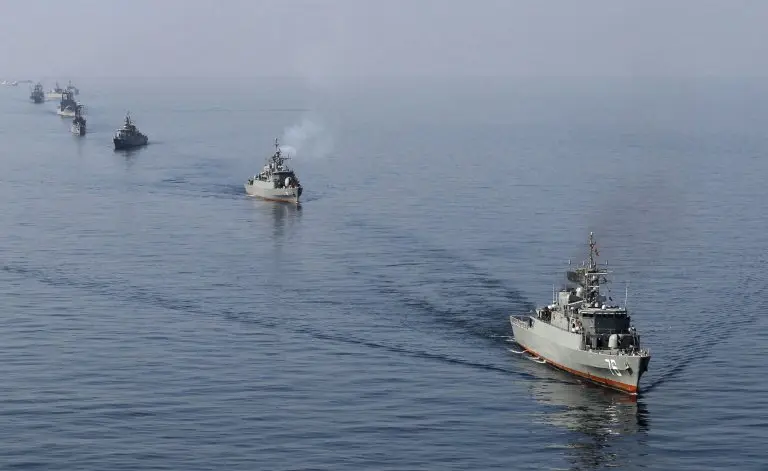
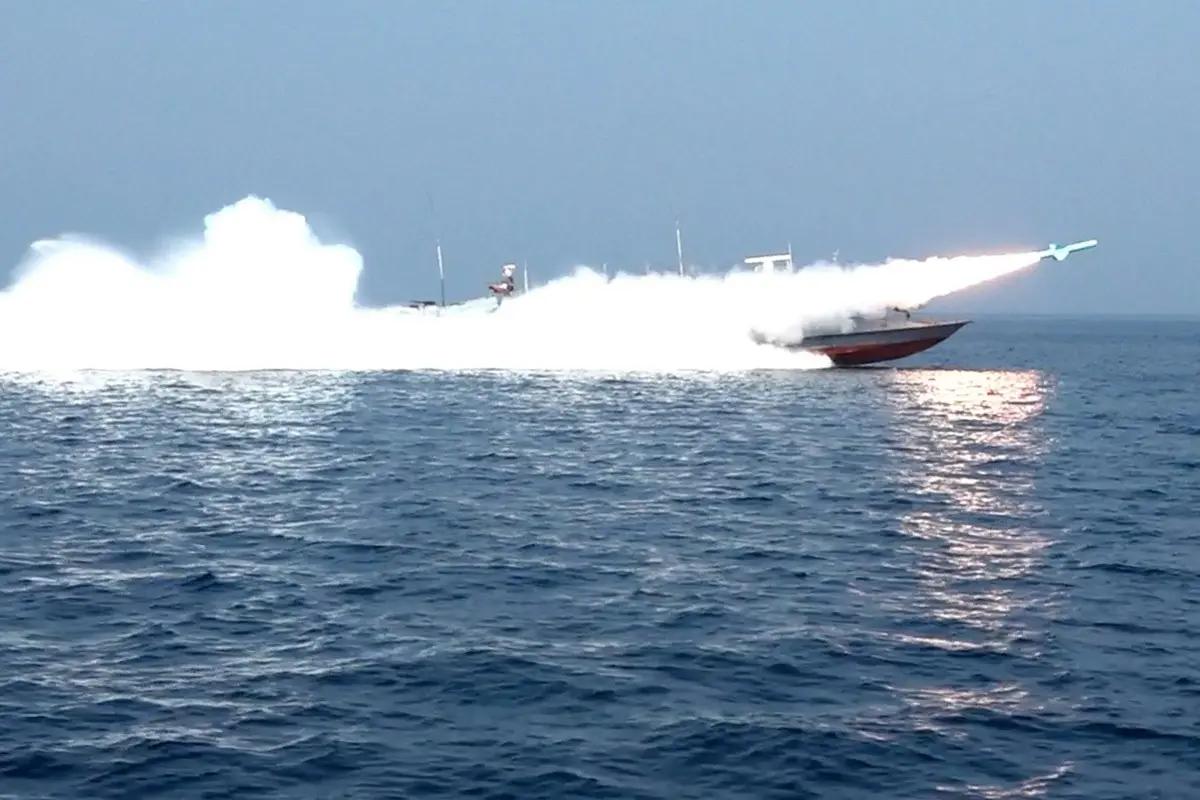
The second round of US-Iran talks on Tehran's nuclear programme concluded in Geneva on Tuesday (Feb 17). While the representatives were meeting for the crucial talks, it was reported by the local media that some parts of the Strait of Hormuz were expected to be closed for a few hours for a military drill. A day earlier, the first round of drills was done in the region.
Most important trade chokepoint
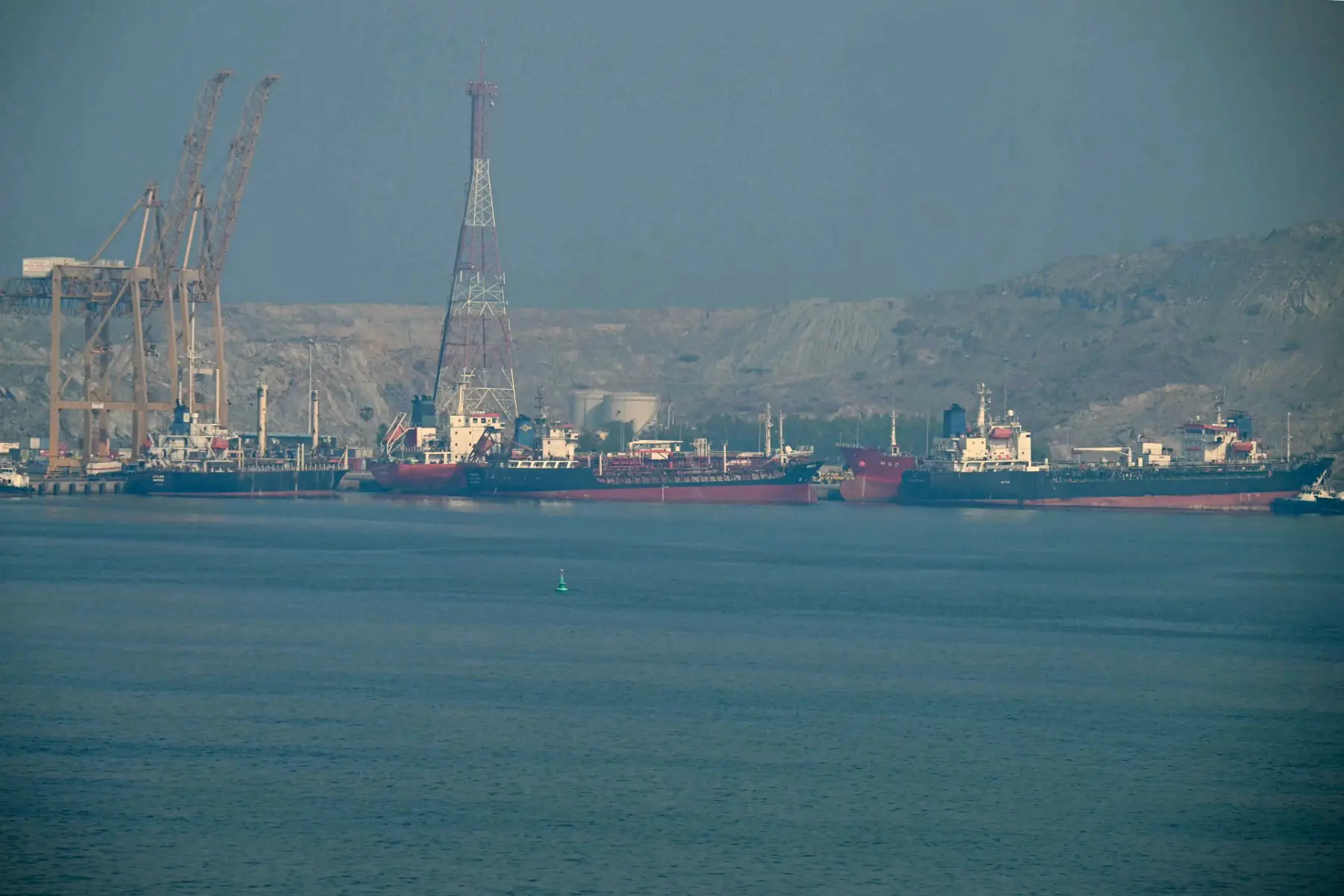
Around 20 per cent of global oil consumption, which is 20 million barrels of crude and fuels per day, is shipped via this waterway. Moreover, a quarter or more of global seaborne liquefied natural gas (LNG) also passes through this narrow corridor.
Coastal Sovereignty
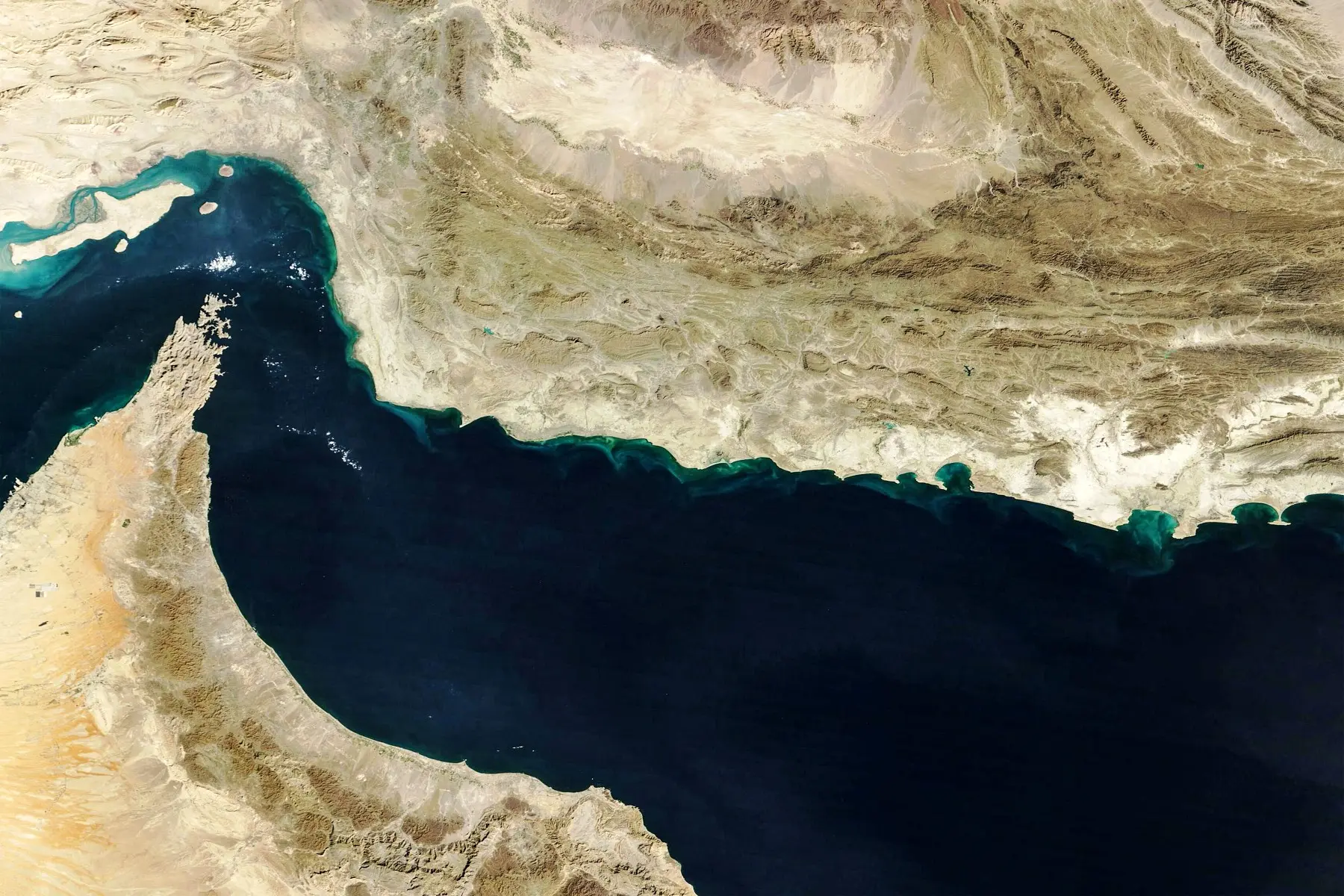
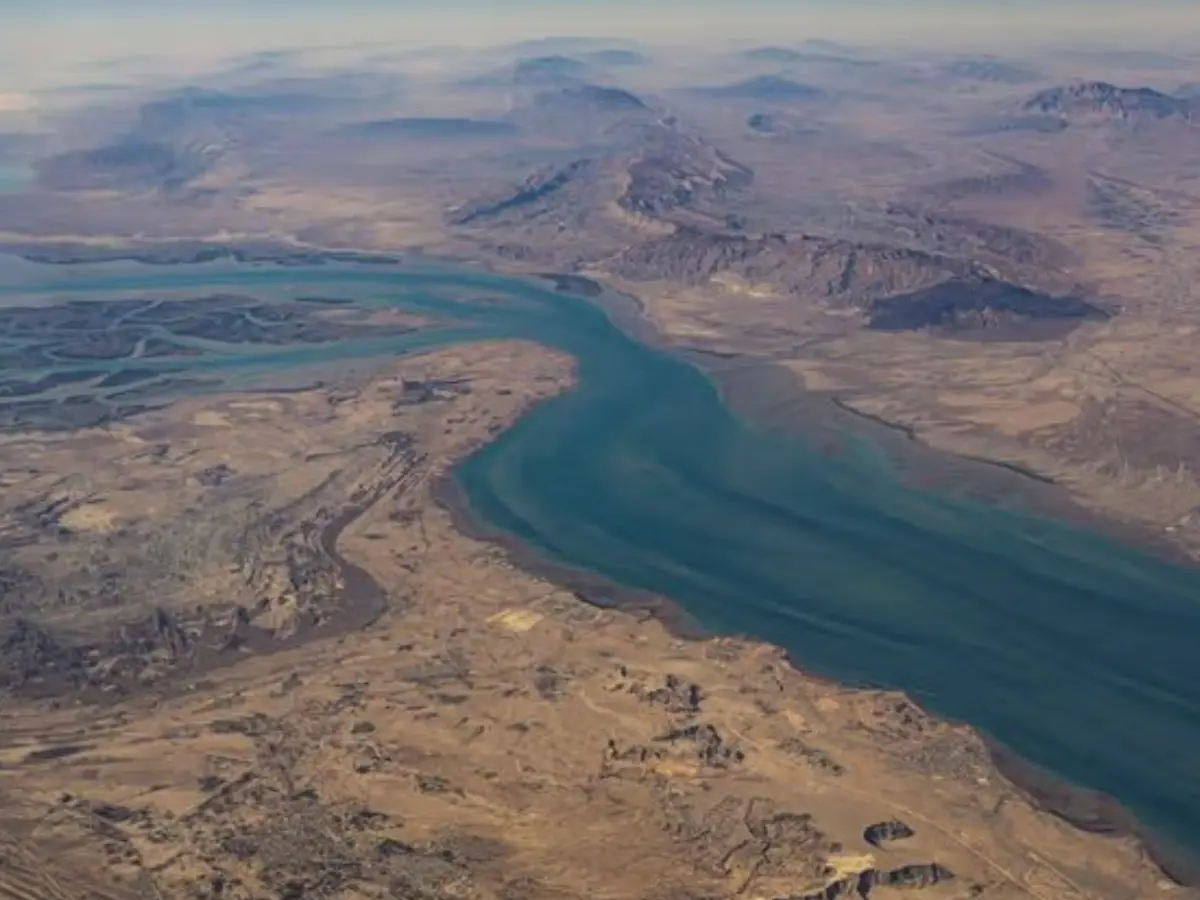
The Strait lies between Iran to the north and Oman to the south. Both exercise territorial sovereignty over their respective coastal waters, giving them direct geographic control over one of the world’s most strategically sensitive maritime chokepoints.
Territorial Waters and Boundaries
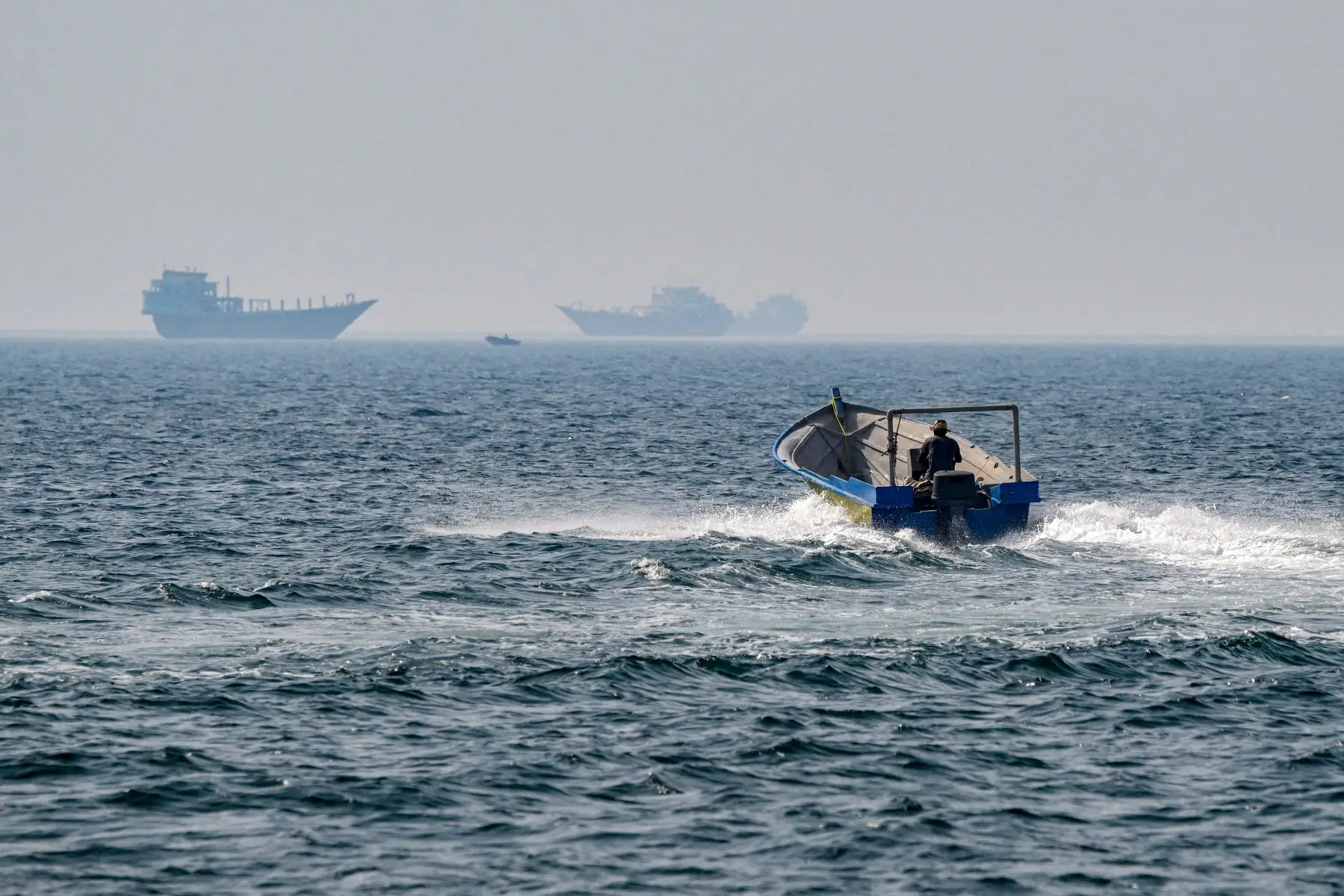
Under international maritime law, each coastal state controls up to 12 nautical miles from its shoreline. Since the Strait is narrow, Iranian and Omani territorial waters overlap, meaning most of the waterway falls within their legal jurisdiction.
International Transit Rights
Despite coastal control, global shipping enjoys “transit passage” under the UN Convention on the Law of the Sea (UNCLOS). This allows commercial and military vessels to pass without interference, limiting how far Iran or Oman can restrict navigation.
Iran’s Strategic Leverage
Iran controls the entire northern shoreline and key islands near shipping lanes. This geography provides Tehran with strong surveillance and military positioning advantages, allowing it to monitor or potentially disrupt traffic passing through the Strait during periods of tension.
Oman’s Quiet Role
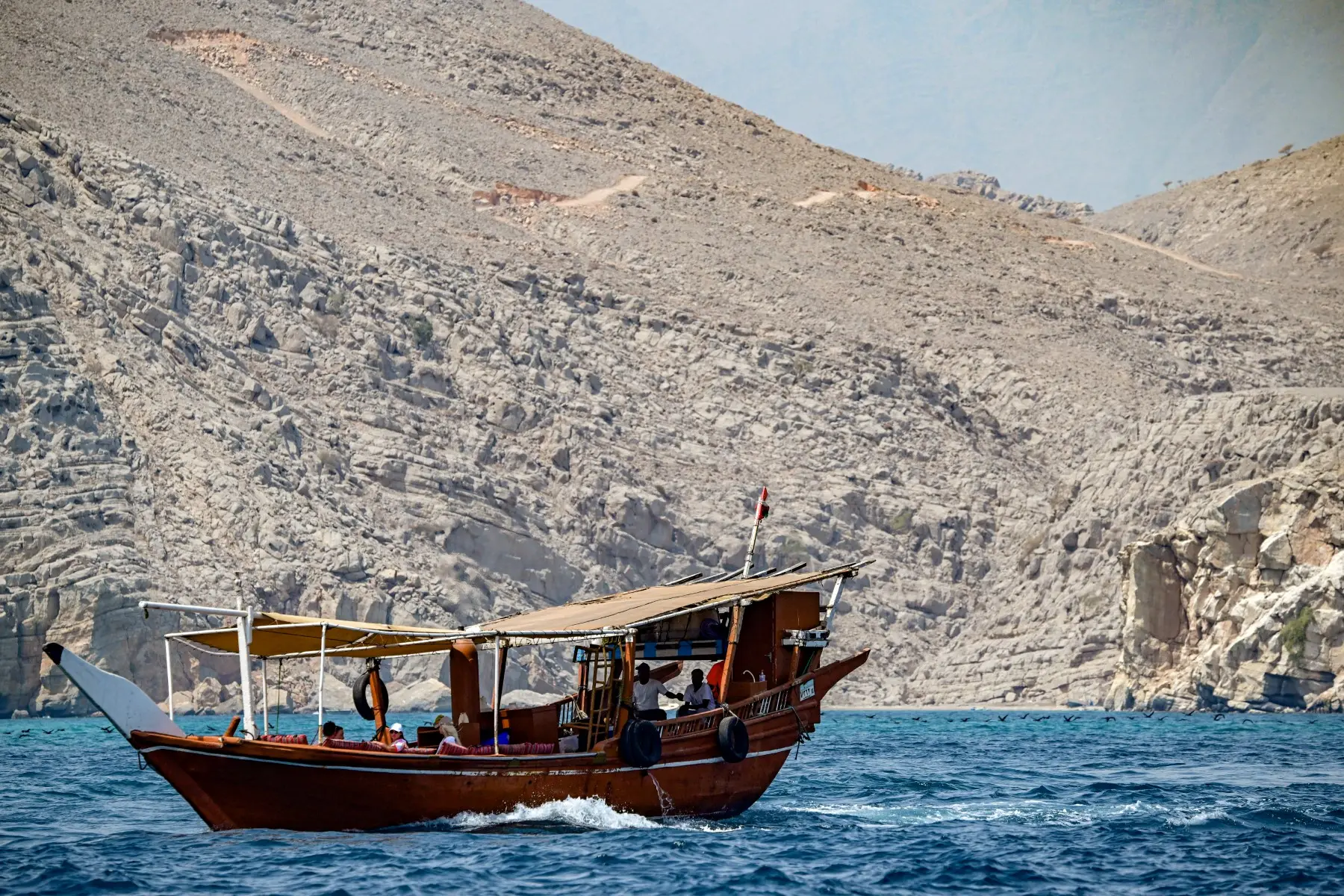
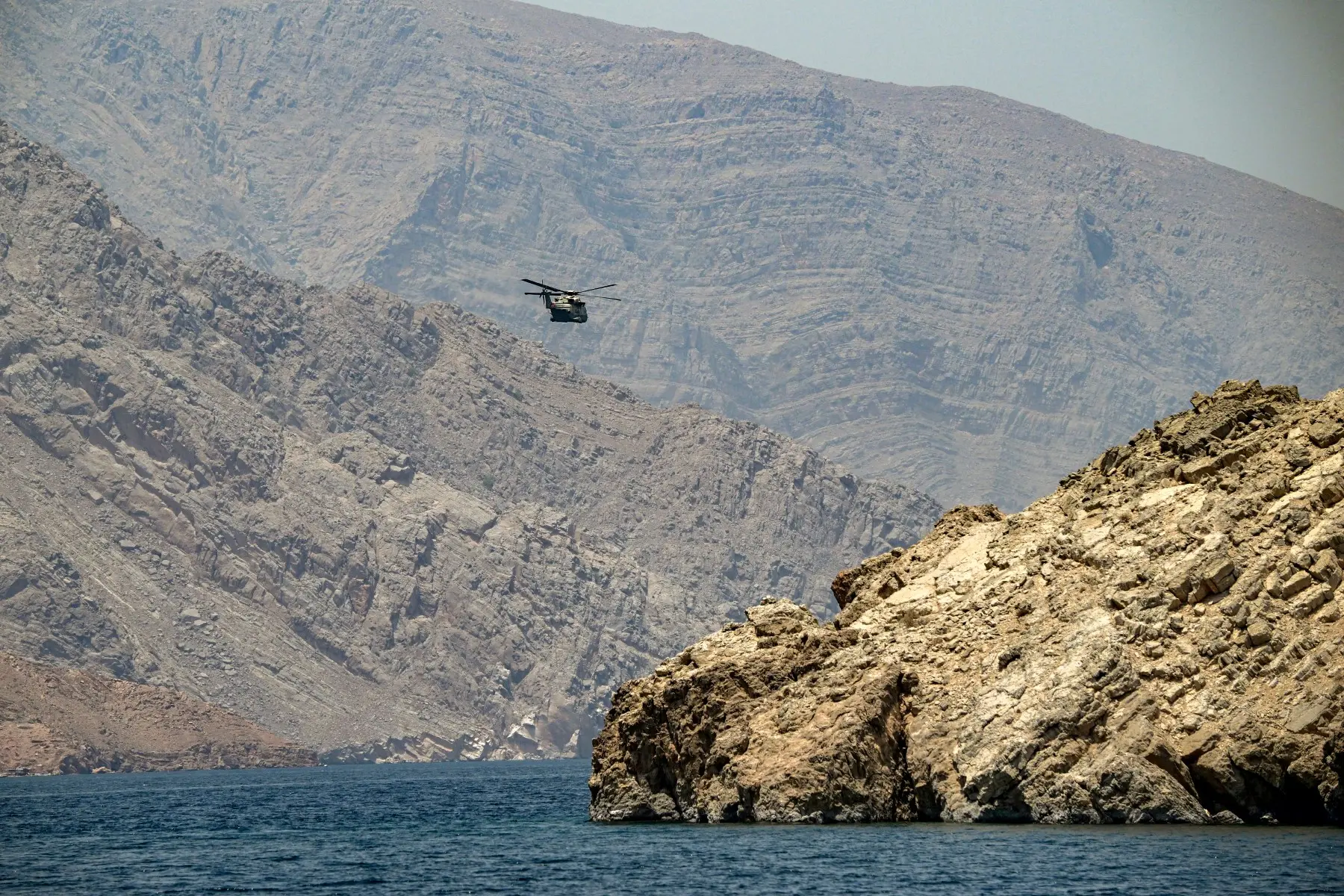
Oman controls the Musandam Peninsula, which overlooks the southern entrance. Unlike Iran, Oman maintains balanced diplomatic ties with Western and Gulf states, often acting as a mediator while ensuring maritime stability along its side of the Strait.
Foreign Naval Presence
Although only Iran and Oman legally border the Strait, external powers maintain naval patrols in nearby waters. The United States and allied forces operate in the Gulf region to safeguard freedom of navigation and deter potential disruptions.
Control vs Closure Reality
Technically, no single country “owns” the Strait outright due to international transit rights. However, geography gives Iran significant practical leverage. Full closure would violate international law and harm regional economies, making control more about influence than ownership.
)
)
)
)
)