The 7 stages of imperial collapse - US is deep inside the pattern

Three global superpowers were destroyed in the last five centuries, and analysts suggest the US is deep inside the pattern. The US is moving from unipolar dominance to contested, that's not unique its the normal arc an empire follows. These stages are gradual, uneven and reversible.
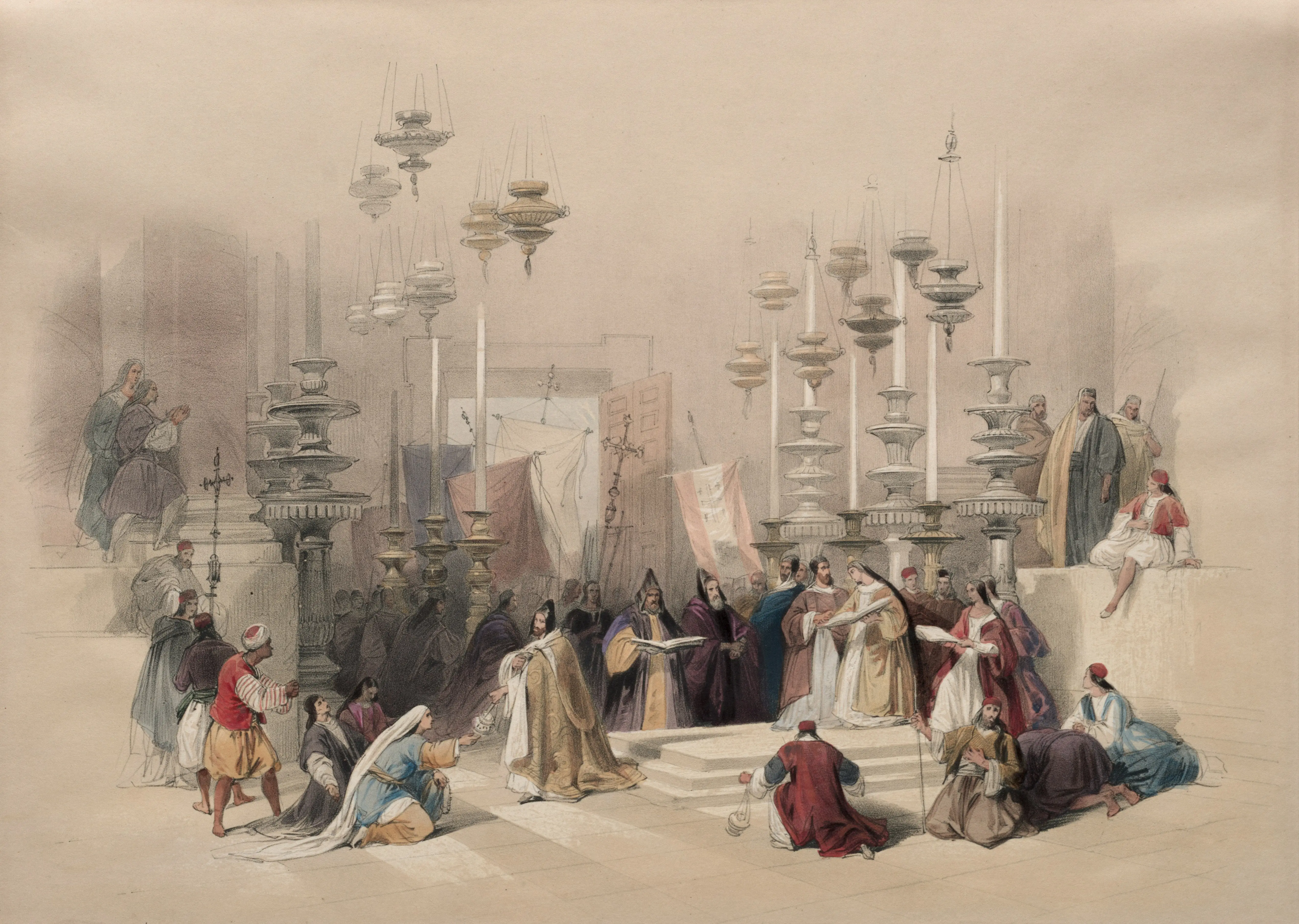
Spain, England, USSR
In 1590, Spain was the richest empire on earth, they controlled almost half of the gold and silver reserves. Their military dominated Europe. Their currency was accepted everywhere. In 80 years, it went bankrupt, and it became a secondary power that never recovered. In 1914, Britain ruled the largest empire in human history. It was said, “The Sun never sets on the British Empire.” The Pound Sterling was the global reserve currency. Within 40 years, the empire diminished, the currency collapsed, and they became a symbolic presence, a junior partner of the US. In 1991 USSR was a global superpower, nuclear power, global influence, satellite spanning the globe; it ceased to exist within 900 days due to economic implosion. Each empire followed the same pattern; each thought it was different, but all of them either collapsed or became insignificant.
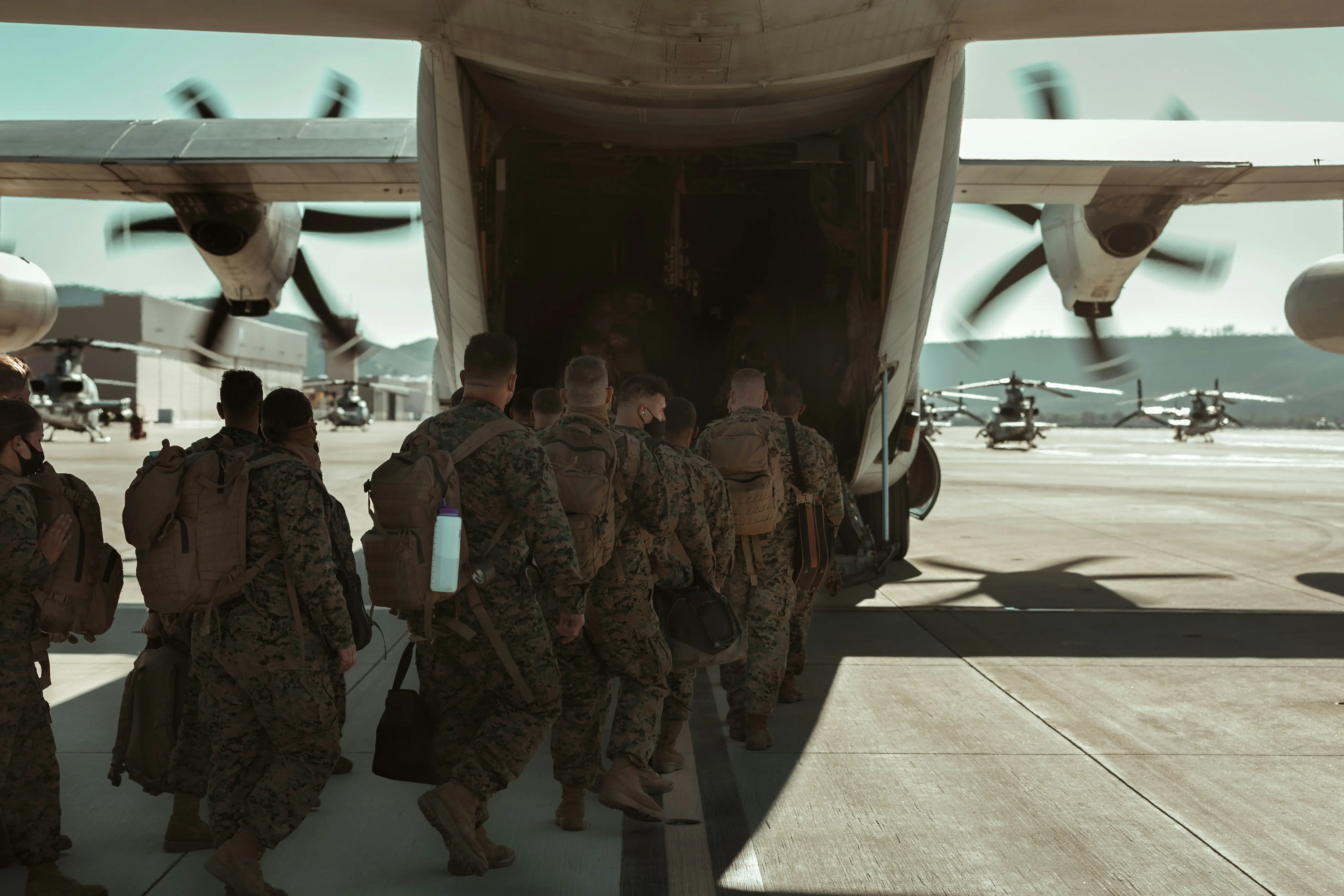
Military overextension
The US has over 750 military bases, over 200000 troops deployed in over 80 countries. They are committed to defending Europe through NATO, Japan, South Korea, the Philippines, and then provide support to Israel, Ukraine, countering China, Russia and fighting in the Middle East. The bases are often stretched thin, supporting wealthy allies who spent too little on their own defence. The US military budget is nearly $1 trillion, but still stretched thin. If China invade Taiwan, if Russia captures NATO territory, if Iran closes the Persian Gulf, the US will be exposed, stretched without any strong allies.
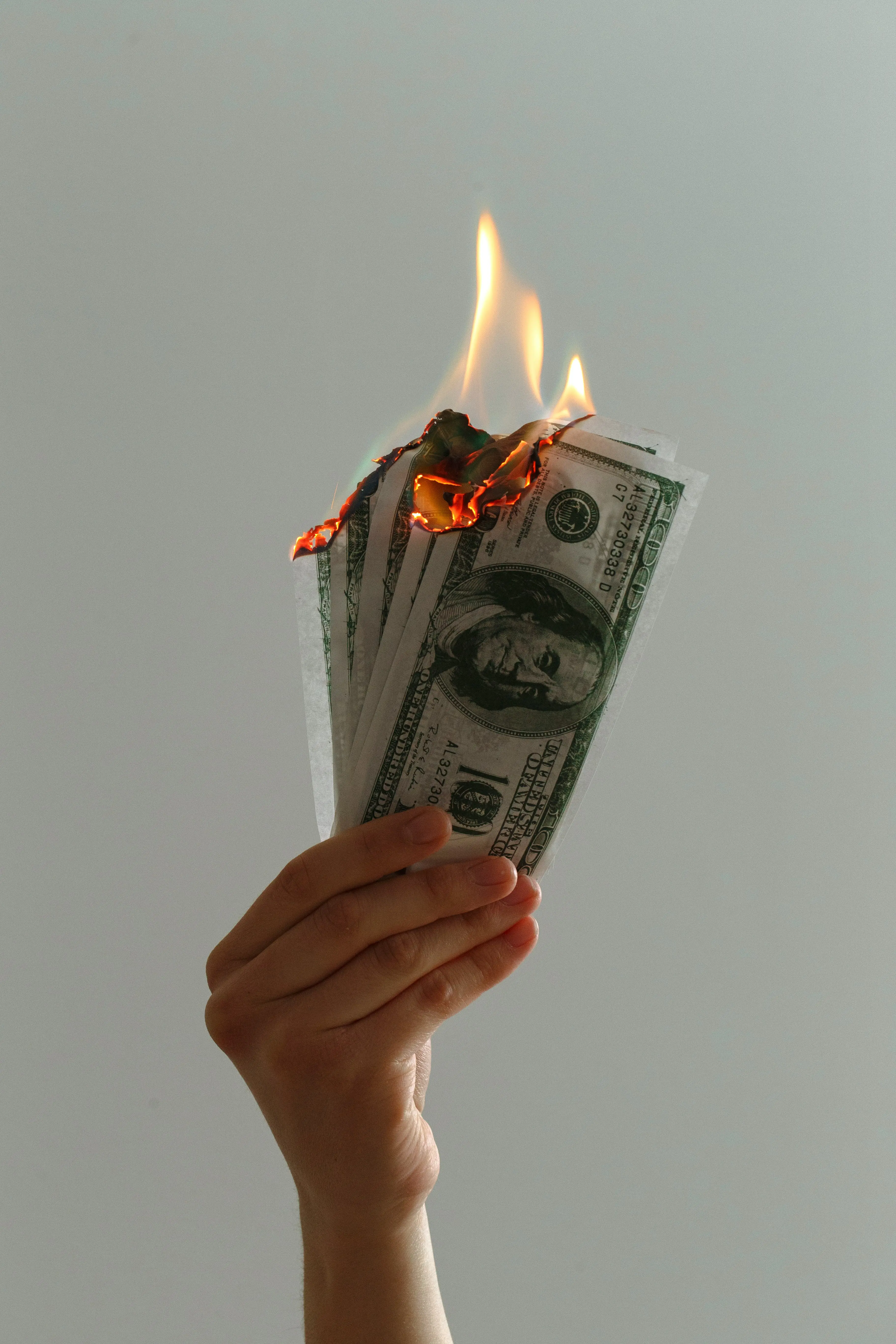
Currency Debasement
In 1971, courtesy of US President Richard Nixon, the dollar became fiat currency; since then, it has lost its purchasing power by almost 98 per cent. Since 2000, the money supply has increased by 400 per cent. The US Federal Reserve injected trillions of dollars into the economy, similar patterns were observed in Spain, mixing copper in silver coin, the UK managed WWII with debt and money printing. Gold reserves were depleted, and foreign debts, especially to the US, exploded.
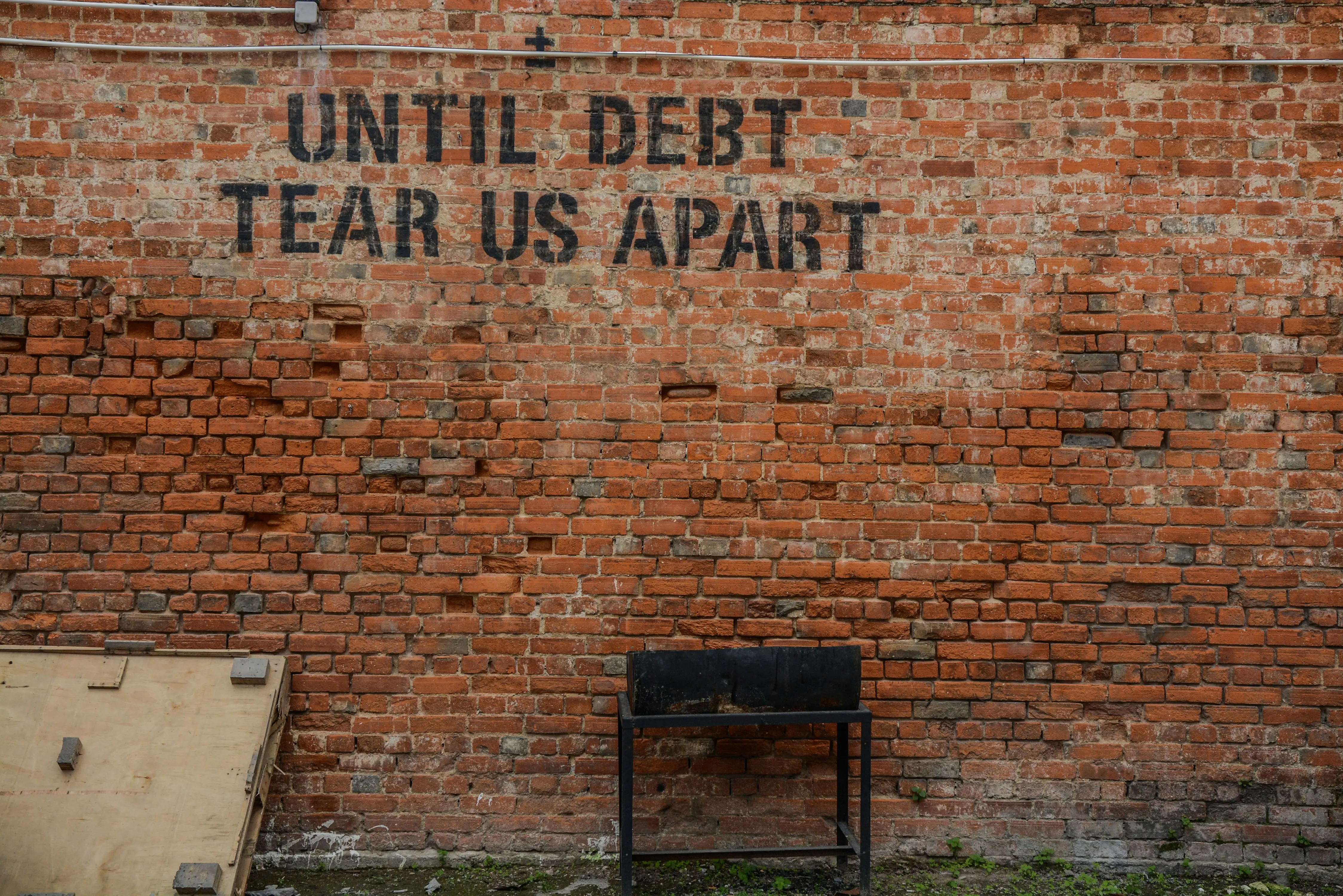
Debt Spiral
The US national debt has crossed about $38 trillion, making it the largest sovereign debt stock in history. The interest payment almost crosses $1 trillion, which is more than the defence spending. These are financed by issuing Treasury securities. Revenue is crossing primary spending plus debt. New debt is issued partly to pay old debt’s interest, that too in peacetime. The US is sitting at the threshold because of its reserve currency status, but this is a late-stage debt. The US treasuries are still seen as the safest asset, and there is a huge global demand, but if it engages in a prolonged war, it will lose investor confidence. With a deteriorated relationship with allies in Europe, persistent weaponisation of trade and new fault lines opening in South America, it seems increasingly likely that the country is in a rabbit hole.
Manufacturing collapse
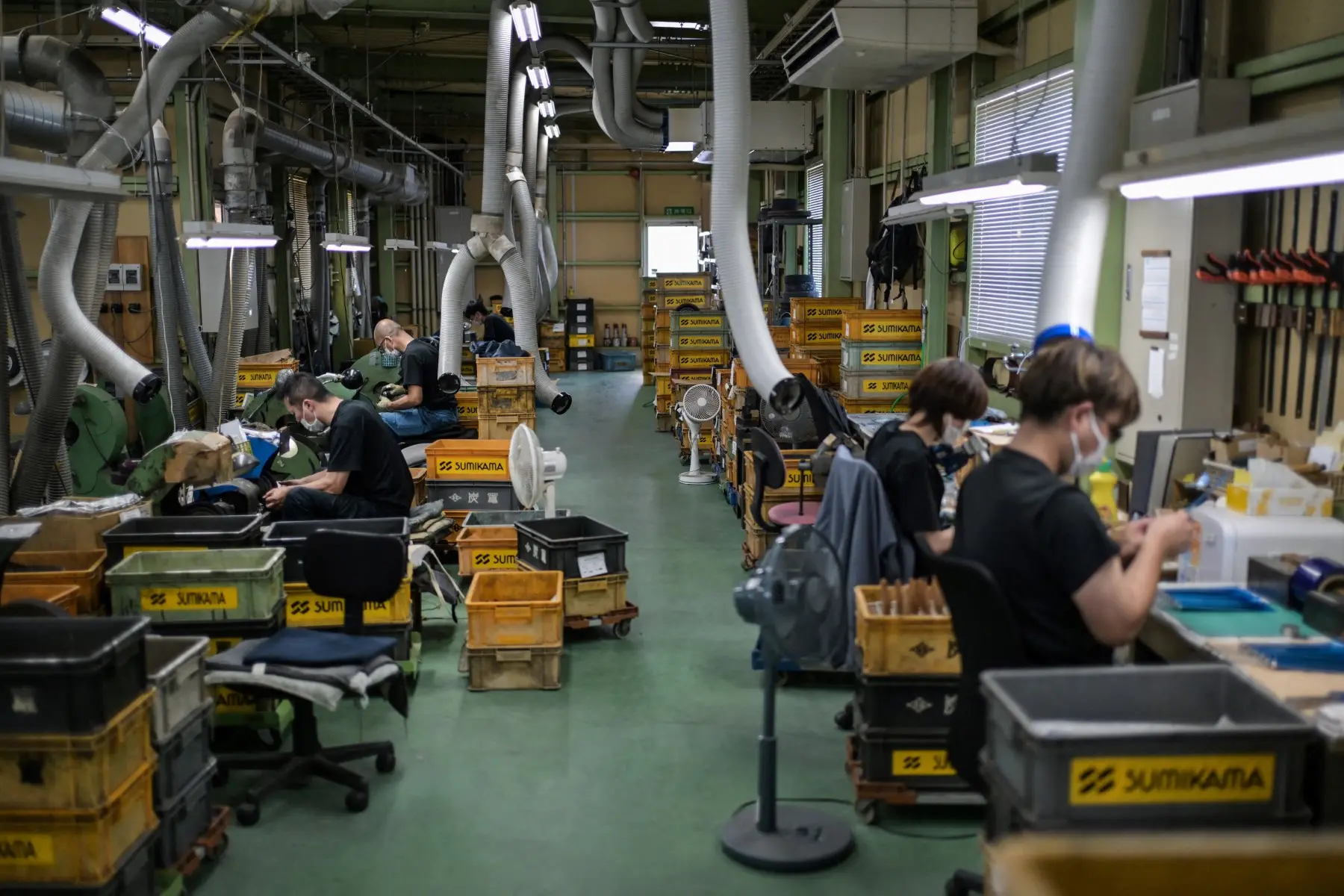
The US economy has shifted from a manufacturing-based economy to a overfinancial economy. Post WWII, it was the manufacturing powerhouse of the world. But after 1970, globalisation and trade liberalisation expanded, and manufacturing shifted to Africa, East Asia, and South America, specifically due to cheap raw materials and labour force. Sectors like finance, healthcare, technology and professional services grew rapidly. Manufacturing still holds 10 per cent of the GDP in 2025, but is still down from 24.3 per cent of the GDP in 1970; it is dependent on the foreign supply chain for raw materials, medicines, electronics, steel and even military components. It imports $800 billion more than it exports annually.

Social Decay
Trust in social institutions is at an all-time low. Homelessness, drug overdose, and crime are exploding. According to Pew research, only 22 per cent of US adults trust the federal government to do the right thing. Political dysfunction produces leaders who portray government offices like private property and appeal to people as if they are in a TV show. Police state increase, surveillance capitalism is in its all-time high.
Loss of Reserve Currency Status
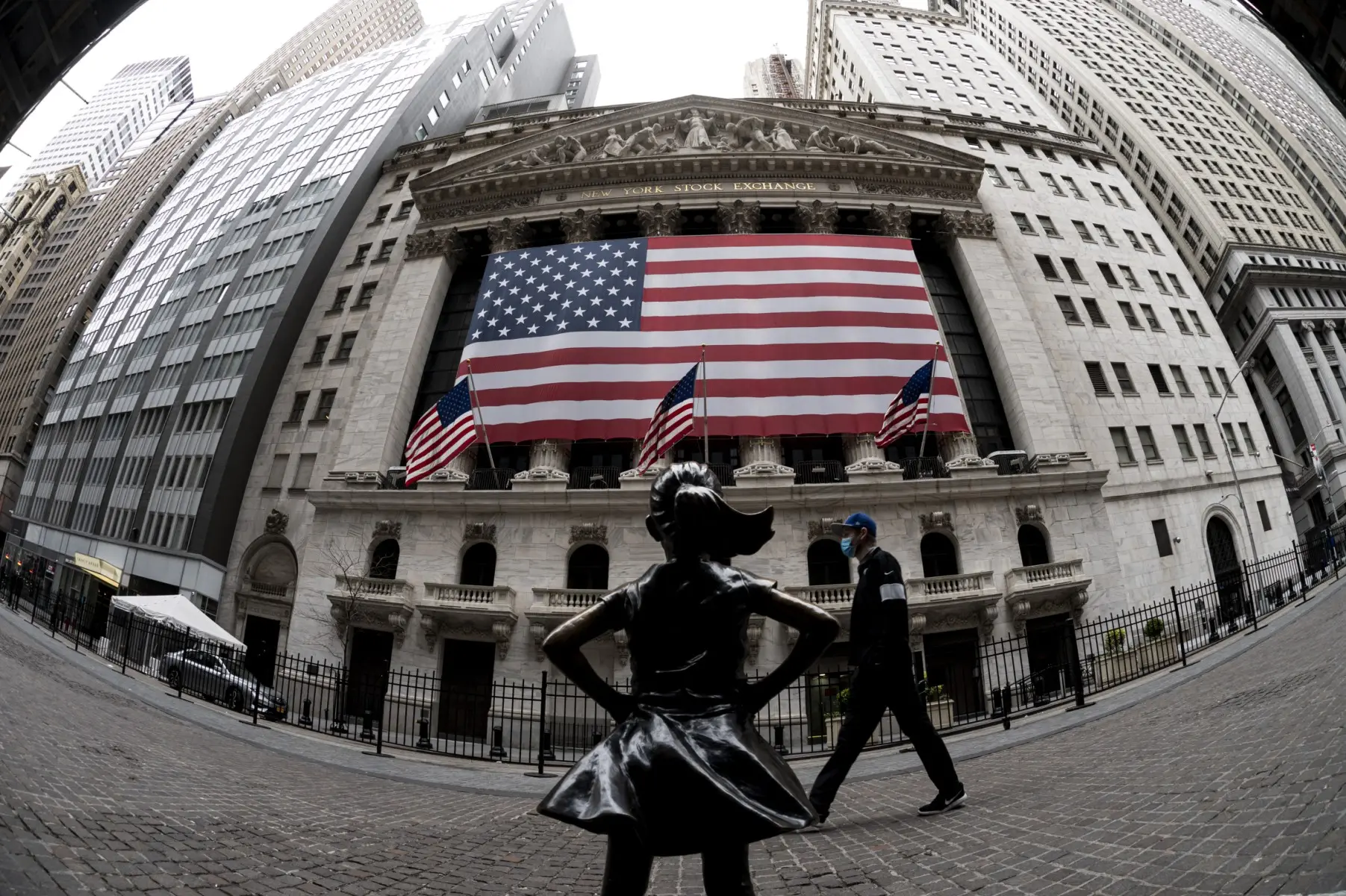
The US is deep into the sequence, trust in US hegemony and its moral authority is collapsing, and allies are contemplating diversifying trade and foreign exchange reserves. There are early signs like BRICS trying to formalise a currency, China and Russia trading in Yuan and Ruble. US Commerce Secretary Howard Lutnick said globalisation has failed the US economy, but contrary to that, globalisation has sustained it till now. If the dollar and treasury bonds come flooding back to the US, this will be the beginning of the collapse.
The Collapse
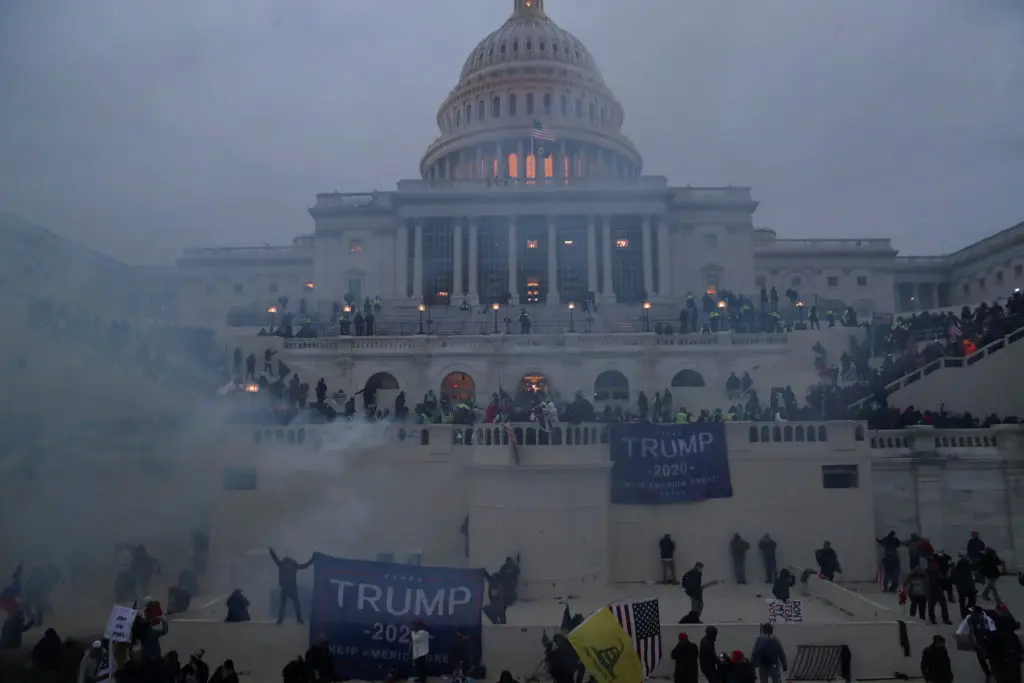
Then comes the last stage, UK and Spain escaped this stage, but the USSR couldn't. If the reserve currency fails, if the debt becomes unbearable, the military can not survive. There is no gradual collapse. It will be a sudden implosion. Many US economists know it, and predict a similar outcome. US Economist Jeffrey Sachs suggest the US is not declining, but sprinting down the road to collapse.
)
)
)
)
)