US hasn’t even started! Trump warns Iran says ‘bridges, power plants next’ — What do the Geneva Conventions say?

The 1949 Geneva Conventions and their Additional Protocols establish the legal framework for humanitarian conduct in armed conflict.
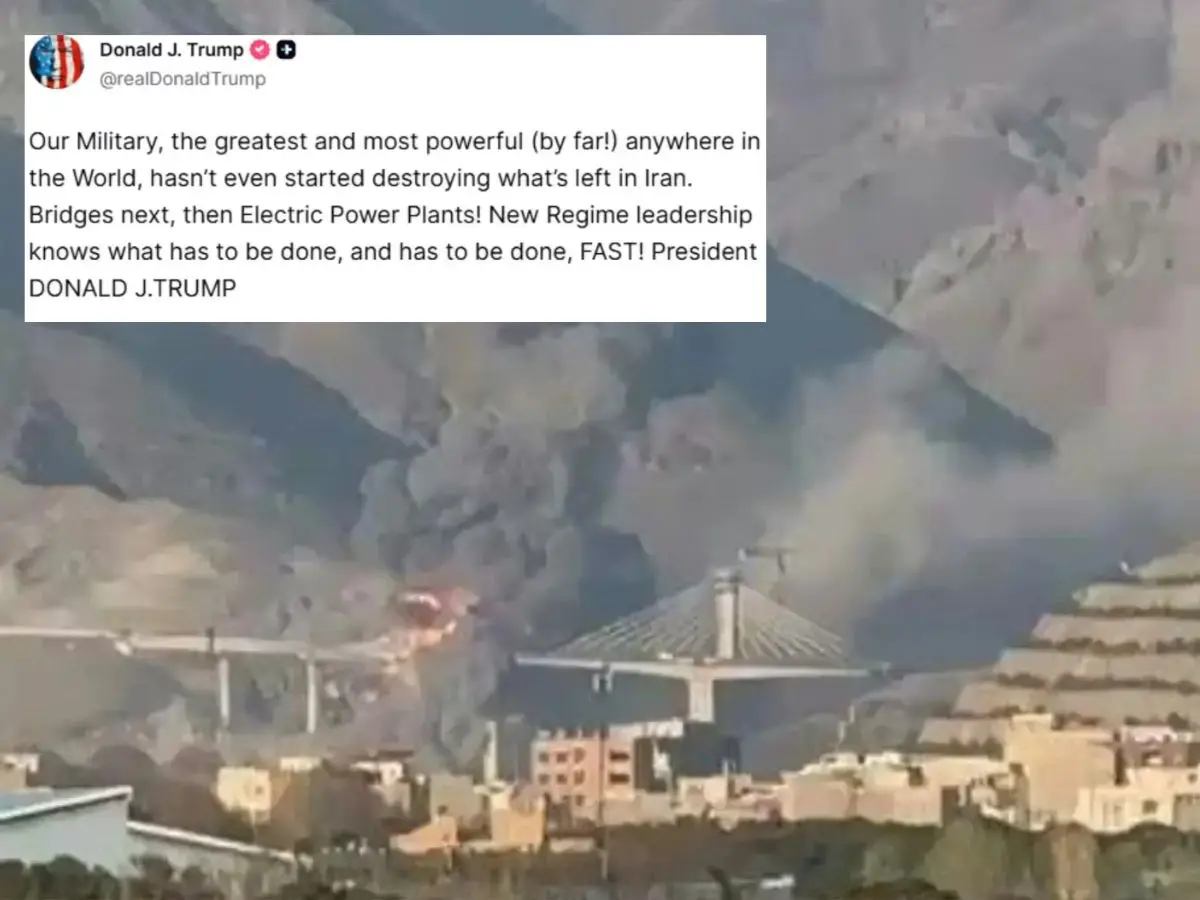
Trump Signals Escalation in Iran
US President Donald Trump has warned that the United States “hasn’t even started destroying what’s left in Iran,” signalling a significant escalation in the ongoing Operation Epic Fury, which began on February 28. Posting on Truth Social, he added, “Bridges next, then Electric Power Plants! New Regime leadership knows what has to be done, and has to be done, FAST!” These comments follow US strikes on Iranian infrastructure, including the destruction of the B1 Bridge in Karaj, reportedly resulting in at least eight deaths and 95 injuries.
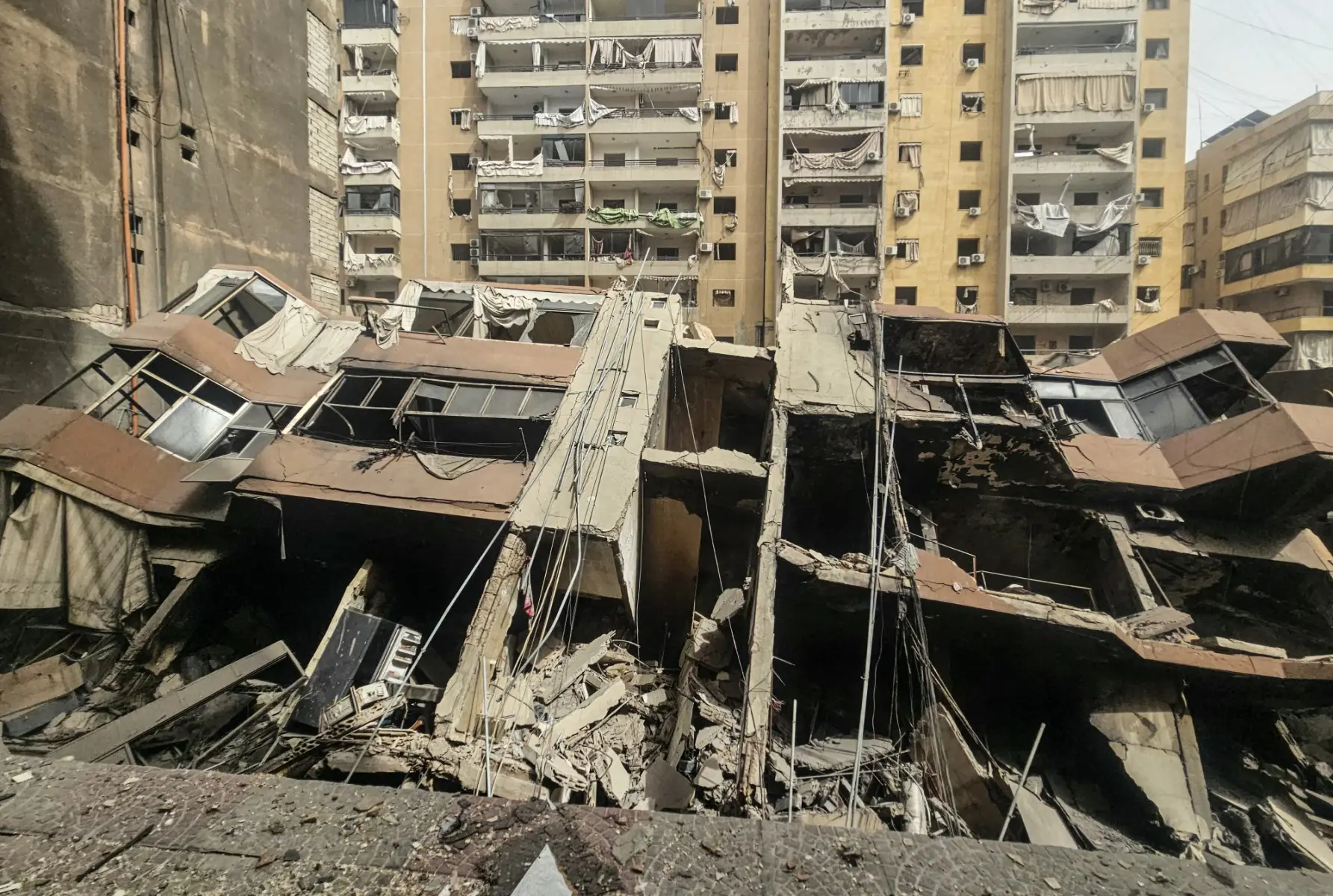
The Geneva Conventions and International Law
The 1949 Geneva Conventions and their Additional Protocols establish the legal framework for humanitarian conduct in armed conflict. They require parties to distinguish between “civilian objects and military objectives” and prohibit attacks on civilian infrastructure unless it is being used for military purposes. Dozens of international law experts in the United States recently signed an open letter stating that US strikes on Iran could amount to war crimes if civilian objects are intentionally targeted.
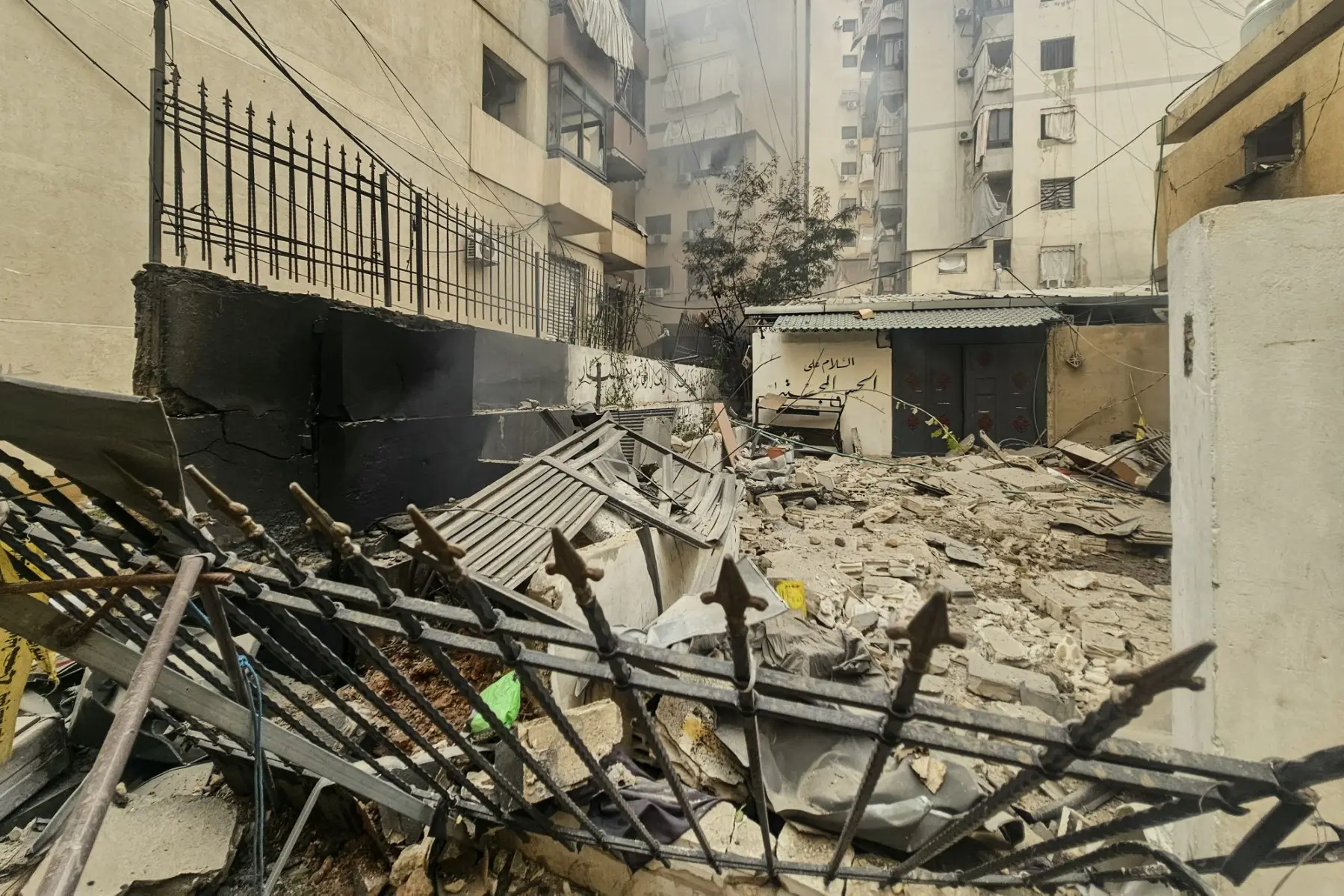
Precedents and Enforcement
International precedent demonstrates that deliberate attacks on civilian energy systems can be prosecuted. In 2024, the International Criminal Court indicted four Russian military officials for systematic strikes on Ukraine’s power grid, underscoring that targeting infrastructure vital to civilian survival is recognised as a serious violation of international law. However, the United States, Israel, and Iran are not parties to the ICC, limiting near-term enforcement.
Regional Escalation and Civilian Impact
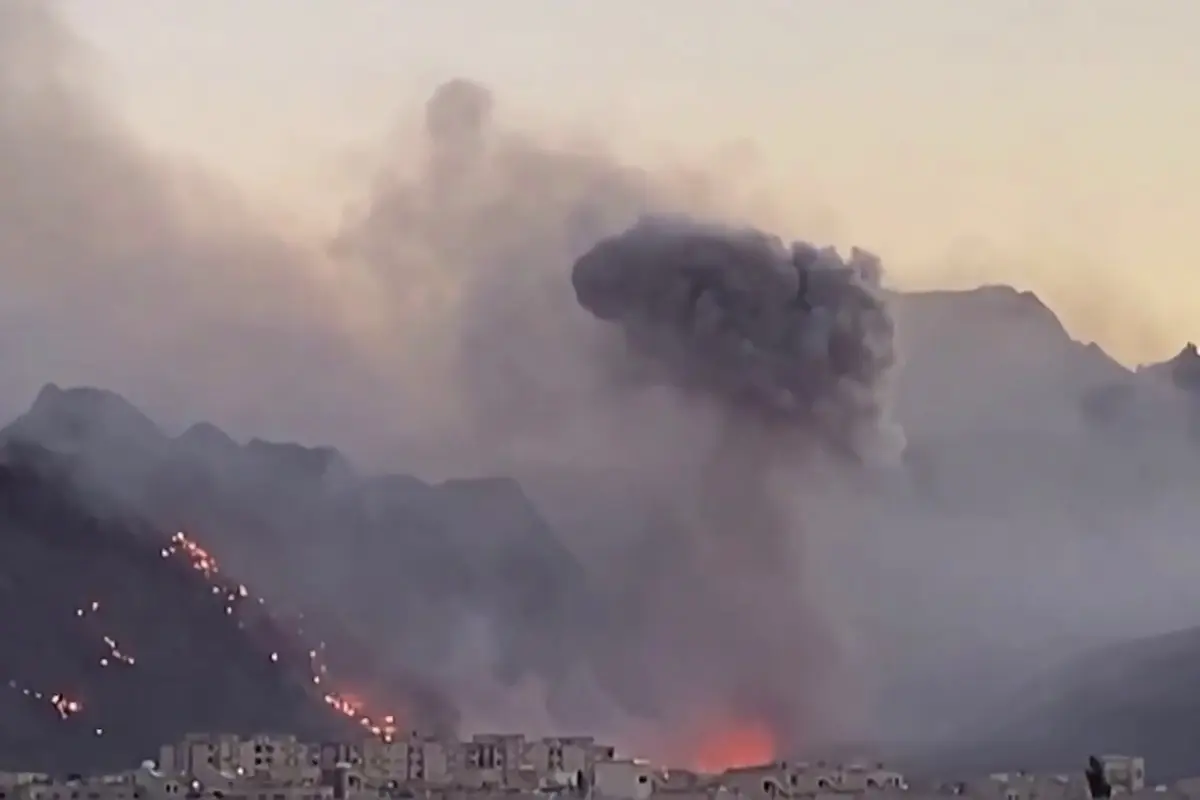
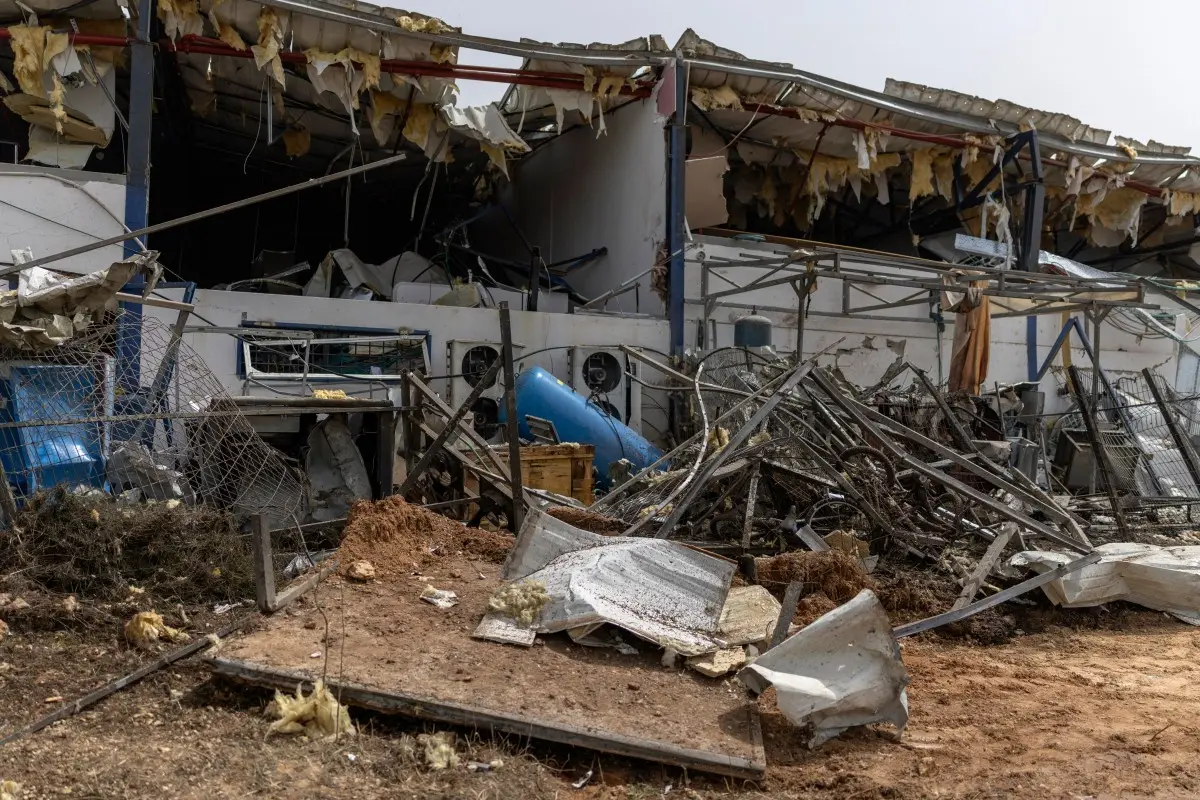
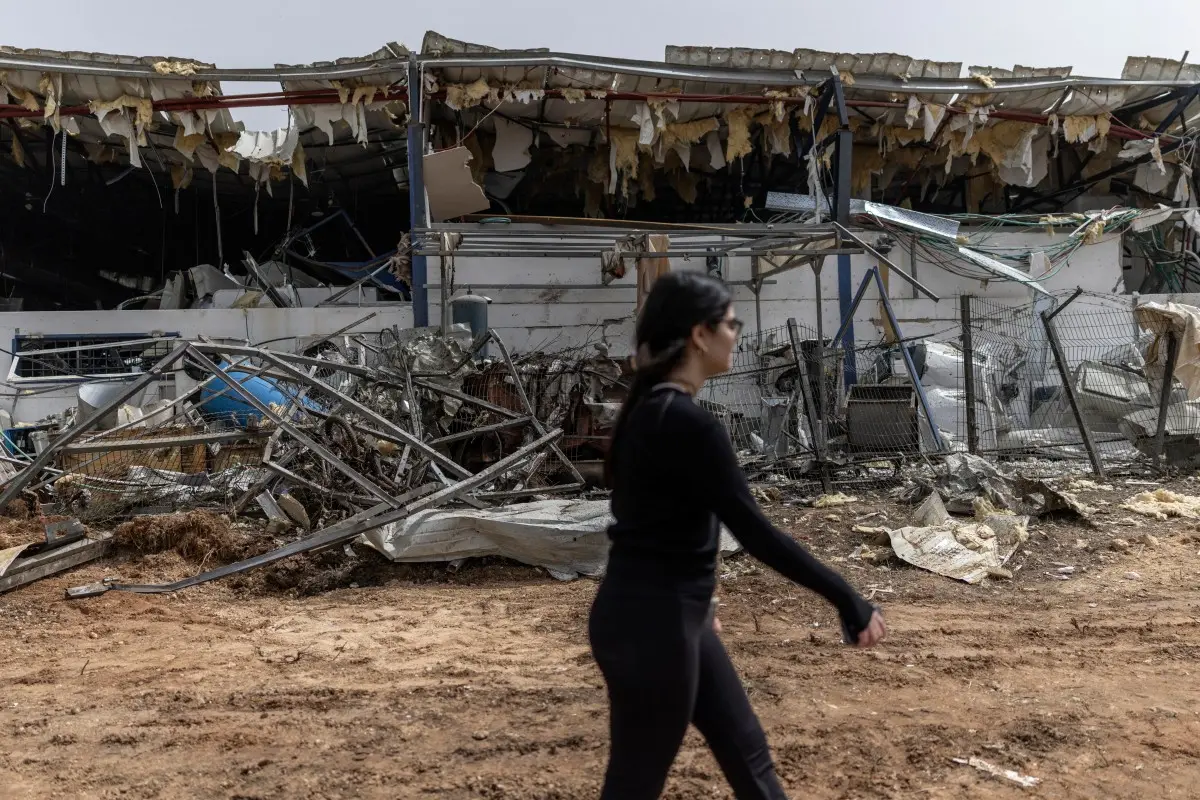
The current conflict began with joint US–Israeli strikes on Iran and has since escalated into a wider regional confrontation. Tehran has retaliated with missile and drone attacks against Israel and Gulf states hosting US forces, while Israeli operations in Lebanon have resulted in thousands of deaths and the displacement of millions. Both sides have contributed to the destruction of civilian infrastructure: Iranian strikes have severely damaged desalination plants, refineries, and airports, disrupting freshwater supplies and regional aviation, and stretching air defence systems tasked with protecting essential civilian sites. These actions illustrate the broader humanitarian and logistical toll of the conflict, raising urgent questions about adherence to international law governing the protection of civilians.
Humanitarian Impact
Sarah Yager of Human Rights Watch told AFP, “The crippling of Iran’s power plants would be devastating to the Iranian people.” Disruptions to electricity can hinder hospitals, water supply, and other civilian needs. According to AFP, Robert Goldman, war crimes expert at American University, warned, “To attack a power plant would be utterly disproportionate because it has very foreseeable consequences for the civilian population.”
Long-term Legal Consequences
Dannenbaum emphasised that war crimes have universal jurisdiction with no statute of limitations, meaning prosecutions could occur in the future. Goldman added that undermining the Geneva Conventions risks reputational damage and sets dangerous precedents for US conduct in conflicts.
Pezeshkian reacts
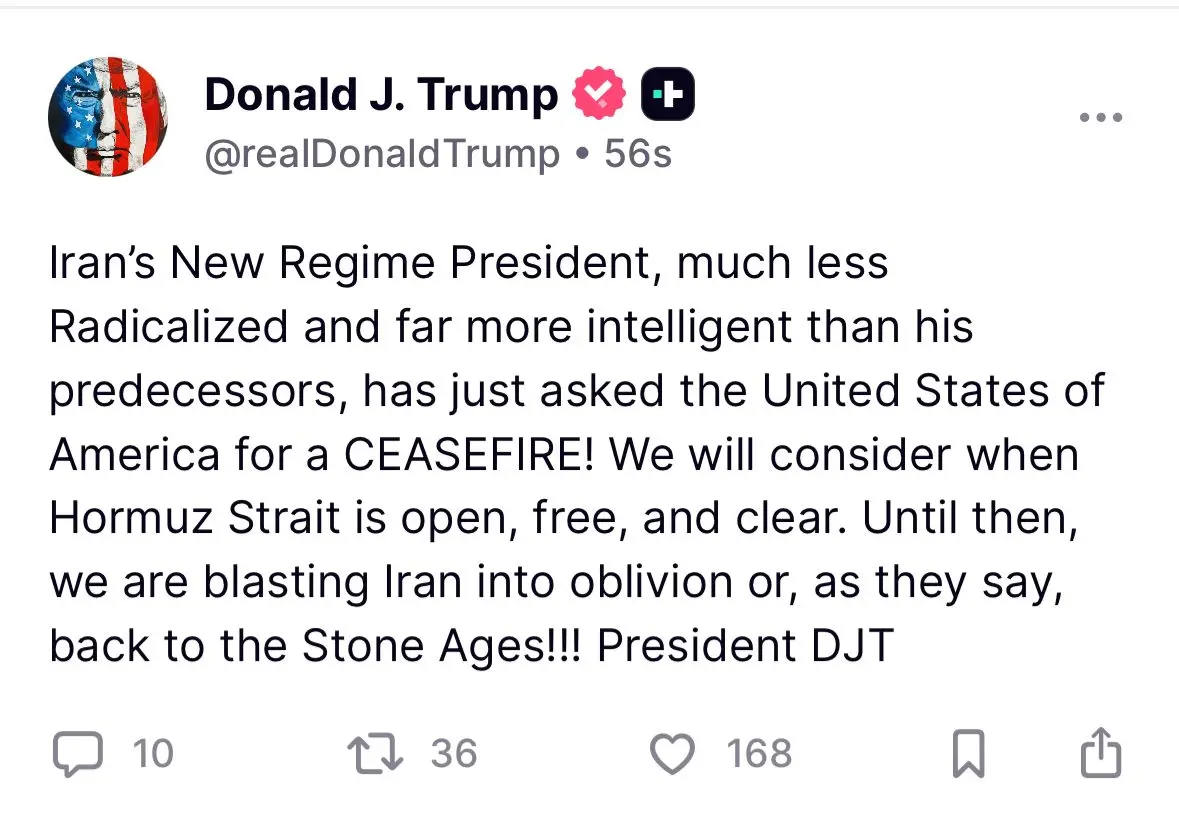
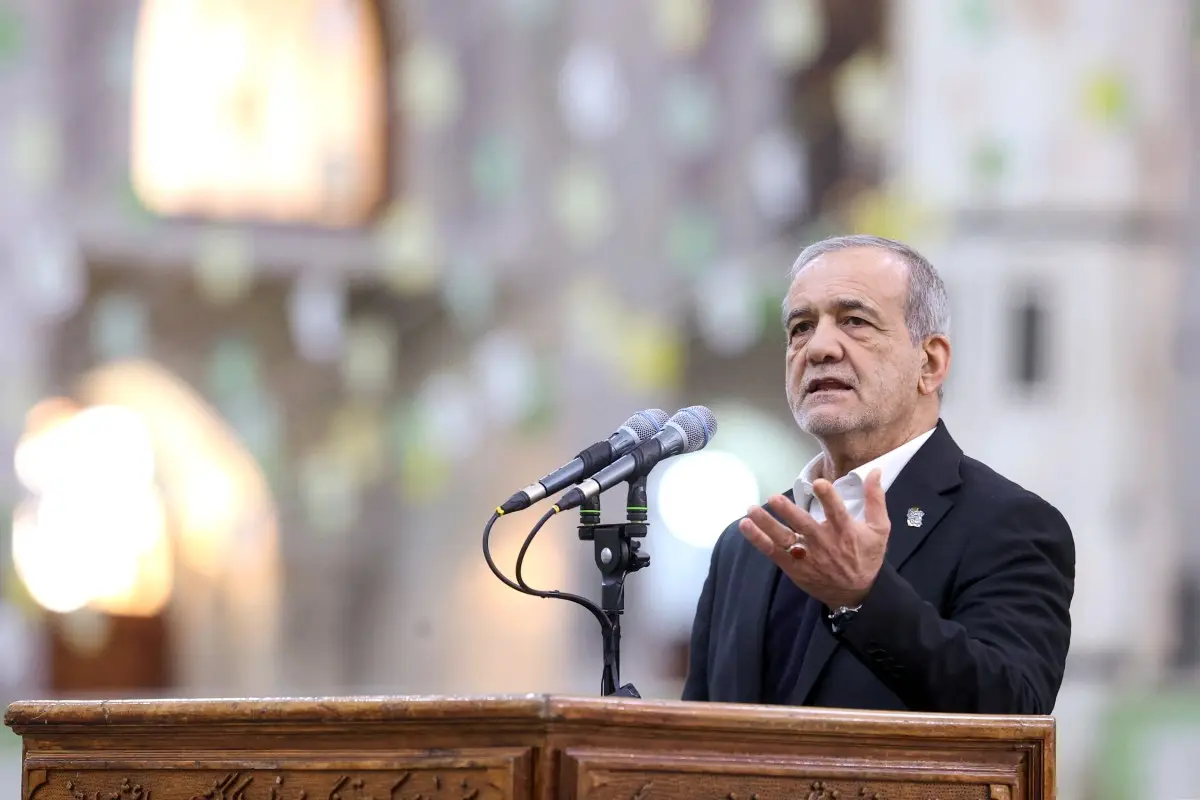
Iranian President Masoud Pezeshkian on Friday questioned whether threatening to reduce an entire nation to the Stone Age constitutes a serious war crime. He posted on X that while speaking to his Finnish counterpart, a legal expert, he asked, “Does threatening to send an entire nation back to the Stone Age constitute a grave war crime?” He added, “History is full of examples of those who paid a heavy price for remaining silent in the face of criminals.”
Strategic and Global Implications
Meanwhile, Iran claimed to have downed US aircrafts, releasing images of a tail fin and other debris early on Friday, including an initial assertion regarding a US F-35 frame. CENTCOM, however, confirmed that all US fighter jets were accounted for. In a separate incident, a US F-15E was reportedly shot down over Iran, triggering an urgent search and rescue operation for its two-person crew, the first such event since the start of the war.
Disclaimer: WION takes utmost care to accurately and responsibly report ongoing conflicts in West Asia involving Israel, Iran, US, Gulf nations and non-state actors like Hezbollah, Hamas, Houthis, Islamic State, and others. Claims and counterclaims, disinformation and misinformation are being made online and offline. Given this context, WION cannot independently verify the authenticity of all statements, social media posts, photos and videos.
)
)
)
)
)