US' F-35 vs Russia’s Su-57: Which fifth-gen fighter jet truly leads?

The F-35 focuses on stealth, data integration and seamless allied operations, while the Su-57 blends stealth features with high manoeuvrability and close-range engagement capability.
Introduction
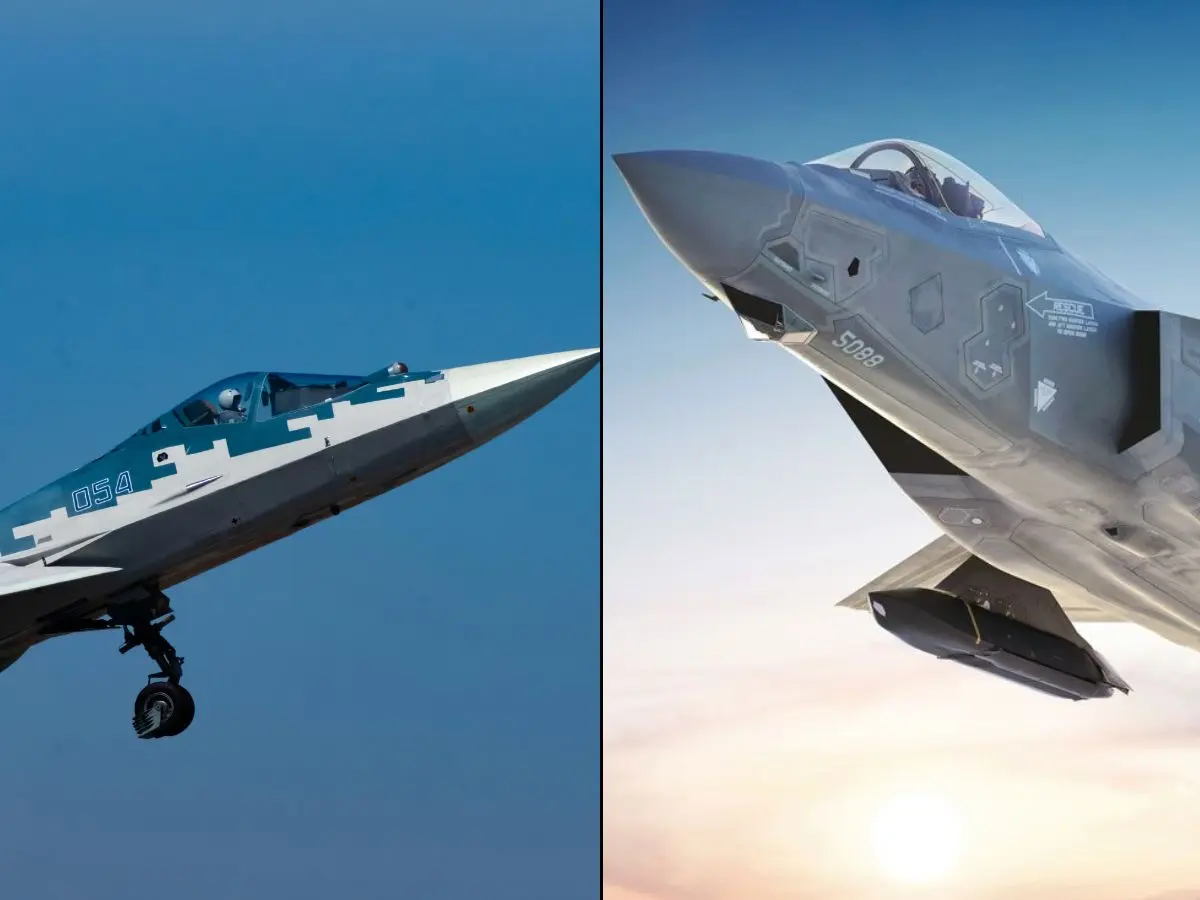
The contest between the American F-35 Lightning II and Russia’s Su-57 Felon goes beyond engineering; it embodies two distinct military doctrines and national strategies for air combat. The F-35 focuses on stealth, data integration and seamless allied operations, while the Su-57 blends stealth features with high manoeuvrability and close-range engagement capability. Both are the leading fifth-generation fighter jets of the United States and Russia, yet the question remains: which truly performs better? Let's examine their design, systems, production and operational use to break down where each aircraft stands today.
Stealth and Design
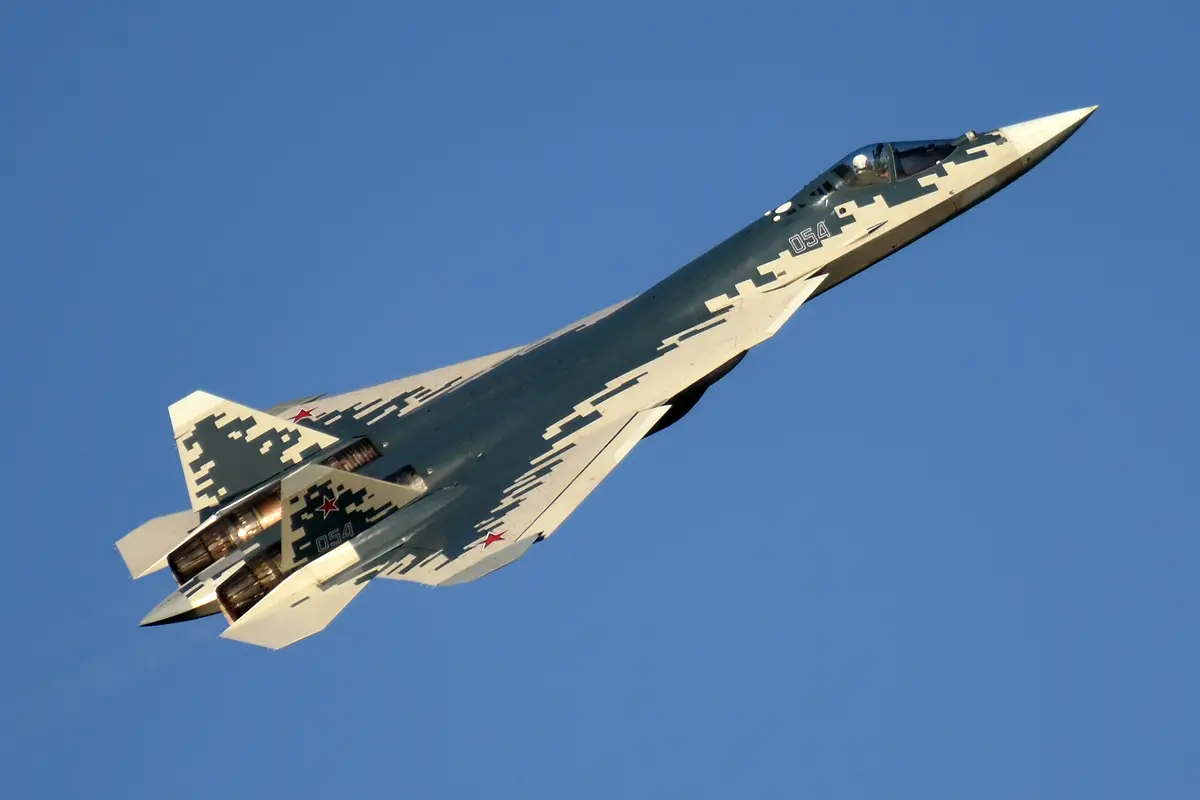
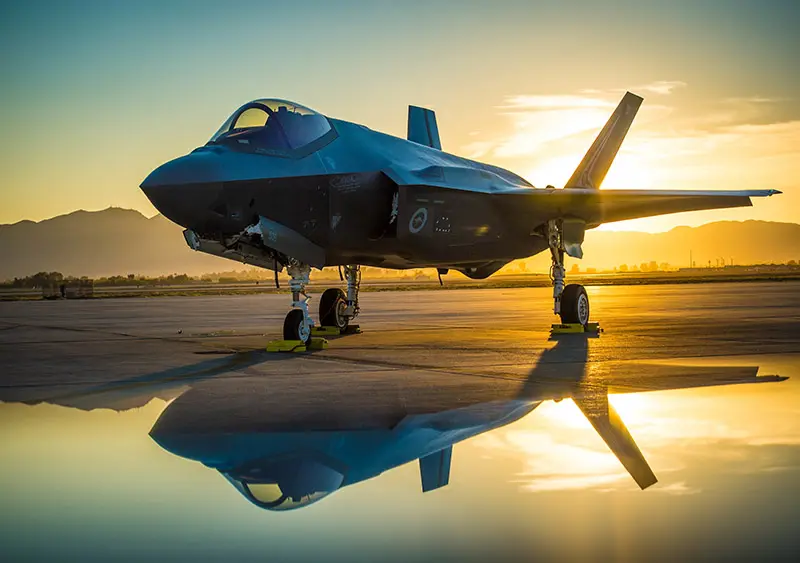
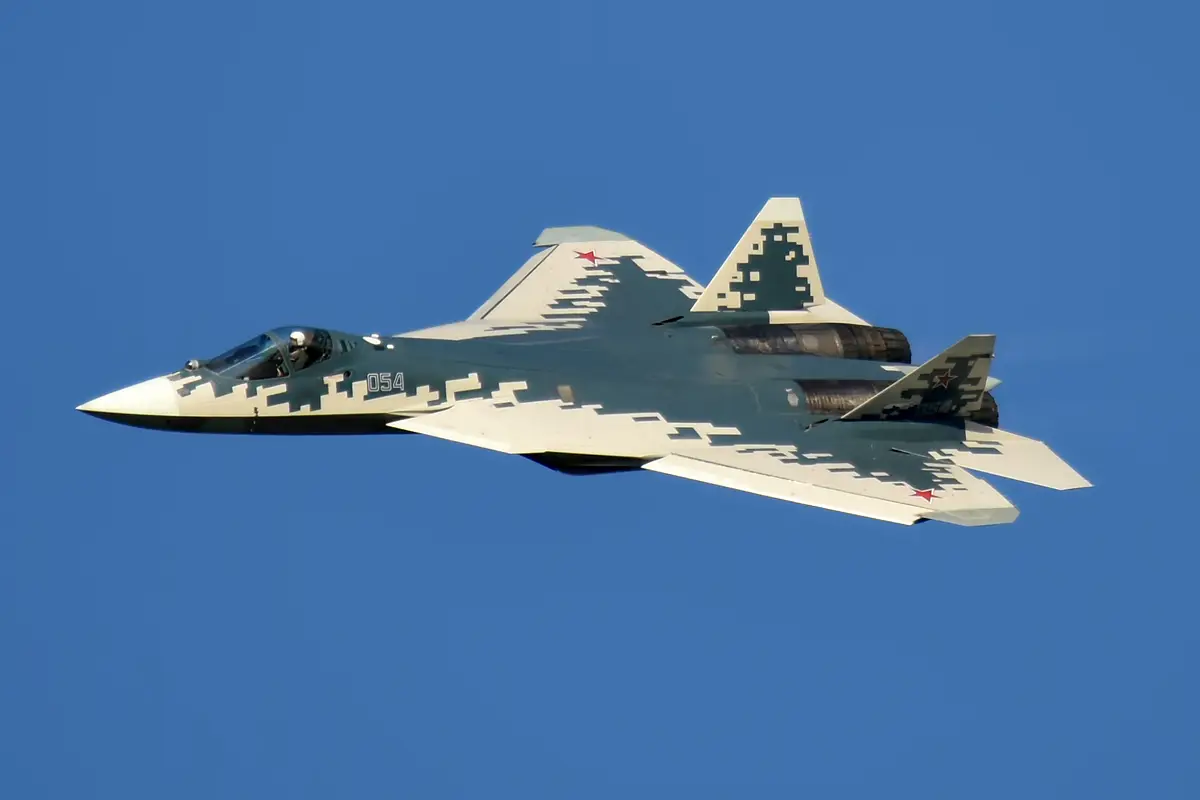
The F-35, developed by Lockheed Martin, prioritises radar cross-section reduction through shape and radar-absorbing materials. Its embedded sensors reduce external stores, helping maintain stealth. The Su-57, produced by Sukhoi, uses stealth shaping and composite materials but retains features like forward canards and large engine nozzles, which increase radar visibility from some angles. According to the Congressional Research Service, this makes it less stealthy than the F-35.
Avionics and Systems
The F-35 stands out for its advanced avionics suite, integrating AESA radar, Distributed Aperture System (DAS), and sensor fusion that feeds data directly to the pilot’s helmet display. The Su-57 also features an AESA radar and electronic warfare systems. However, open-source assessments, including a 2023 US DoD report, suggest its integration and sensor fusion lag behind the F-35’s mature systems.
Manoeuvrability and Engines
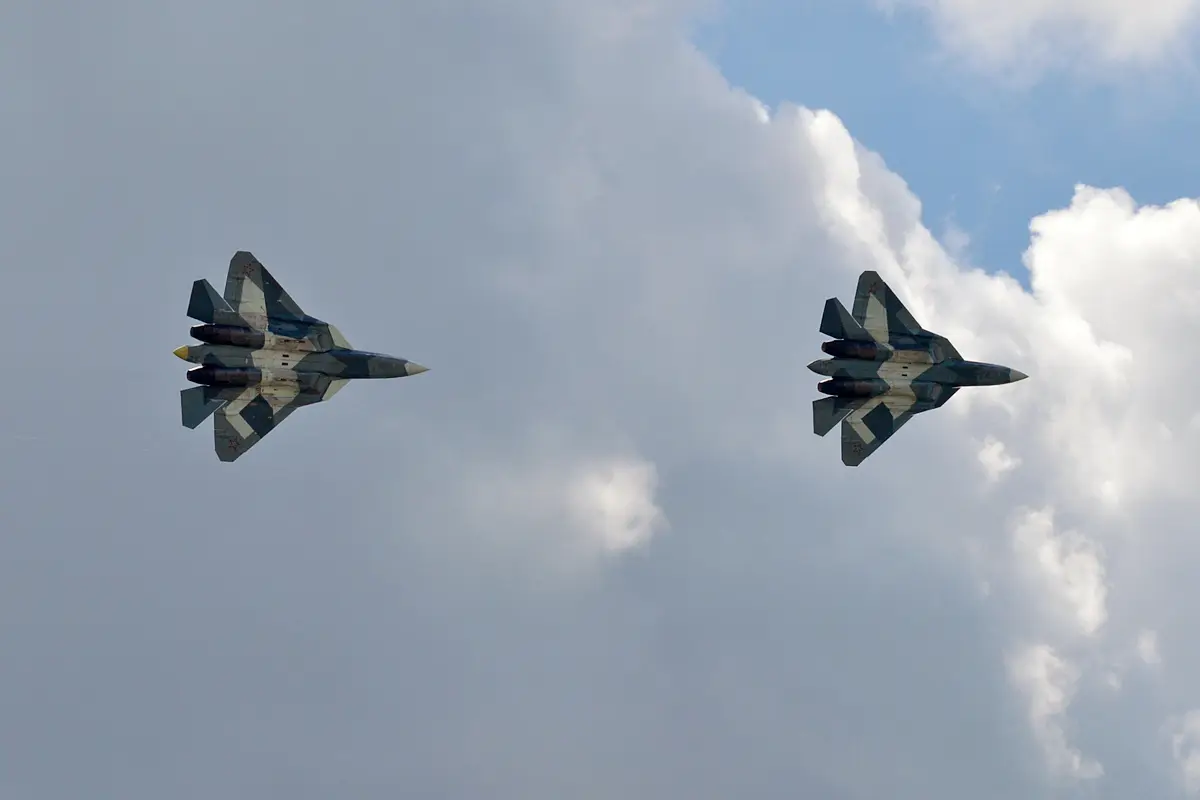
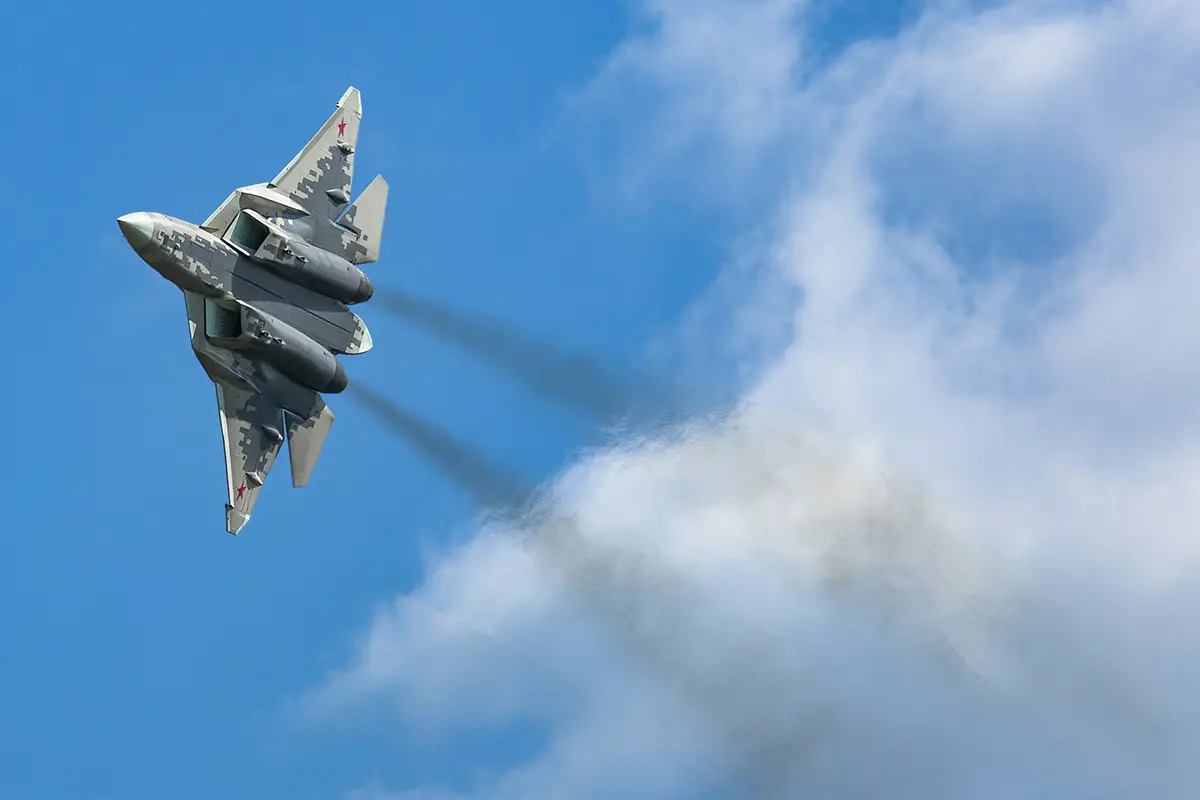
The Su-57 uses thrust vectoring nozzles, offering superior agility in close combat and high angles of attack. It is designed for high speed and supercruise, though production models still use older AL-41F1 engines. The F-35 is less agile but was built mainly for beyond-visual-range combat, relying on sensors and stealth rather than dogfighting.
Production and Numbers
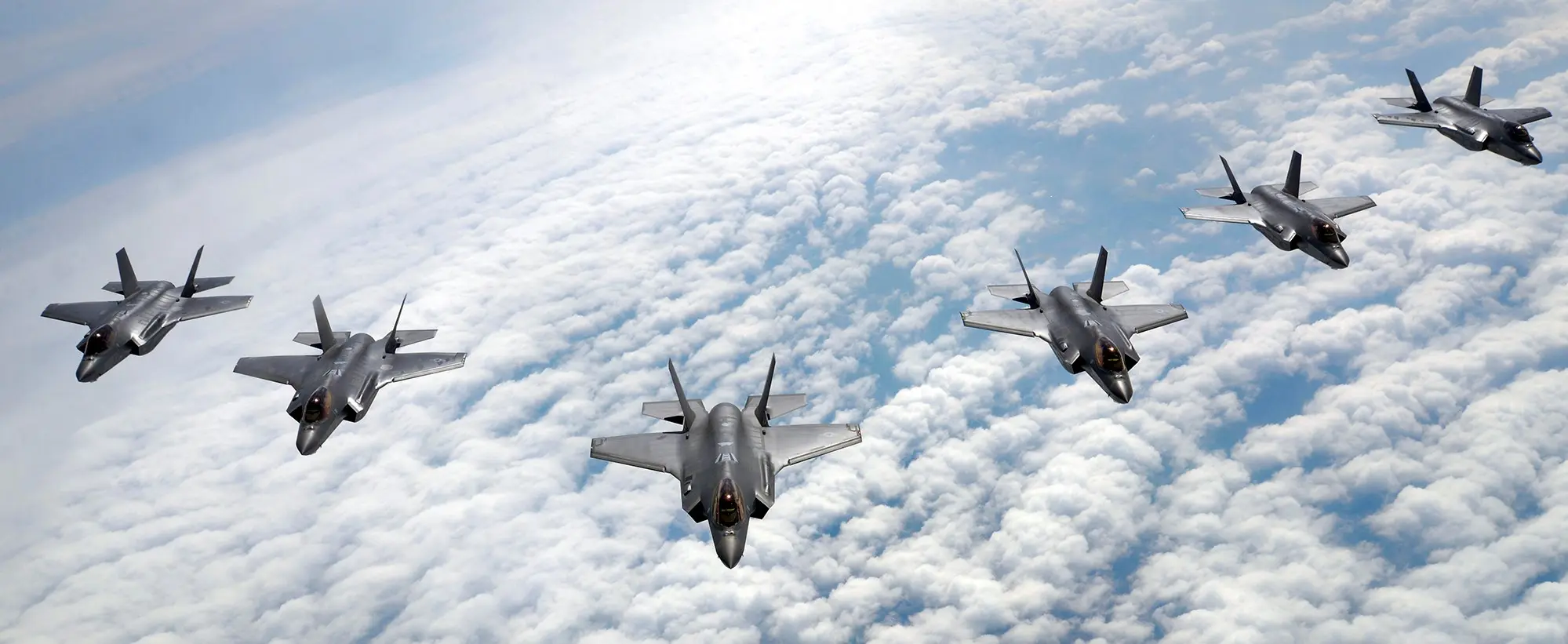
Lockheed Martin has delivered over 990 F-35s across the US and allied forces. The programme has reached full-rate production. By contrast, only around 20 Su-57s are reported to be in service, with full production delayed due to technical and funding issues. Russia has recently offered their Su-57 jets to India. United Aircraft Corporation targets around 76 aircraft by 2028.
Operational Use
The F-35 has been deployed operationally by multiple air forces and has flown in combat zones. Its logistics and sustainment challenges have been acknowledged but are being addressed. The Su-57 reportedly flew limited missions over Syria, though primarily for testing rather than combat. Large-scale operational deployment has yet to occur.
Conclusion
The F-35 leads in production scale, stealth, and integrated systems, reflecting a mature, widely adopted platform. The Su-57 offers notable manoeuvrability and design innovation but faces ongoing development challenges. While both represent national approaches to fifth-generation air power, the F-35 currently holds the operational and technological edge.
)
)
)
)
)