US blockade of Hormuz Strait a costly mistake? Saudi wants it to end; Chinese ship passes anyway as Beijing fumes

Trump’s Strait of Hormuz blockade faces early strain amid Chinese tanker passage, Iranian mining of the area, and reported Saudi opposition. With rising oil prices and risks of escalation, economic disruption, and limited US enforcement, it could prove to be a costly mistake. Here is why
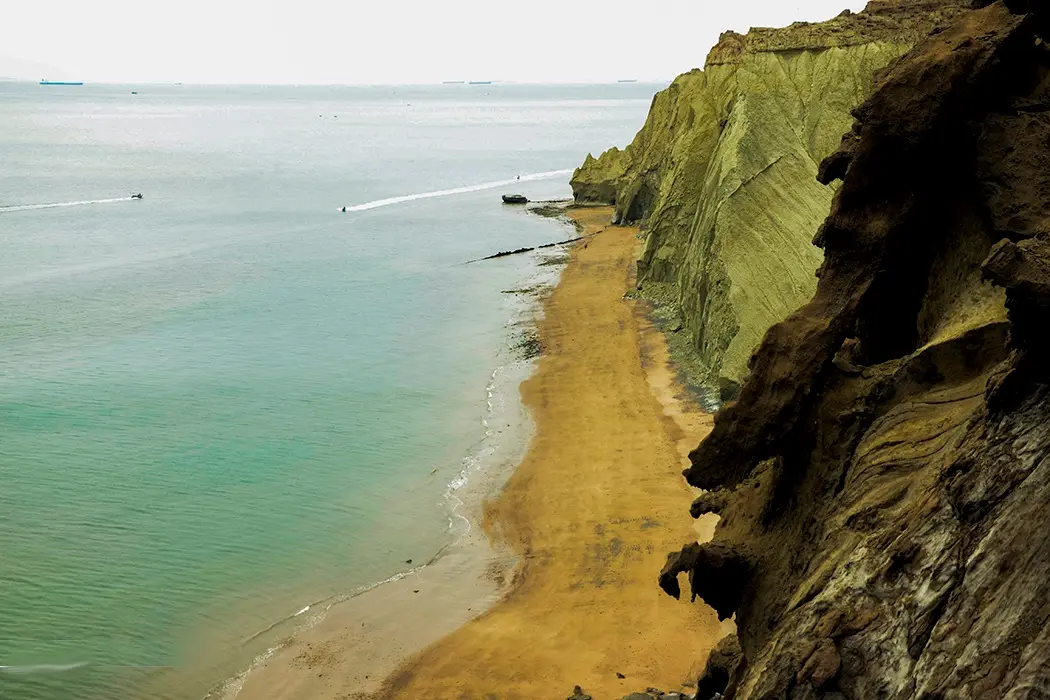
Strait of Hormuz blockade by US is going to cost the world a lot
US President Donald Trump’s blockade of the Strait of Hormuz is a high-stakes gamble that has already shown early signs of strain. It carries real costs for the military and economies not only of the US but also of many other parts of the world. Saudi Arabia has already asked for it to stop. China has warned against ‘meddling’ in its dealings with Iran. A Chinese tanker has passed through Hormuz unchallenged. Iran has mined the area, and the US has limited minesweeping capacity. Here are the factors working against the US in effectively blockading Hormuz.
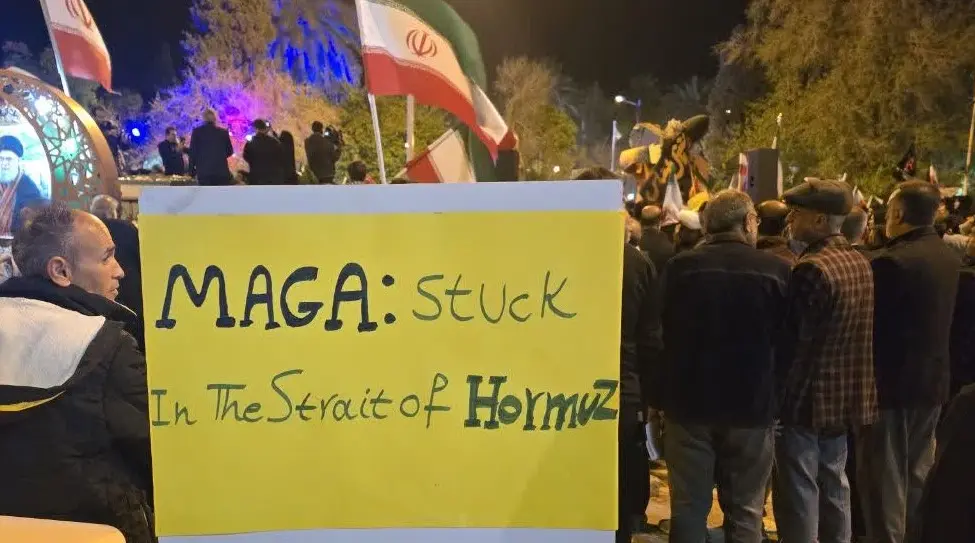
Scope of US blockade of Hormuz Strait: Full or limited?
The US Central Command (CENTCOM) began enforcing the targeted naval blockade on 13 April after peace talks with Iran in Islamabad did not yield results. CENTCOM is targeting vessels entering or leaving Iranian ports in the Strait of Hormuz and the Gulf of Oman. The US is seeking to pressure Iran to fully reopen the strait to all traffic without charging tolls and to stop using the strait for alleged extortion.
Earlier, Trump’s rhetoric suggested a broader closure of the strait, but CENTCOM clarified it would not impede ships transiting between non-Iranian ports such as those in Saudi Arabia, the UAE, or Qatar.
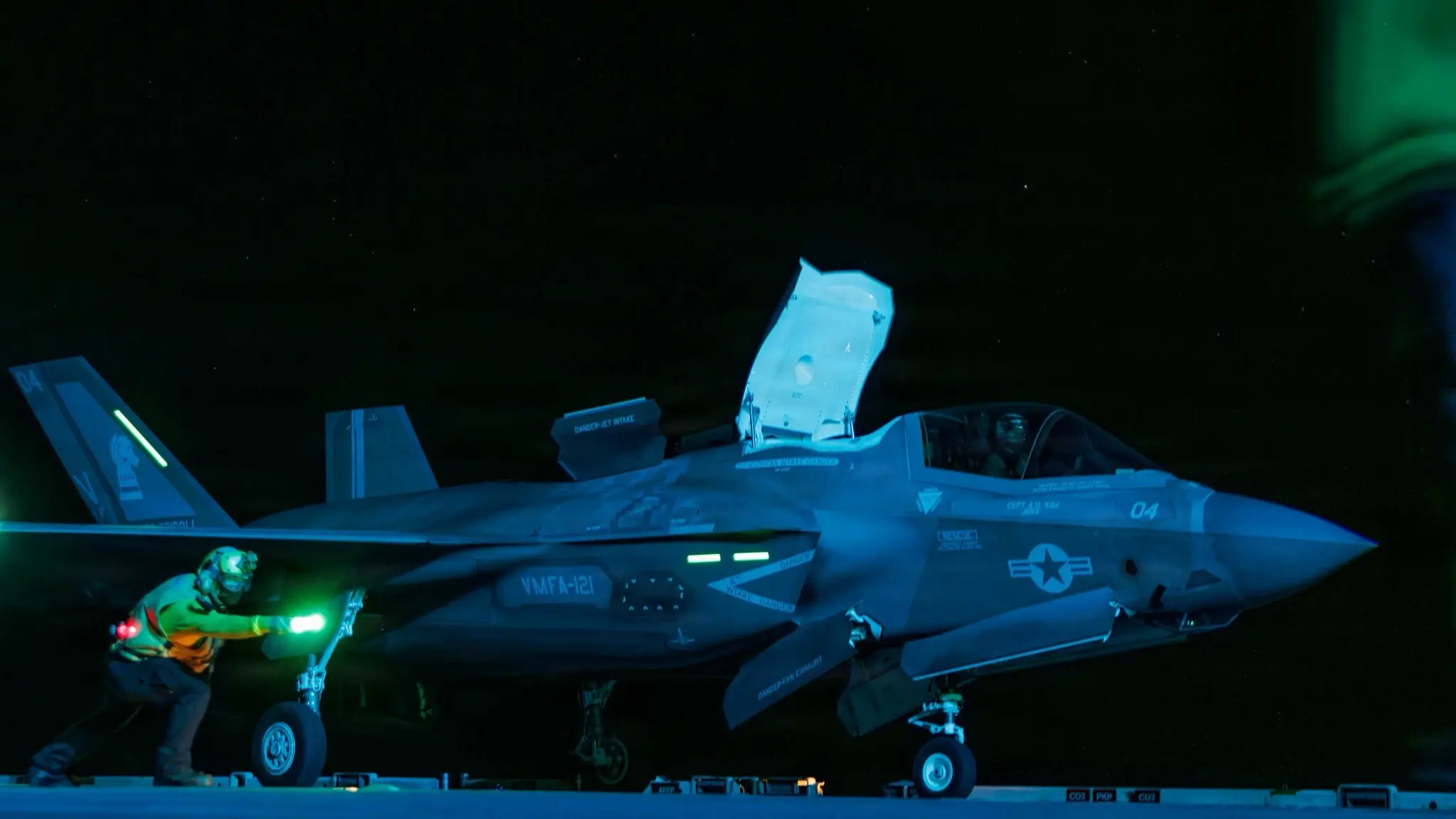
Passing of Chinese ship raises questions on effectiveness of Hormuz blockade
Just hours after the US blockade, The Rich Starry, a US-sanctioned ship previously linked to Iranian “shadow fleet” activities, successfully transited the strait on 14 April. This Chinese-owned, Chinese-crewed vessel was the first to exit the Gulf since the blockade took effect. It was carrying methanol loaded in the UAE, not directly from an Iranian port, and faced no apparent interdiction.Its passage undercuts the blockade’s credibility and weakens enforcement signalling.
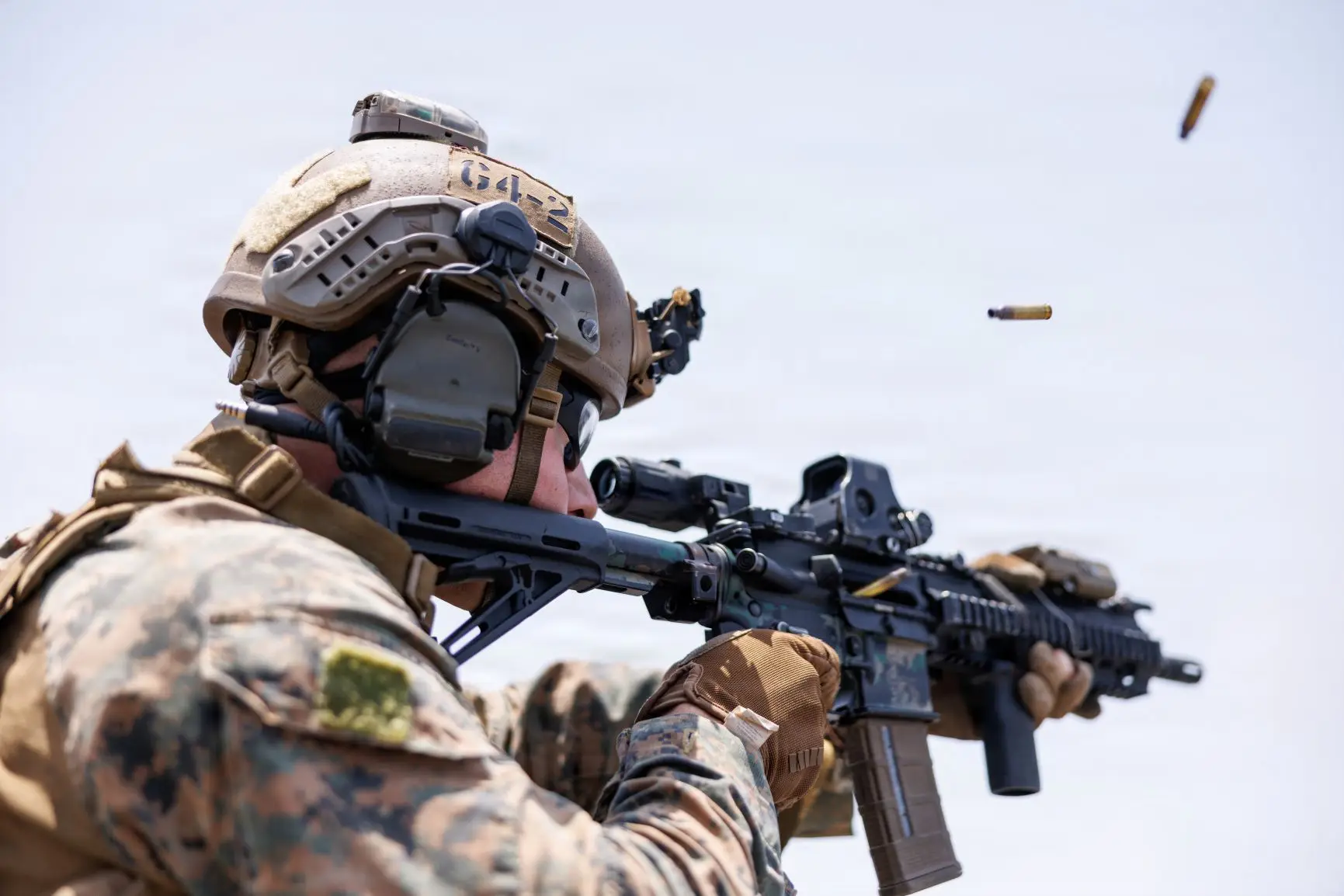
China’s firm position on its oil transit, and risk of escalation over US Hormuz blockade
China accounts for more than 90 per cent of Iran’s oil exports. Beijing wants unrestricted access through Hormuz in the “global interest”. The key question is whether the US can risk direct confrontation with Chinese vessels.
Confronting Chinese tankers could lead to a direct US–China clash, potentially escalating the conflict towards a wider ‘world war’, as noted by some analysts.
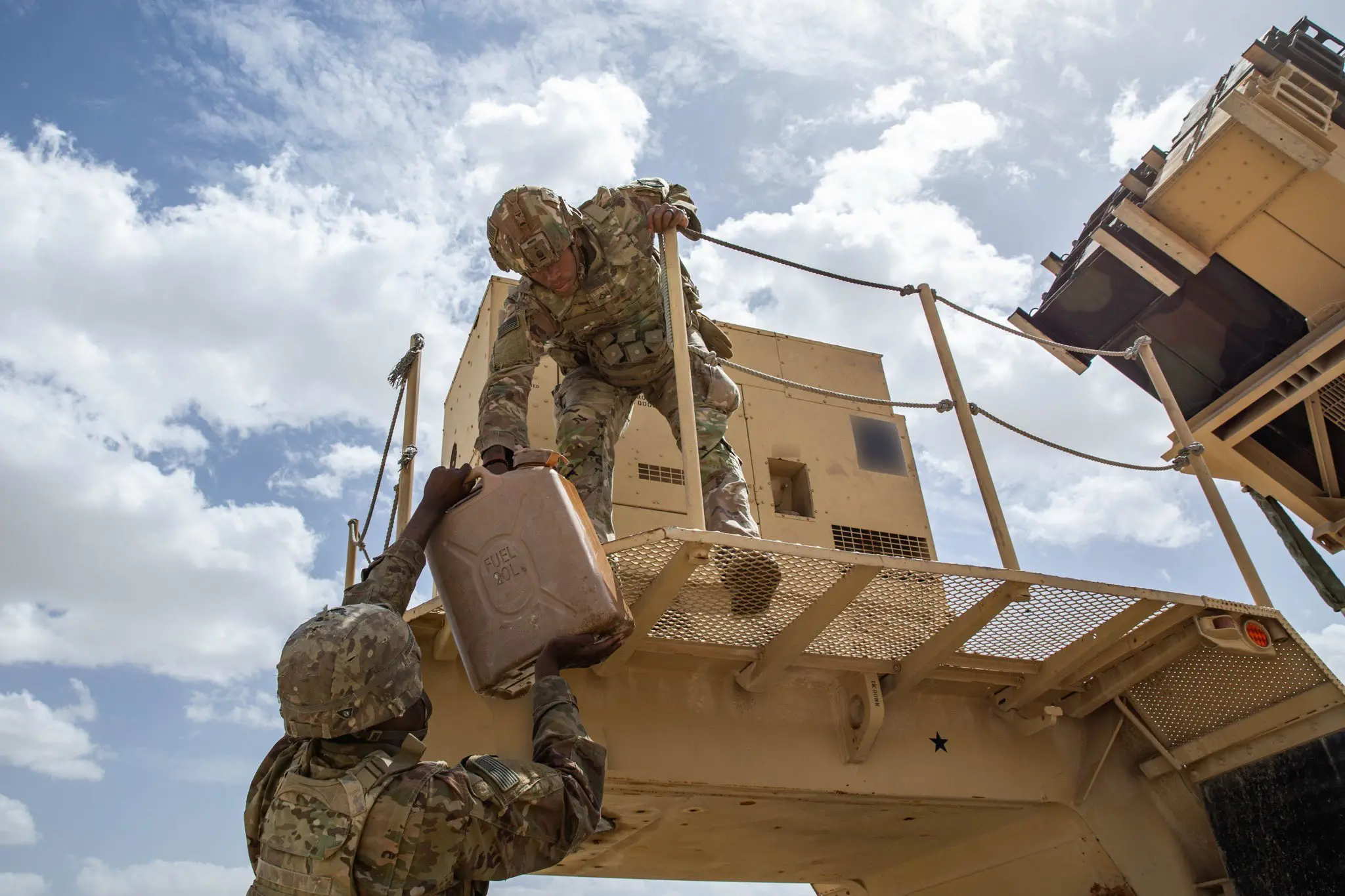
Strains with allies: Saudi Arabia wants the US Hormuz blockade to end
Consensus for the US blockade is already eroding. Arab officials have warned the US that the move risks broader escalation, according to reports in the Wall Street Journal.
Saudi Arabia, a key regional ally, is reportedly pressing the US for the blockade to end entirely, fearing Iranian retaliation could spill over to other chokepoints such as Bab al-Mandeb and disrupt Saudi's own exports.
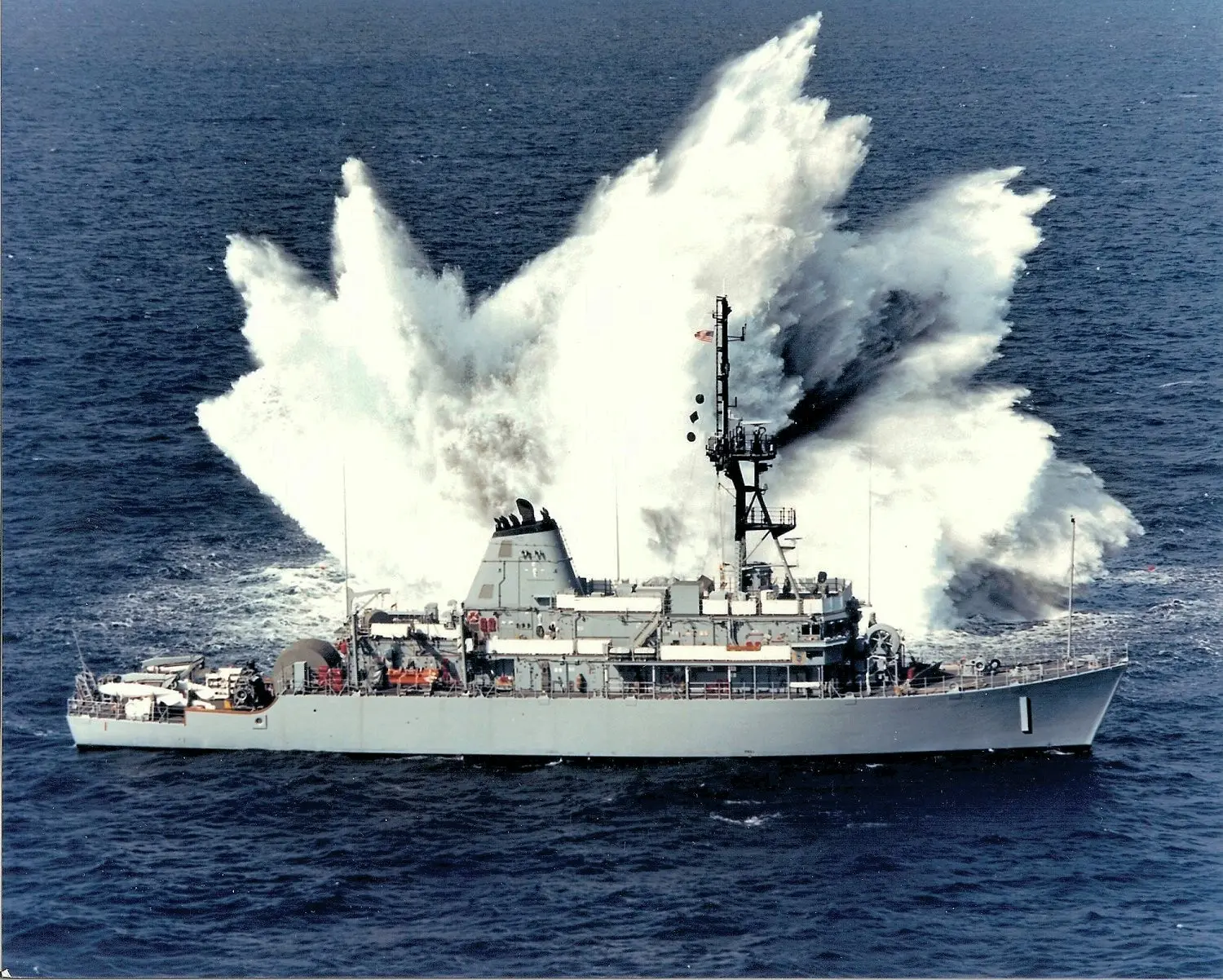
Mines litter the Hormuz strait and expose US limitations of mine-clearing
Iran has laid more than 120 mines in the Strait early in the conflict, with locations poorly documented. The US says Iran cannot effectively locate or remove them. This has made the Strait of Hormuz unsafe and effectively closed to routine traffic.
Iran has published maps showing “safe routes” that divert ships closer to its coast, and has warned that unauthorised vessels will be targeted. This has created a significant trust deficit for ships attempting to transit the strait.
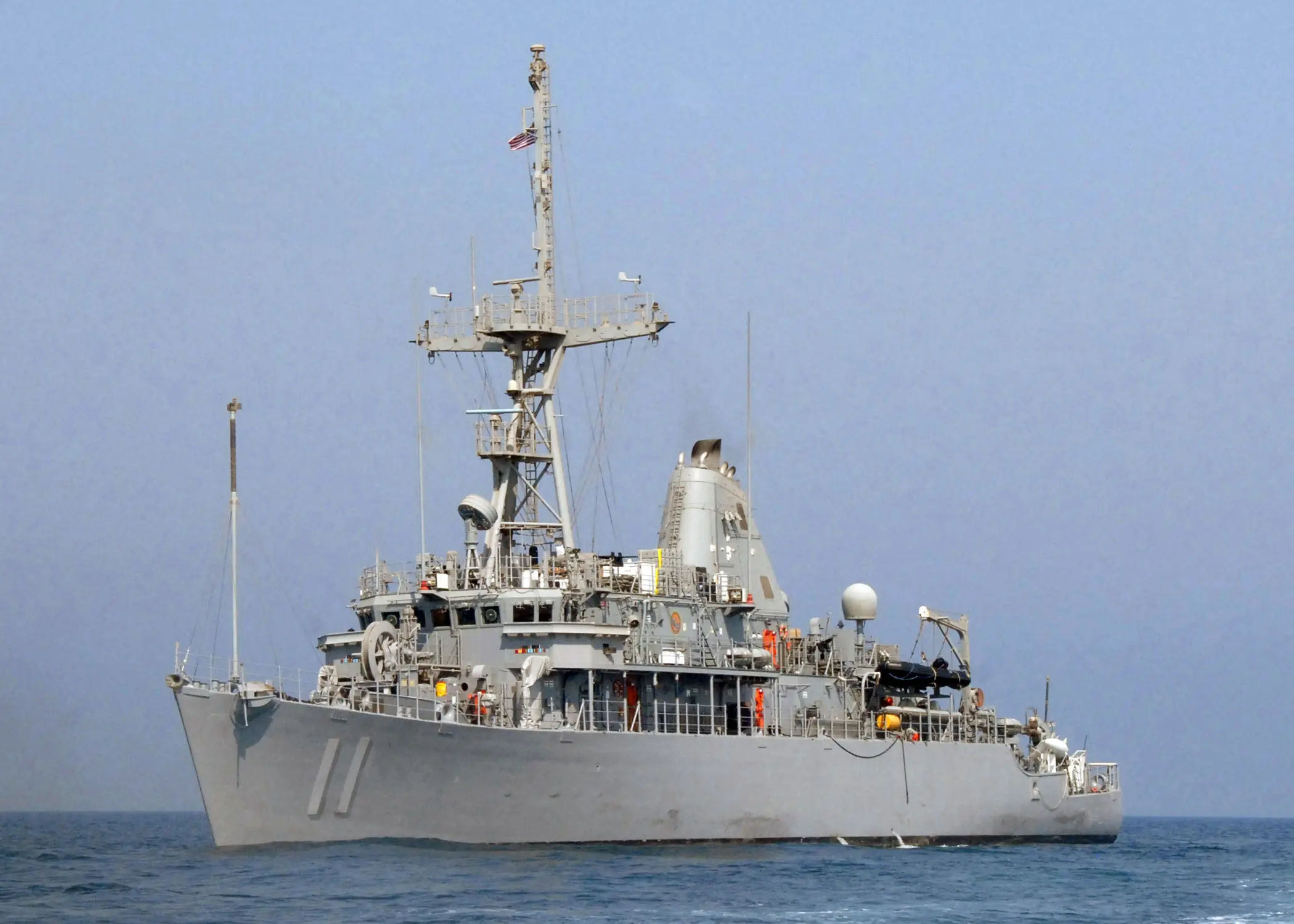
The US Navy decommissioned its dedicated Avenger-class minesweepers from Bahrain just before the conflict. It is now relying on guided-missile destroyers such as USS Frank E Petersen Jr and USS Michael Murphy, along with Littoral Combat Ships equipped with mine-hunting gear.
However, these platforms are not optimised for minesweeping, and Littoral Combat Ships have struggled to match the proficiency of dedicated sweepers, according to experts.
'Deadly vortex': IRGC swarm boats are waiting in the wings near Hormuz
The inherently high-risk US mine-clearing operations are more vulnerable due to the continued threat from the IRGC Navy. Iran maintains readiness with fast-attack craft, drones, and anti-ship capabilities, and claims full control of the strait. It has warned of a “deadly vortex” for enemy vessels.
US minesweeping efforts could face attacks from Iranian boats or drone swarms or missiles before safe corridors are established. The US would be operating in mined waters while facing a ready IRGC response, all while trying to enforce a selective blockade.
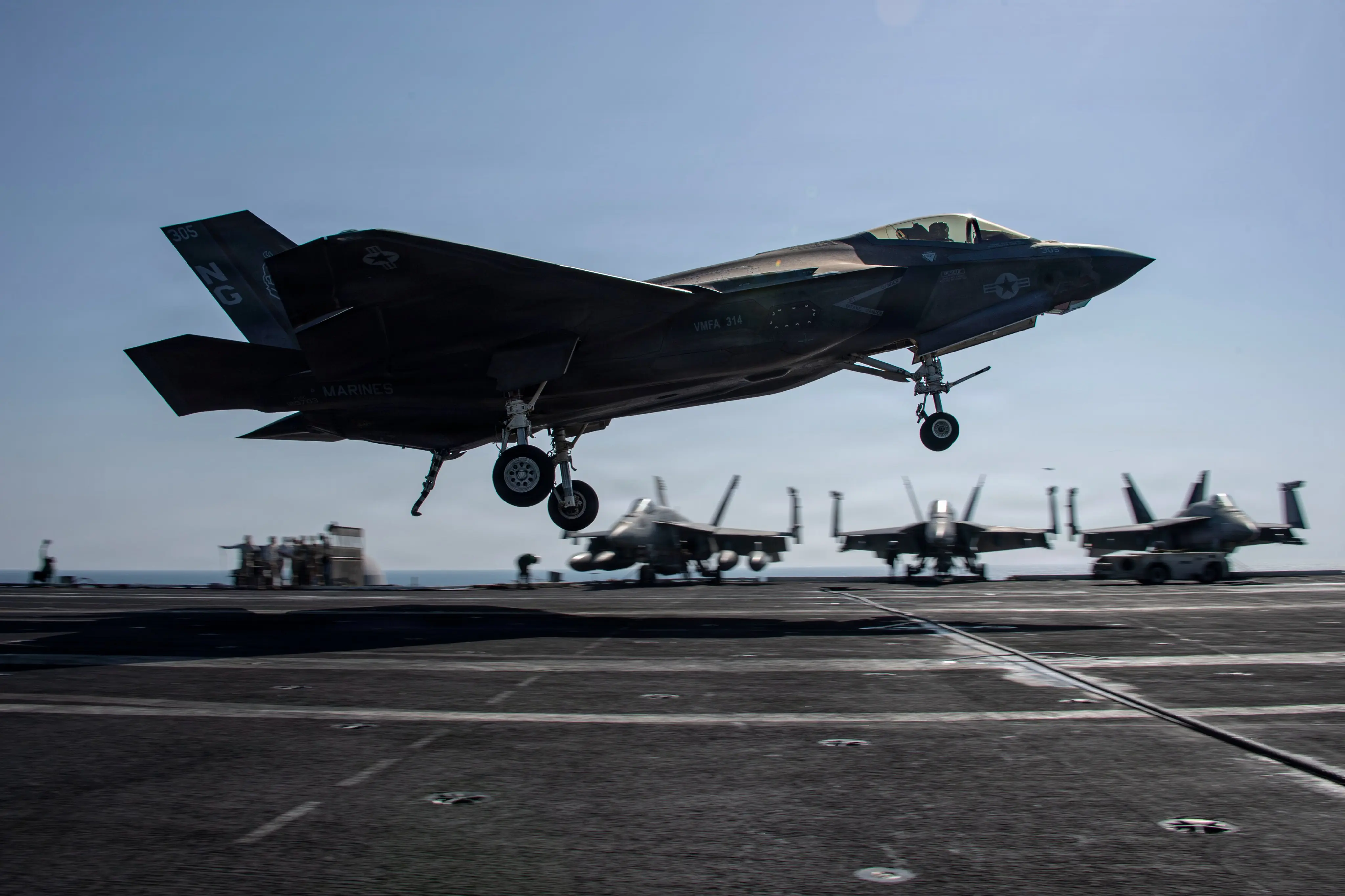
It's the economy, stupid: The oil market impact of continued US blockade of Hormuz
Oil prices have already spiked above $100 per barrel, up 40–50 per cent since the conflict began. Even a targeted blockade adds uncertainty to global trade. Insurance premiums for shipping are rising, and fears of supply disruptions growing.
Higher energy costs would feed global inflation and hurt consumers. Petrol prices would rise in the US, and global economic growth could slow, especially in Asia, which receives most Gulf oil.
International opposition: Even key NATO members not joining US Hormuz blockade
The blockade is being viewed by even some US allies as an overreach that militarises a vital global commons.
Key NATO members such as the UK and France have refused to participate. Despite having superior minesweeping capabilities, European nations are not rushing to support the US effort.
Blockading ports is also widely interpreted as an act of war under many legal frameworks.

Hormuz blockade could lead to domestic political risks for Trump
Rising oil prices could hurt US consumers and undermine Trump’s economic narrative, potentially affecting the outcome of midterm elections for the Republican Party. Such electoral losses could weaken the remainder of his presidency.
The blockade may also strengthen Iran–China ties, prolong the conflict, and expose US naval limitations in mine countermeasures without allied support.
)
)
)
)
)