US blockade near Strait of Hormuz: What are key challenges, stakes & limits as oil markets and global economy face risks

After weekend peace talks in Islamabad between the US and Iran negotiators which failed to produce any deal, US President Donald Trump said the US Navy “will begin the process of BLOCKADING any and all ships trying to enter, or leave, the Strait of Hormuz.”
A strategic choke point at the centre of global trade
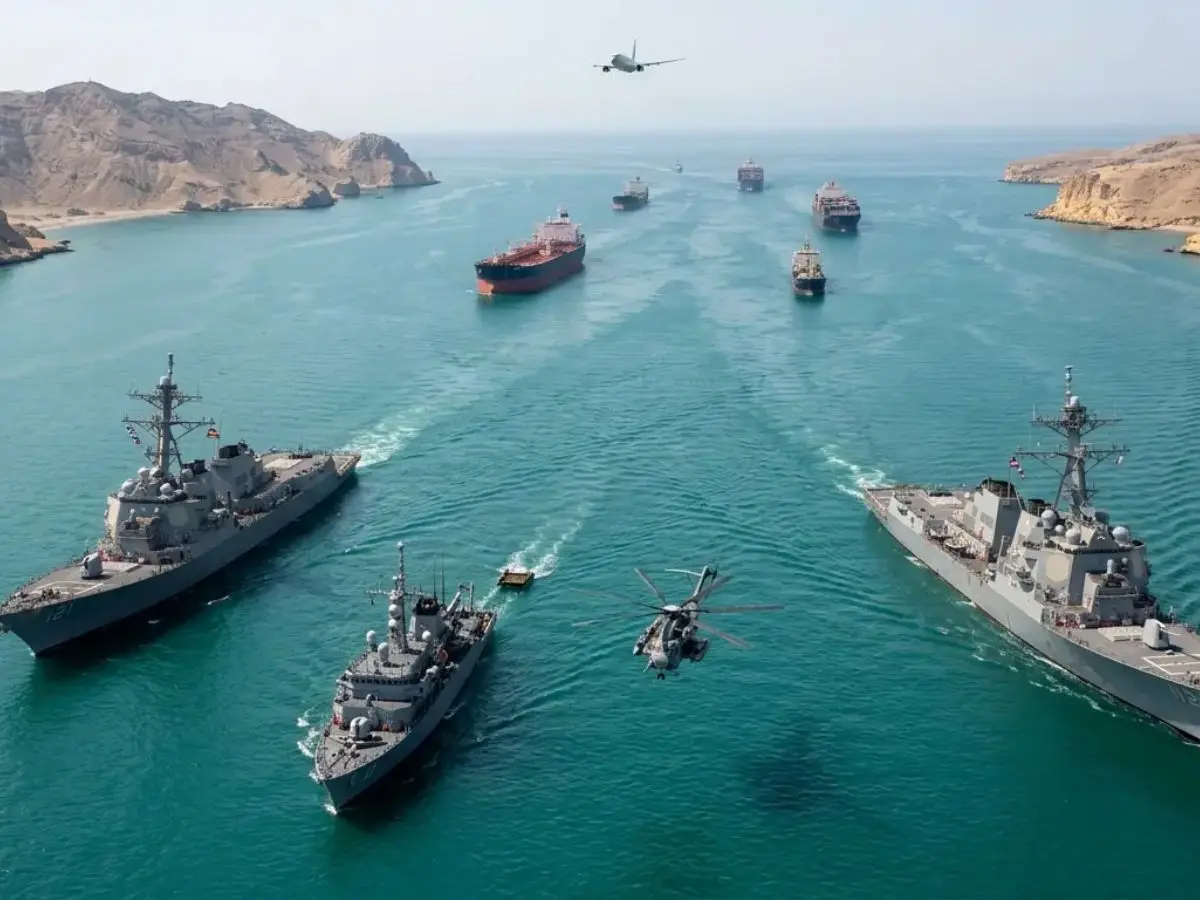
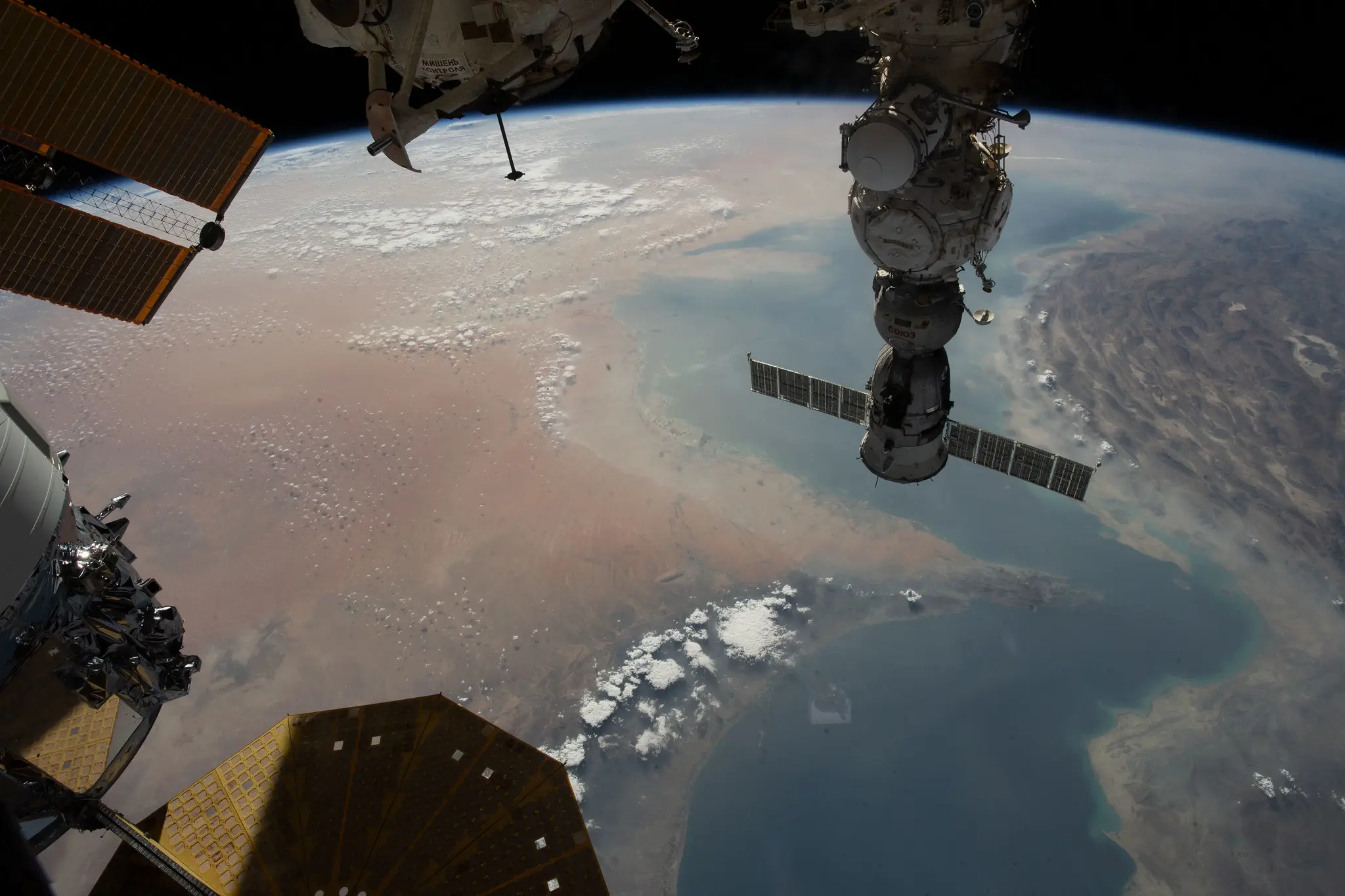
The Strait of Hormuz, a narrow waterway between Iran and Oman, carries nearly 20 per cent of the world’s oil and gas supply, making it one of the most critical maritime routes. Recent tensions have sharply reduced traffic, disrupting energy flows and pushing oil prices above $100 a barrel. After weekend peace talks in Islamabad between the US and Iran negotiators which failed to produce any deal, US President Donald Trump said the US Navy “will begin the process of BLOCKADING any and all ships trying to enter, or leave, the Strait of Hormuz.”

Why the US has moved to impose a blockade
Following the announcement, the US military has begun blocking shipping to and from Iranian ports, a move expected to cut off about two million barrels of oil a day from global markets, tightening supply. The step is aimed at pressuring Tehran to reopen key shipping lanes and reduce its control over transit, with President Trump warning that vessels paying “illegal tolls” to Iran would be intercepted.
How the blockade is expected to work
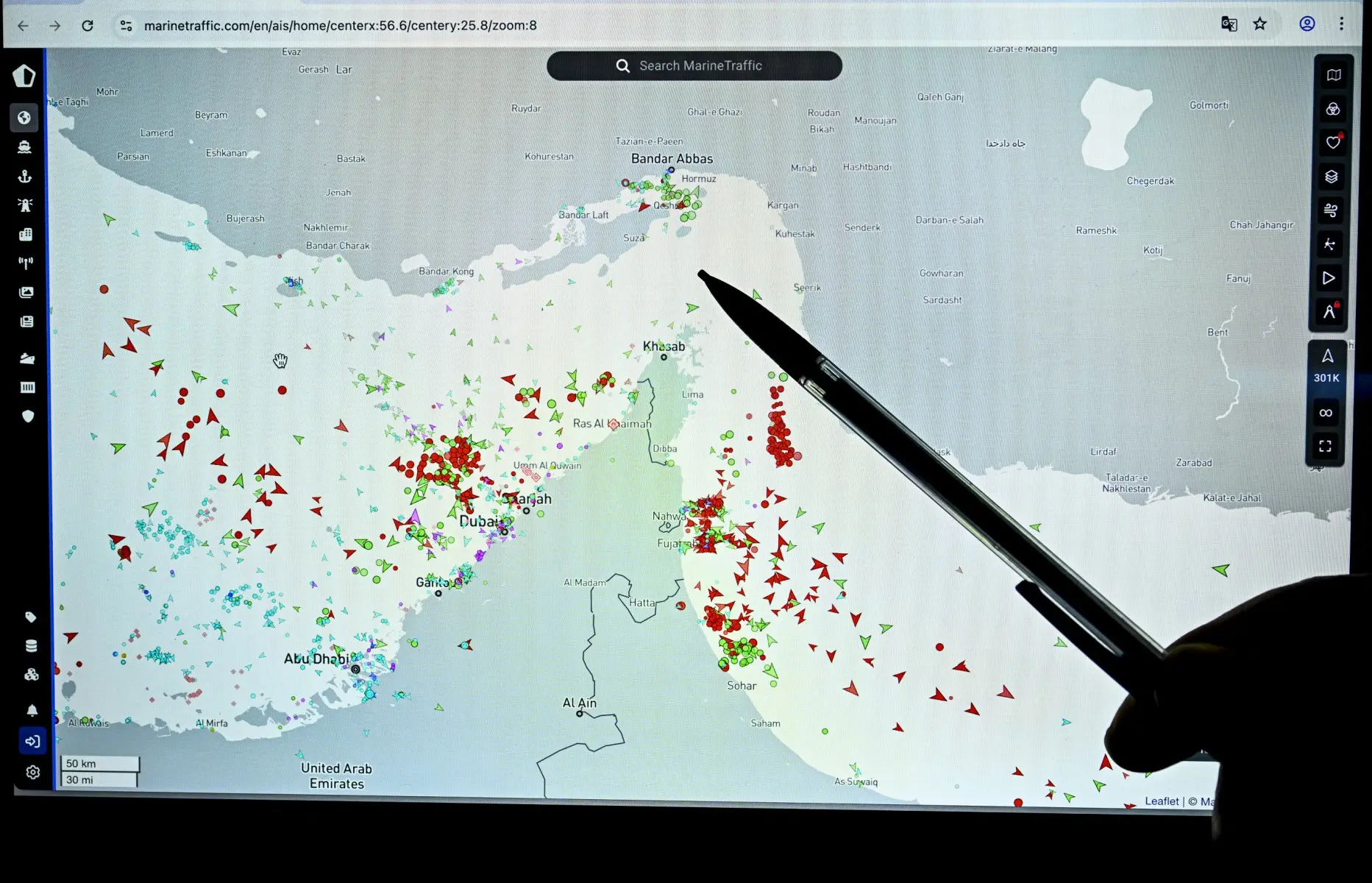
US Central Command has stated any unauthorised vessels entering or leaving the blockaded will face "interception, diversion, and capture". Enforcement extends across the Gulf of Oman and Arabian Sea, with ships liable to be intercepted or seized. Humanitarian cargo such as food and medicine would be permitted under inspection.
Operational and legal challenges at sea
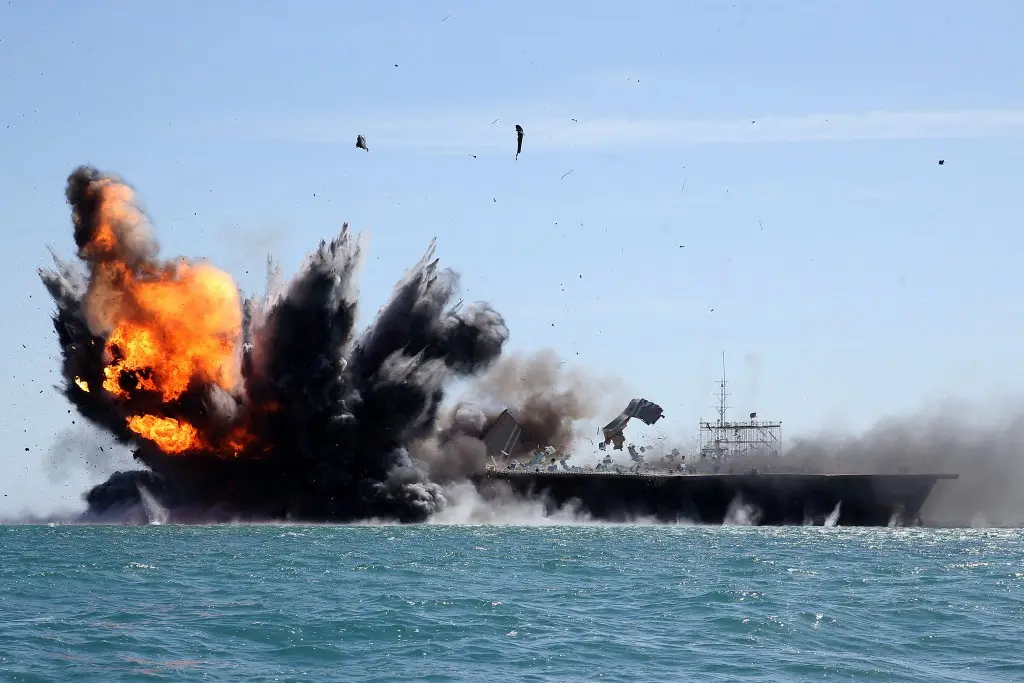
Executing a blockade in one of the world’s busiest shipping corridors presents major logistical and legal challenges. Experts stress the need for “impartial enforcement” under international law, even as dense maritime traffic complicates monitoring. Sustaining such an operation would require significant US naval resources and clear legal direction from the administration. However, American officials have shared few operational details. One defence official told AP that the US currently has 16 warships in the region, though another noted none are stationed in the Persian Gulf, showing the complexity of enforcement. International Maritime Organization Secretary-General Arsenio Dominguez told Reuters that around 1,600 vessels and 20,000 seafarers are currently stuck in the Gulf.
Risks of escalation and retaliation
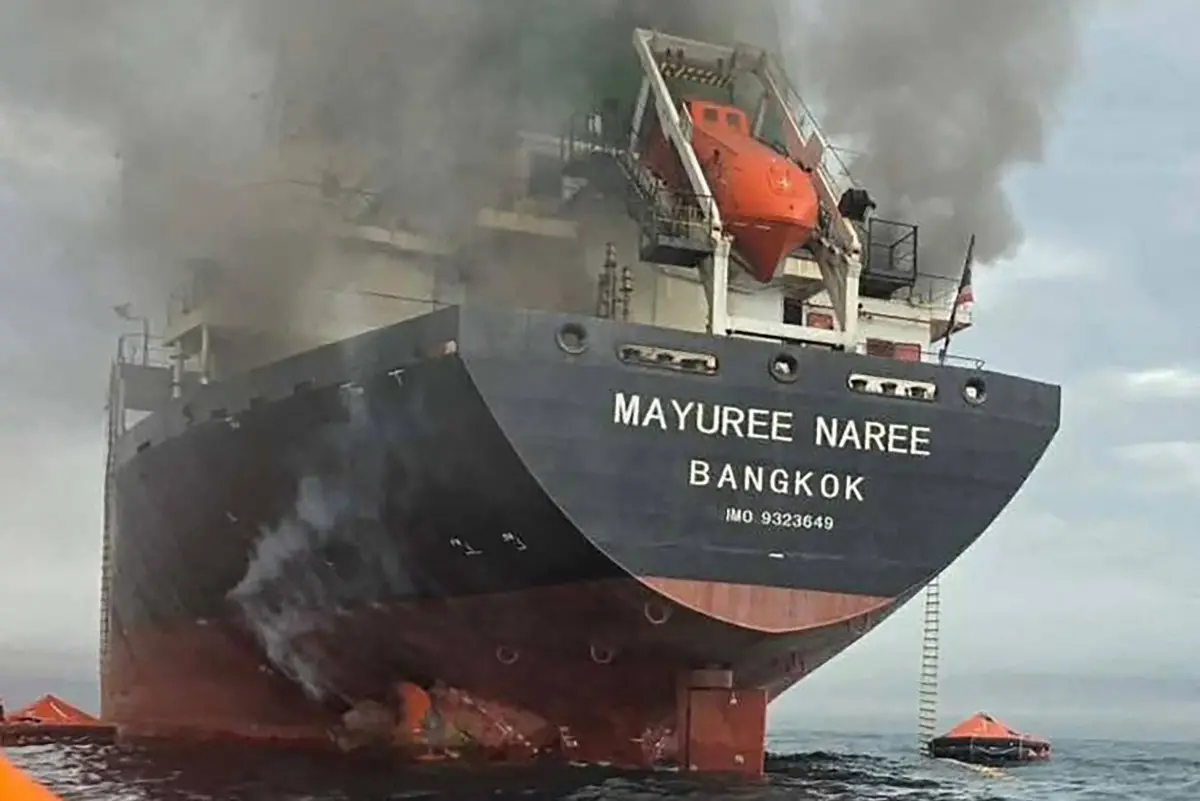
Analysts warn that blockades rarely deliver decisive results and often invite retaliation. Iran could respond with naval mines or missile strikes, heightening the risk of a wider regional conflict. Tehran has already condemned the move as “piracy” and signalled it would respond. Trump warned that any remaining Iranian “fast attack ships” approaching the blockade would face a “quick and brutal” strike, while Iran has issued its own threats against ports across the Persian Gulf and Gulf of Oman.
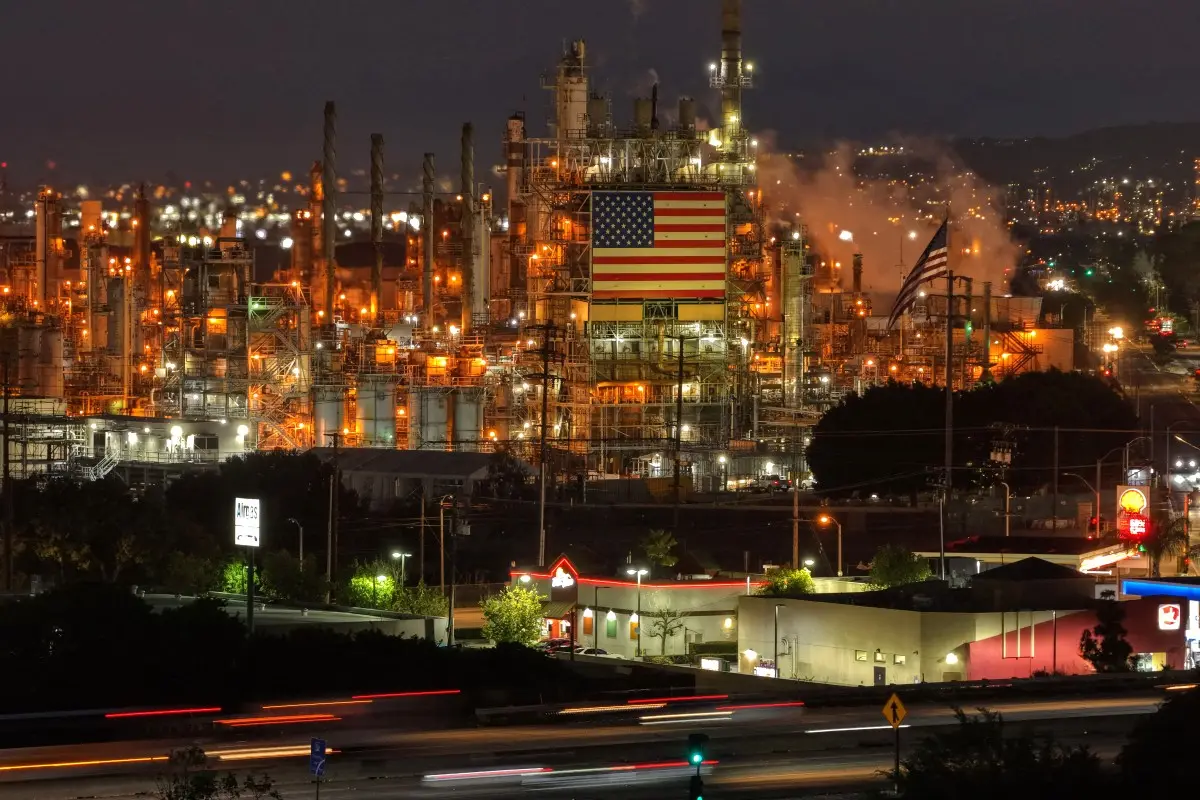
Shockwaves for oil and global markets
Energy markets have reacted swiftly, with oil prices rising from around $70 to above $100 per barrel. Blocking Iranian shipments would remove a significant source of supply from global markets, tightening availability. Iran exported about 1.84 million barrels per day (bpd) in March and has shipped roughly 1.71 million bpd so far in April, compared with an average of 1.68 million bpd in 2025, according to Kpler data.
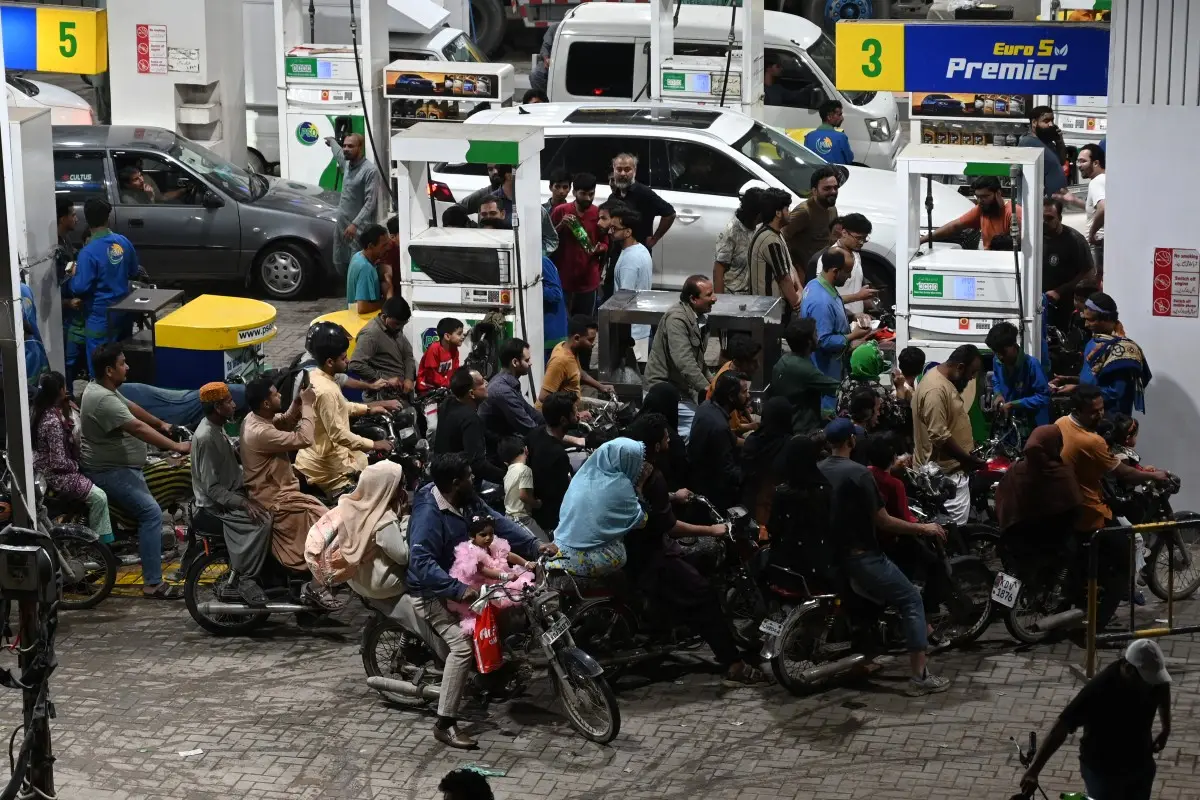
Global economic strain and uneven impact
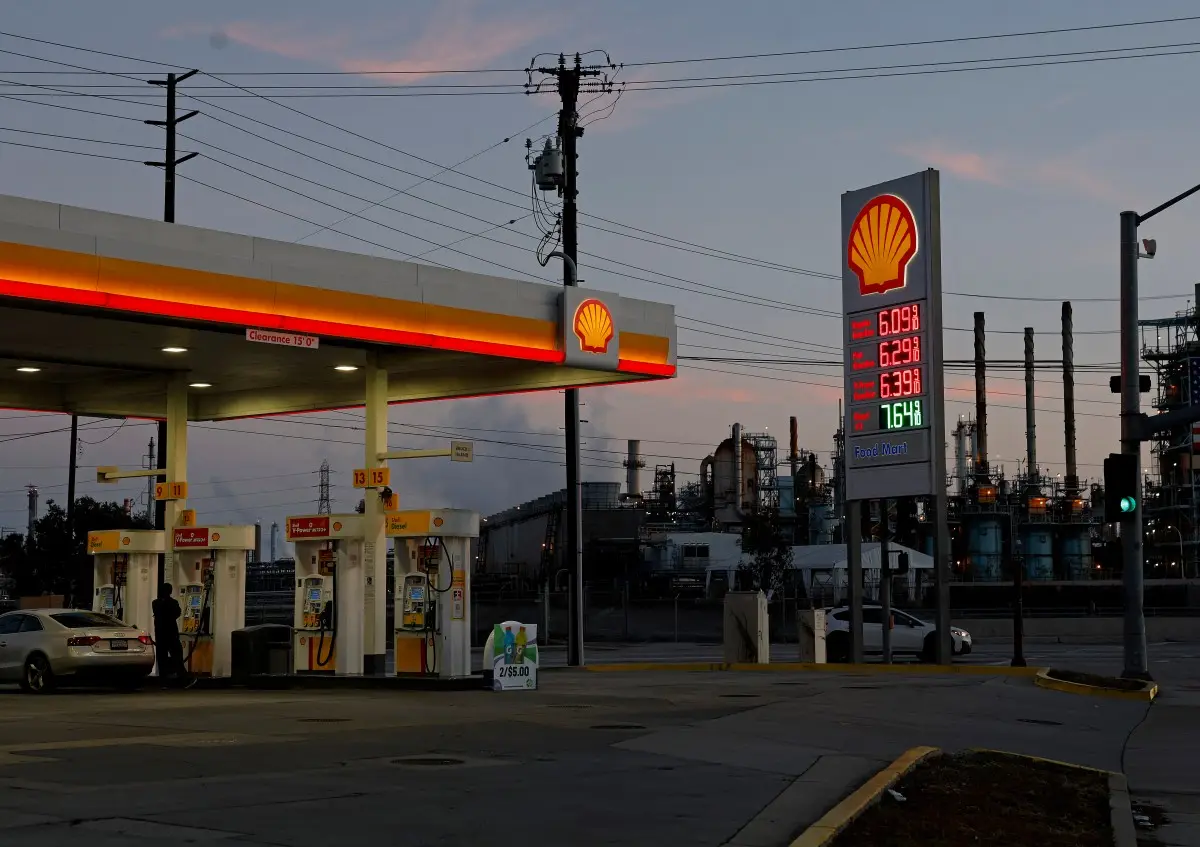
The impact is expected to fall most heavily on energy-importing regions, particularly in Asia, where dependence on Middle Eastern fuel is high. European leaders have stressed that restoring navigation through the strait is of “paramount” importance. While the blockade is intended to weaken Iran economically, analysts warn it could inflict broader damage on the global economy, exposing the fragility of interconnected trade systems. As oil prices rise, households and businesses worldwide are already feeling the strain, with consumers facing higher costs as the effects ripple across markets.
Wider supply chain disruption beyond oil
The blockade is expected to disrupt the movement of essential goods, including food and fertilisers, with significant global consequences. Around 30 per cent of the world’s fertiliser shipments pass through the strait, raising concerns over agricultural output and worsening food insecurity. Experts also note that key industrial materials, including chemicals used in basic manufacturing and metals such as aluminium, transit through the region and are likely to face further disruption.
Limits of blockades as a strategic tool
Naval blockades are rarely a decisive solution but are often used to exert economic and political pressure during conflicts. Experts quoted by AP note they can strain supply chains and raise costs without fully isolating a country. “There are always ways to economise, import, substitute, or just give up on certain things,” said Kaushal, adding that while blockades make conditions harder, they do not guarantee decisive outcomes. A blockade alone is unlikely to sever Iran’s economic ties with key partners such as China and Russia, nor can it cut off access to alternative routes through the Caspian Sea or Central Asia.
)
)
)
)
)