US bans abortion pill by mail: Federal court's Mifepristone ruling turns back the clock on life-saving healthcare | In pics

A US federal appeals court has just made it significantly harder for women to access the most common method of abortion in the United States: Mifepristone. Here's all you need to know.
What happened?
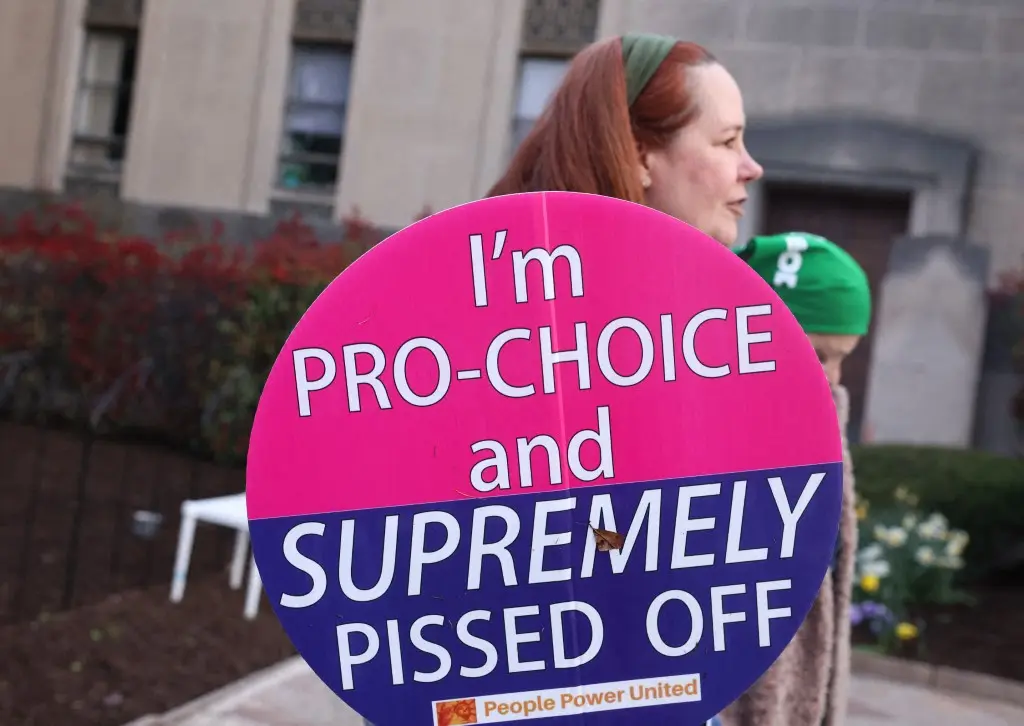
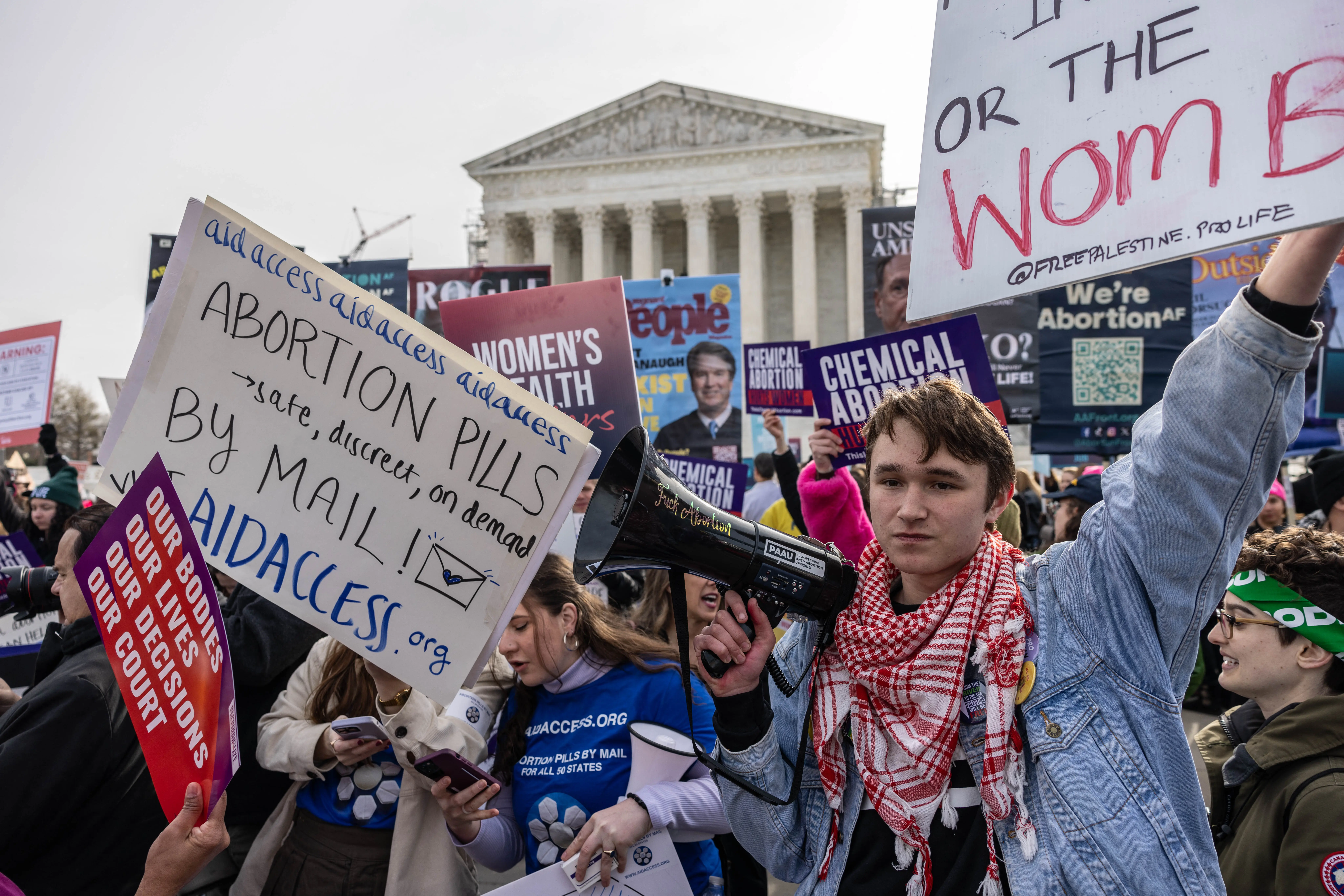
A three-judge panel of the Fifth Circuit Court of Appeals on Friday (May 1) issued an order temporarily halting the mail delivery of Mifepristone across the United States. The ruling, stemming from a lawsuit brought by Louisiana against the FDA, reinstates a requirement that the abortion pill be obtained in person at a health clinic. This means that essentially there's a ban on both mail delivery and pharmacy dispensing through telemedicine. The decision overrides a lower court ruling that had allowed mail delivery to continue while the FDA conducts its own review of the drug's regulations.
What is Mifepristone?
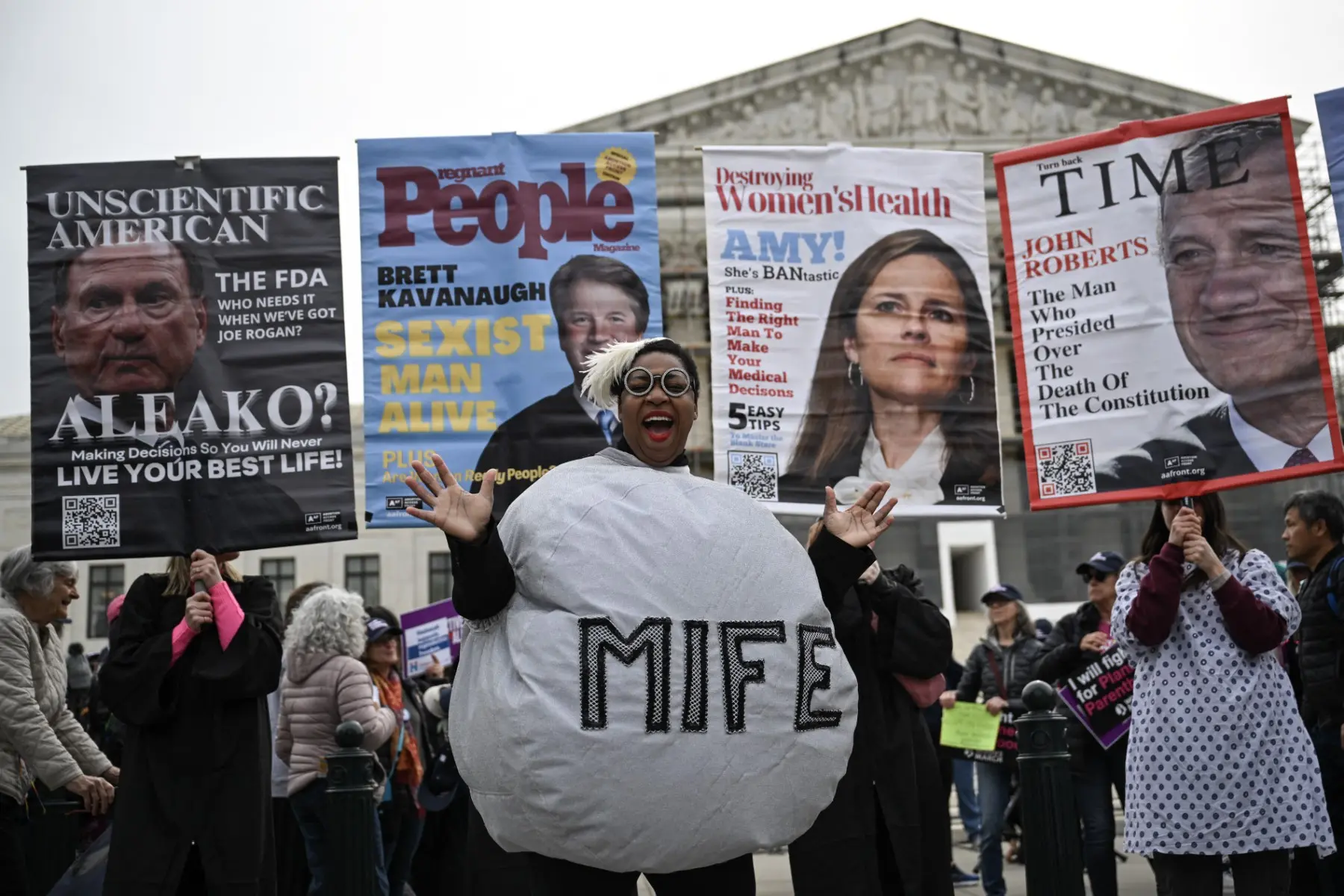
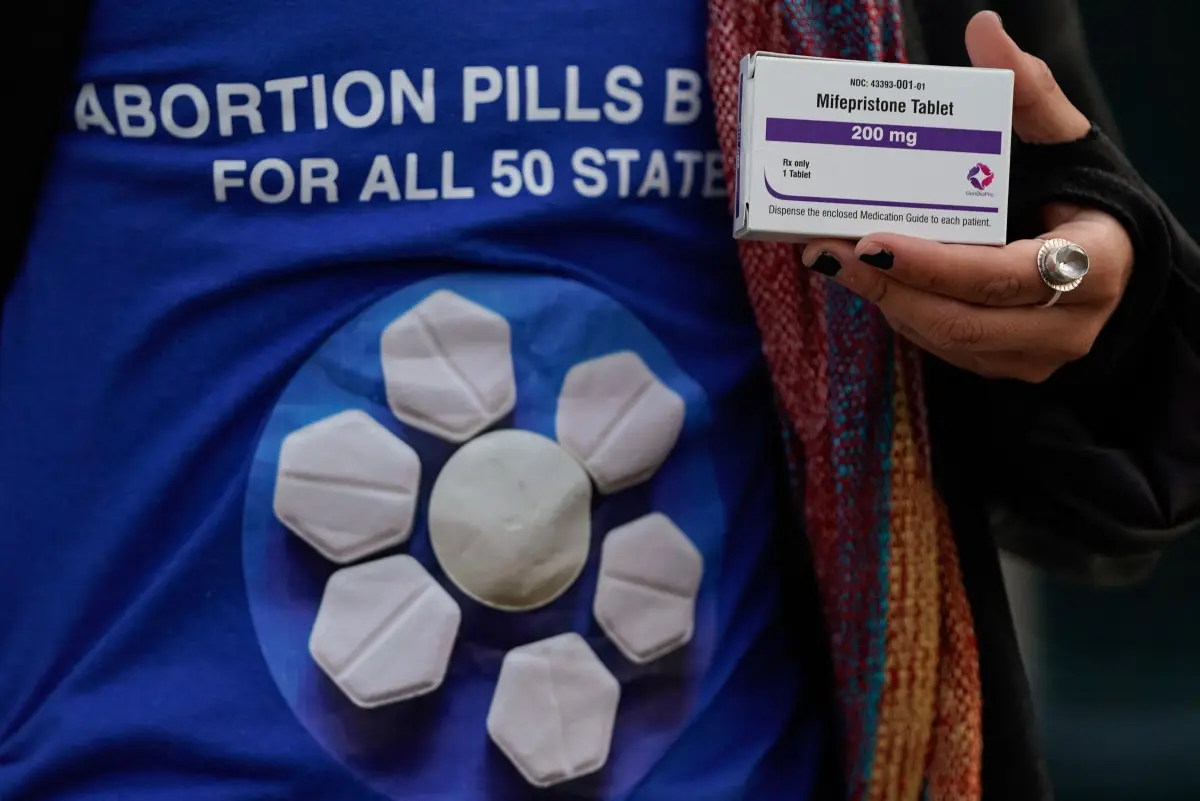
Mifepristone is the first drug in a two-pill regimen used to end a pregnancy. It works by blocking progesterone, a hormone necessary for pregnancy to continue. The second drug, misoprostol, empties the uterus. Together, the regimen is approximately 95 per cent effective and requires further medical follow-up in less than one per cent of cases, according to US studies.
Mifepristone, a life-saving drug or just an abortion pill
The FDA first approved mifepristone in 2000 for use up to seven weeks of pregnancy, extending that to ten weeks in 2016. More than 3.7 million women used it between 2000 and 2018. It is now the most common method of abortion in the United States and is also used to manage miscarriages and treat Cushing syndrome.
From Covid era to today: How we got here
During the Covid-19 pandemic in 2021, the FDA lifted the requirement that patients obtain mifepristone in person. In 2023, that change was made permanent, allowing the drug to be sent by mail.
In 2024, the US Supreme Court unanimously rejected an attempt to restrict access to mifepristone but left the door open to future challenges by ruling that the plaintiffs lacked legal standing rather than addressing the merits. Now, Louisiana's lawsuit has picked up that thread and Friday's appeals court ruling is the result.
Who will be the most affected?
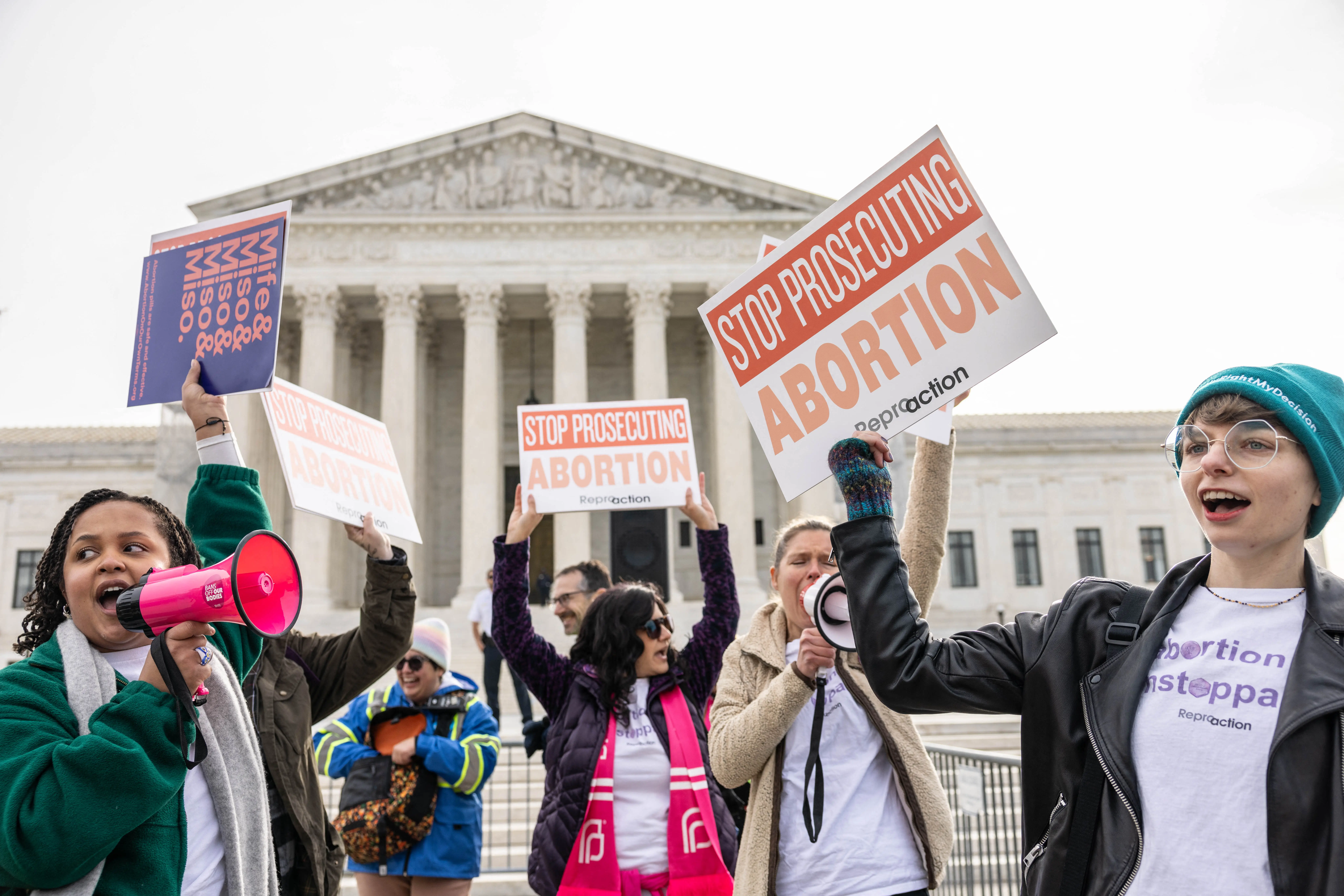
The ruling's practical impact falls hardest on people in states where abortion is already banned or heavily restricted, i.e. where mail delivery had become one of the only remaining pathways to medication abortion. The ACLU's Julia Kaye said the decision will hit particularly hard for "people who live in rural areas, face intimate partner violence, or live with disabilities, losing a telemedicine option will mean losing access to this vital medication altogether."
Danco Laboratories, one of two US distributors of the drug, warned the ruling would cause "immediate chaos" for pharmacies and patients and announced it would seek emergency relief from the Supreme Court.
Victory for life vs restrictions on life-saving health care
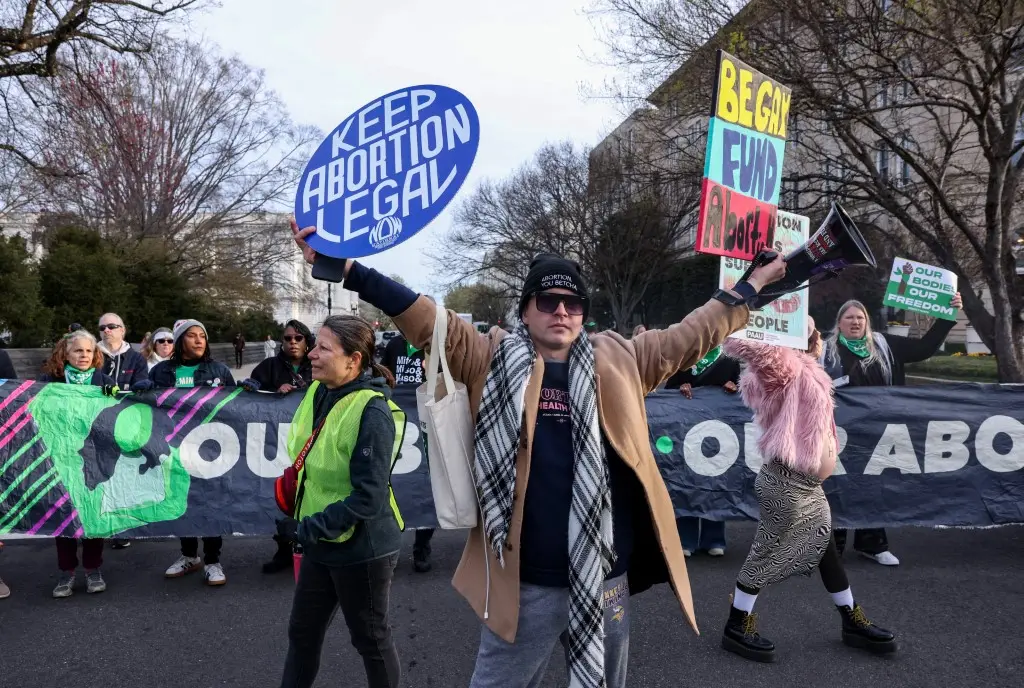
Louisiana Attorney General Liz Murrill celebrated the ruling as a "Victory for Life," saying the Biden-era rule had "facilitated the deaths of thousands of Louisiana babies."
New York Attorney General Letitia James, meanwhile, vowed that the ruling would not affect access in her state. "Mifepristone is safe, effective, and essential," she said. "Restrictions on abortion care are restrictions on life-saving health care. This decision puts lives at risk."
The Center for Reproductive Rights' Nancy Northup was direct about what she saw as the ruling's true motivation: "This isn't about science — it's about making abortion as difficult, expensive, and unreachable as possible."
Why are critics against Mifepristone?
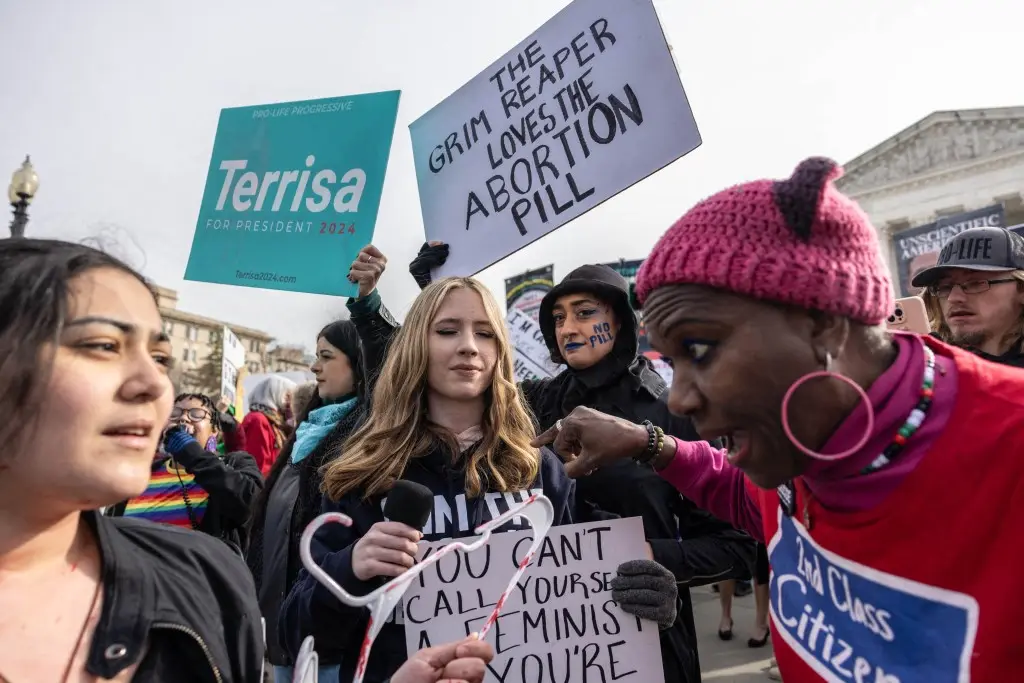
Proponents of restricting Mifepristone have cited a study raising safety concerns. However, the study has not been peer-reviewed and was published on a website rather than in a scientific journal, produced by a conservative think-tank.
Over the past two decades, the FDA, the American College of Obstetrics and Gynaecologists and other mainstream medical organisations have maintained that both mifepristone and misoprostol are safe. That scientific consensus has not shifted.

)
)

)