US Air Force testing adaptive engine tech for fighter jets that adjusts thrust mid-flight for efficiency

Developing engines that change configuration on the fly requires advanced materials that withstand thermal and mechanical stress, along with sophisticated control software. Engineers must ensure reliability under extreme G-forces and rapid environmental changes.
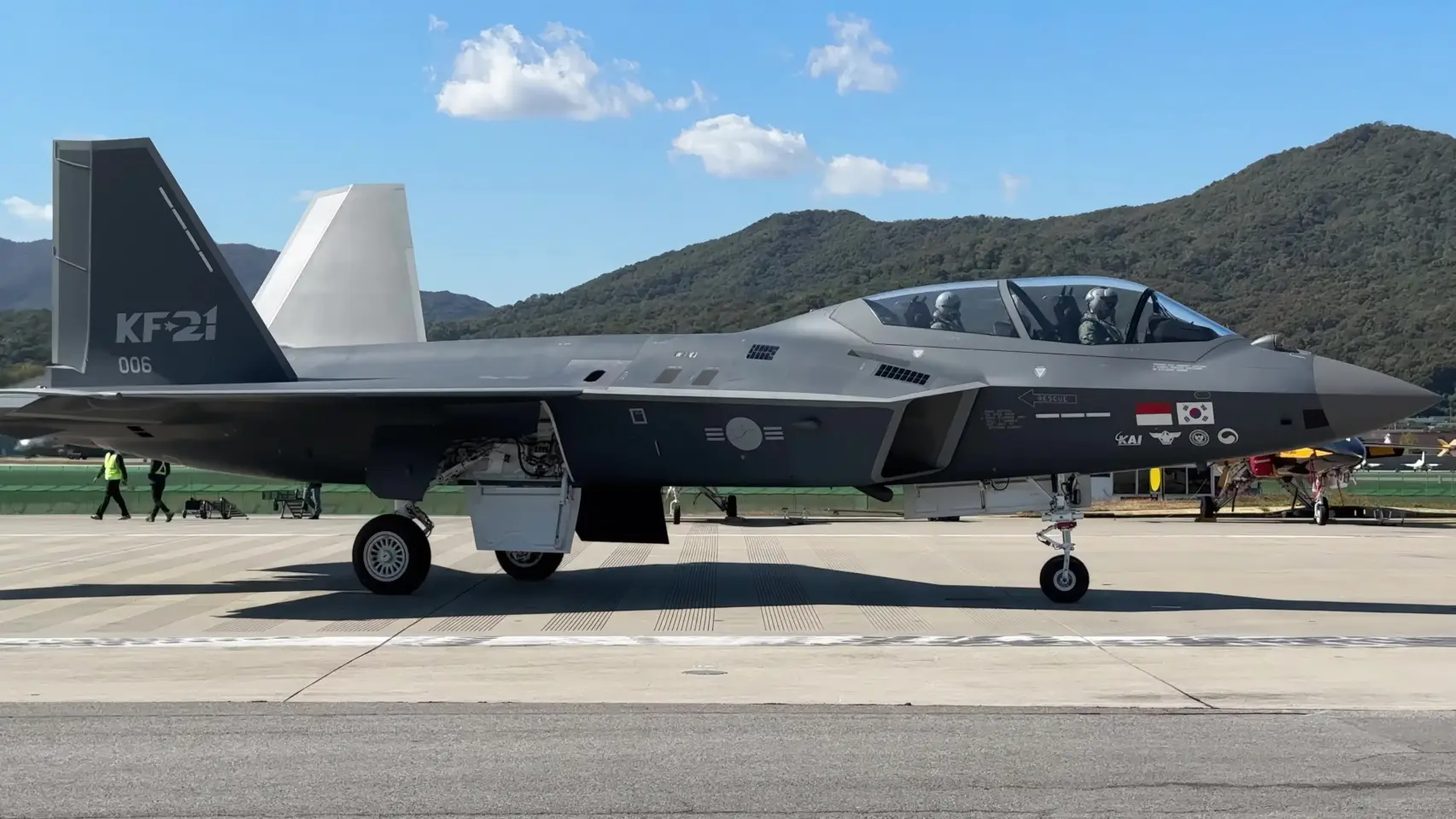
1. The next generation of fighter jet engines
The US Air Force is exploring adaptive engine technology that can automatically adjust its performance characteristics mid-flight. These engines are designed to optimise thrust, fuel efficiency, and thermal management depending on whether the aircraft is cruising, climbing, or engaging in high-speed combat.
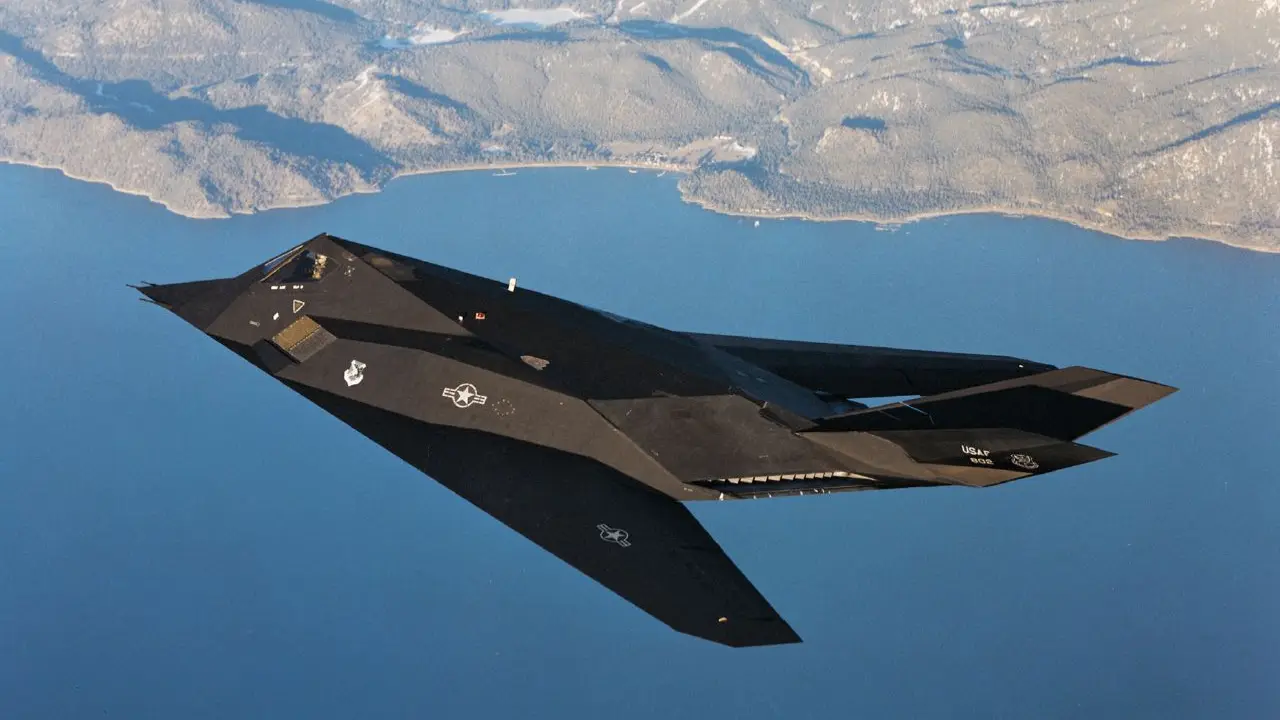
2. What adaptive engines are
Unlike traditional jet engines, which have fixed compressor and turbine configurations, adaptive-cycle engines can alter airflow, bypass ratios, and fuel injection to suit current flight conditions. This allows a single engine to function efficiently across subsonic, supersonic, and combat regimes.
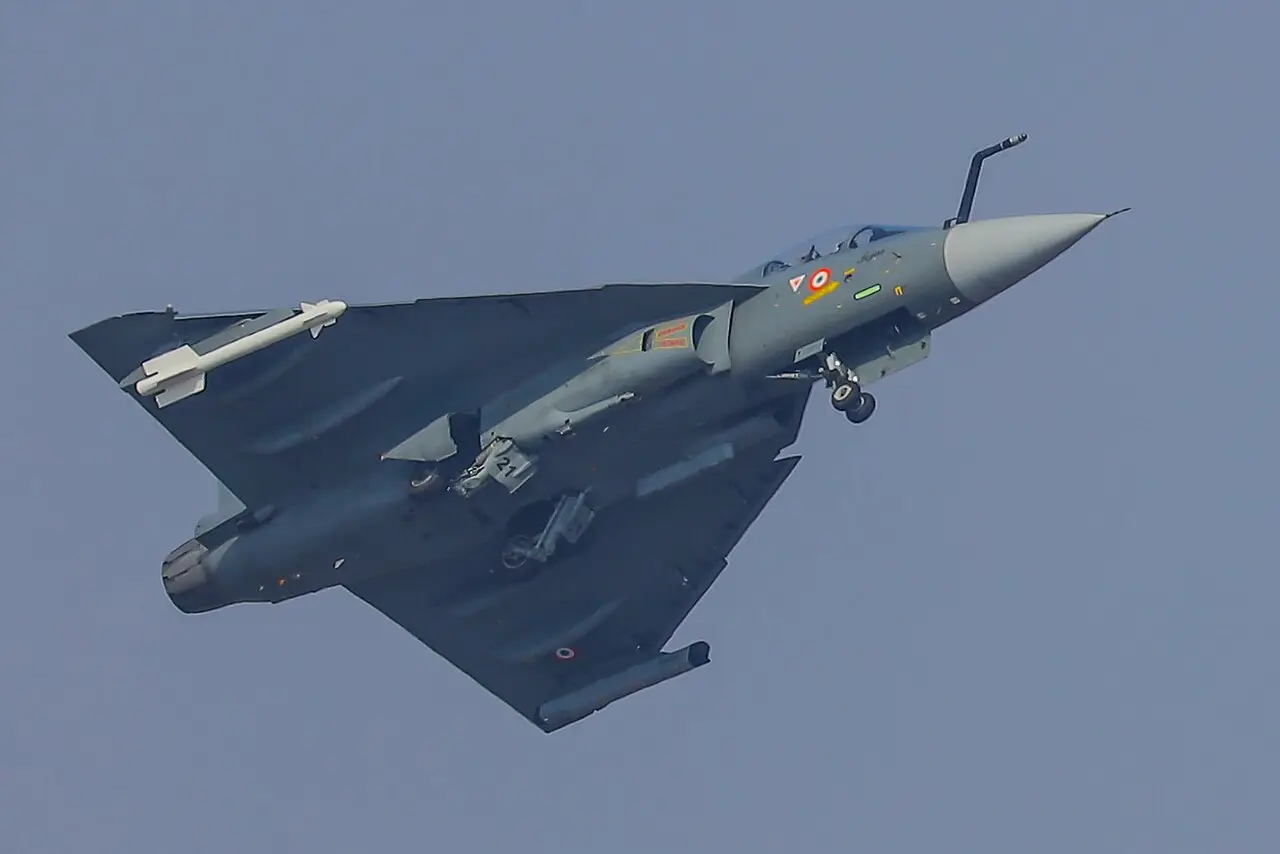
3. Current programmes and prototypes
The Adaptive Engine Transition Program (AETP), led by Pratt & Whitney and GE Aviation, is developing engines like the XA100 and XA101. These engines are intended for sixth-generation fighters, providing higher thrust-to-weight ratios while reducing fuel consumption by up to 25 per cent during cruise.
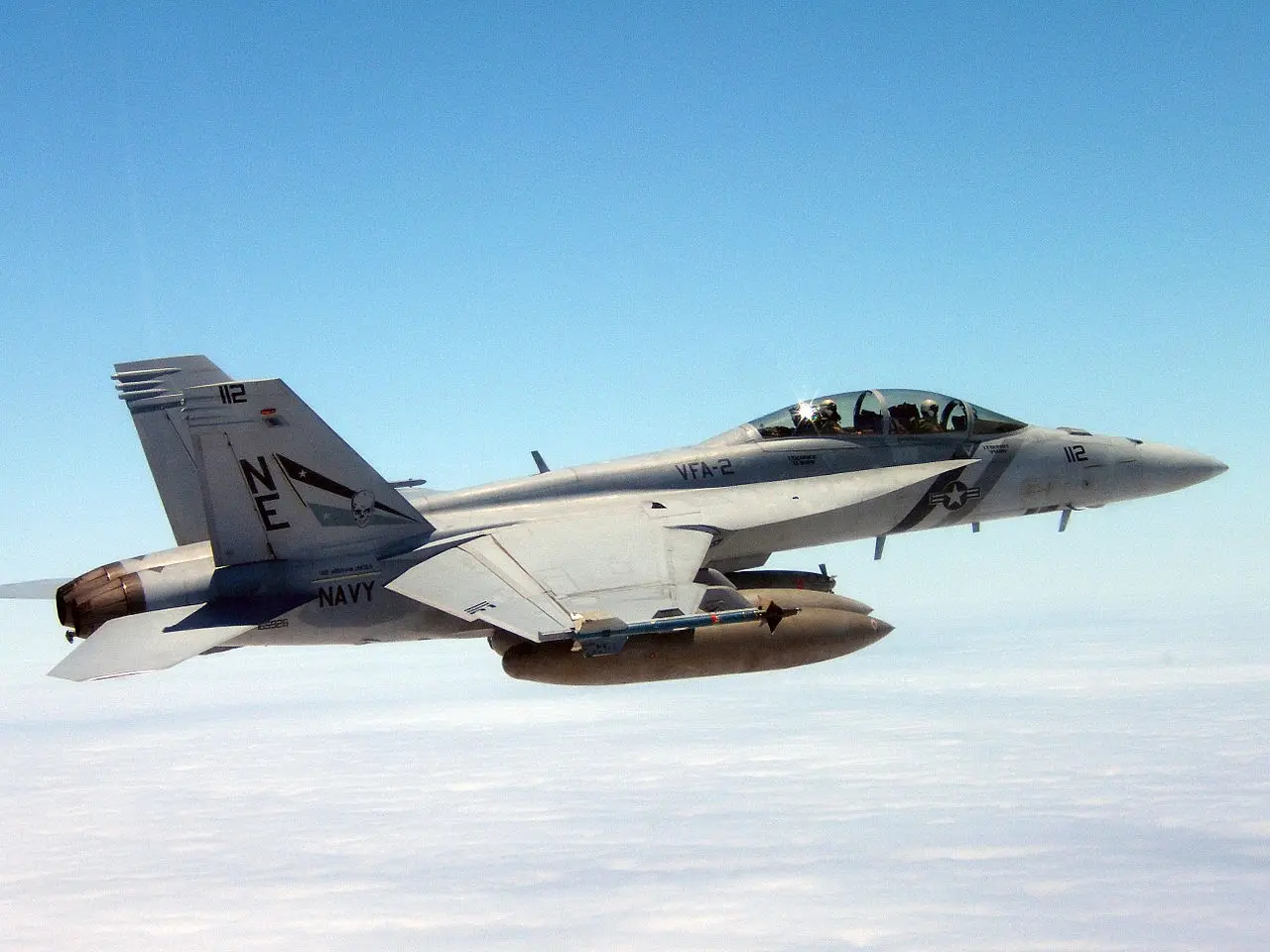
4. Benefits in combat scenarios
Adaptive engines allow jets to rapidly switch between efficiency and raw power. For example, an aircraft could conserve fuel while patrolling or achieve a sudden burst of speed to intercept threats, giving pilots both endurance and tactical agility.
5. Environmental and logistical advantages
In addition to combat benefits, adaptive engines reduce overall fuel usage and emissions, an increasingly important factor for long-term sustainability. They could also reduce the logistical burden of fuel resupply in deployed or remote operations.
6. Engineering challenges
Developing engines that change configuration on the fly requires advanced materials that withstand thermal and mechanical stress, along with sophisticated control software. Engineers must ensure reliability under extreme G-forces and rapid environmental changes.
7. Looking to the future of air combat
Adaptive engines are expected to become a core feature of sixth-generation fighters, including the US Air Force’s Next Generation Air Dominance (NGAD) programme. By combining thrust flexibility with fuel efficiency, these engines could redefine how modern air warfare is conducted.
)
)
)
)
)