US air defence costs $12 million, while Ukraine can intercept it for $5,000: How does the UA-made interceptor work?

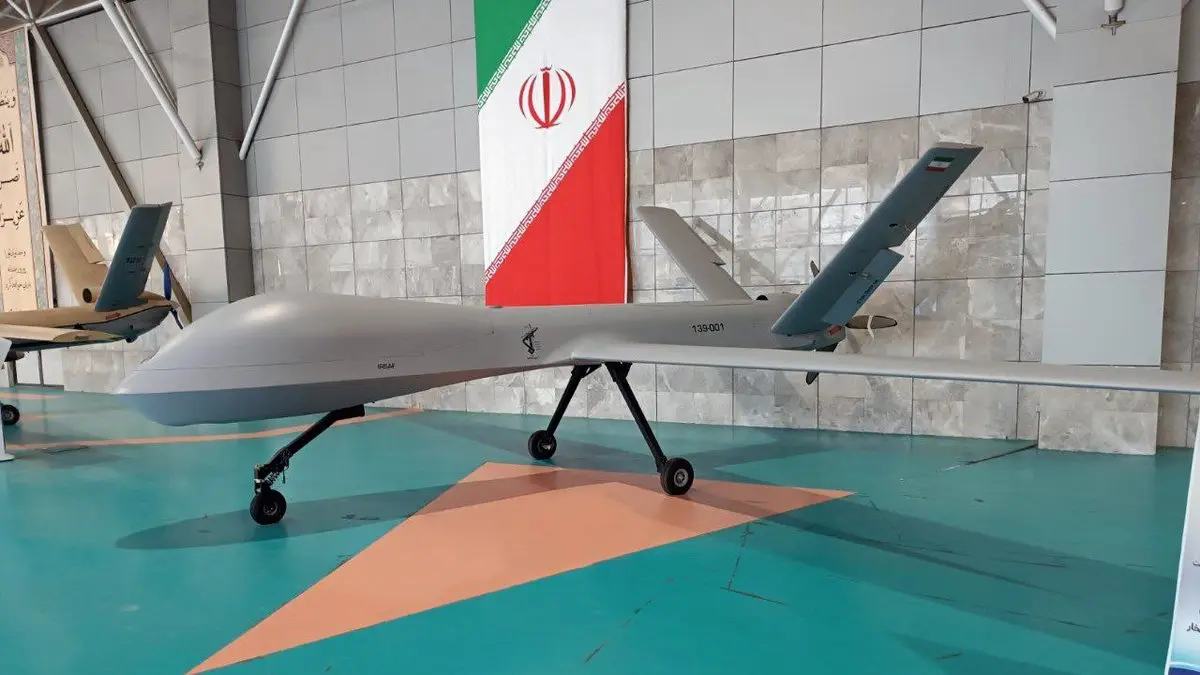
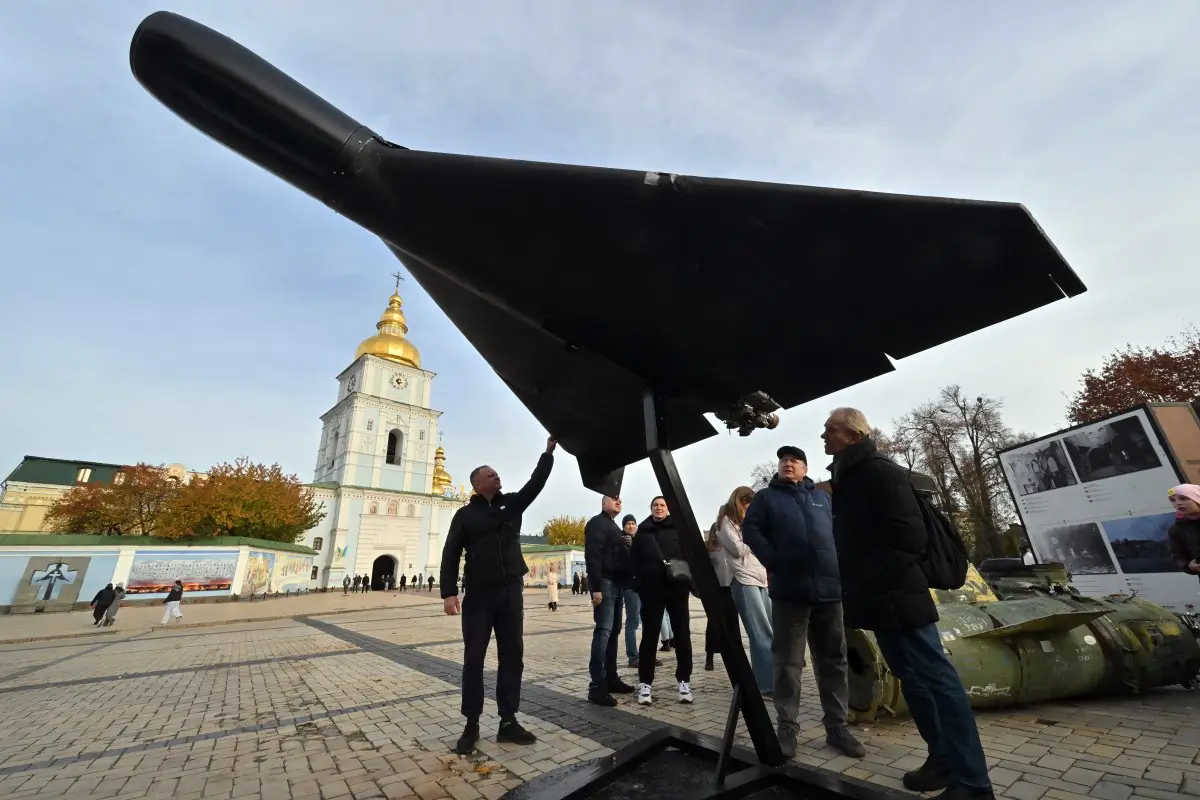
The Ukrainian Defence Ministry highlighted the cost asymmetry in air defence: expensive Patriot PAC-3 missiles (~$12M) are often used against cheap Iranian-designed Shahed drones (~$50K), while Ukraine’s low-cost interceptors would cost around ~$5K each.
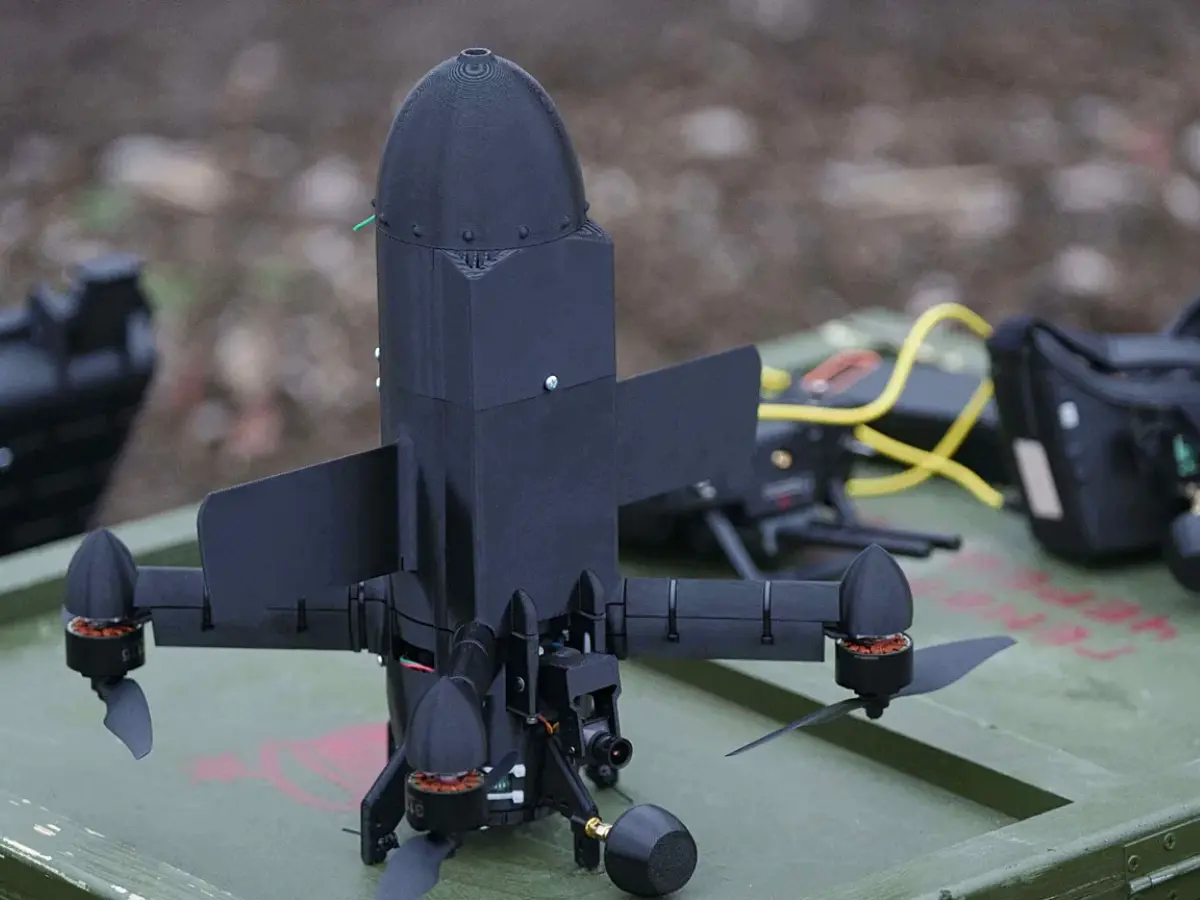
The severe cost asymmetry
Relying on traditional air defence systems like the Patriot PAC-3 to intercept cheap drone swarms creates an unsustainable financial burden. Firing a $12 million missile at a $50,000 target results in a devastatingly negative cost exchange for the defender.
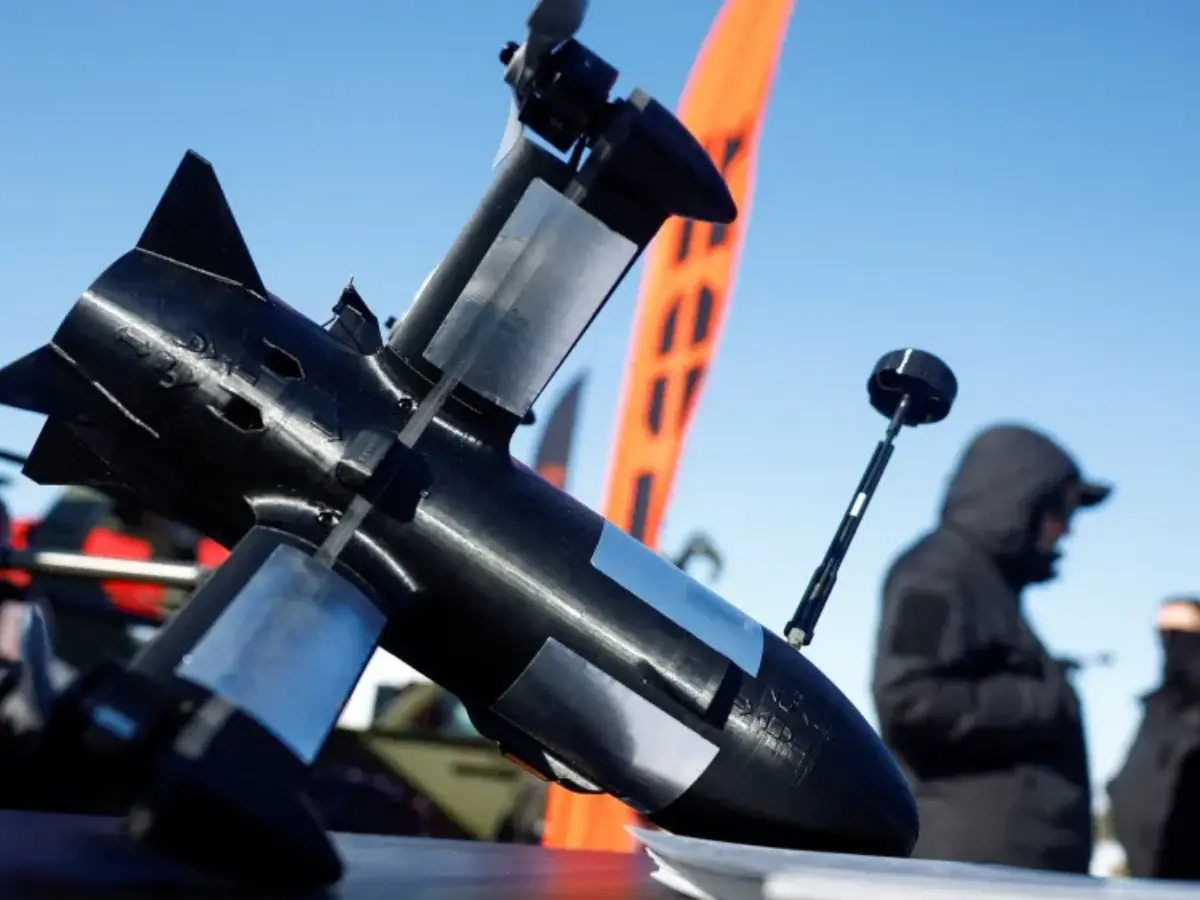
The $5,000 FPV solution
To preserve critical missile stockpiles for ballistic threats, Ukraine shifted to using custom-built First-Person View (FPV) quadcopters. Costing between $2,500 and $5,000, these nimble interceptors provide a highly cost-effective layer of low-altitude air defence.
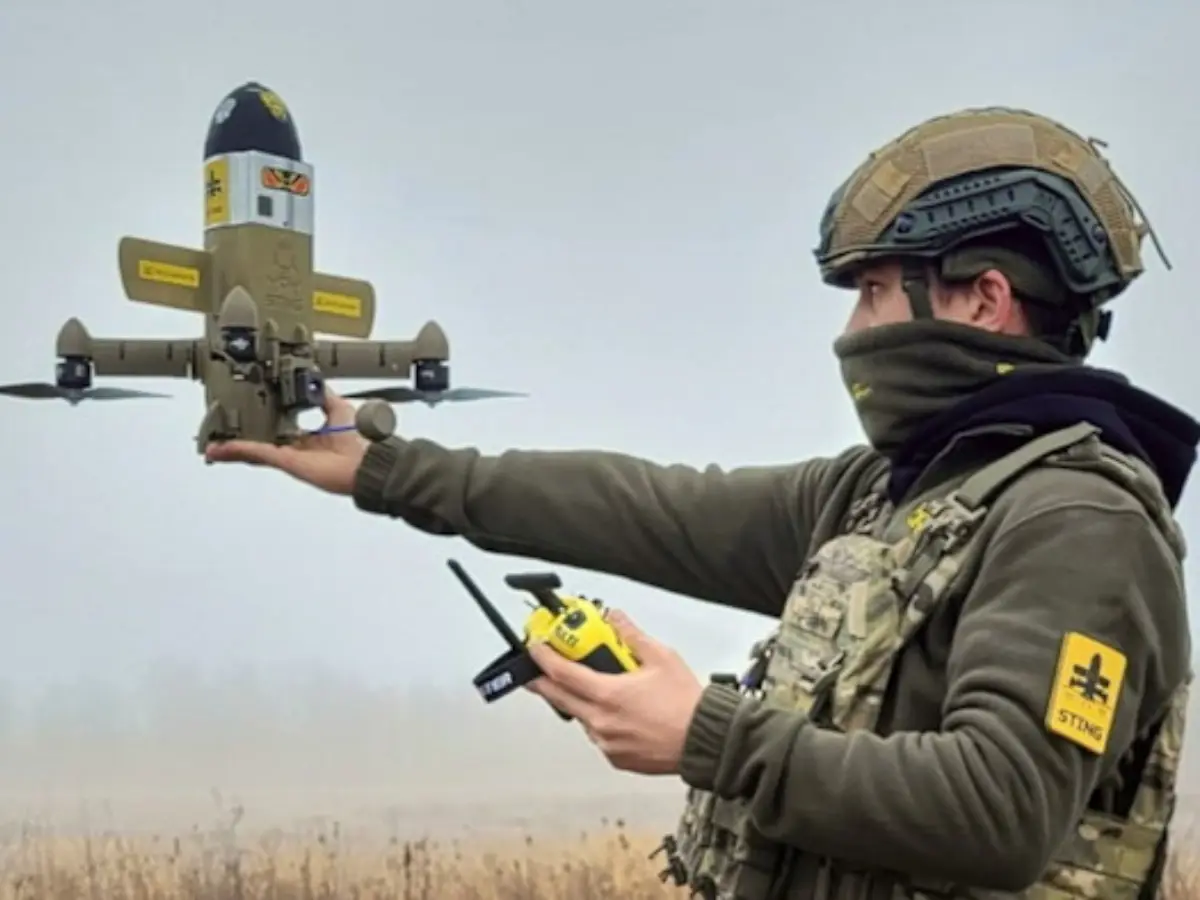
The 'Sting' interceptor drone
Developed by the Ukrainian group Wild Hornets, the 'Sting' is a purpose-built interceptor designed specifically to hunt Shahed drones. Its aerodynamic, bullet-shaped frame allows it to chase down slower loitering munitions with high precision.
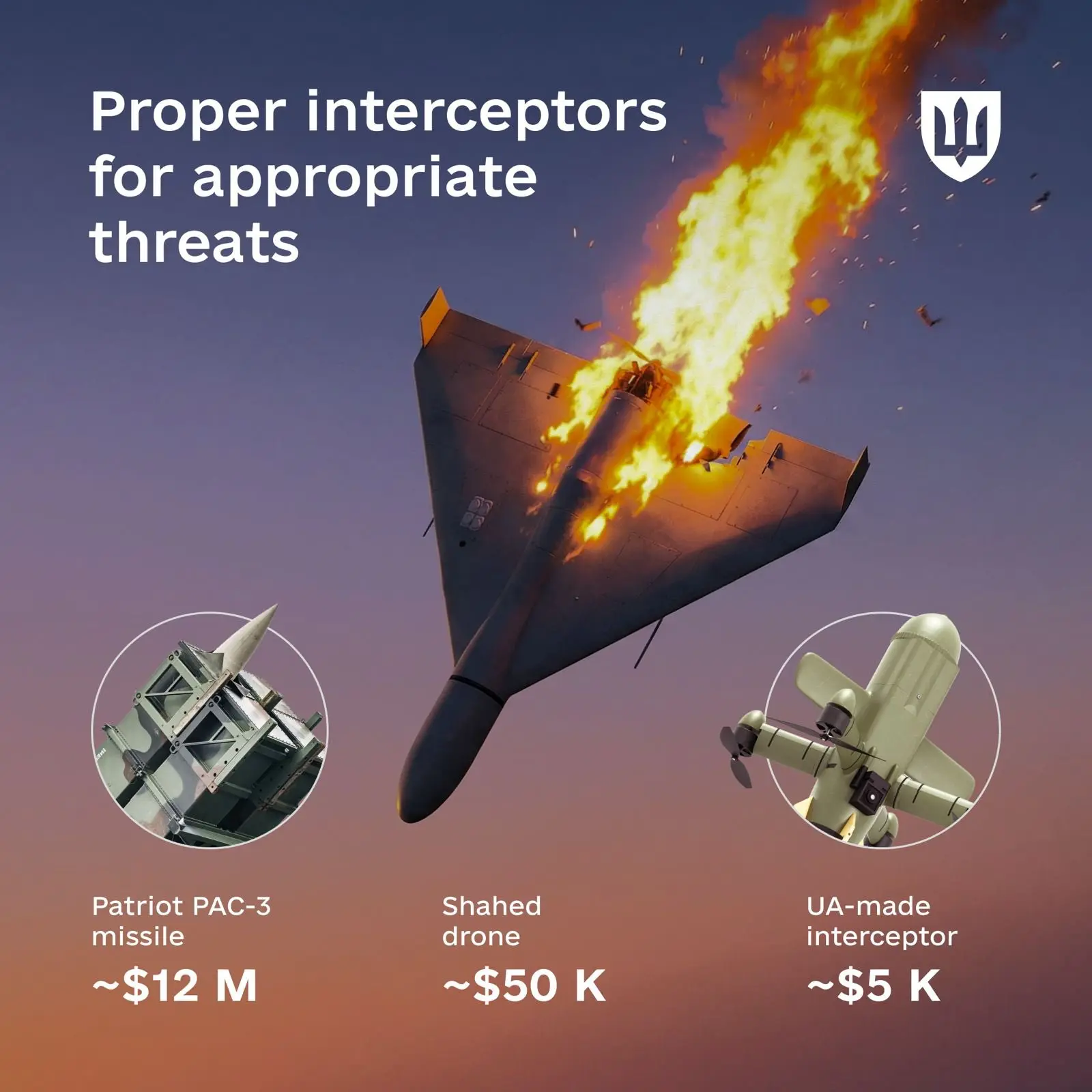
Speed and altitude capabilities
While the Shahed cruises at approximately 185 kilometres per hour, the Sting interceptor can reach flight speeds of up to 343 kilometres per hour. It can also operate at an altitude of 3,000 metres, allowing it to easily outpace and catch its target.
Kinetic ramming tactics
Instead of firing a traditional explosive warhead, the Ukrainian interceptors physically destroy the enemy drone. The FPV operator manoeuvres the quadcopter directly into the Shahed's propellers or wings, bringing it down through a kinetic mid-air collision.
Advanced thermal tracking
Sting interceptors are equipped with advanced thermal imaging cameras. Some models also integrate artificial intelligence to help operators lock onto the target's heat signature during the final pursuit.
Changing global air defence
This innovation fundamentally alters the economics of modern warfare by proving that expensive missile shields are not the only answer to mass drone attacks. NATO countries and Gulf states are now actively studying Ukraine's interceptor tactics to implement similar low-cost defence layers.
)
)
)
)
)