US AIM-260 vs Iran’s Fakour-90: Which long-range air-to-air missile is faster?

The US AIM-260 JATM outperforms Iran's Fakour-90 with superior guidance, stealth compatibility, and agility. While both reach Mach 5, the American missile offers a tactical edge in modern combat scenarios.

The Aerial Duel
The US AIM-260 JATM and Iran's Fakour-90 represent two different eras of missile philosophy. While Iran upgraded the 1970s AIM-54 Phoenix design, the US built a completely new weapon for stealth fighters. Both missiles aim to destroy aircraft from great distances, but their technology differs massively.
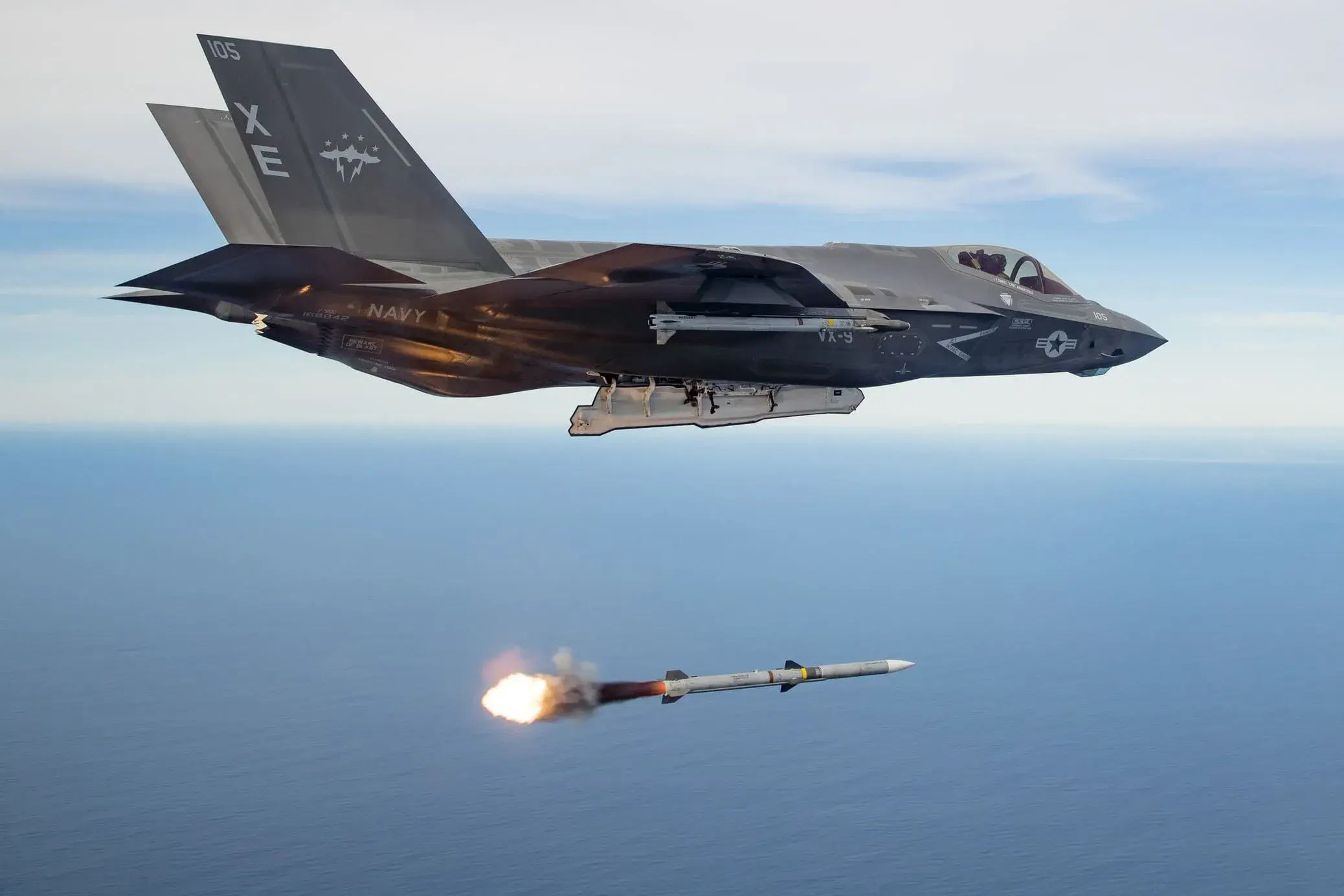
AIM-260 Speed: Mach 5+
The Joint Advanced Tactical Missile (JATM) is built for extreme kinetic performance. It reaches speeds exceeding Mach 5 to catch fleeing enemy fighters. This high velocity ensures the target has very little time to react or evade the strike.
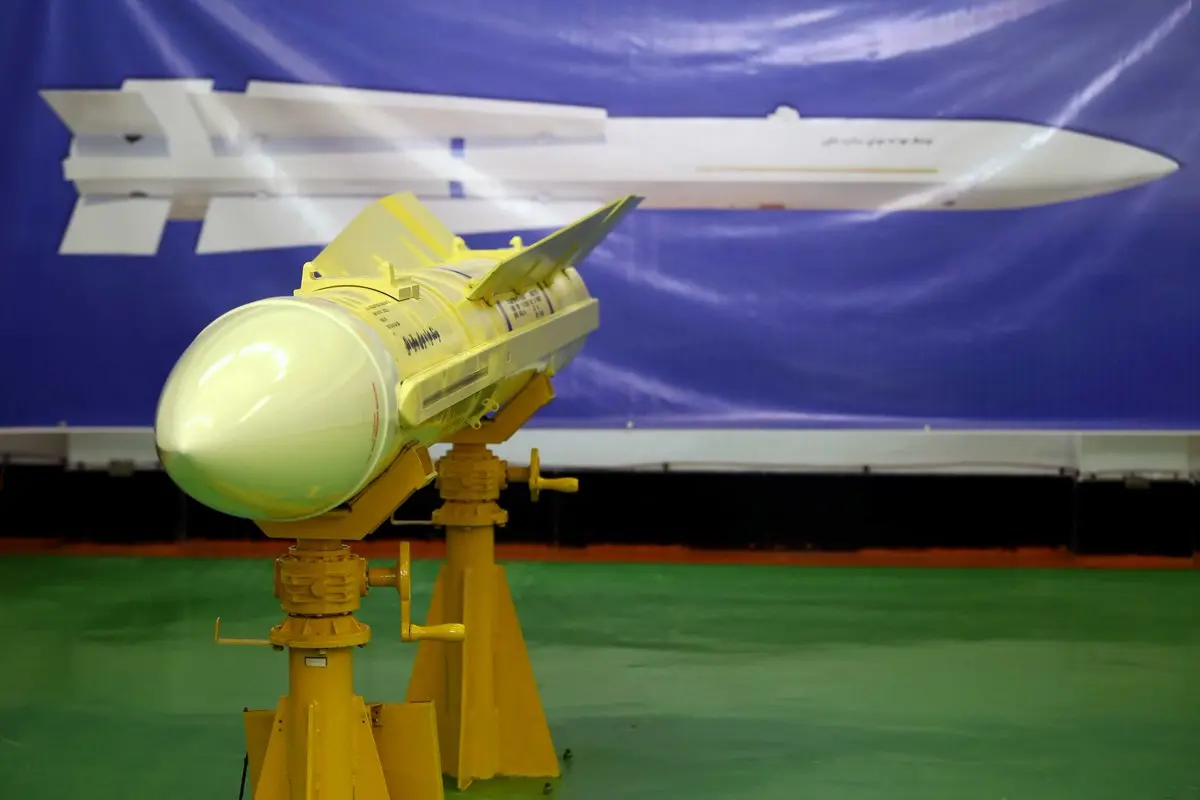
Fakour-90 Speed: Mach 5
Iran claims the Fakour-90 matches the legendary Phoenix missile's top speed of Mach 5. It uses a powerful solid-fuel rocket motor derived from MIM-23 Hawk technology. This raw speed allows it to close the gap quickly against non-manoeuvring targets like bombers.

JATM Range: Over 200 km
Lockheed Martin designed the AIM-260 to strike targets well beyond 200 kilometres. It specifically counters long-range Chinese weapons like the PL-15. This extended reach allows US pilots to fire first and stay safely outside the enemy's engagement zone.

Fakour-90 Range: 150 km
The Fakour-90 has an effective firing range of approximately 150 kilometres. Some Iranian sources claim it can reach up to 300 kilometres, but this likely applies only to high-altitude launches against large, slow targets. It remains a formidable threat in the region.

Guidance: Smart vs Active
The AIM-260 features cutting-edge active radar seekers resistant to modern electronic jamming. In contrast, the Fakour-90 uses a mix of inertial guidance and active radar homing. The US system is far more reliable against agile jets using countermeasures.

Platforms: Stealth vs Tomcat
The JATM fits inside the internal weapons bays of stealth aircraft like the F-22 Raptor and F-35 Lightning II. The Fakour-90 is massive and can only be carried by Iran’s ageing fleet of F-14 Tomcats. This limits the Iranian missile's tactical flexibility.
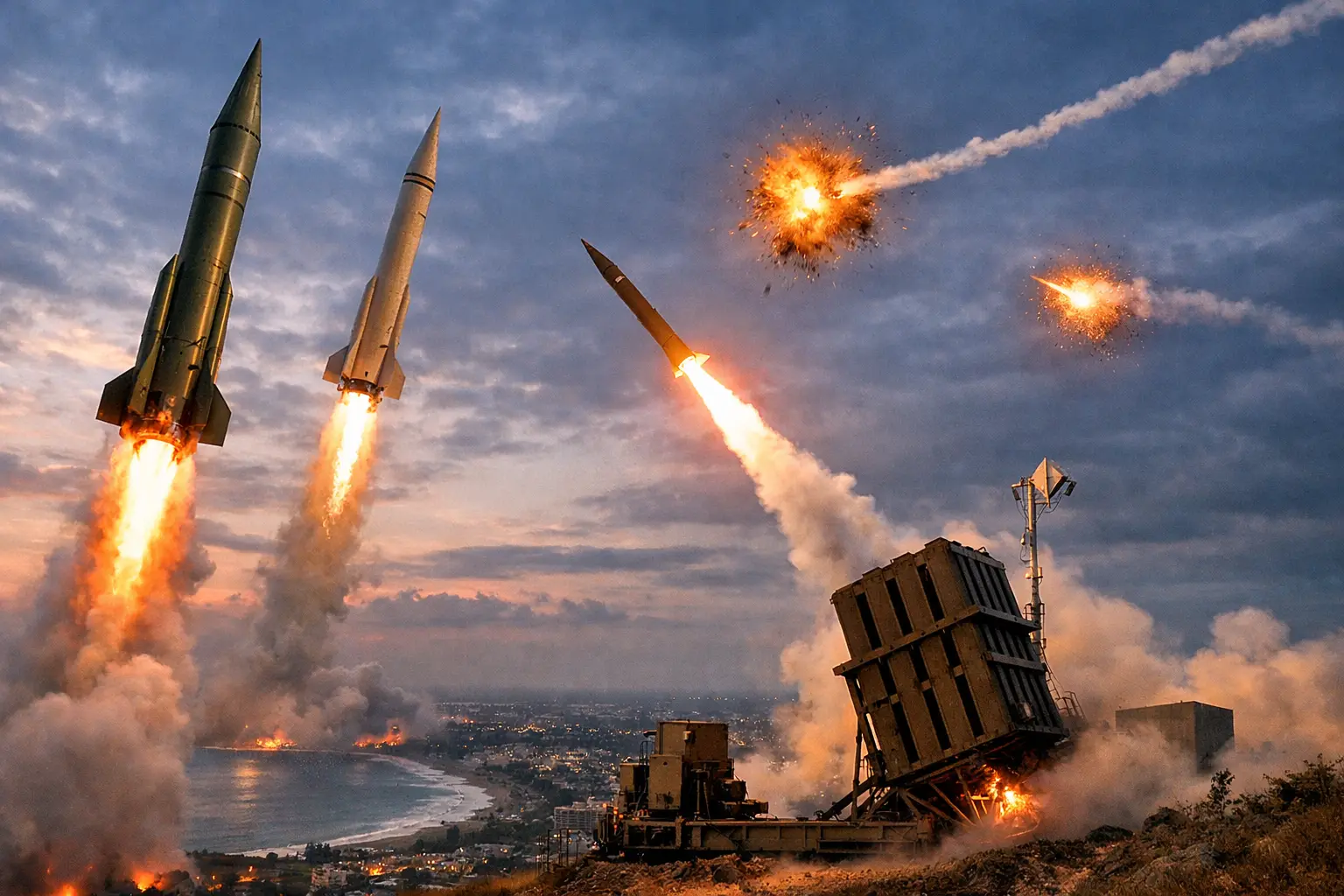
Size and Agility
The US missile maintains the compact size of the AIM-120 AMRAAM but packs more fuel and better sensors. It can manoeuvre sharply to hit agile fighters. The Fakour-90 weighs over 600 kg, making it a heavy "slug" best suited for hitting large, predictable aircraft.

Operational Status
The US Air Force and Navy have achieved Initial Operational Capability (IOC) with the AIM-260, deploying it primarily with elite F-22 units as production ramps up. In contrast, Iran declared mass production of the Fakour-90 in 2018. While the Iranian missile is fully fielded, the advanced US weapon is currently being integrated across the wider fleet.

Verdict: US Tech Wins
While the Fakour-90 is a dangerous weapon for regional defence, the AIM-260 is superior in almost every metric. Its ability to fit on stealth jets, resist jamming, and hit agile targets gives the US a clear advantage. The JATM defines the next generation of air combat.
)
)
)
)
)