Unusual supernova saw a star eat a black hole, but the dark monster won

Scientists have found a highly unusual supernova, dubbed SN 2023zkd. There were two explosions, and the star was reaching peak brightness for years. It even ate a part of the black hole. Here's what happened.
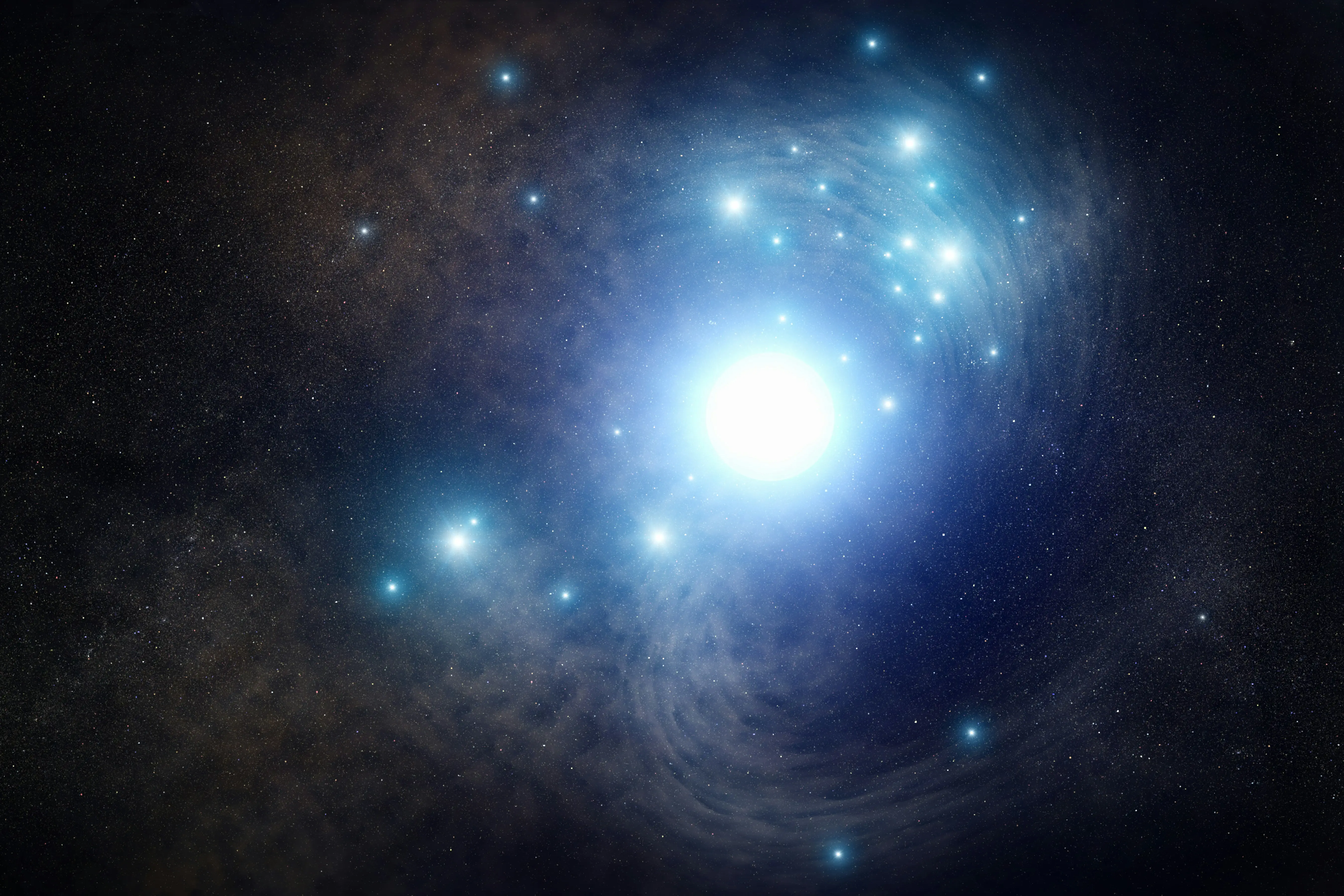
Unusual supernova stumps astronomers
Artificial Intelligence has revealed one of the strangest supernovas ever seen, where a star fought a black hole, even consumed it partially, before giving up and becoming its meal. The unusual supernova, dubbed SN 2023zkd, was discovered by a team of astronomers looking for interesting incidents in space, and ended up finding one that is highly unusual. The findings were published in a new paper in the Astrophysical Journal.
AI system found the supernova
The supernova was discovered by the Zwicky Transient Facility in Southern California in July 2023. An AI system called LAISS (Light-curve Anomaly Identification and Similarity Search) that was tasked with alerting the team about unusual supernovae, flagged this one as “evolving in an odd way." This led astronomers to witness the event’s full scope in real time.
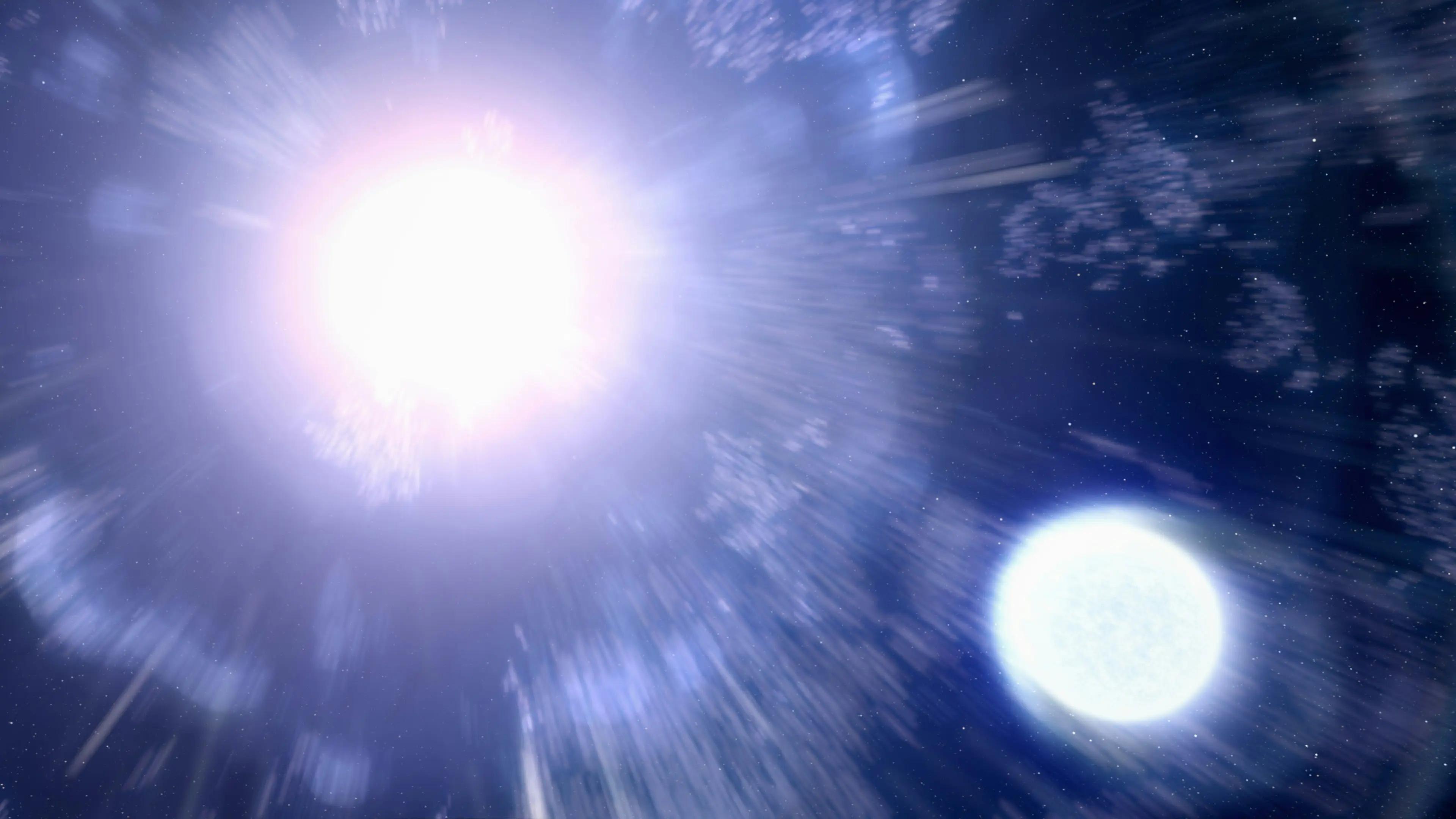
First burst, and then a second 240 days later
What was odd about this supernova was that instead of a single flash, SN 2023zkd displayed a double-peaked light curve. This means it had an initial burst which later declined, only to peak in a second brightening about 240 days later. Researchers were curious to learn more and decided to dig up archival data.
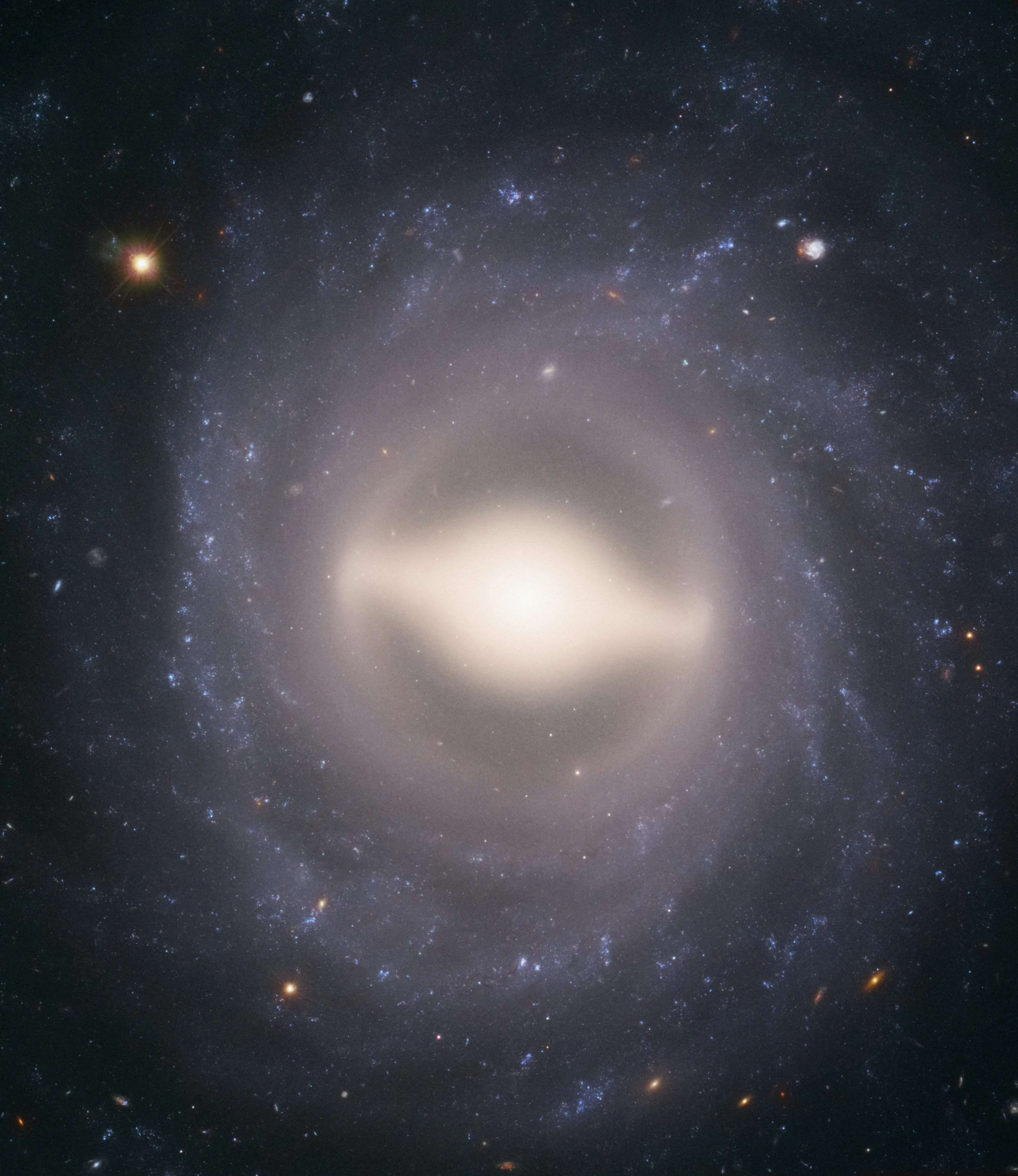
Archives showed the star was brightening for four years
They found that the star steadily brightened over four years before the actual explosion, something not seen with a supernova. There was only one explosion, but the researchers knew that something was off about the supernova because of its unusual evolution. This led them to assume that it occurred in a complex environment.
The star managed to swallow a portion of the black hole
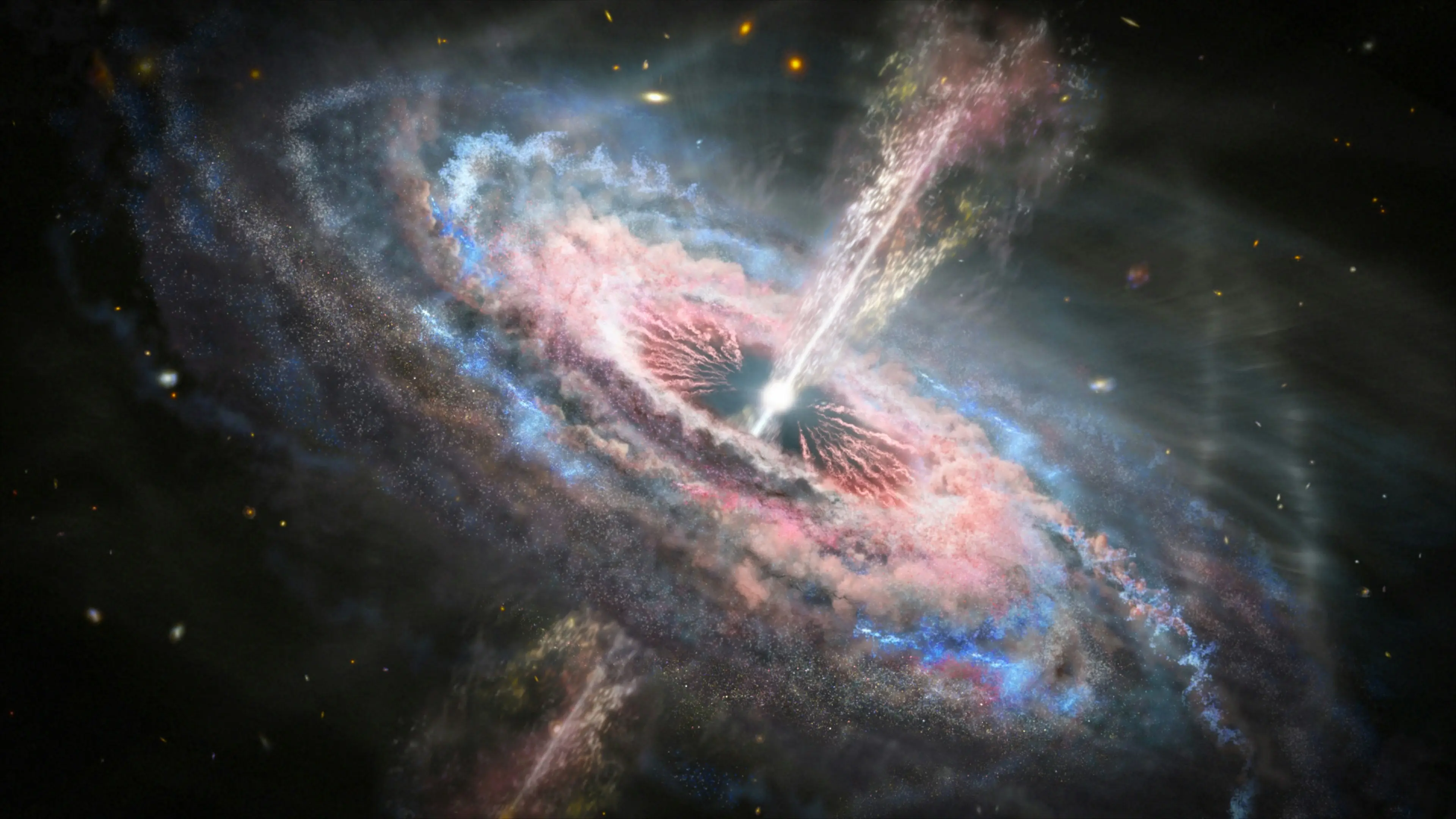
When they combined the data about the nature of the supernova and other evidence, they determined what was going on out there. Scientists believe the massive star was in a decaying orbit with a black hole, and the two were locked in a deadly orbital dance. The two were pulled together, and at one point, the star partially swallowed the black hole. There were enormous amounts of gravitational stress that ultimately triggered the supernova.
A double explosion
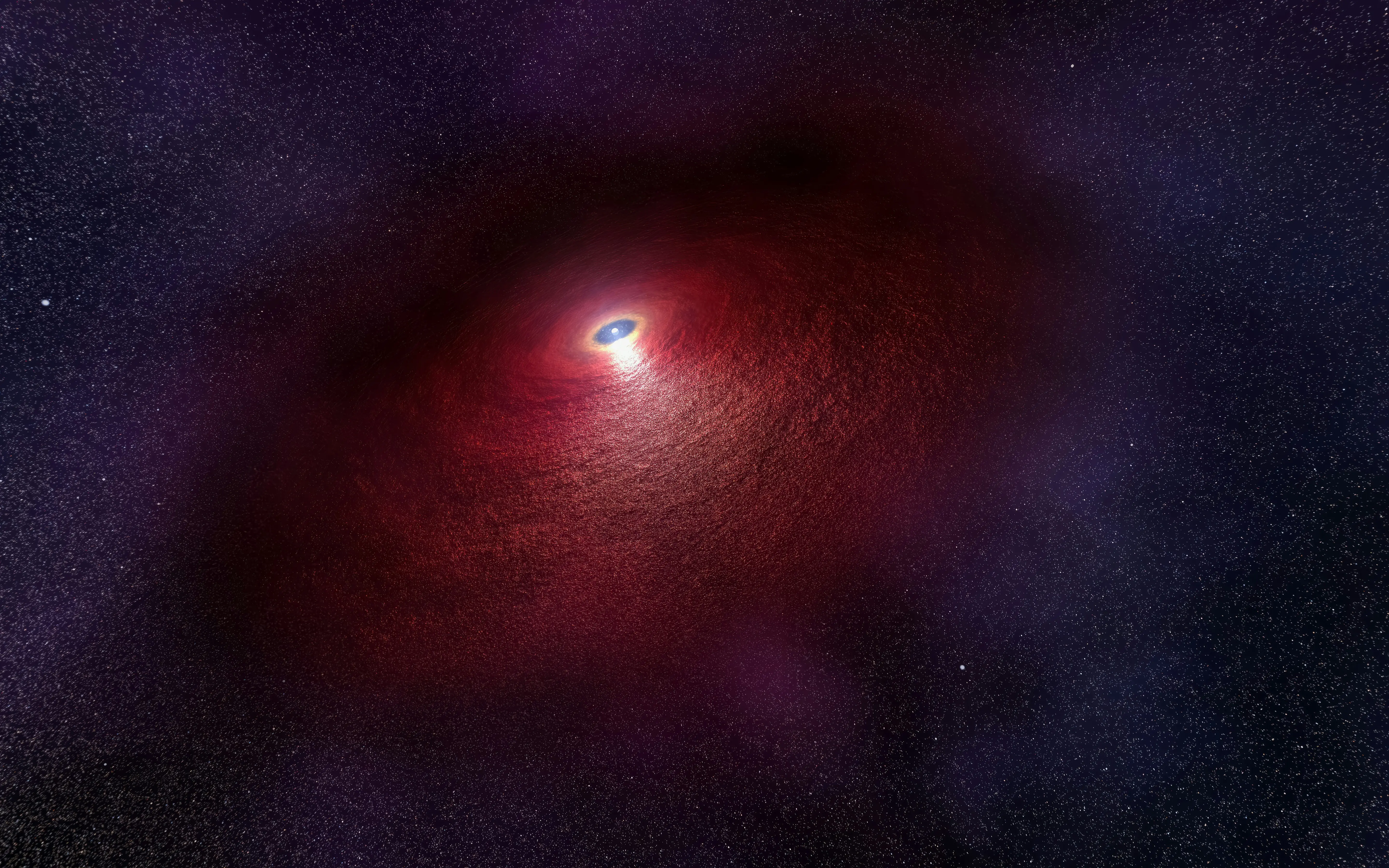
The paper further states that the double flash could have also been because the black hole completely tore the star apart before it could explode on its own. The debris left behind by the explosion would have been sucked in by the black hole. When it crashed into the gas surrounding the black hole, a supernova occurred.
)
)
)
)
)