Canada floods kill one person, leave two missing; rail access cut to Vancouver port

Rail service interrupted
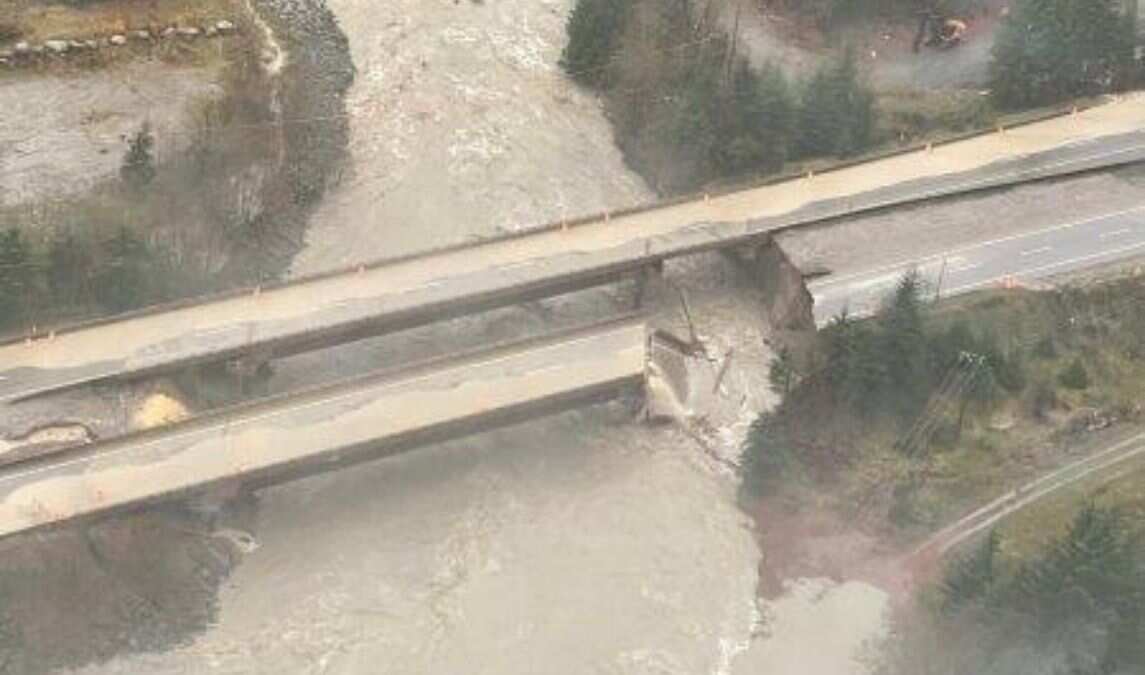
The port of Vancouver, Canada's largest, said on Tuesday that all rail access had been cut by floods and landslides.
Two days of torrential across the Pacific province of British Columbia touched off major flooding and shut rail routes operated by Canadian Pacific Rail and Canadian National Railway, Canada's two biggest rail companies.
"All rail service coming to and from the Port of Vancouver is halted because of flooding in the British Columbia interior," port spokesperson Matti Polychronis said.
At least one killed, two missing
The floods and landslides have killed at least one person and left two others missing.
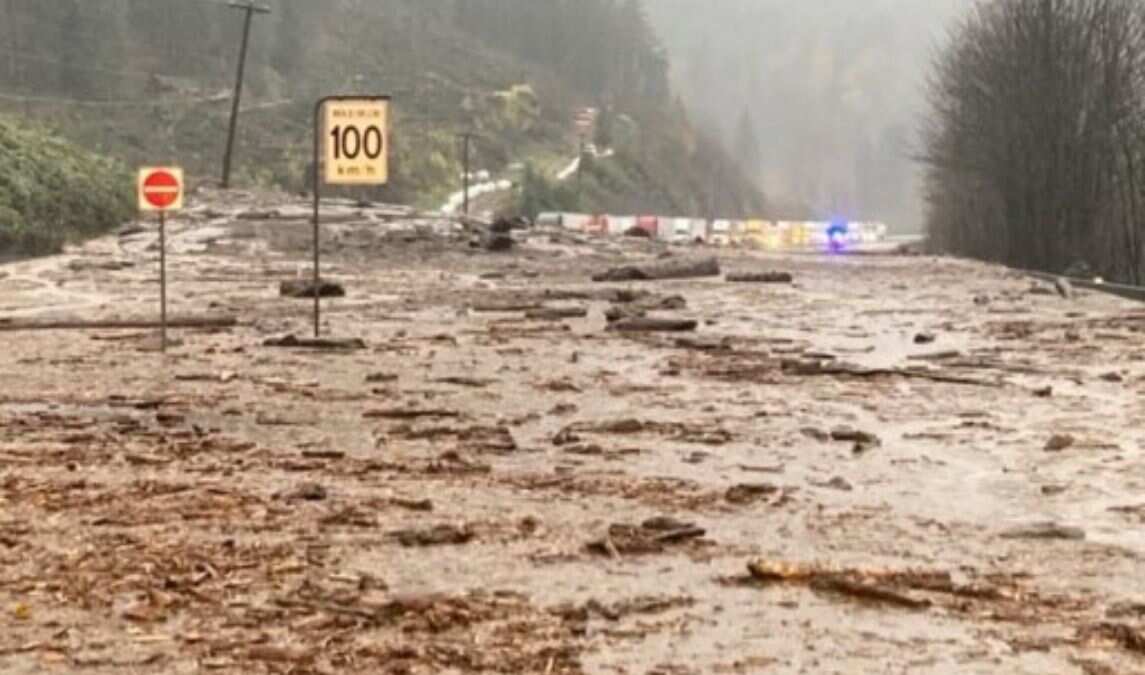
A mudslide in the region of Pemberton, about 100 miles (160 kilometres) north of Vancouver, caused cars to be swept off Highway 99. At least one person was confirmed dead and an unspecified number of people are also presumed to have died.
Search and rescue crews were combing through the rubble for signs of survivors or additional casualties, officials said. Rescuers equipped with diggers and body-sniffing dogs started dismantling large mounds of debris that have choked highways.
Wettest ever
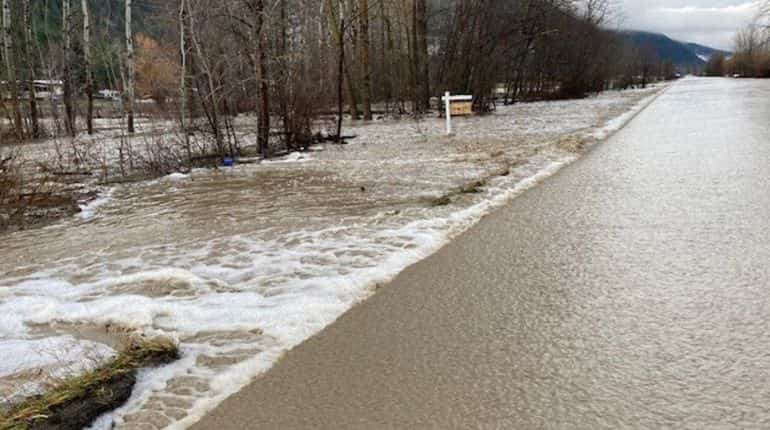
Relentless rain battered Canada's Pacific coast, forcing a town's evacuation and trapping motorists as mudslides, rocks and debris were washed across major highways.
British Columbia emergency health services said it transported nine patients to hospital with minor injuries overnight from the Agassiz landslide.
Meteorologist Tyler Hamilton said that Abbotsford in the past 140 days had experienced both its warmest and wettest days ever.
The storm is the second weather-related calamity to hit the Pacific province in just a few months. In late June, temperatures hit a record high, prompting blazes that destroyed one town.
Record-setting flood
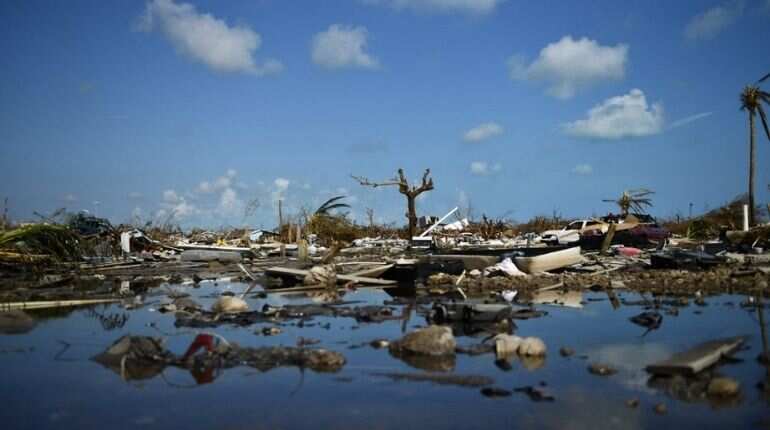
A record-setting rain for over five weeks had flooded the Ottawa river in 2019. More than 6,000 residents were flooded out of their homes in Ottawa and Quebec.
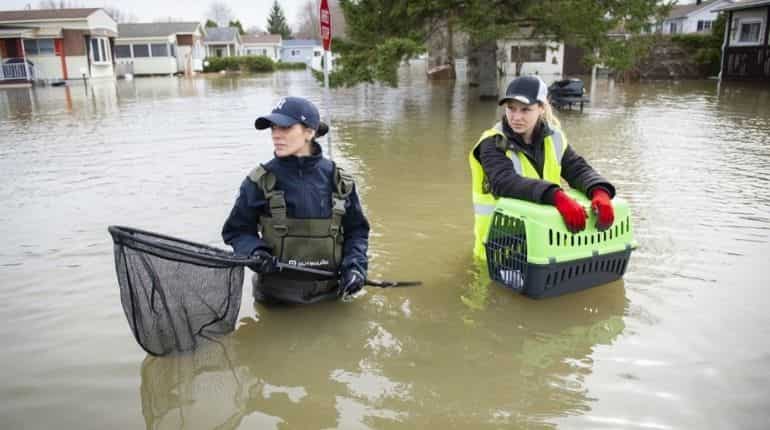
Overwhelming for river systems
Snowpack from alpine peaks to valleys melted all at once, overwhelming river systems and causing prolonged flooding in Canada last year.
Cities turned into lakes
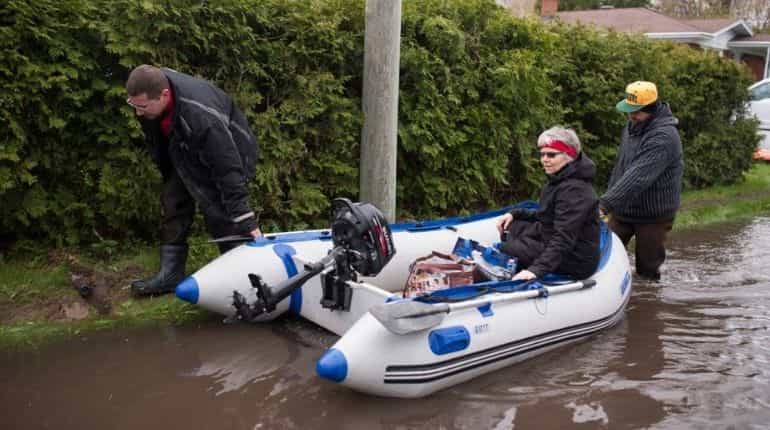
In a historic flood that ravaged Canada, water levels exceeded 2008 levels and historic 1973 levels, making 2018 the largest, most impactful flood in modern New Brunswick history.
It transformed several cities into lakes and people used boats to travel from one point to another.
Stacking sandbags to prevent houses
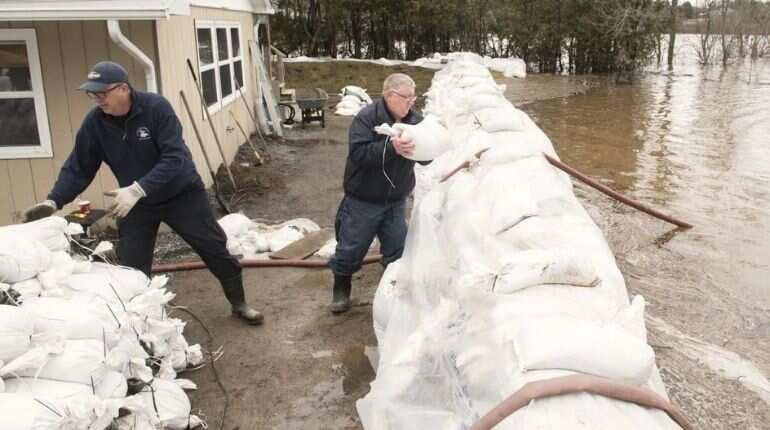
Canadian people had to stack sandbags around his Bay Street home in an attempt to keep out the floodwaters after roads were covered by mud or up to 10 inches of water in 2017.
)
)
)
)
)