Unsinkable? What would it actually take for Iran to sink the USS Abraham Lincoln?

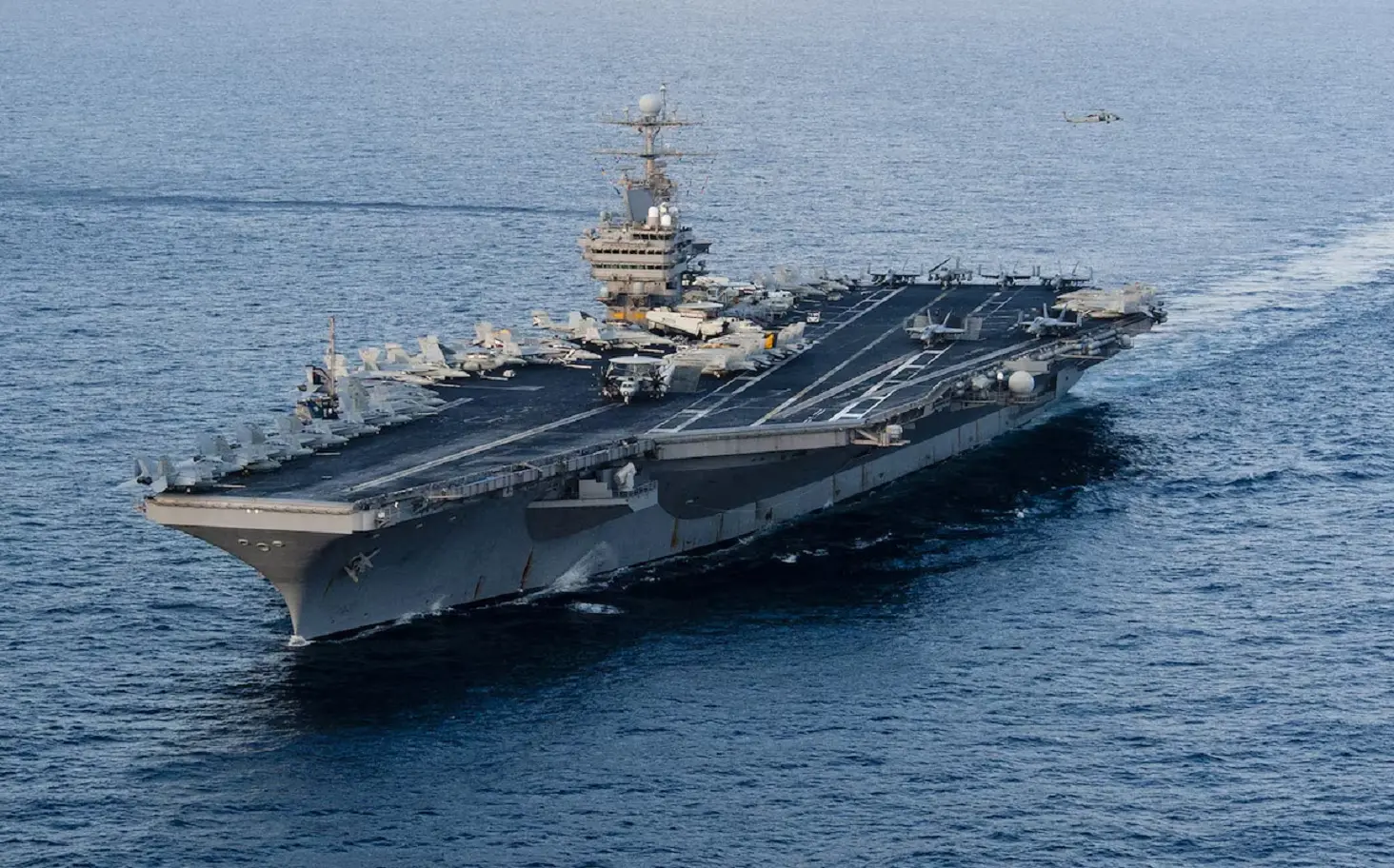
Sinking the 100,000-tonne USS Abraham Lincoln requires penetrating advanced Aegis defences. Iran would need a massive saturation attack of drones and missiles just to damage its flight deck.

Targeting A 100,000-Tonne Carrier
Deployed to the Middle East, the USS Abraham Lincoln serves as a primary deterrent against regional threats. While Iran frequently parades its vast anti-ship missile arsenal, actually sinking a heavily defended American supercarrier requires overcoming unprecedented military hurdles.

Intercepting At 300 Miles
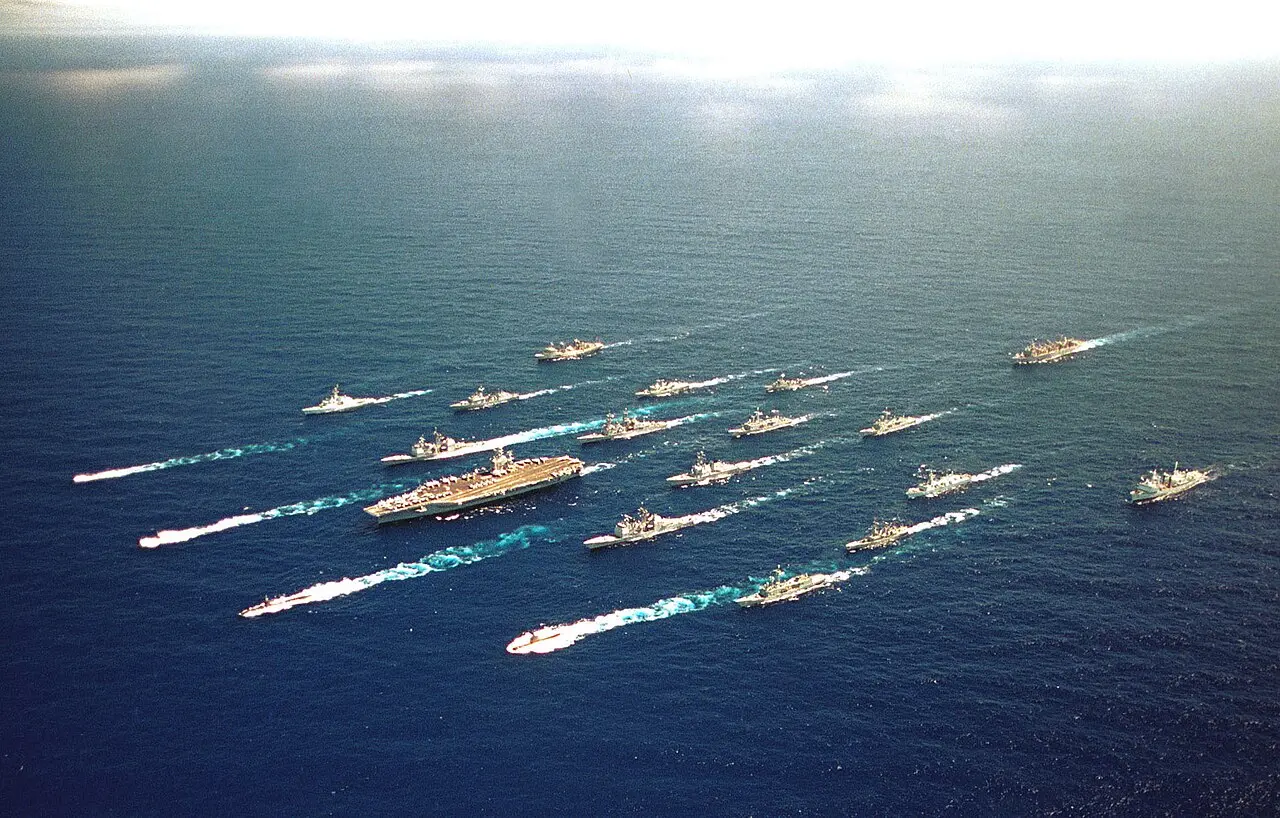
Weapons must first bypass a highly advanced naval defensive ring. Escort destroyers utilise the Aegis Combat System and SM-6 interceptors to detect and destroy incoming threats up to 300 miles away from the main carrier.

290-Km Supersonic Threats
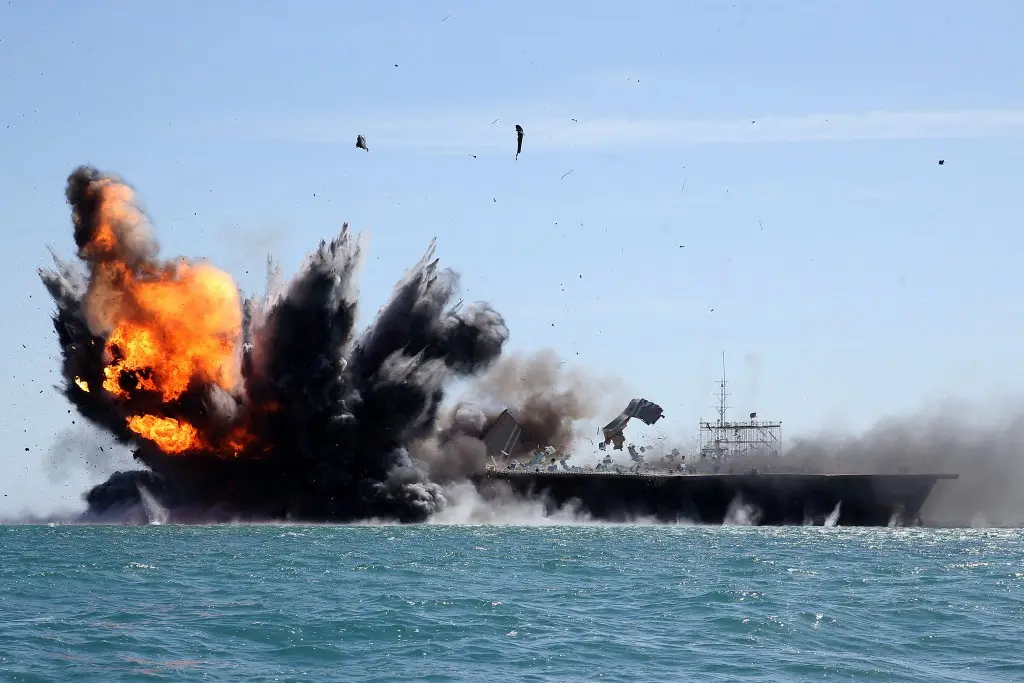
Iran relies on advanced weaponry, including hypersonic missiles and supersonic anti-ship systems with a 290-kilometre range. These projectiles travel at extreme speeds, drastically reducing the crucial reaction time for American air defence systems.
Evading A 30-Knot Target
A major hurdle for Iranian forces is accurately targeting a vessel constantly moving at speeds exceeding 30 knots. Striking such a fast-moving warship requires continuous real-time satellite tracking capabilities that Tehran currently does not possess.
100s Of Simultaneous Drones
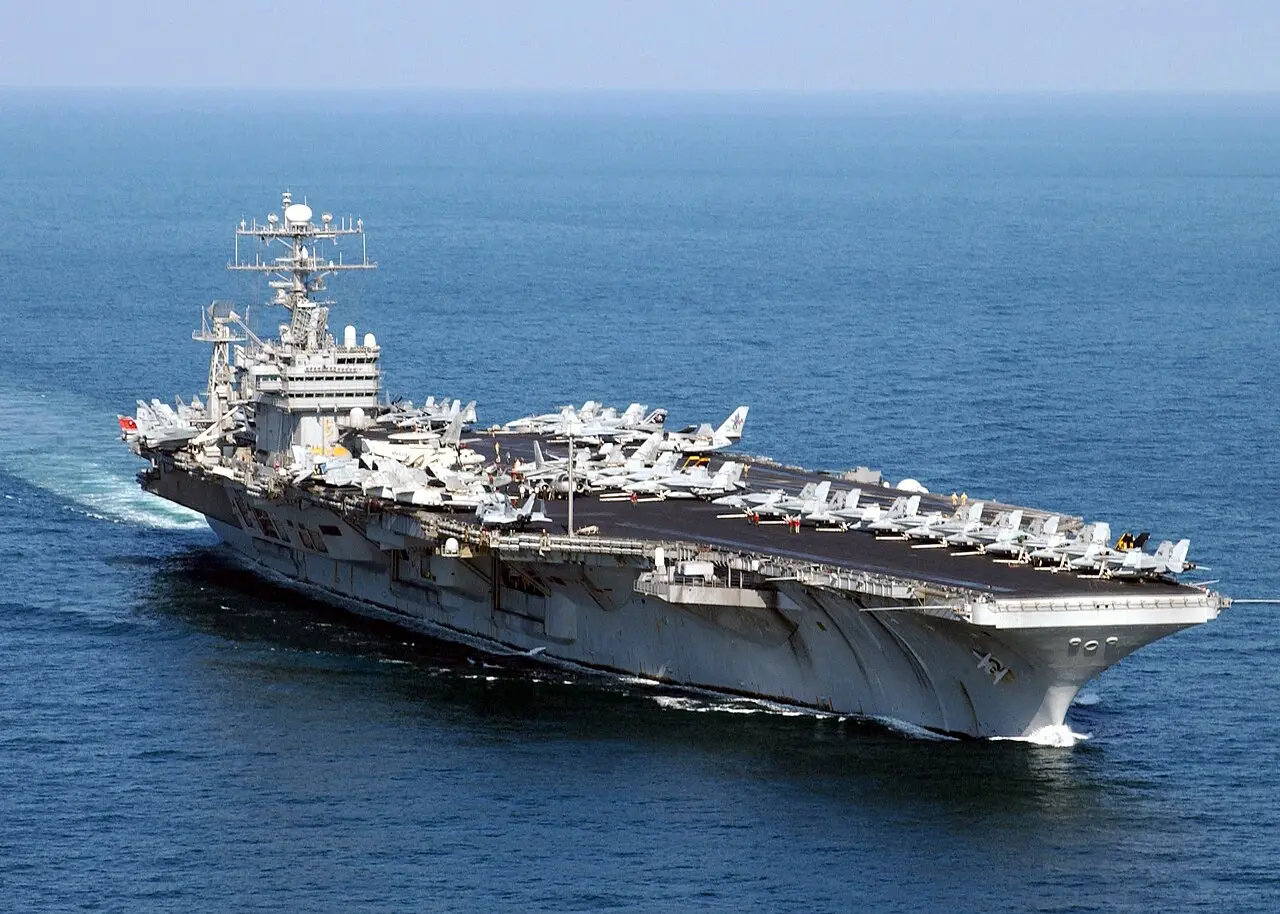
To bypass American defences, Iran would have to execute a massive saturation attack. Launching hundreds of attack drones and ballistic missiles simultaneously could theoretically drain the interceptor stockpiles of the US naval escort ships.
F-35C Flight Deck Damage
Sending the carrier to the ocean floor is nearly impossible with conventional weapons. However, a single successful strike could severely damage the flight deck, halting F-35C jet operations and delivering a significant tactical victory.
Saturation Attack Defence Strategy
A successful strike would require a massive saturation attack to overwhelm US defences completely. This involves launching hundreds of Shahed-136 drones simultaneously with hypersonic and ballistic missiles to drain the interceptor stockpiles of the escort ships.
)
)
)
)
)