Smell, colour and more: 5 facts about the universe we bet you did not know

Edited By Anamica Singh
Published: Jun 04, 2025, 11:29 IST | Updated: Jun 04, 2025, 11:34 IST
The universe is humongous, and there is so much that we still don't know about it. Here are some cool facts about the universe we bet you probably did not know.
1 / 6
(Photograph: AI)
Unknown facts about the universe
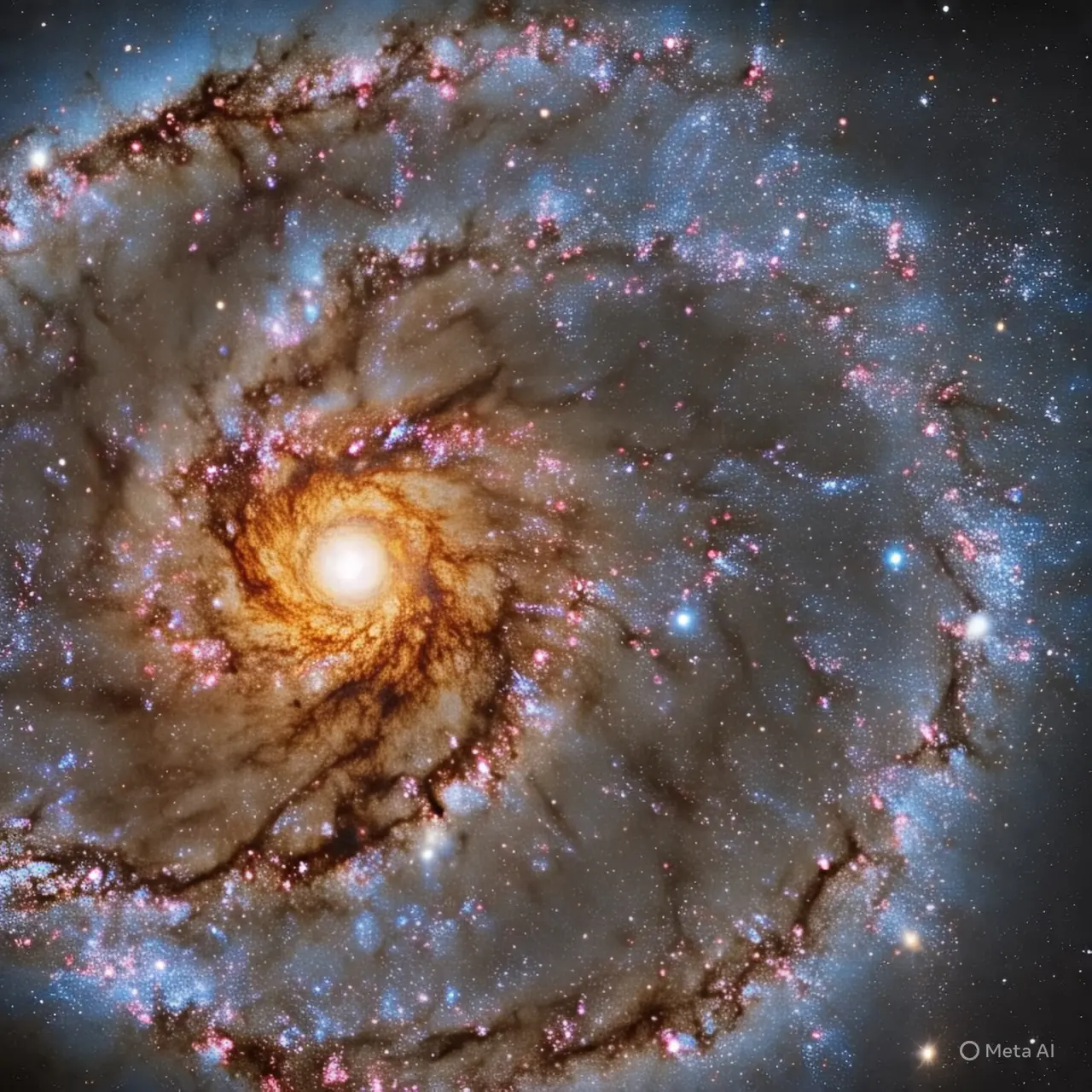
The universe is a fascinating place. It packs in billions of galaxies, stars, exoplanets, moons and black holes. The stars are being born and dying every second. They transform into supernovae, pulsars, magnetars, white dwarf, red dwarf and more. There is just so much going on in space. Humans have been studying it for hundreds of years, and ancient depictions found across the world are proof. If you are also intrigued by the giant cosmos, we have some facts about the universe we bet you didn't know.
2 / 6
(Photograph: NASA)
Smell of the universe
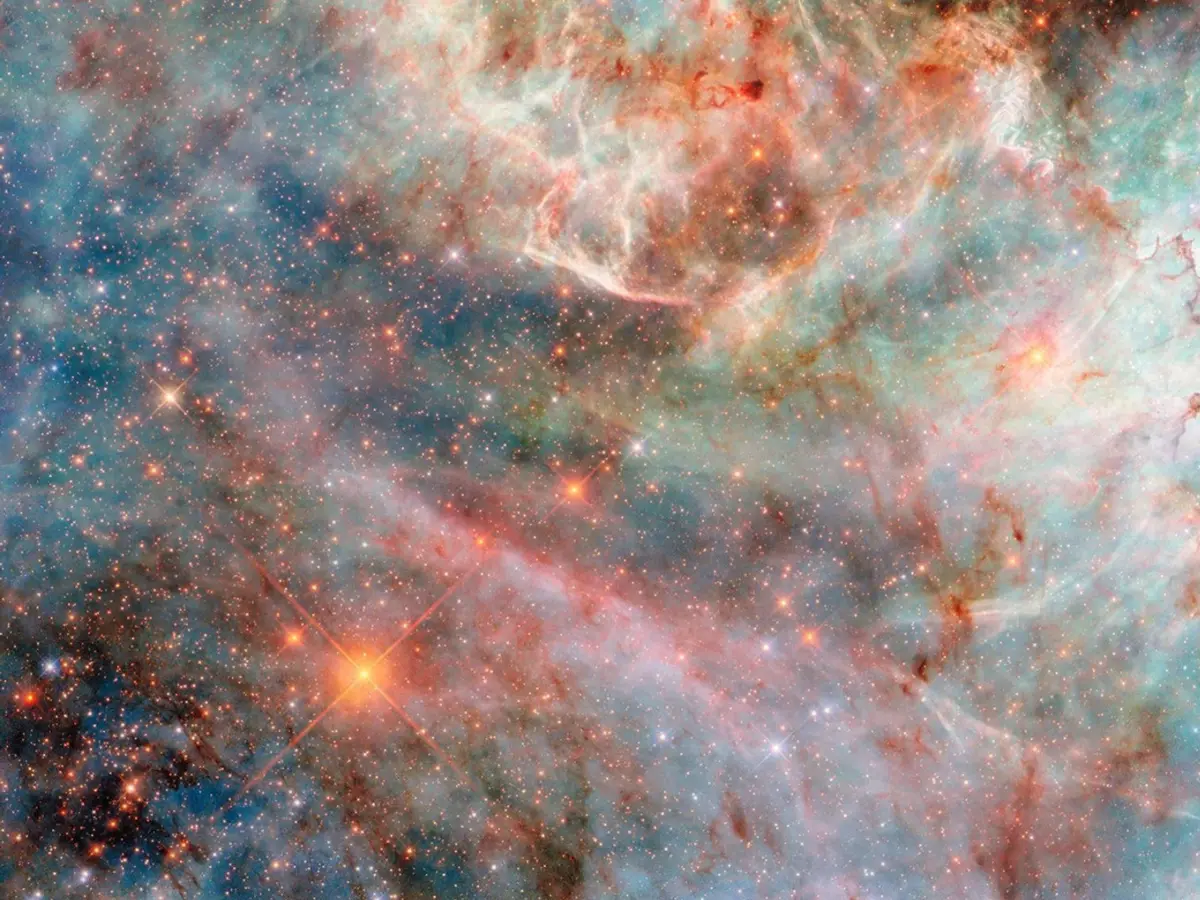
Yes, the universe has a smell. Astronauts have reported that space smells like burnt meat and electric sockets that have caught fire. The strong smell is believed to be a result of hydrogen and carbon that mix up to form polycyclic aromatic hydrocarbons, or PAHs.
3 / 6
(Photograph: AI)
Colour of the universe
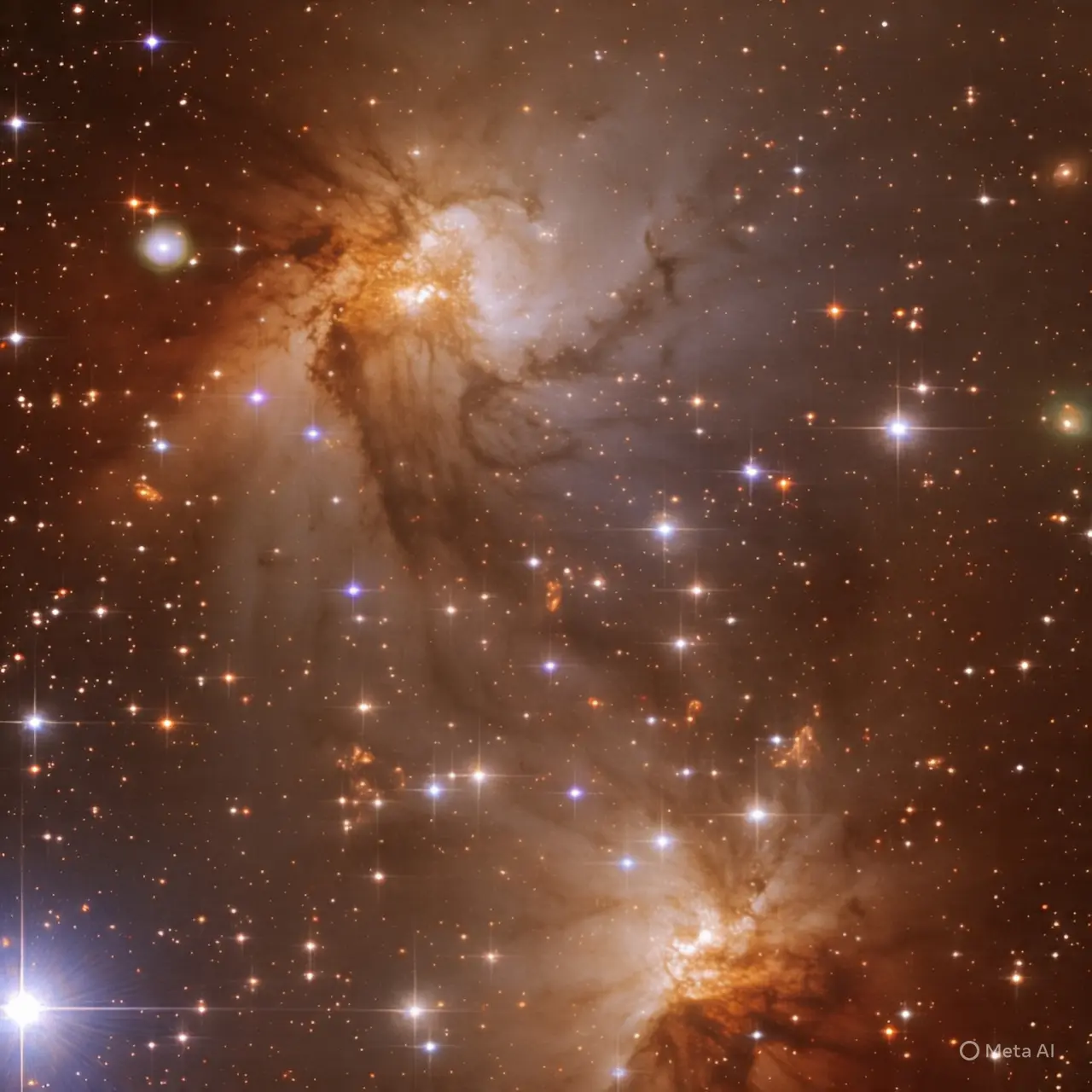
The universe appears dark, with stars scattered far and wide. But it has a colour - coffee brown. Scientists say that if you place all the stars next to each other so that their lights mingle, a brown-white sky will show up at night. It appears like milk coffee, and so it is also called "cosmic latte."
4 / 6
(Photograph: AI)
Shape of the universe
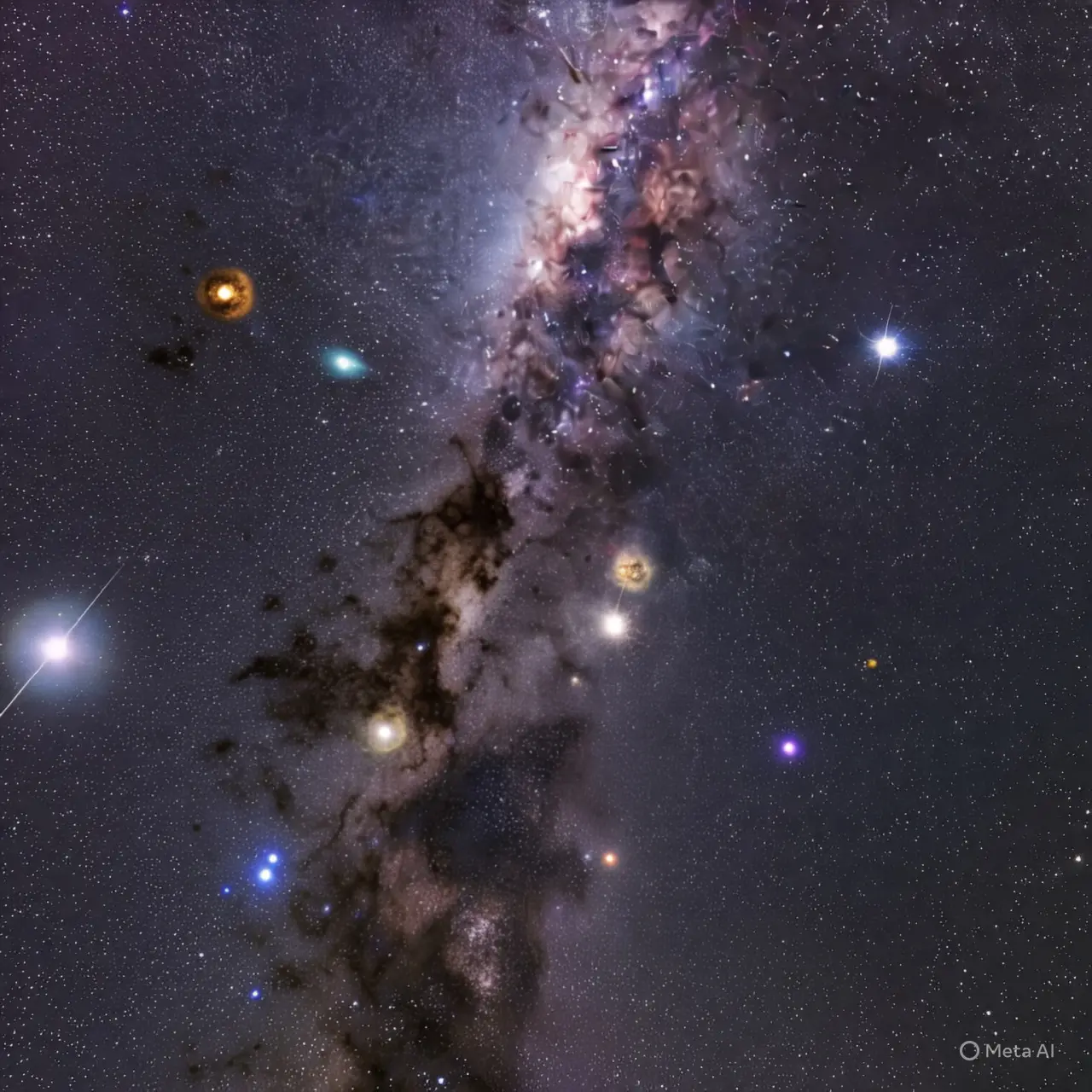
Stars and planets might be round, but the universe itself is flat. It is like a disc that extends in all directions. Imagine how humongous this flat plate of the universe is where supergiant cosmic bodies live, yet nothing bulges out.
5 / 6
(Photograph: NASA)
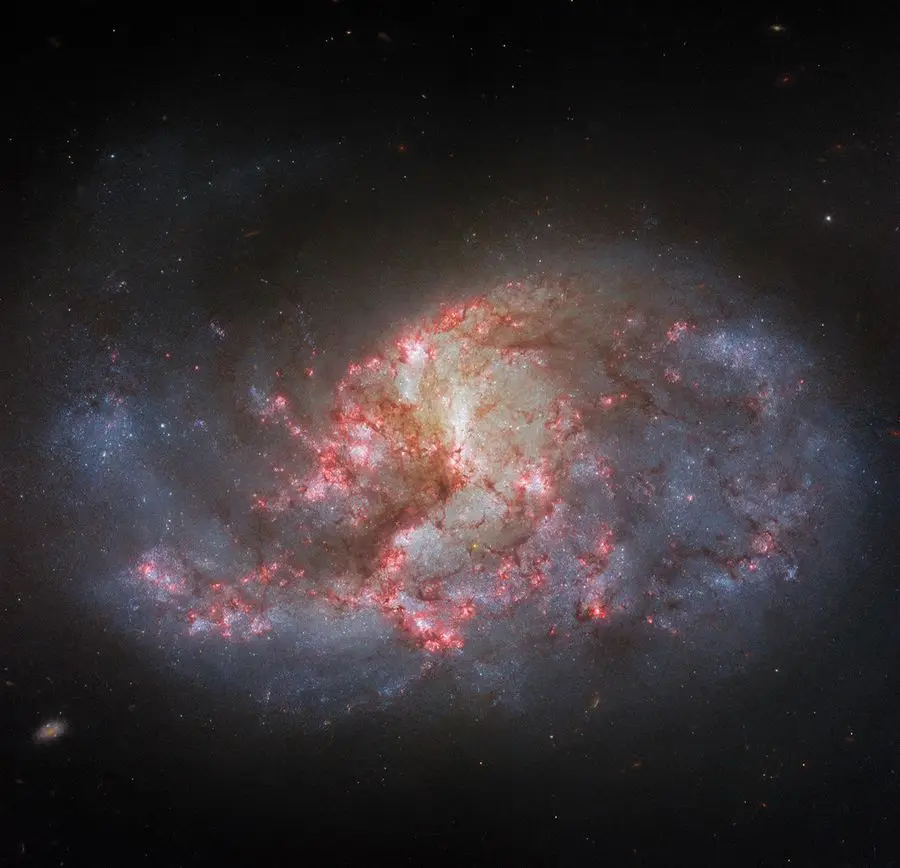
How big is the universe?
The universe is estimated to be 93 billion light years vast. This means that if light were to beam from one end of the universe, it would take it 93 billion light years to reach the other end. That is HUGE!
6 / 6
(Photograph: NASA)
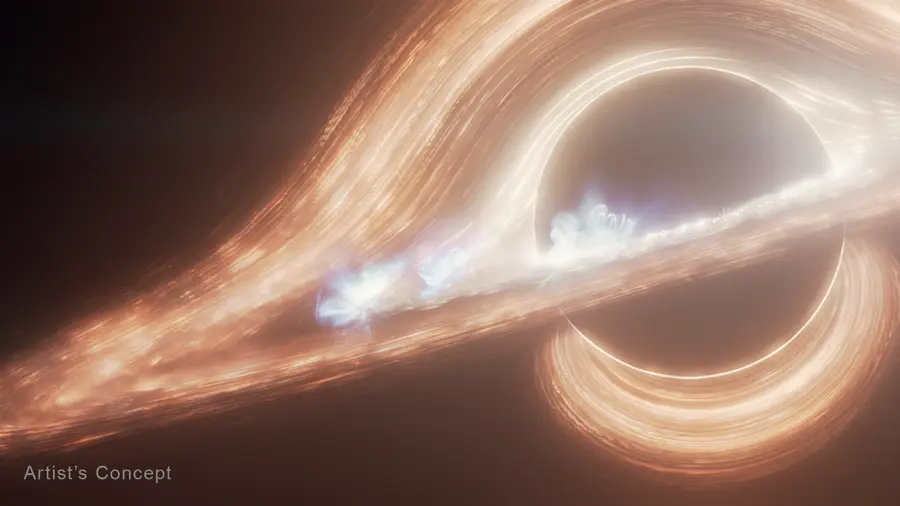
But, there is a lot more that humans will never see
Humans have measured the universe at 93 billion light years, but that is only a tiny portion, what we call the observable universe. This is what scientists can see. But there is a lot more out there that we cannot see, and will probably never see, because the universe is still expanding.
)
)
)
)
)