A look at United States-China trade war in 10 dates

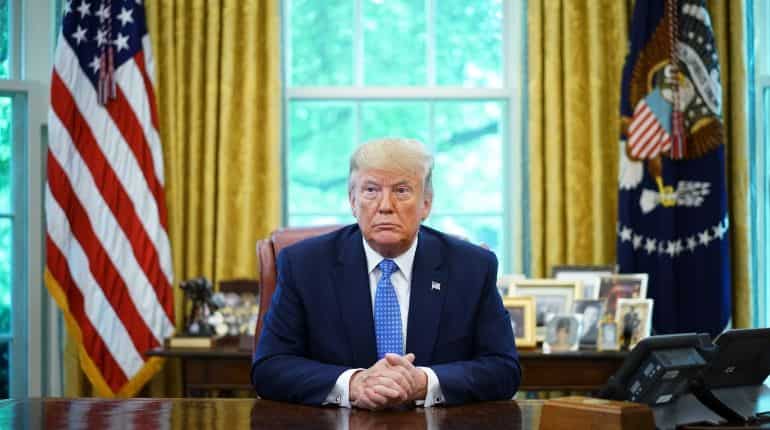
March 8, 2018: Tax on steel, aluminium
Trump, who campaigned under the slogan "America First", announces tariffs of 25 per cent on steel imports and 10 per cent on aluminium from a number of countries in a bid to slash the huge US trade deficit.
The deficit reached $566 billion in 2017, of which $375 billion was with China, the world's biggest producer of steel and aluminium.
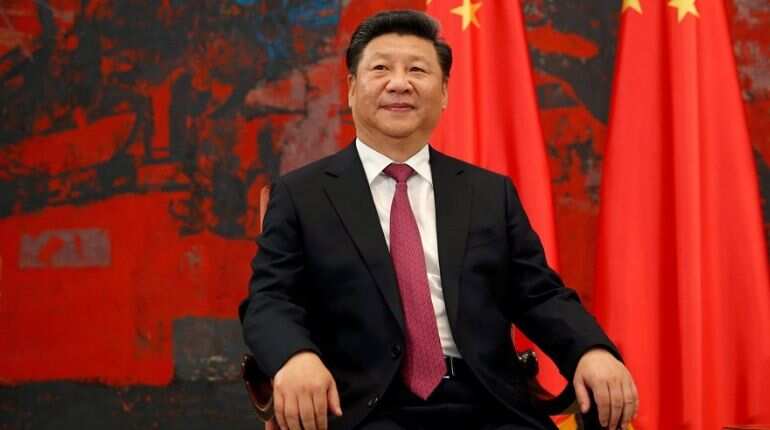
March 22: China ripostes
On the eve of the tariffs' application, Trump suspends them for several countries, but not China.
Beijing responds with a list of 128 US products on which it says it will impose customs duties of 15-25 per cent if negotiations with Washington fail.
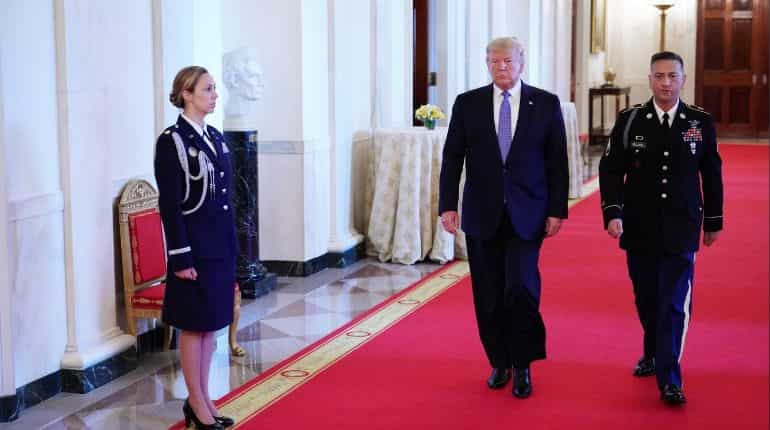
April 3: New threats
Washington issues a list of $50 billion in Chinese imports set to be targeted by US tariffs as a response to an alleged theft of US intellectual property.
Beijing responds with plans to hit imports of the same value.
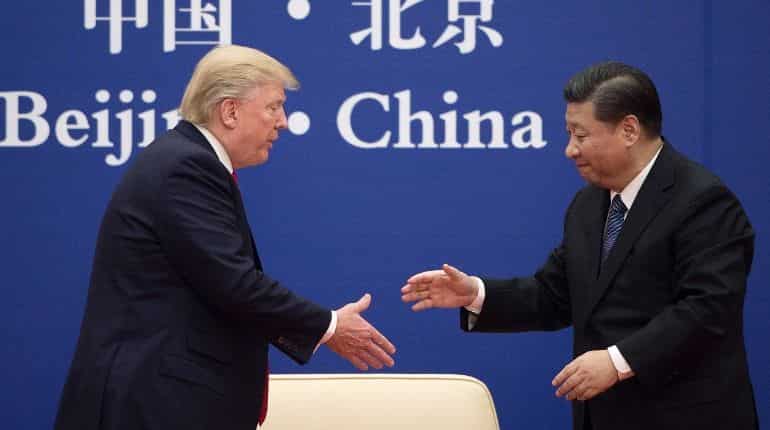
May 19: Signs of appeasement
The two countries announce a draft deal under which Beijing agrees to reduce its trade surplus "significantly".
In the following weeks, China makes several conciliatory gestures, reducing customs duties, lifting restrictions and offering to buy extra US goods.
July 6: Trade war
The United States nonetheless slaps 25-per cent duties on about $34 billion of imports, including cars, hard disks and aircraft parts.
Beijing, in turn, imposes tariffs of equal size and scope, including on-farm produce, cars and marine products.
August 23: Escalation
Washington imposes tariffs on another $16 billion of Chinese goods, a day after negotiations resume.
China applies 25-per cent tariffs on $16 billion of US goods, including Harley-Davidson motorcycles, bourbon and orange juice.
On September 24, Washington slaps 10 per cent taxes on $200 billion of Chinese imports. Beijing puts customs duties on $60 billion of US goods.
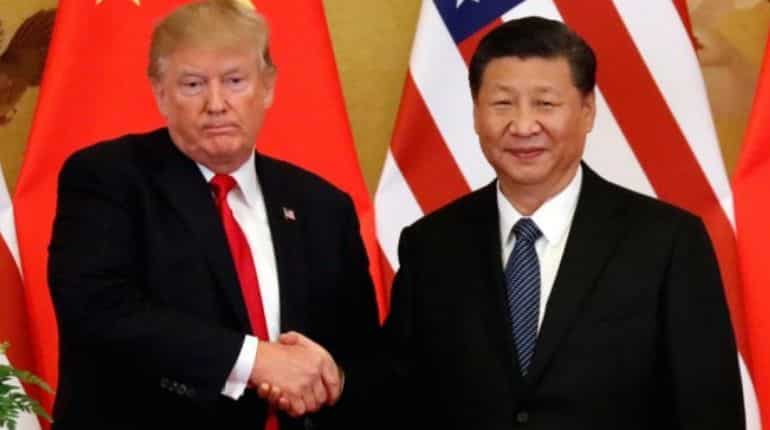
December 1: Truce
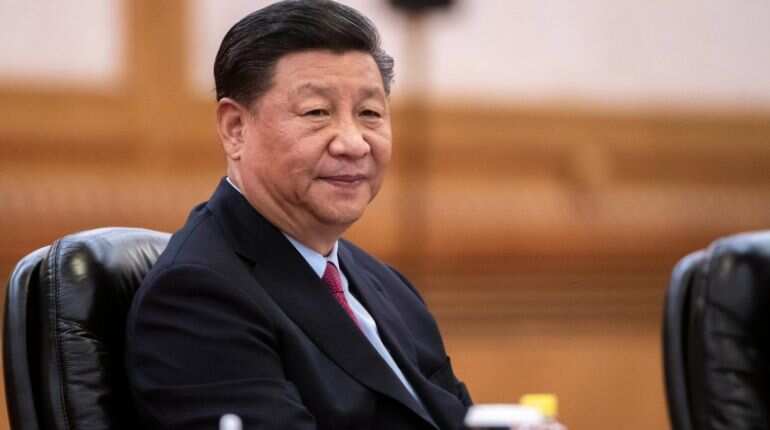
On December 1, Trump and Xi agree to a ceasefire to the trade war. Washington suspends for three months a tariff increase from 10 to 25 per cent due to begin January 1 on $200 billion of Chinese goods.
China agrees to purchase a "very substantial" amount of US products and also suspends extra tariffs added to US-made cars and auto parts for three months starting January 1. It allows imports of American rice.
May 10, 2019: Hostilities resume
Washington pulls the plug on the truce, increasing punitive duties on $200 billion in Chinese imports.
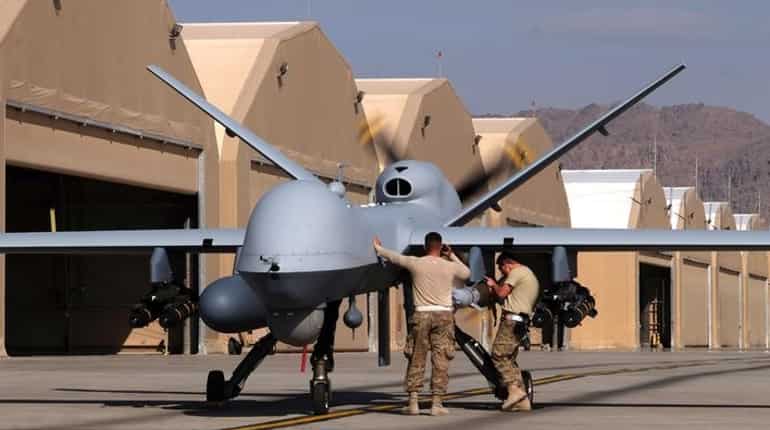
Designed to fly at altitudes of up to 60,000 feet
The RQ-4 Global Hawk is designed to fly at high altitudes of up to 60,000 feet (18 km), according to Northrop Grumman's website.
Commercial passenger aircraft typically fly at altitudes of between 31,000 and 38,000 feet or 9 to 11 km.
June 1: New Chinese tariffs
As announced on May 13, Beijing on June 1 increases tariffs on $60 billion in US goods.
It also says it will release a blacklist of "unreliable" foreign companies.
Hopes of a trade truce are fuelled on June 18, when after telephone talks, Trump and Xi say they plan to meet at the G20 summit.
Days before the summit, the US blacklists five Chinese tech entities.
)
)
)
)
)